
 Serum Bottles
 Clear Glass Bottles
 Lotion Bottles
 Plastic Bottles
 Food Storage Containers
 Lip Balm Tubes
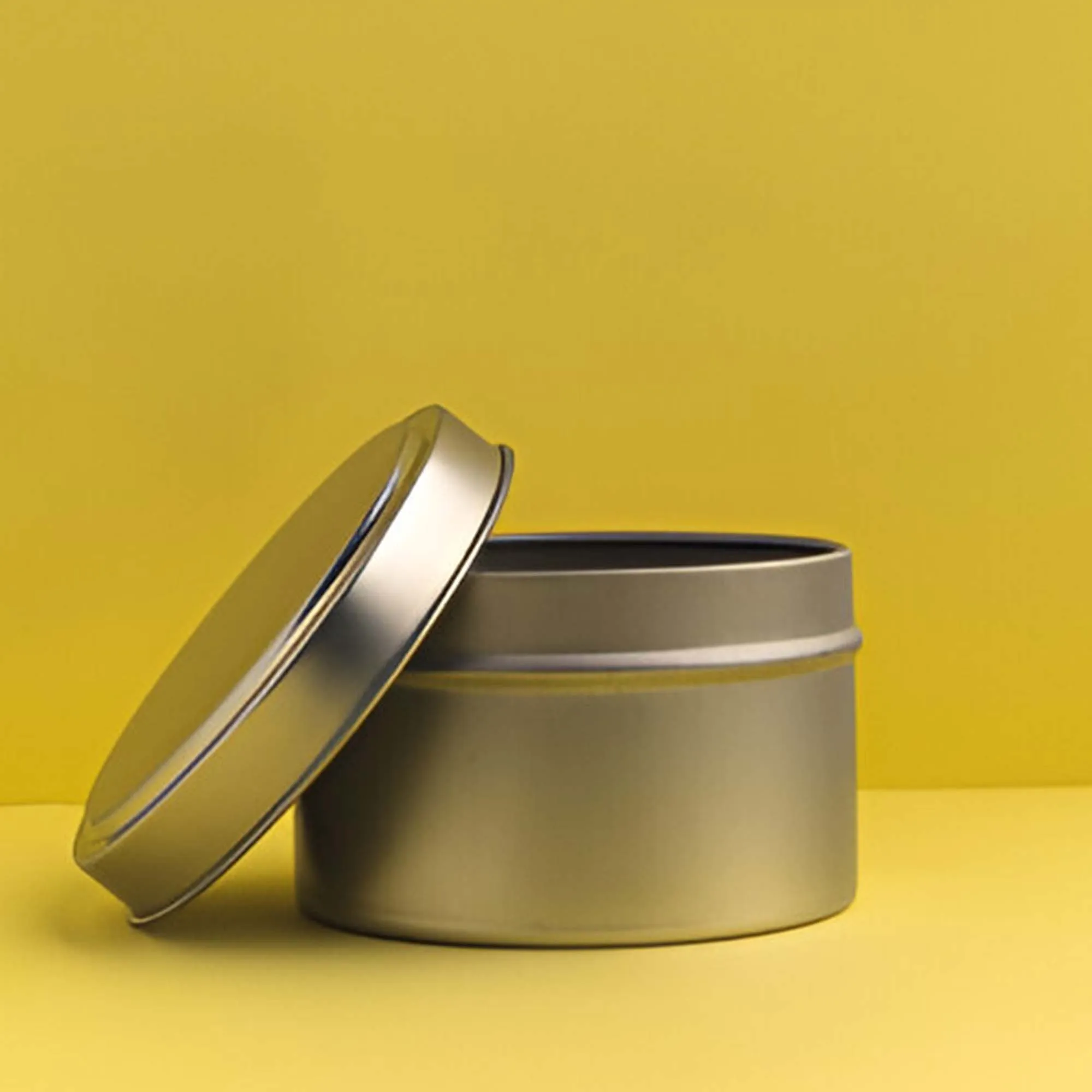 Metal Tins
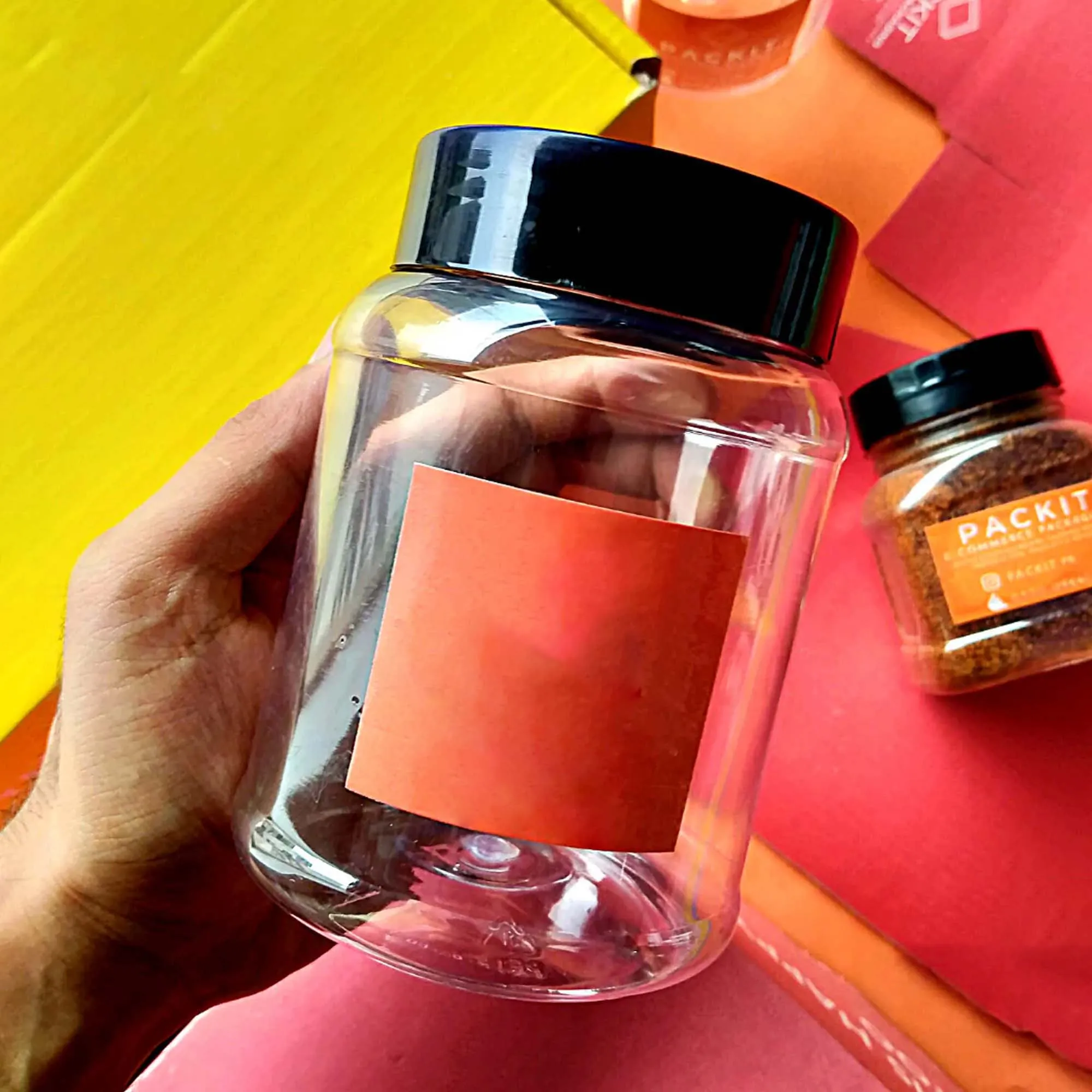 Plastic Jars
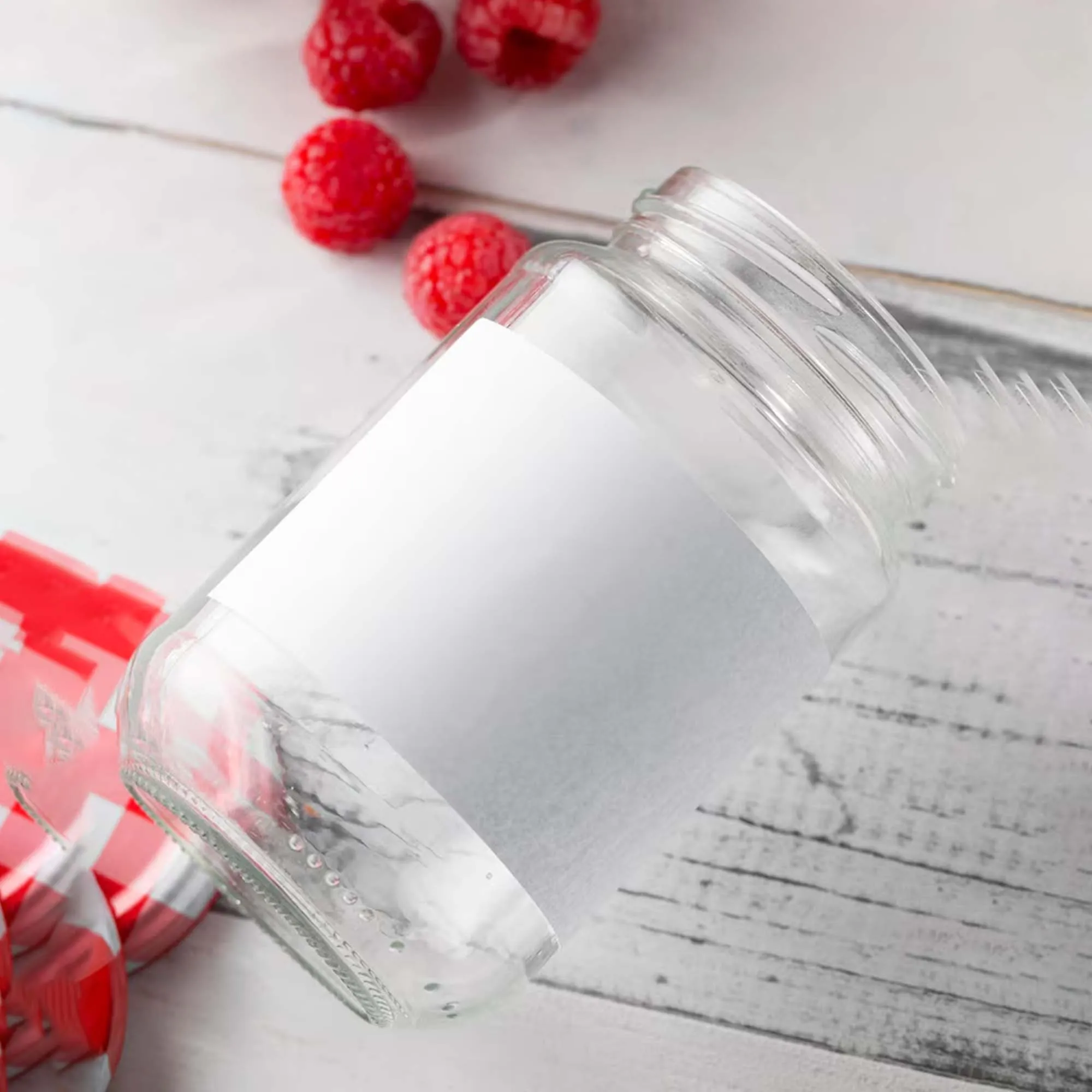 Glass Jars
 Cosmetic Containers
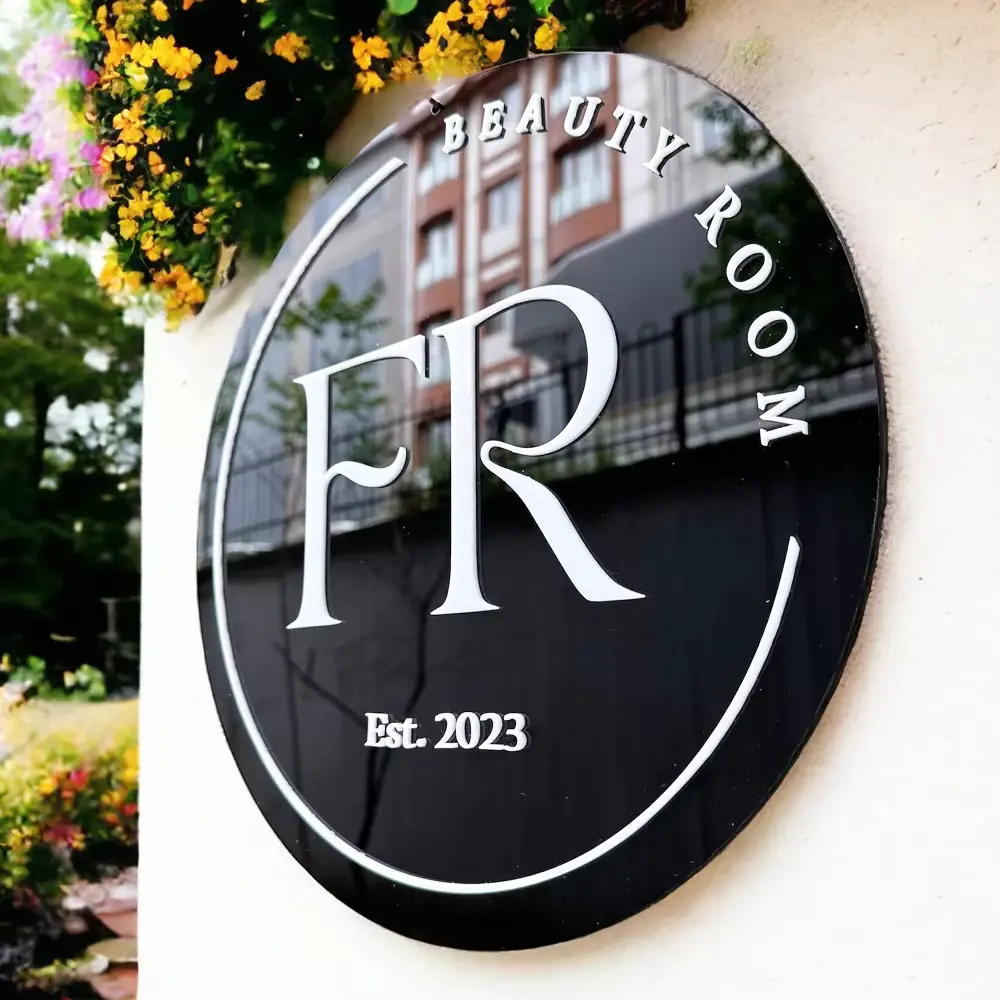 Black Acrylic Signs
 Clear Acrylic Signs
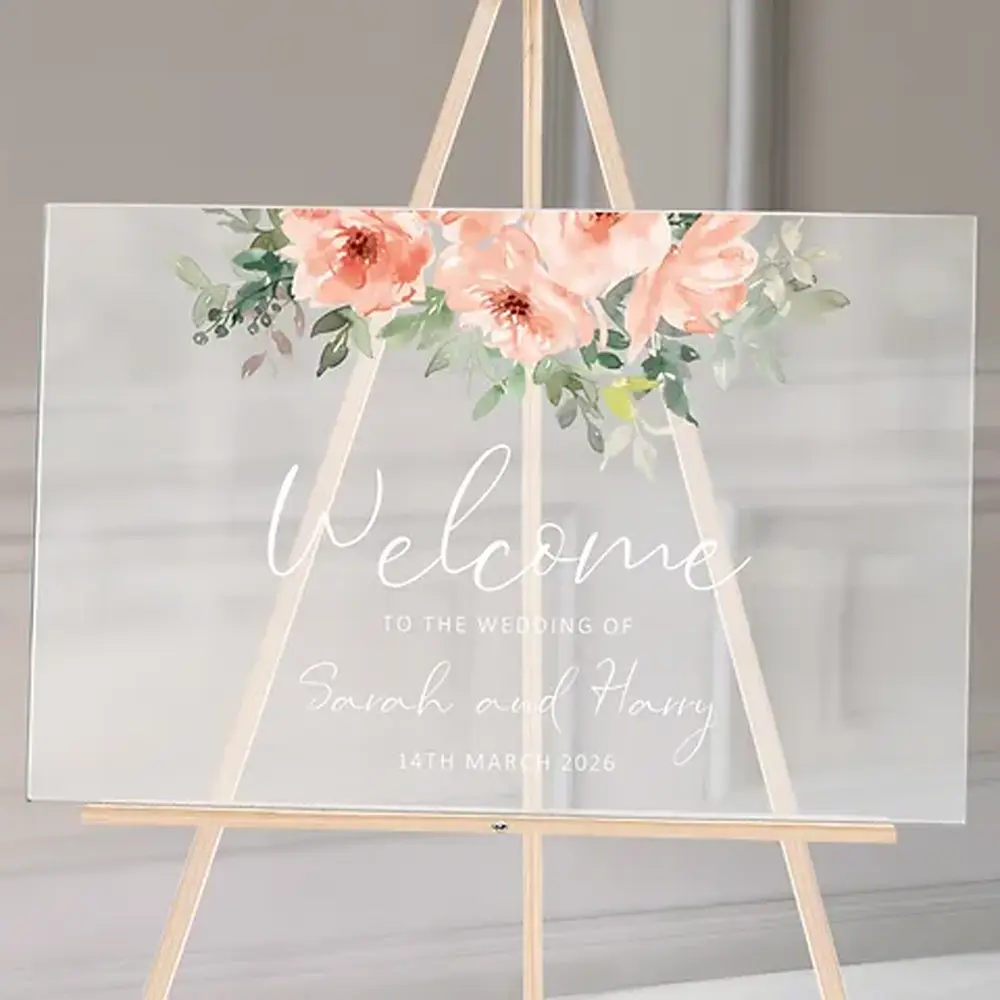 Frosted Acrylic Signs
 White Acrylic Signs
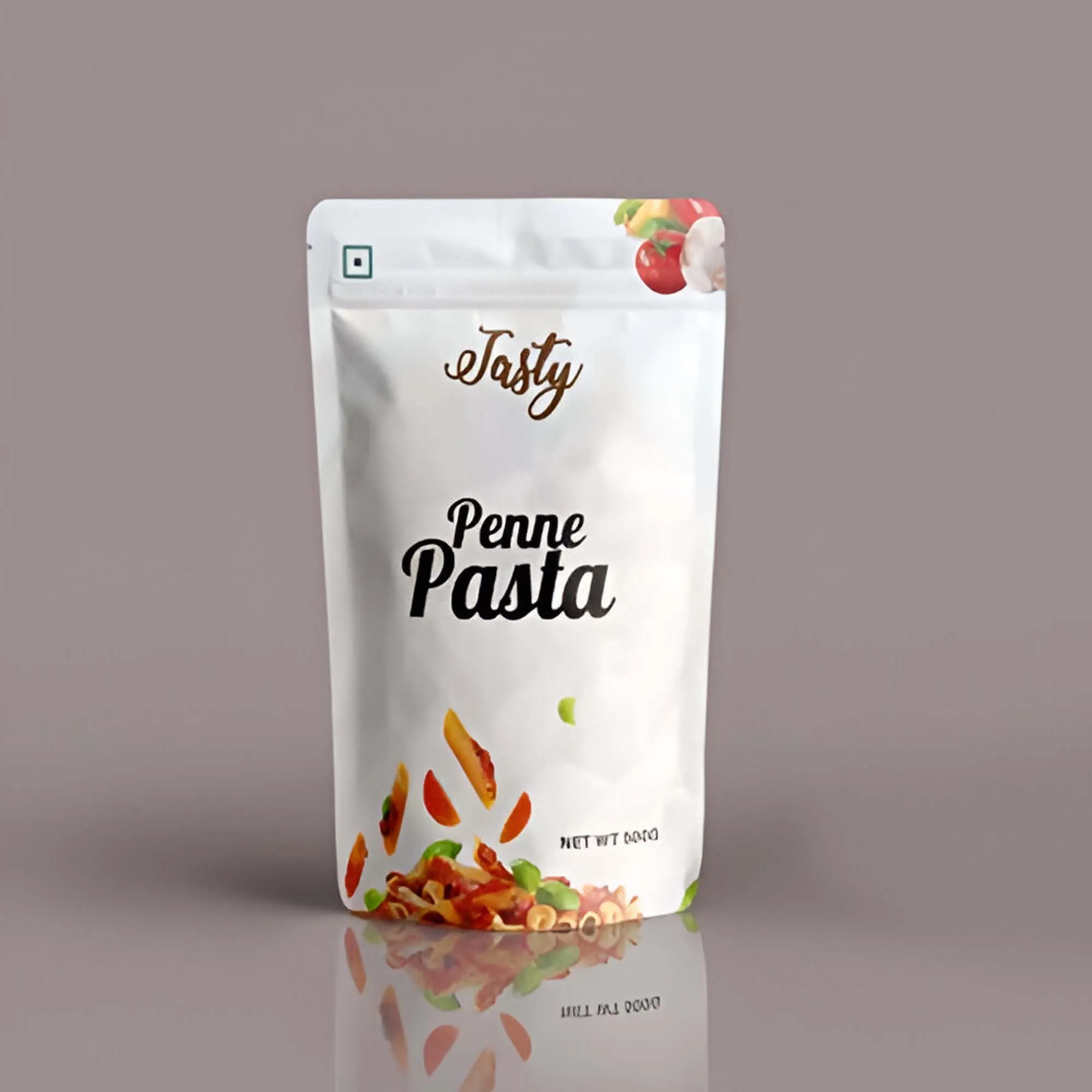 Aluminium Bags
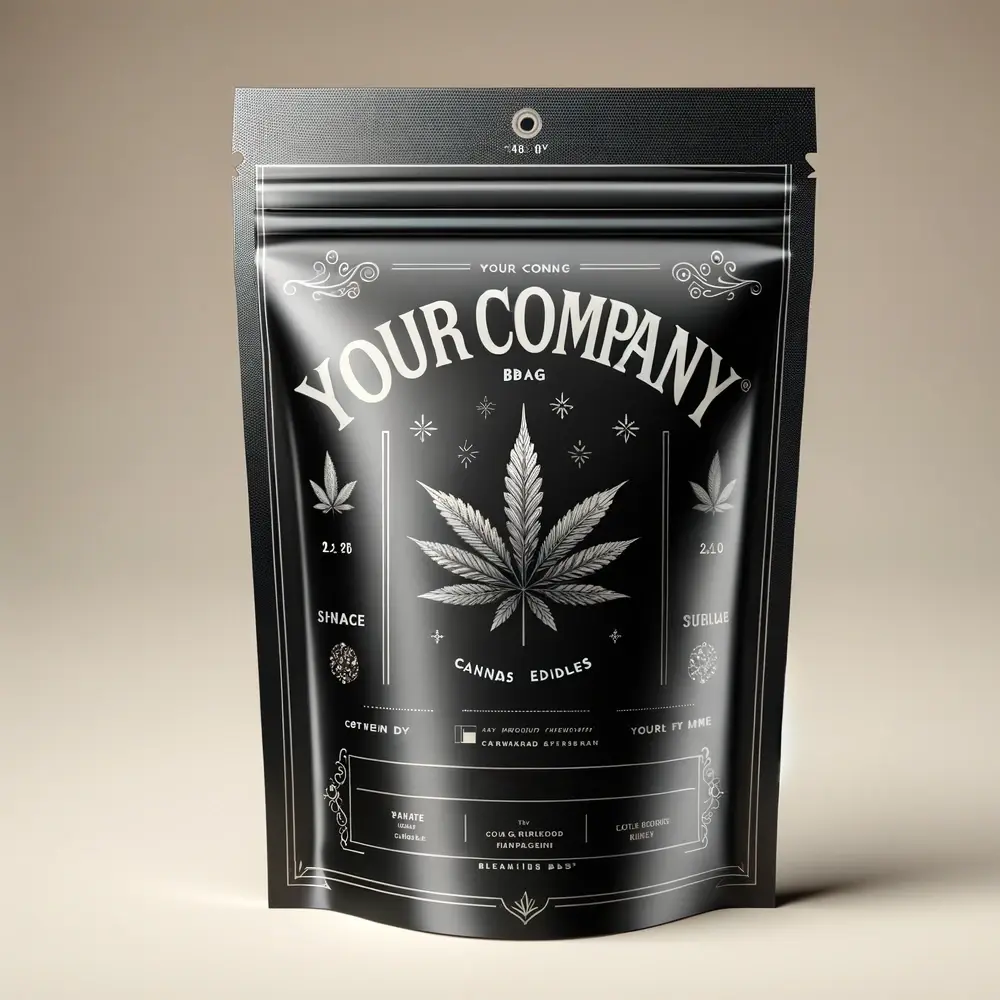 Black Mylar Bags
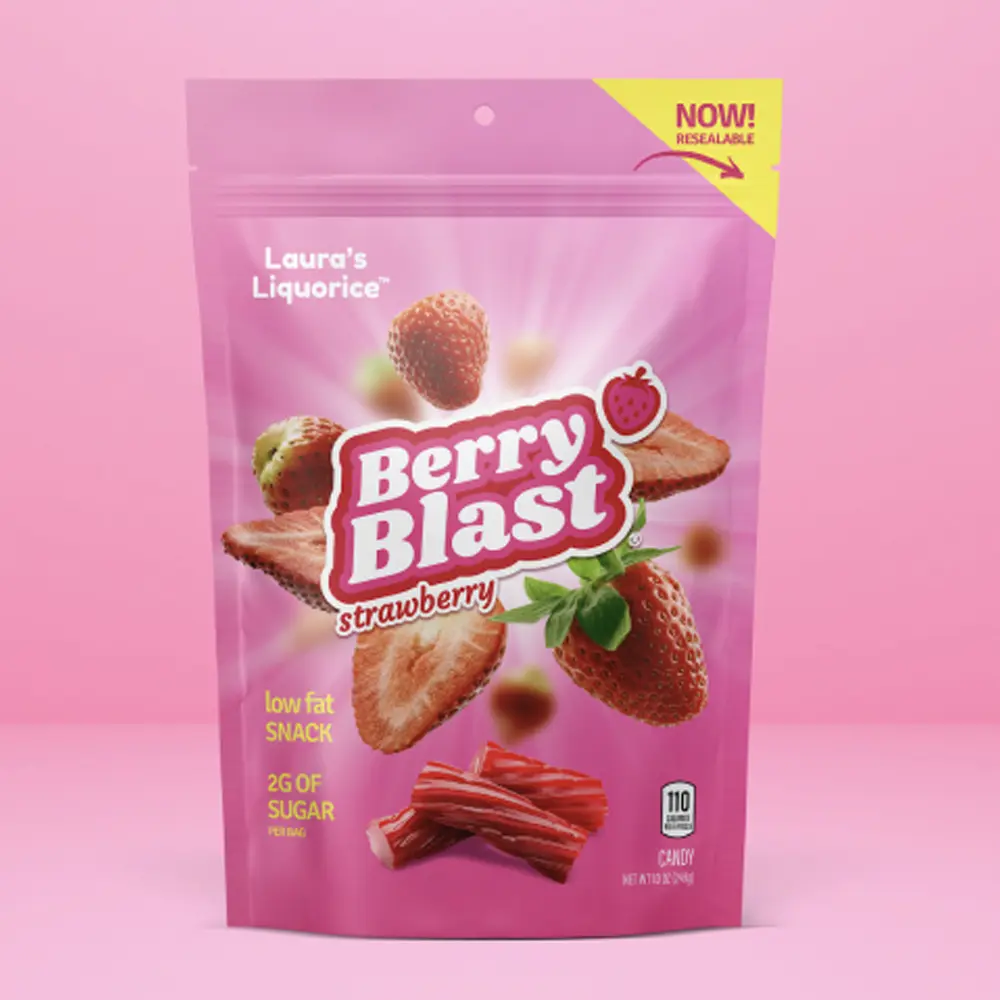 Candy Mylar Bags
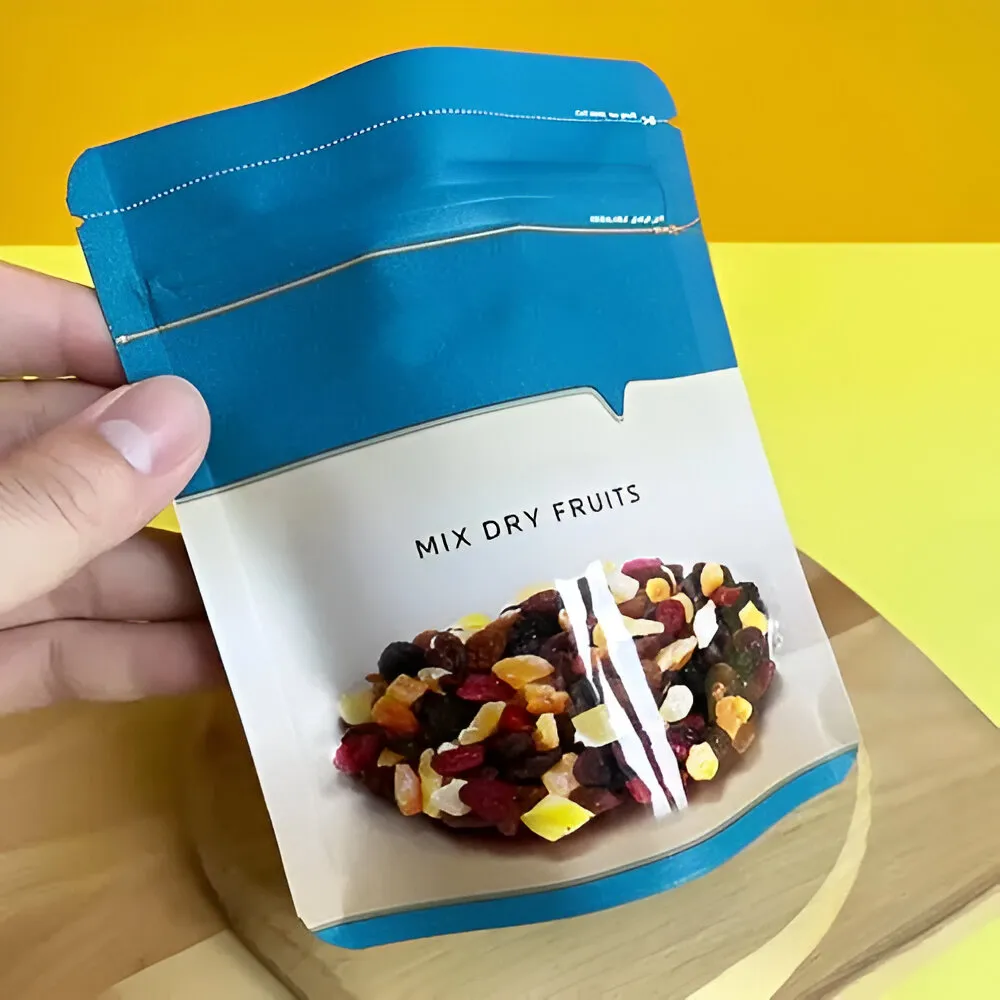 Child Resistant Mylar Bags
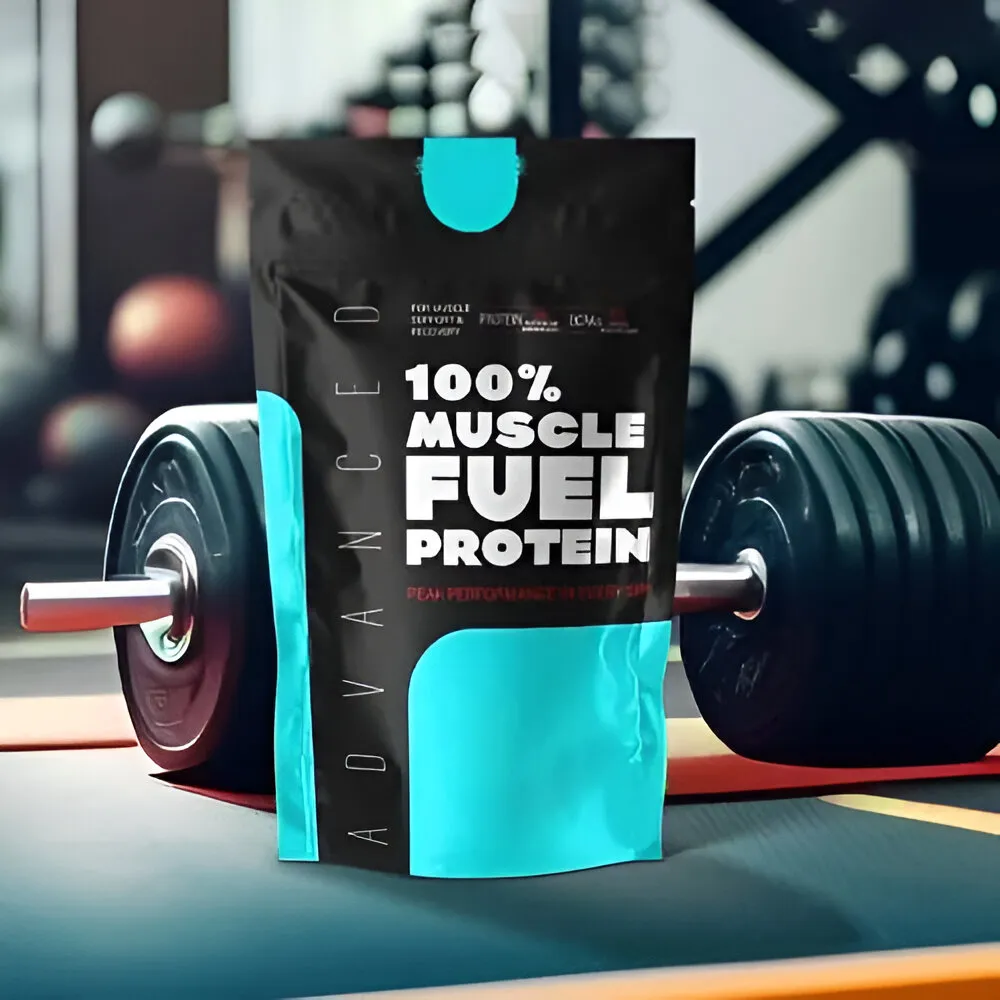 Custom Printed Mylar Bags
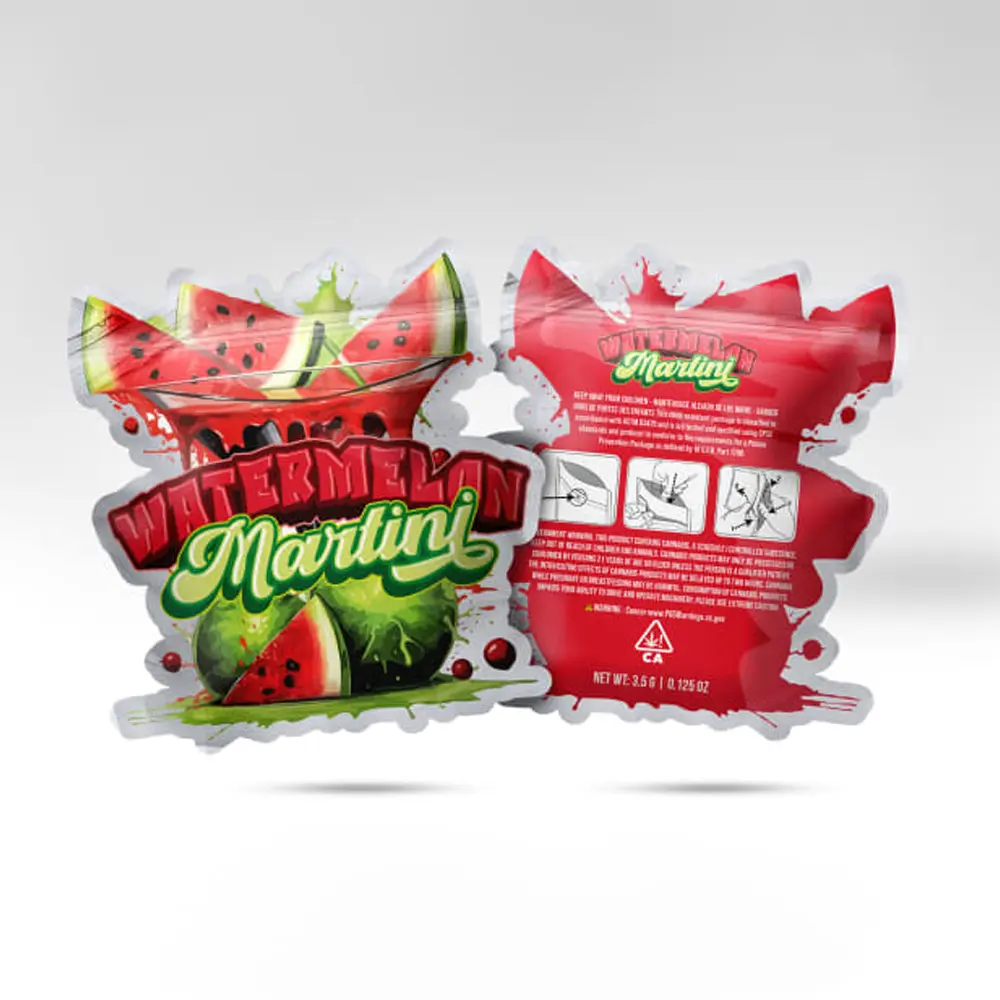 Die-Cut Mylar Bags
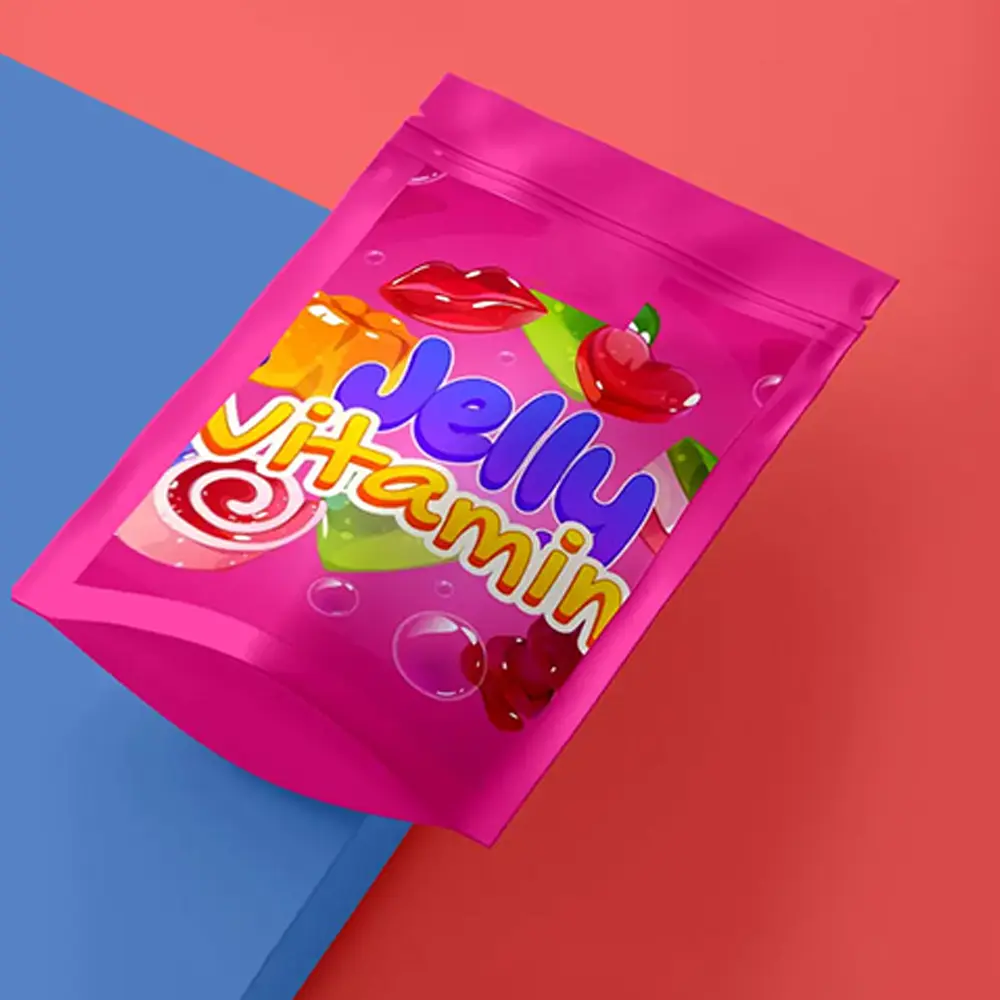 Edible Mylar Bags
 Food Pouches
 Frosted Bags
 Anti Aging Mask Boxes
 Bangle Boxes
 Concealer Boxes
 Contact Lens Boxes
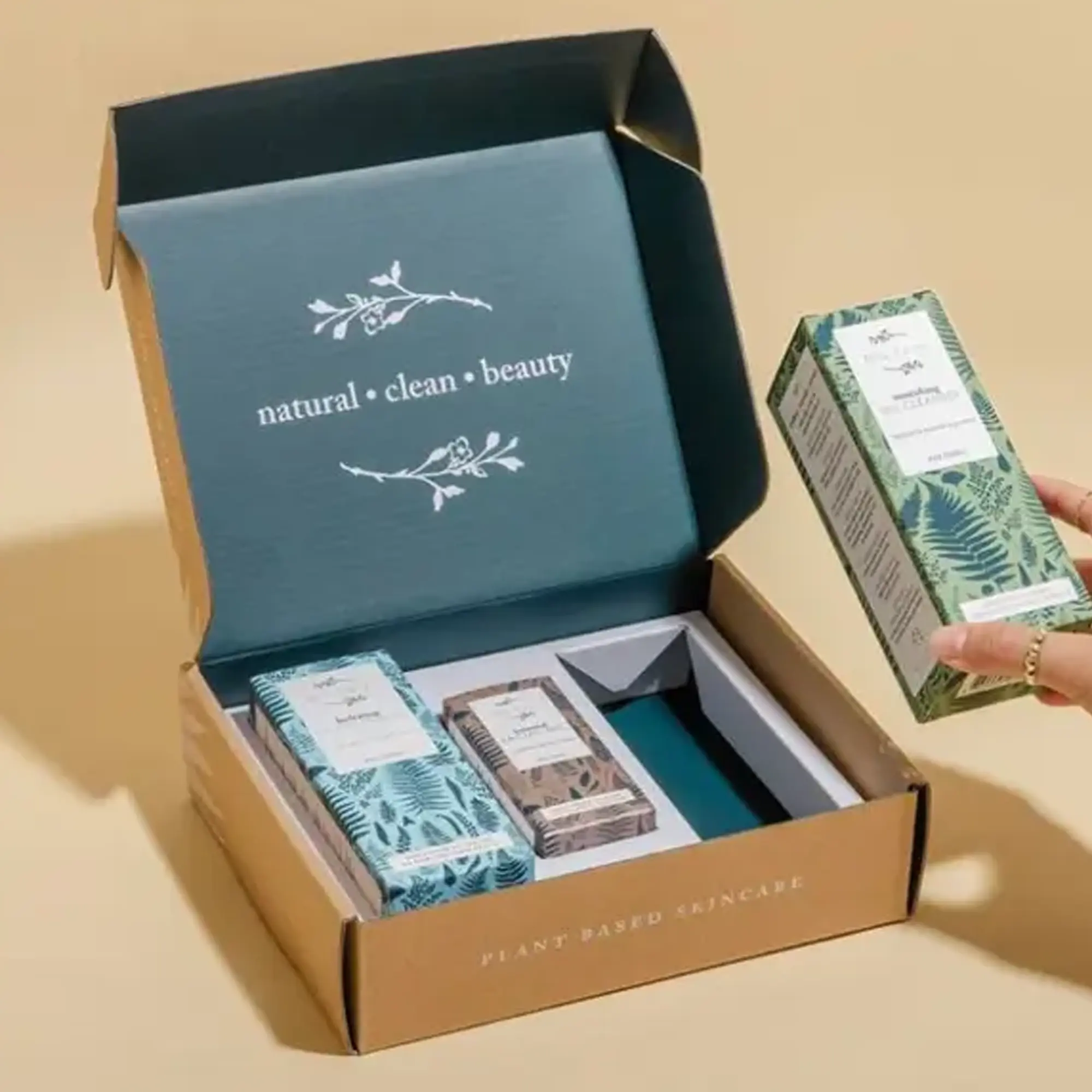 Cosmetic Cardboard Boxes
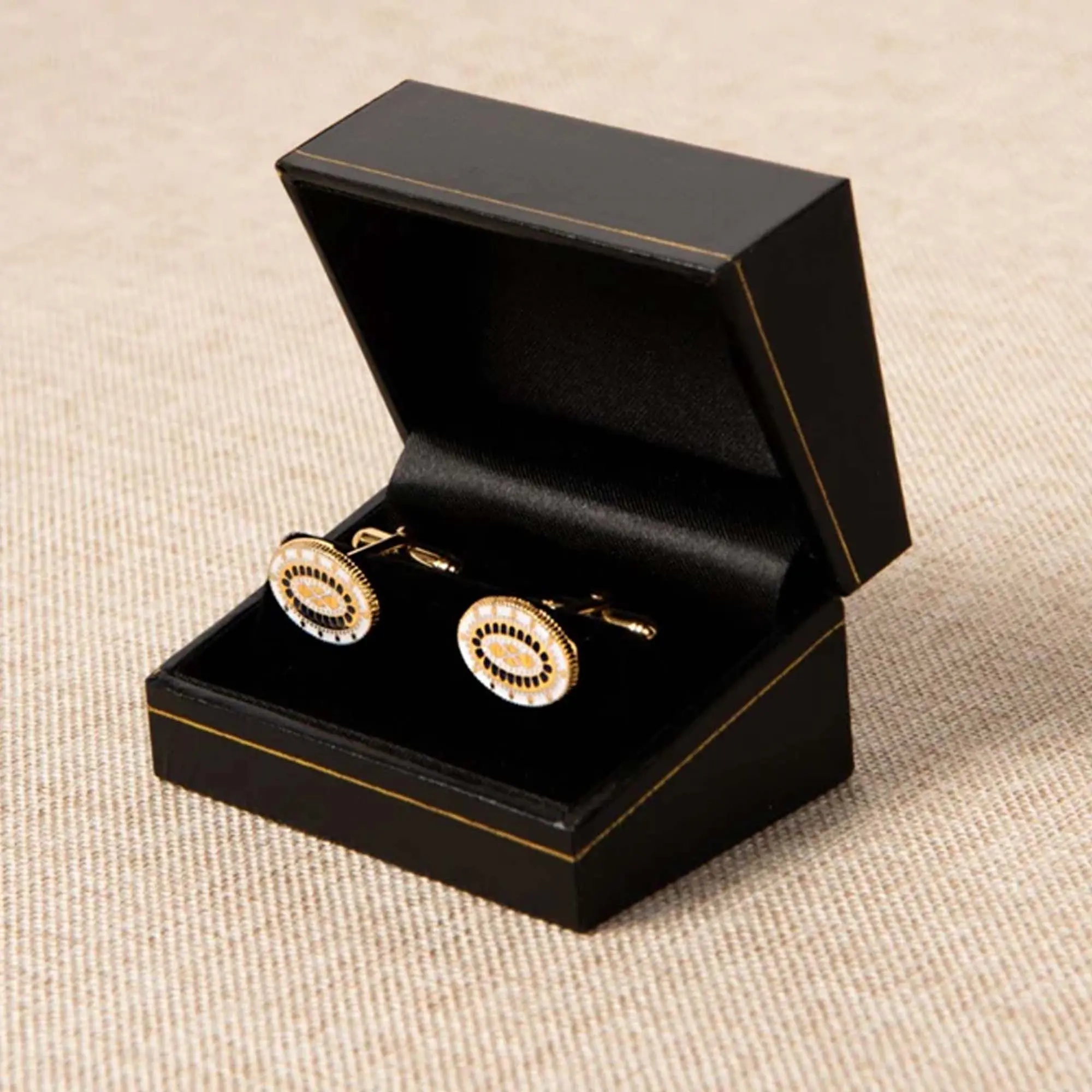 Cufflink Boxes
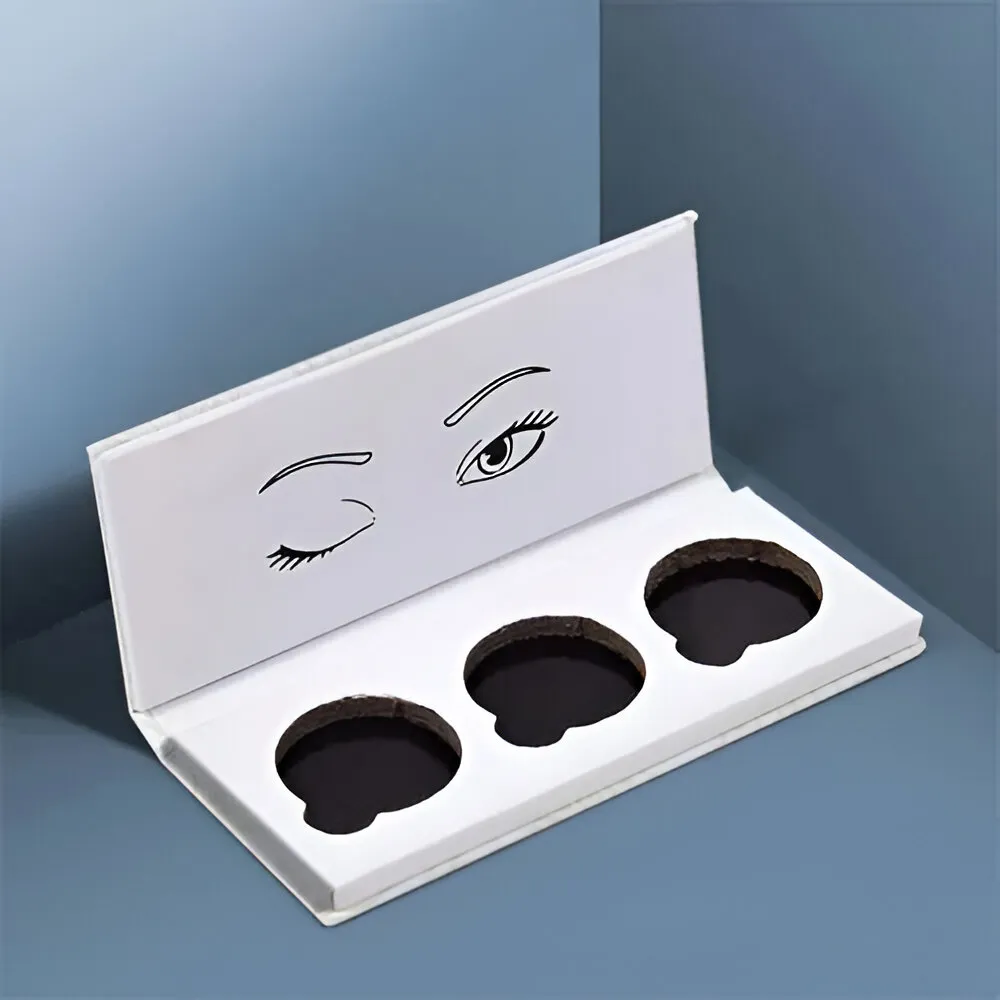 Custom Eye Shadow Packaging Boxes
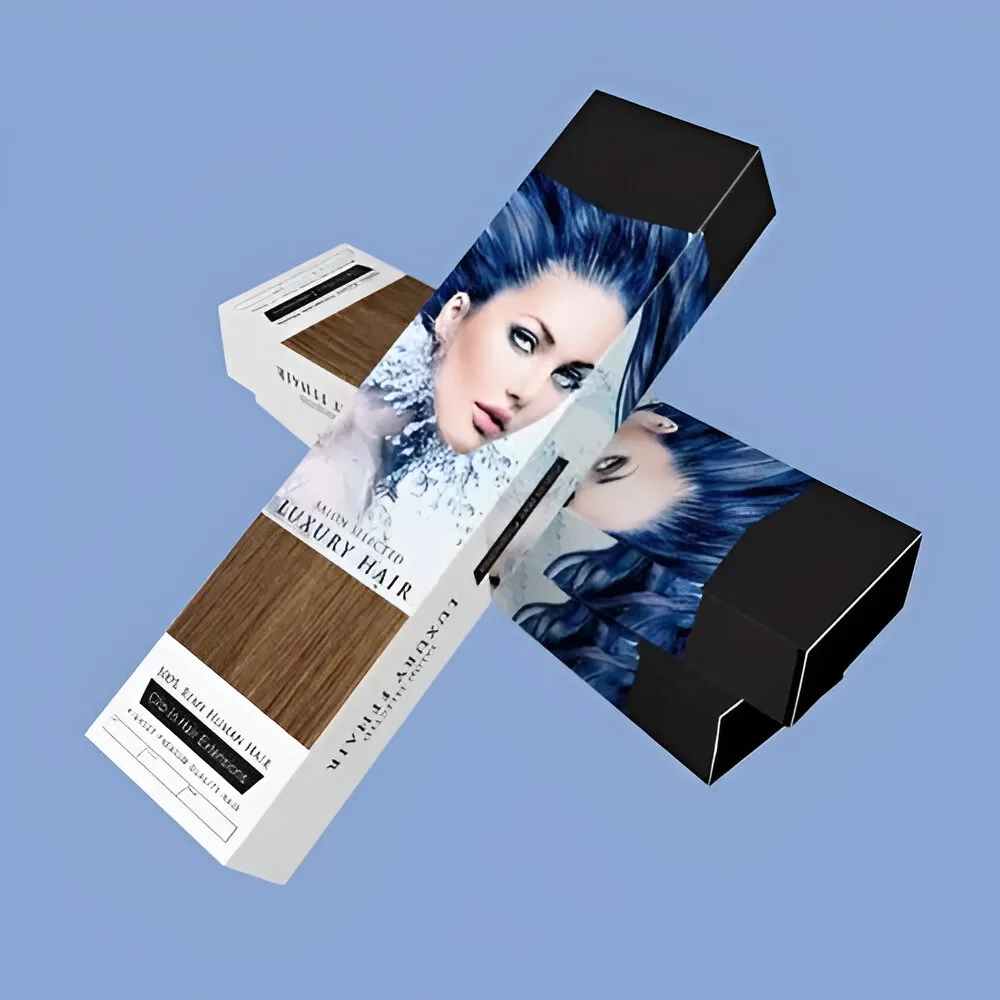 Custom Hair Color Boxes
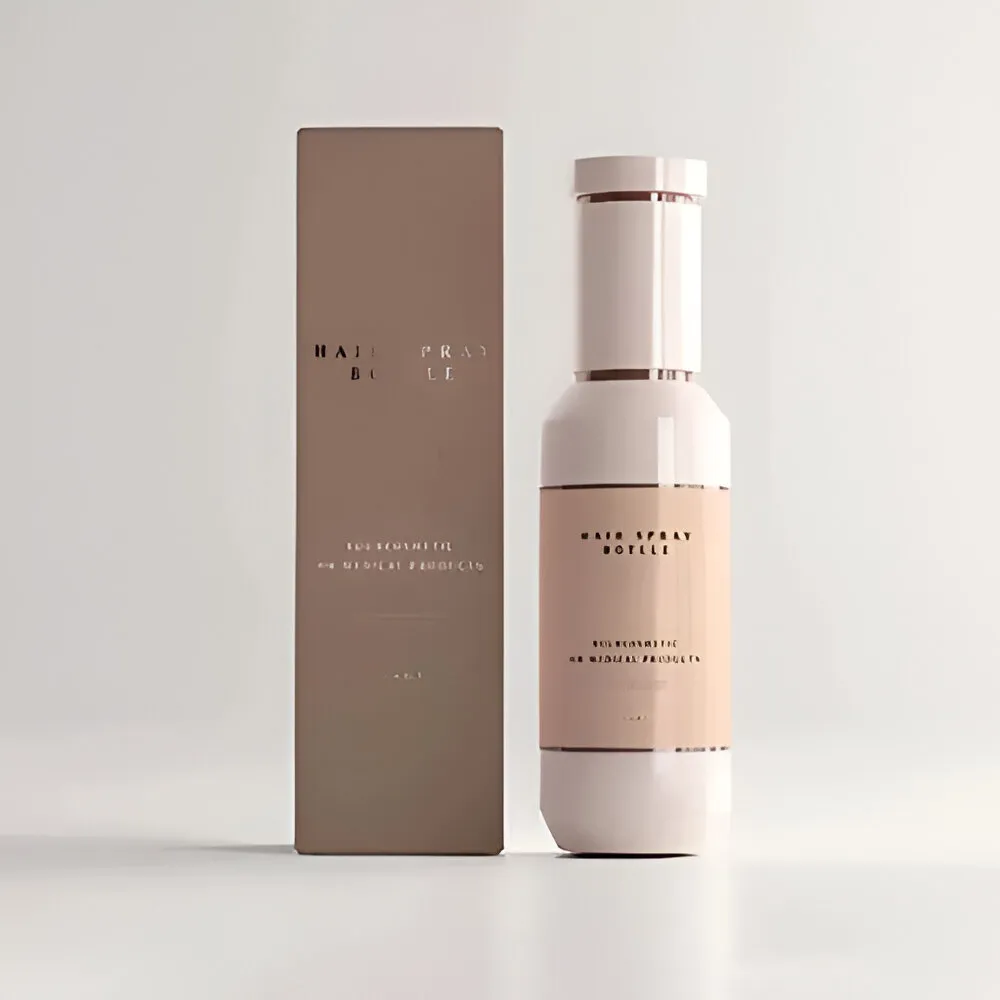 Custom Hair Spray Boxes
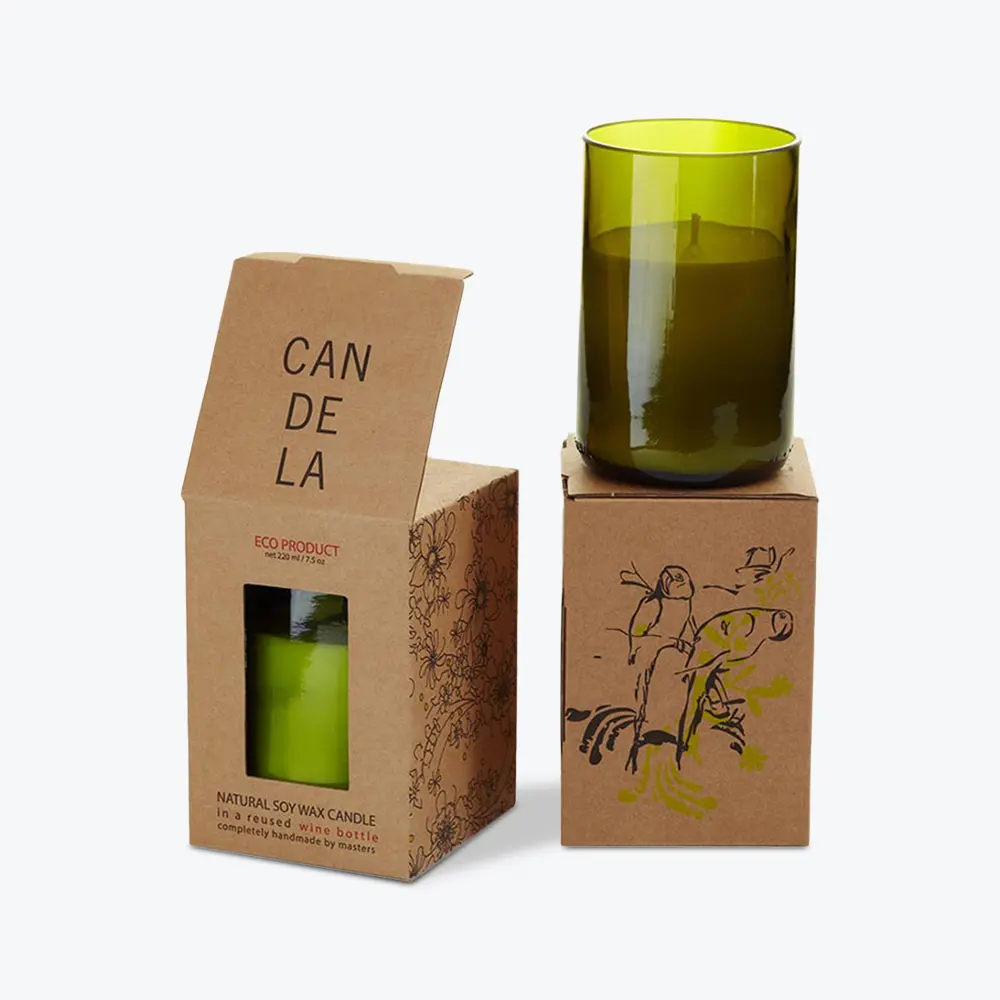 Candle Boxes with Window
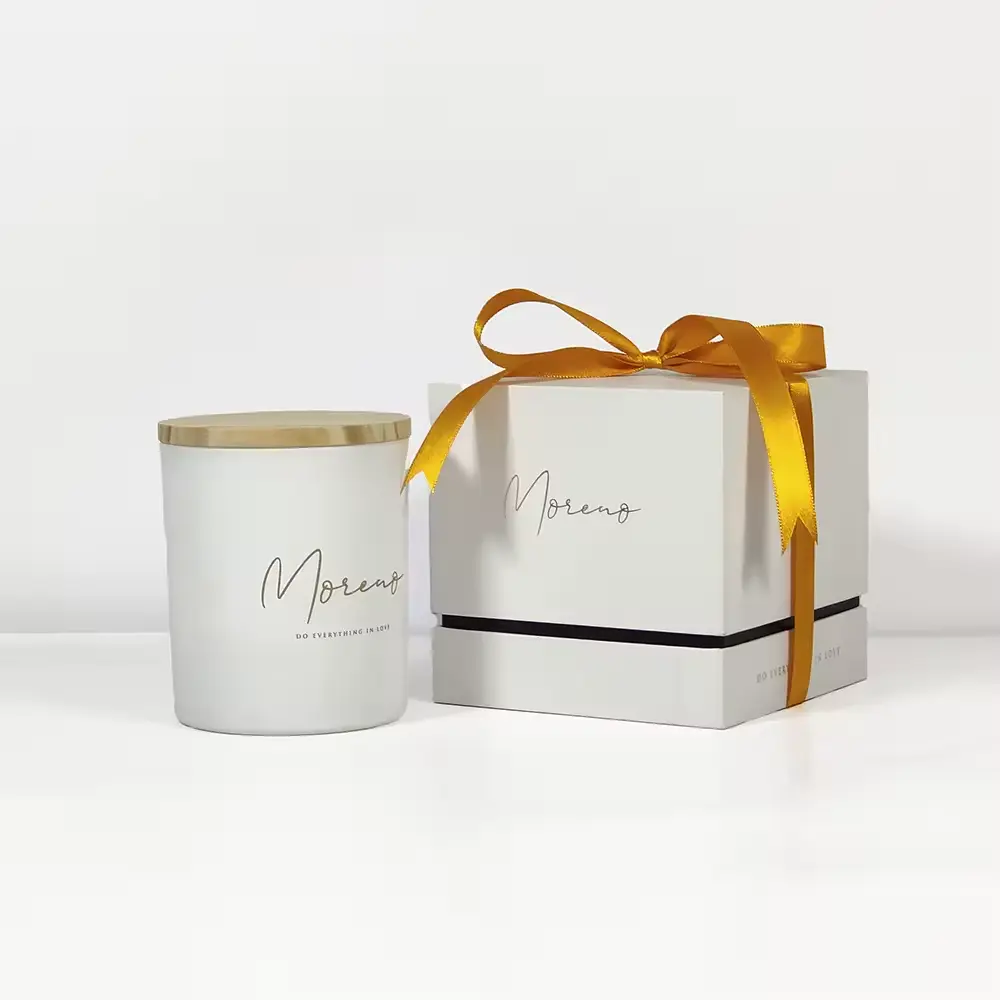 Candle Gift Boxes
 Candle Shipping Boxes
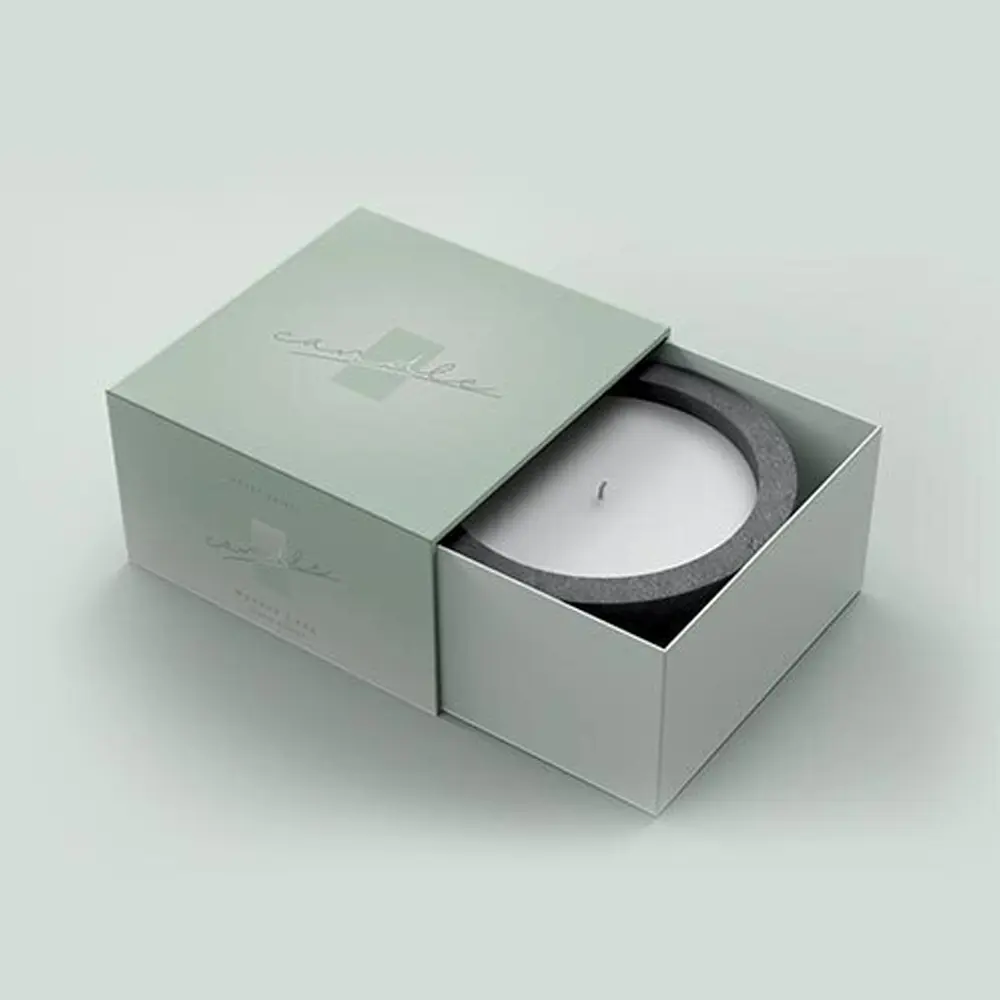 Candle Tray And Sleeve Boxes
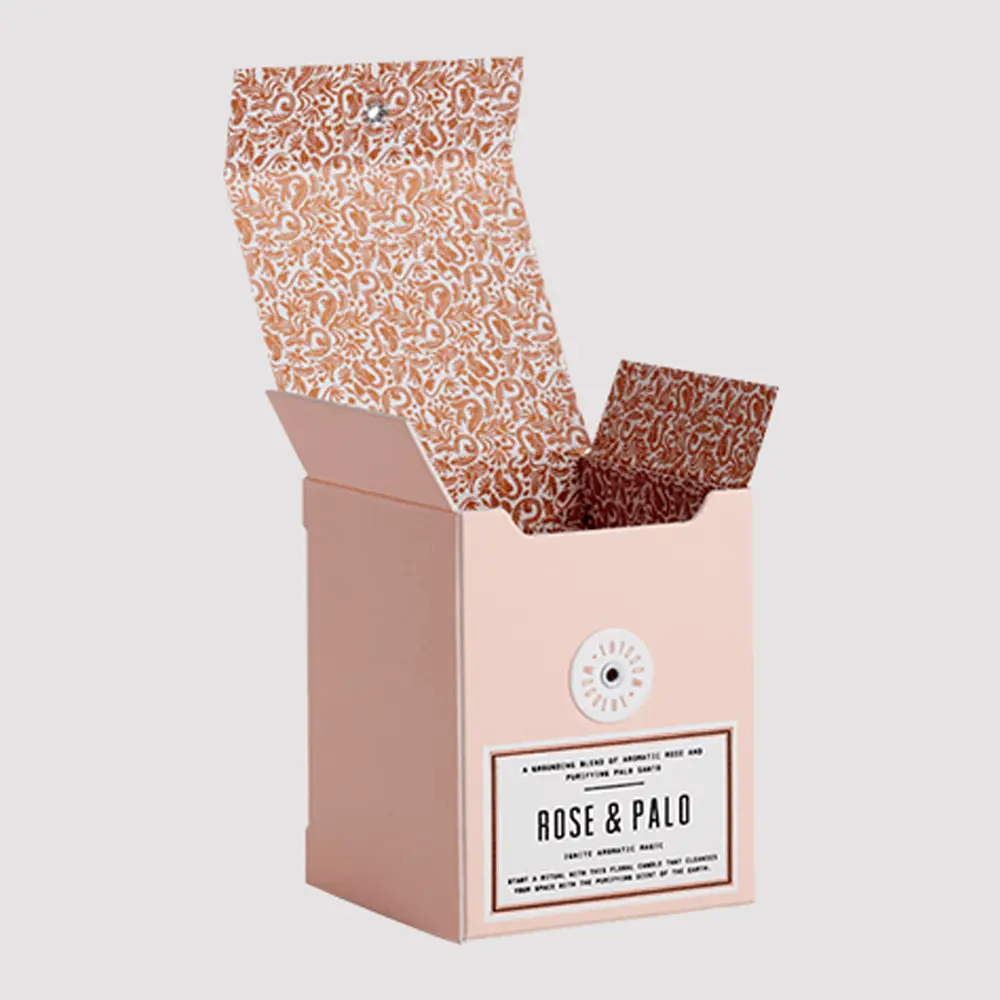 Cardboard Candle Boxes
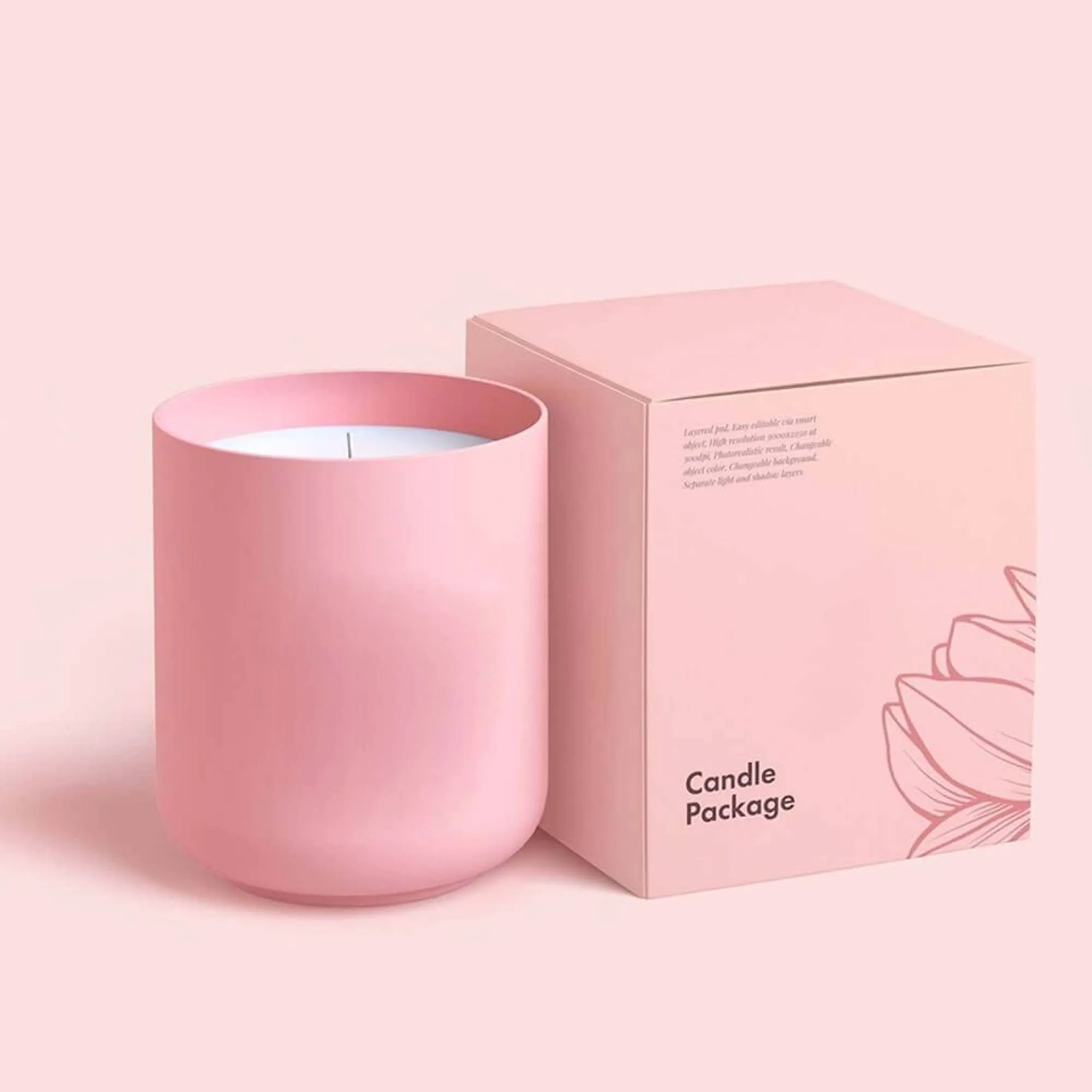 Custom Printed Candle Packaging Boxes
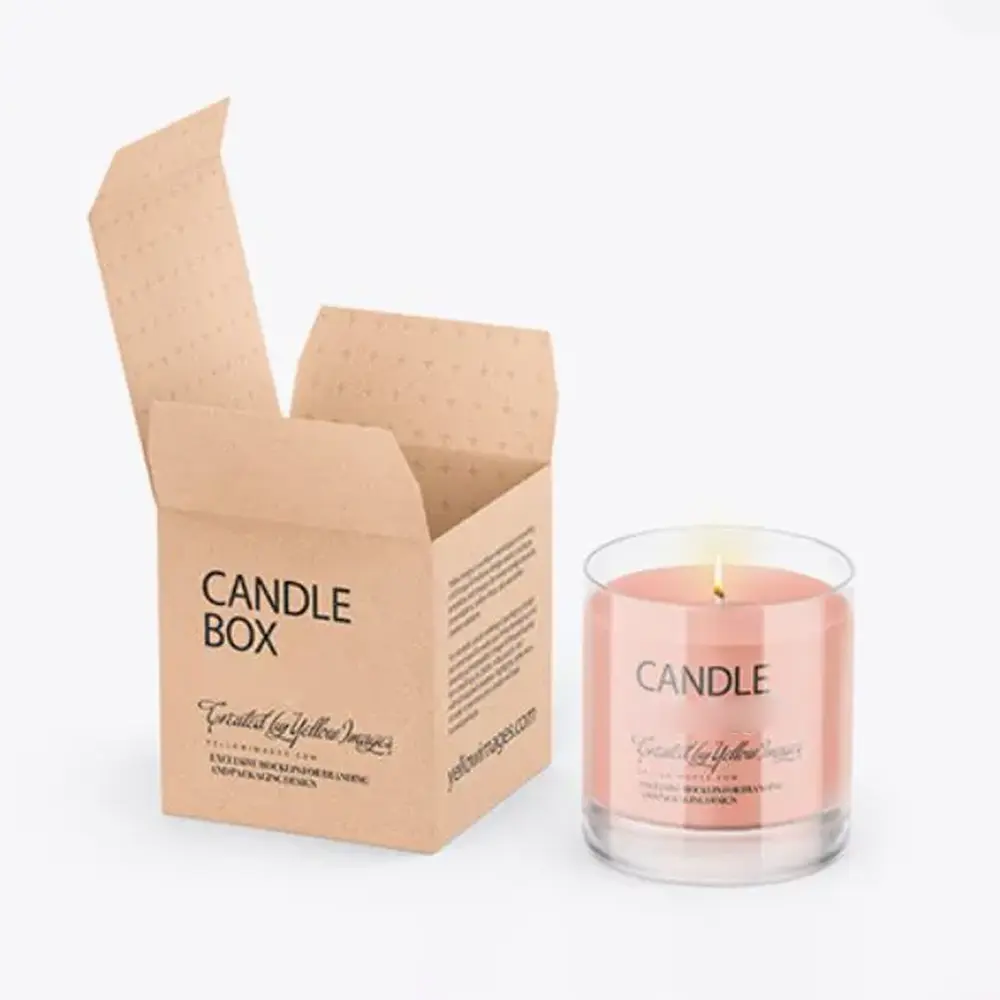 Eco-Friendly Candle Boxes
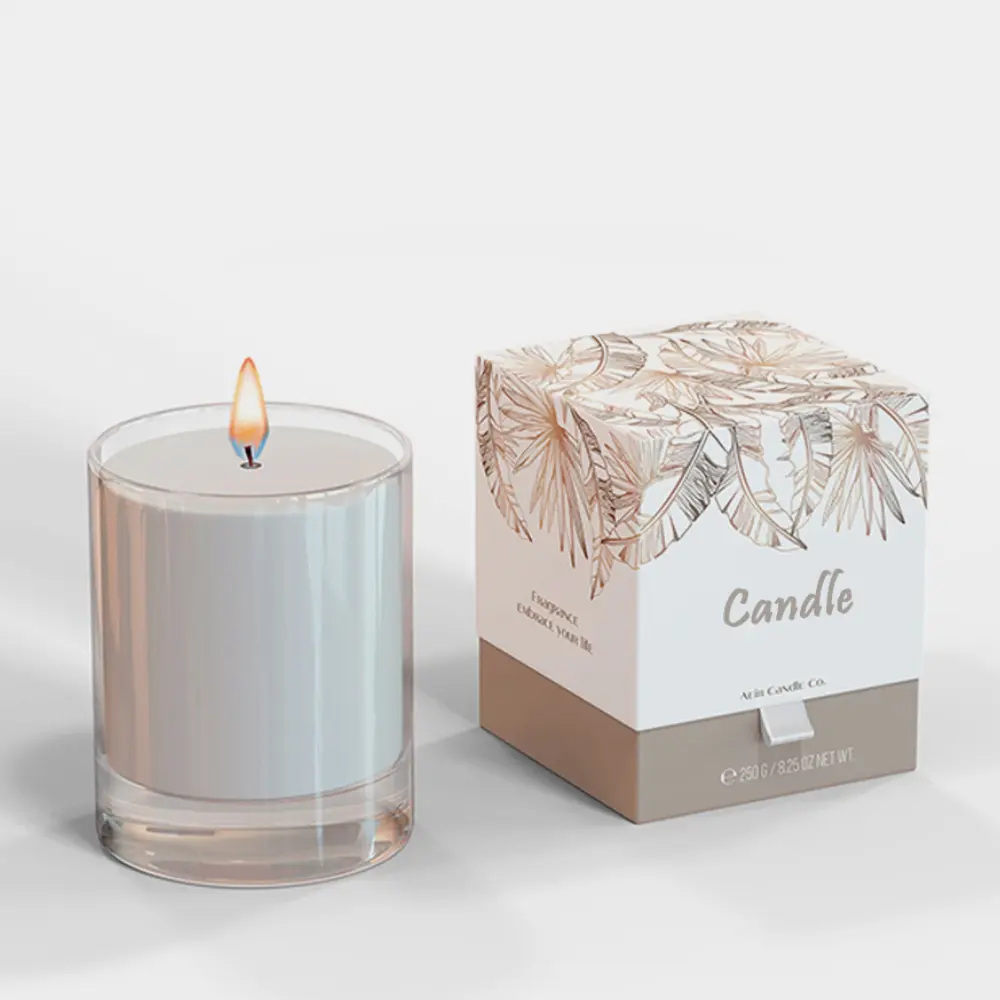 Luxury Candle Boxes
 Rigid Candle Boxes
 Beverage Boxes
 Custom Burger Boxes
 Custom Coffee Boxes
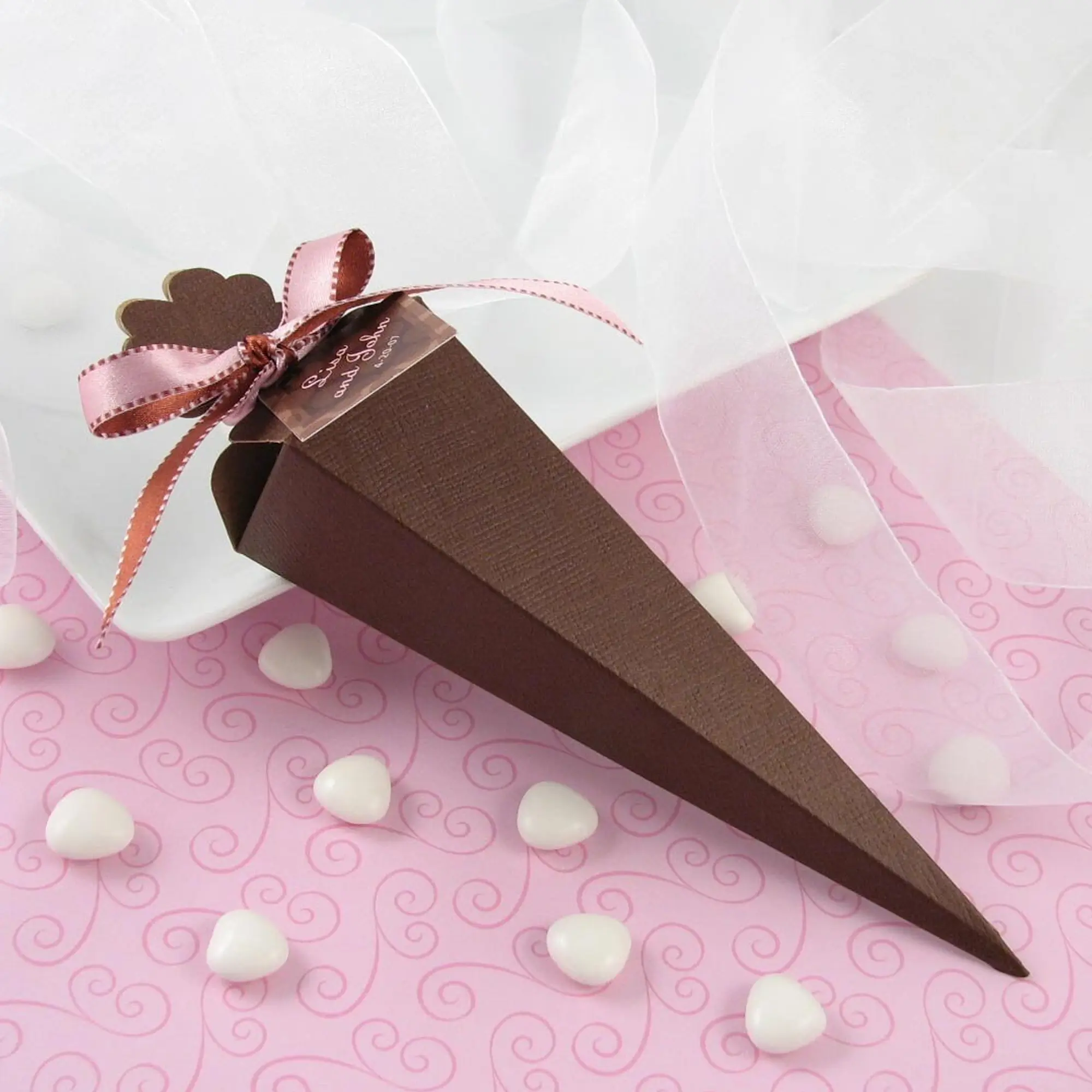 Custom Cone Boxes
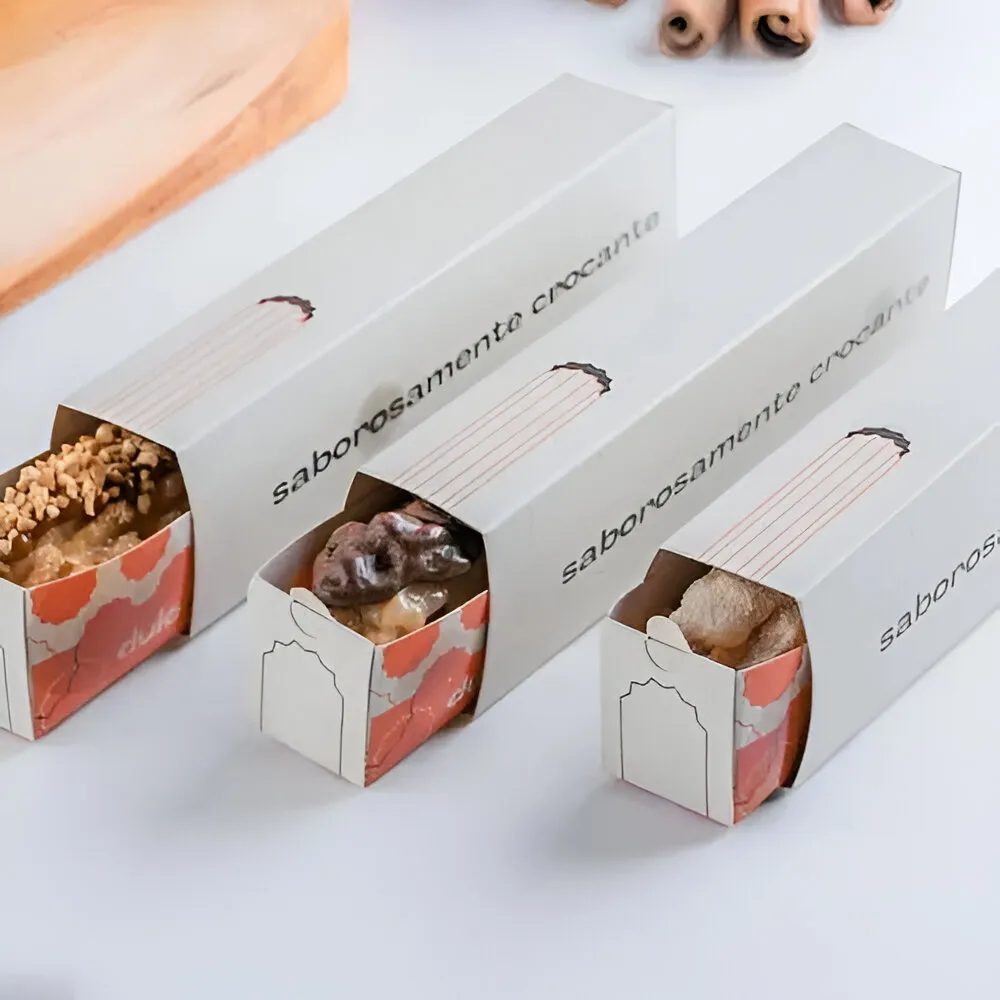 Custom Hot Dog Boxes
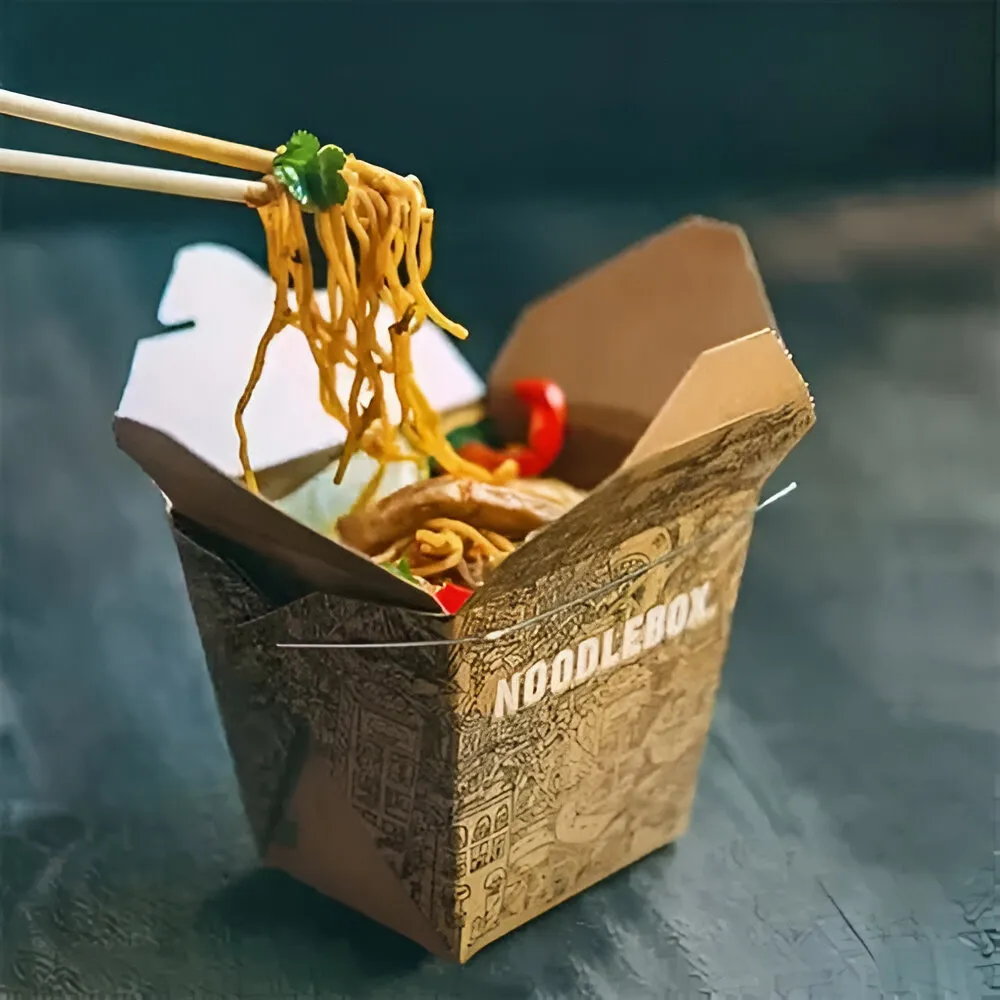 Custom Noodle Boxes
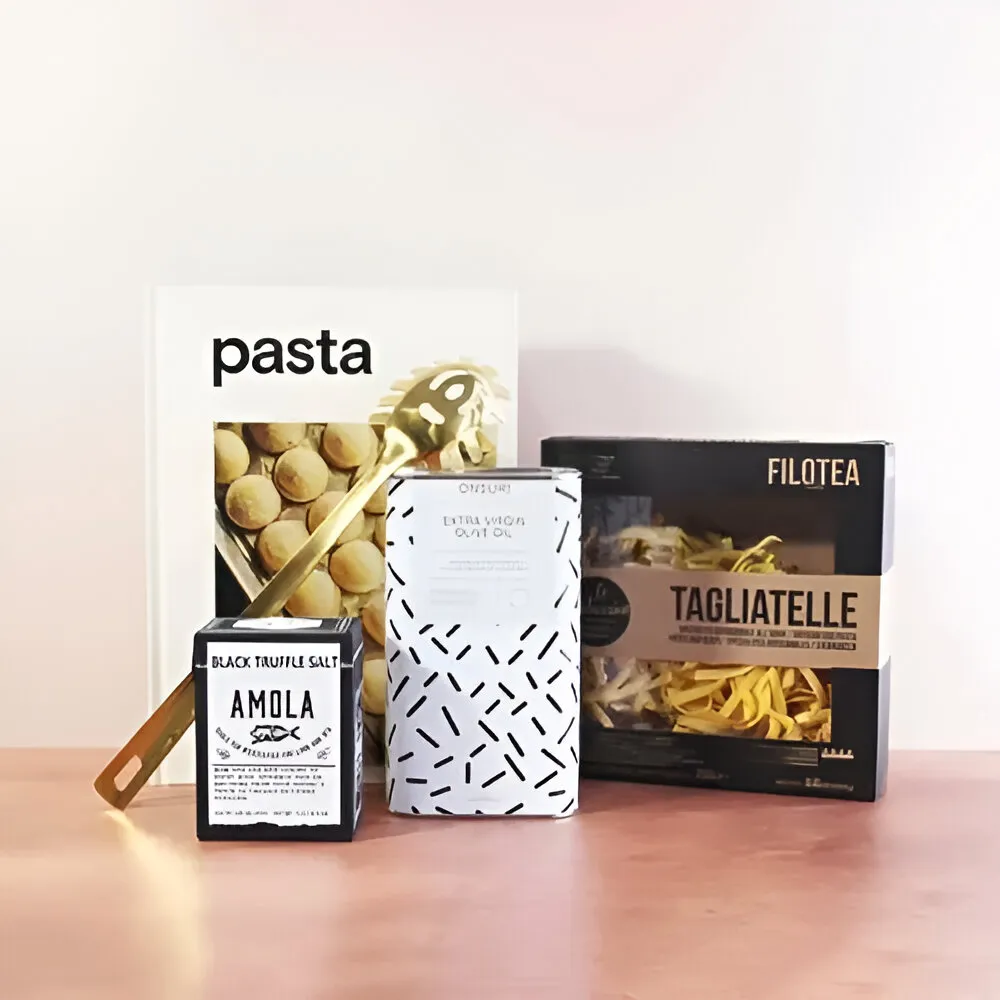 Custom Pasta Boxes
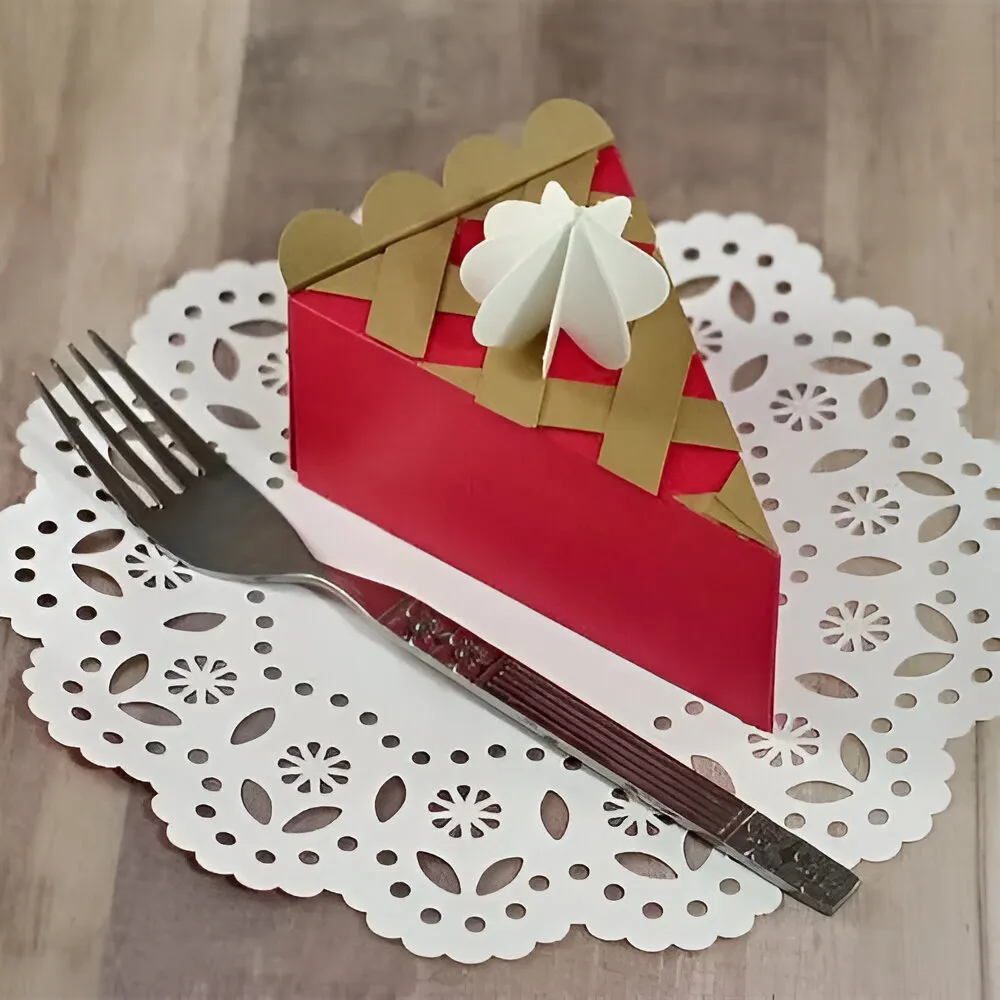 Custom Pie Boxes
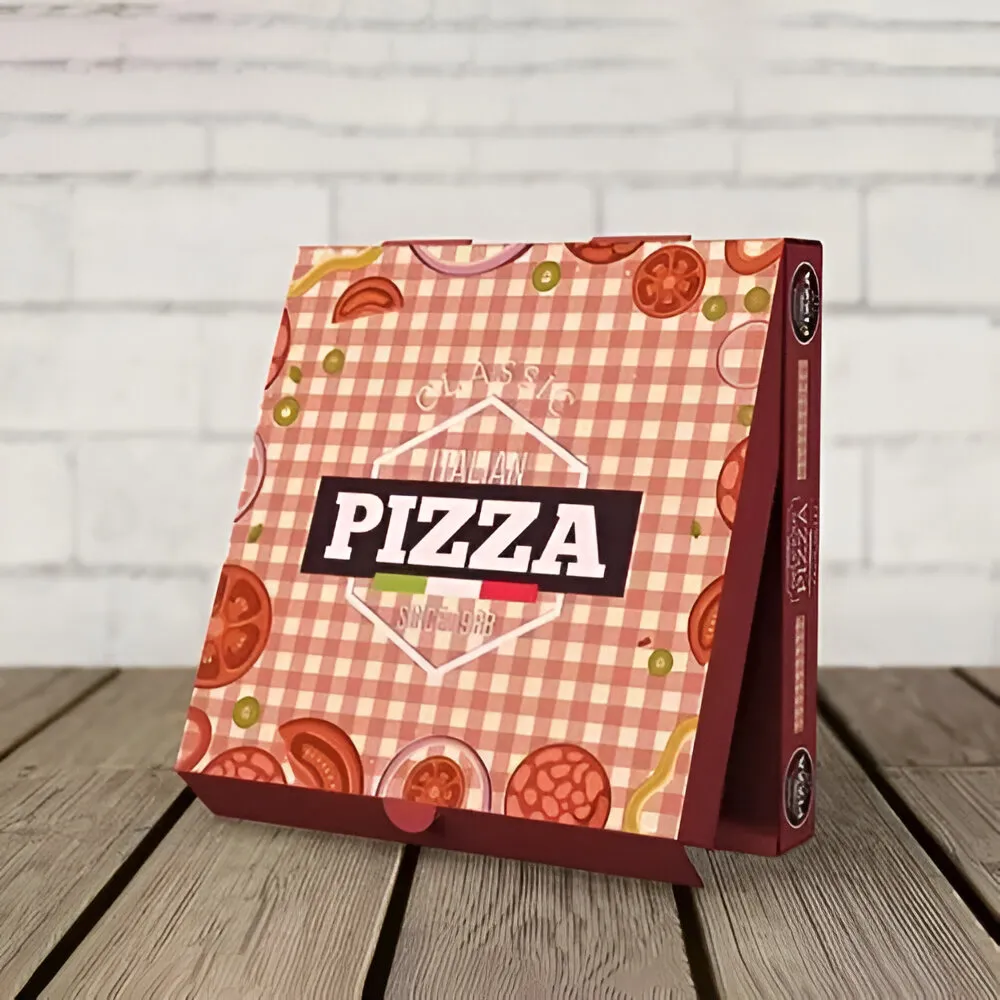 Custom Pizza Boxes
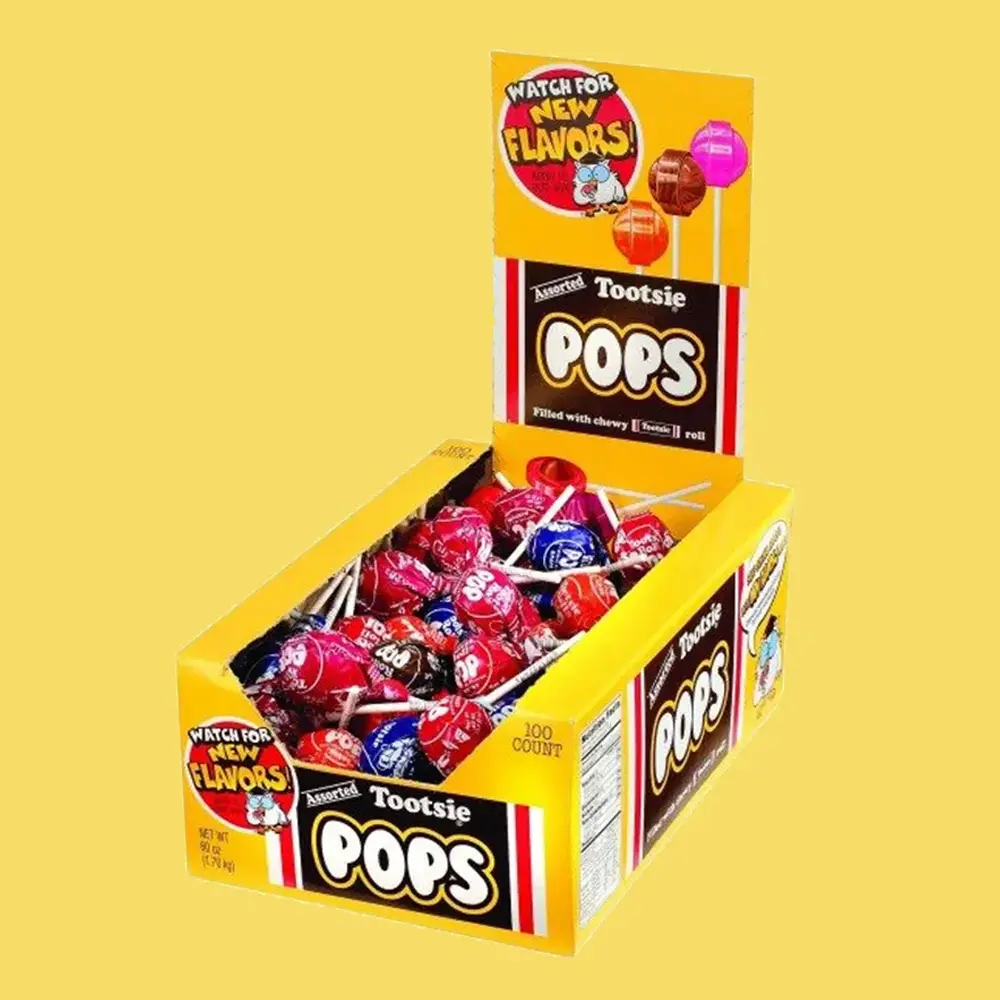 Candy Display Boxes
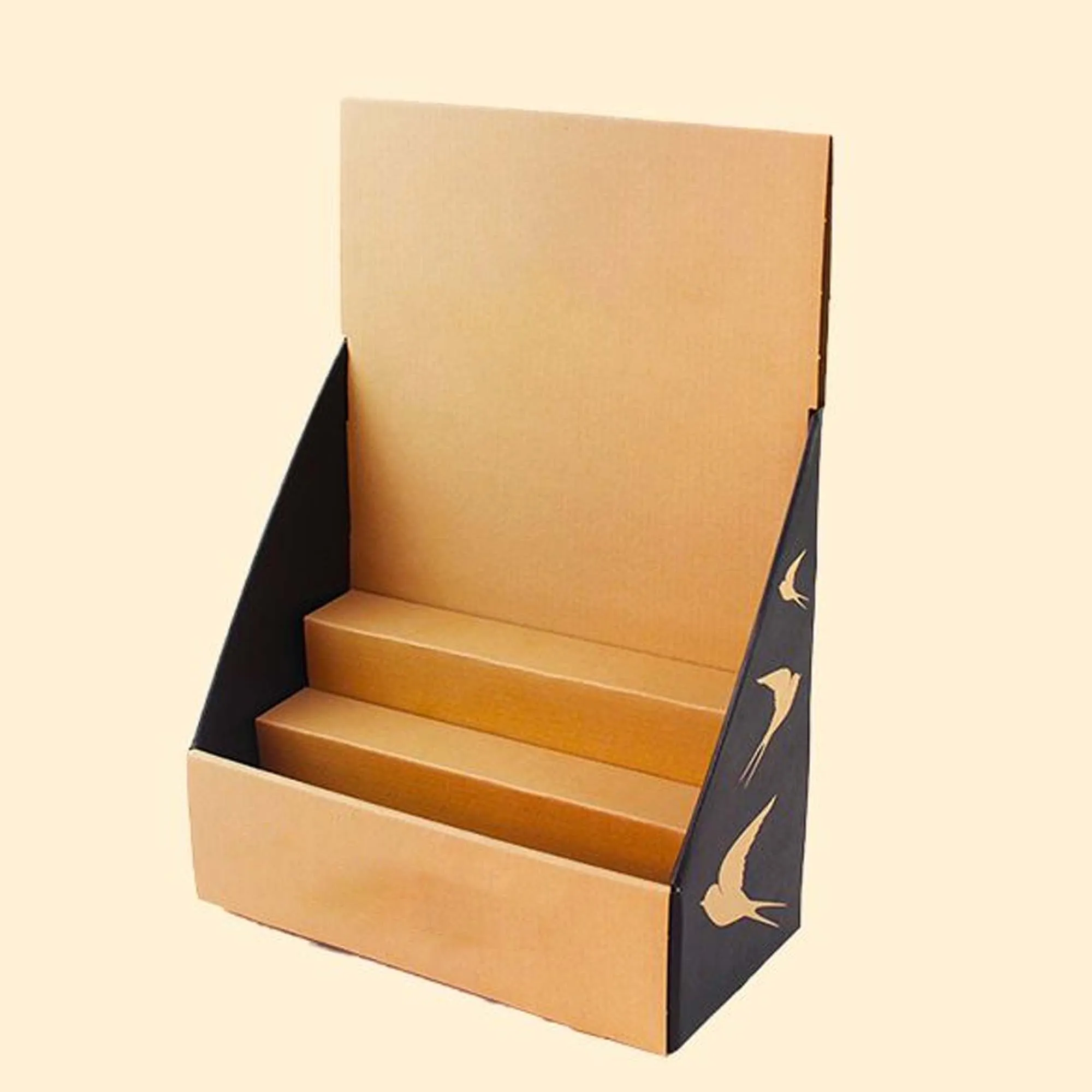 Cardboard Display Boxes
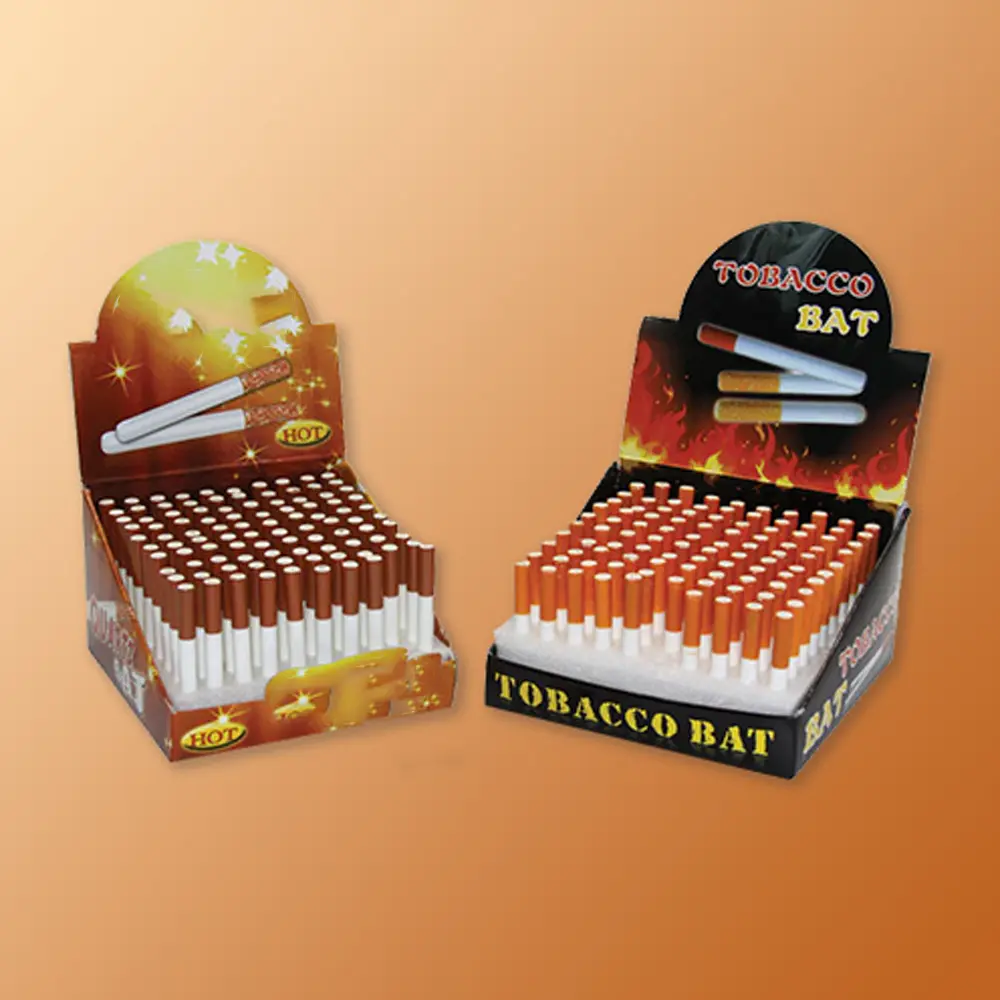 Cigarette Display Boxes
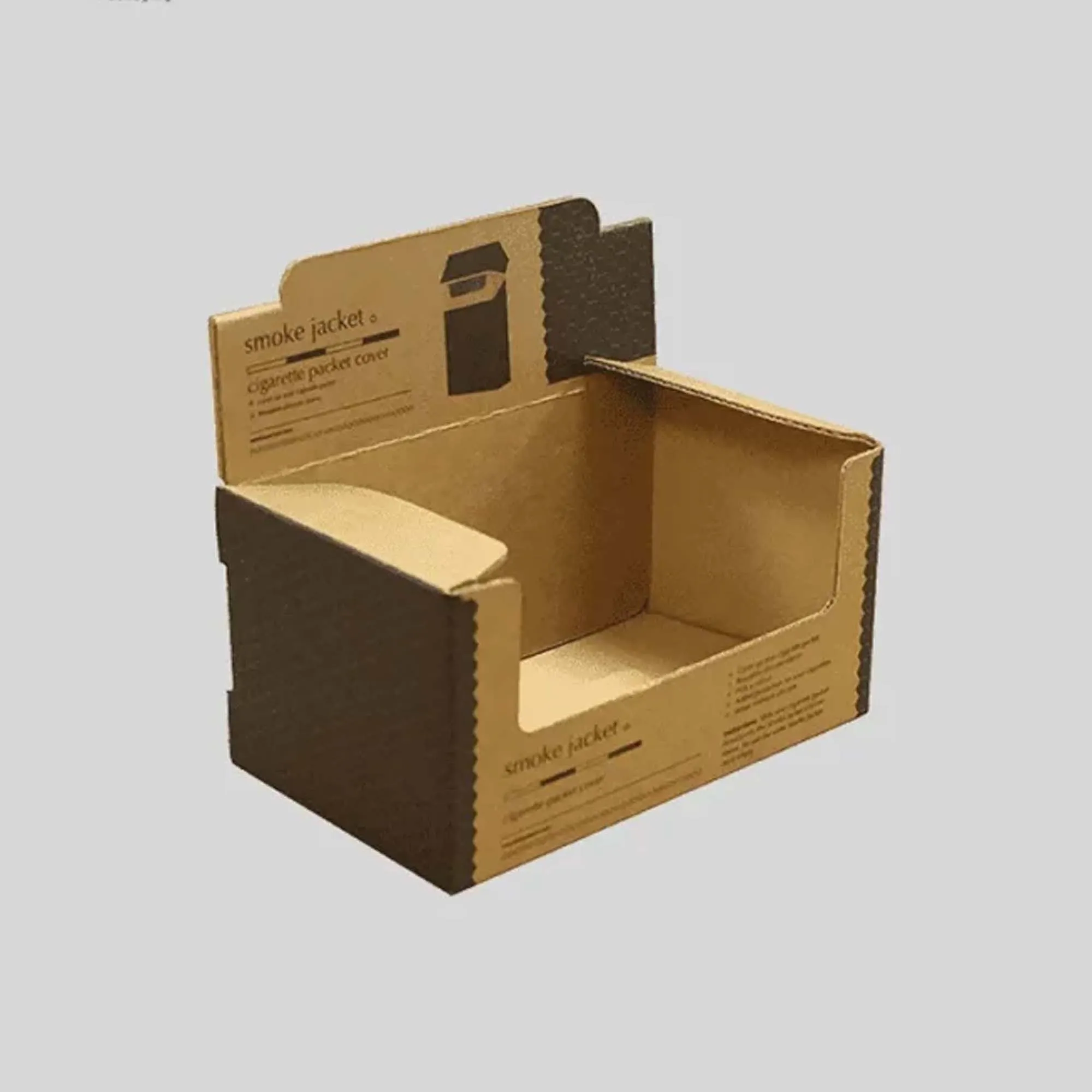 Corrugated Display Boxes
 Cosmetic Display Boxes
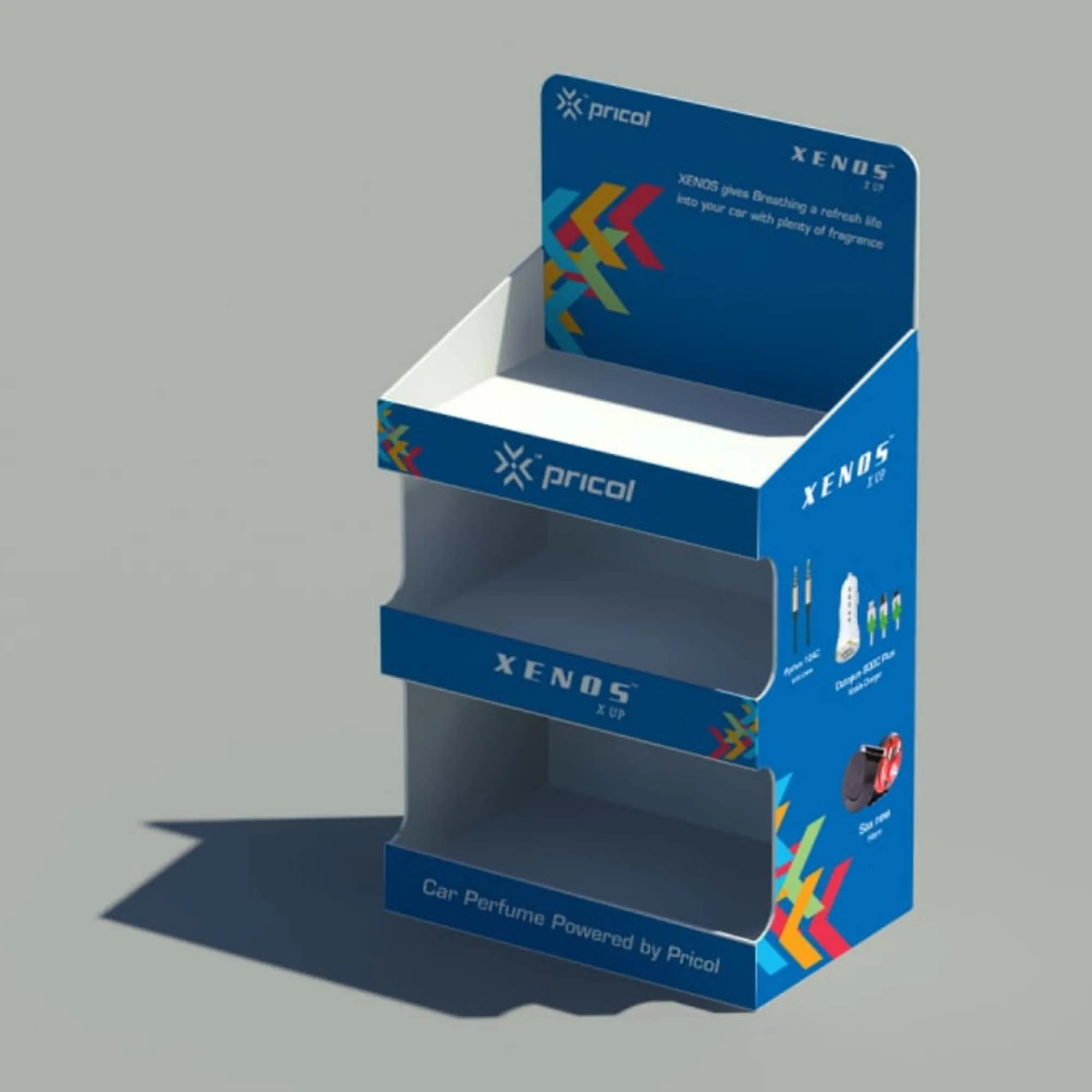 Counter Display Cases
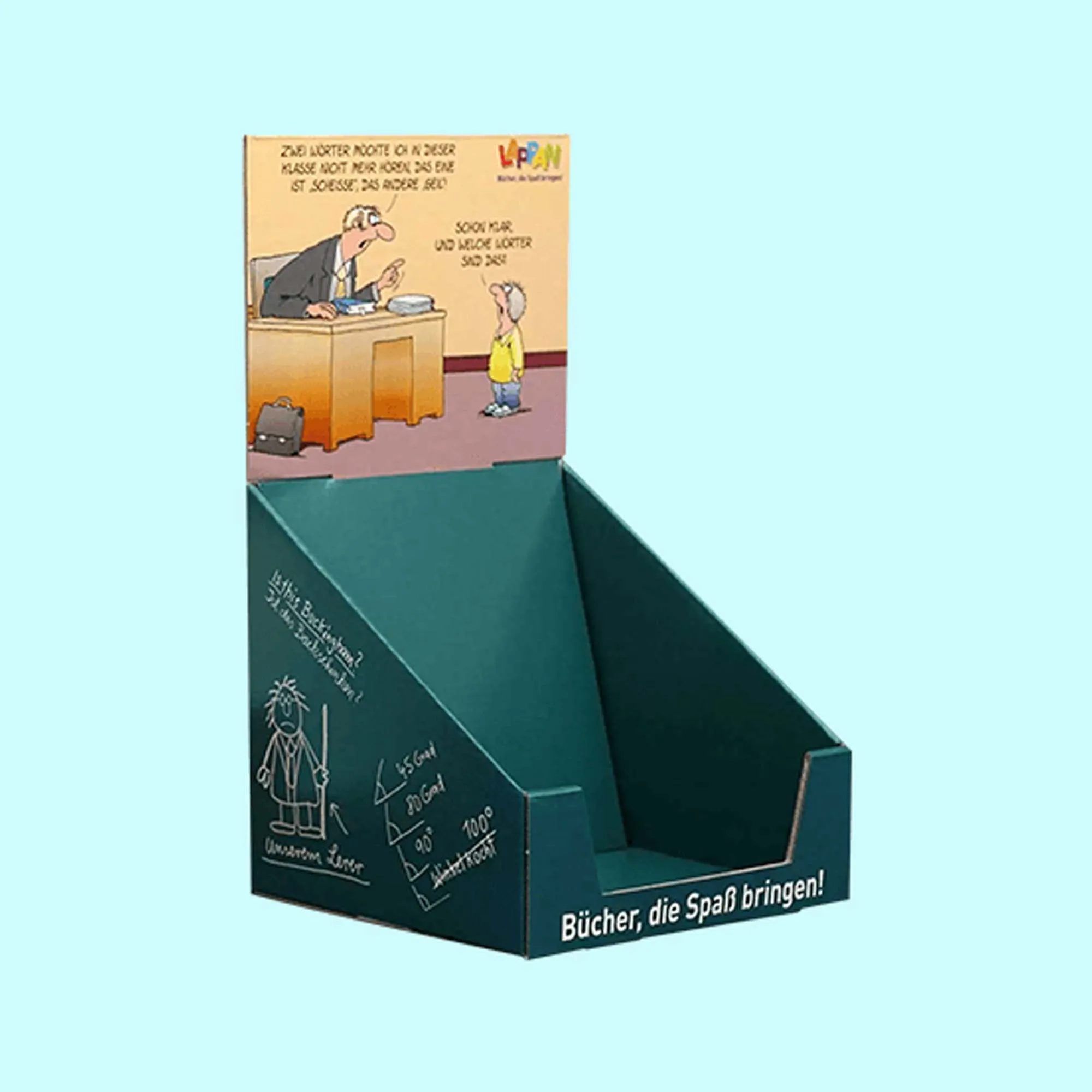 Custom Display Packaging Boxes
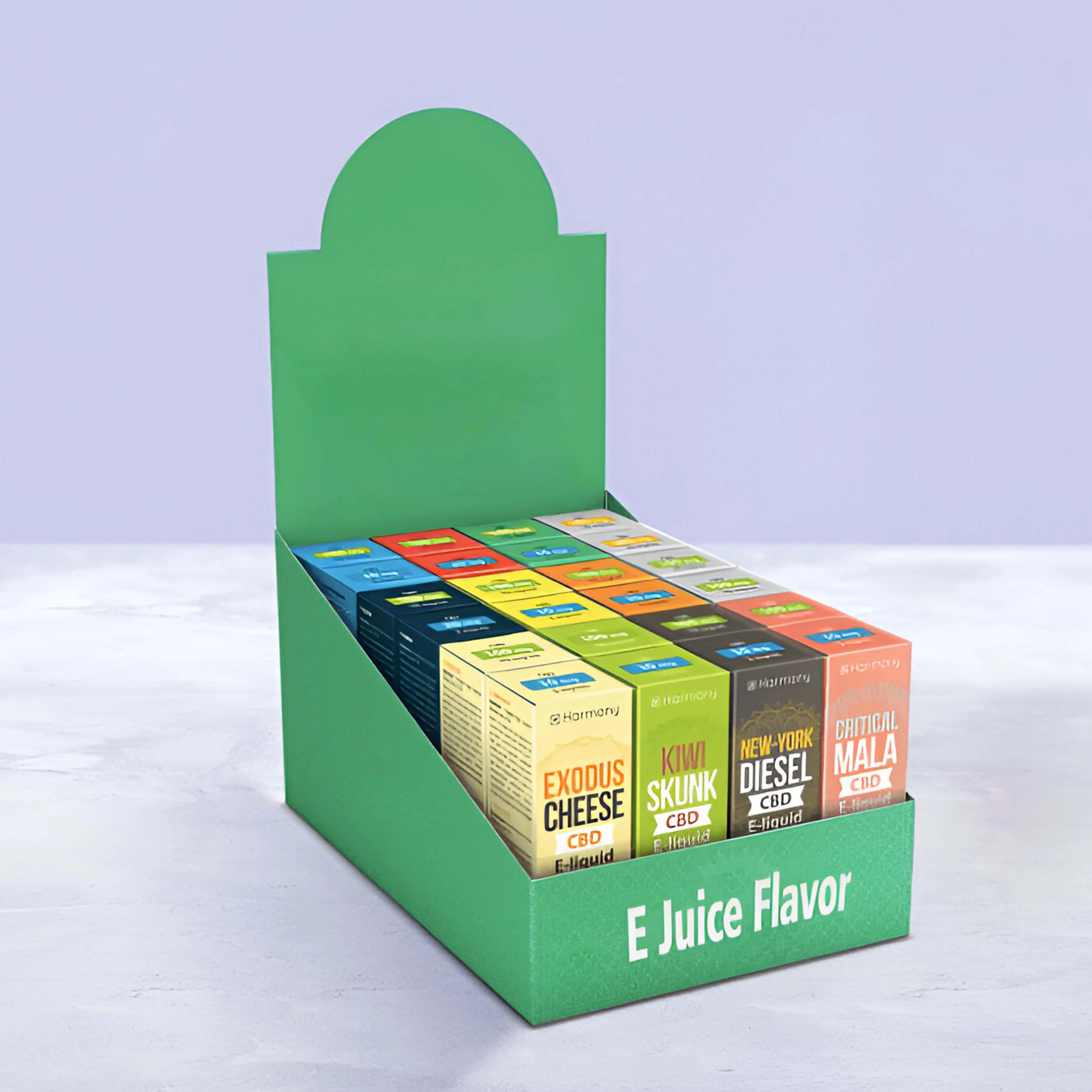 Custom E Juice Display Boxes
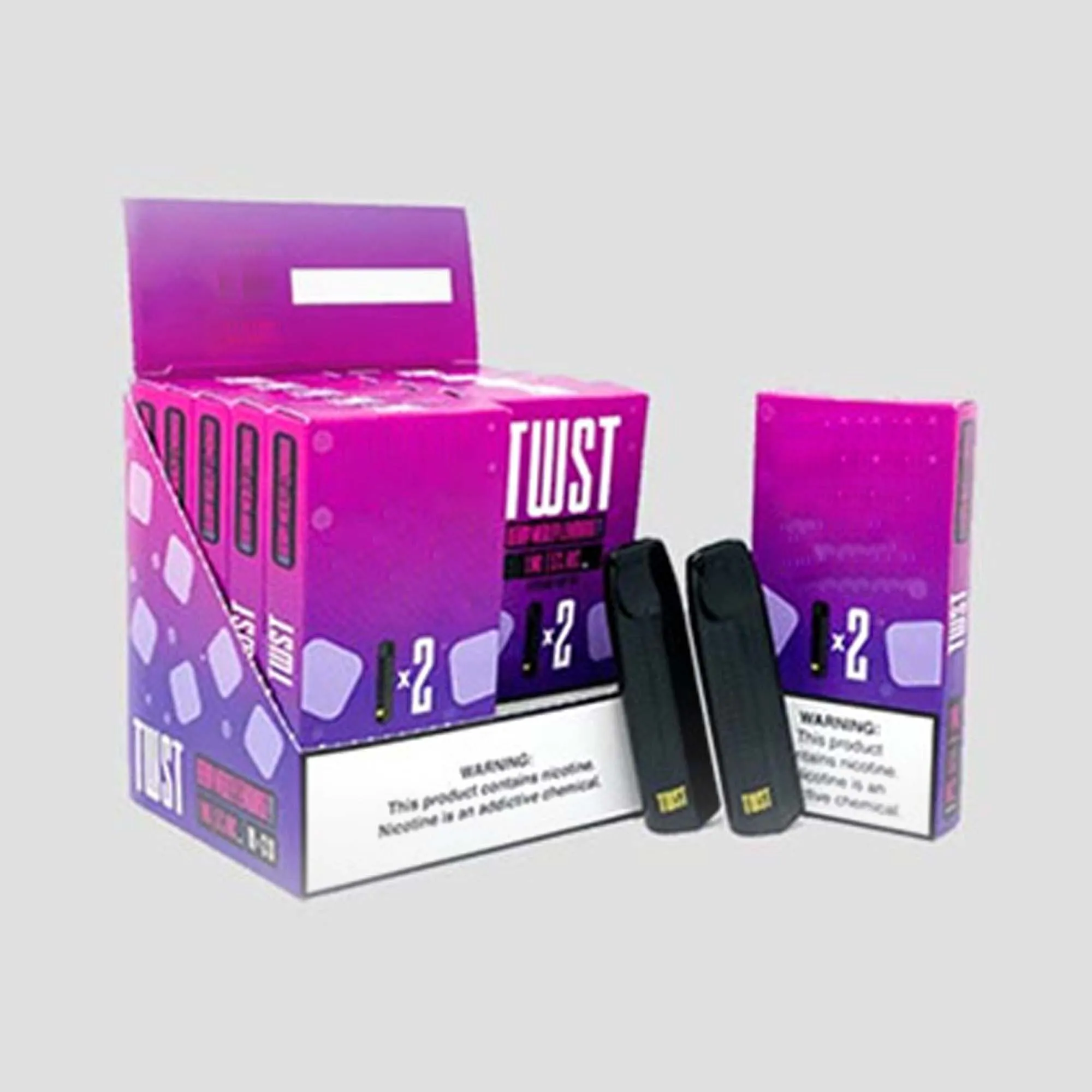 Custom Vape Display Boxes
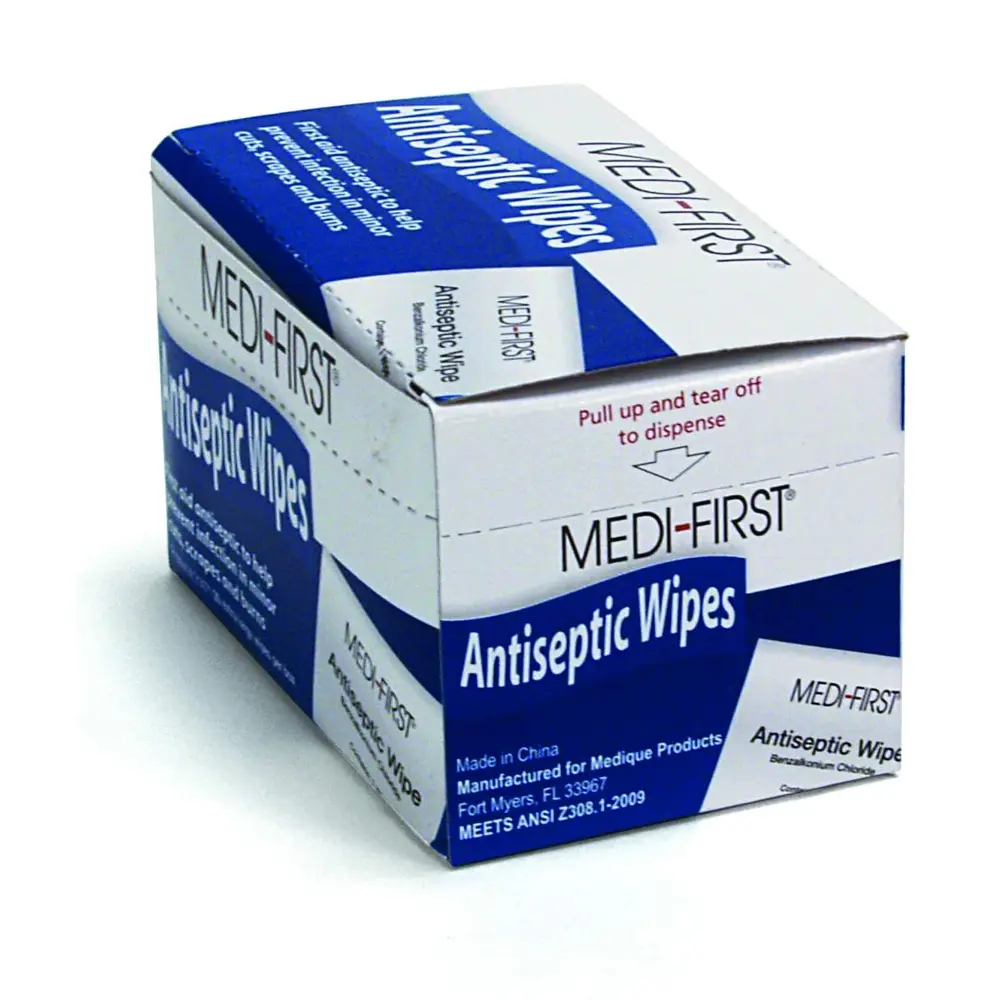 Antiseptic Boxes
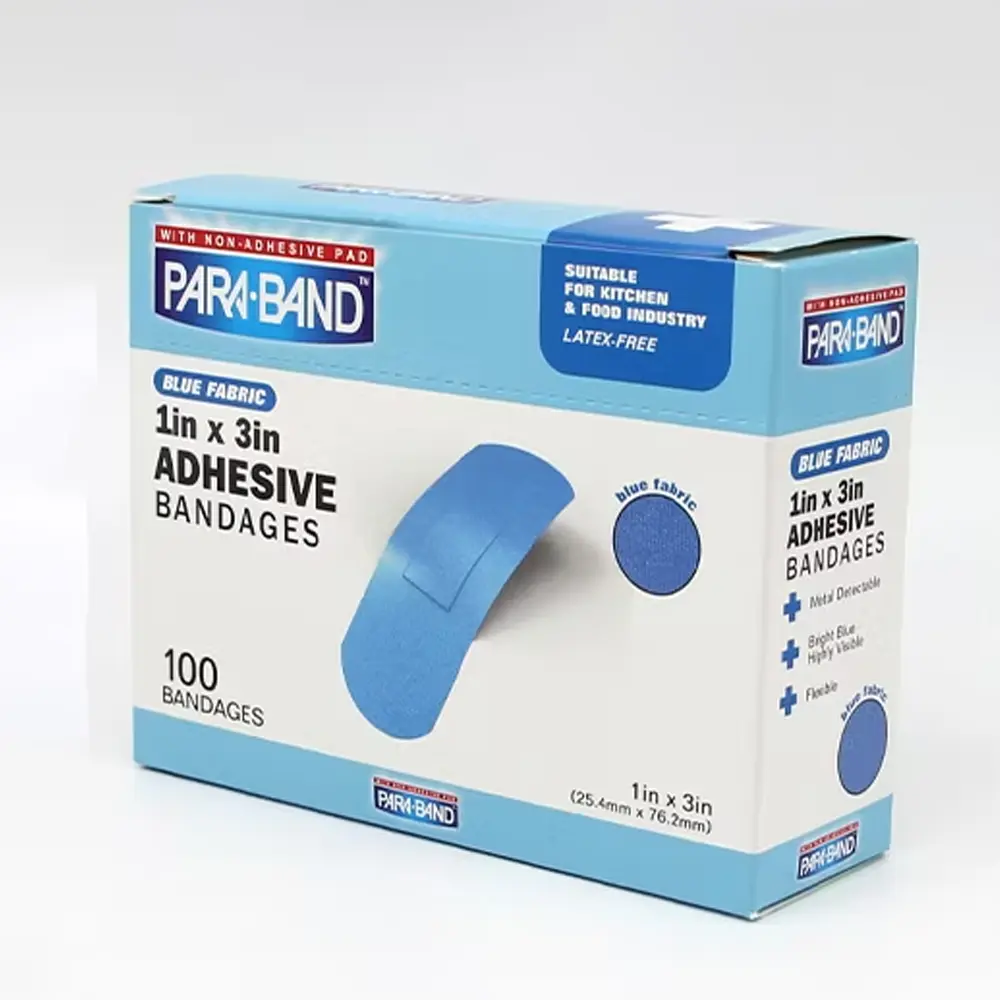 Bandage Boxes
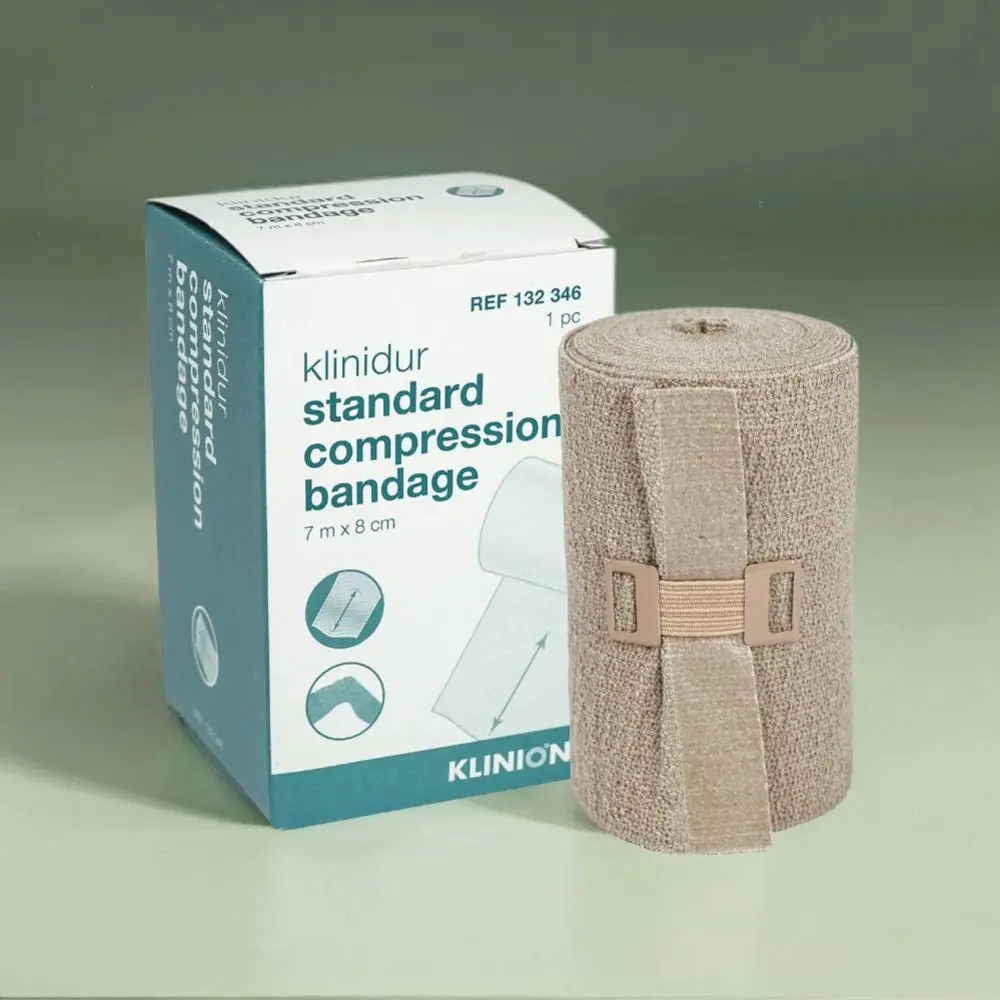 Compression Bandage Boxes
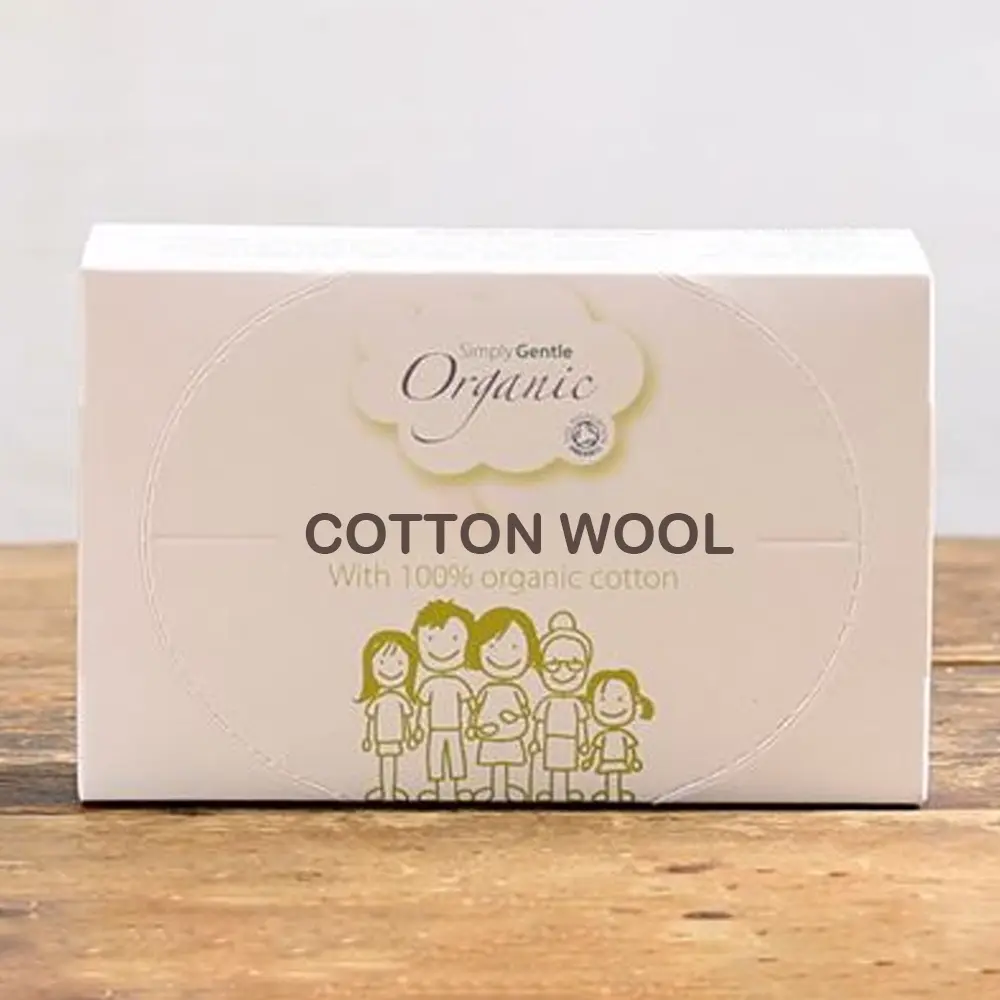 Cotton Wool Boxes
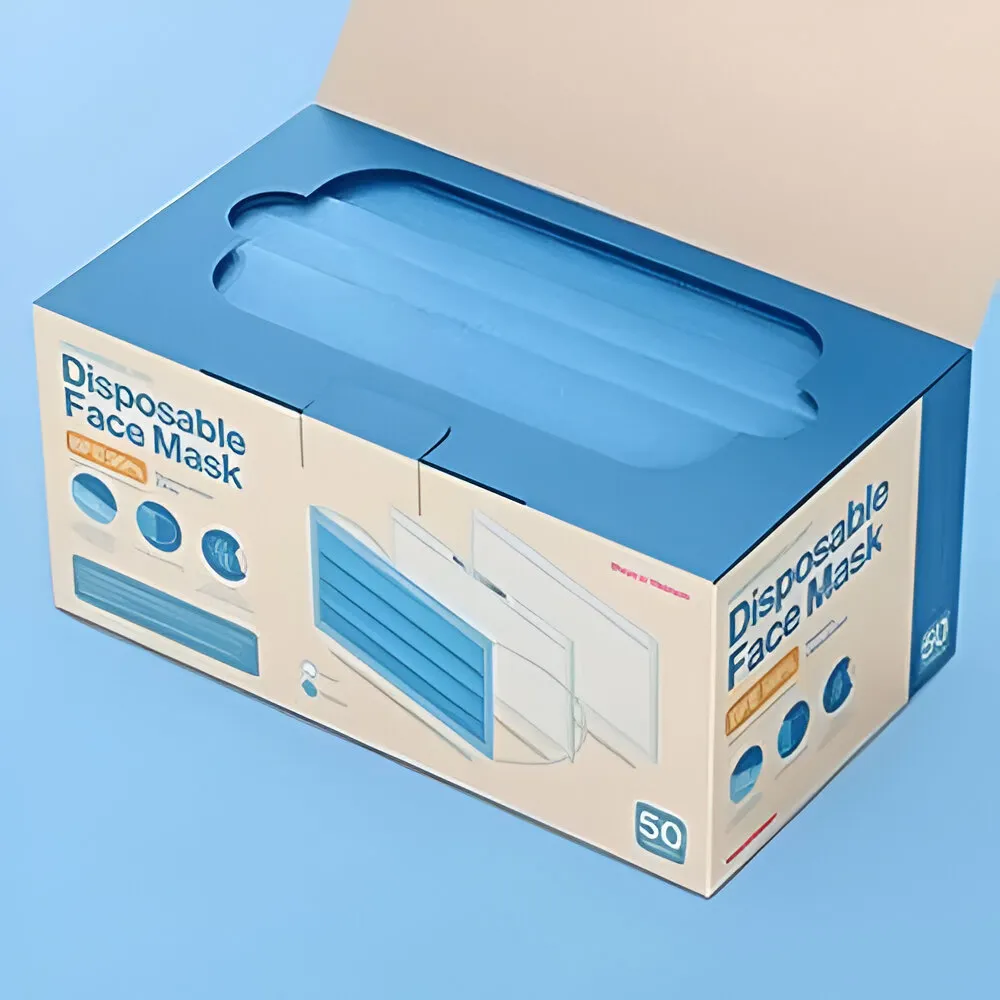 Custom Face Mask Boxes
 Custom Printed Medicine Packaging Boxes
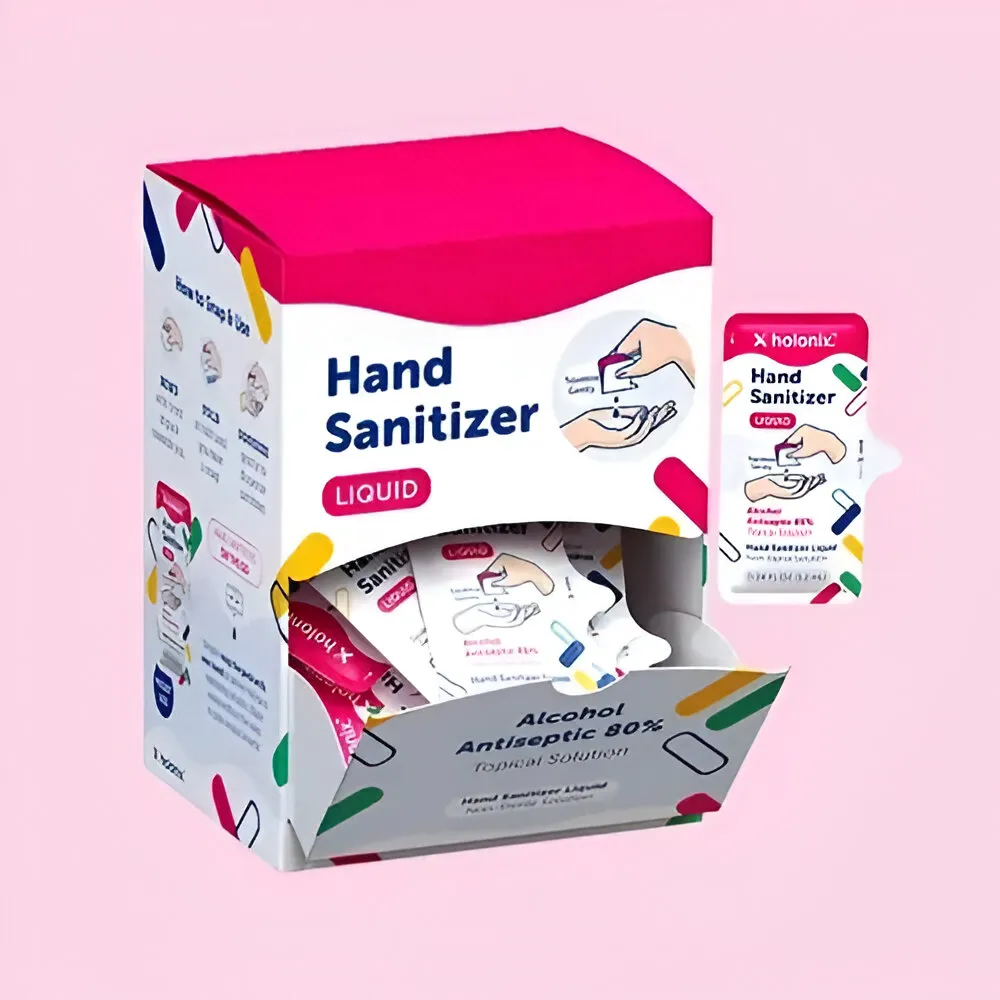 Custom Sanitizer Packaging Boxes
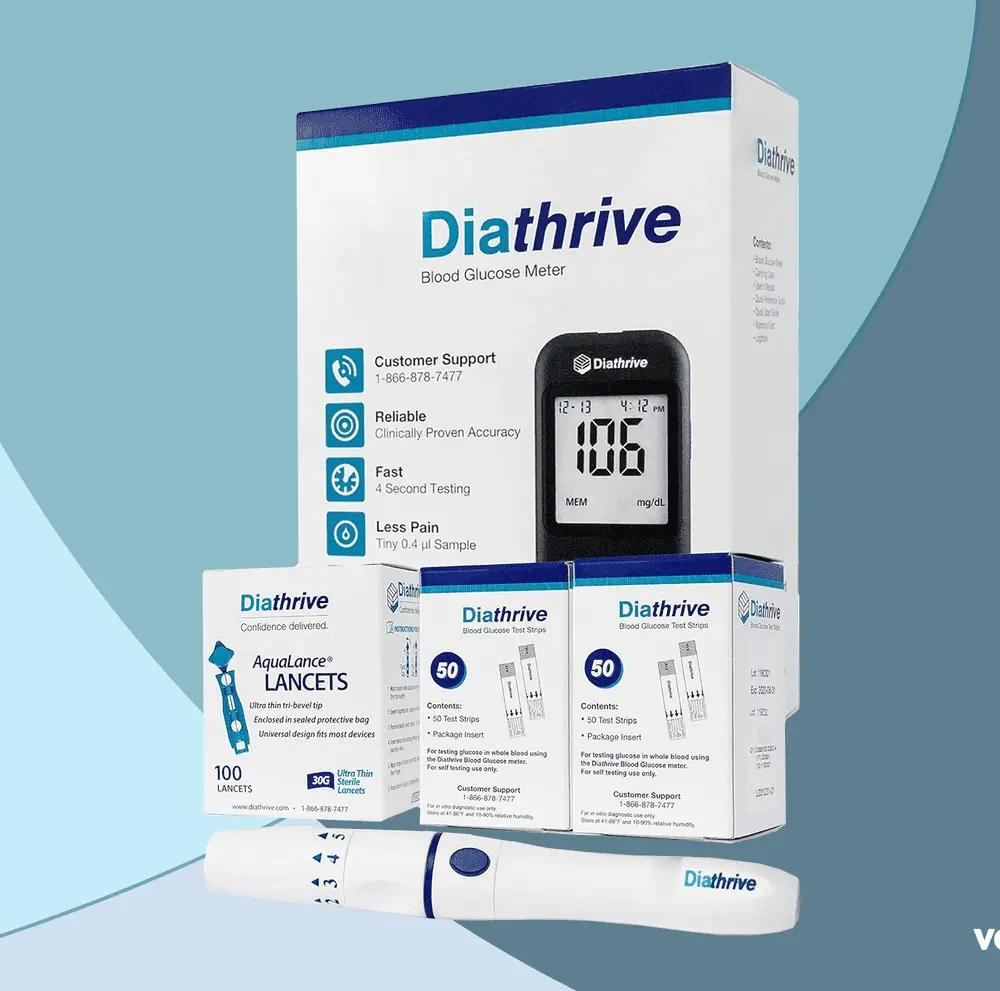 Glucometer Boxes
 Mouthwash Boxes
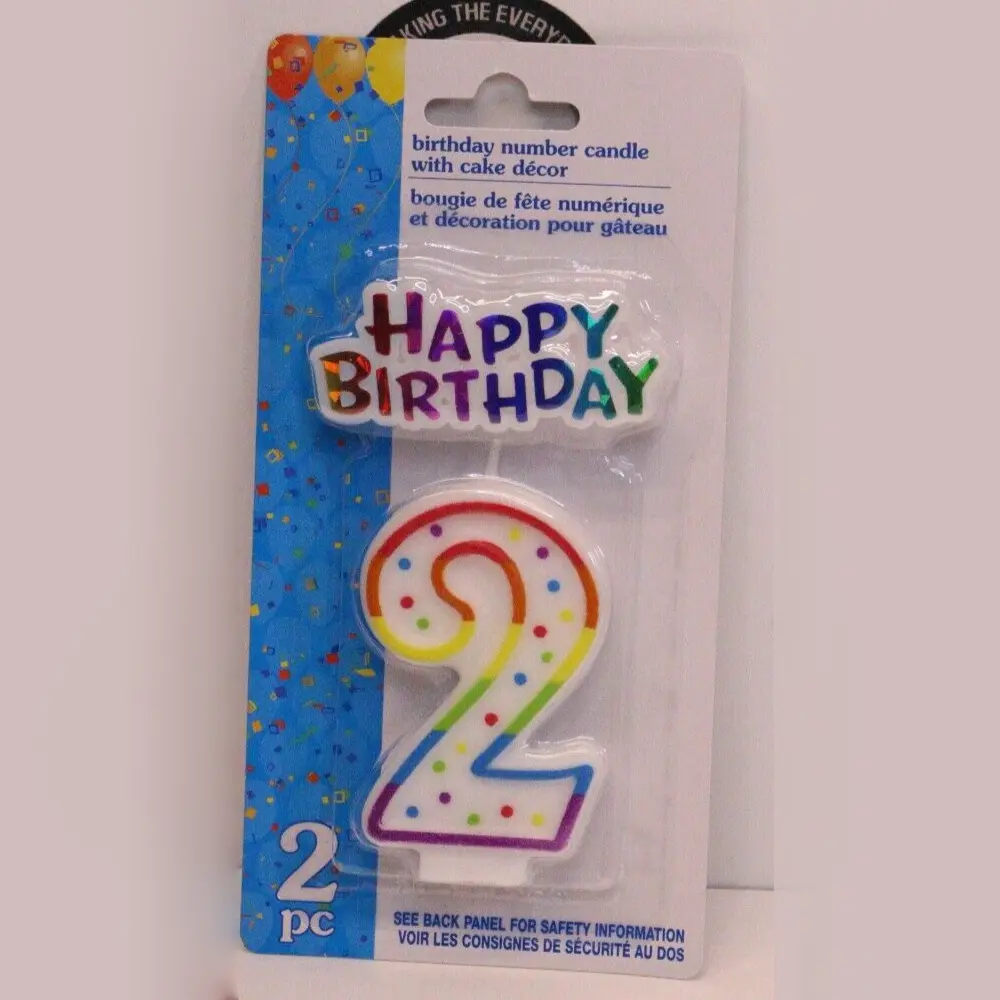 Blister Candle Packaging
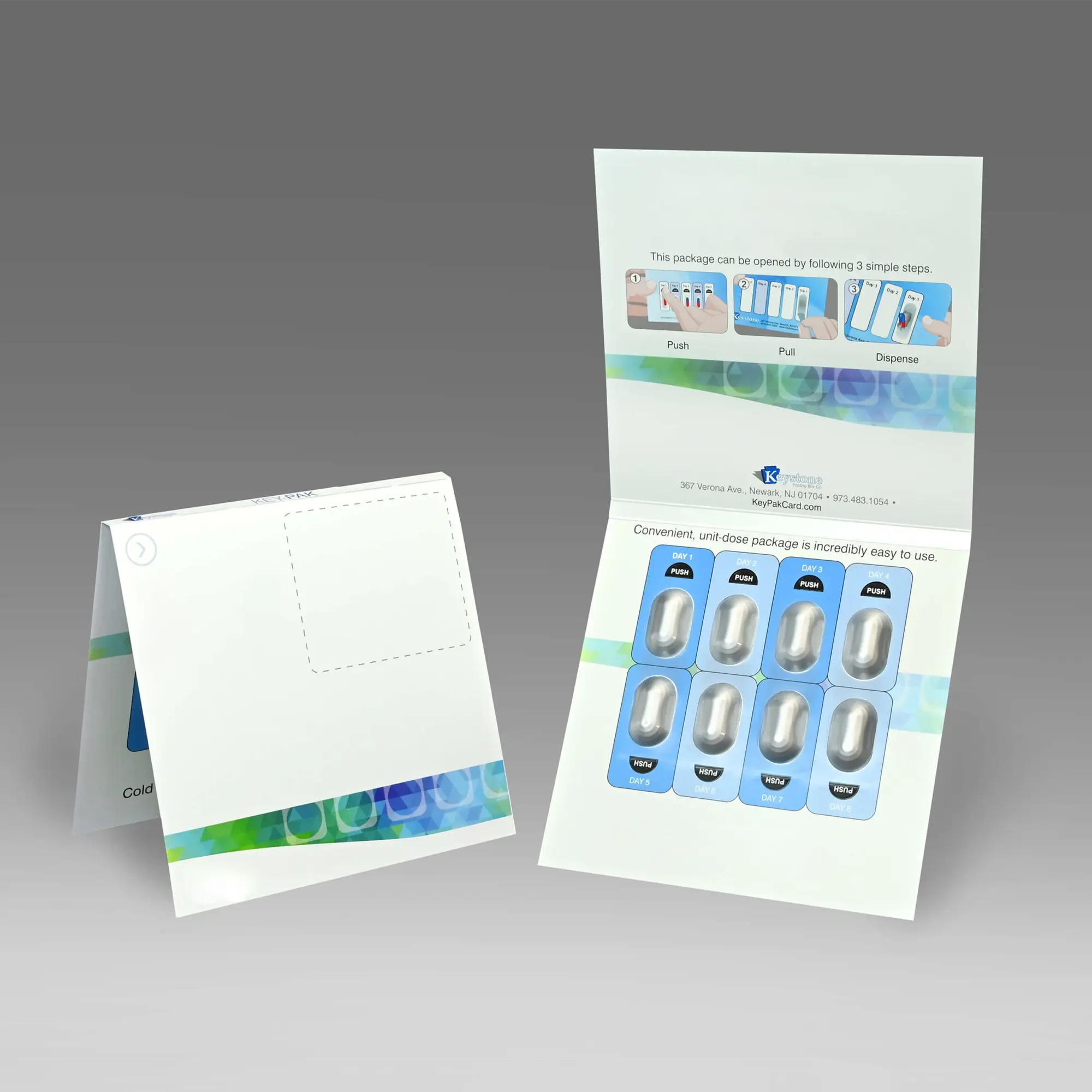 Blister Cards
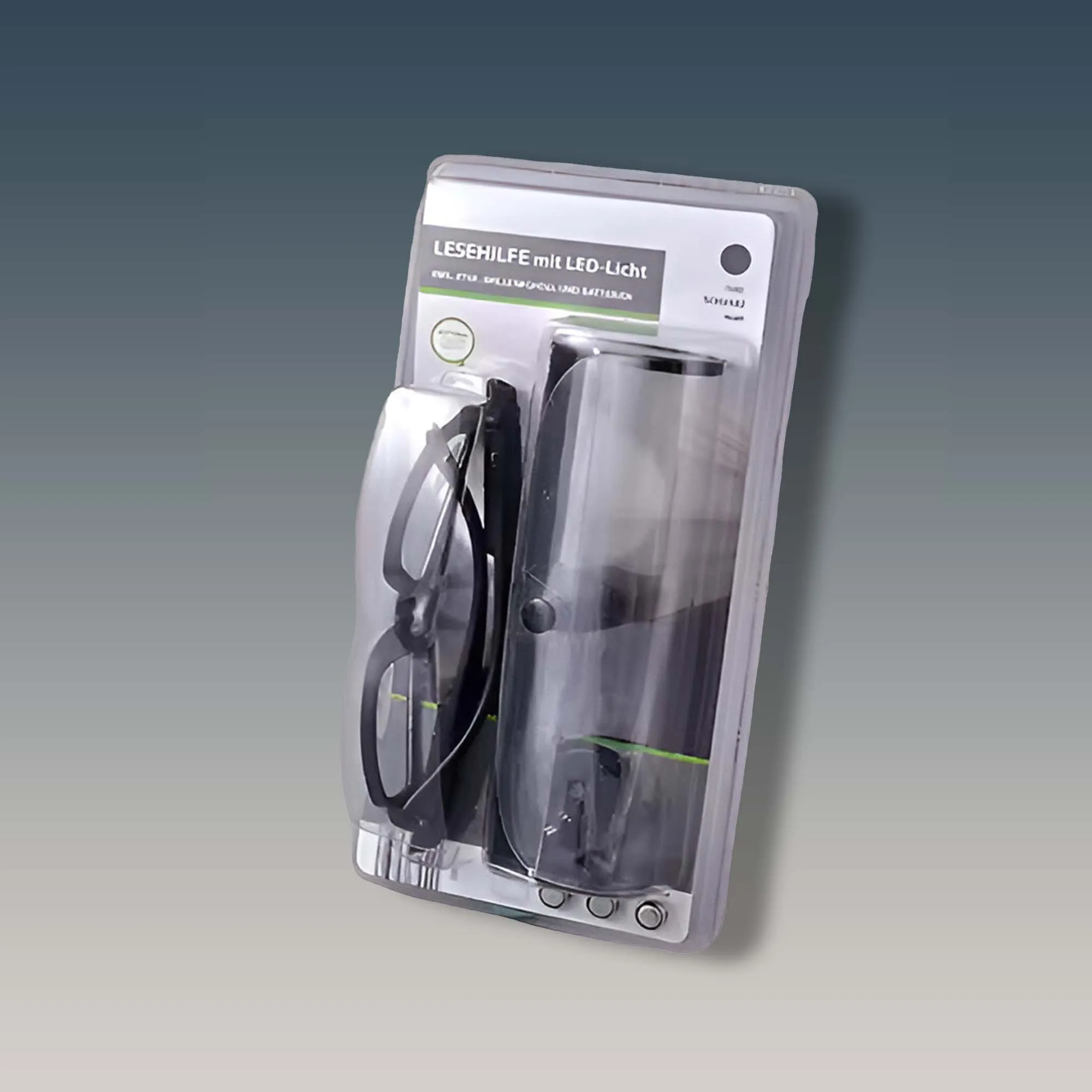 Blister Packaging
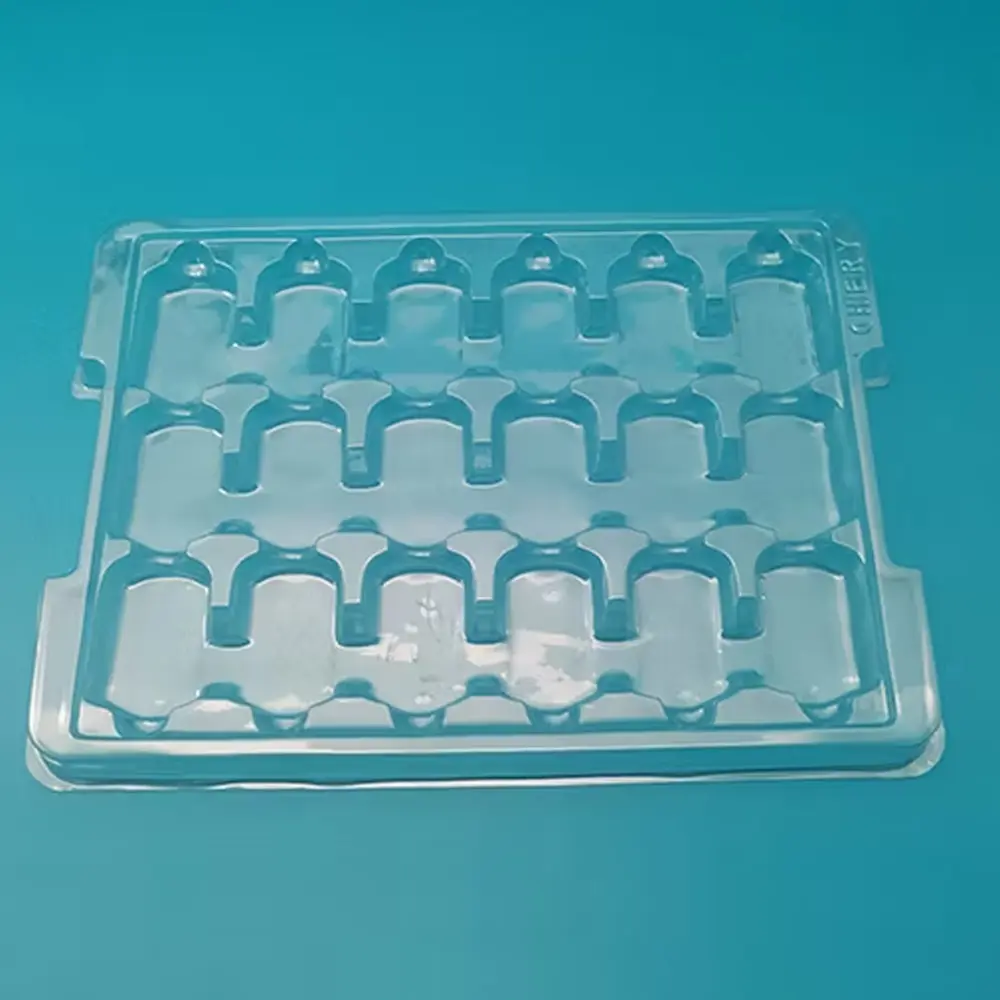 Blister Packaging Tray
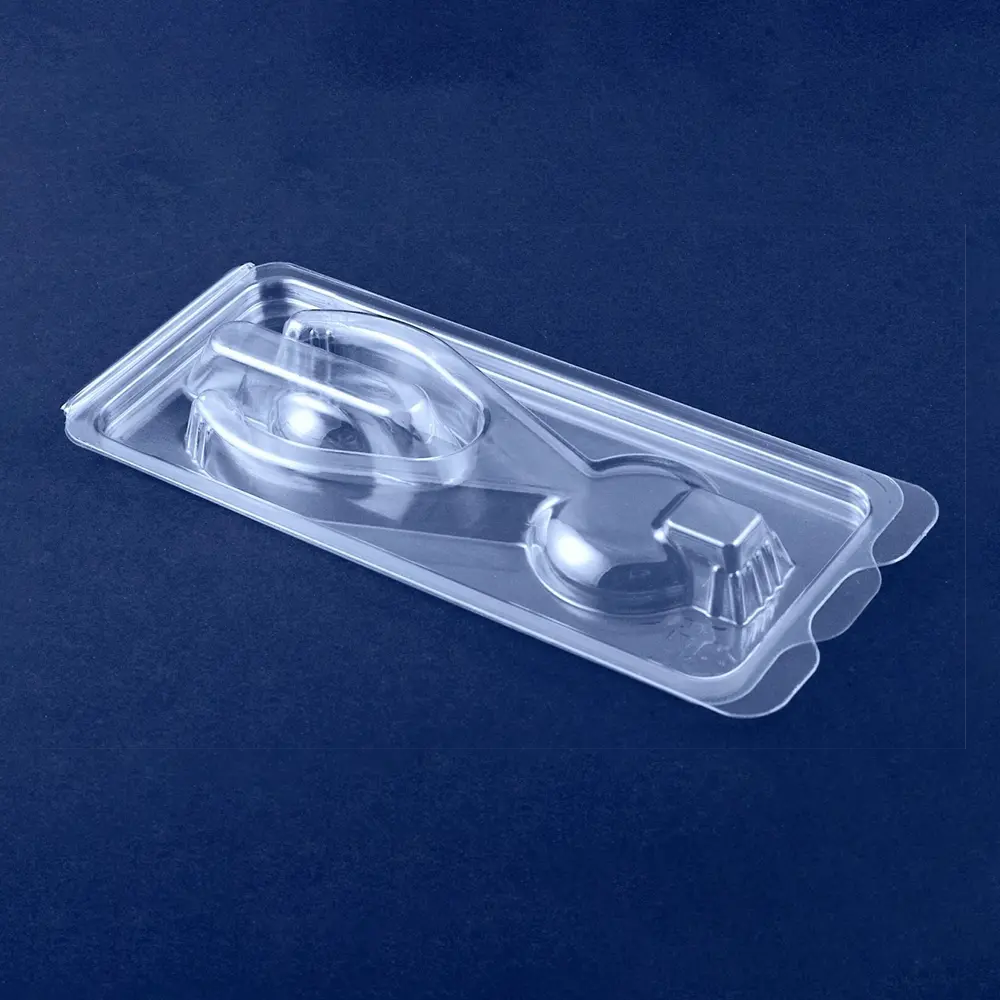 Clamshell Packaging
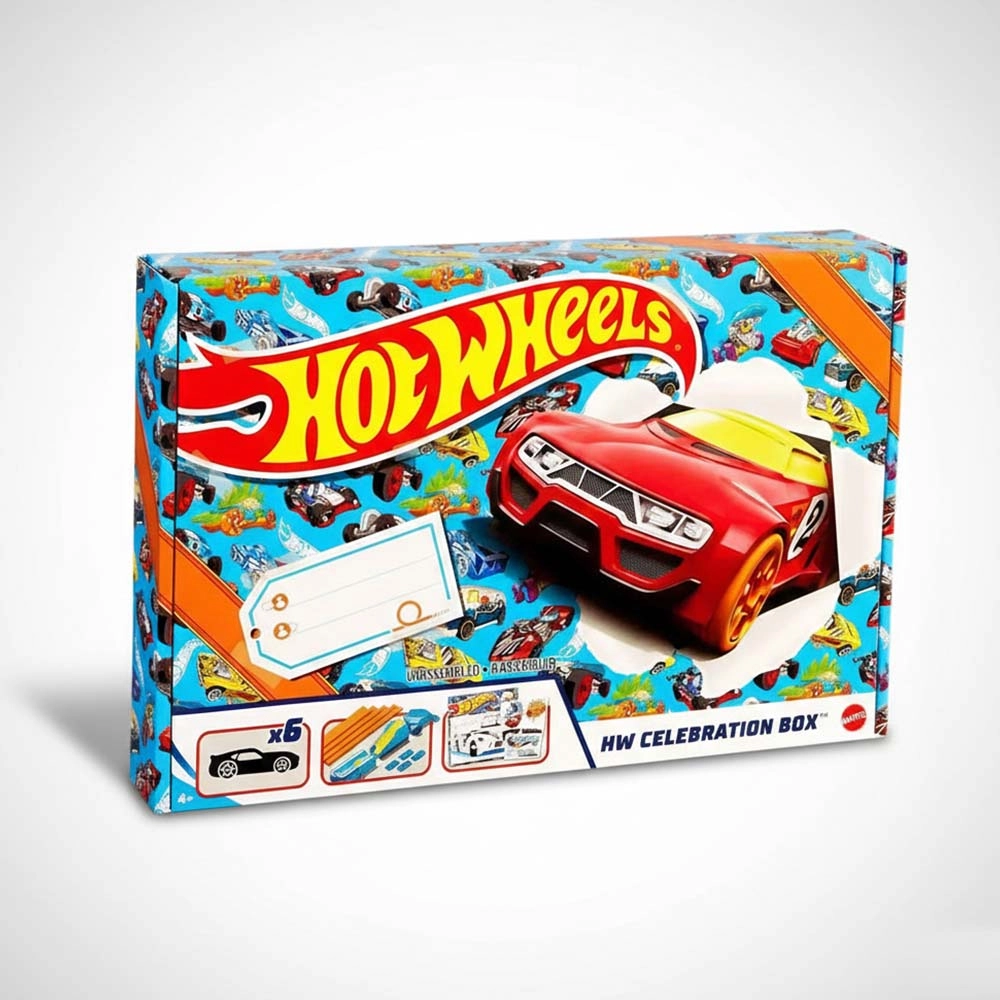 Custom Hot Wheels Packaging
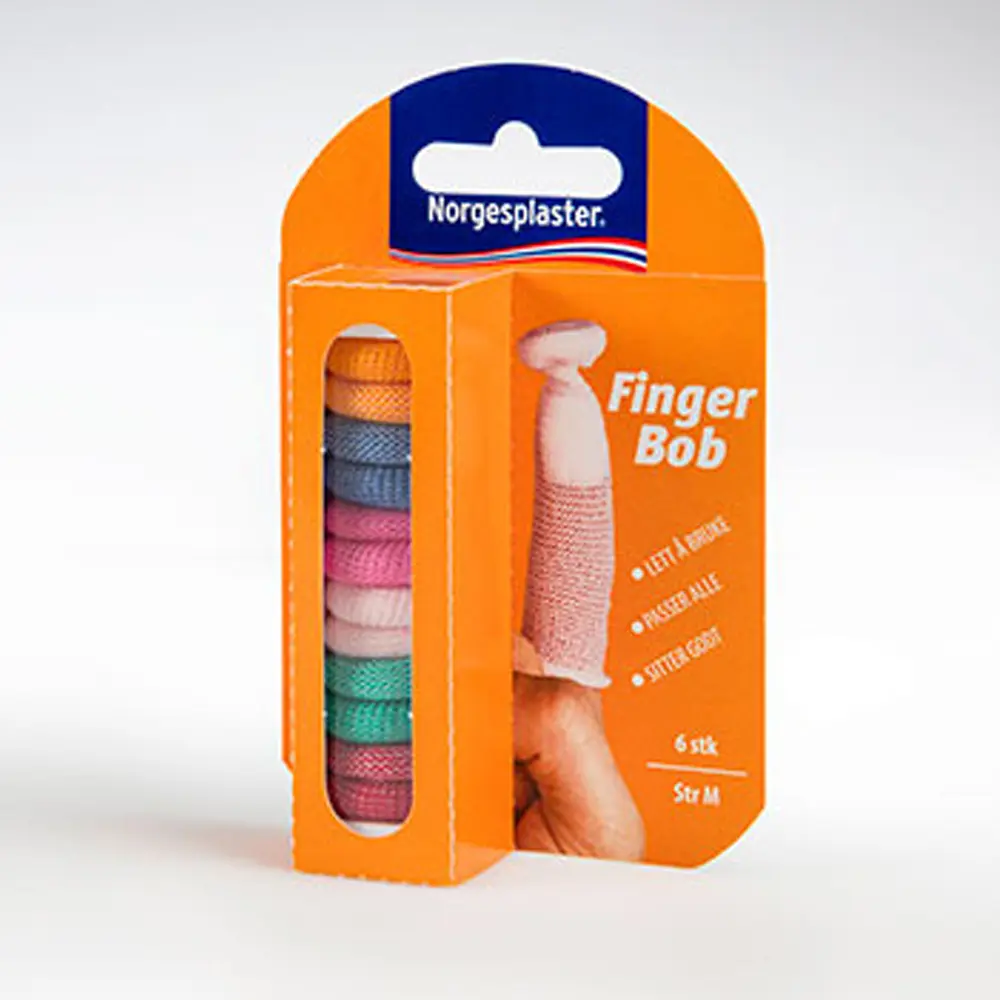 Display Blister Packaging
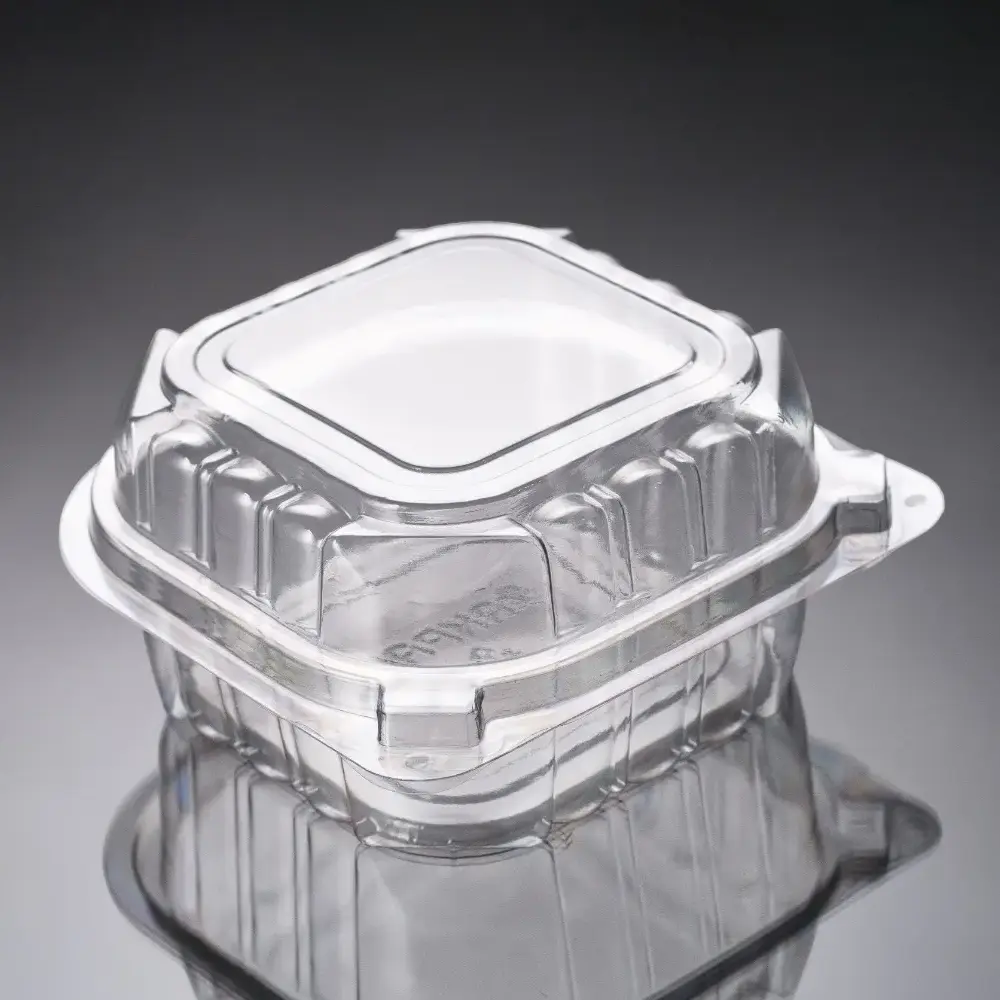 Hinged Packaging
 Pharma Blister Packaging
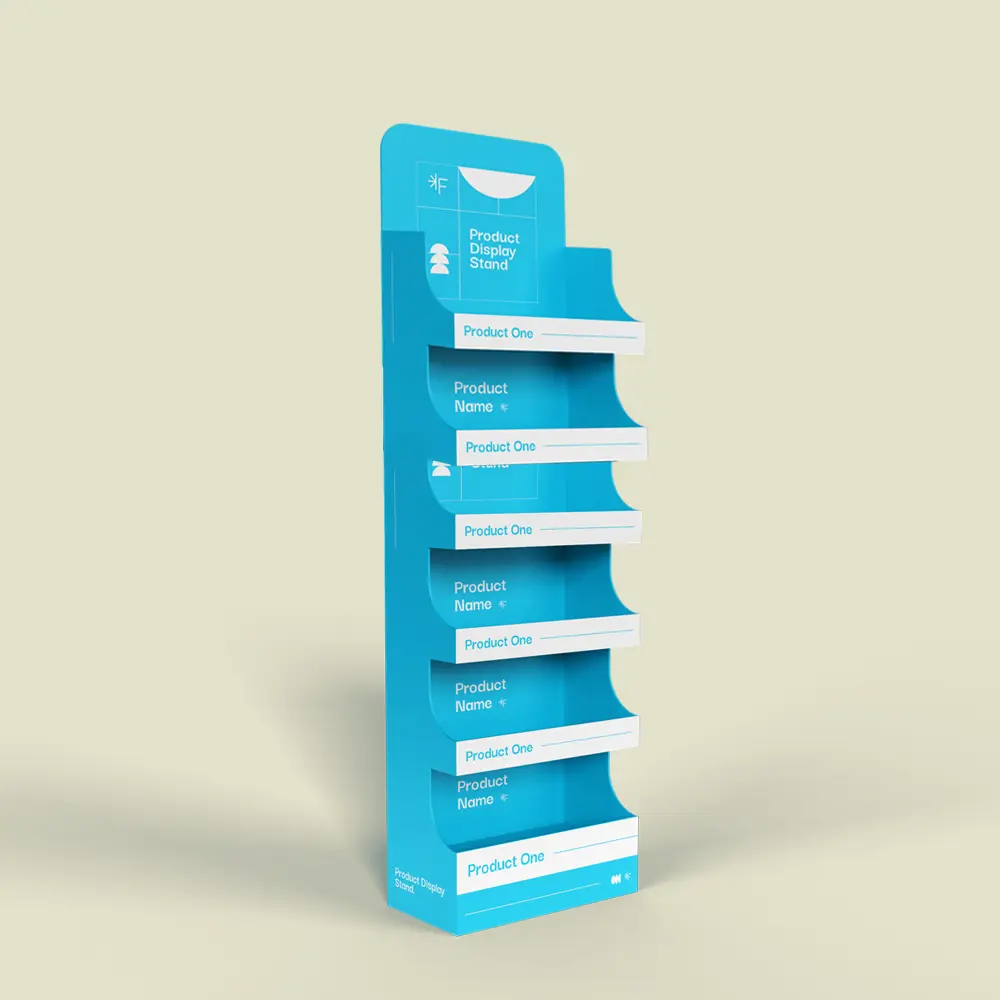 Blue & White Six Shelf Display
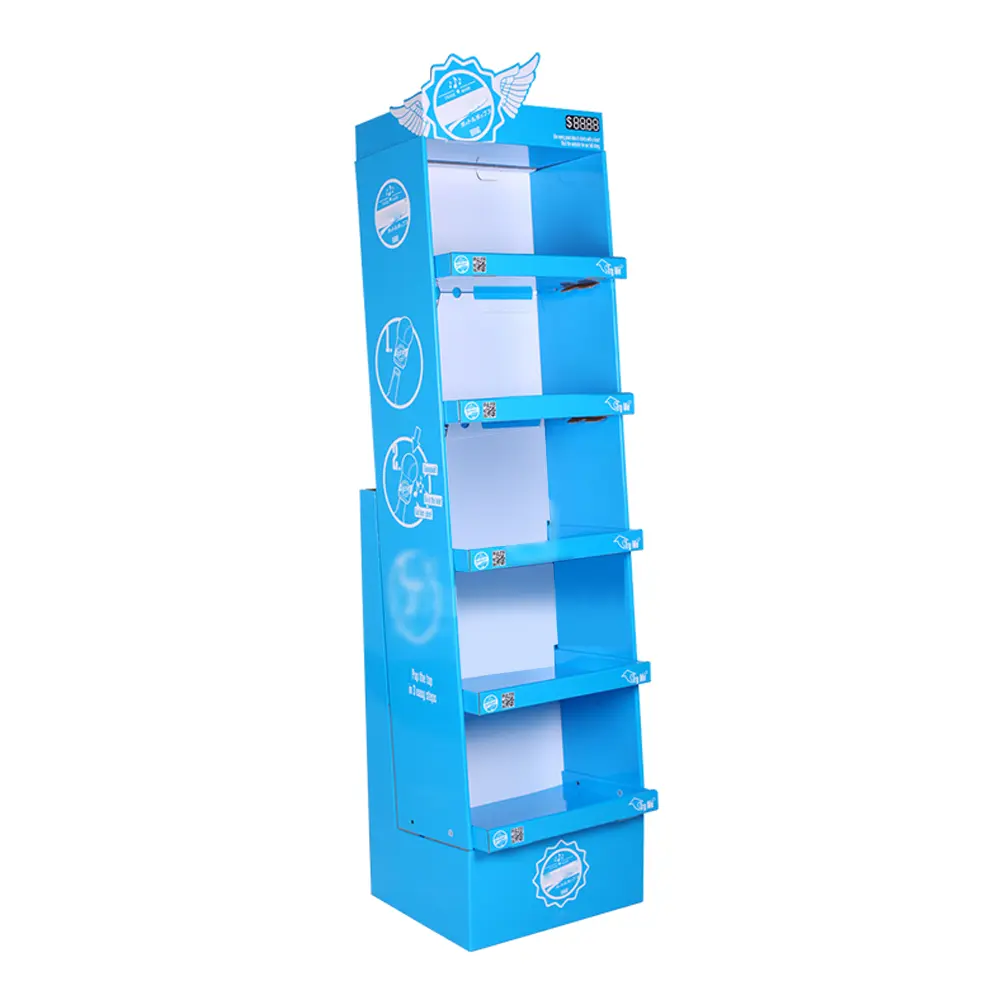 72 Cells/pocket Floor Display
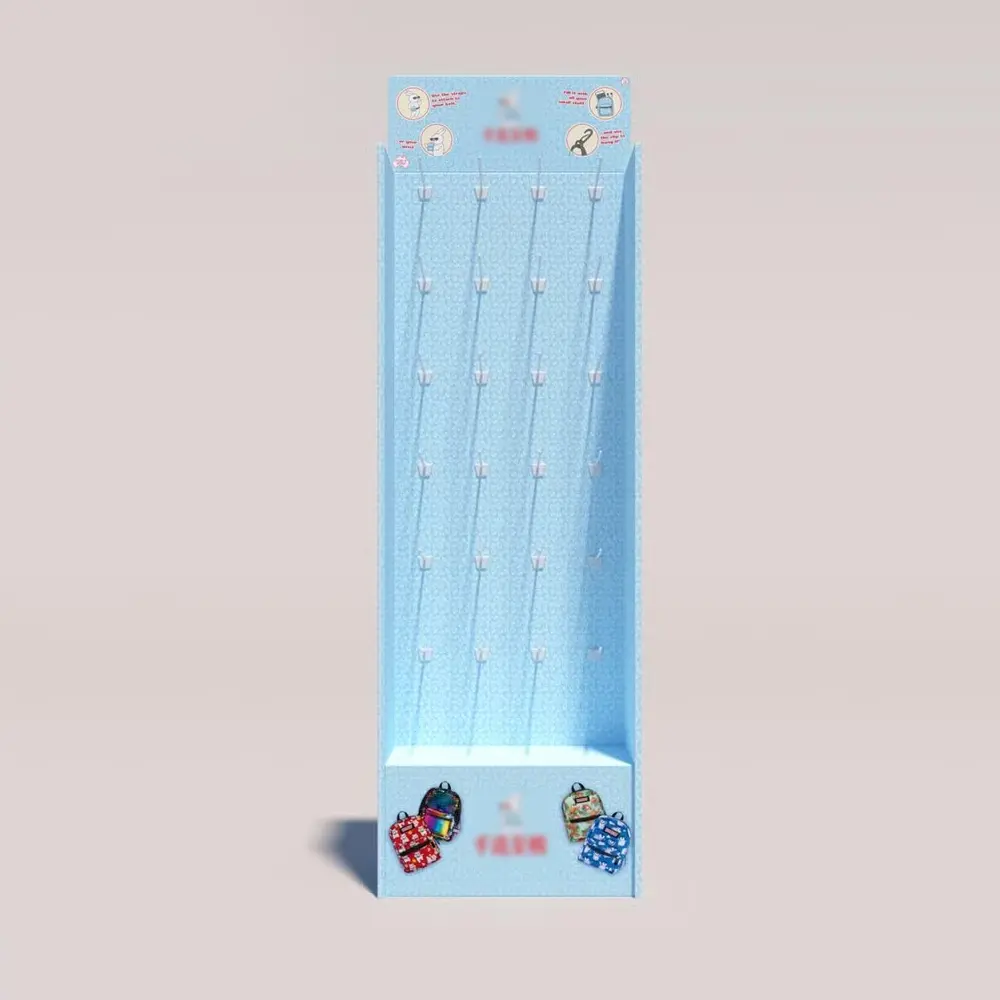 Hook/Peg Floor Display
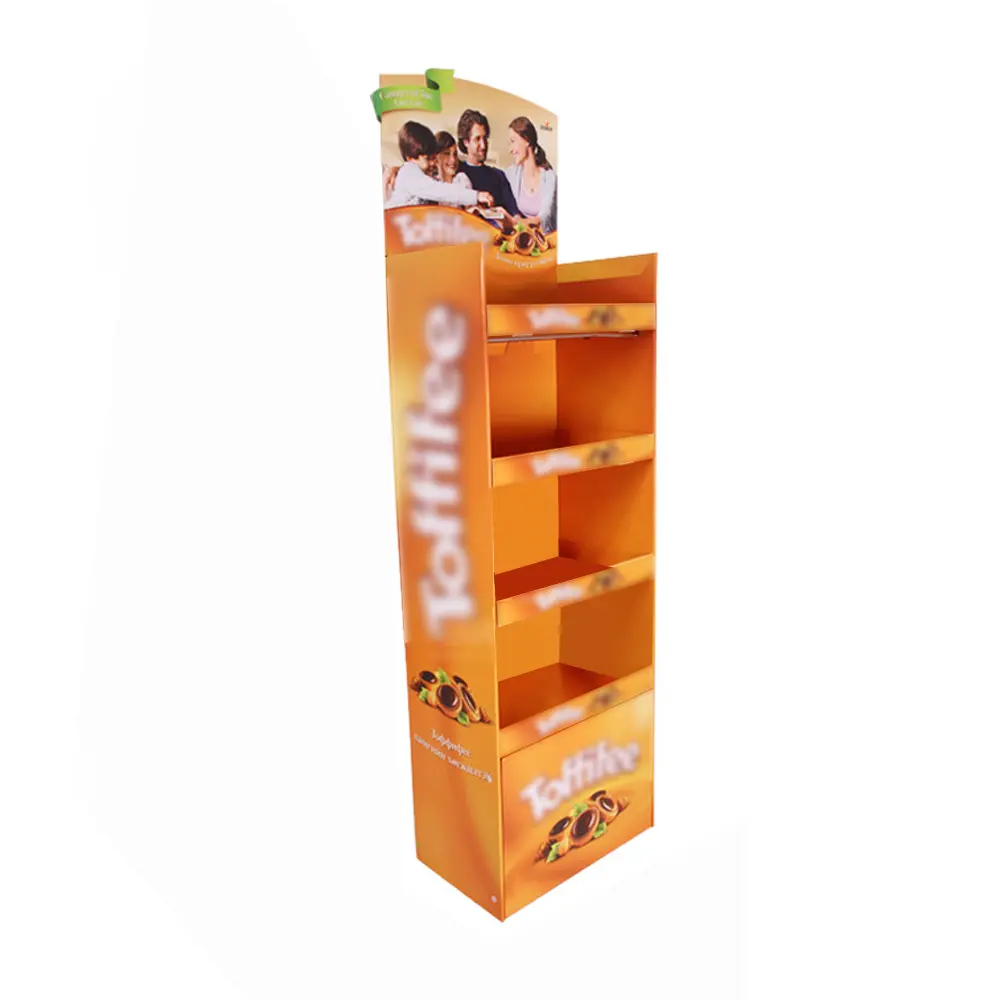 Orange Four Shelf Display
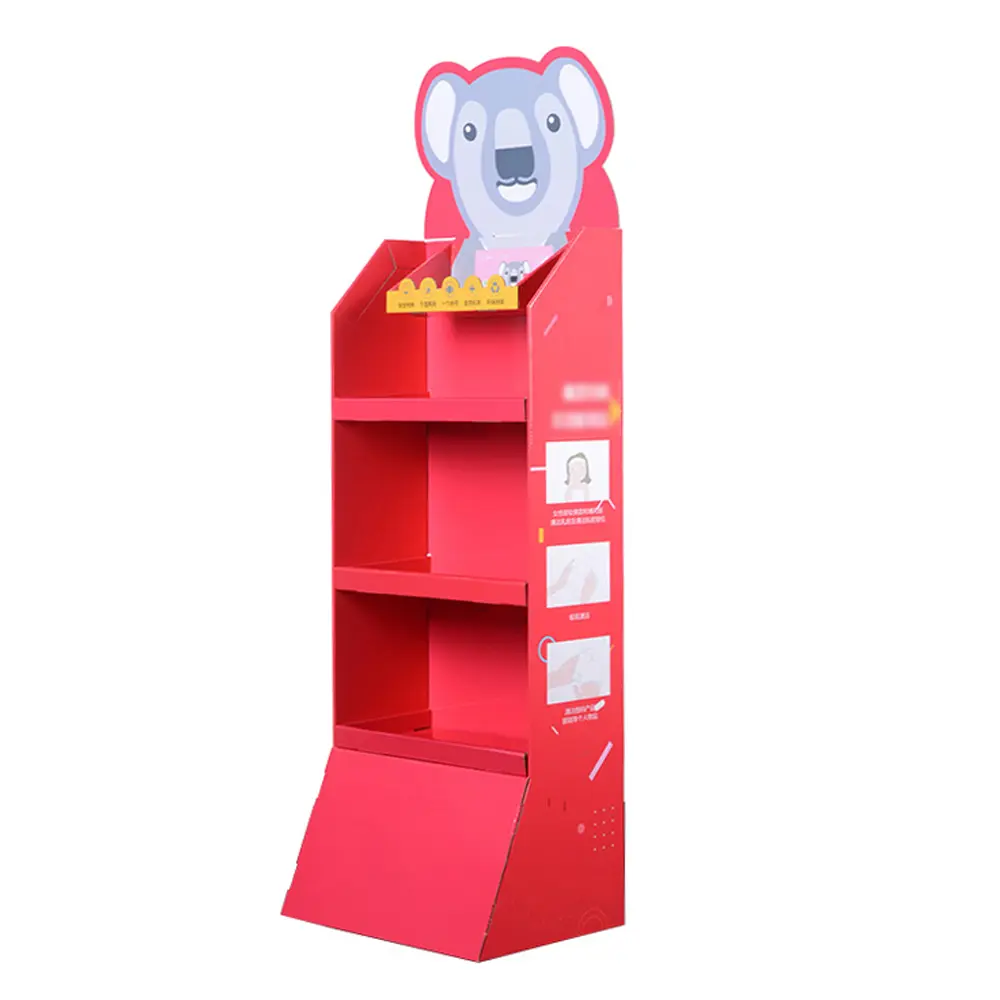 Three Tray Floor Display
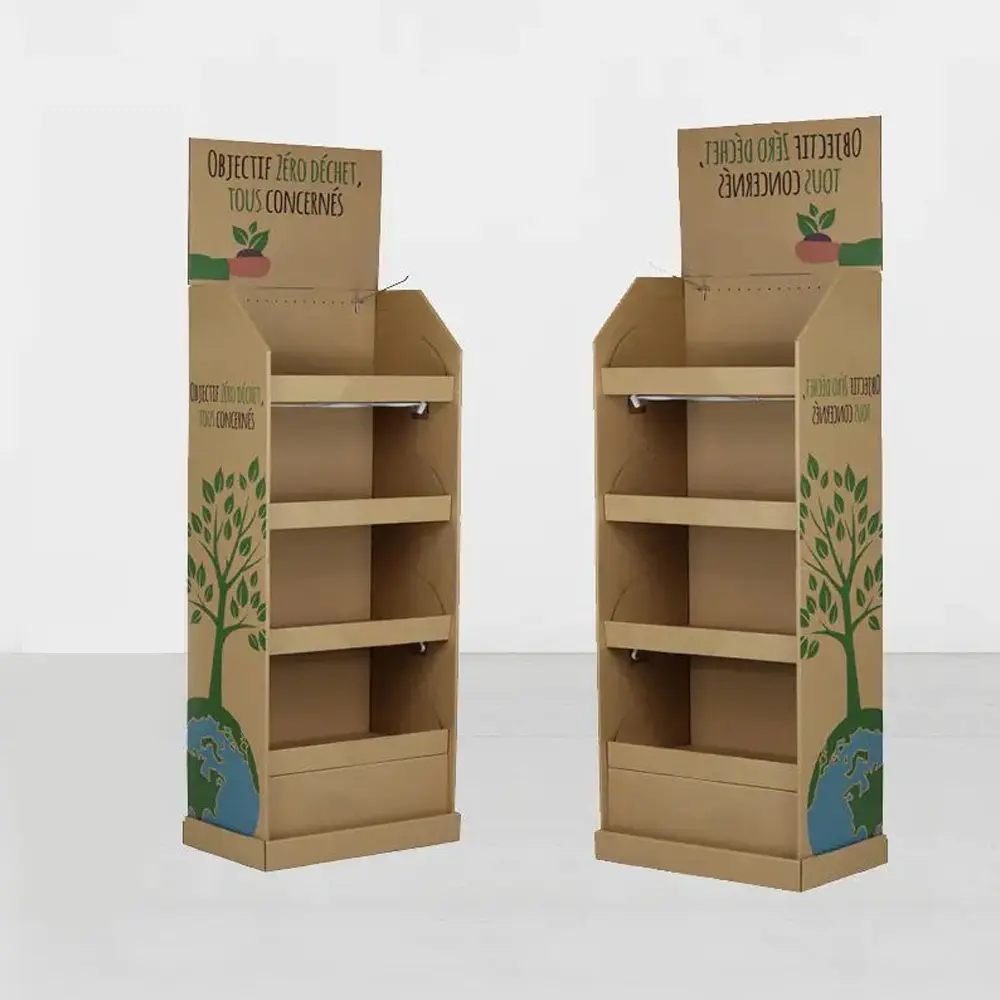 Tray Floor Display
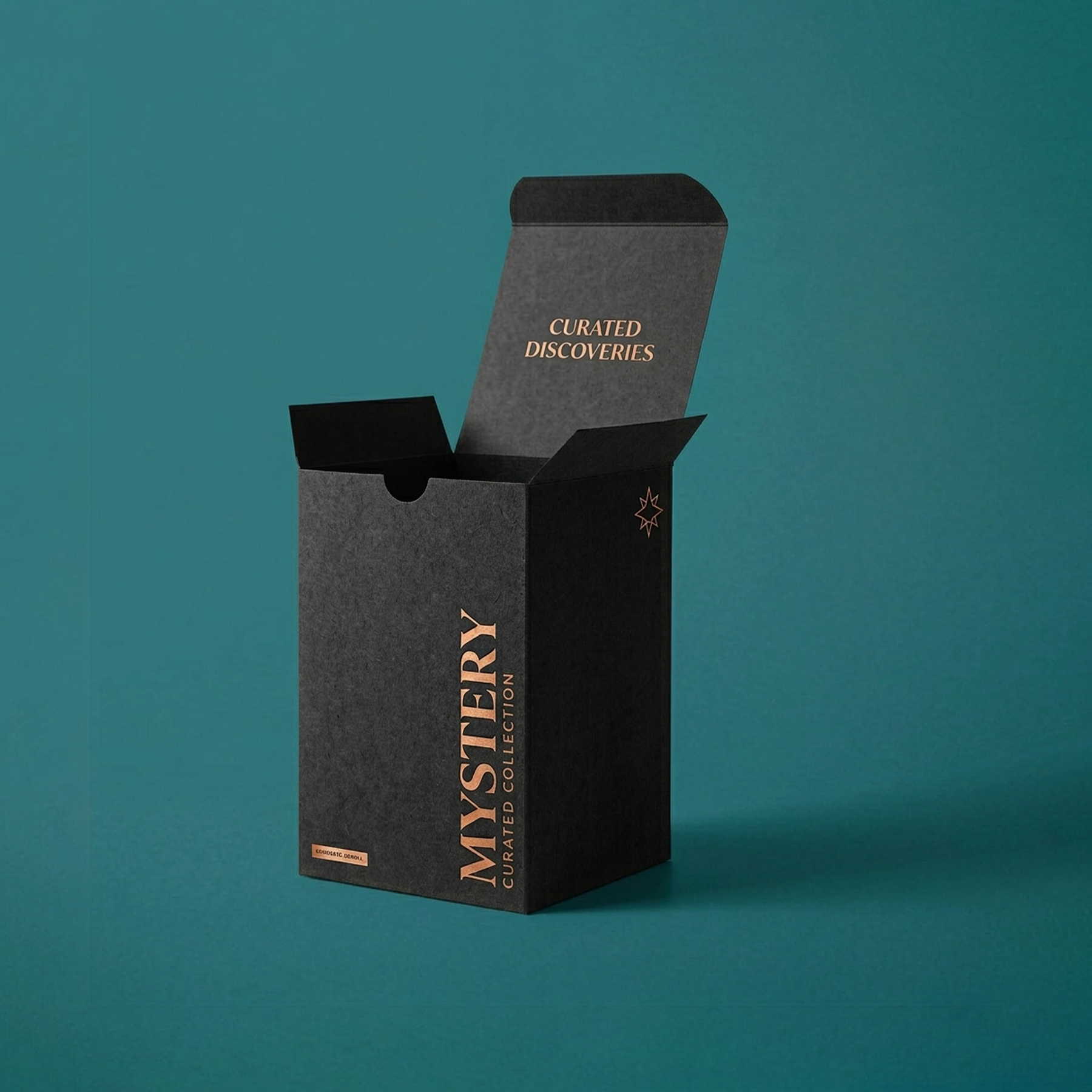 Black Kraft Boxes
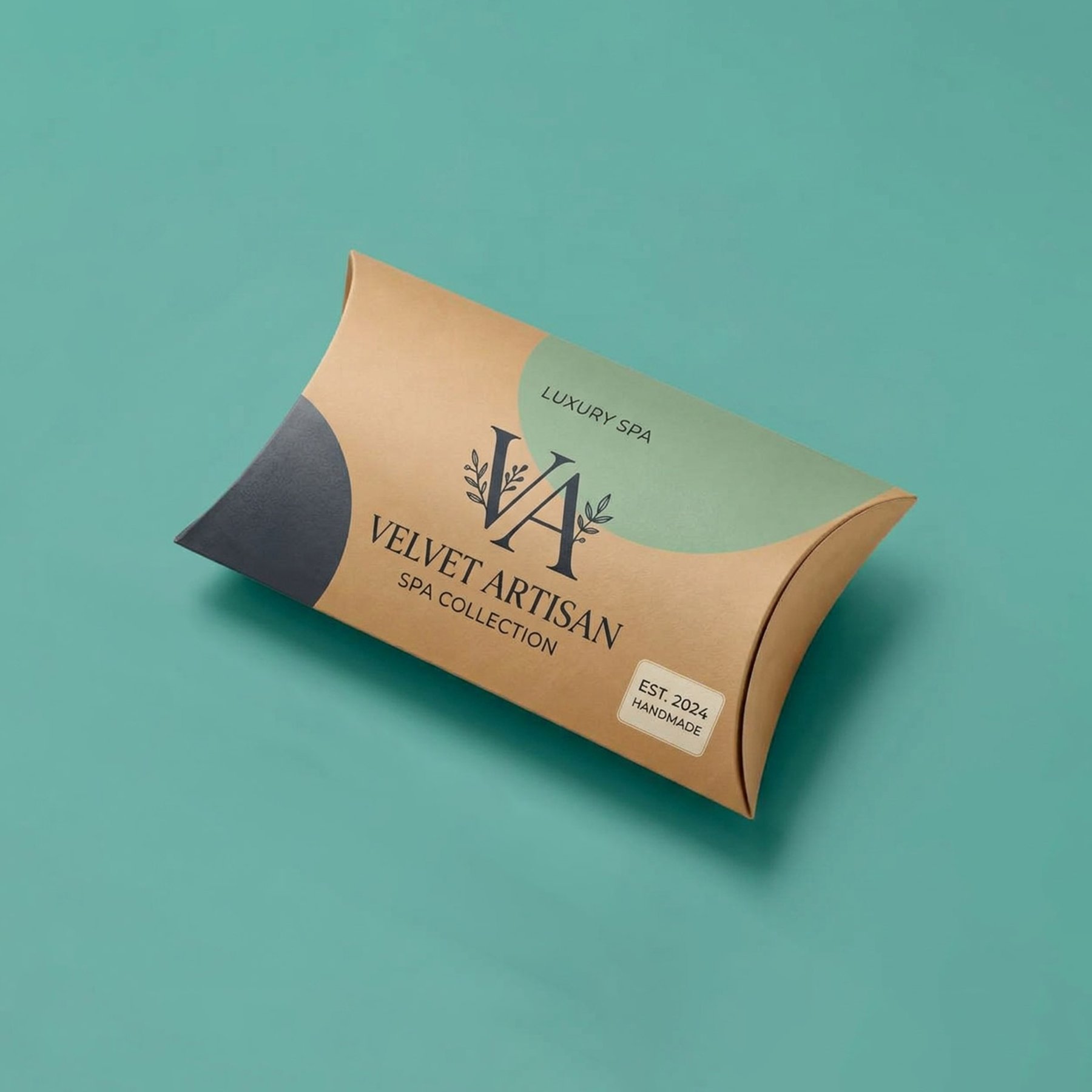 Custom Kraft Pillow Soap Boxes
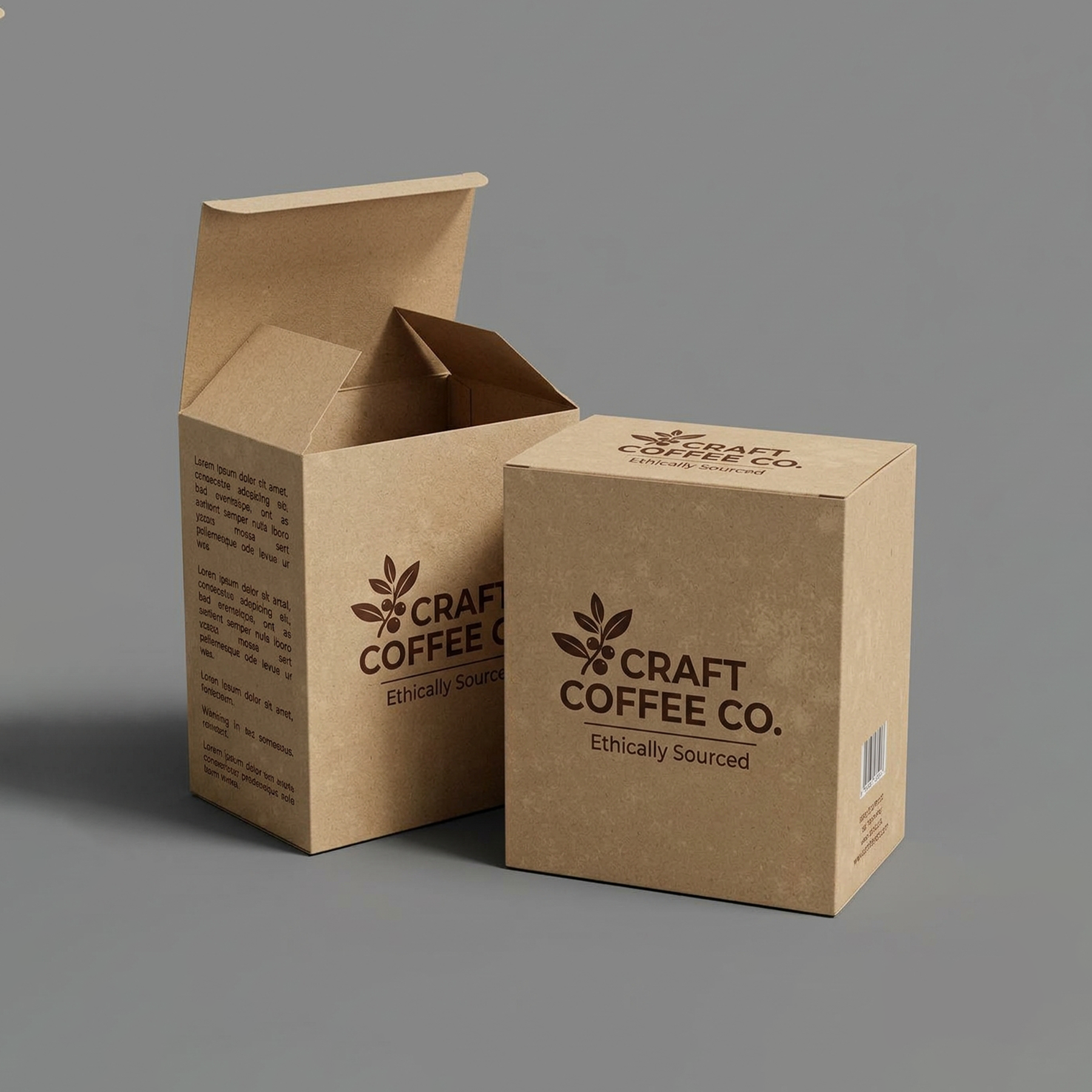 Custom Printed Kraft Packaging Boxes
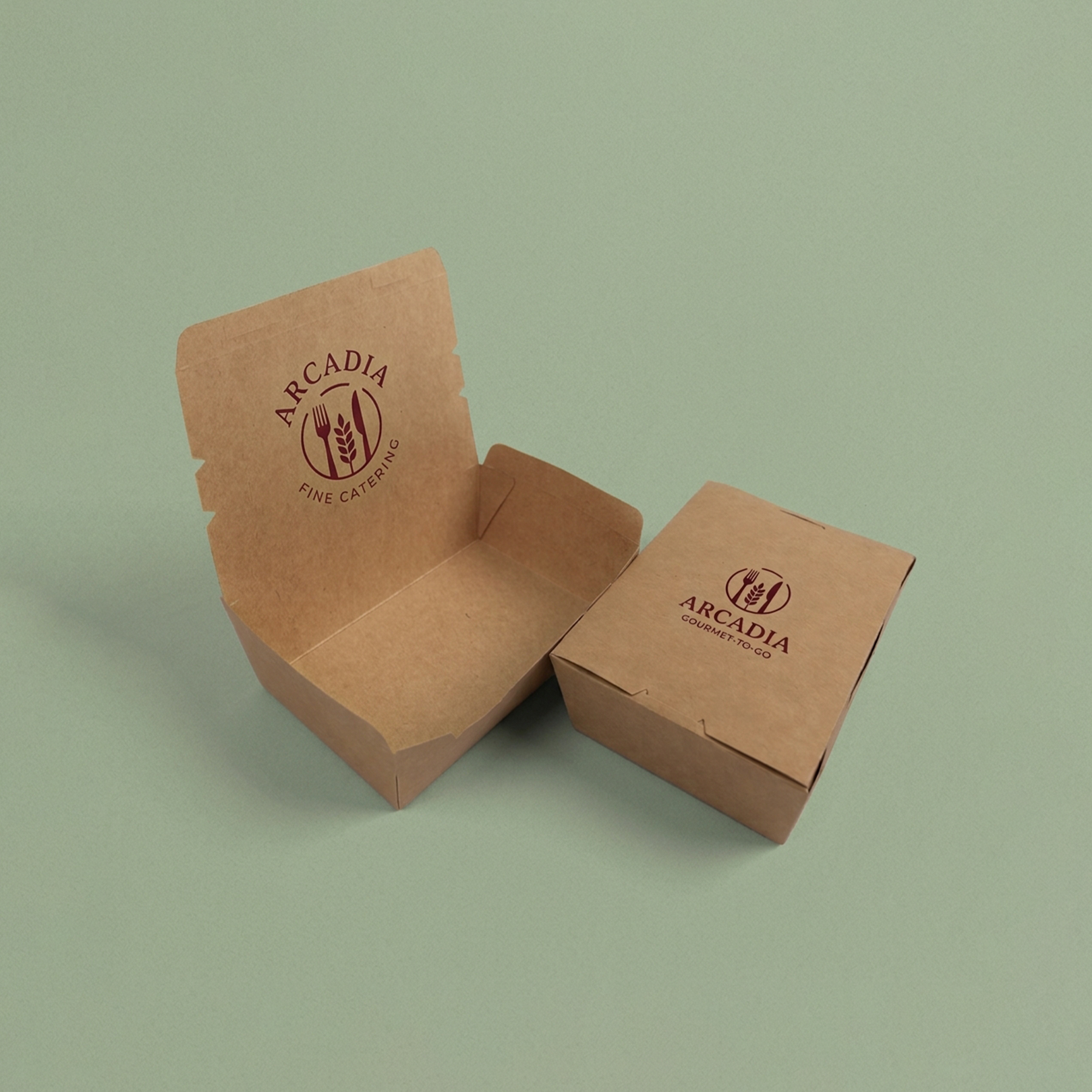 Disposable Kraft Paper Boxes
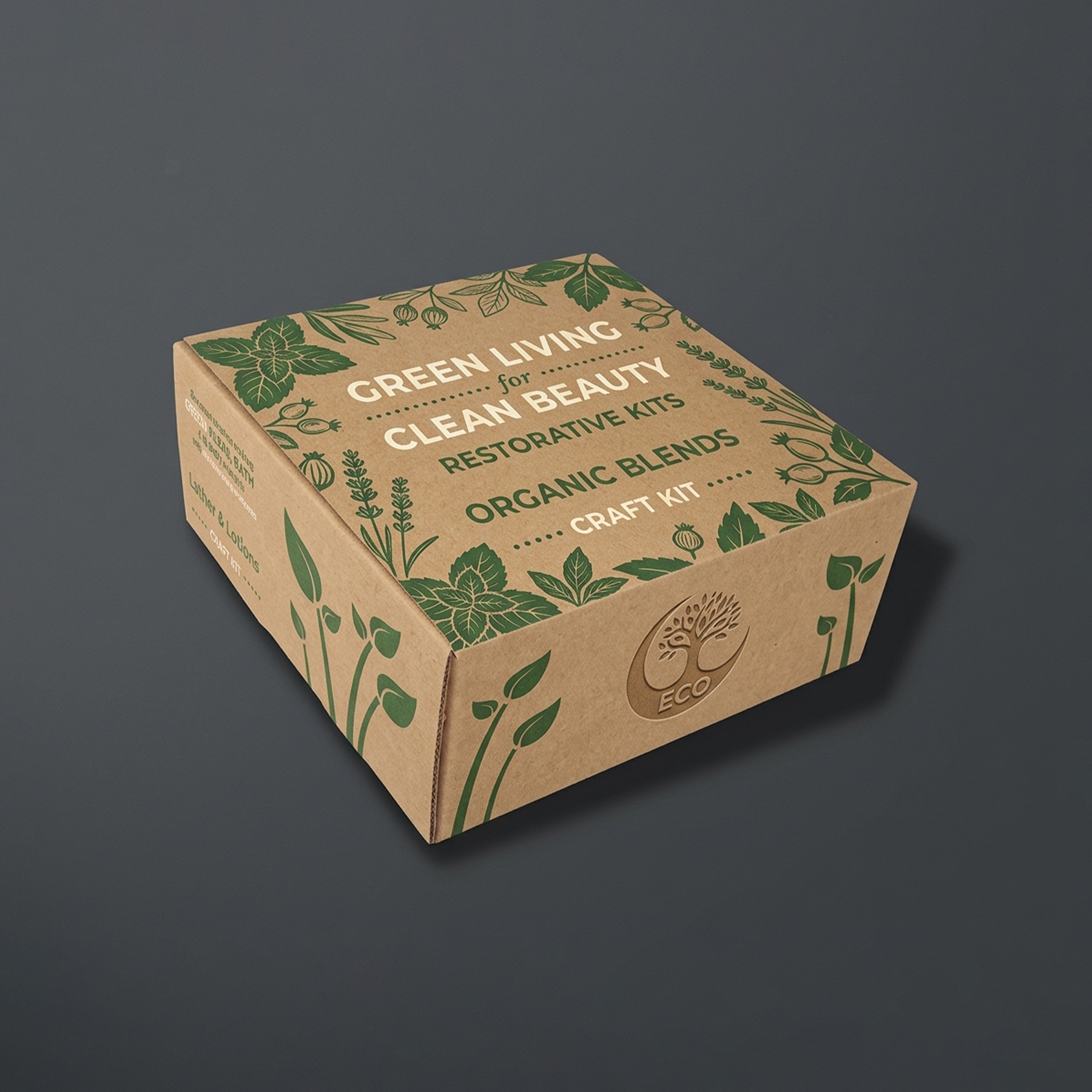 Eco-Friendly Kraft Boxes
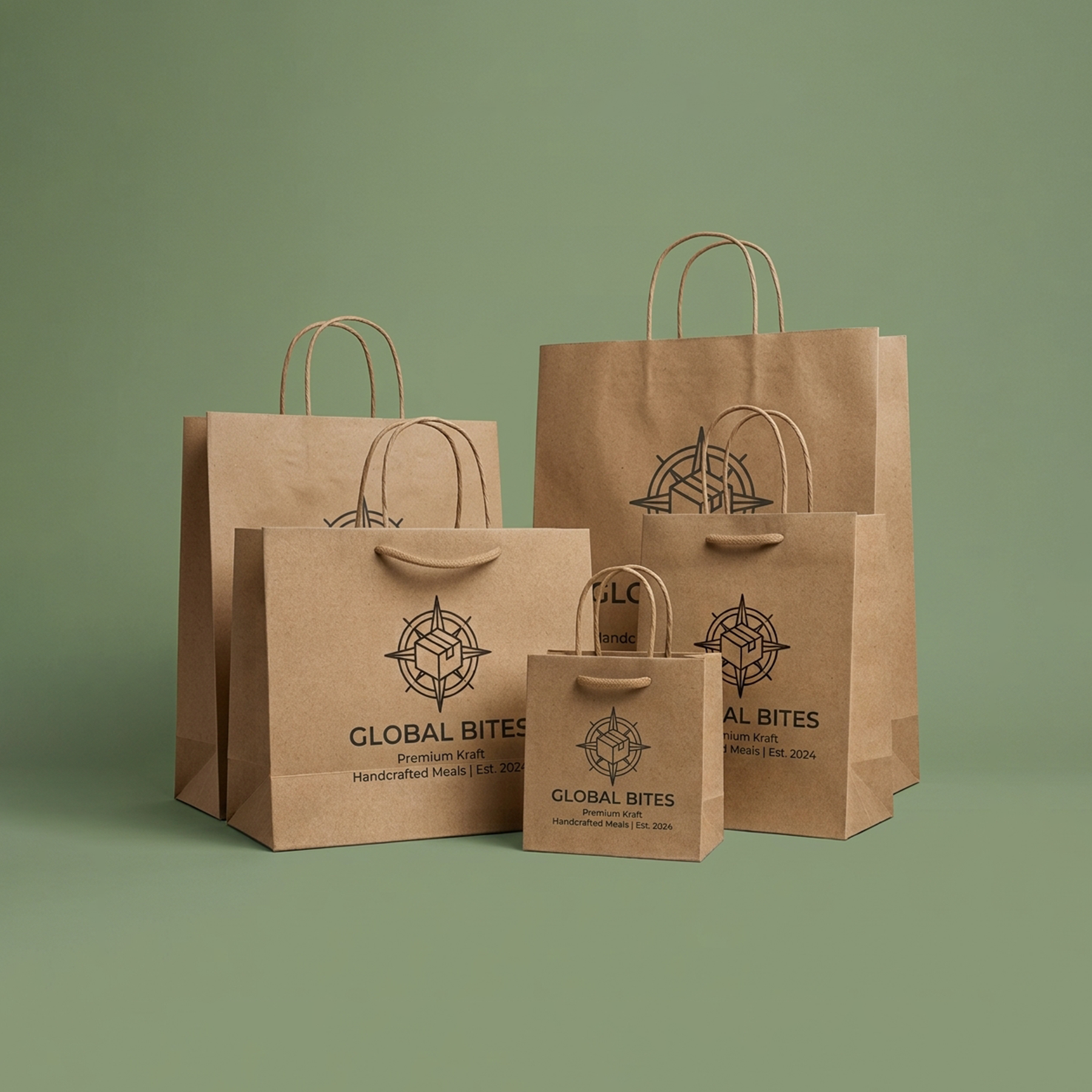 Kraft Paper Bags
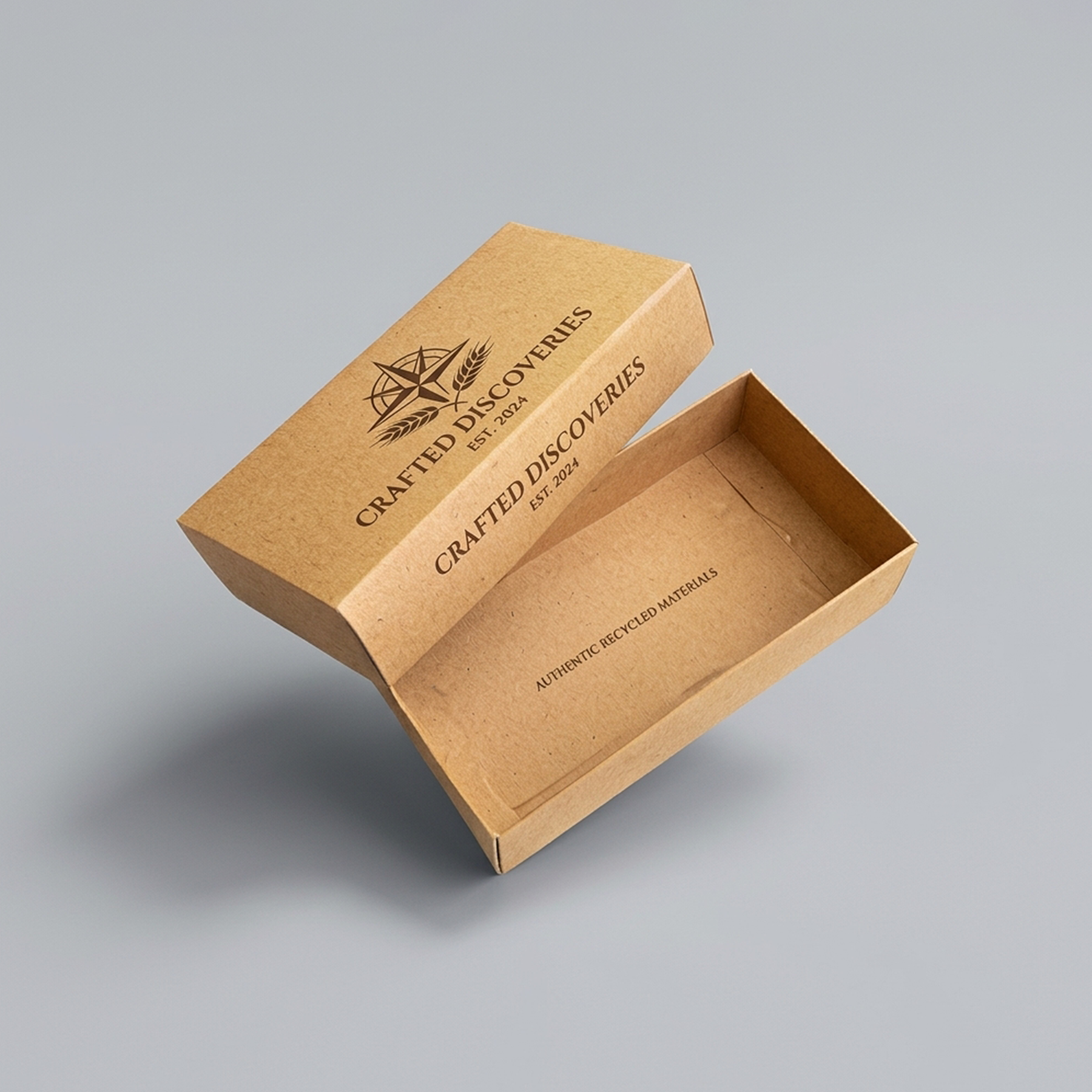 Kraft Boxes with Lids
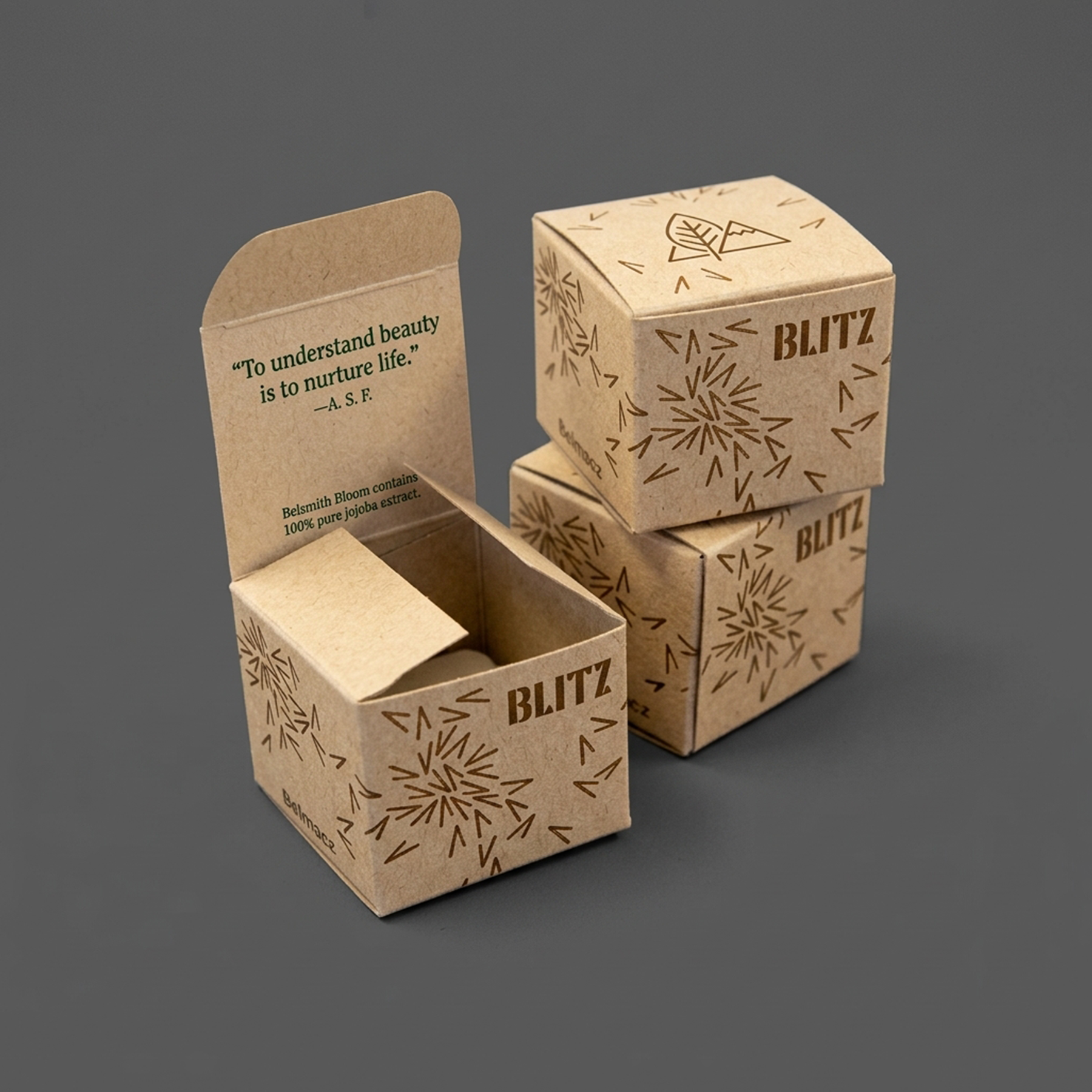 Kraft Cosmetic Boxes
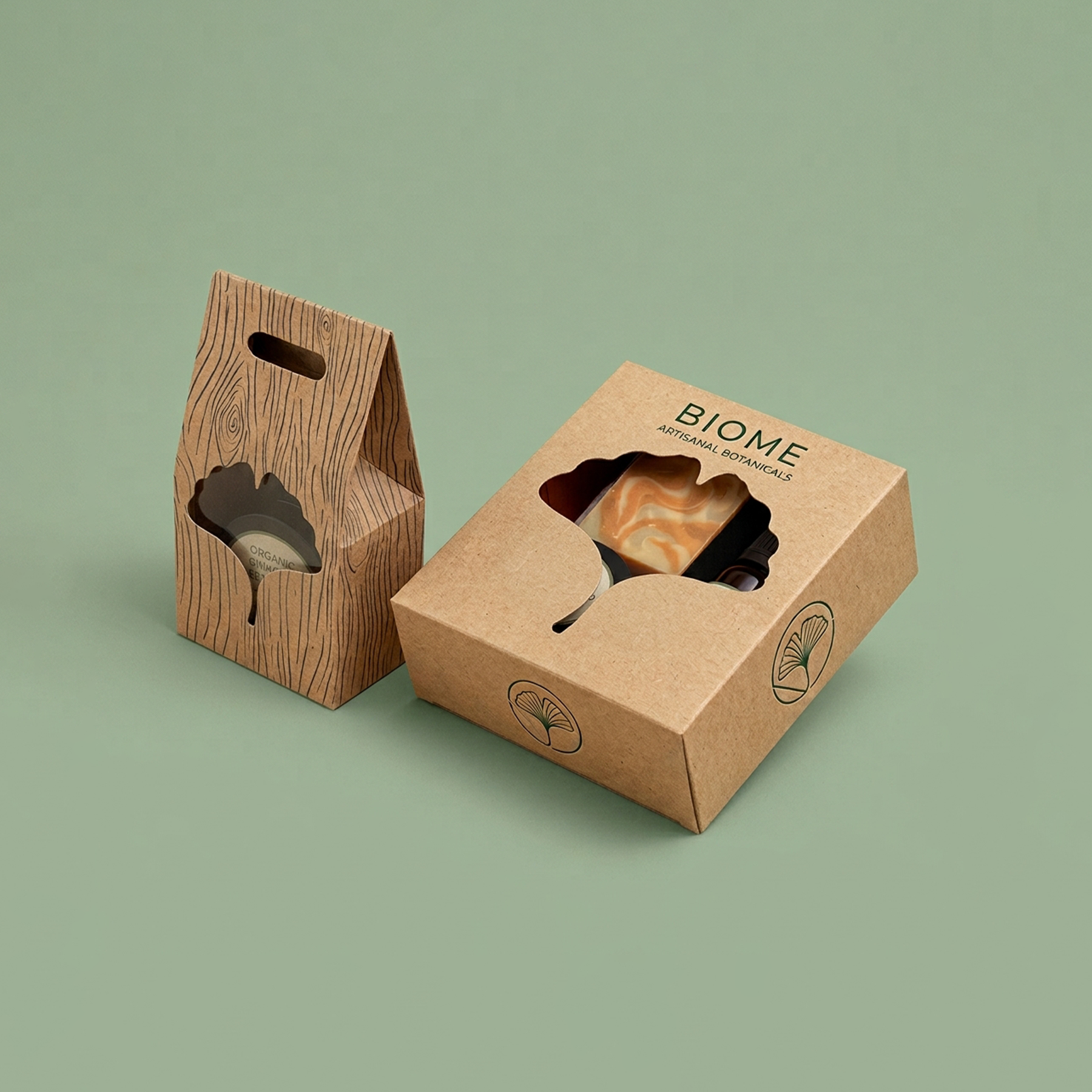 Kraft Die Cut Boxes
 1-2-3 Bottom Box
 Auto Bottom With Display Lid
 Seal End Auto Bottom
 Gable Bags
 Six Corner
 Tray
 Custom Sleeve Boxes
 DIM
 Gable Box Auto Bottom
 Hexagon Two Piece
 Regular Four Corner Box
 Dispenser Box
 Four Corner with Display Lid
 Seal End
 Bottom Tray
 Brief Case Style
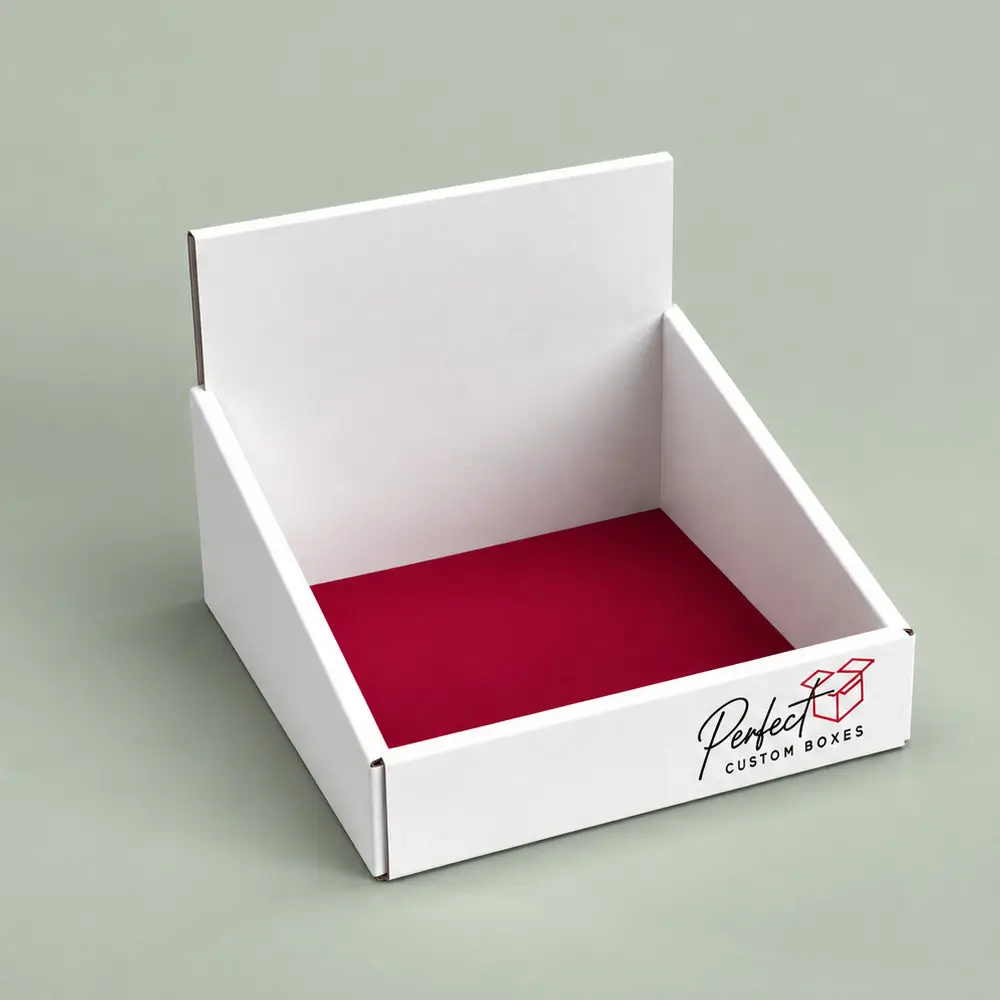 Display Box With Double Walls
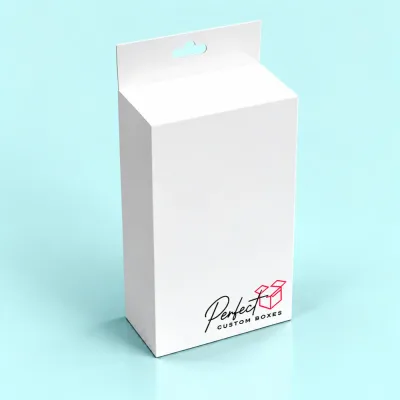 Tuck End With Hanging Tab
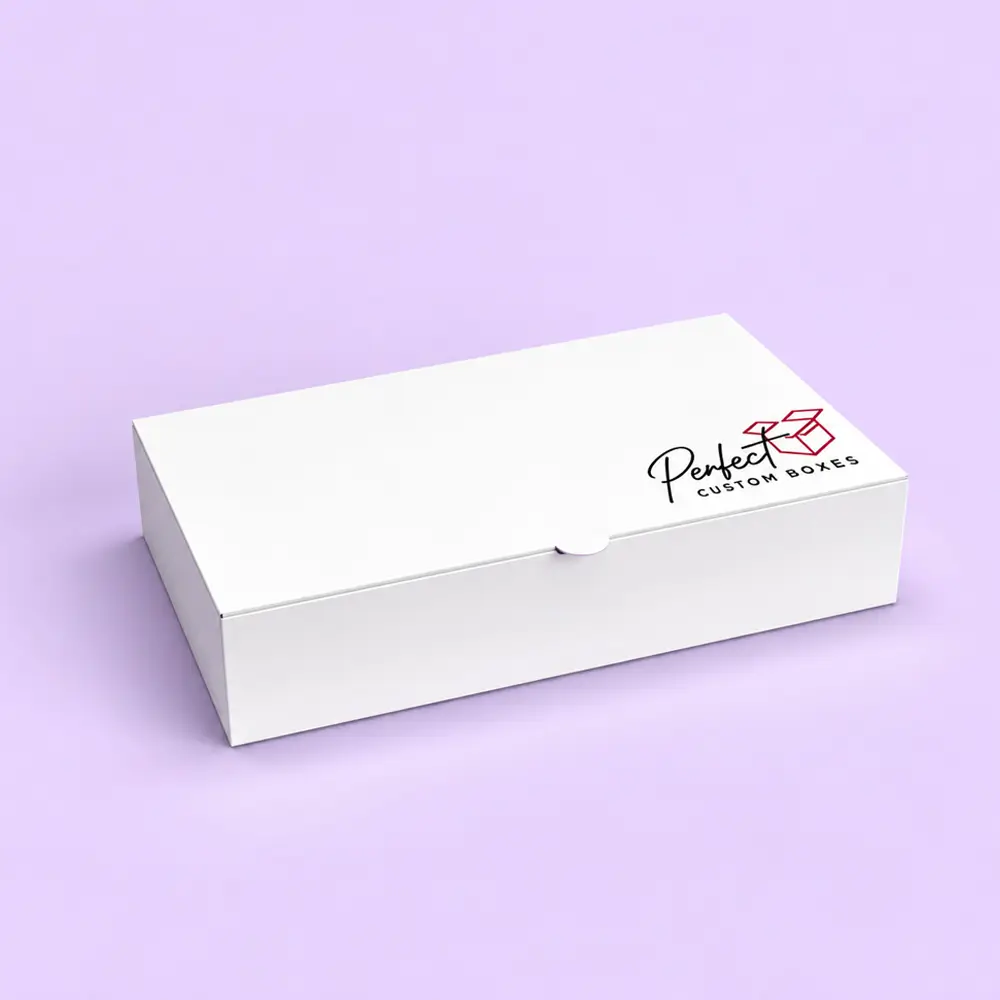 Double Locked Wall Lid
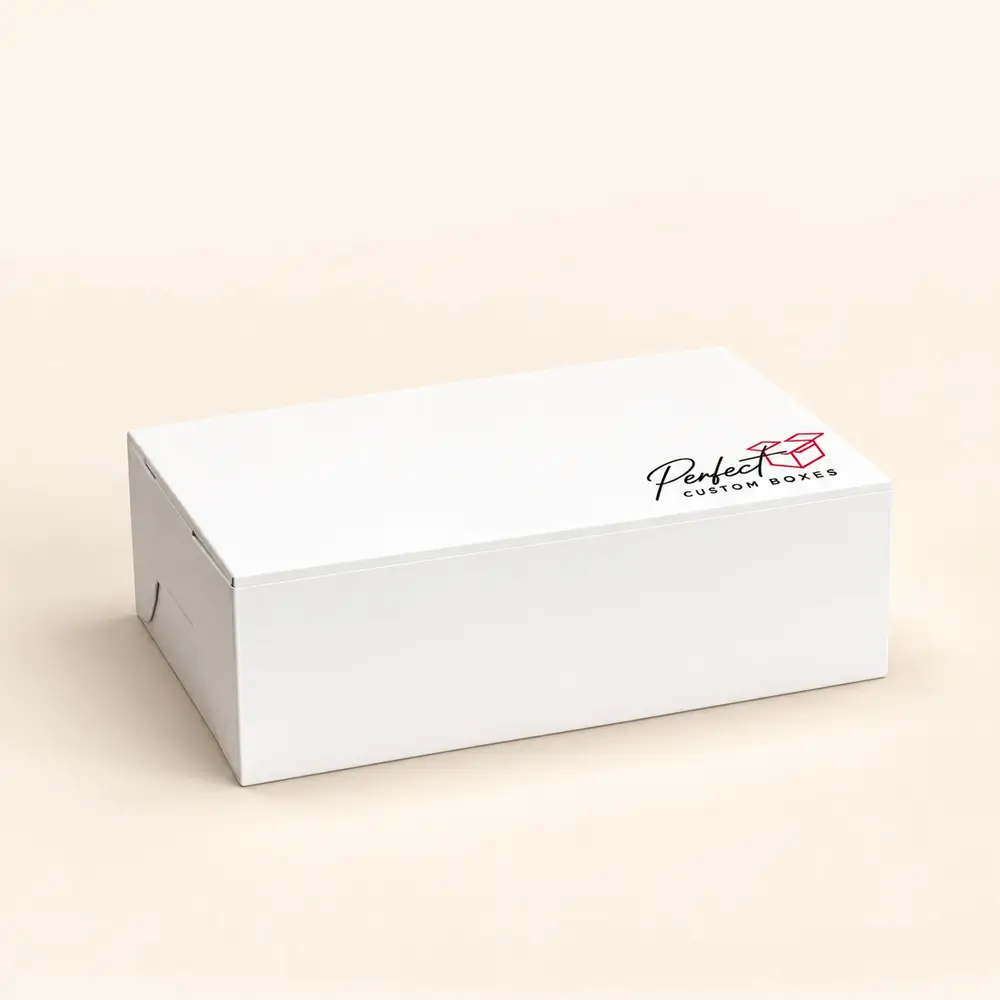 Self Lock Cake Box
 Cd Jacket
 Kraft Boxes
 Corrugated Boxes
 Cardstock Boxes
 Rigid Boxes
 Eco Friendly Packaging
 CMYK Printing
 PMS Printing
 Matte Finish
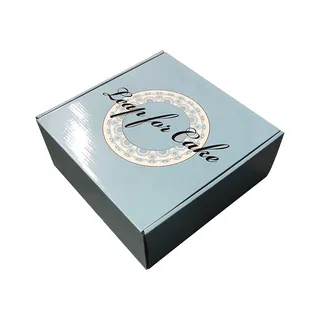 Gloss Finish
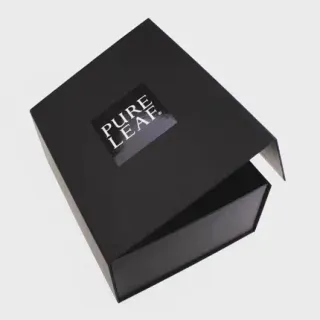 Soft Touch
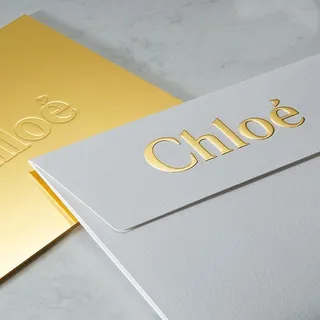 Foil Stamping
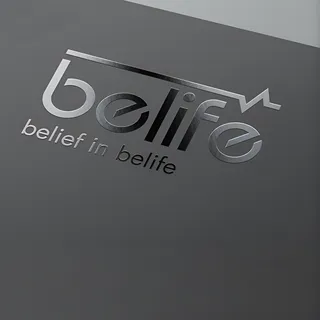 Spot UV
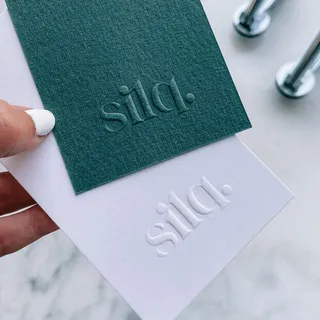 Embossing
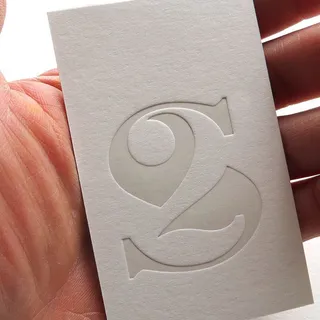 Debossing
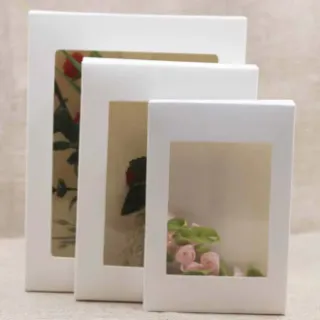 Window Cutouts
What Is a Dieline?
A dieline is the flat, full-size layout of a package before it is folded. Drawn as an outline of the unfolded box, it shows every panel and flap, where the board will be cut, where it will fold and where glue holds it together. Designers place the artwork on top of it so that logos, text and colours land on the right faces once the box is assembled, and the factory uses the same drawing to make the steel cutting die. Every box style, size and material has its own dieline, which is why it is the first thing to get right on any custom box.
Also calleddie line · box template · die-cut template · keyline
Dieline in 30 Seconds
A dieline is drawn at full size for one box style, one size and one material.
Solid lines are cut, dashed lines are folds (creases).
Backgrounds run 1/8 in (3 mm) past the cut as bleed. Text and logos stay 1/8 in (3 mm) inside the cut and crease lines.
The dieline is a guide on its own layer and is never printed.
What Is a Dieline in Packaging?
Every folding carton and corrugated box starts life as a flat sheet. Before anything is printed, the box is drawn out flat at actual size, with each side panel, lid, tuck flap, dust flap and glue strip in its exact position. That drawing is the dieline. It is called a dieline because it is the line the die, a set of sharp steel rules bent to shape, follows to cut and crease the board.
Because a dieline is drawn for one specific box, it changes whenever the style, size or material changes. Thicker board needs slightly larger fold allowances, a different closure needs different flaps, and a new size moves every line. That is why a dieline from one box or supplier should not be reused for another.
A dieline does two jobs at once.
For the designer, it is a map: it shows which panel becomes the front, which becomes the lid, and which edges will be hidden or folded, so artwork can be placed where it will be seen.
For the factory, it is the blueprint: the same lines are used to build the cutting die and to set up folding and gluing, so the printed sheet turns into a box that closes properly.
How to Read a Dieline
Every dieline uses a small set of line types. Select one to see where it sits on the template.
Cut line
A solid line around the outside of the box. The steel die cuts the board along it, so this is the exact shape that comes off the sheet.
Crease line
A dashed line where the board is pressed so it folds cleanly. Panels, flaps and tucks all meet on crease lines.
Bleed
Artwork that runs 1/8 in (3 mm) past the cut line. Cutting is never perfectly exact, so bleed stops a thin white edge from showing on the finished box.
Safe zone
The area 1/8 in (3 mm) inside every cut and crease line. Keep text, logos and barcodes inside it so nothing is trimmed off or lost in a fold.
Glue area
The flap that is glued to hold the box together. Leave it free of ink and coating, so the glue bonds properly.
Parts of a Box Dieline
Each panel on the flat template becomes one face or flap of the finished box. These are the parts of a tuck end box, the most common folding carton.
Dieline vs Die vs Mockup vs Proof
These terms are often mixed up, but each is a different step on the way to a finished box.
How a Dieline Becomes a Box
- 01
Choose a style and size
The dieline is drawn from your box style and the inside size your product needs. See the Box Styles Guide and Box Size Guide.
- 02
Get the production dieline
It is matched to your board, because thicker material needs slightly different fold allowances. See Materials & Finishes.
- 03
Add the artwork
The design goes on a separate layer above the dieline, with bleed and safe zones applied. Design it yourself, or use our free design service.
- 04
Approve the proof
Check every panel on 2D and 3D digital proofs before anything is printed.
- 05
Print, cut and fold
The printed sheet is cut and creased by the die, then glued and shipped flat.
Want to hold the box before a full run? Order a physical sample. See every step of ordering on How It Works.
Artwork Rules for a Dieline
- Keep the dieline on its own layer. It is a guide and is never printed.
- Never resize a dieline. Stretching it throws off the folds and flaps, so get a new one for a new size.
- Extend backgrounds and images 1/8 in (3 mm) past the cut line.
- Keep text and logos 1/8 in (3 mm) inside the cut and crease lines.
- Leave the glue flap free of ink and coating.
- Set colours in CMYK, and name any Pantone (PMS) colours you need matched. See Printing & Finishing Options.
- Use high-resolution images at 300 dpi or more at the final printed size, and outline or embed fonts.
- Send files as AI, EPS, PSD or PDF.
- Need a barcode for a side panel? Make a print-ready one with our free barcode generator, and keep it inside the safe zone.
Common Dieline Mistakes
Dieline Examples by Box Style
Every box style has its own dieline. We make one for each style we produce, including:
 Reverse Tuck EndCosmetics, supplements, candles
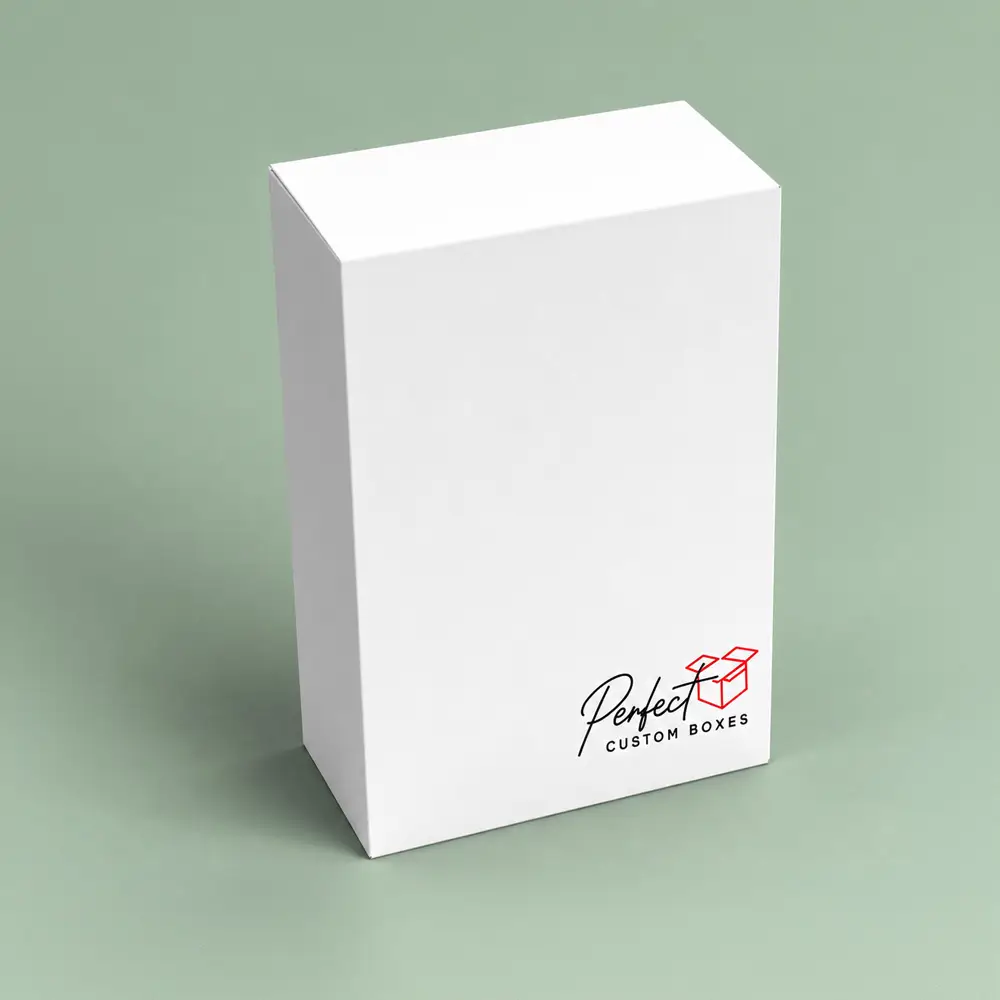 Straight Tuck EndRetail cartons with a clean front
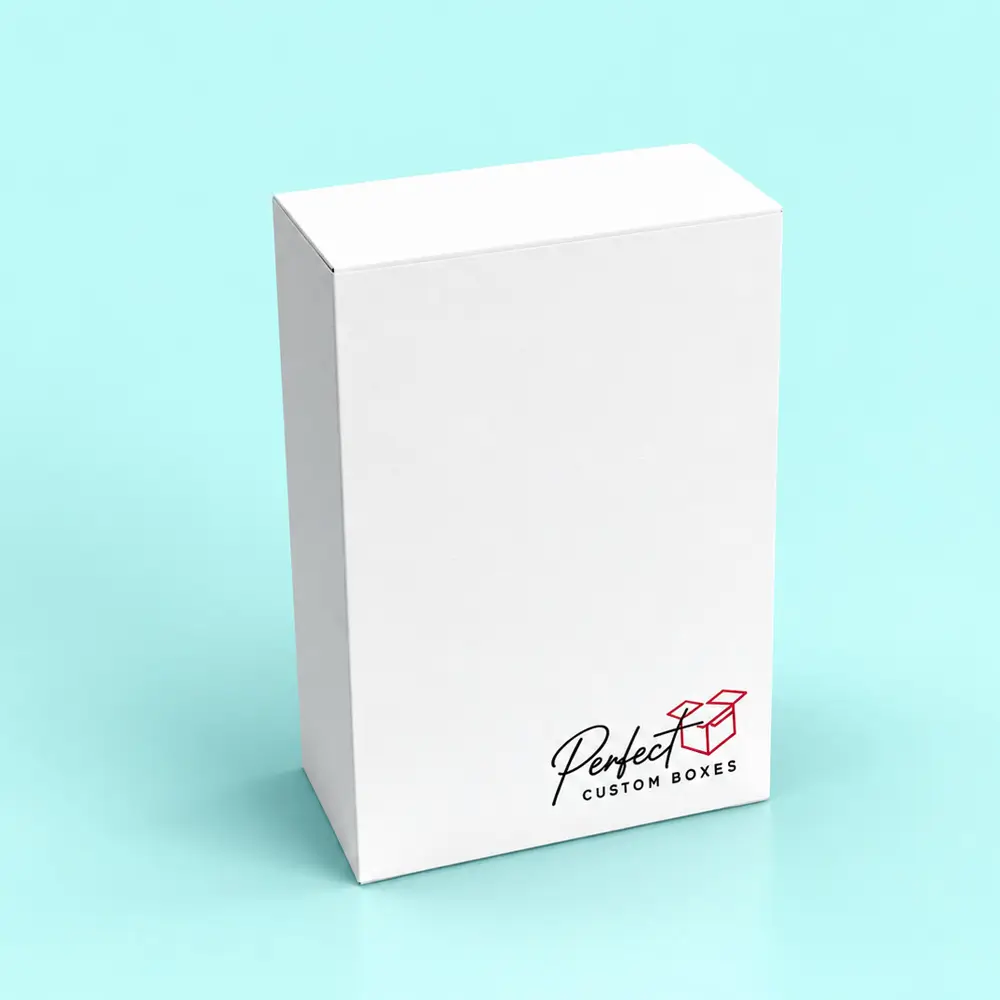 Tuck End Auto BottomHeavier products, pre-glued base
 Double Wall Tuck FrontMailers and subscription boxes
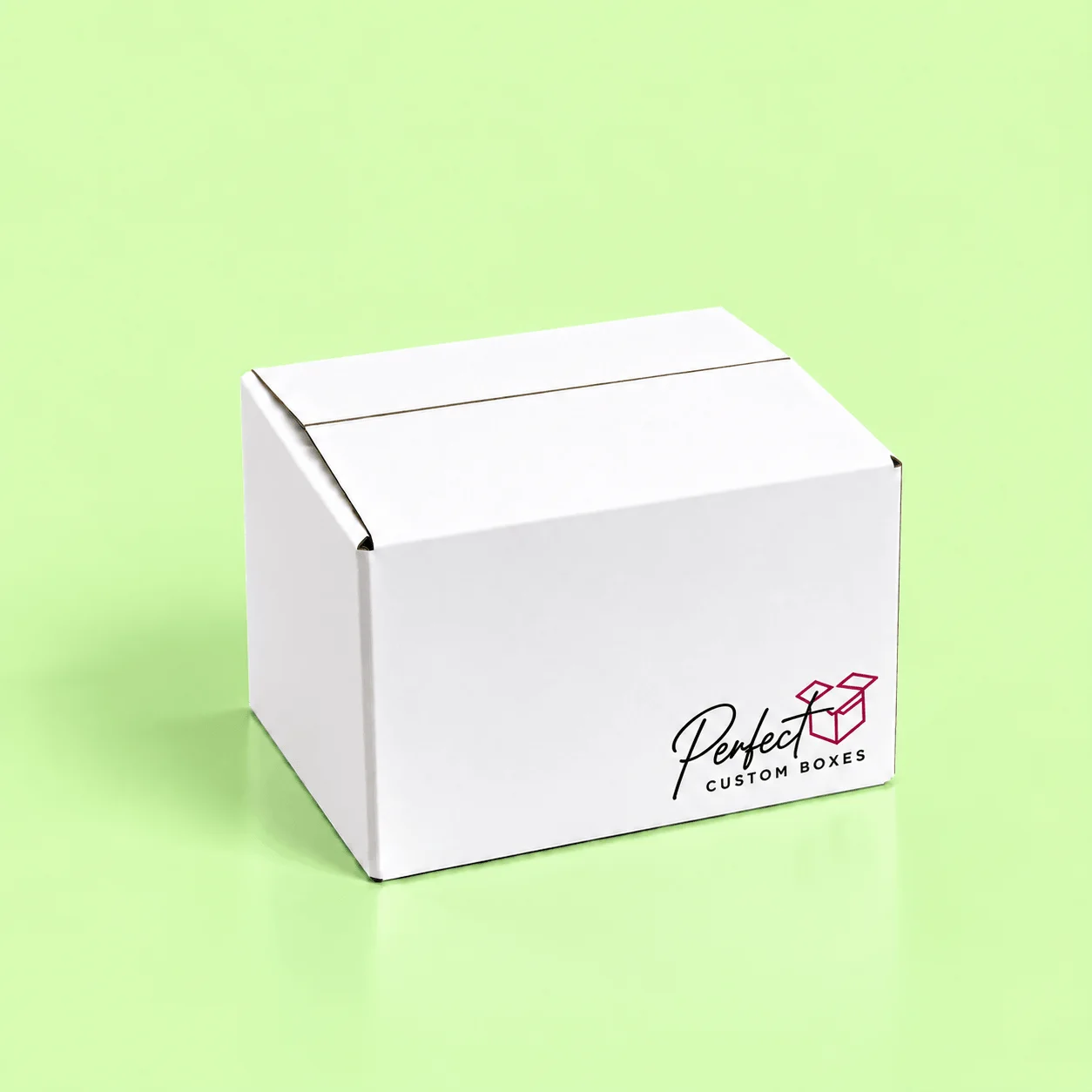 Full Flap Shipping BoxHeavier shipments and stacking
 SleeveSoap, gift sets, premium packs
 Two Piece BoxGifts and keepsakes
 Pillow BoxSmall gifts, soap, accessories
Preview any of them at your own size with our free dieline tool. When you order, our team draws your production dieline for your exact size and material, free of charge, with no die and plate charges.
Free Packaging Tools
Plan your box before you request a quote. All tools are free, with no signup.
Free Dieline Tool
Preview and download a dieline at your size
Use Free ToolBox Size Calculator
Work out the inside size to order
Use Free ToolBox Volume Calculator
Volume in cubic inches, feet and liters
Use Free ToolDimensional Weight Calculator
See the weight carriers will bill
Use Free ToolBox Compression Calculator
Check stacking strength for shipping boxes
Use Free ToolBarcode Generator
Create a scannable barcode for your box
Use Free ToolFrequently Asked Questions
What is a dieline?
A dieline is the flat, full-size layout of a package before it is folded. It shows where the board is cut, where it folds and where glue goes, so the artwork lines up once the box is assembled.
What does a dieline look like?
It looks like the outline of an unfolded box. Solid lines mark where the board is cut, and dashed lines mark where it folds. Bleed, safe zones and the glue area are usually marked too.
Who makes the dieline?
Usually the packaging maker, because the dieline has to match its box style, board and cutting equipment. We draw your production dieline for free with your quote.
Are your dielines free?
Yes. You can preview and download a dieline free with our dieline tool, and we draw your production dieline free of charge. There are no die and plate charges.
Can I resize a dieline?
No. Stretching a dieline throws off the folds and flaps. Ask for a new dieline at your exact size instead.
What is the difference between a dieline and a die?
The dieline is the flat drawing. The die is the physical cutting tool, with steel blades shaped to match the dieline, that cuts and creases the board.
What file format should I use?
Keep the dieline as vector lines on its own layer. Send your artwork as AI, EPS, PSD or PDF, with images at 300 dpi or more.
What is bleed on a dieline?
Bleed is artwork that runs 1/8 in (3 mm) past the cut line, so no white edge shows after the box is cut.
Can I use a dieline from another supplier?
It is not recommended. Each maker builds boxes slightly differently, so use the dieline for the box you are ordering. We send yours with your quote.
Get Your Free Dieline
Share your box style and size, and our team will draw your production dieline with a competitive custom packaging quote.