
 Serum Bottles
 Clear Glass Bottles
 Lotion Bottles
 Plastic Bottles
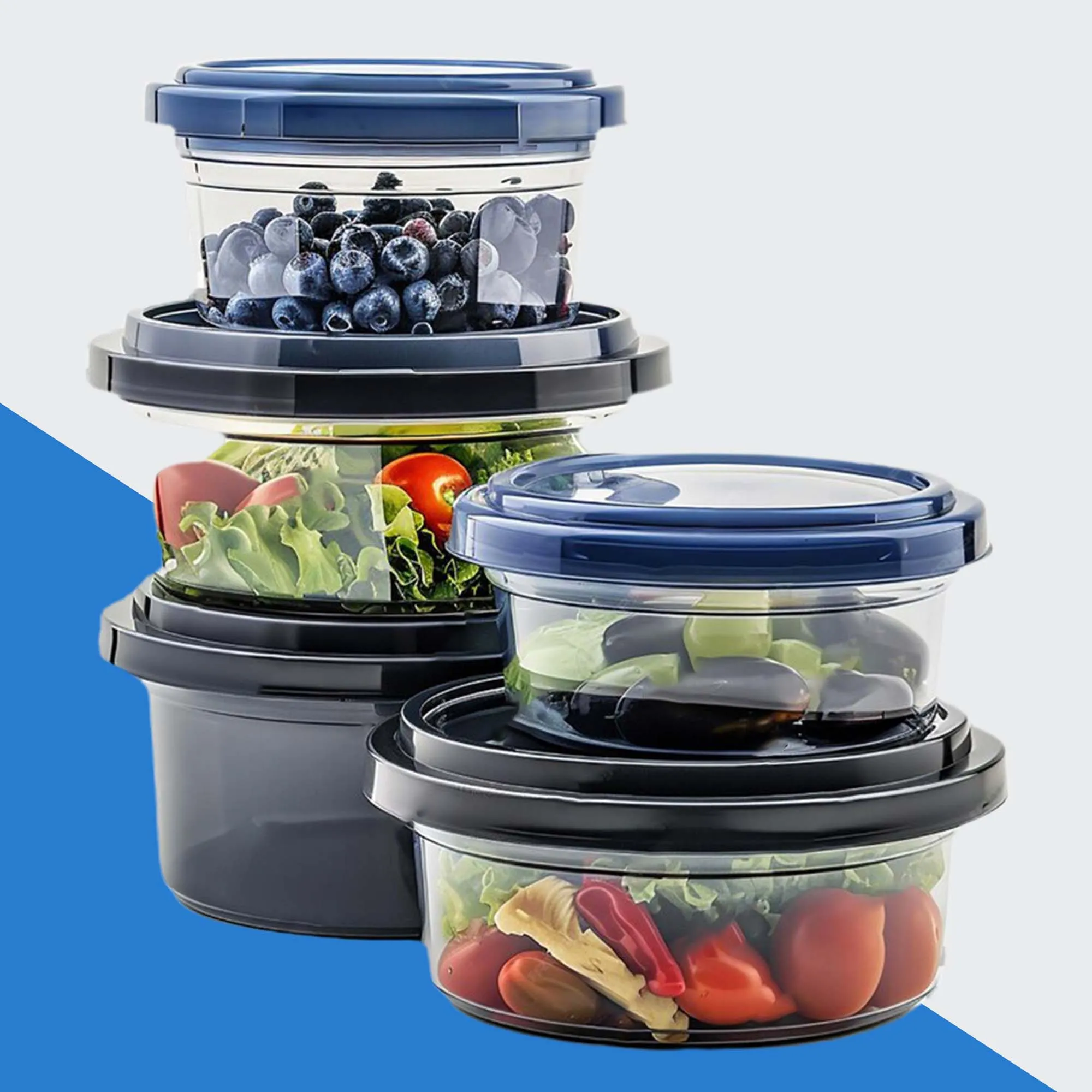 Food Storage Containers
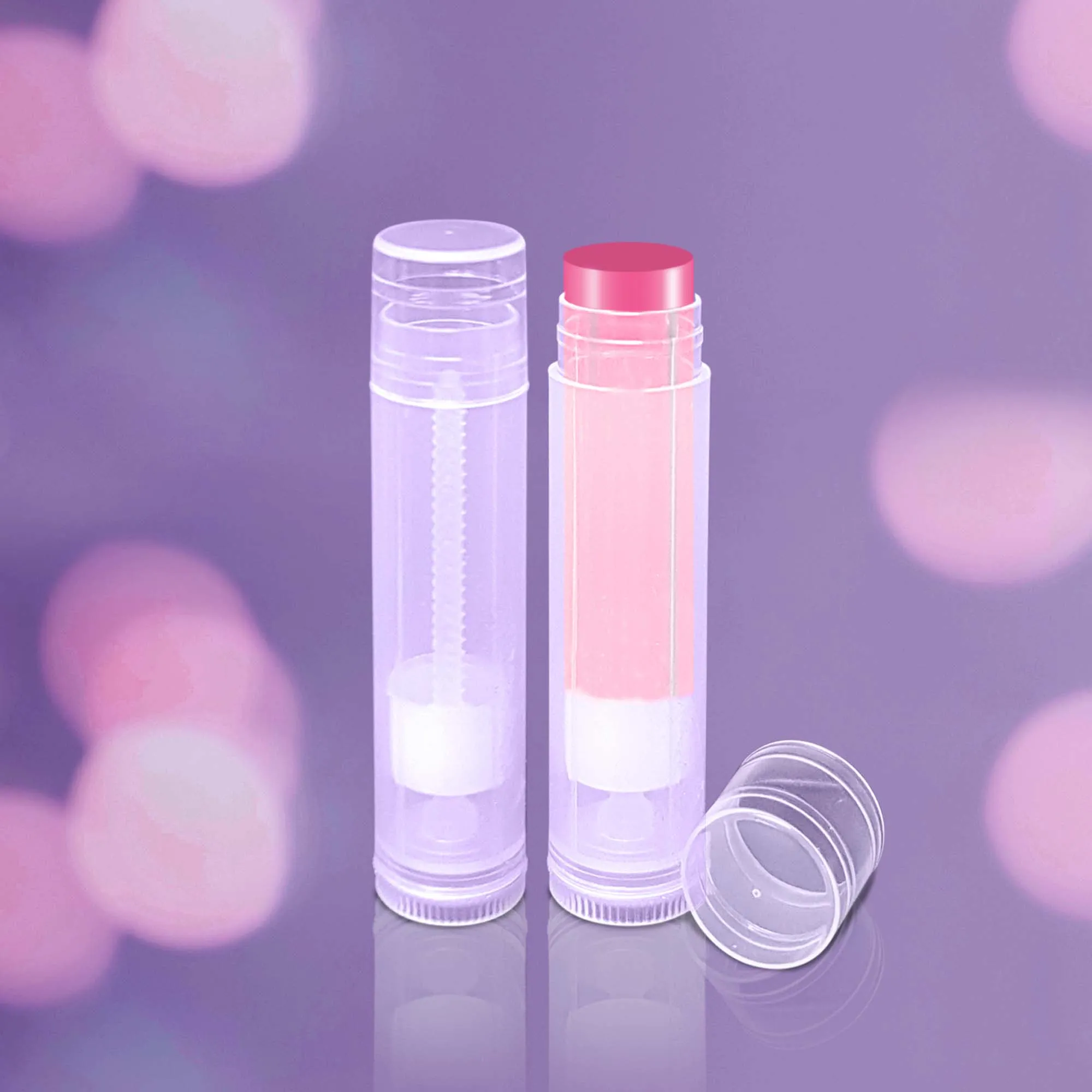 Lip Balm Tubes
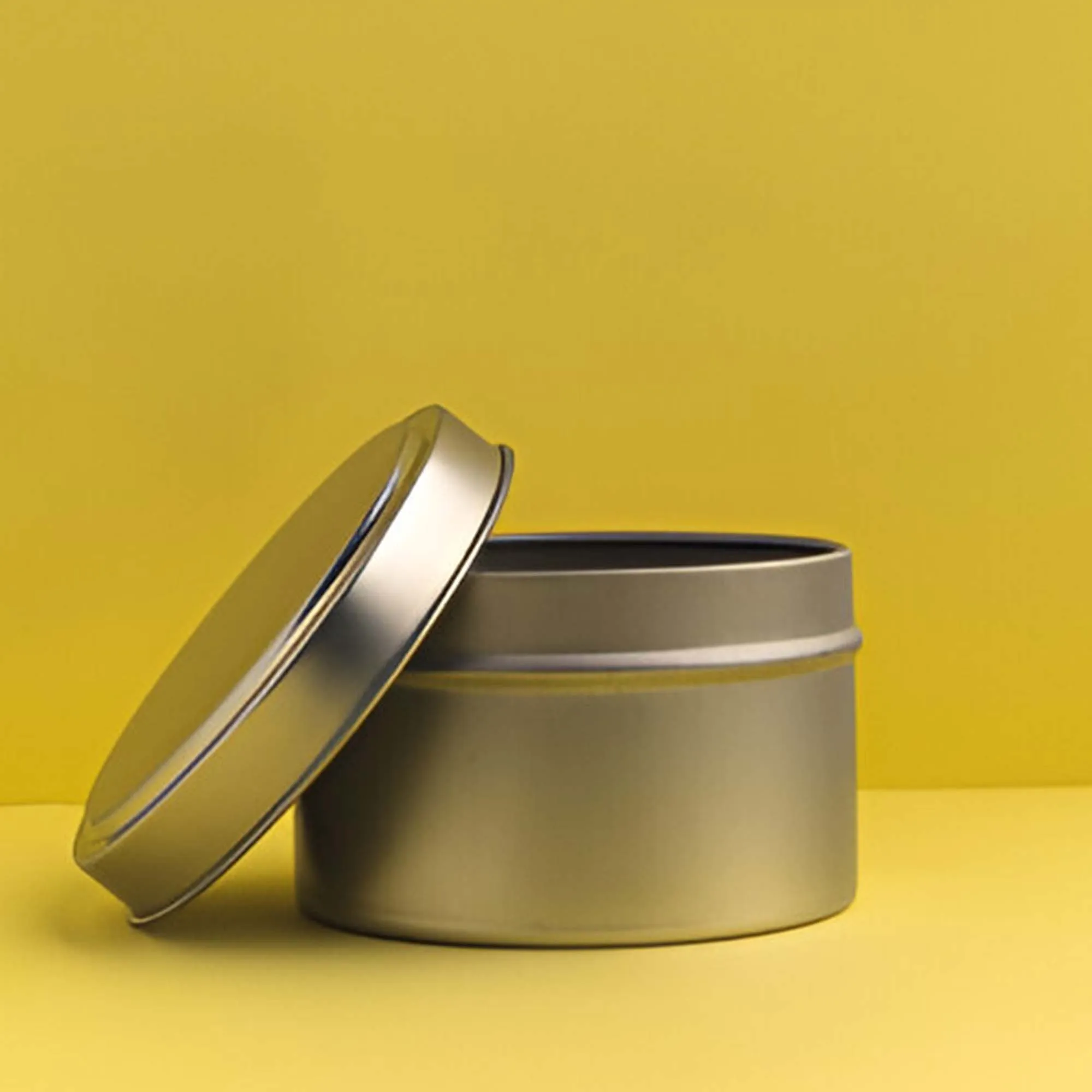 Metal Tins
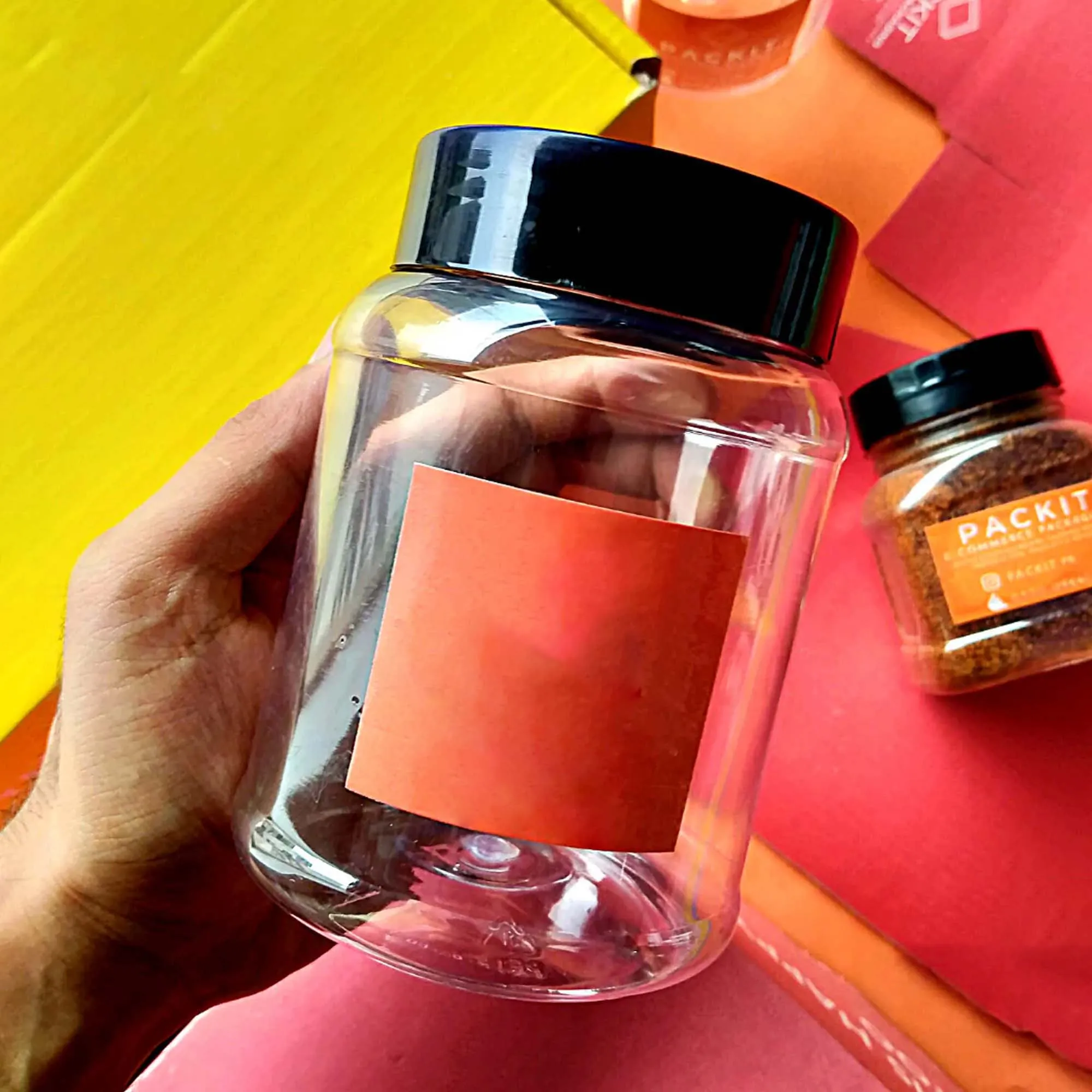 Plastic Jars
 Glass Jars
 Cosmetic Containers
 Black Acrylic Signs
 Clear Acrylic Signs
 Frosted Acrylic Signs
 White Acrylic Signs
 Aluminium Bags
 Black Mylar Bags
 Candy Mylar Bags
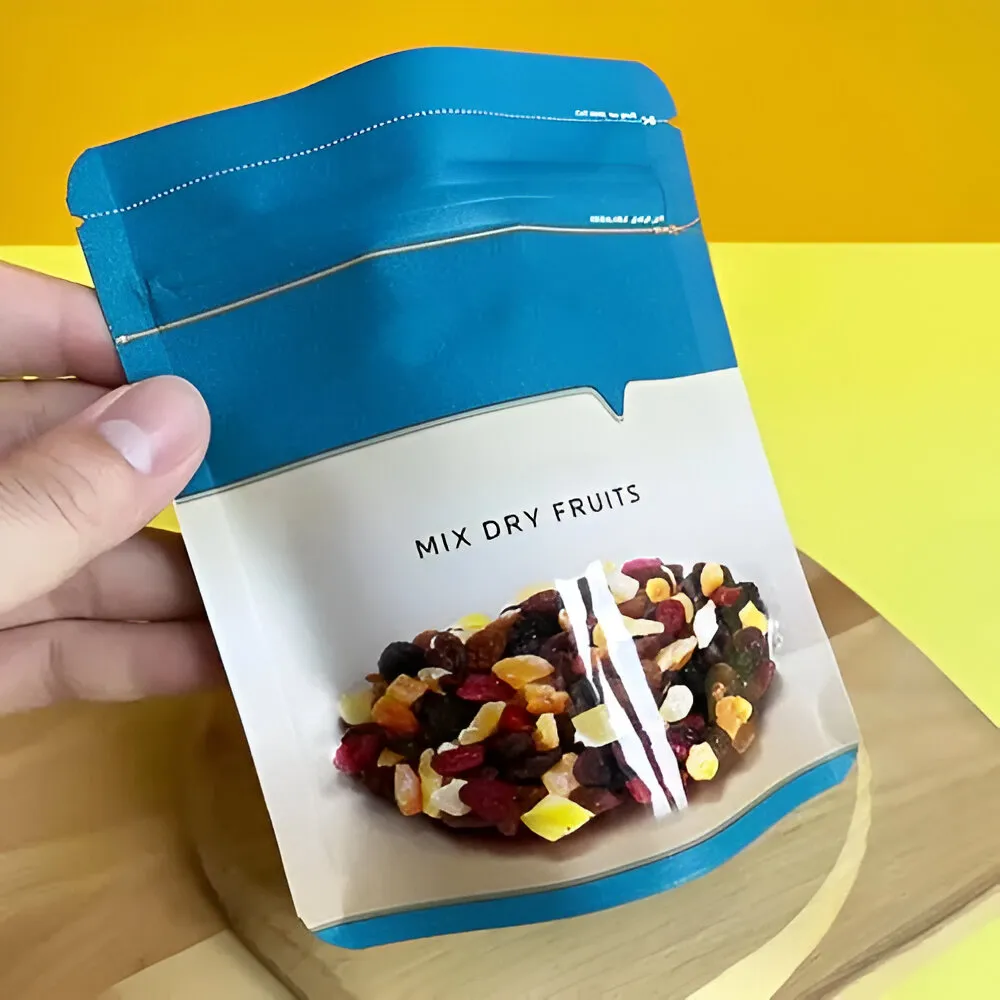 Child Resistant Mylar Bags
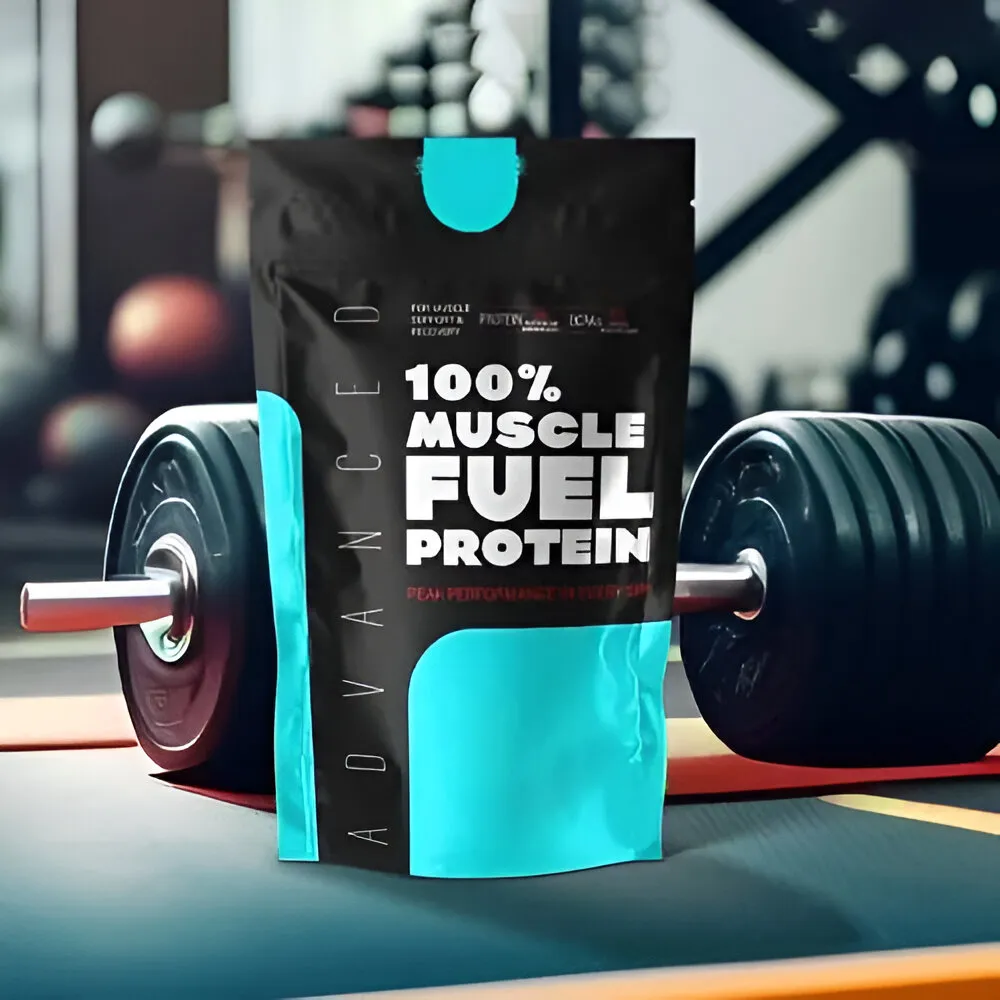 Custom Printed Mylar Bags
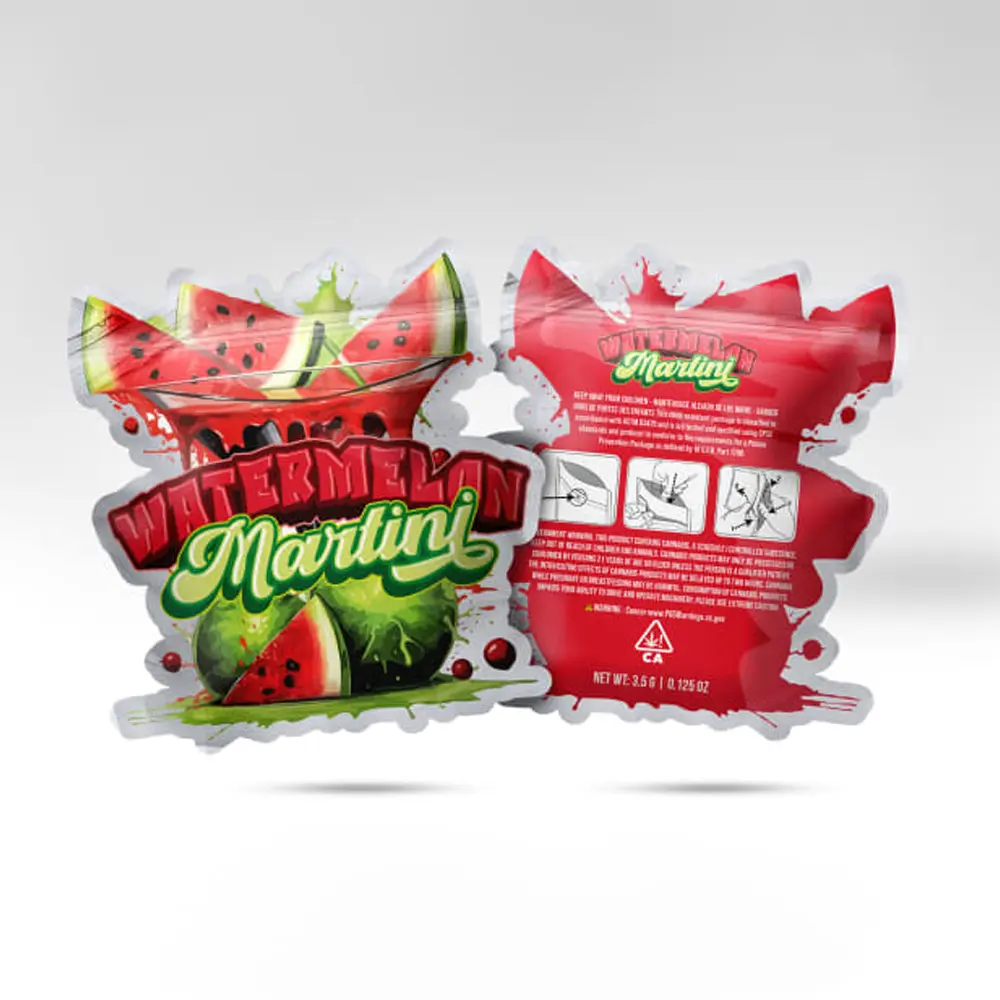 Die-Cut Mylar Bags
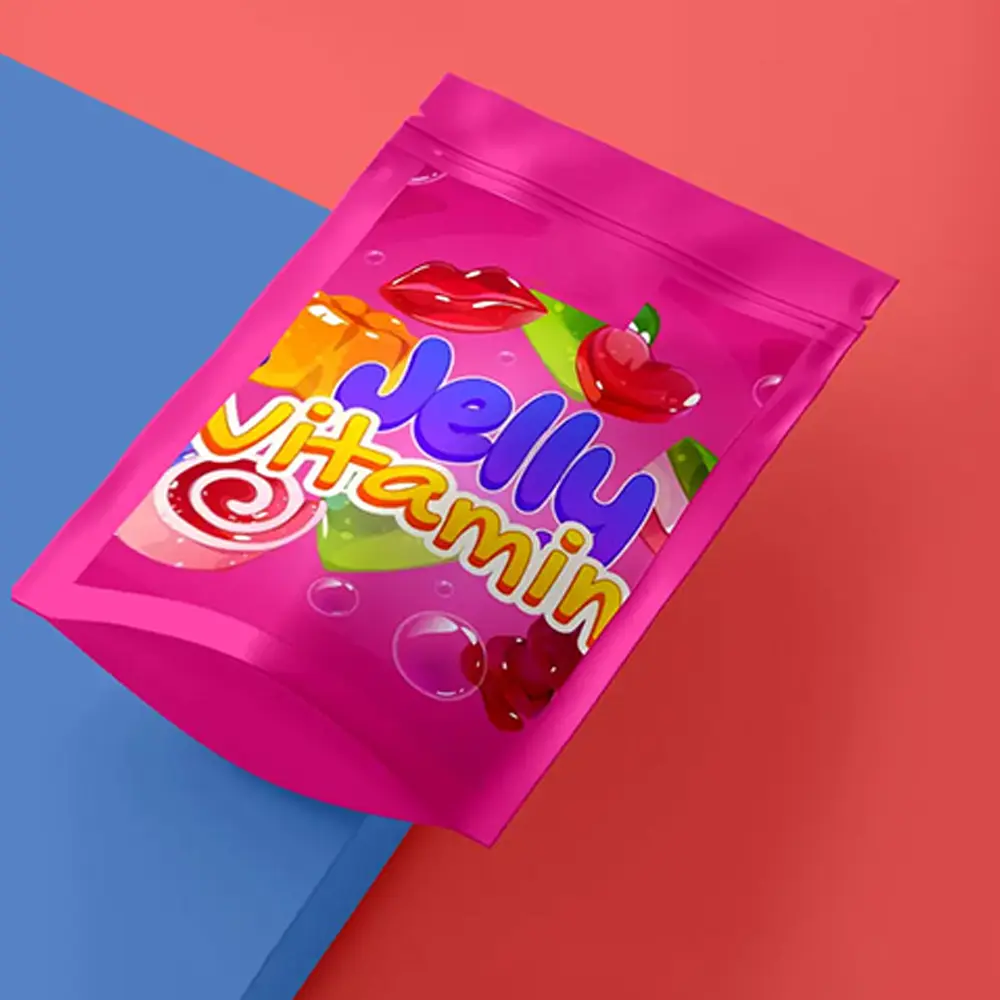 Edible Mylar Bags
 Food Pouches
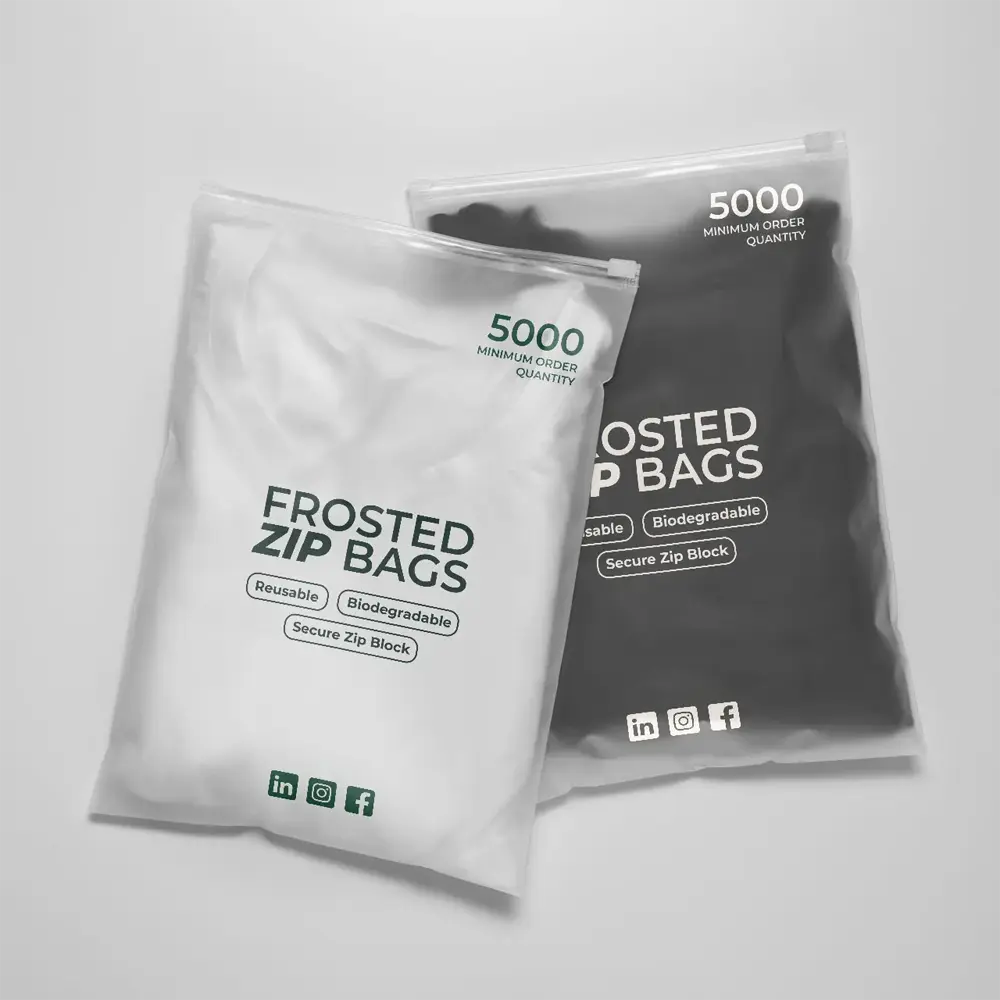 Frosted Bags
 Anti Aging Mask Boxes
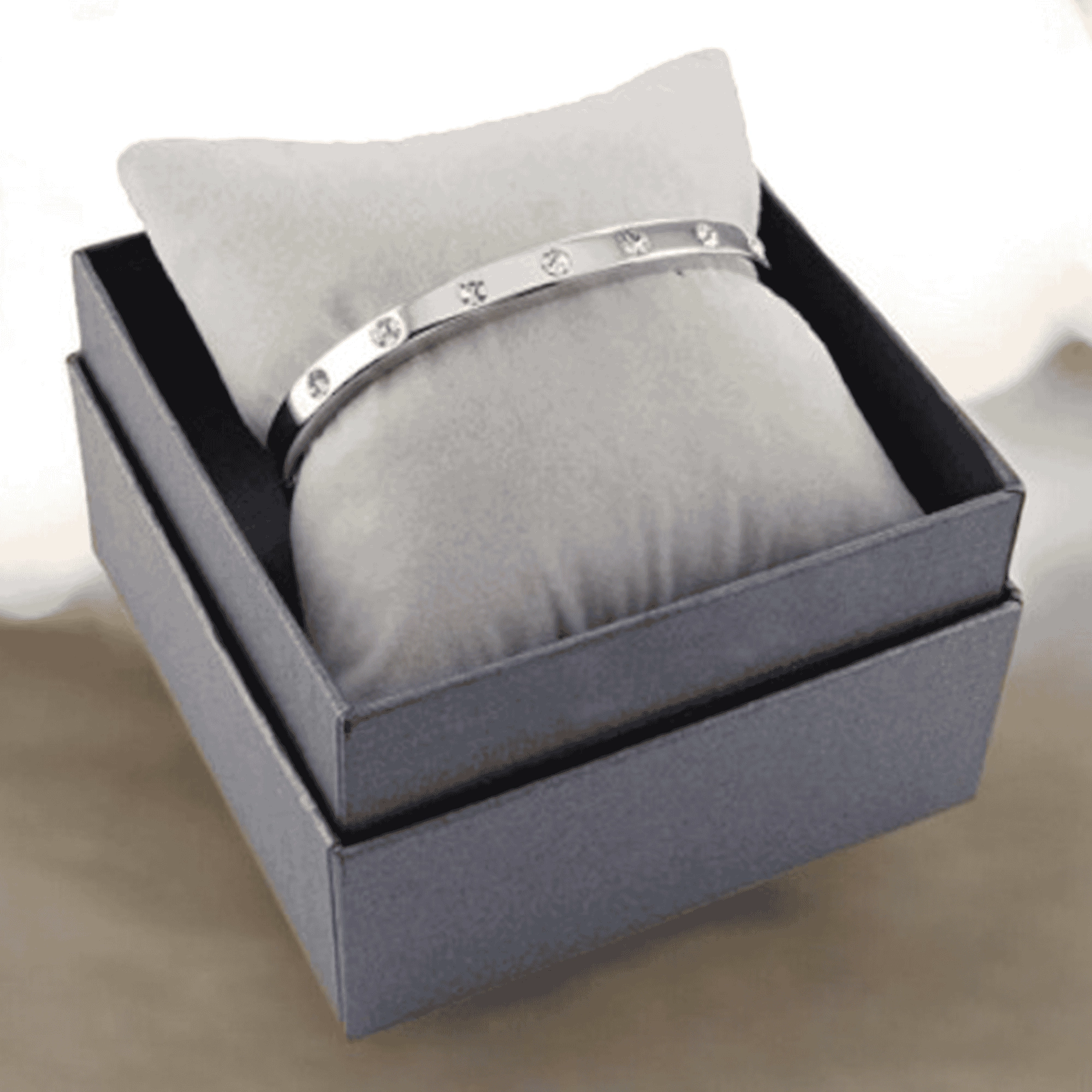 Bangle Boxes
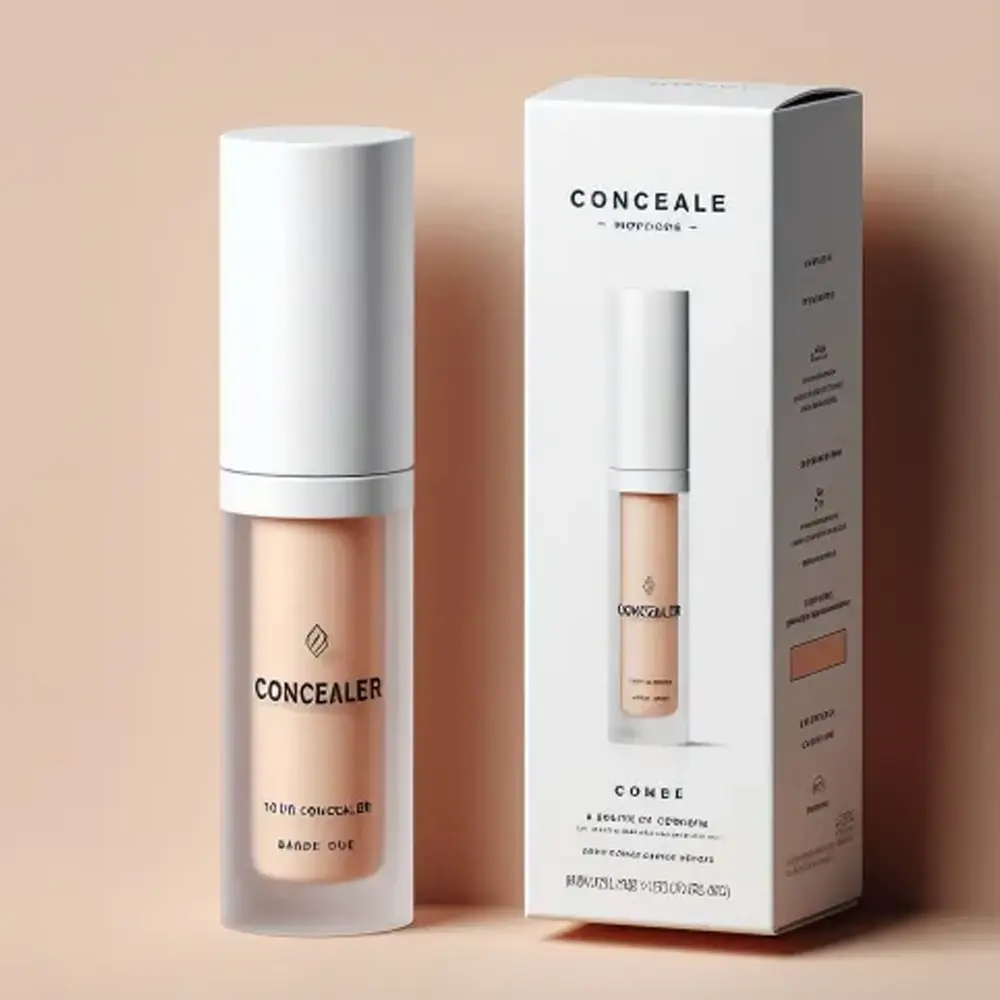 Concealer Boxes
 Contact Lens Boxes
 Cosmetic Cardboard Boxes
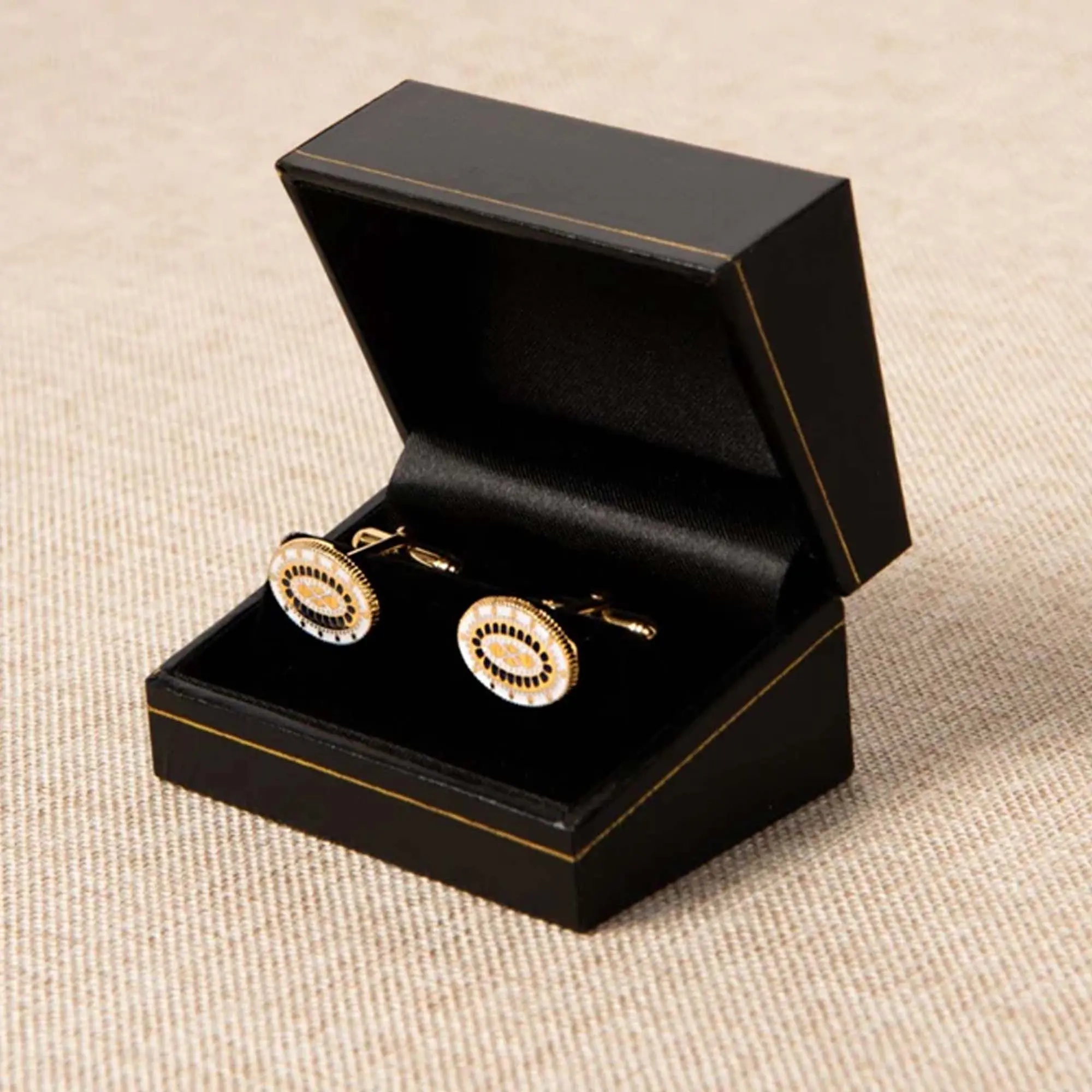 Cufflink Boxes
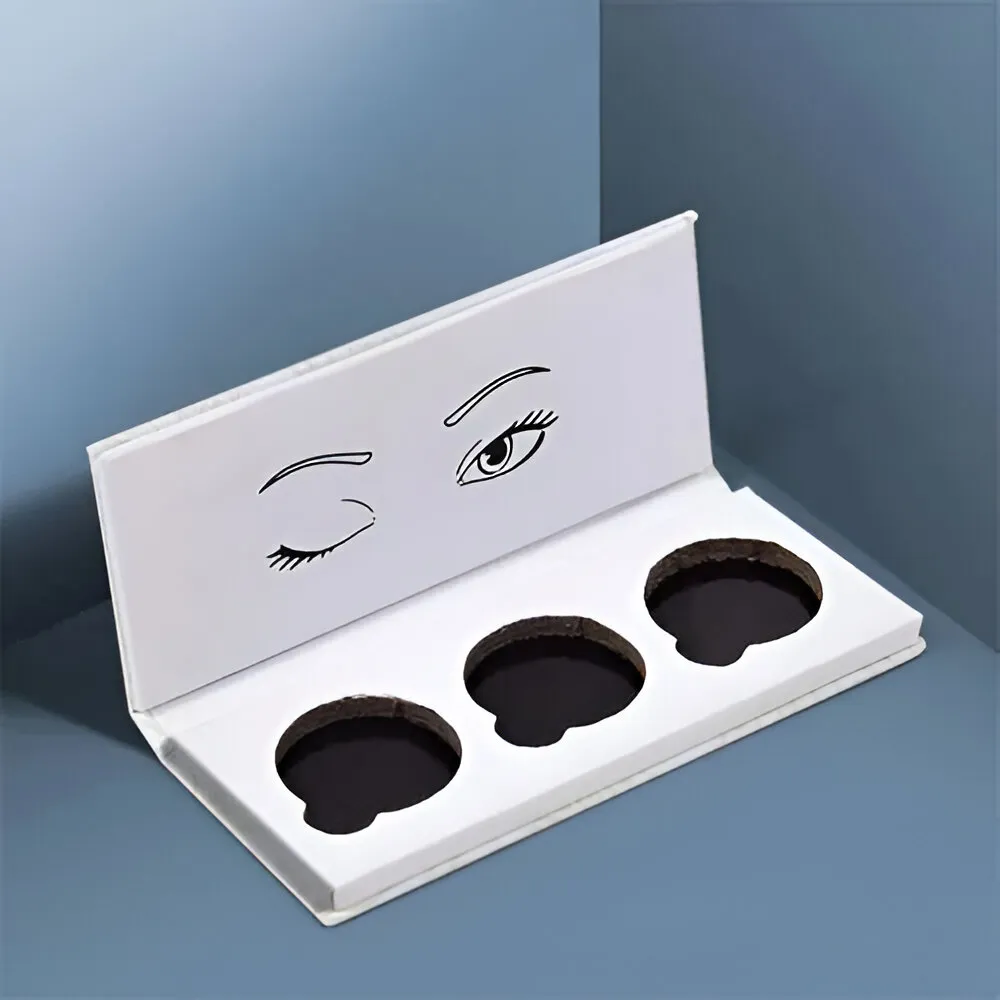 Custom Eye Shadow Packaging Boxes
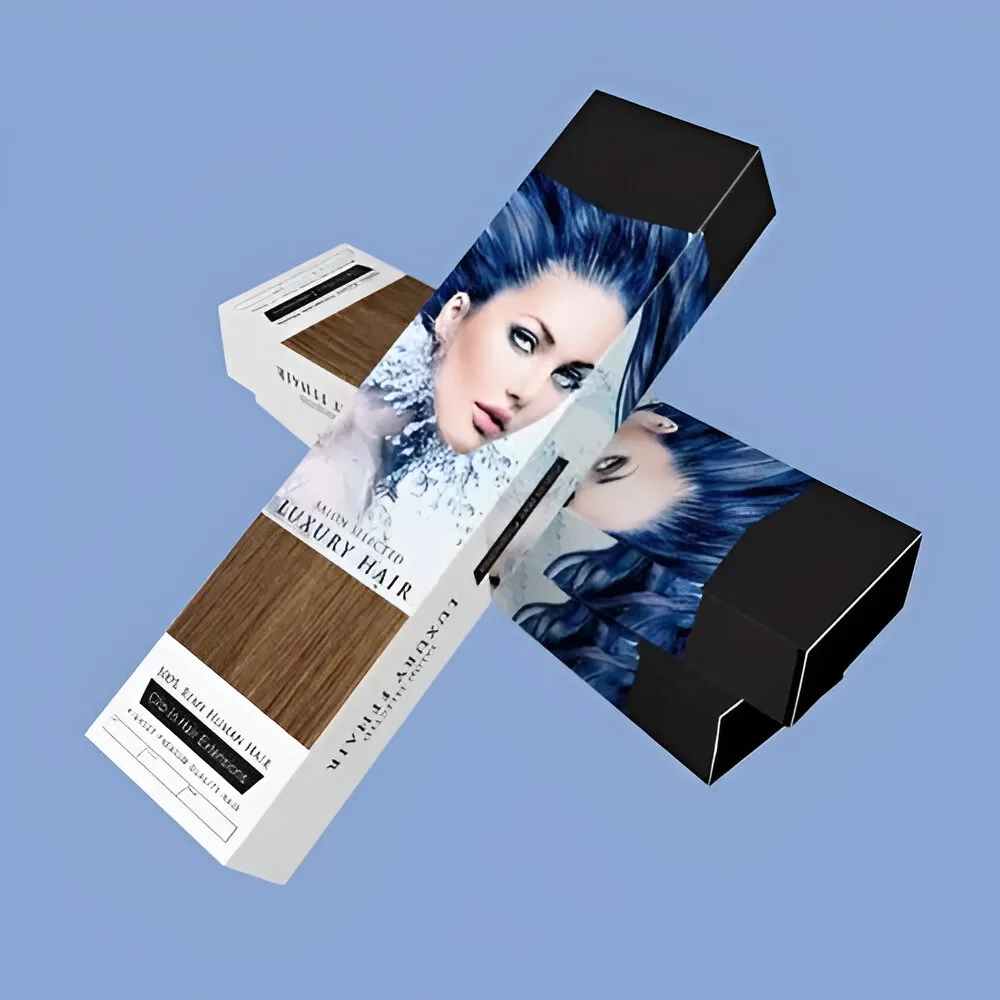 Custom Hair Color Boxes
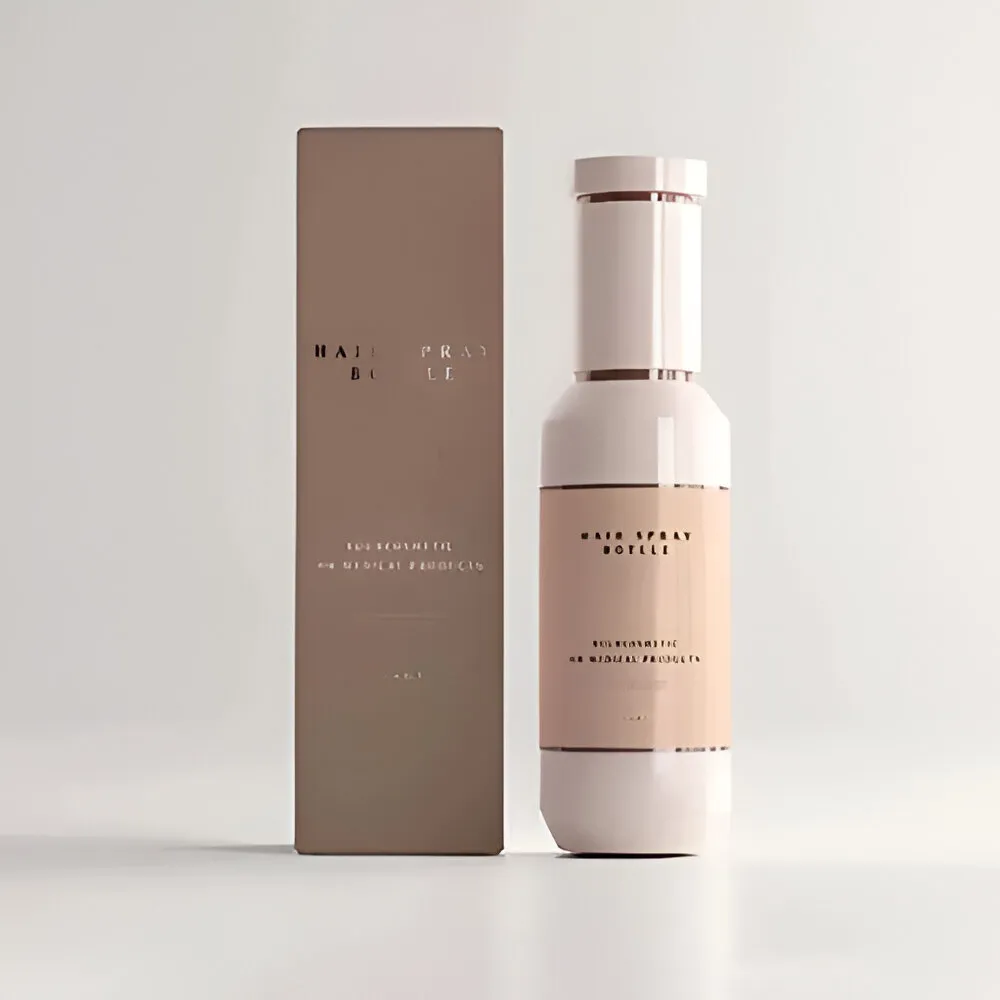 Custom Hair Spray Boxes
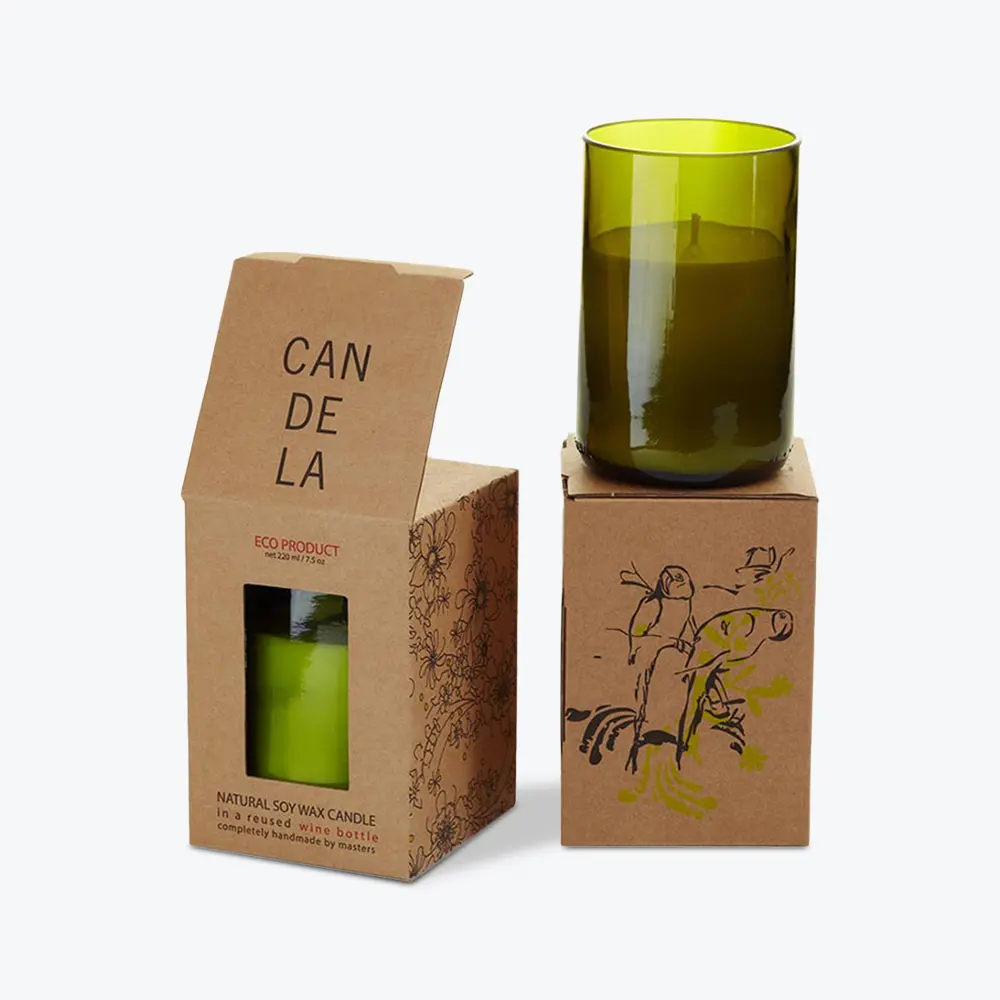 Candle Boxes with Window
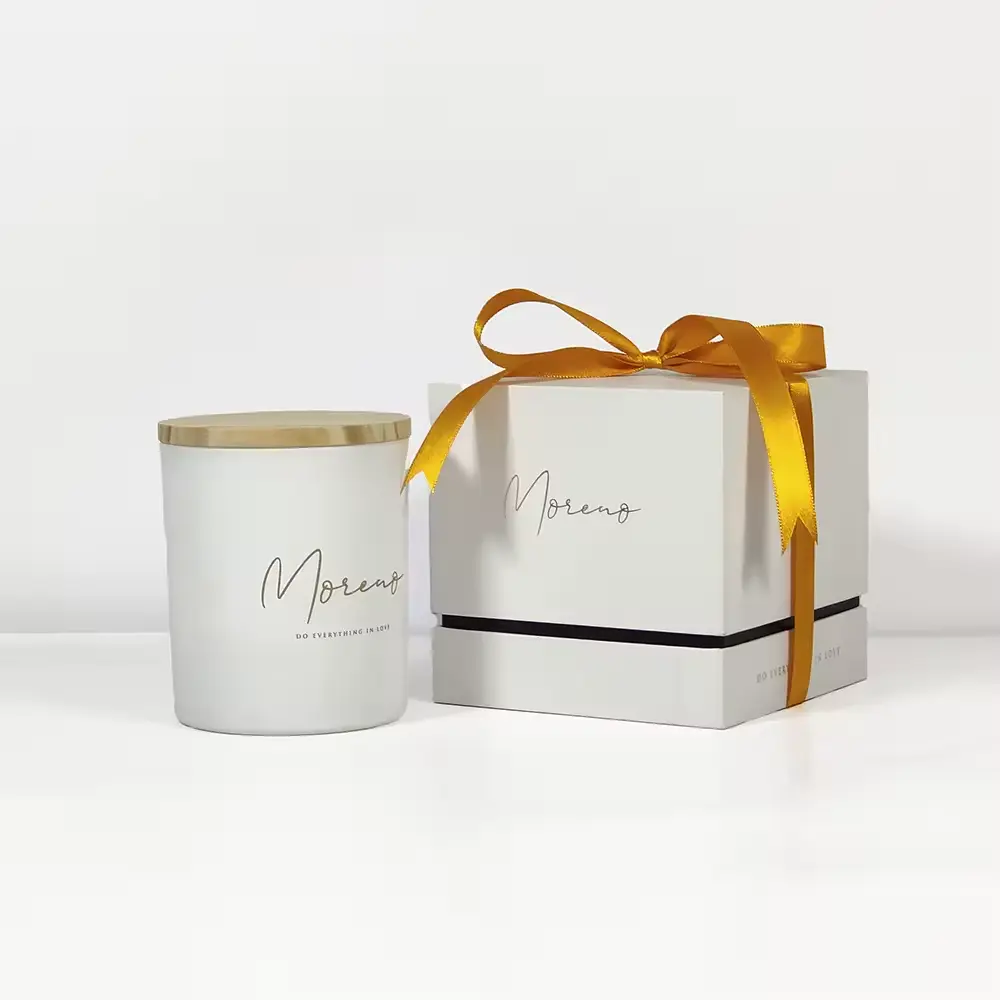 Candle Gift Boxes
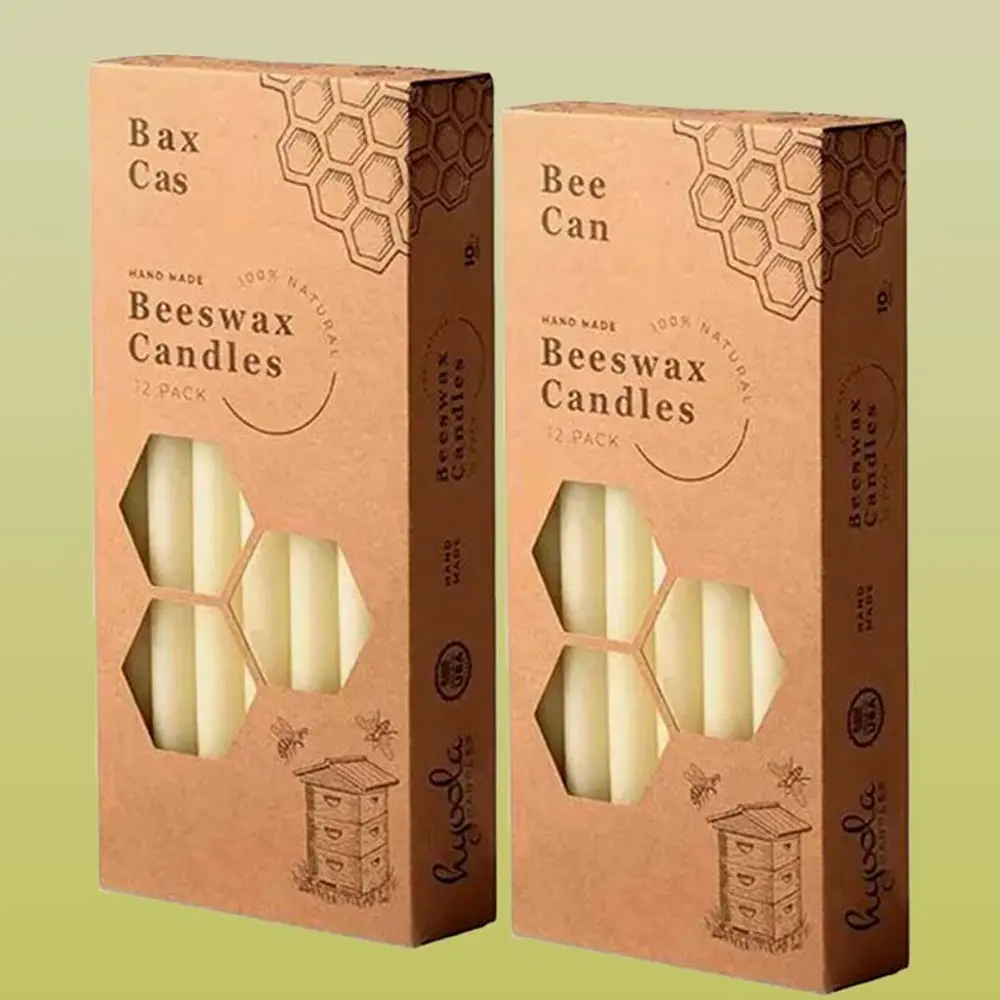 Candle Shipping Boxes
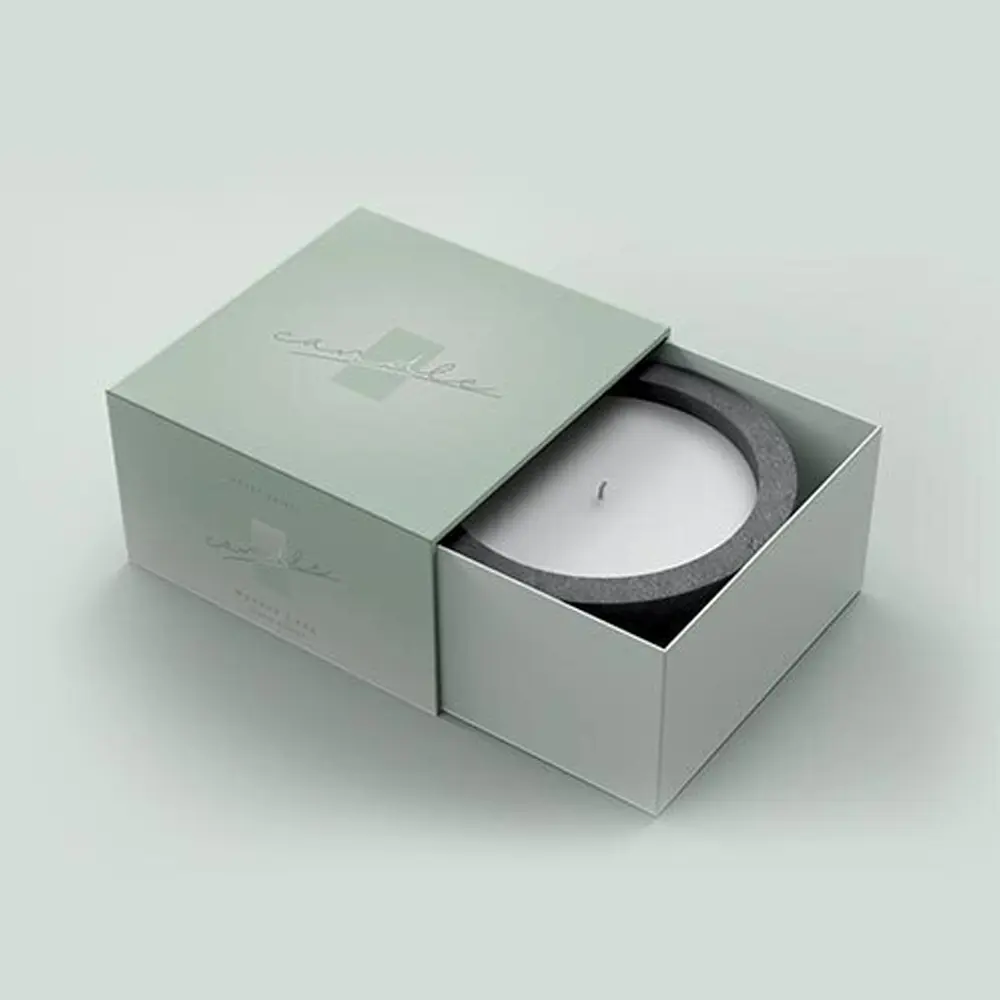 Candle Tray And Sleeve Boxes
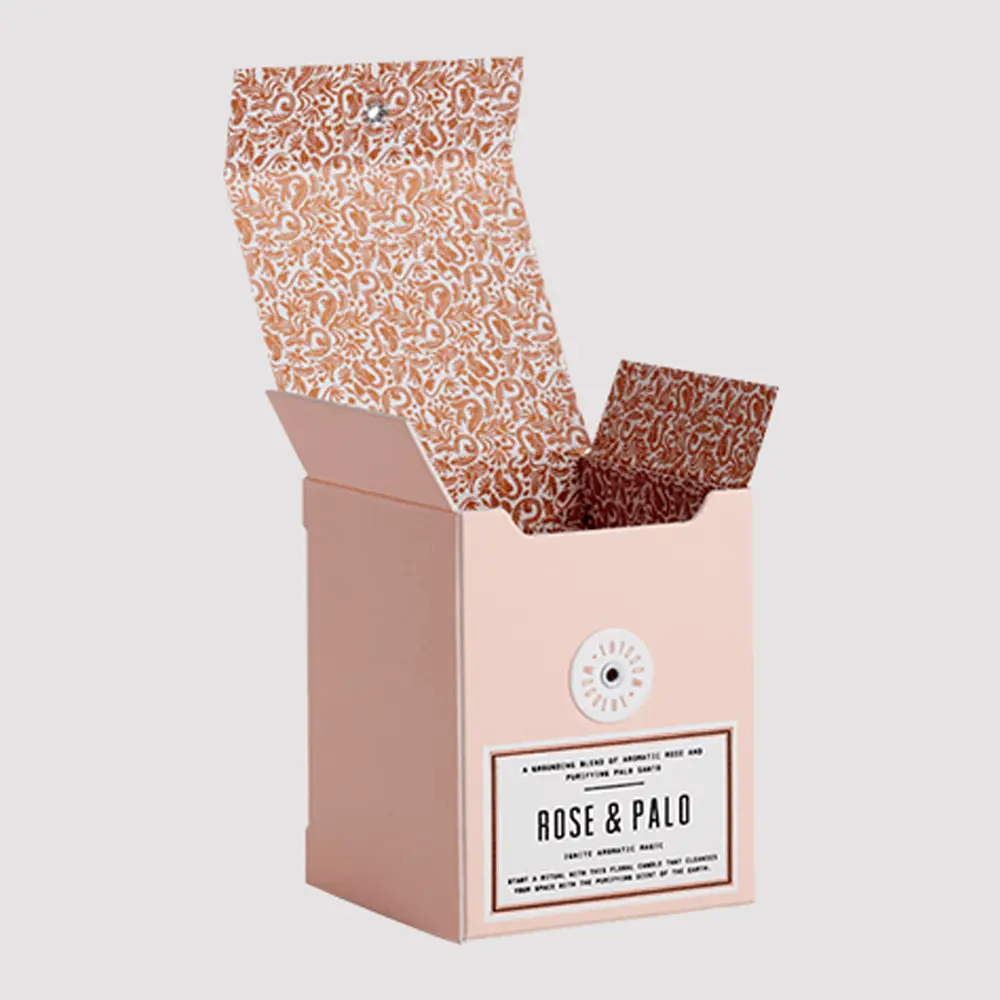 Cardboard Candle Boxes
 Custom Printed Candle Packaging Boxes
 Eco-Friendly Candle Boxes
 Luxury Candle Boxes
 Rigid Candle Boxes
 Beverage Boxes
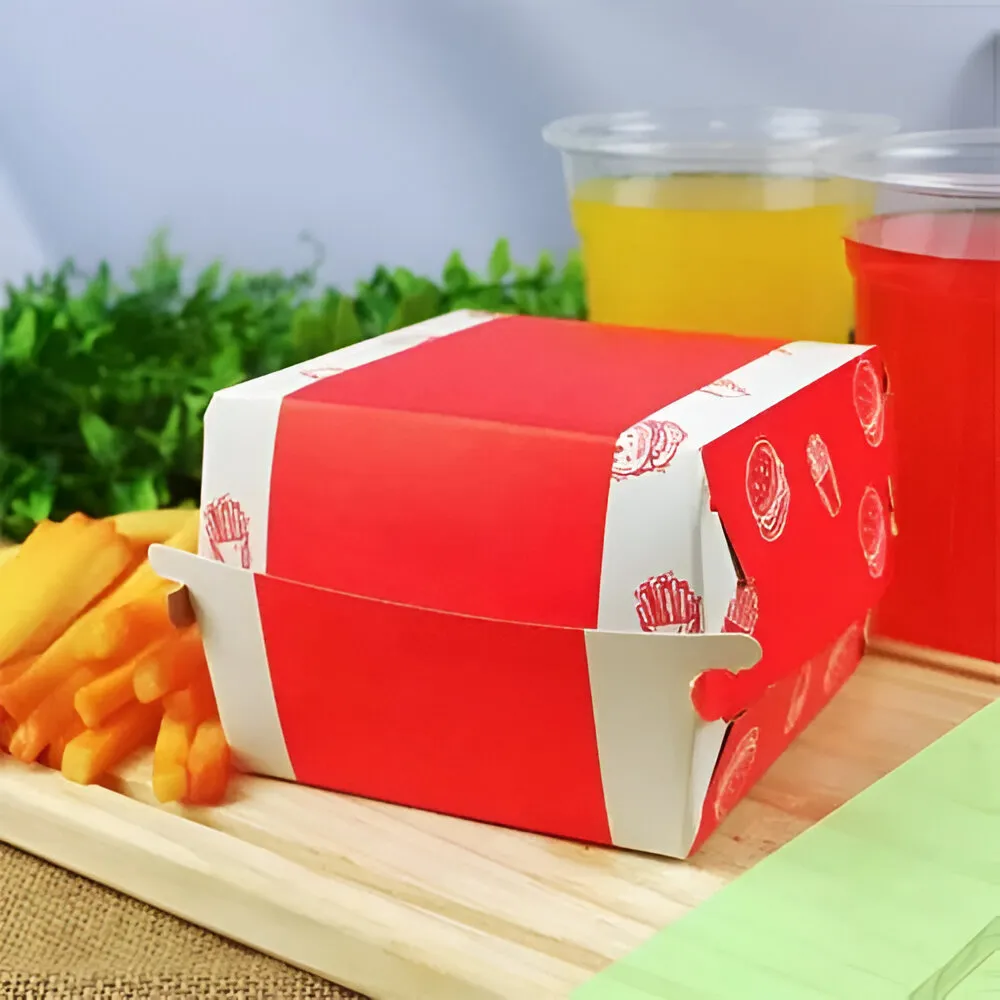 Custom Burger Boxes
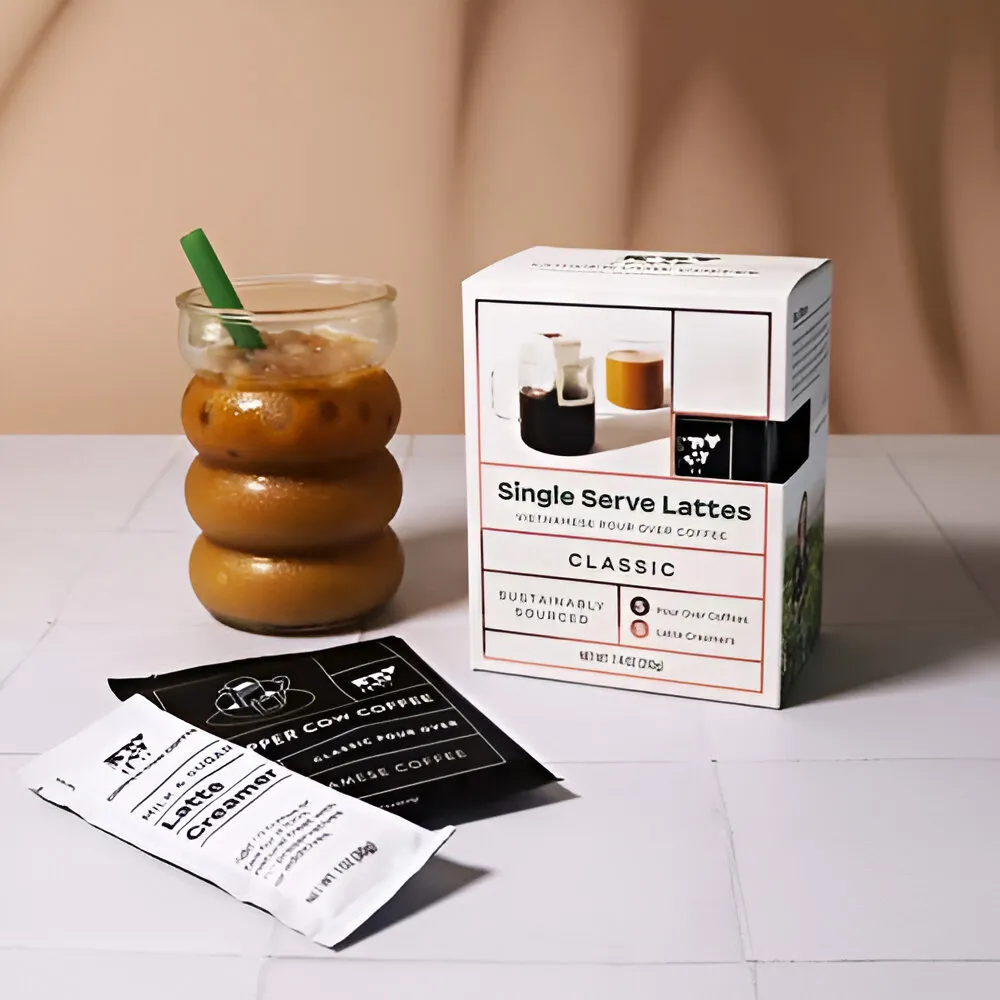 Custom Coffee Boxes
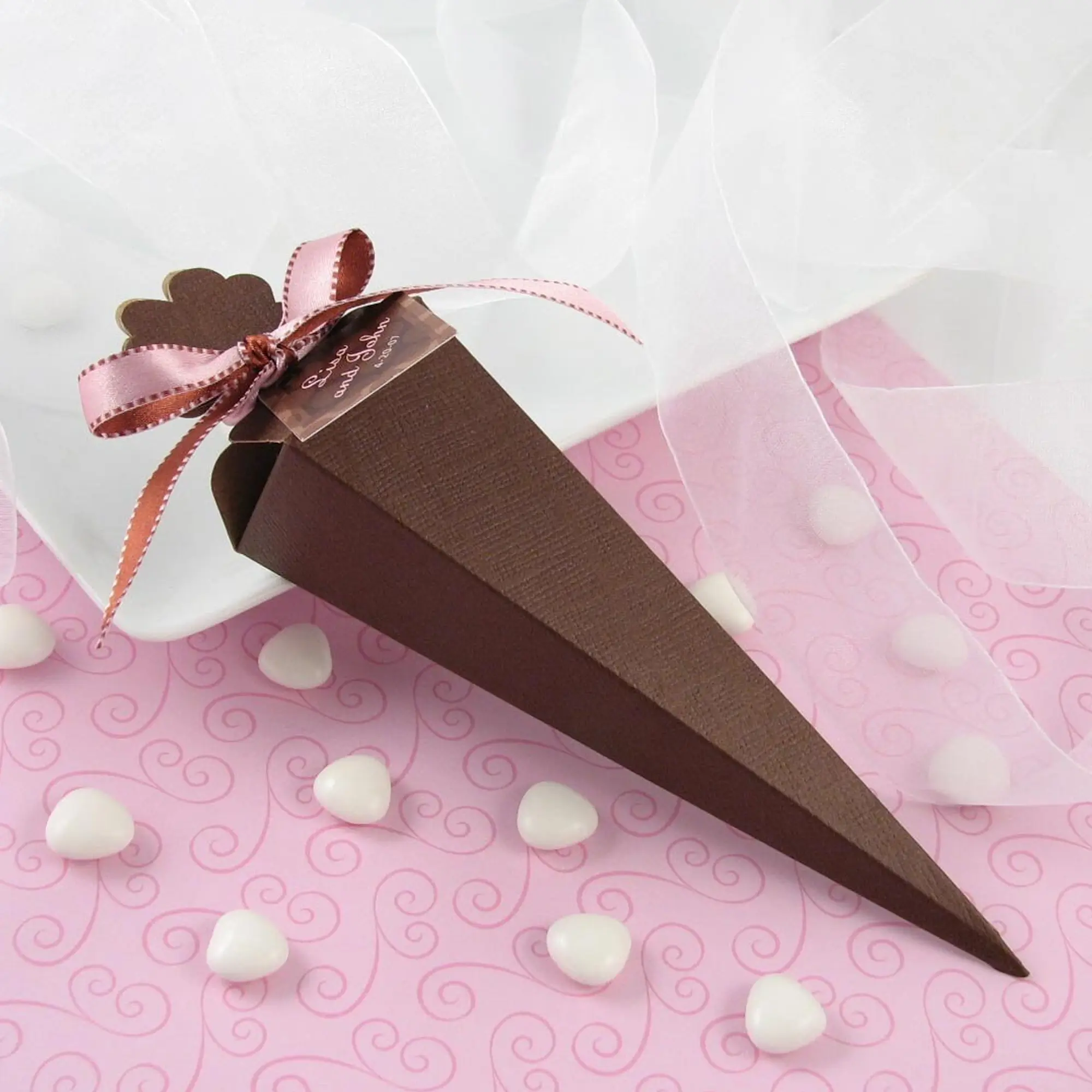 Custom Cone Boxes
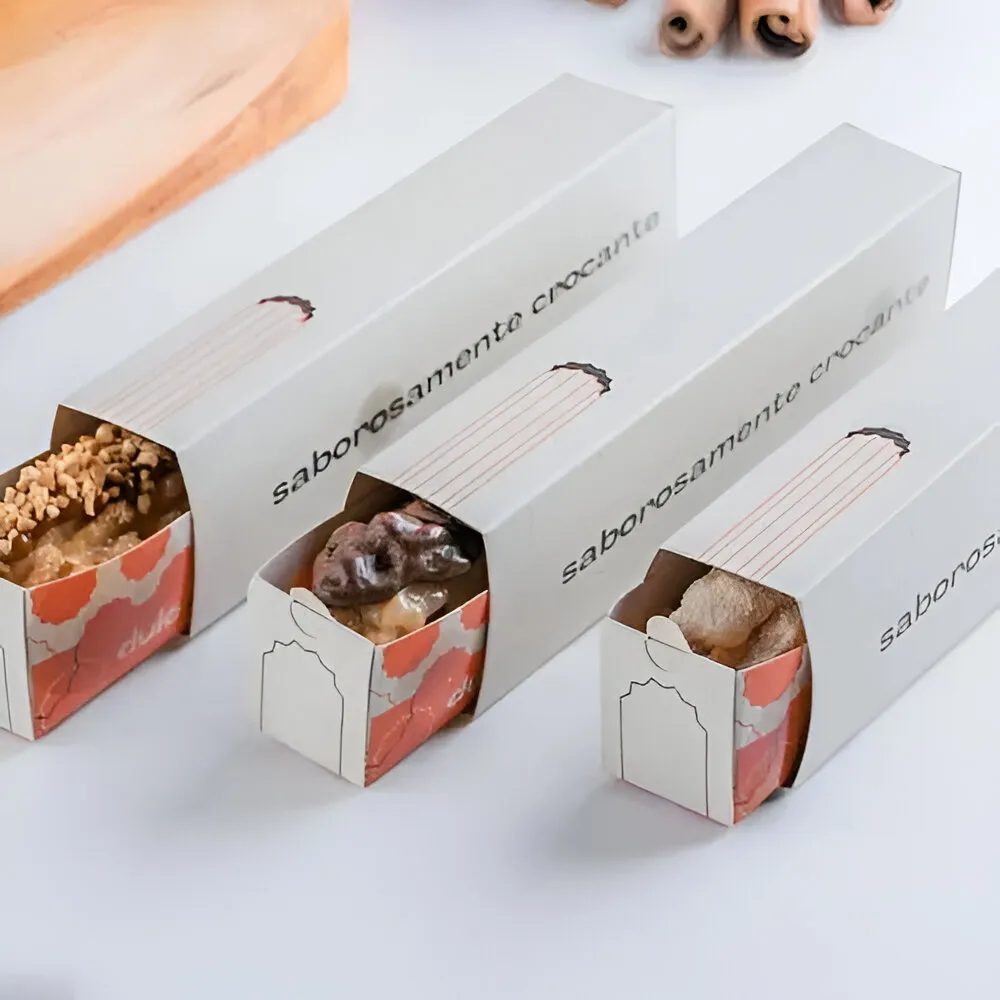 Custom Hot Dog Boxes
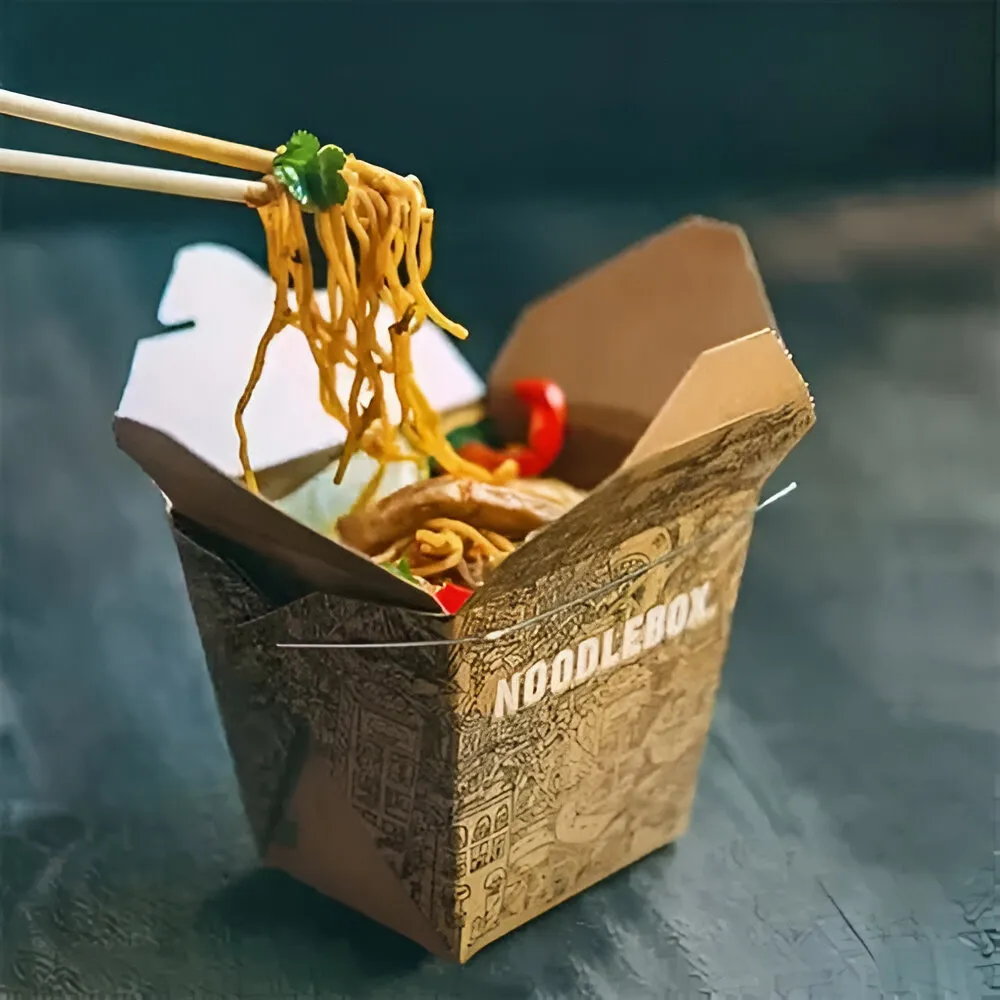 Custom Noodle Boxes
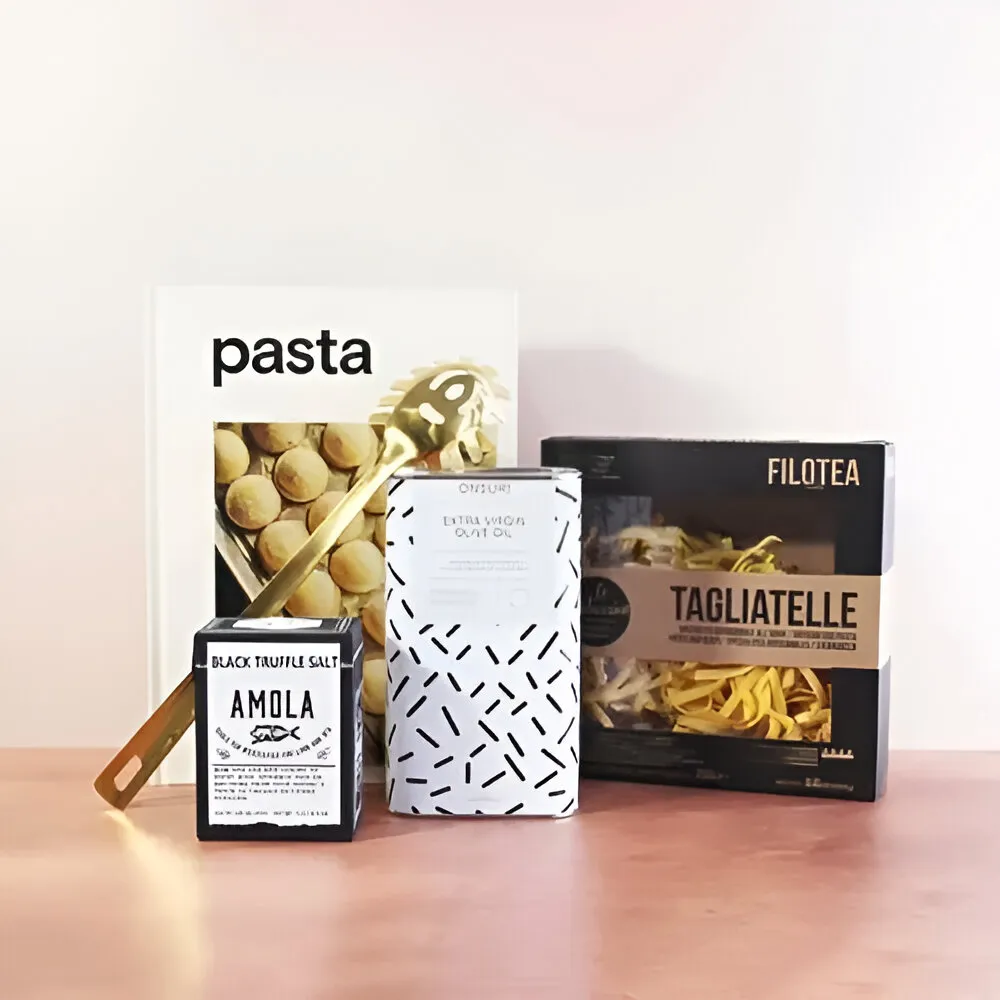 Custom Pasta Boxes
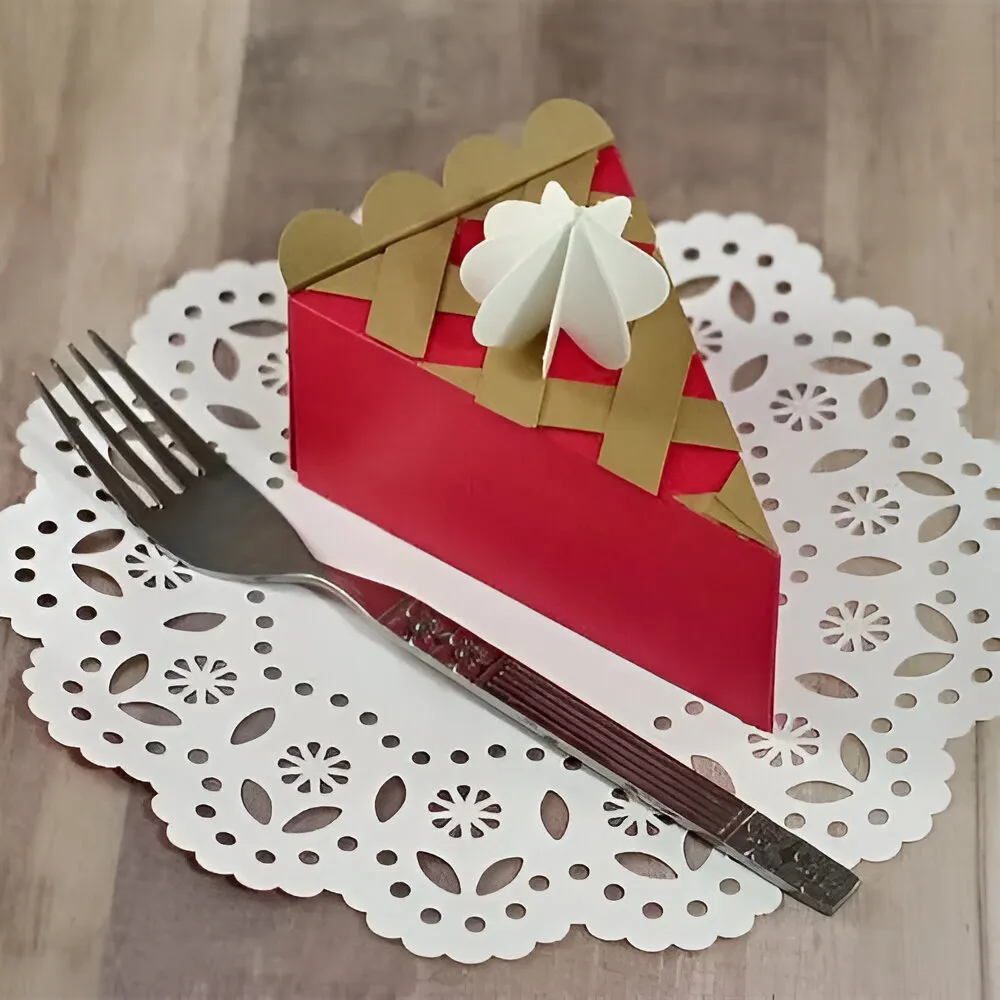 Custom Pie Boxes
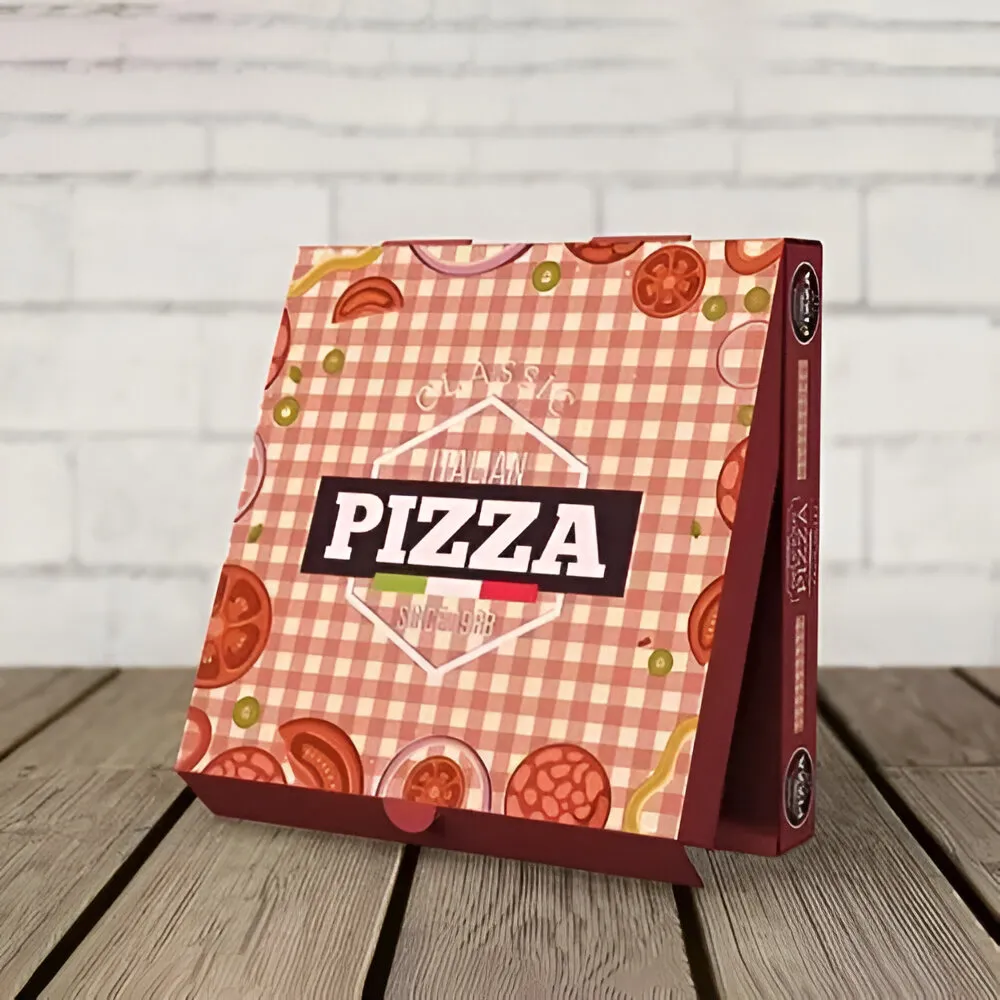 Custom Pizza Boxes
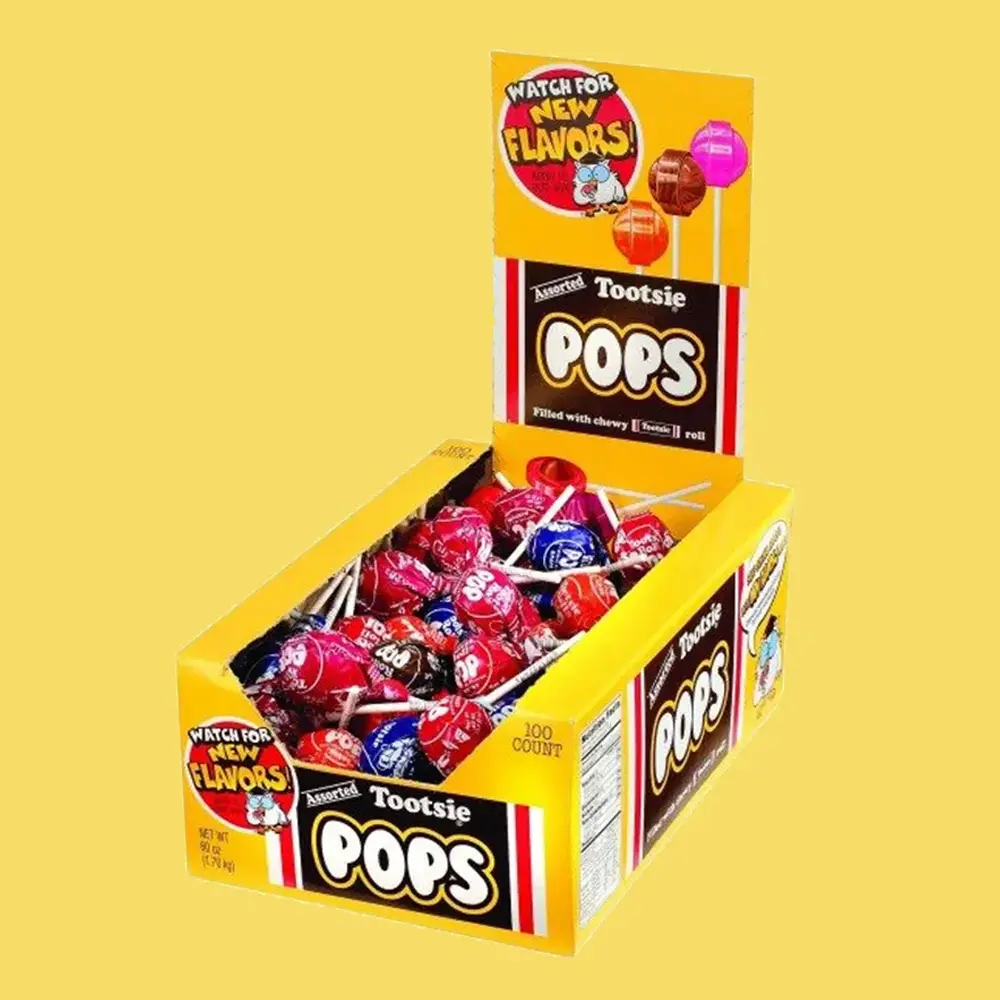 Candy Display Boxes
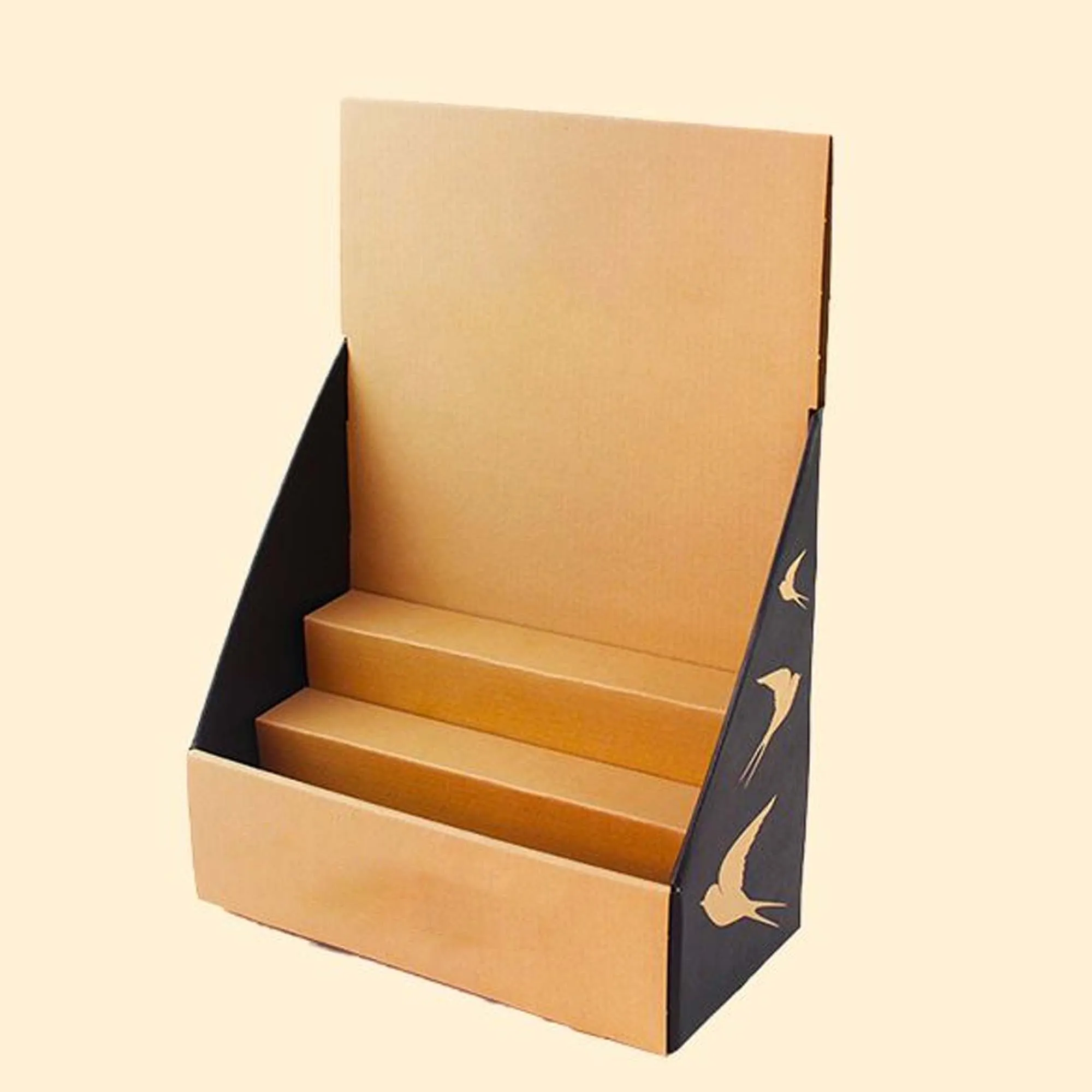 Cardboard Display Boxes
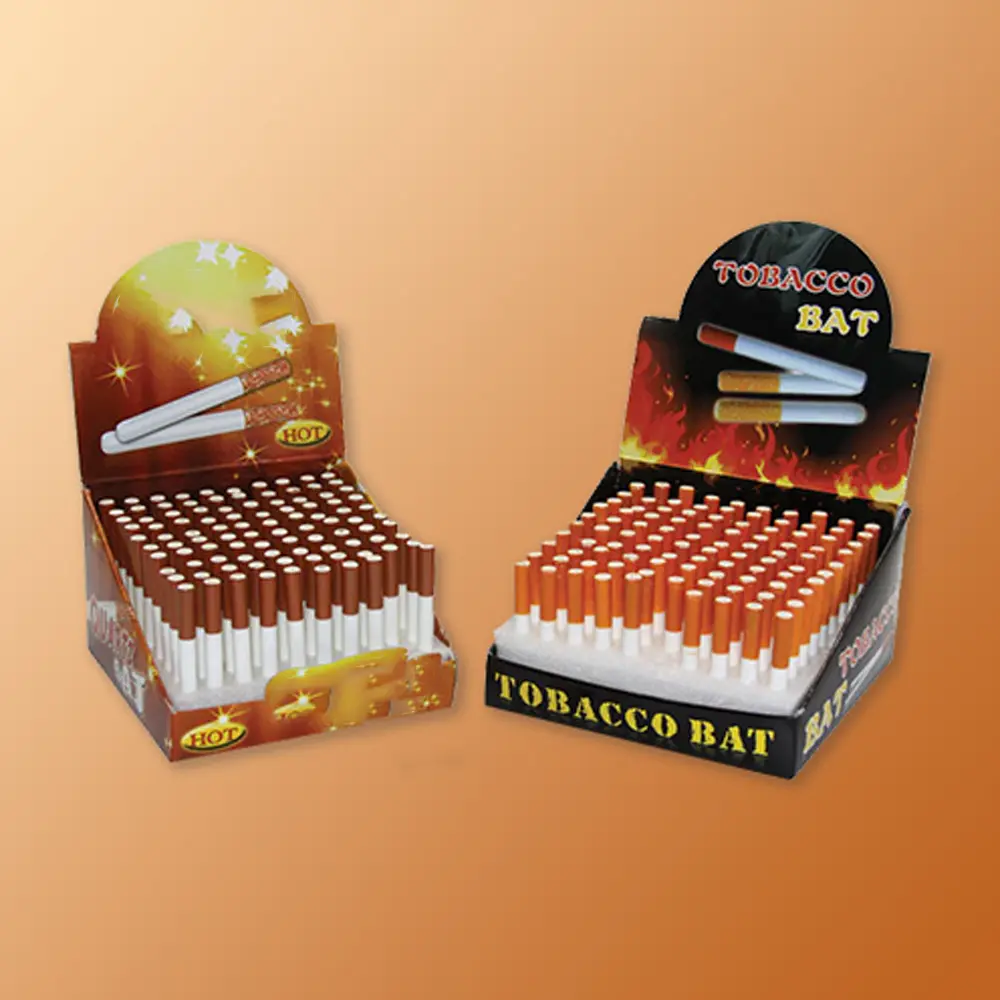 Cigarette Display Boxes
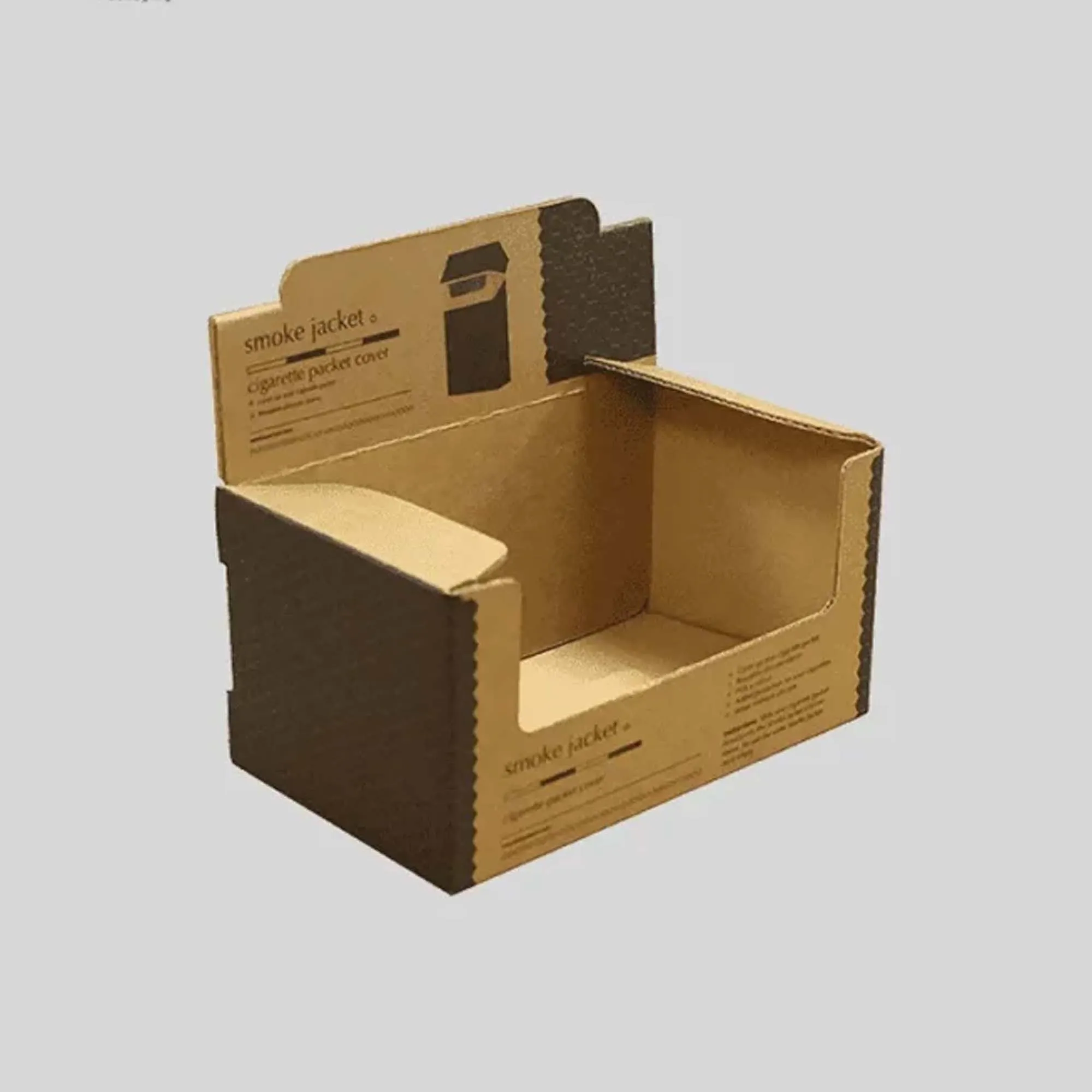 Corrugated Display Boxes
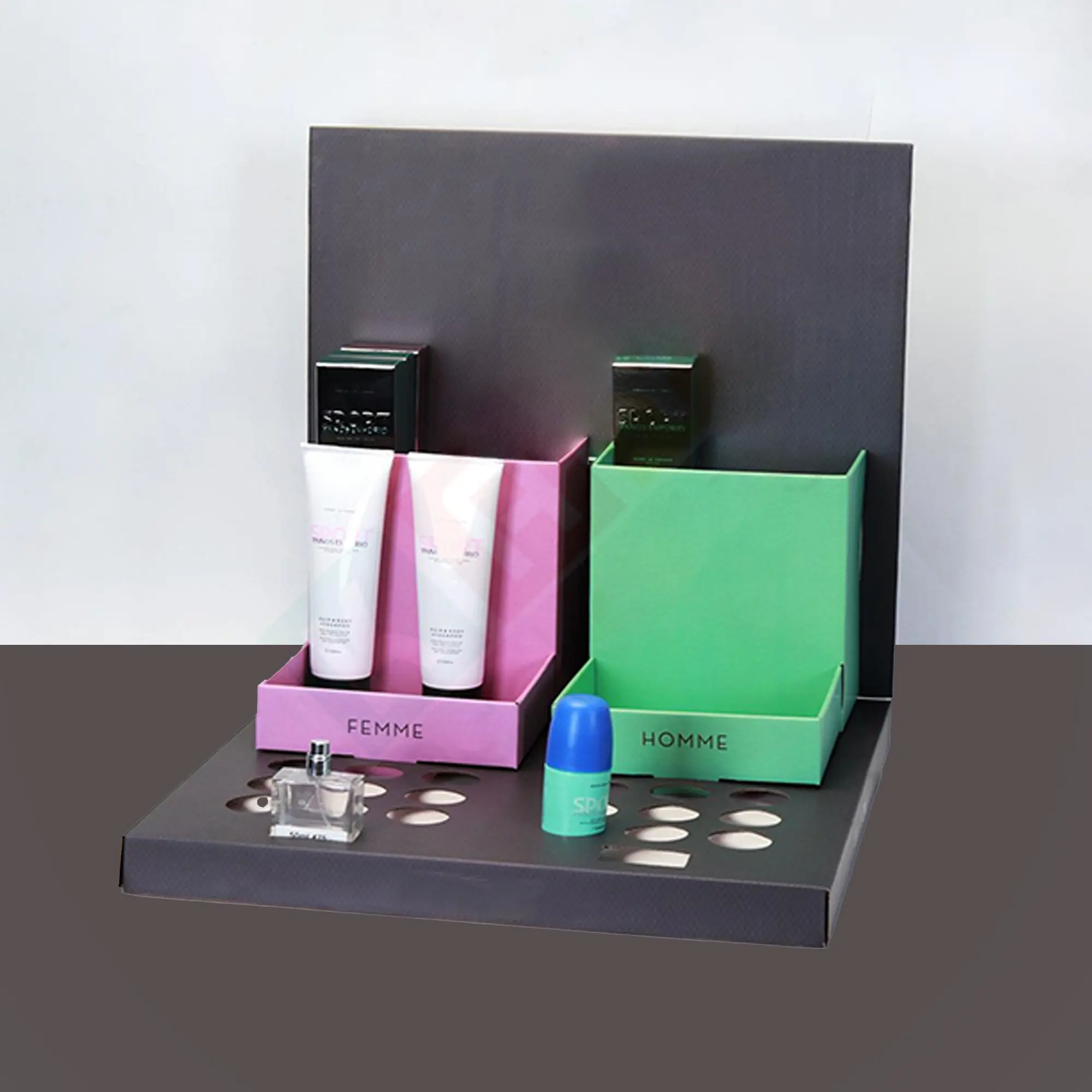 Cosmetic Display Boxes
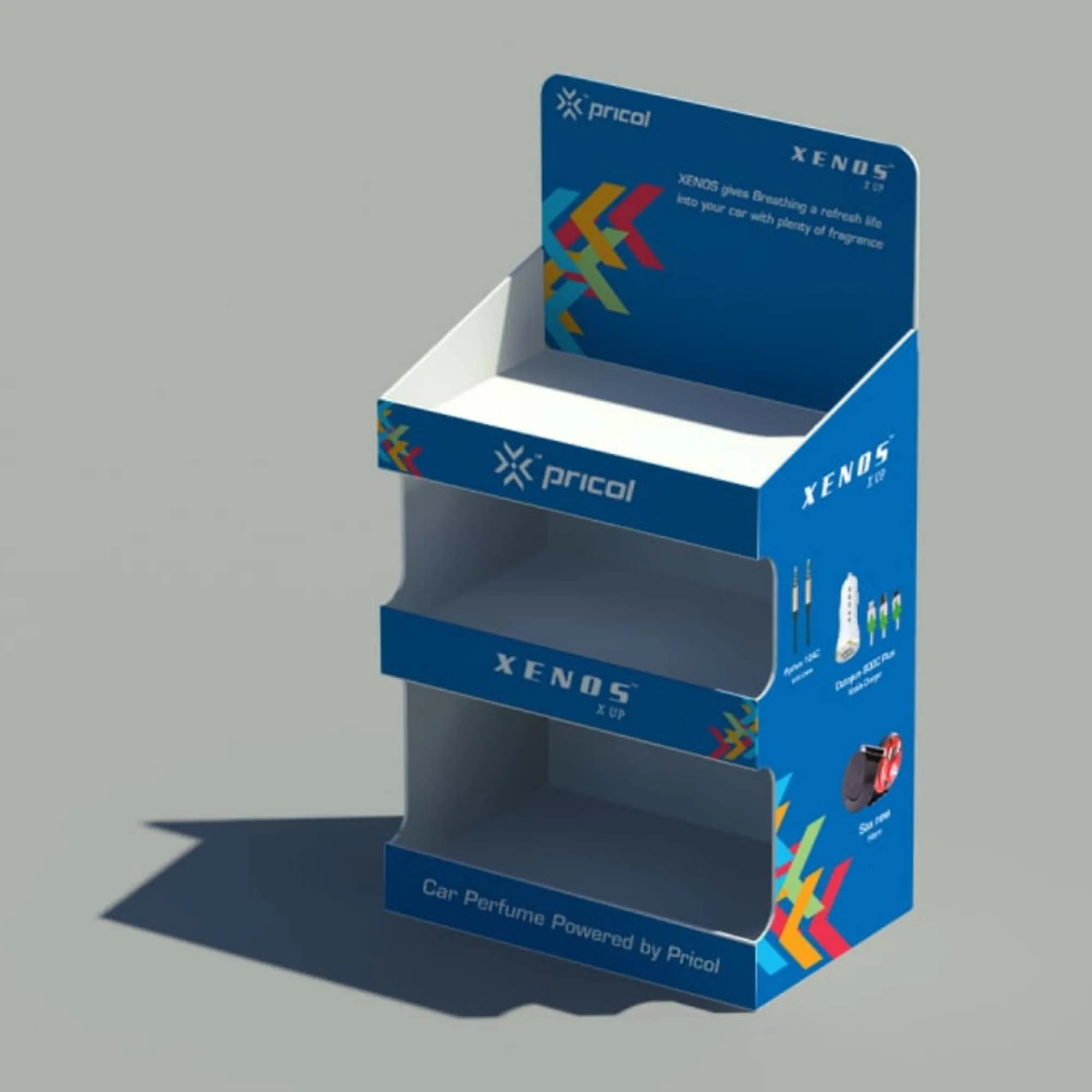 Counter Display Cases
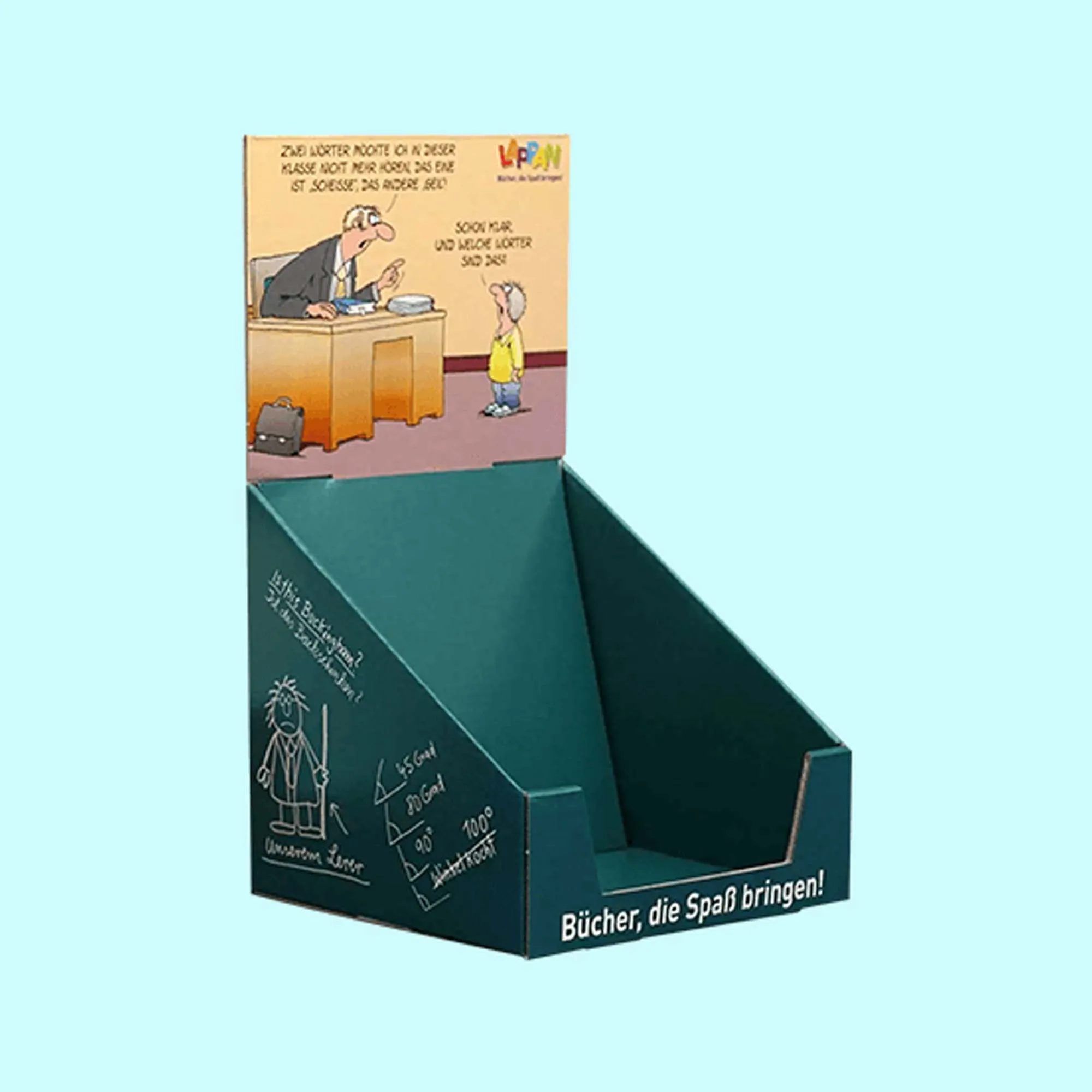 Custom Display Packaging Boxes
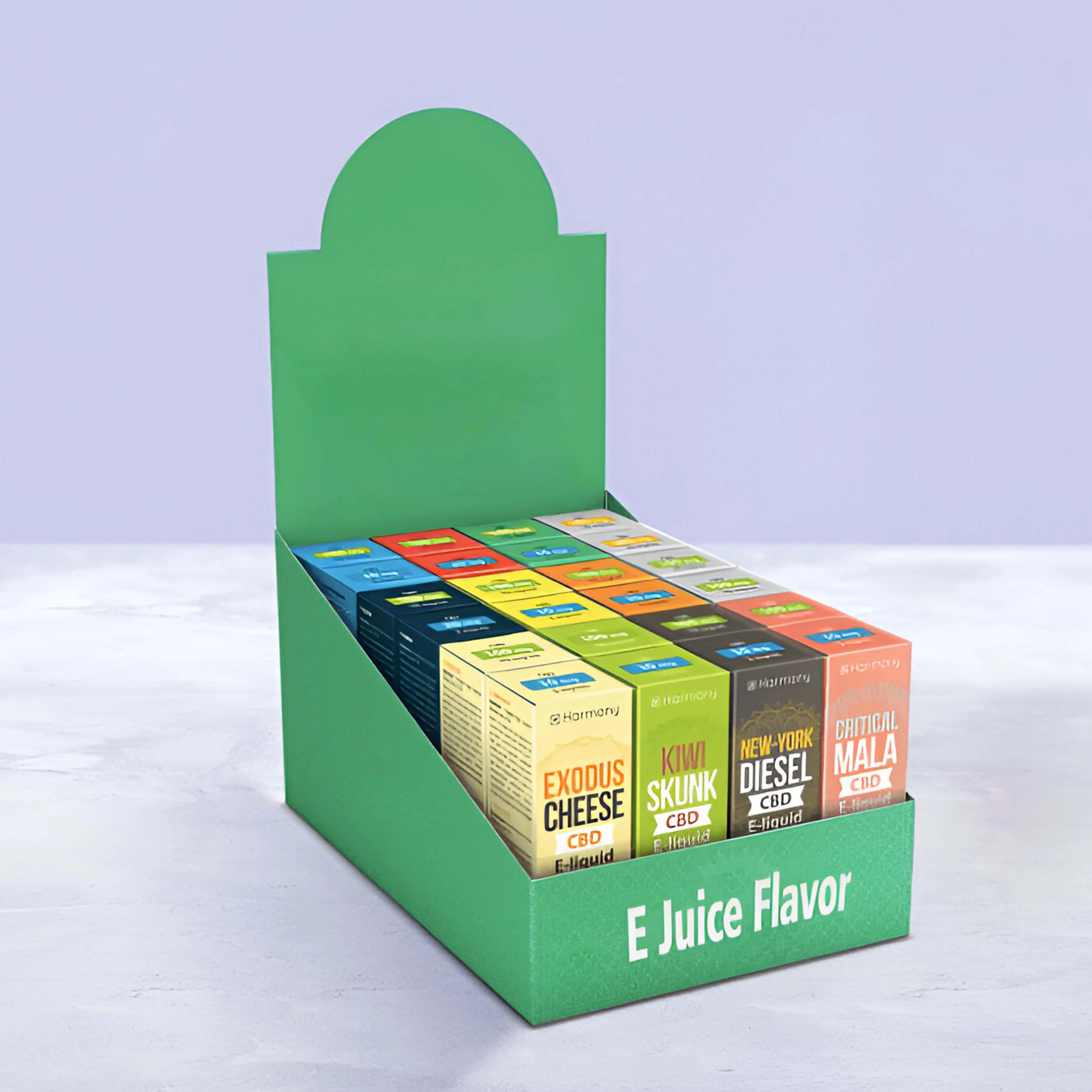 Custom E Juice Display Boxes
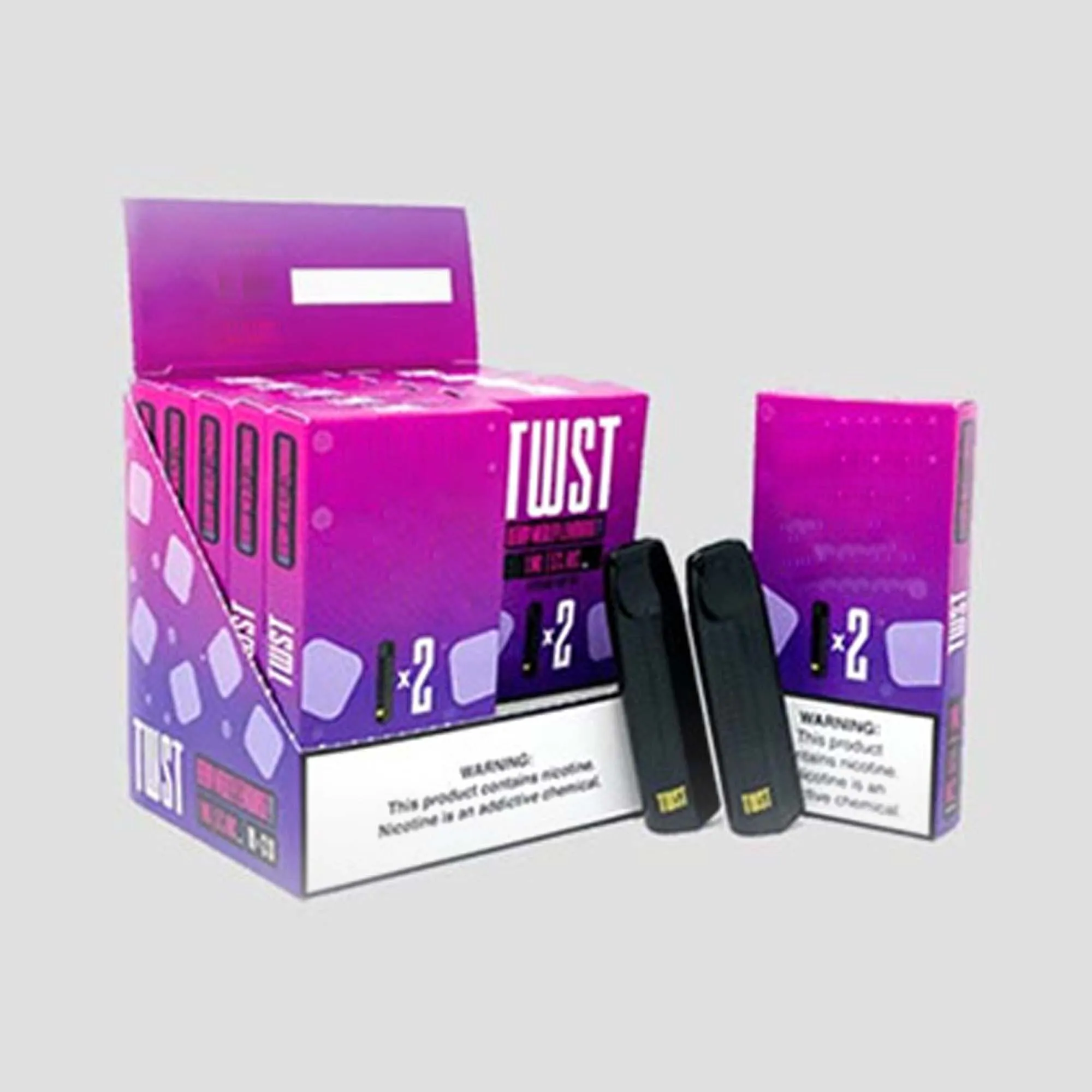 Custom Vape Display Boxes
 Antiseptic Boxes
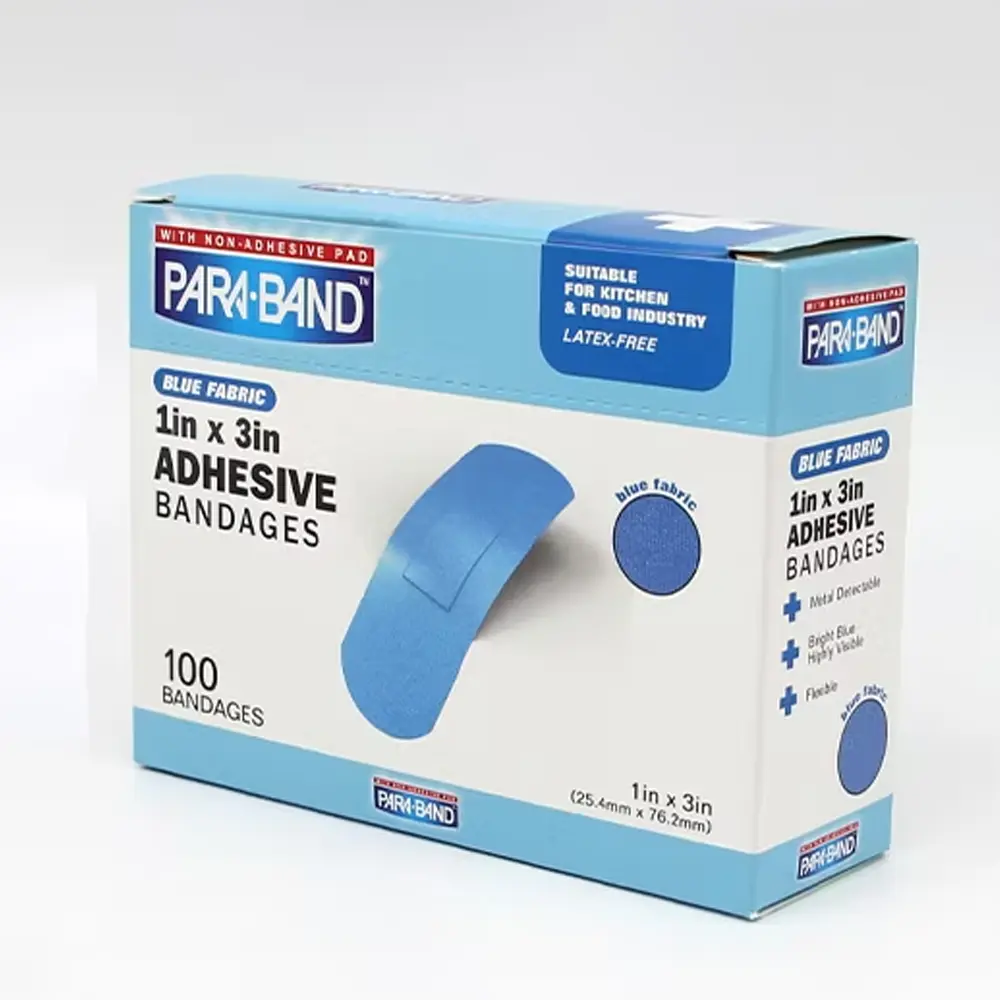 Bandage Boxes
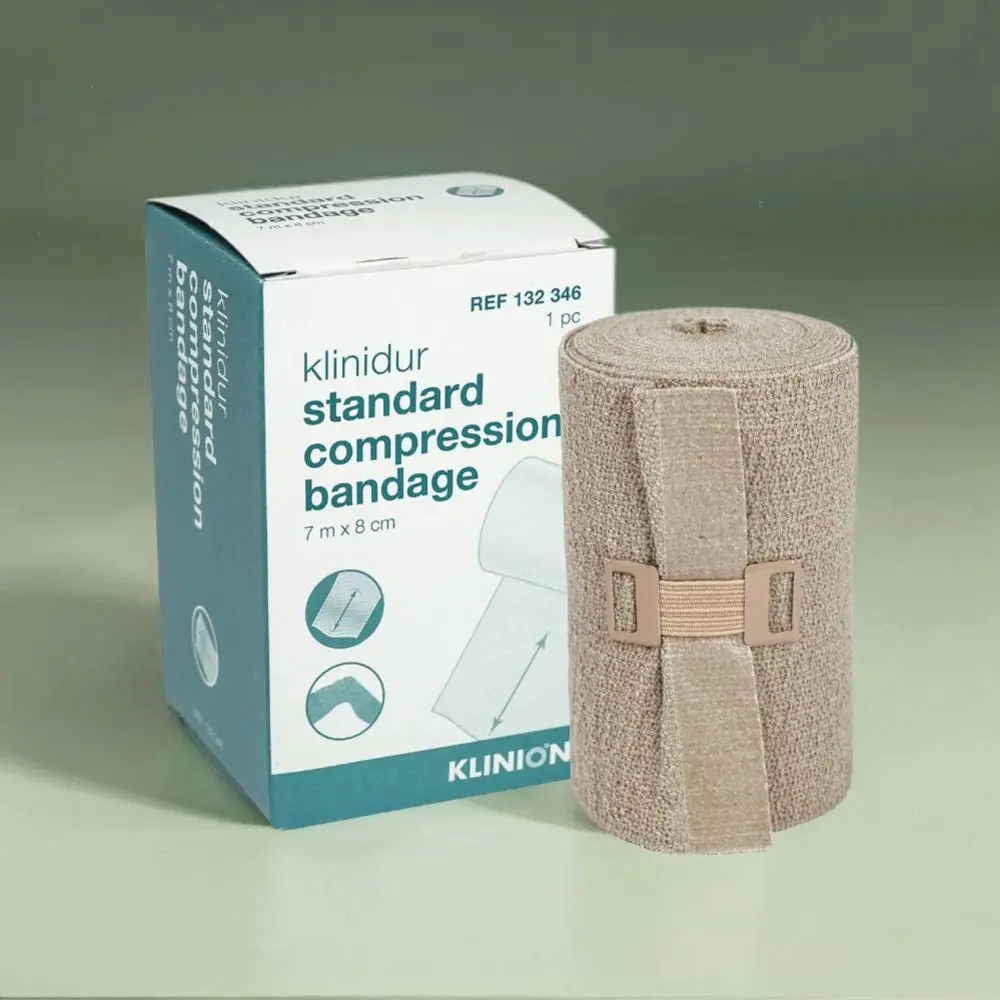 Compression Bandage Boxes
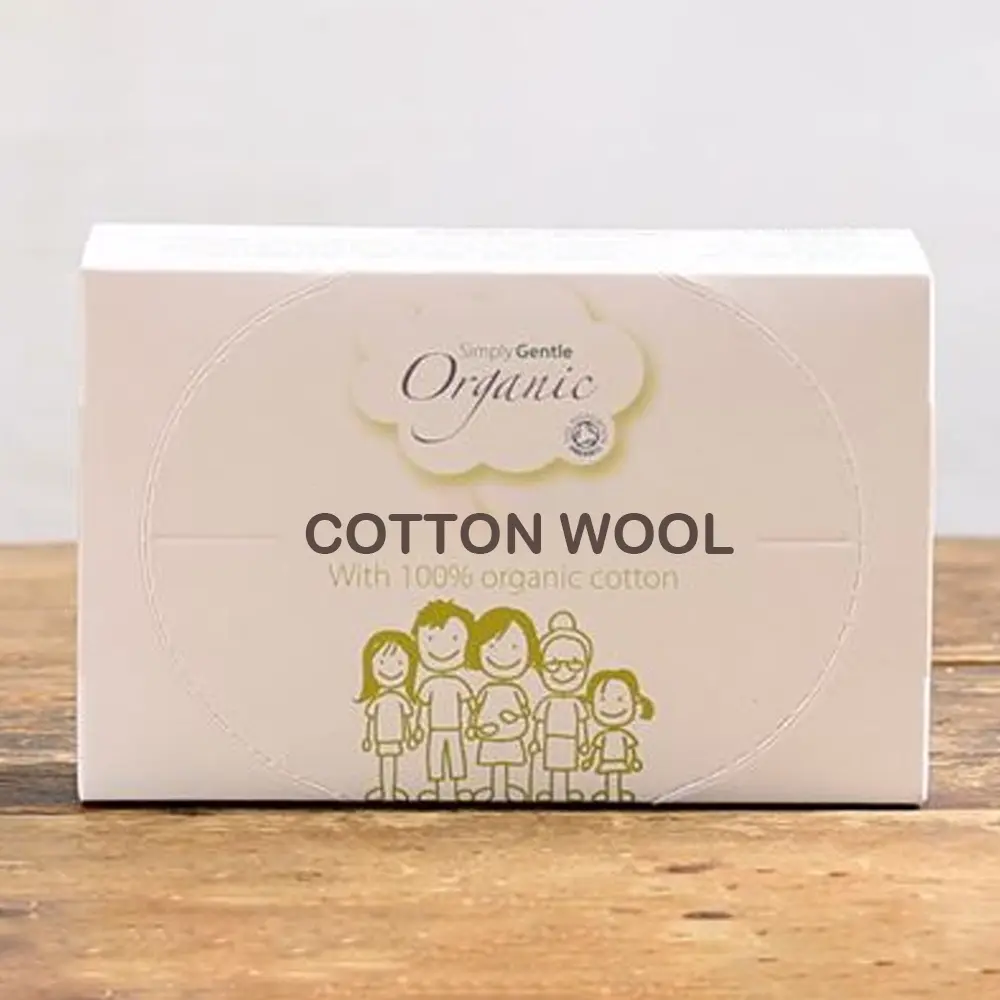 Cotton Wool Boxes
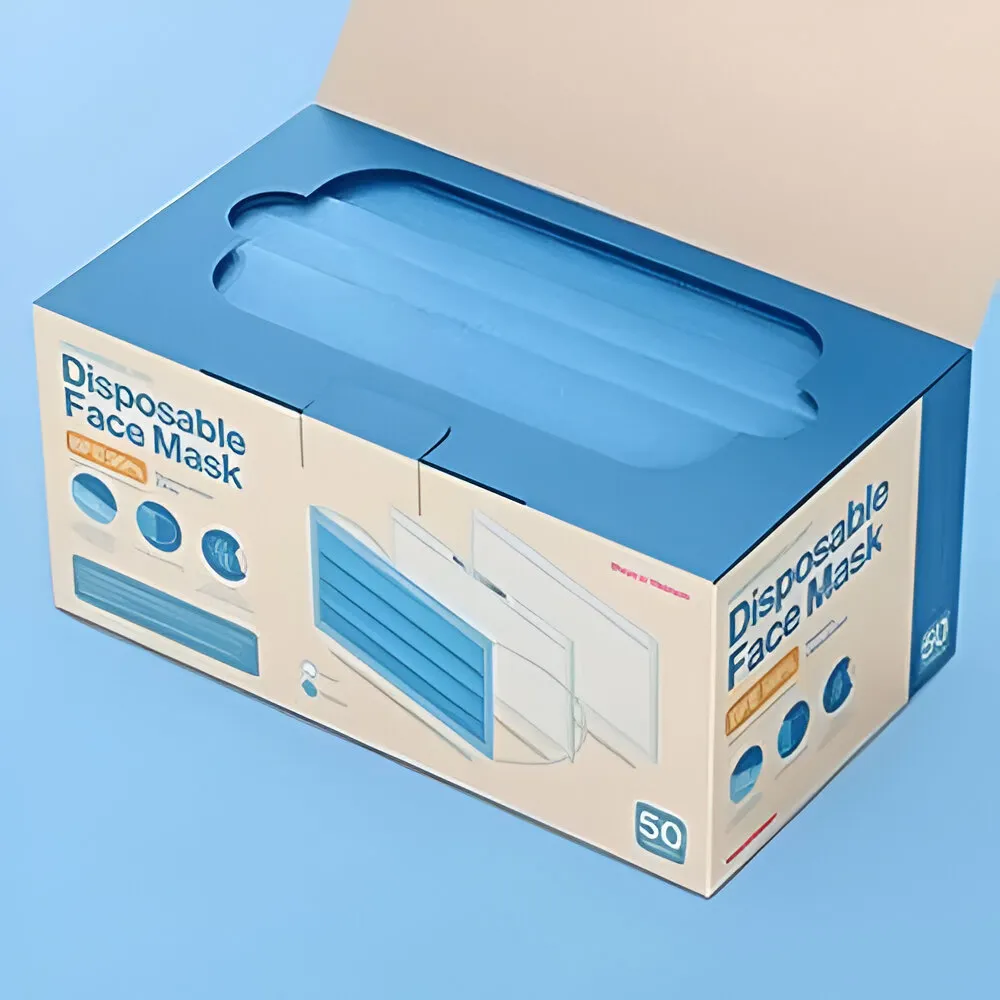 Custom Face Mask Boxes
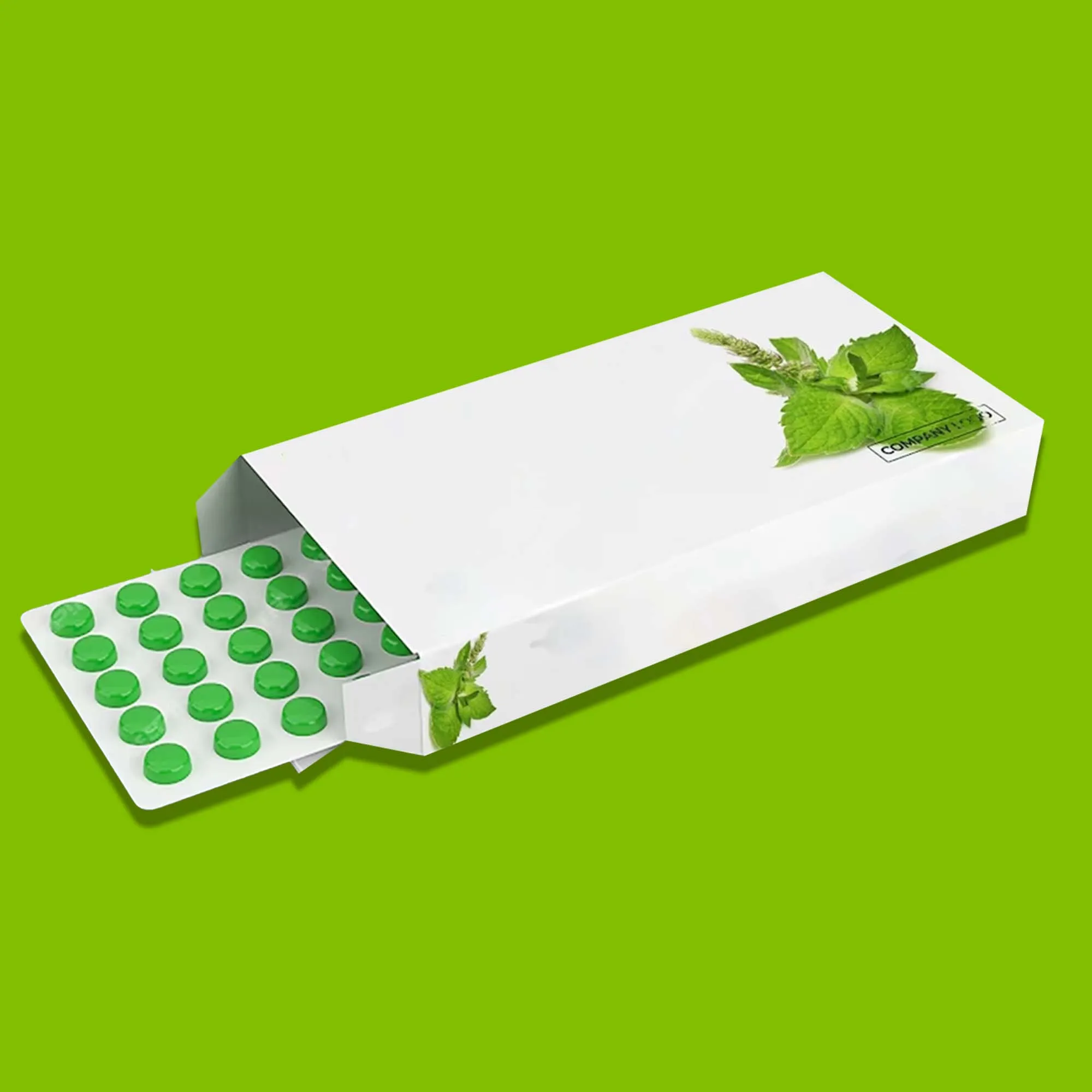 Custom Printed Medicine Packaging Boxes
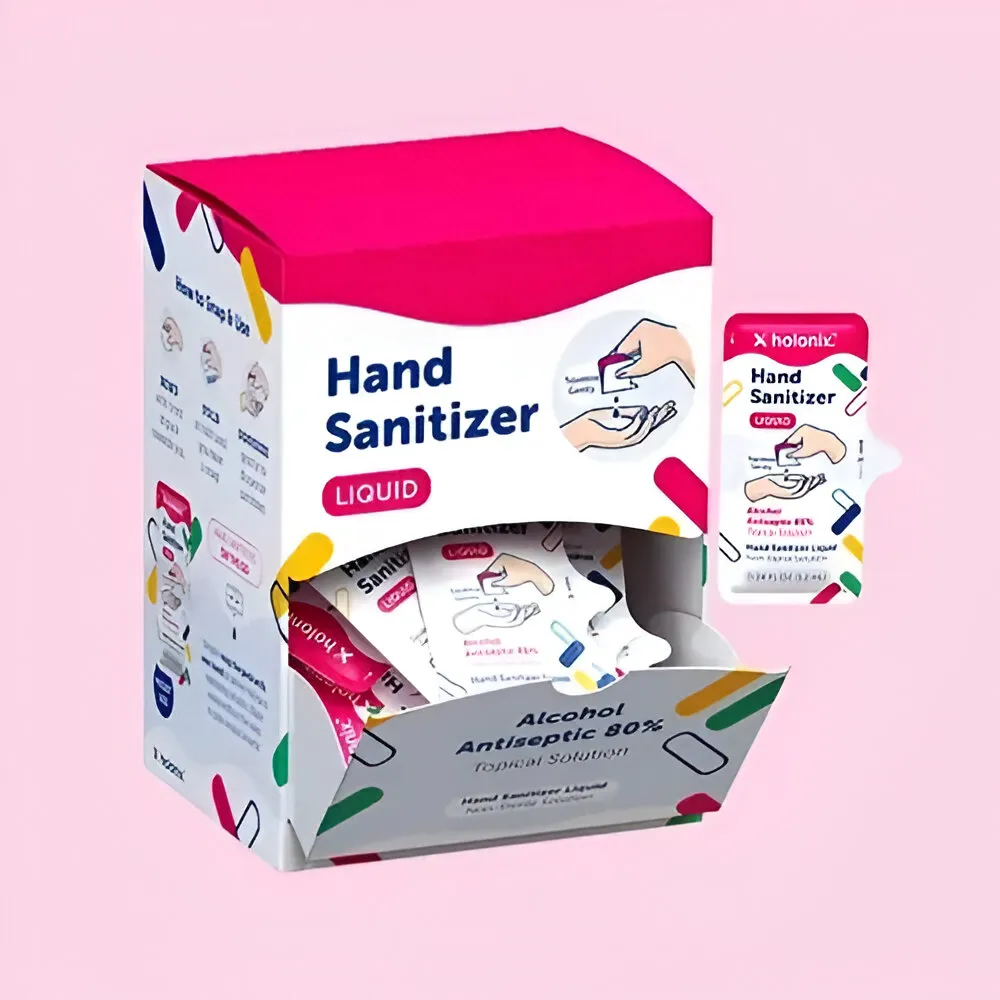 Custom Sanitizer Packaging Boxes
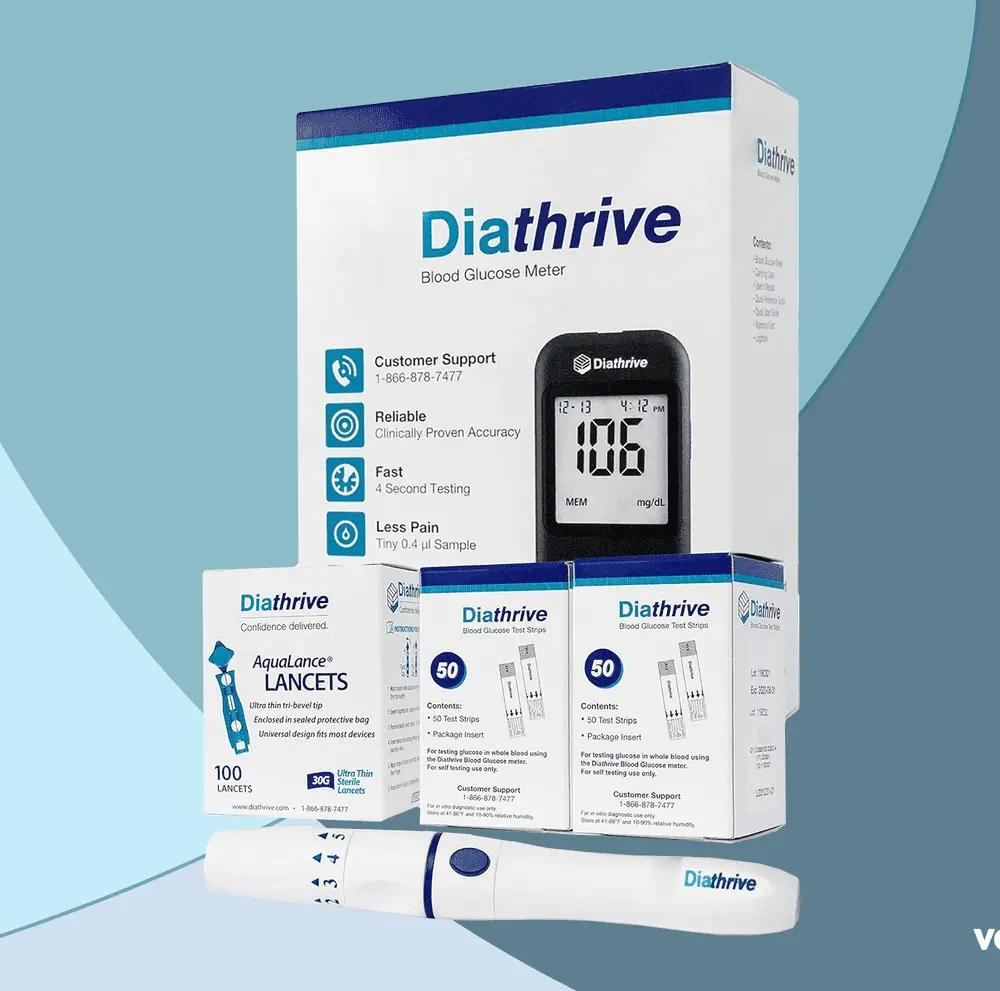 Glucometer Boxes
 Mouthwash Boxes
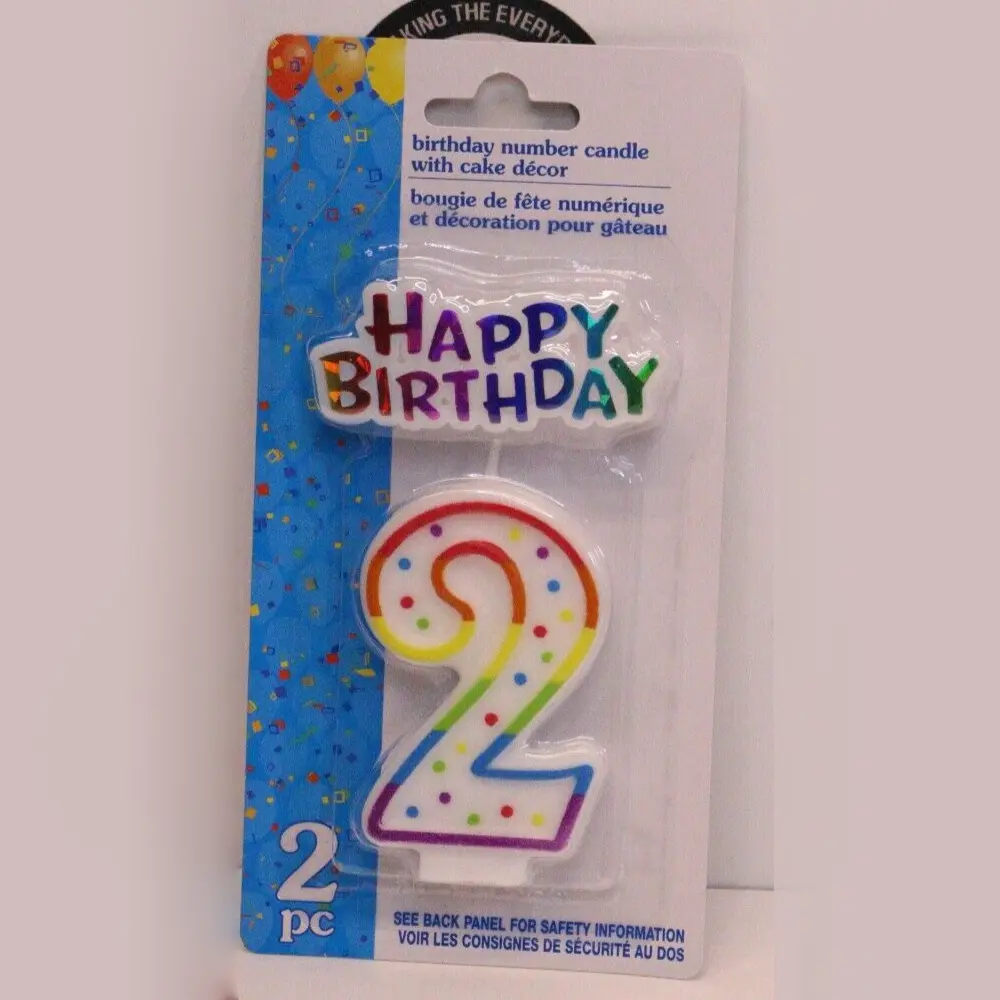 Blister Candle Packaging
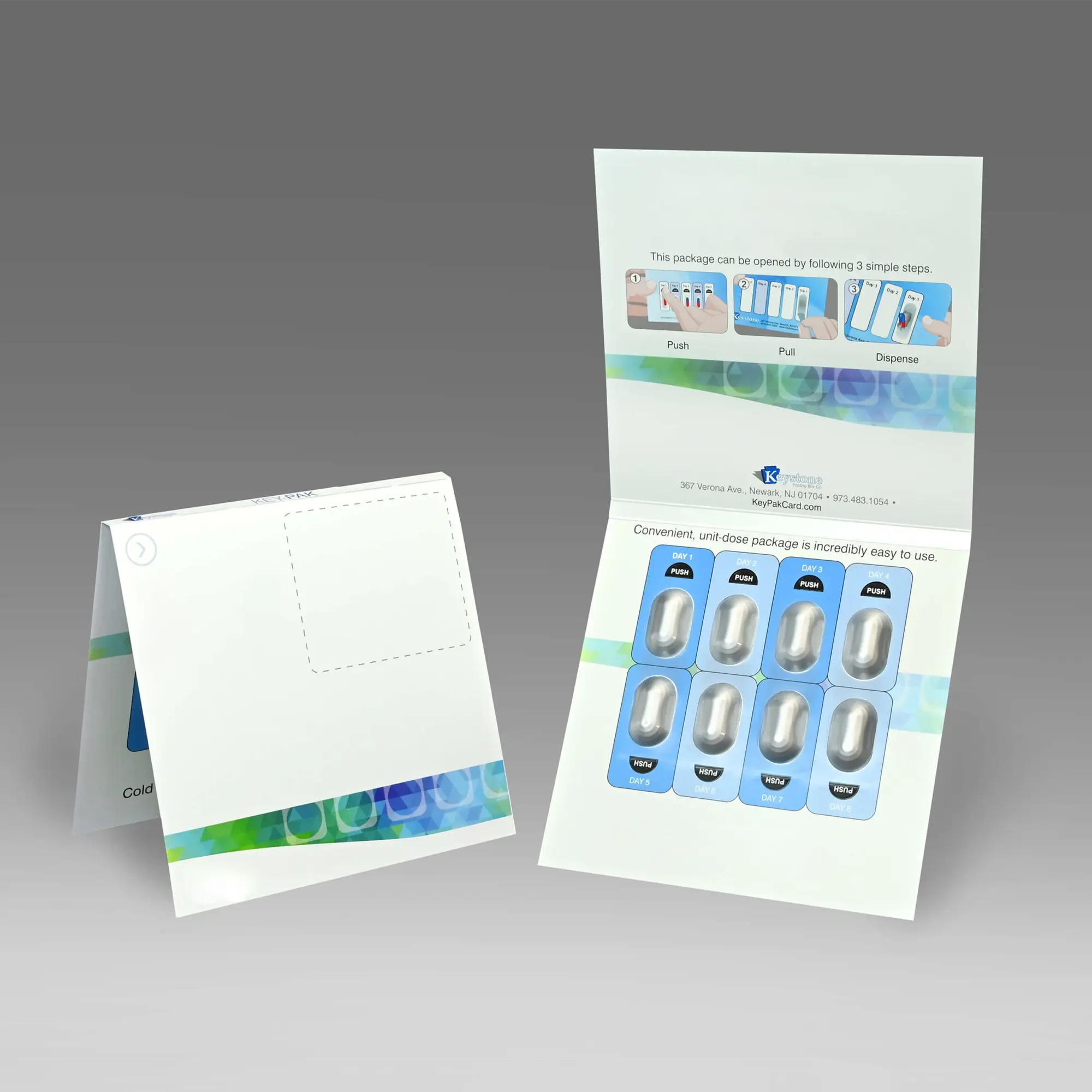 Blister Cards
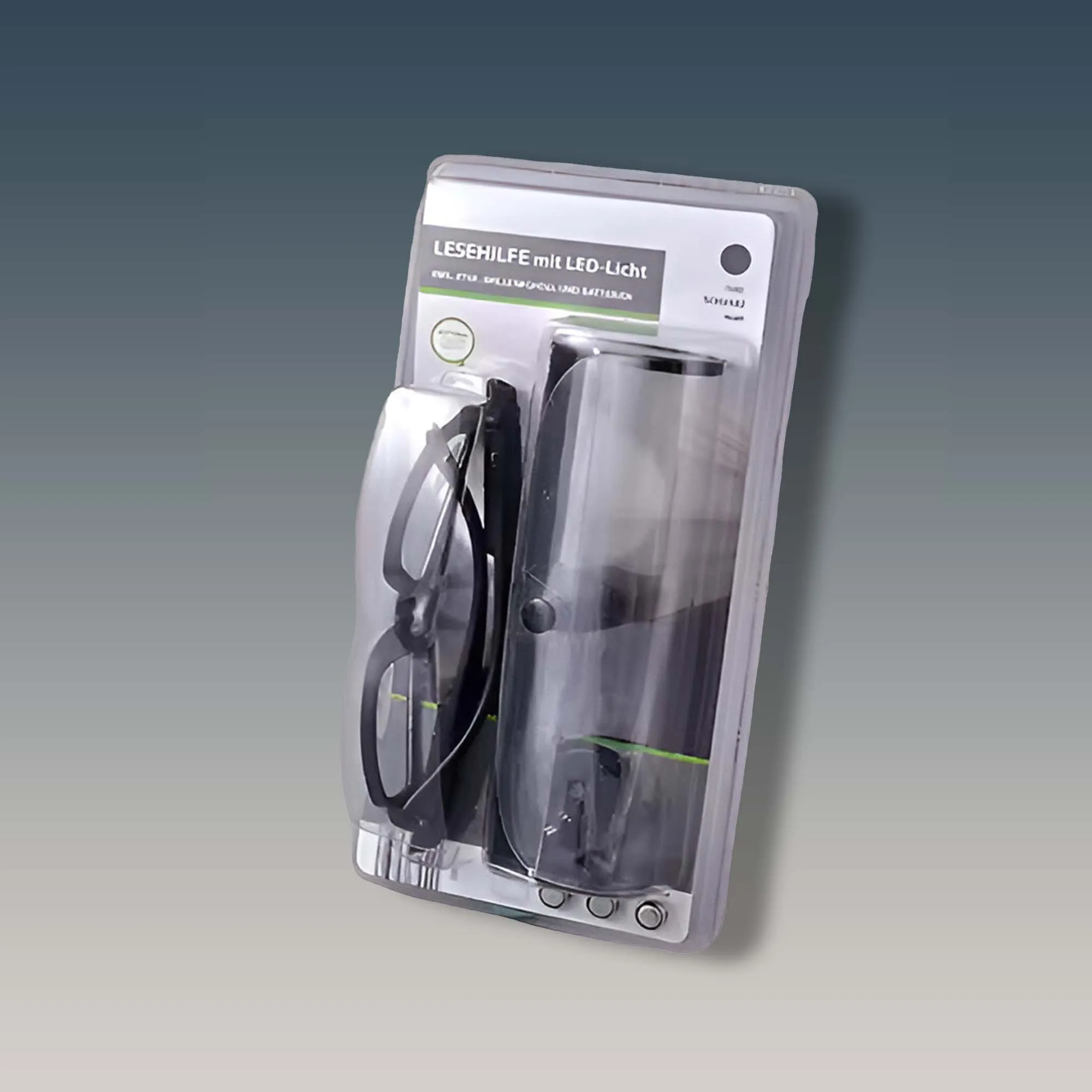 Blister Packaging
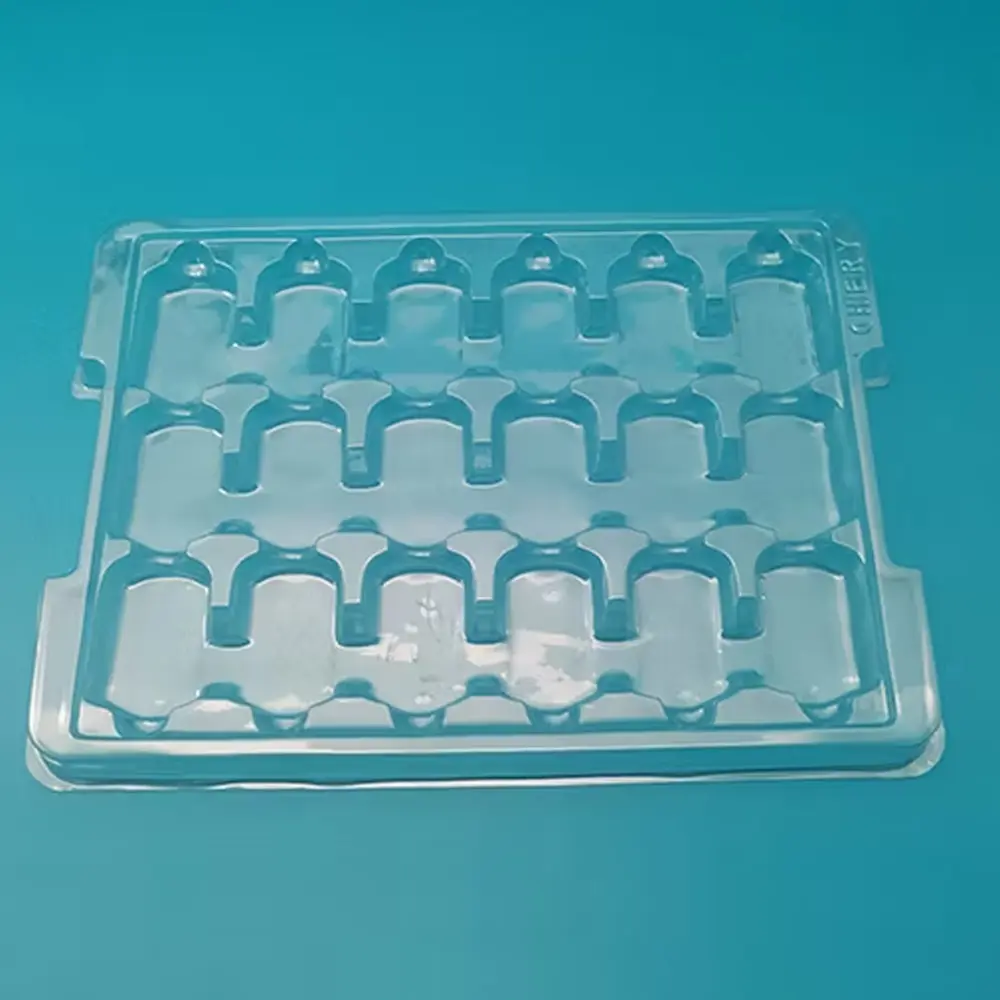 Blister Packaging Tray
 Clamshell Packaging
 Custom Hot Wheels Packaging
 Display Blister Packaging
 Hinged Packaging
 Pharma Blister Packaging
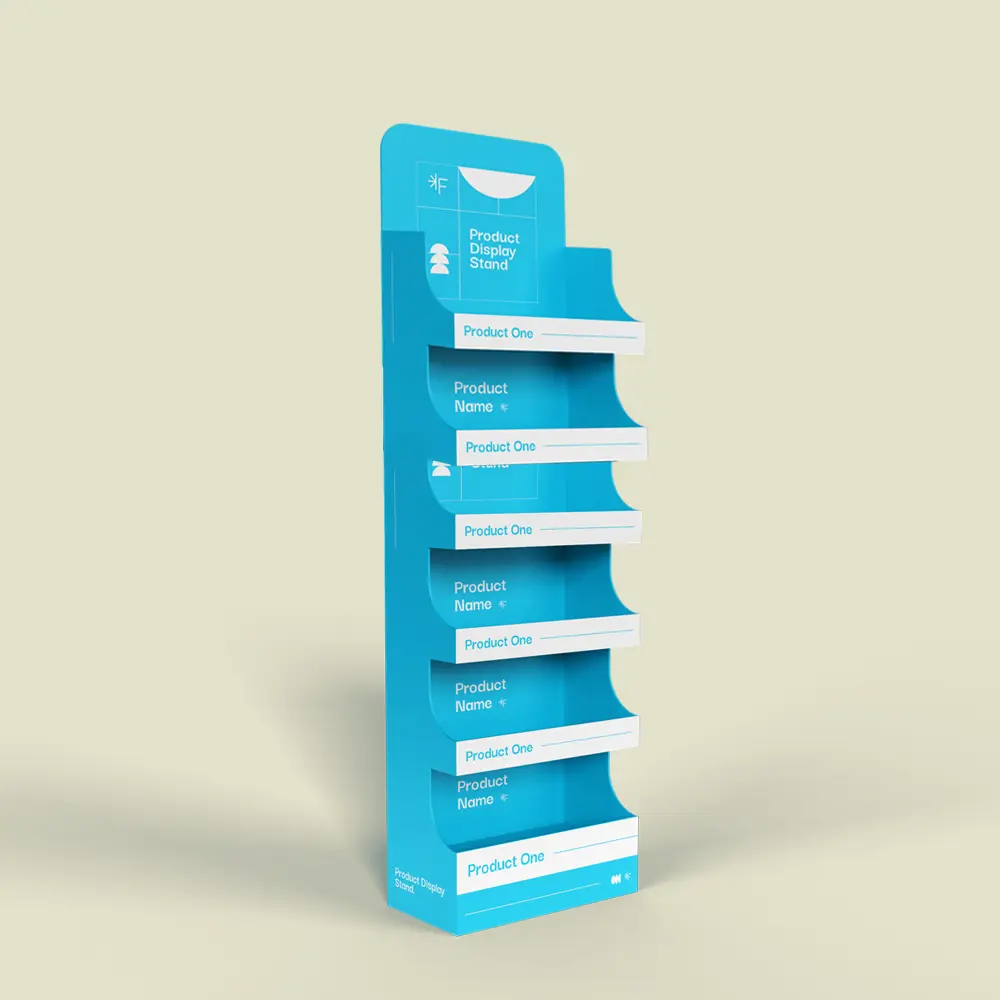 Blue & White Six Shelf Display
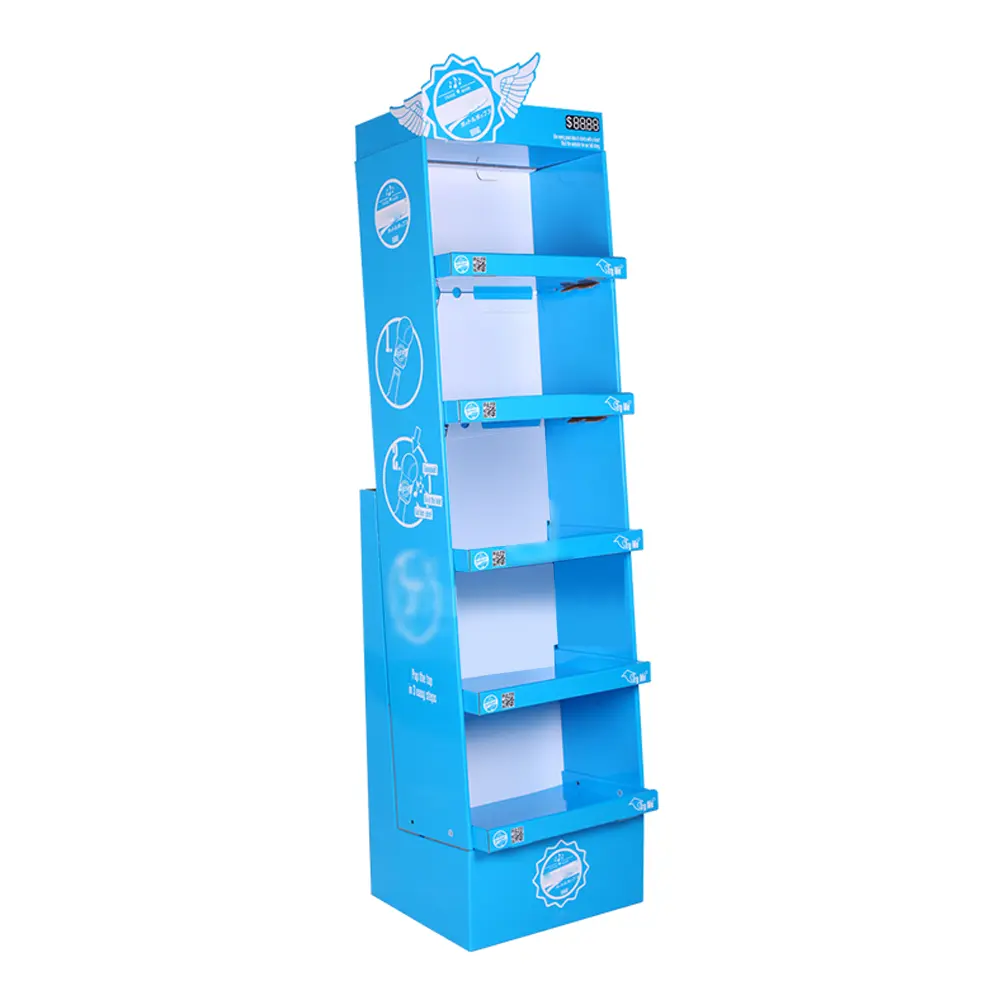 72 Cells/pocket Floor Display
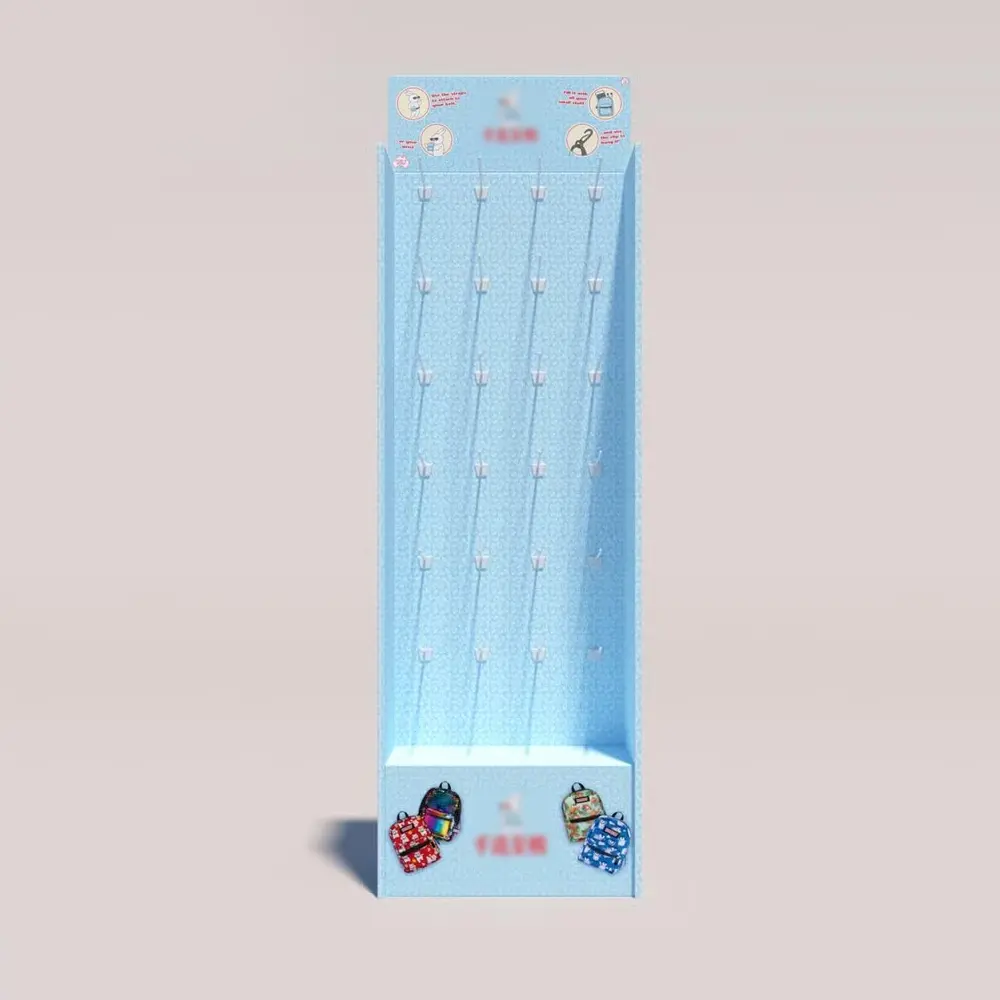 Hook/Peg Floor Display
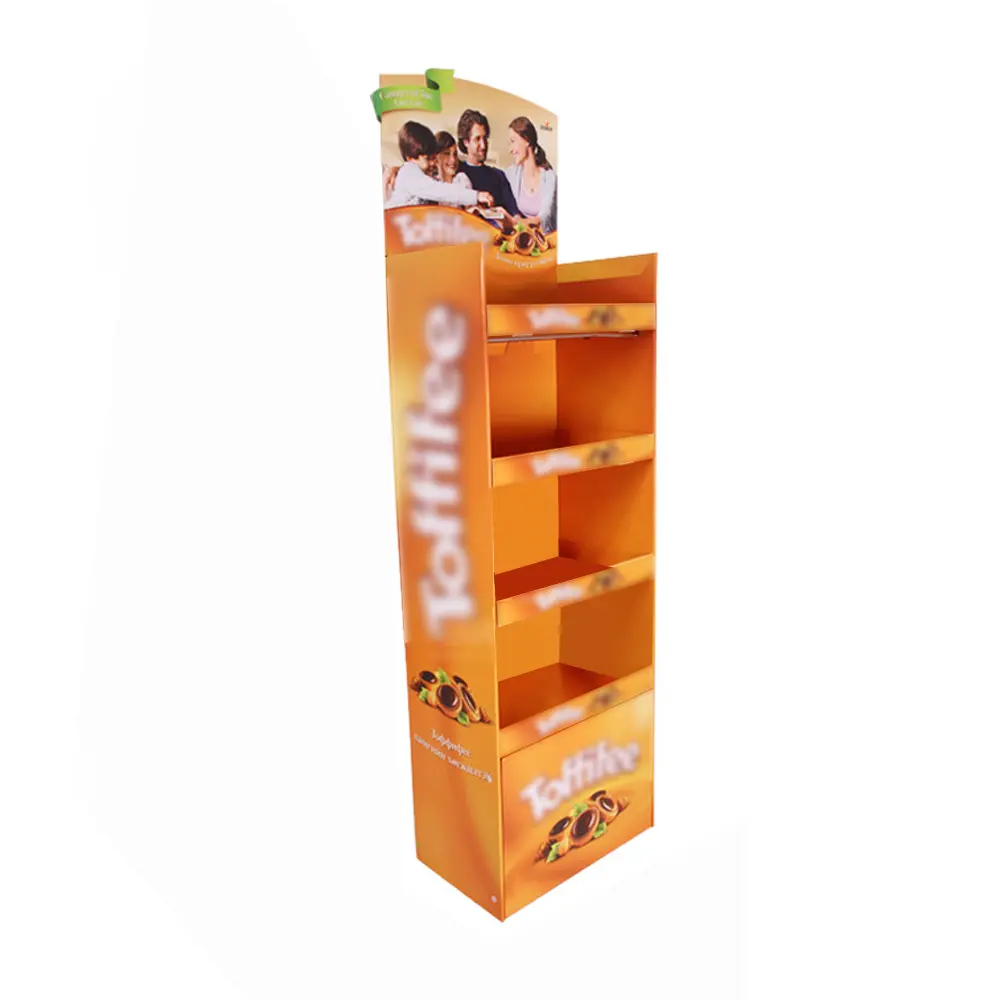 Orange Four Shelf Display
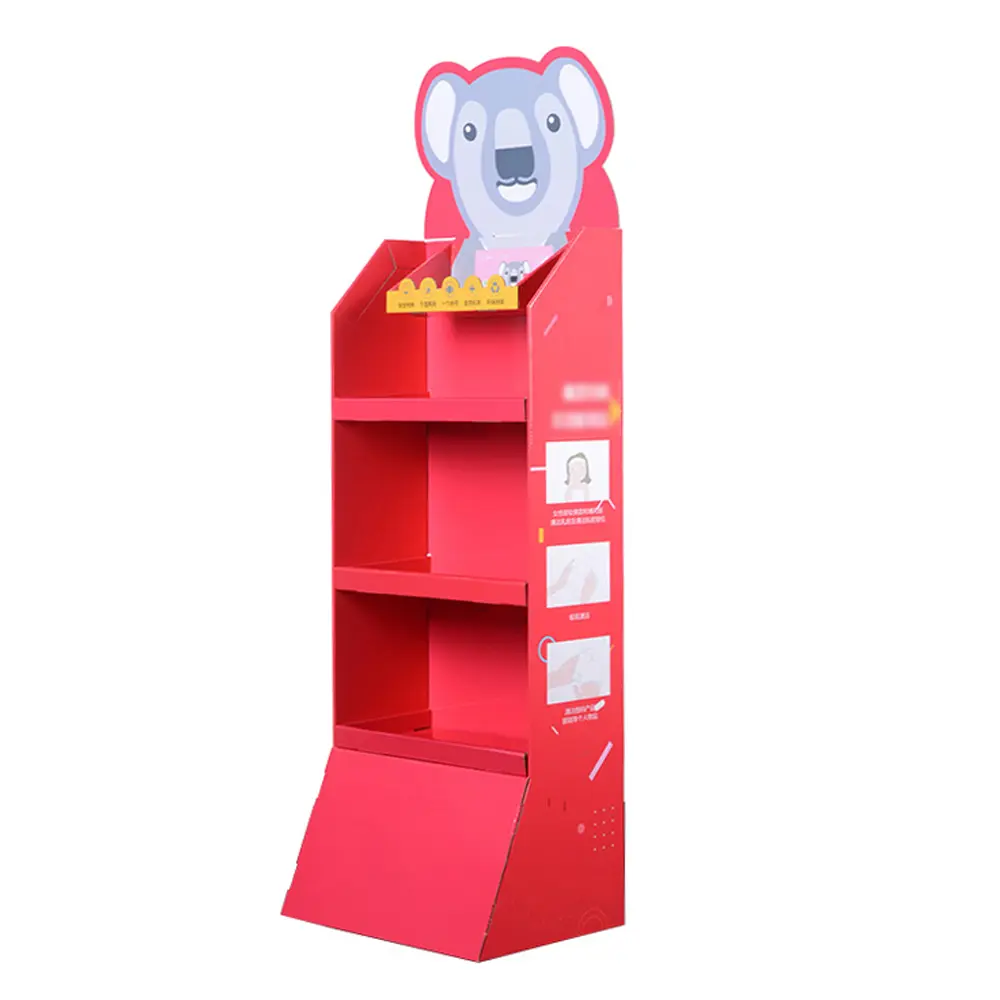 Three Tray Floor Display
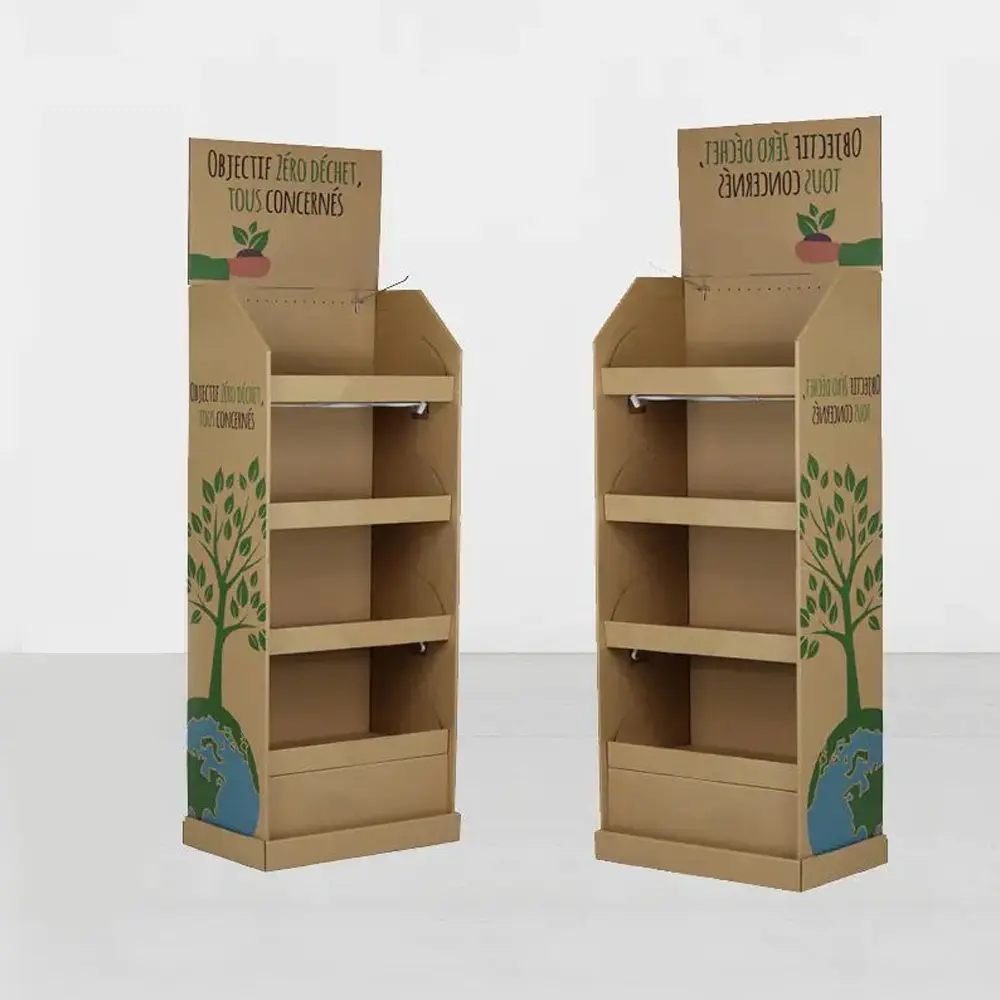 Tray Floor Display
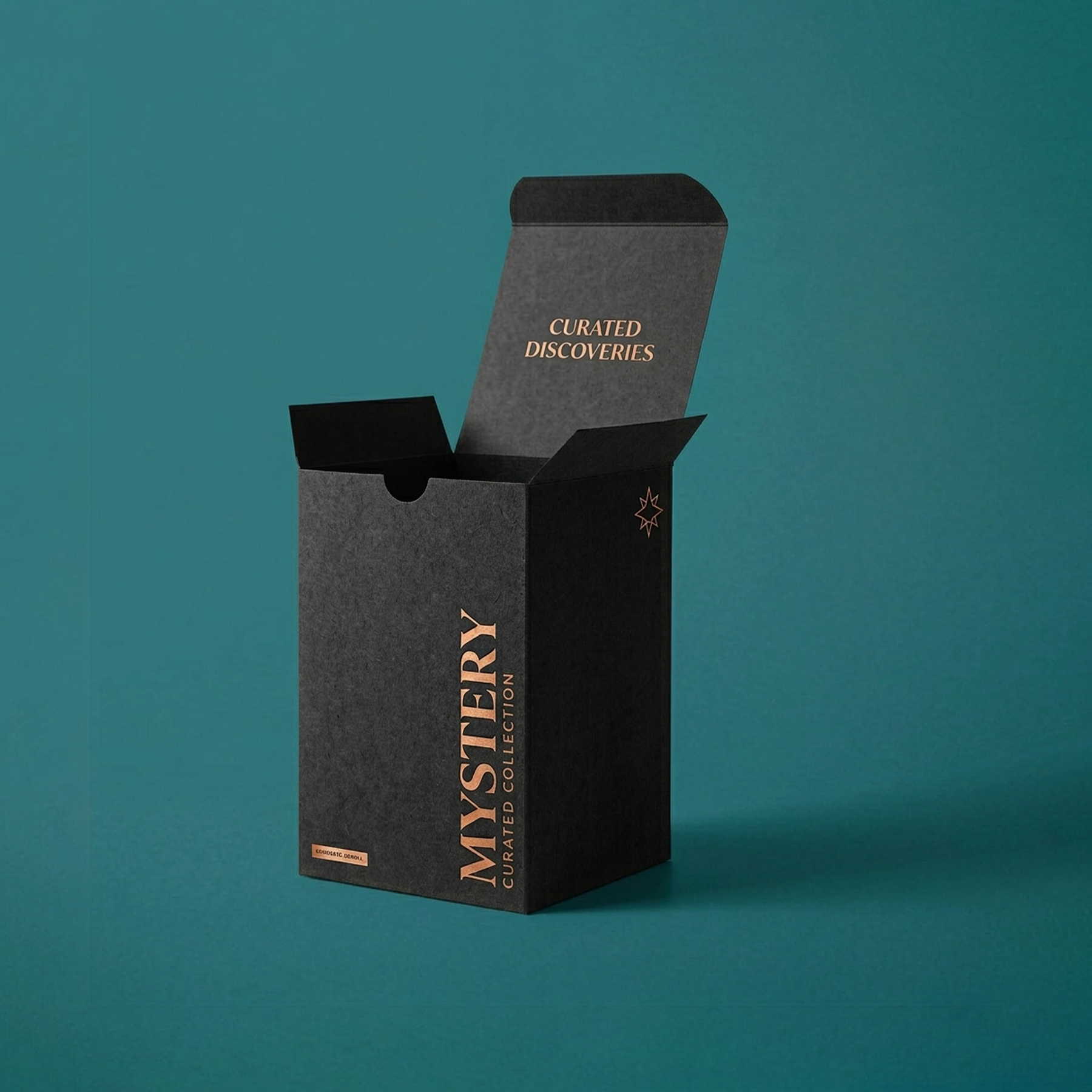 Black Kraft Boxes
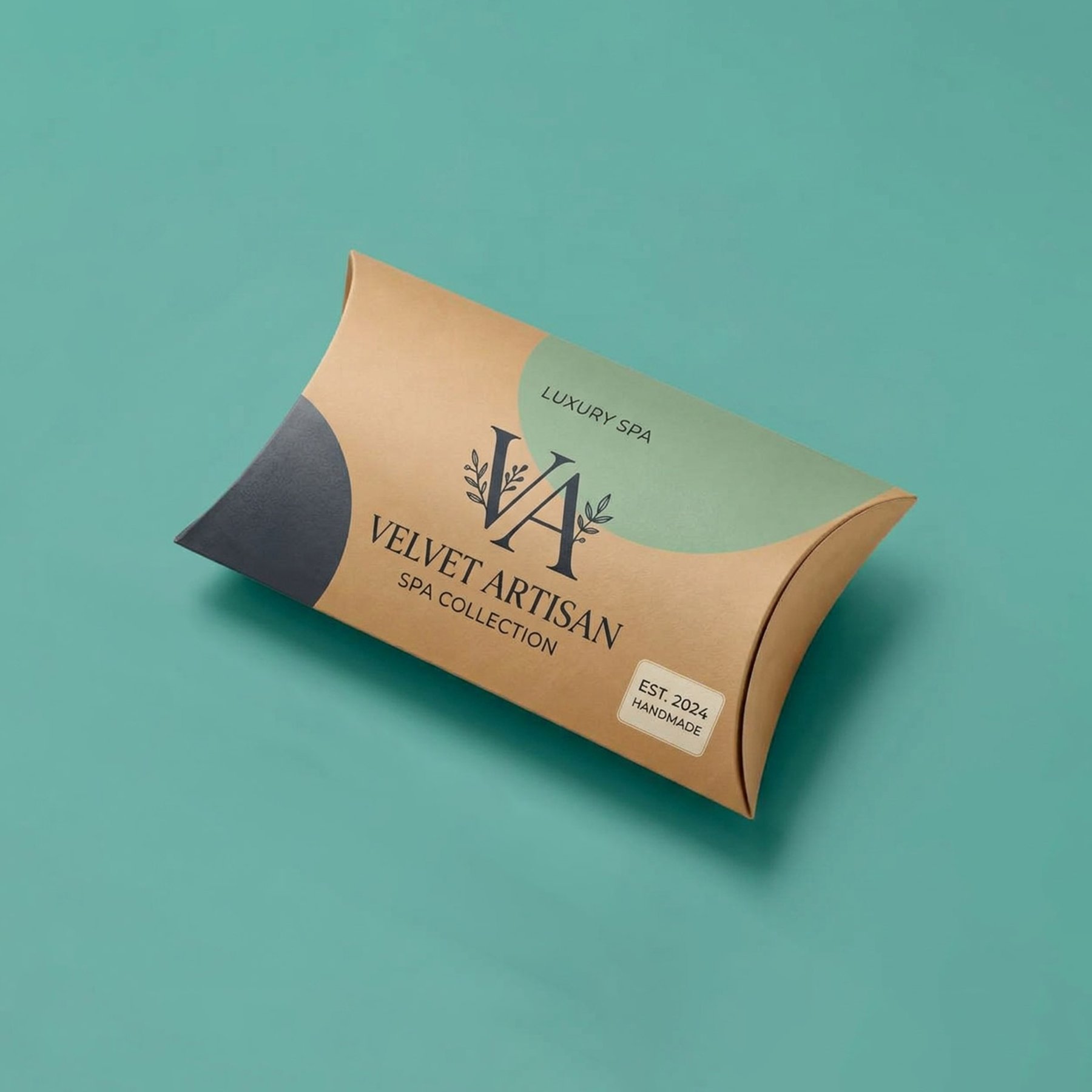 Custom Kraft Pillow Soap Boxes
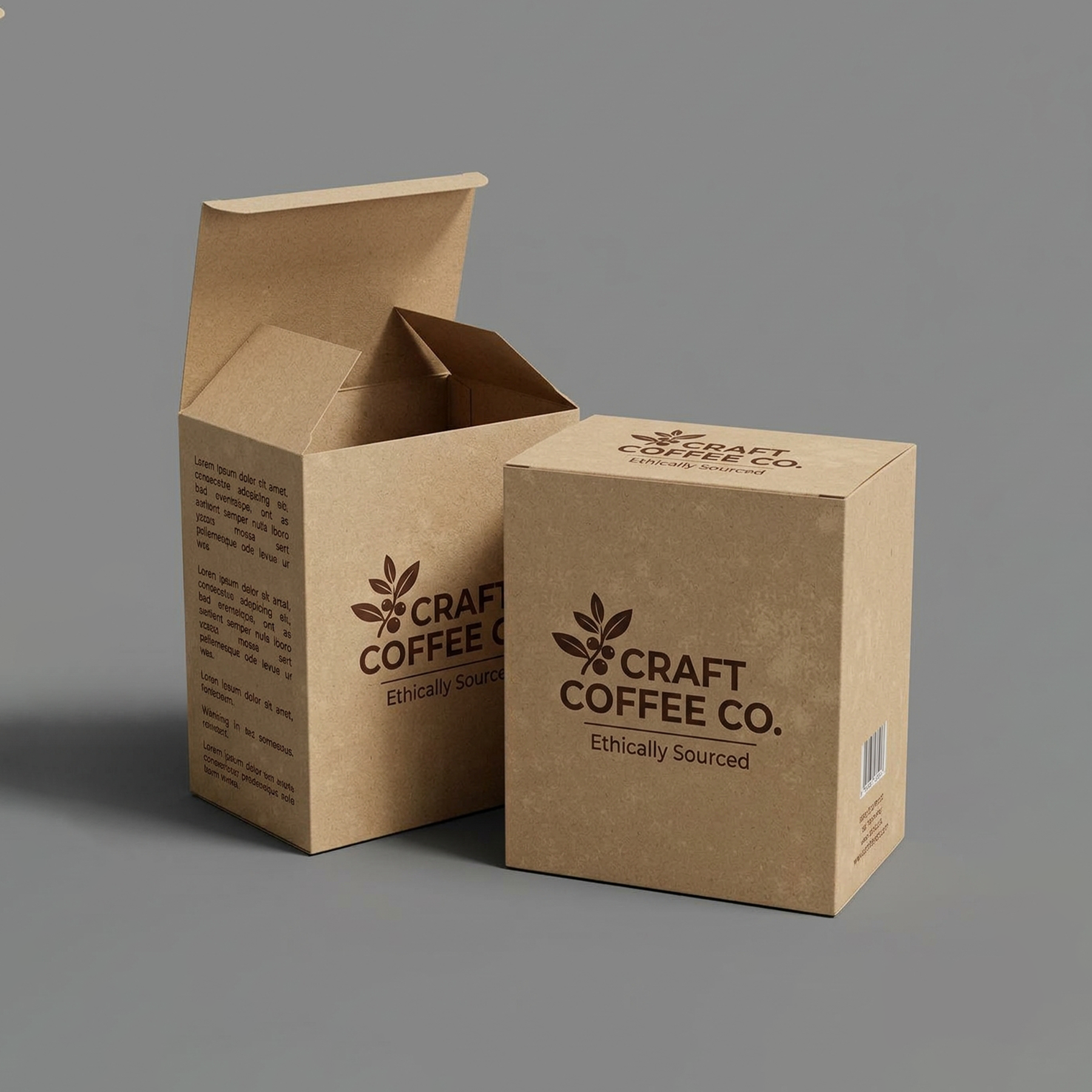 Custom Printed Kraft Packaging Boxes
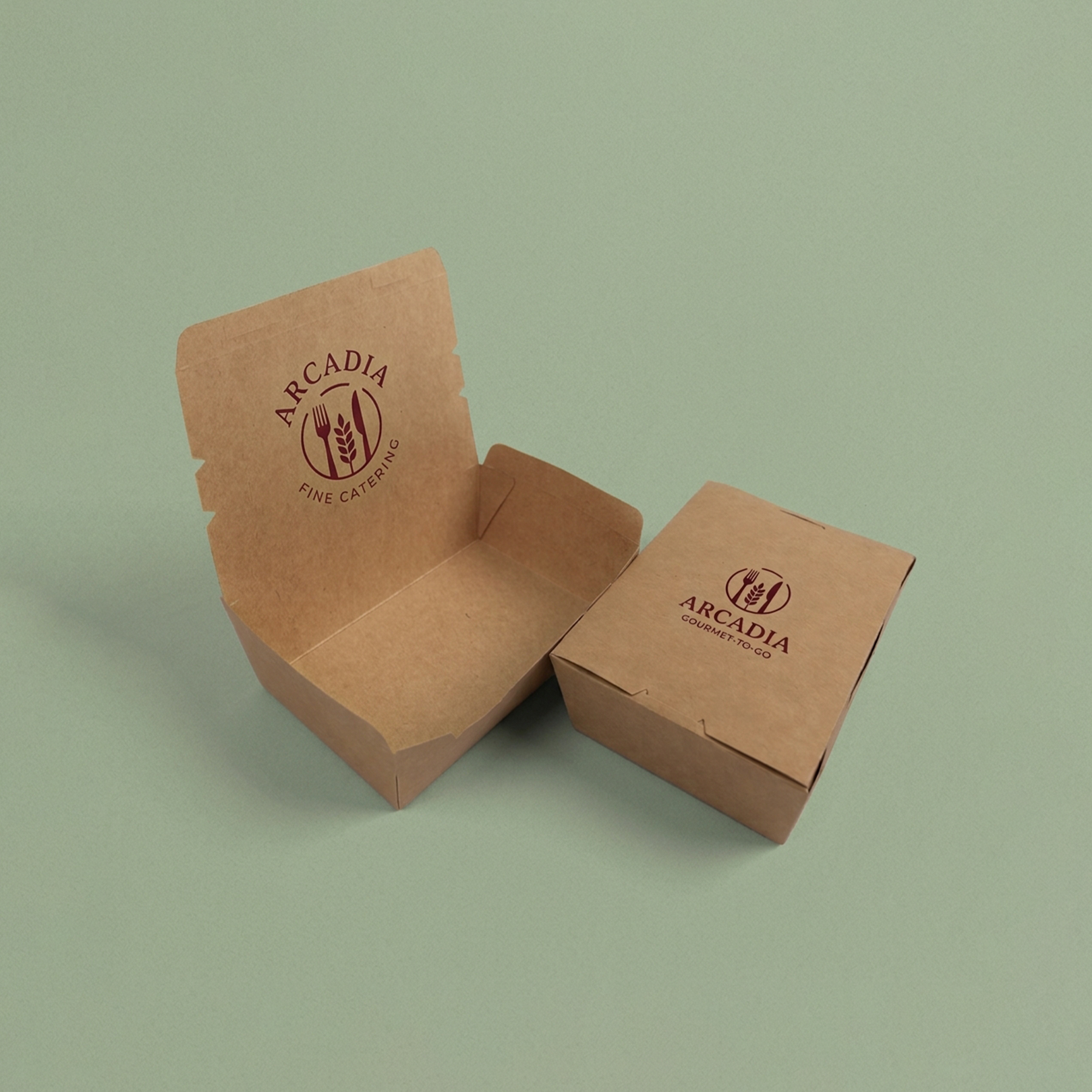 Disposable Kraft Paper Boxes
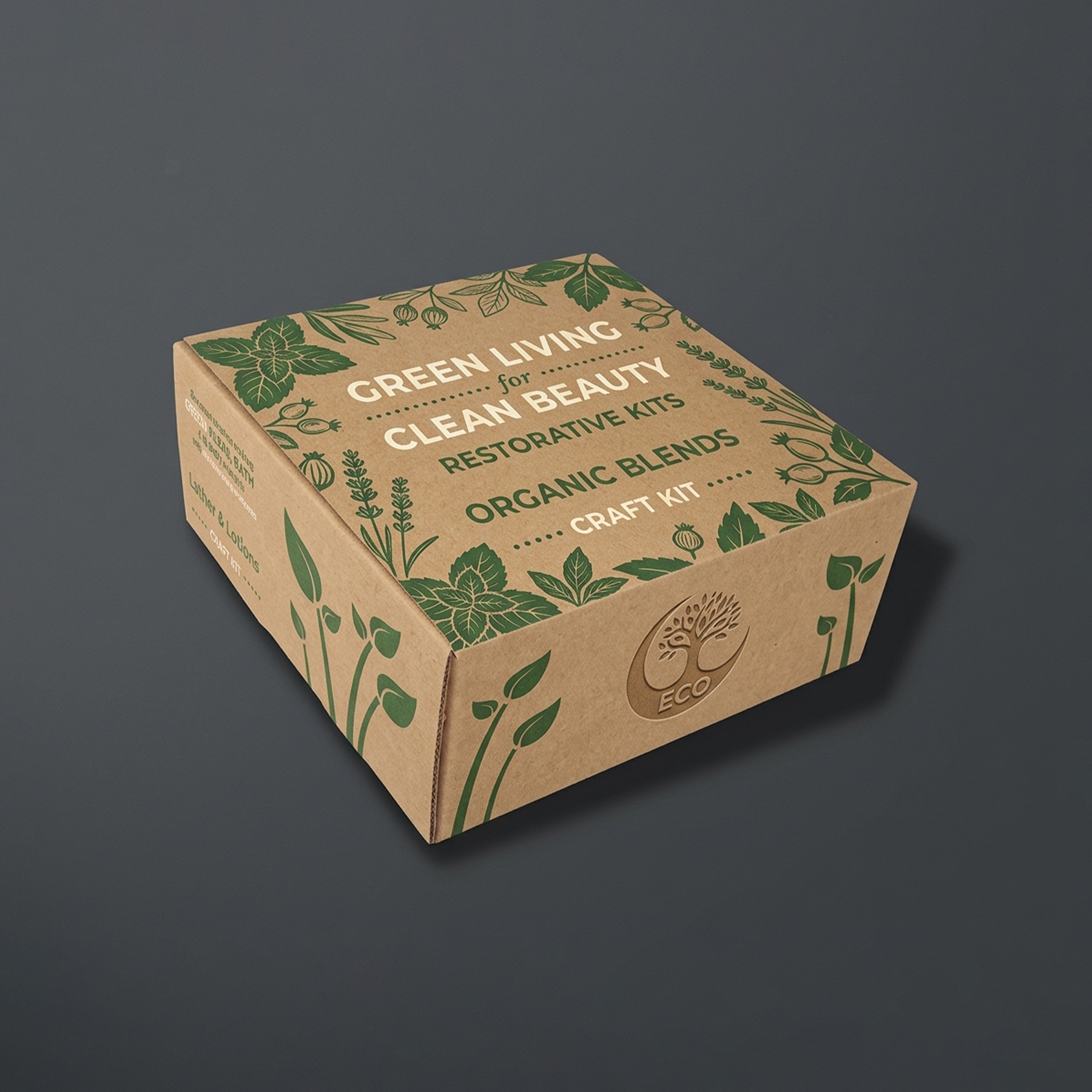 Eco-Friendly Kraft Boxes
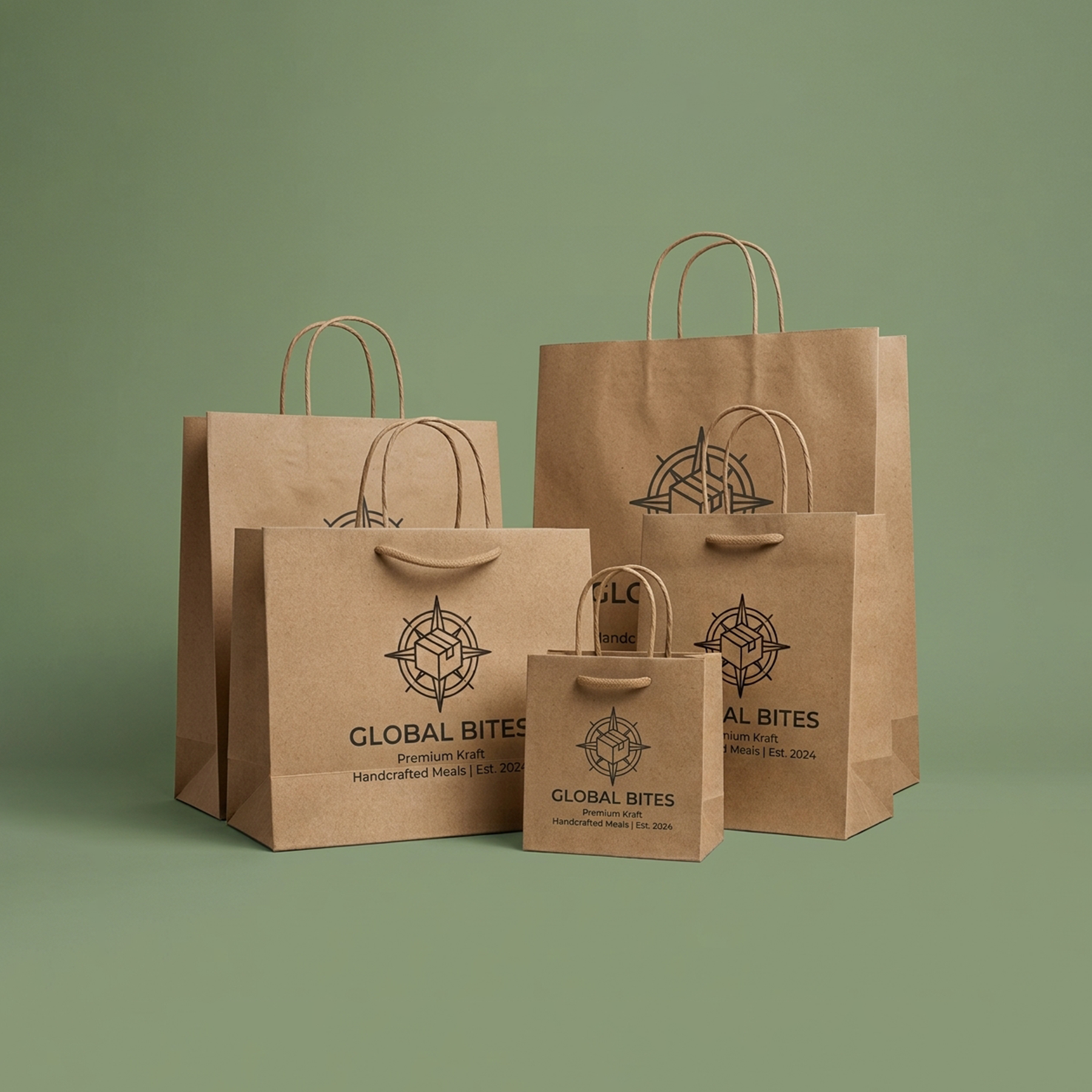 Kraft Paper Bags
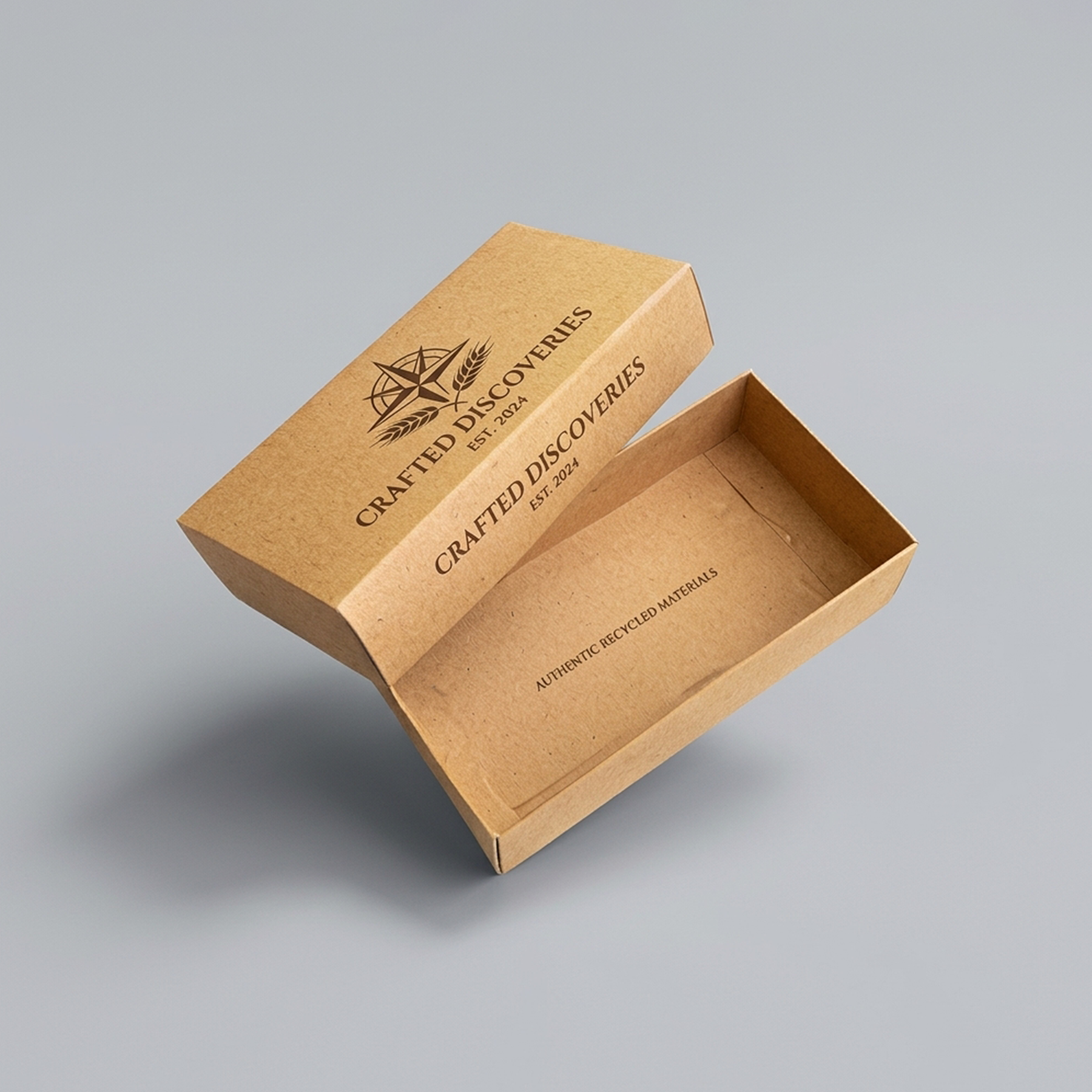 Kraft Boxes with Lids
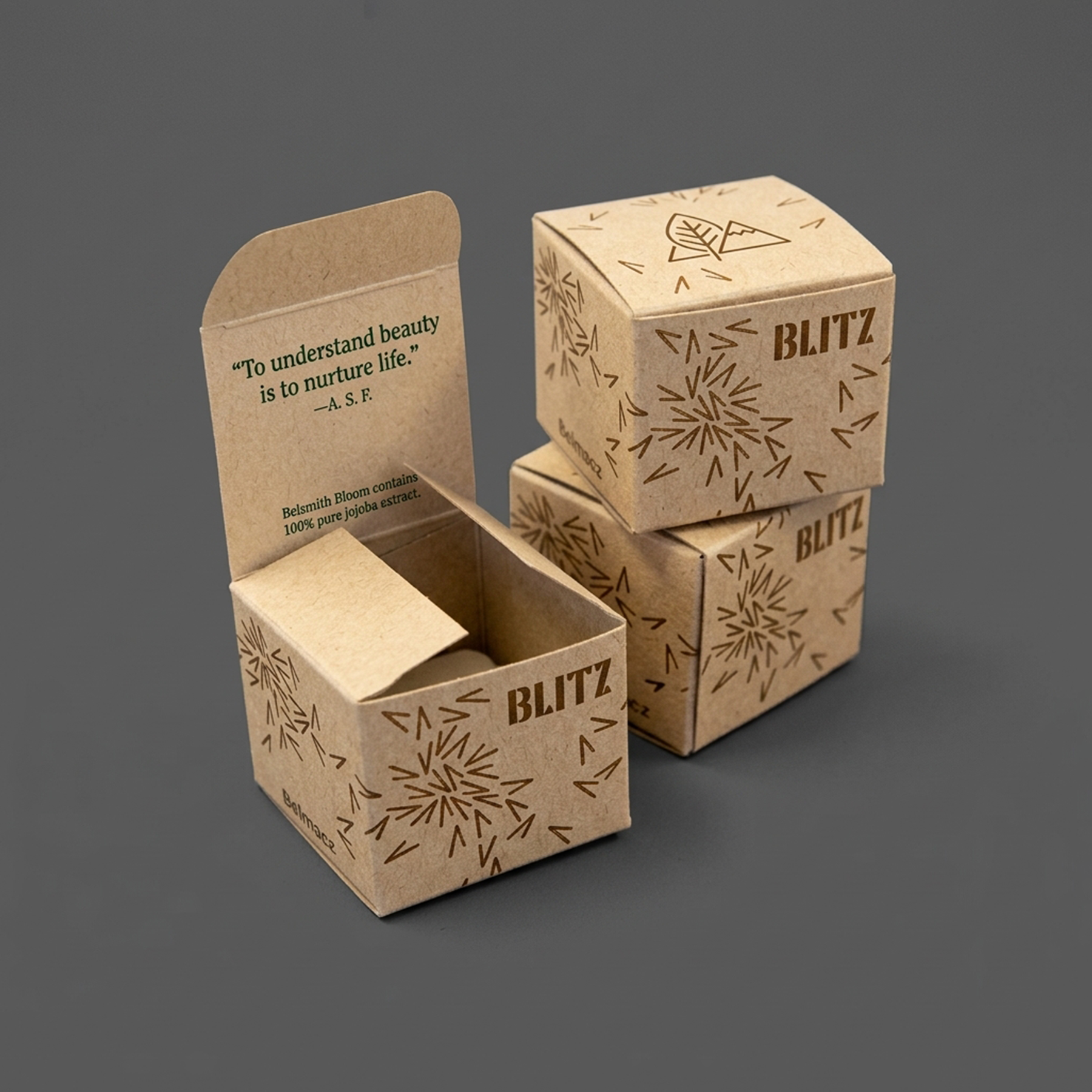 Kraft Cosmetic Boxes
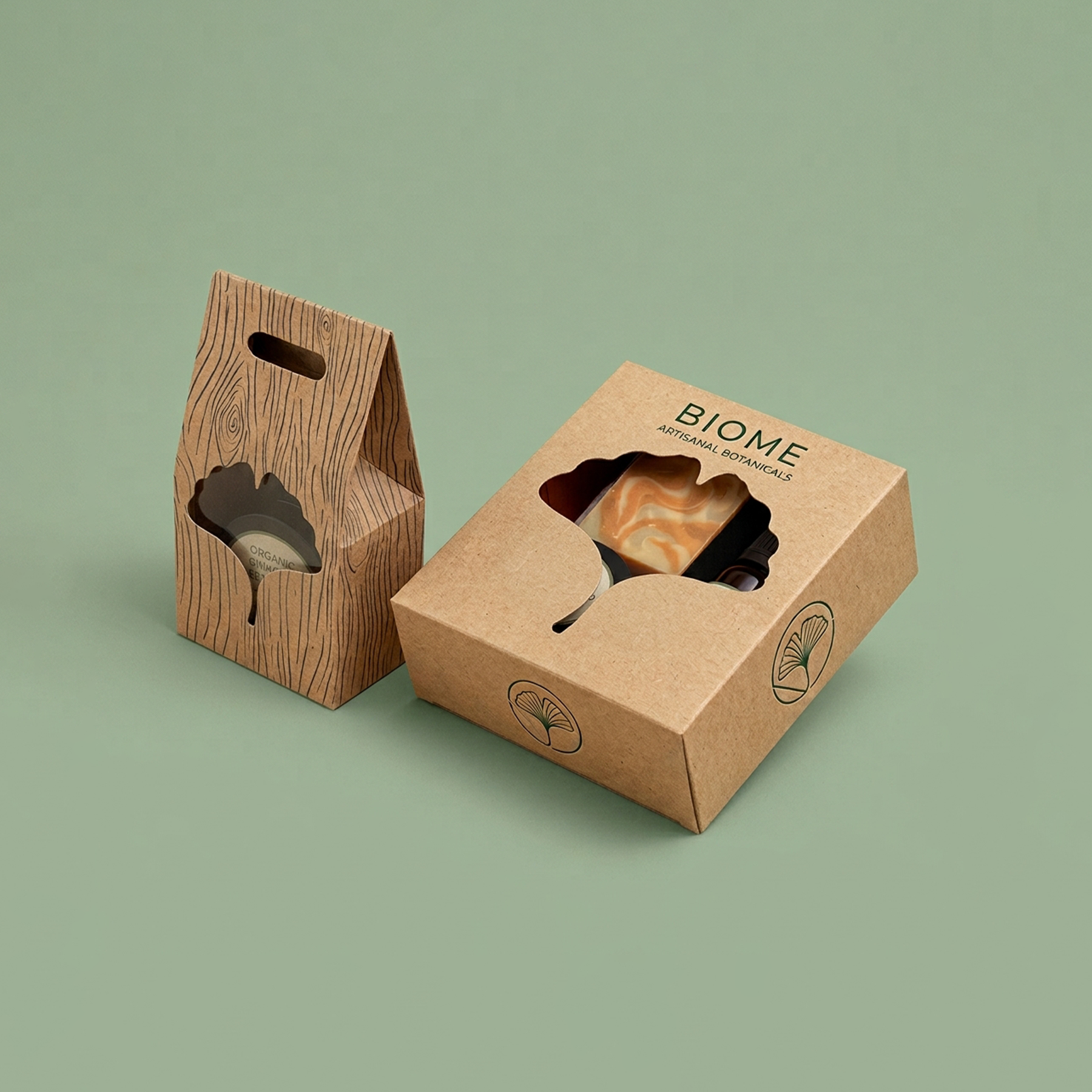 Kraft Die Cut Boxes
 1-2-3 Bottom Box
 Auto Bottom With Display Lid
 Seal End Auto Bottom
 Gable Bags
 Six Corner
 Sleeve
 Tray
 Custom Sleeve Boxes
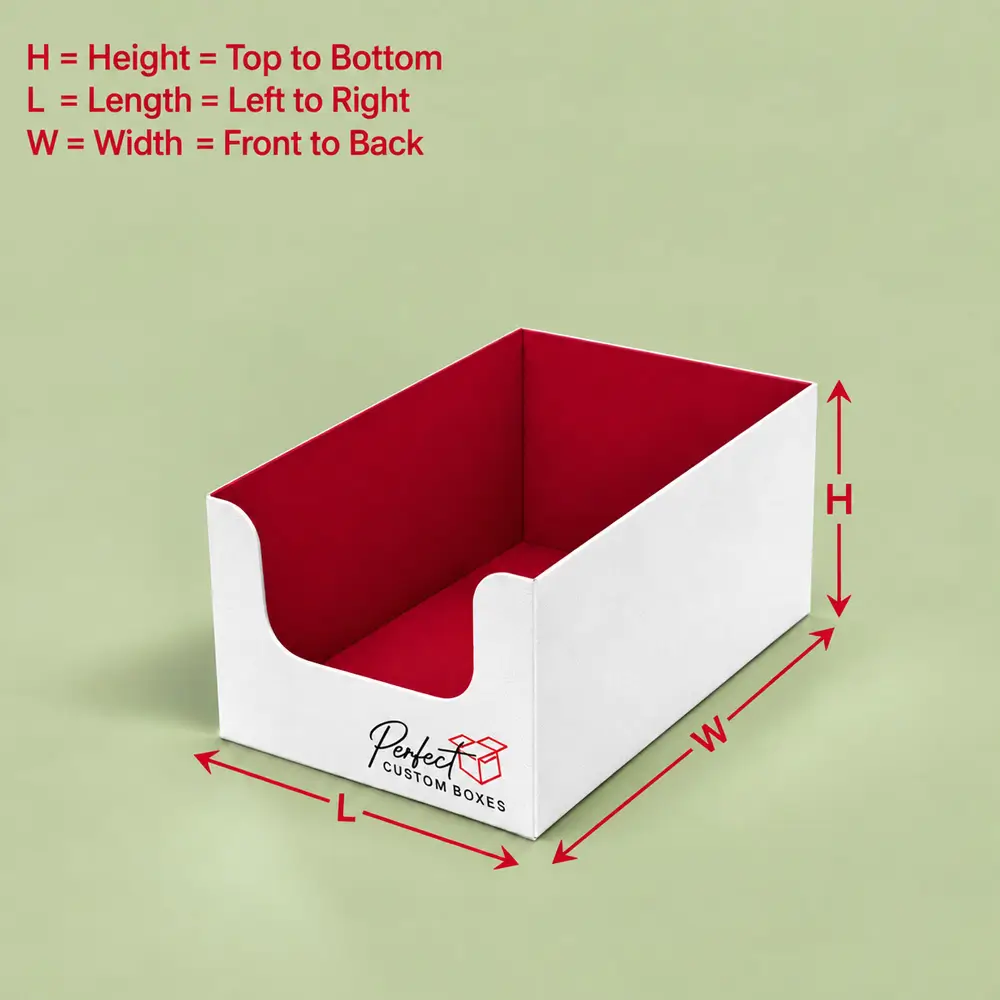 DIM
 Double Wall Tuck Front
 Gable Box Auto Bottom
 Hexagon Two Piece
 Regular Four Corner Box
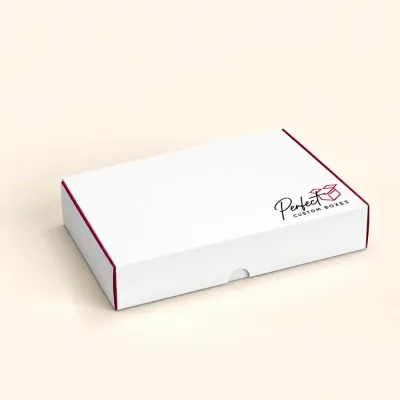 Two Piece
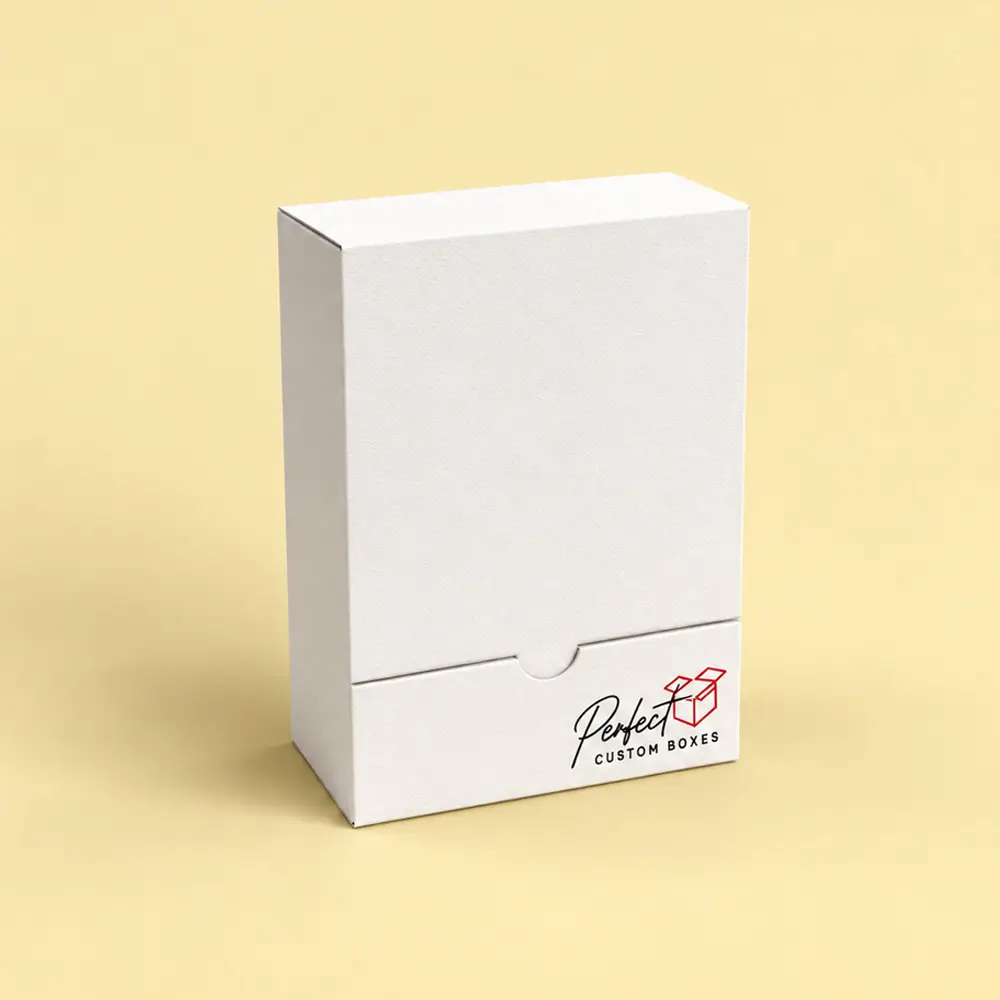 Dispenser Box
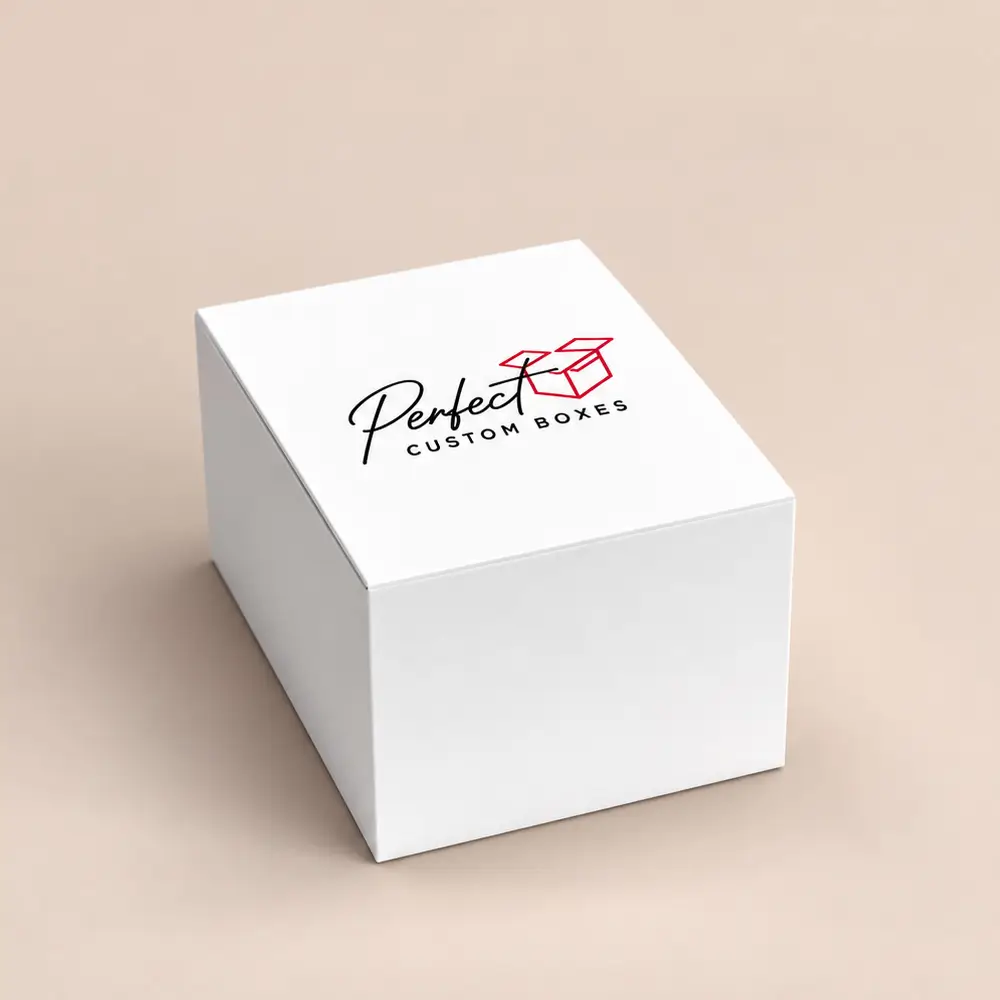 Four Corner with Display Lid
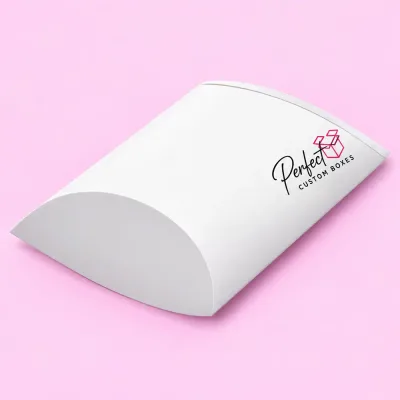 Pillow Box
 Reverse Tuck End
 Seal End
 Straight Tuck End
 Tuck End Auto Bottom
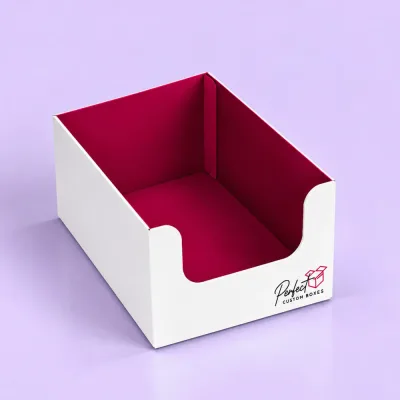 Bottom Tray
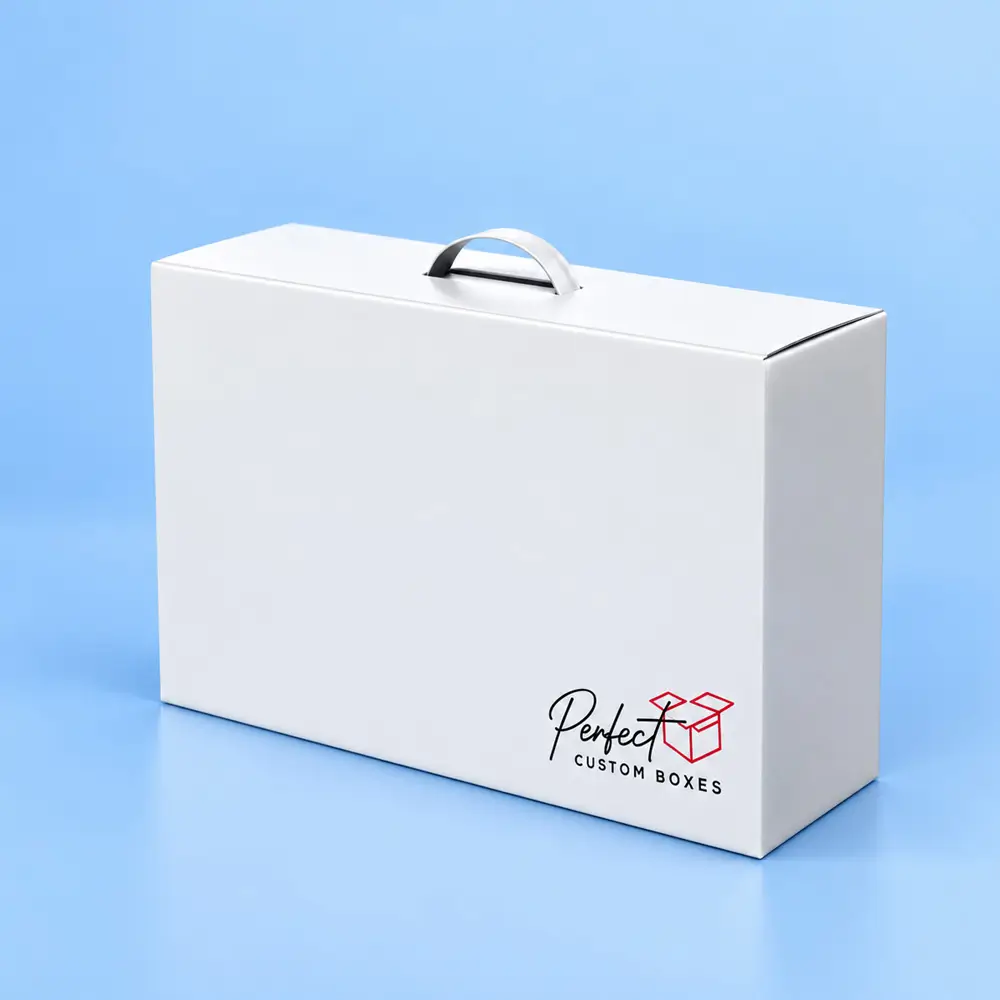 Brief Case Style
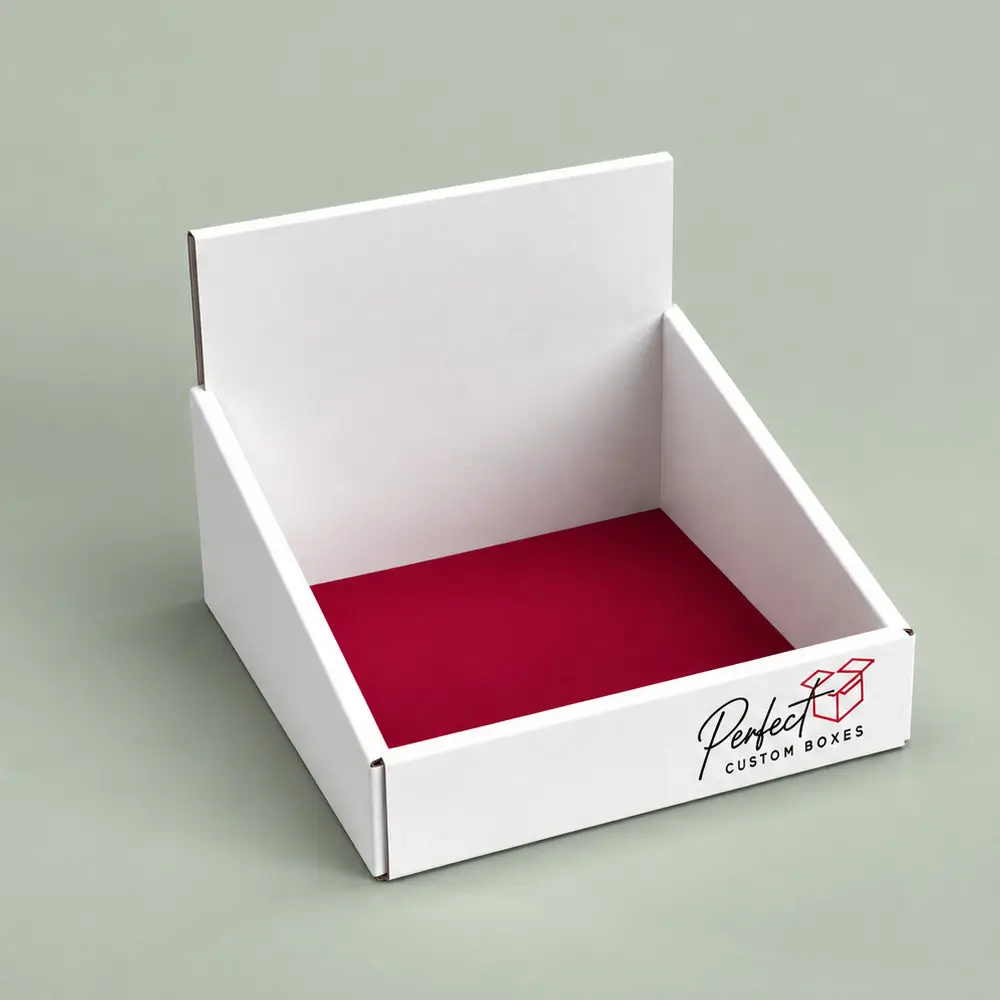 Display Box With Double Walls
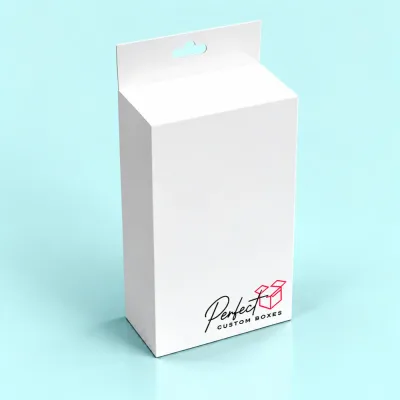 Tuck End With Hanging Tab
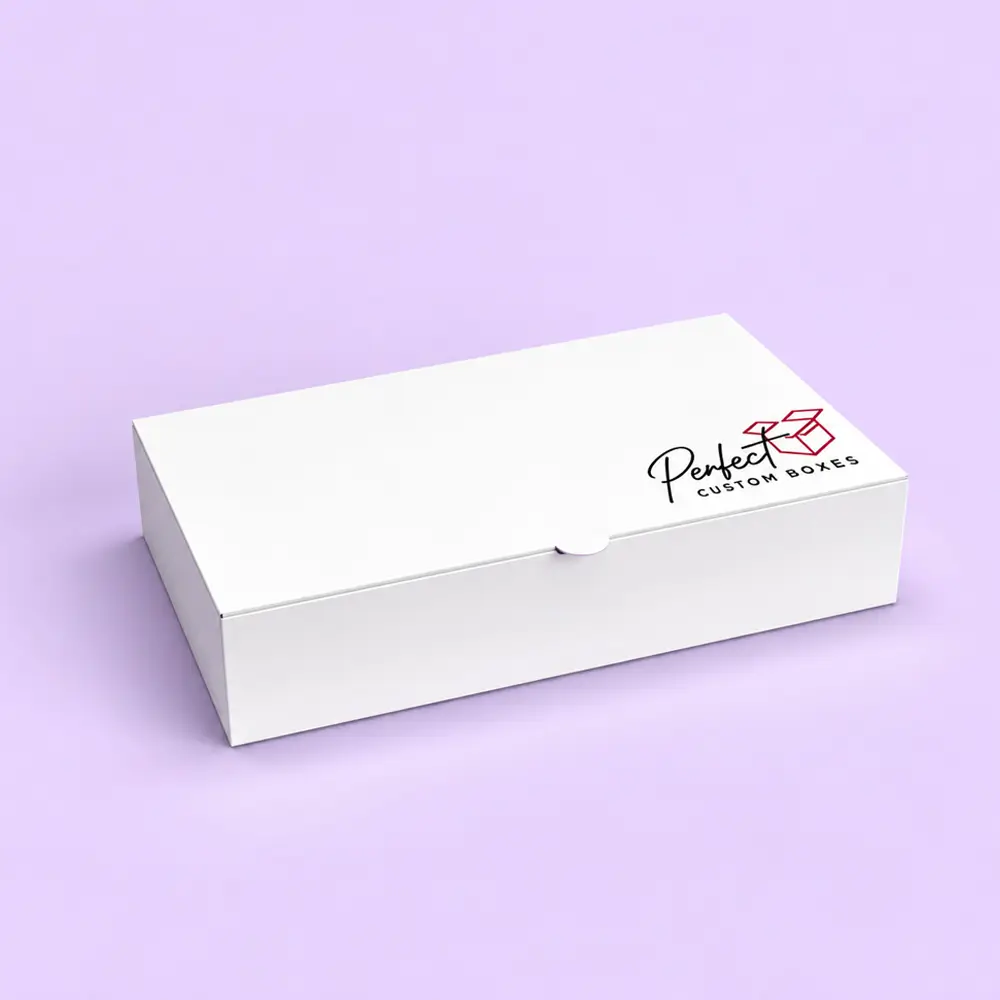 Double Locked Wall Lid
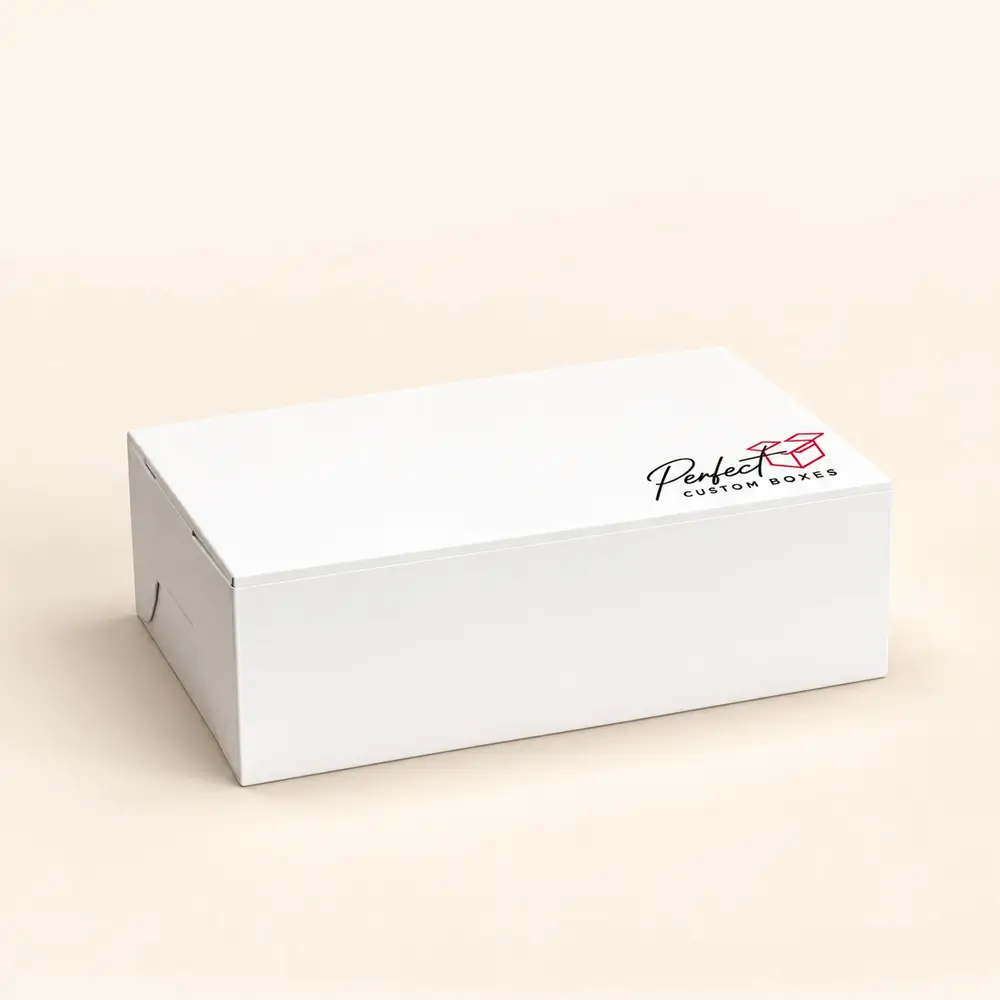 Self Lock Cake Box
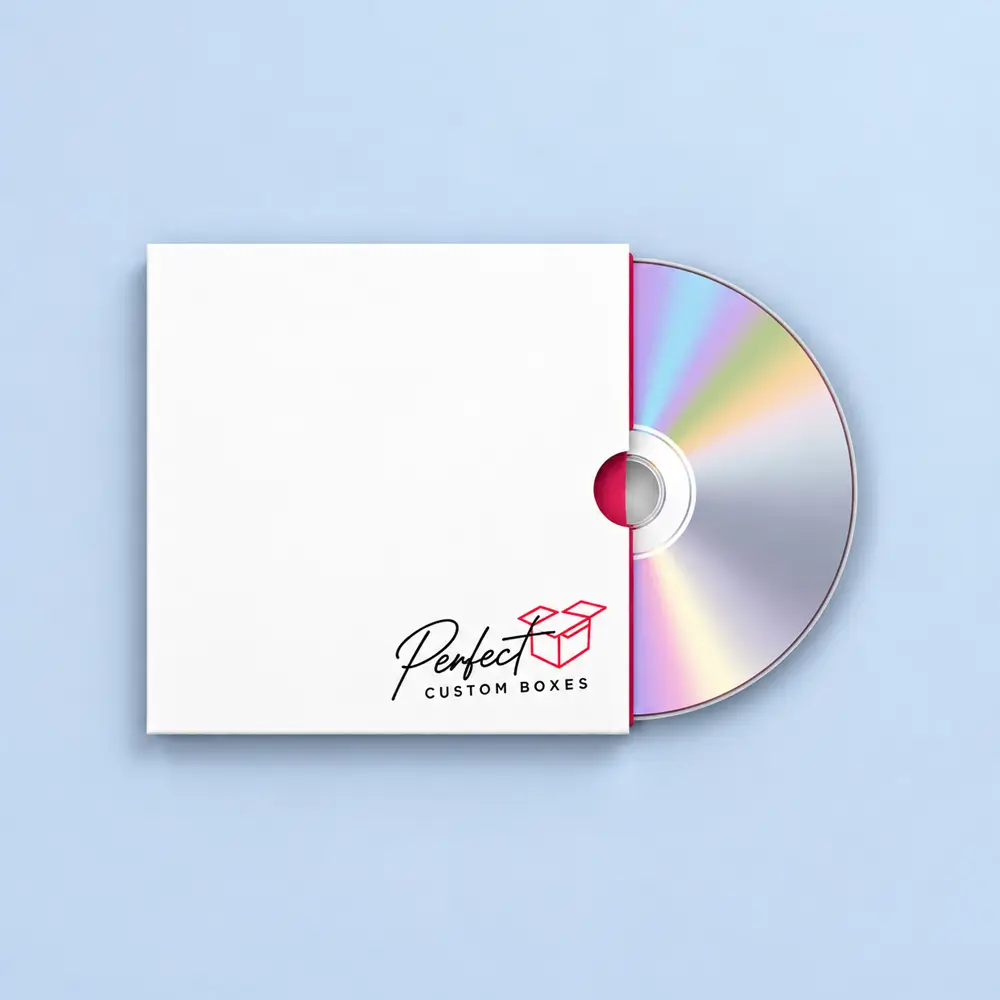 Cd Jacket
 Kraft Boxes
 Corrugated Boxes
 Cardstock Boxes
 Rigid Boxes
 Eco Friendly Packaging
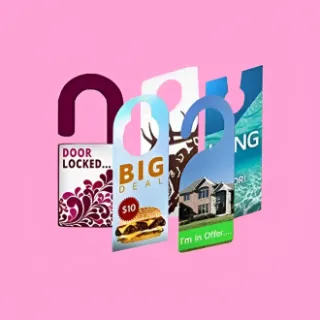 CMYK Printing
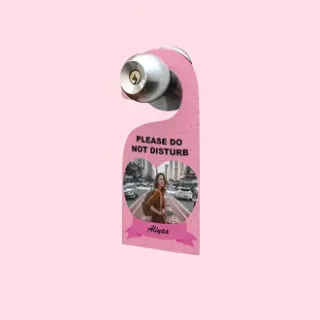 PMS Printing
 Matte Finish
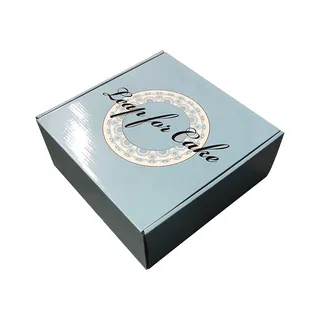 Gloss Finish
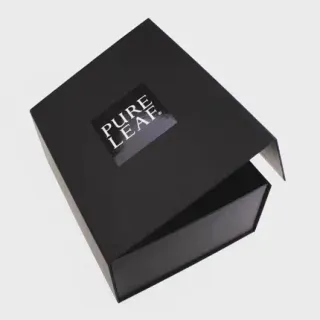 Soft Touch
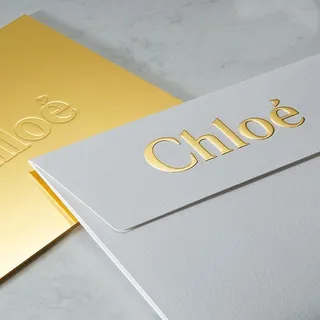 Foil Stamping
 Spot UV
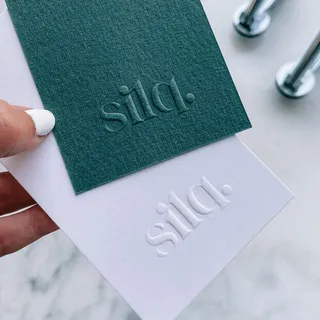 Embossing
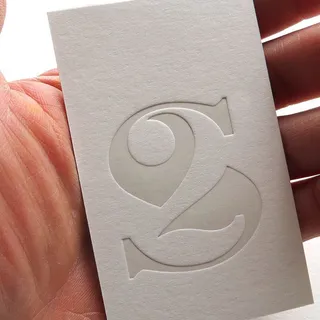 Debossing
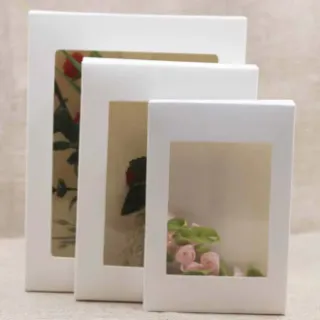 Window Cutouts
Box Size Guide
The right box size protects your product, looks better on the shelf and costs less to ship. This guide explains how box sizes are written, how to measure any product and how much room to leave, with a calculator that works out your box size for you.
On this page
Key Points
- Box sizes are written as length × width × depth, measured from the side that opens.
- Give the inside size when ordering a custom box. Carriers use the outside size for shipping.
- Measure your product at its widest points, then add room for the fit, insert or padding.
- A box sized close to your product protects it better and usually costs less to ship.
How Box Sizes Are Written
Every box size is written as three numbers in a fixed order: Length × Width × Depth. The order is set by the opening of the box, the side your product goes in through.
Length is the longer side of the opening, width is the shorter side, and depth runs from the opening down to the base. Select a dimension to see where it is measured.
Length
The longer side of the opening. It always comes first.
Width
The shorter side of the opening, at right angles to the length. If the opening is square, length and width are the same.
Depth
The distance from the opening to the base. On a tall product box it is the height; on a flat mailer box it is how deep the box is.
Why the box style matters
Because the opening sets the order, the biggest number is not always first. A tuck end box opens at its narrow end, so a tall bottle box might be 2 × 2 × 6 in, with the largest number last. A mailer box opens across its widest face, so a flat mailer might be 6 × 4 × 2 in. Always state the box style with your size. Not sure which style you need? See our Box Styles Guide.
Inside vs Outside Size
Board has thickness, so every box has two sizes. The inside size is the space available for your product. The outside size is the finished box measured from the outside, and it is larger by roughly twice the board thickness on each dimension.
- Use the inside size when you order a custom box. We build the box around that space.
- Use the outside size for shipping, storage and pallet planning. Carriers measure the outside.
How much each material adds
| Material | Approximate thickness | Outside size grows by about |
|---|---|---|
| Paperboard, 12pt to 24pt | 0.012 to 0.024 in (0.3 to 0.6 mm) | Under 1/16 in (1 mm) per dimension |
| Corrugated E-flute | About 1/16 in (1.5 mm) | About 1/8 in (3 mm) per dimension |
| Corrugated B-flute | About 1/8 in (3 mm) | About 1/4 in (6 mm) per dimension |
| Corrugated C-flute | About 5/32 in (4 mm) | About 5/16 in (8 mm) per dimension |
| Double wall corrugated | About 1/4 in (6 to 7 mm) | About 1/2 in (12 to 14 mm) per dimension |
| Rigid board | About 1/16 to 1/8 in (1.5 to 3 mm) | About 1/8 to 1/4 in (3 to 6 mm) per dimension |
Typical values for planning. Thickness varies by board grade. For stock options, see Materials & Finishes and the Paper Weight / GSM Chart.
Measuring Your Product
Measure the product itself, not its old packaging, with a ruler or calliper on a flat surface. Measure it exactly as it will go into the box: with its cap, pump or lid on, and with any sleeve, tag or accessory that ships with it. Measure at the widest and tallest points. How you measure depends on the shape, so select yours.
Rectangular products
Boxes, cartons, books and most packaged goods.
- Measure the longest side as length and the shorter side as width.
- Measure depth from the base to the highest point.
- Round up to the next 1/16 in (or 1 mm), never down.
Round products
Jars, bottles, candles and tubes.
- Measure across the widest part of the body. This is both the length and the width.
- Measure the full height, including the lid, cap or pump.
- A square box holds round products best, so length and width are usually the same.
Irregular products
Shoes, tools, devices and anything without straight sides.
- Picture the smallest rectangle the product fits into, and measure that.
- Include handles, spouts, triggers and anything that sticks out.
- Measure at the widest point on each side.
Multiple items
Gift sets, kits and multi-packs.
- Arrange the items the way they will sit in the box.
- Measure the whole group as one shape.
- Add the space dividers or an insert will need between items.
How Much Room to Leave
A box that is too tight bulges, scuffs the product and is hard to pack. A box that is too loose lets the product move in transit, needs more fill and costs more to ship. The right gap depends on how the product is held inside, and how fragile it is.
| Packing method | Best for | Add to the product size |
|---|---|---|
| Snug fit | Retail cartons where the product holds its shape | About 1/8 in (3 mm) per dimension |
| With an insert | Bottles, jars and sets held in place | The insert thickness on both sides of each dimension it surrounds |
| With padding | Items shipped with wrap or fill | The padding thickness on every side, often about 1/2 in (12 mm) per side |
| Fragile items | Glass, ceramics and electronics | About 1 in (25 mm) per side, filled with a fitted insert so the product cannot move |
Heavier products need more than room. Choose a stronger board, such as corrugated instead of paperboard, so the box holds its shape under the weight. See Materials & Finishes for board options.
Worked example
A round 8 oz candle measures 3 in across and 3.5 in tall with its lid. It will sit in a paperboard insert with 1/4 in walls around it and a 1/4 in base under it.
| Step | Length | Width | Depth |
|---|---|---|---|
| Product size | 3 in | 3 in | 3.5 in |
| Add the insert | + 0.5 in | + 0.5 in | + 0.25 in |
| Inside size to order | 3.5 in | 3.5 in | 3.75 in |
Does your fill change the box size?
Some protection takes up fixed space and has to be added to the size. Loose fill simply fills whatever gap is left.
| Protection | Add it to the box size? |
|---|---|
| Custom inserts and dividers | Yes. Add the insert walls around the product. |
| Molded pulp or foam trays | Yes. Size the box around the tray, not the product. |
| Paper nest or shred used as a bed | Yes, if you want a set depth of it under or around the product. |
| Tissue paper | Usually no. It folds into a very small space. |
| Paper fill, bubble wrap or air pillows | Plan a set gap, often about 1/2 in per side, and let the fill take up the space. |
These are common starting points. Our team checks the fit on your digital proof before anything is made.
Box Size Calculator
Enter your product size and how it will be packed. The calculator applies the allowances above and shows the inside size to order and the approximate outside size for shipping.
Popular Box Sizes
These are common starting sizes, shown as inside dimensions. They are examples, not fixed standards: every box we make is built to your size, so measure your own product before ordering.
| Size (L x W x D) | Common use |
|---|---|
| 6 x 4 x 2 in | Jewelry, cosmetics, small accessories |
| 9 x 6 x 3 in | Skincare sets, candles, small apparel |
| 10 x 8 x 4 in | Subscription boxes, PR kits |
| 12 x 9 x 4 in | Apparel, shoes, larger gift sets |
| 14 x 10 x 4 in | Hoodies, bundles, home goods |
| Size (L x W x D) | Common use |
|---|---|
| 1 x 1 x 3.5 in | Lipstick, lip balm, mascara |
| 1.5 x 1.5 x 4.5 in | 30 ml dropper bottle, serum |
| 2.5 x 2.5 x 2.25 in | 50 ml cream jar |
| 3.5 x 2.5 x 1.25 in | Bar soap |
| 3.25 x 3.25 x 4 in | 8 oz candle jar |
Box Size and Shipping Cost
Carriers often charge by dimensional weight, a billing weight worked out from the outside size of the box. They compare it with the actual weight and usually bill whichever is higher, so a large, light box is charged for the space it takes up.
Dimensional weight is the outside volume divided by the carrier's divisor. Here is the same 2 lb product shipped in two boxes, using a divisor of 139, which is common for US shipments:
| Oversized box | Right-sized box | |
|---|---|---|
| Outside size | 14 × 10 × 6 in | 10 × 8 × 4 in |
| Volume | 840 cu in | 320 cu in |
| Dimensional weight | 6.04 lb, billed as 7 lb | 2.30 lb, billed as 3 lb |
| Billable weight | 7 lb | 3 lb |
The smaller box is billed at less than half the weight, on every shipment. Divisors and rounding rules vary by carrier, service and account. To check your own box, use our dimensional weight calculator.
Some carriers also limit package size by length plus girth, where girth is twice the width plus twice the height. Very long boxes can reach these limits even when they are light.
Common Sizing Mistakes
Most boxes that do not fit come down to one of these.
| Mistake | How to avoid it |
|---|---|
| Giving the outside size as the inside size | Say clearly that your size is the inside size, which is what we build to. |
| Forgetting the insert or padding | Measure the product, then add the insert or padding thickness on each side. |
| Missing caps, pumps and handles | Measure at the tallest and widest points, including anything that sticks out. |
| Measuring the old packaging, not the product | Take the product out and measure it on its own, then add the room it needs. |
| Leaving too much room | Keep to about 1/8 in (3 mm) for a snug fit, or the thickness of your insert or padding. |
| Mixing up the order or units | Write length × width × depth in that order, measured from the opening, and always add in or mm. |
Sending Us Your Size
When you request a quote, include these details so we can draw your dieline correctly the first time:
Not sure of the size? Send us your product measurements, and our free in-house design support will recommend a box size and style. You can also preview your box in our free dieline tool.
Frequently Asked Questions
Should I give inside or outside dimensions?
Give the inside size for a custom box, since that is the space your product needs. Use the outside size when working out shipping costs.
Which side is the length?
Length is the longer side of the box opening, and width is the shorter side. Depth runs from the opening to the base.
How much space should I leave around my product?
About 1/8 in (3 mm) on each dimension for a snug retail carton. With an insert or padding, add its thickness on each side.
How do I measure a round product?
Measure across the widest part for the length and width, which are usually the same, and measure the full height including the lid or cap.
What happens if I give the wrong size?
A box that is too small will not close or will damage the product, and one that is too large lets it move and costs more to ship. Measuring carefully and checking the size on your proof catches most problems before production.
Does box size affect shipping cost?
Yes. Carriers often bill by dimensional weight, which comes from the outside size of the box. A box sized close to your product usually costs less to ship.
Can you recommend a box size for my product?
Yes. Send us your product size and how you want it packed, and our free in-house design support will suggest a box size and style.
What is the minimum order?
Orders start from 100 boxes, and there are no die and plate charges.
Get a Box Made to Your Size
Share your product size with our team and get a competitive, cost-effective custom packaging quote.