
 Serum Bottles
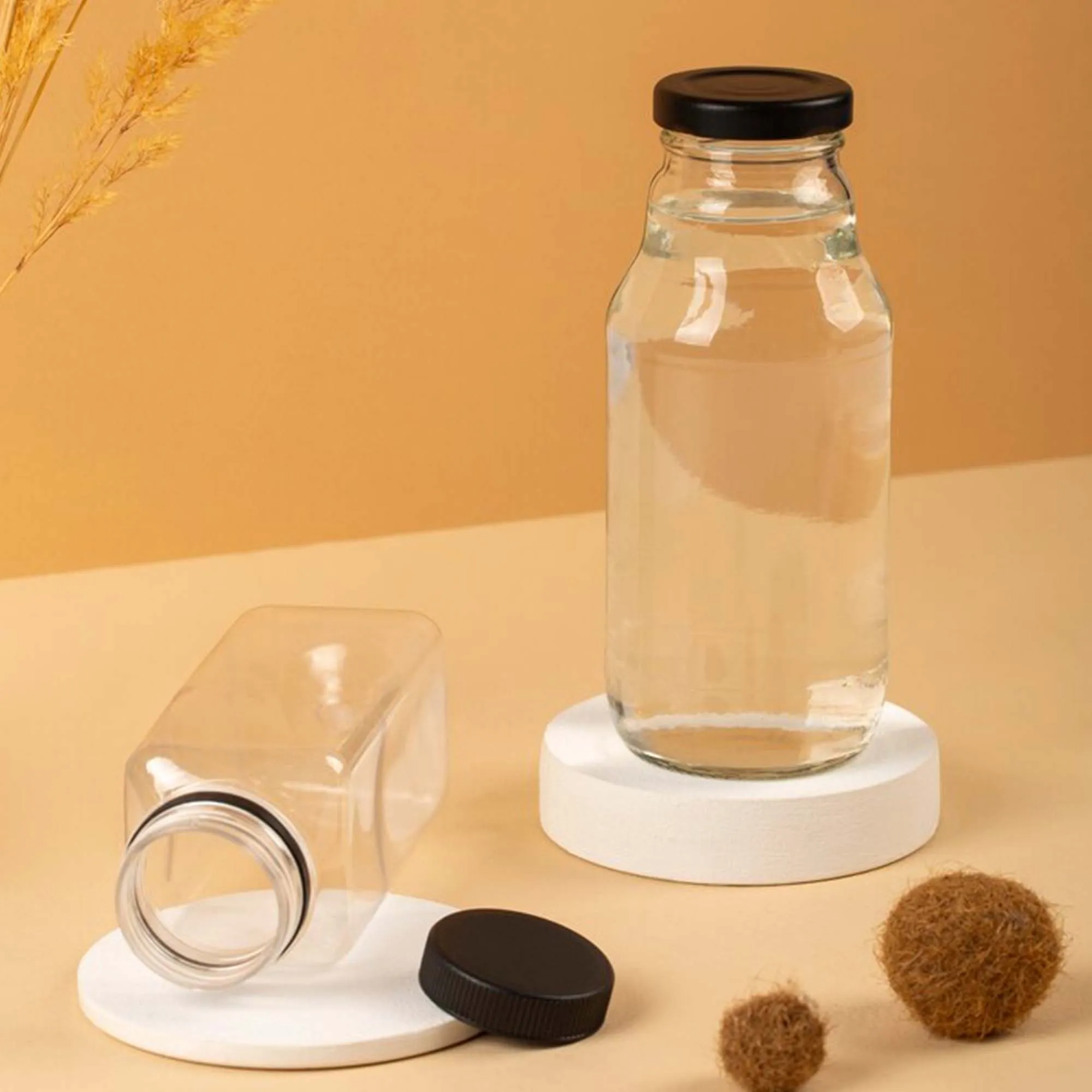 Clear Glass Bottles
 Lotion Bottles
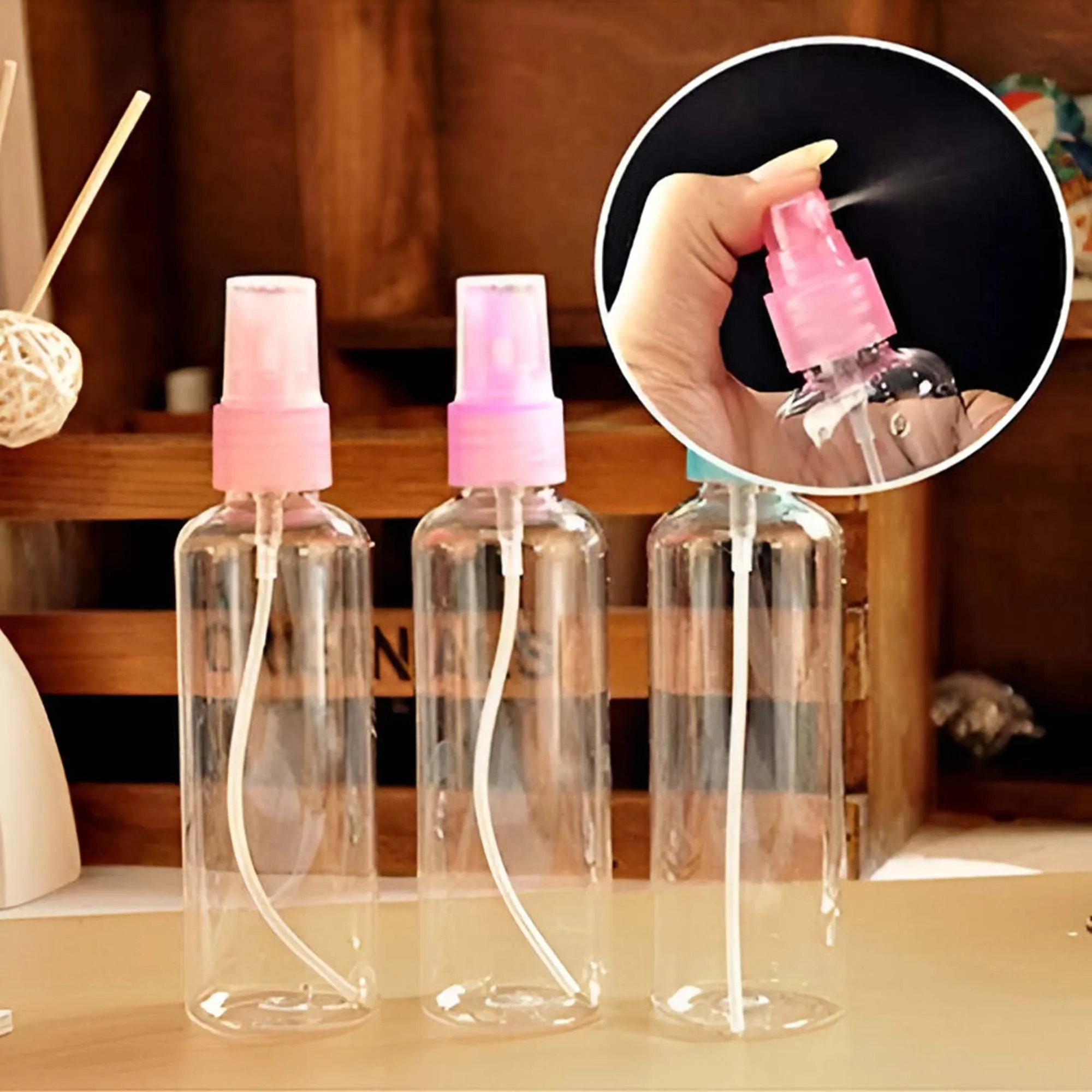 Plastic Bottles
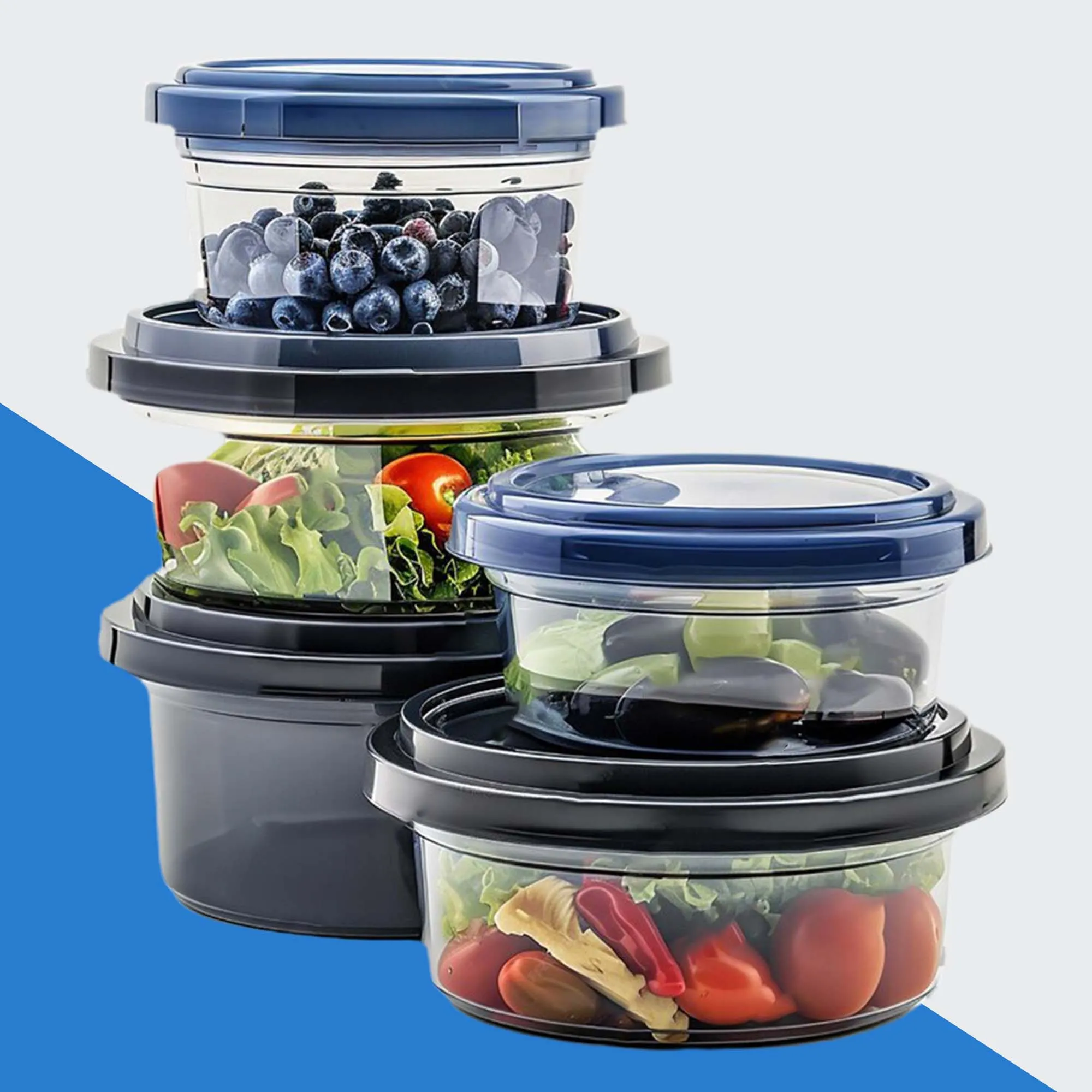 Food Storage Containers
 Lip Balm Tubes
 Metal Tins
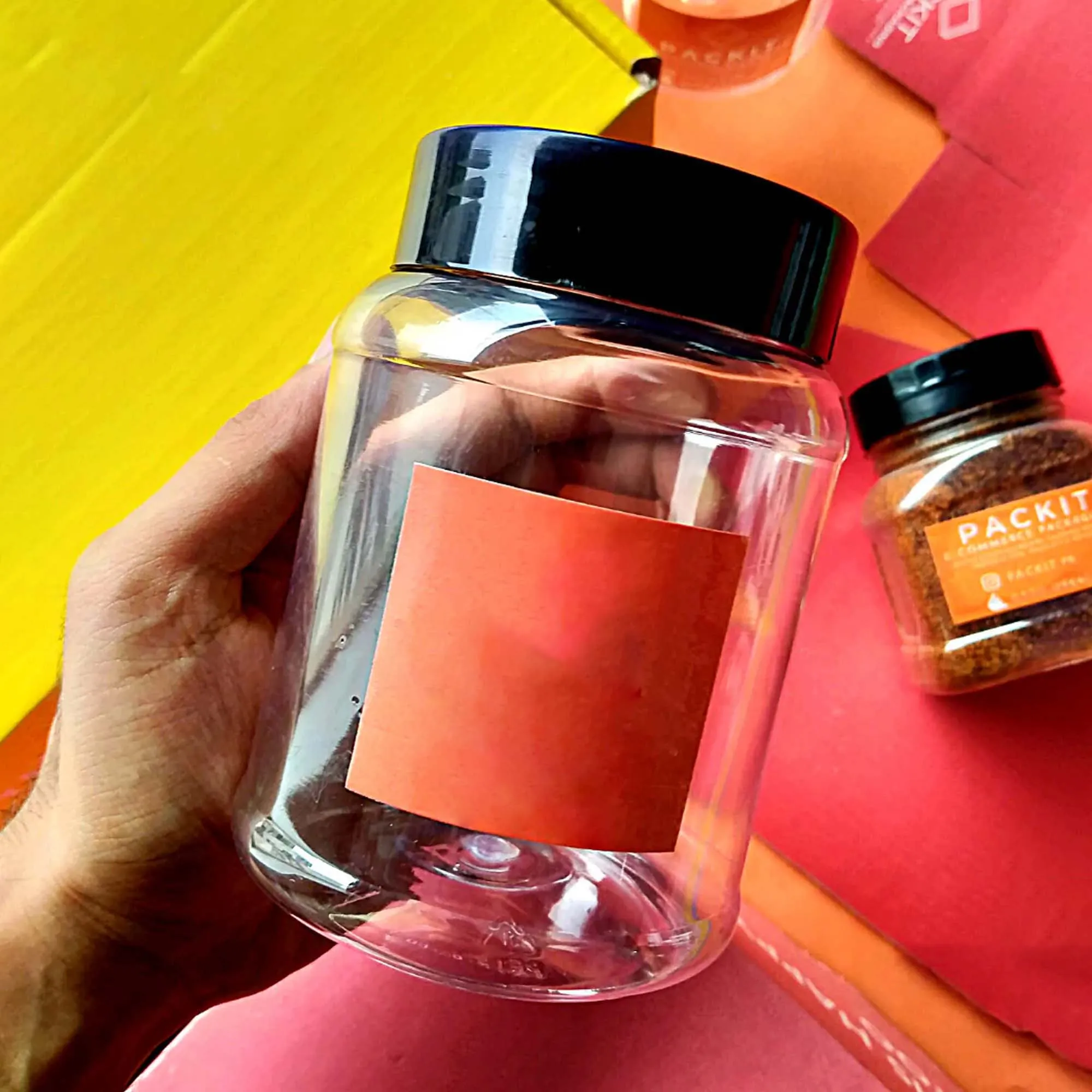 Plastic Jars
 Glass Jars
 Cosmetic Containers
 Black Acrylic Signs
 Clear Acrylic Signs
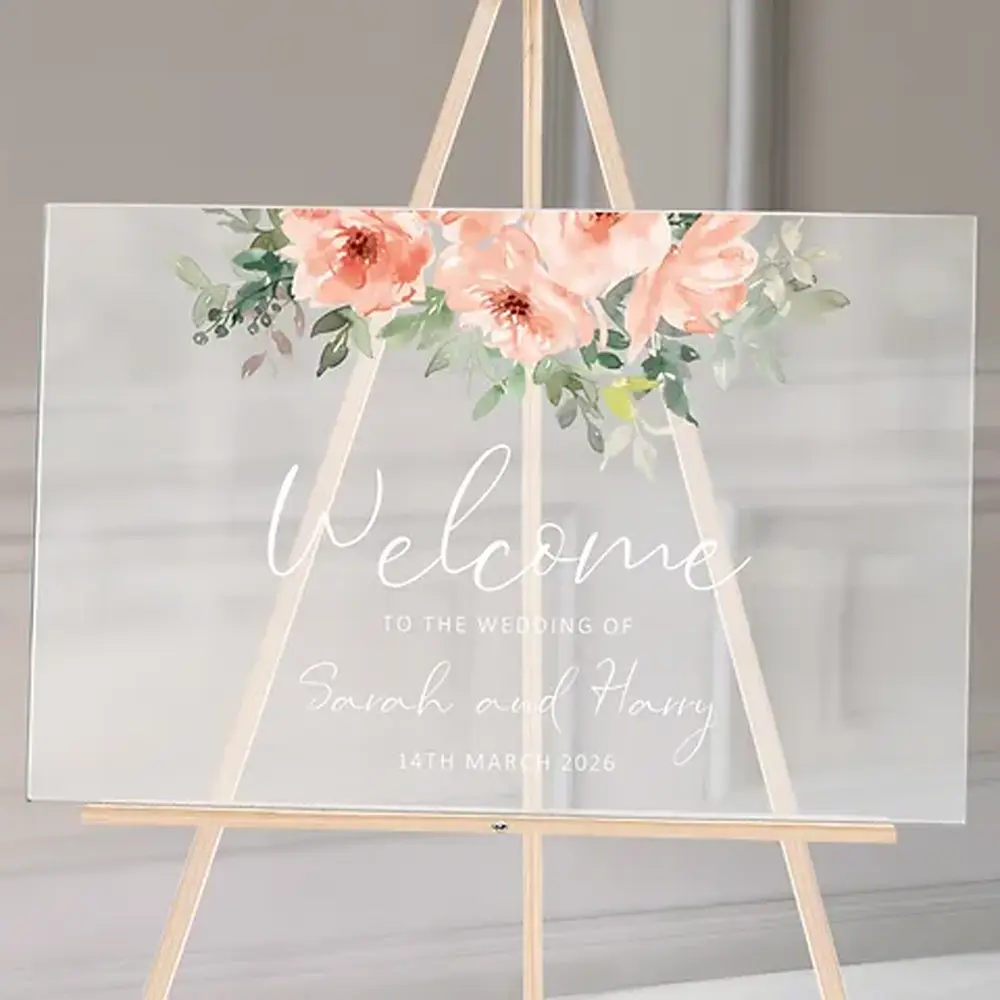 Frosted Acrylic Signs
 White Acrylic Signs
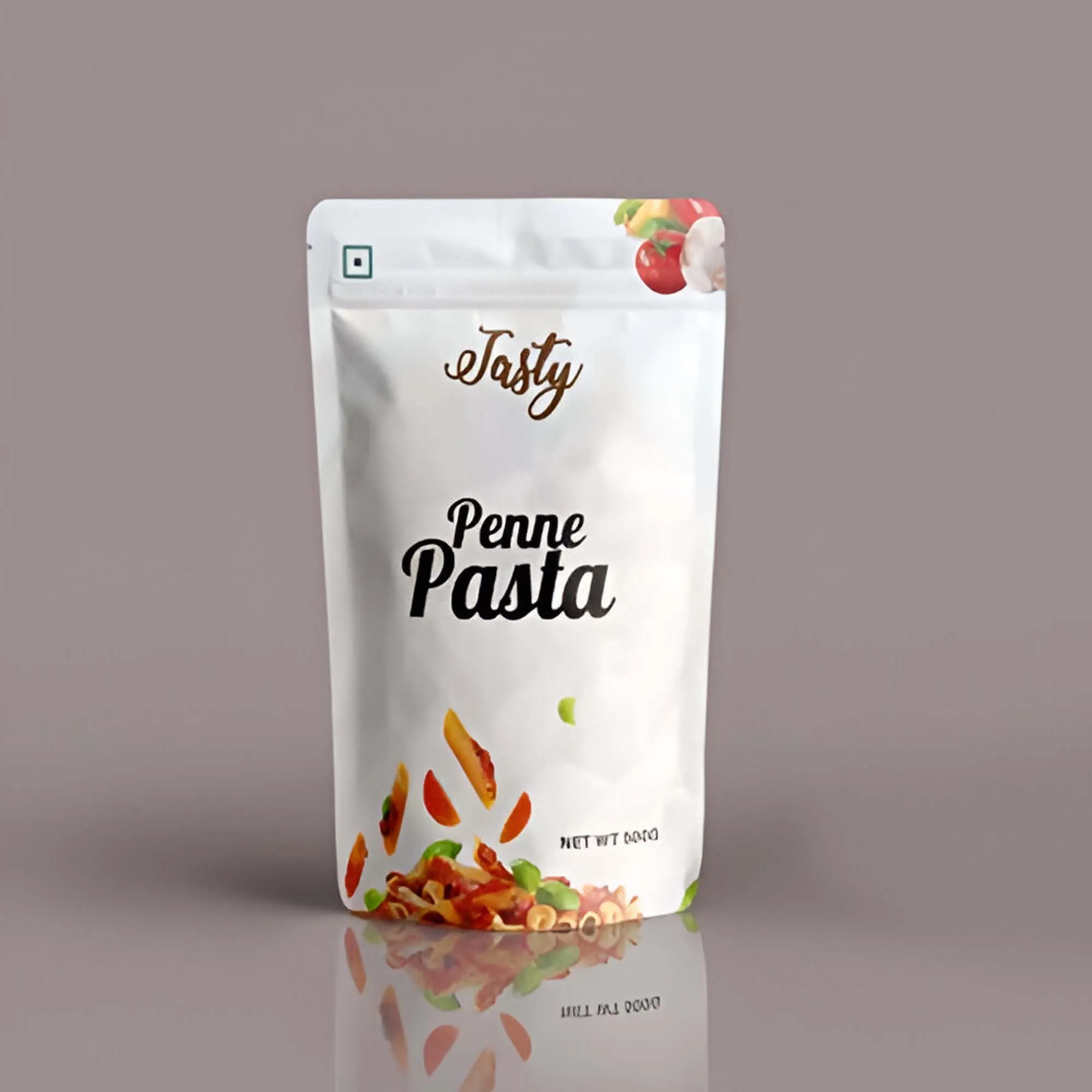 Aluminium Bags
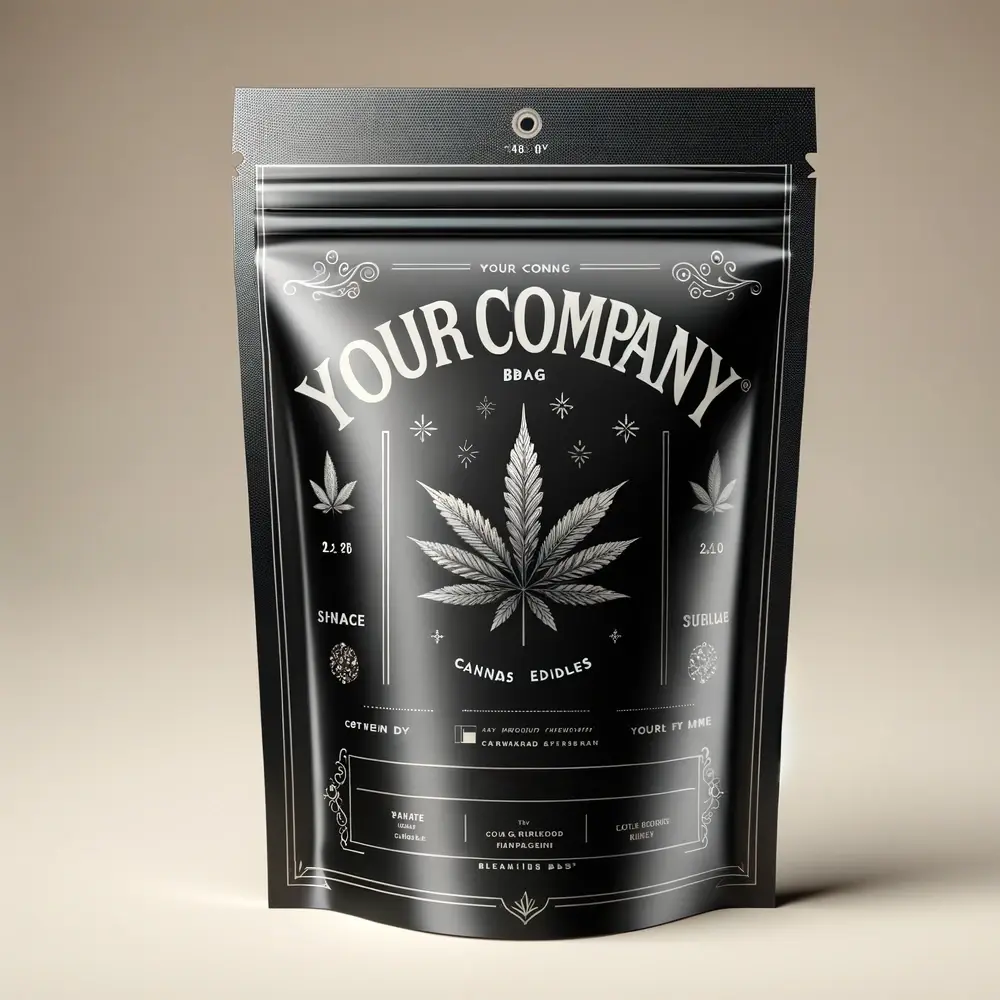 Black Mylar Bags
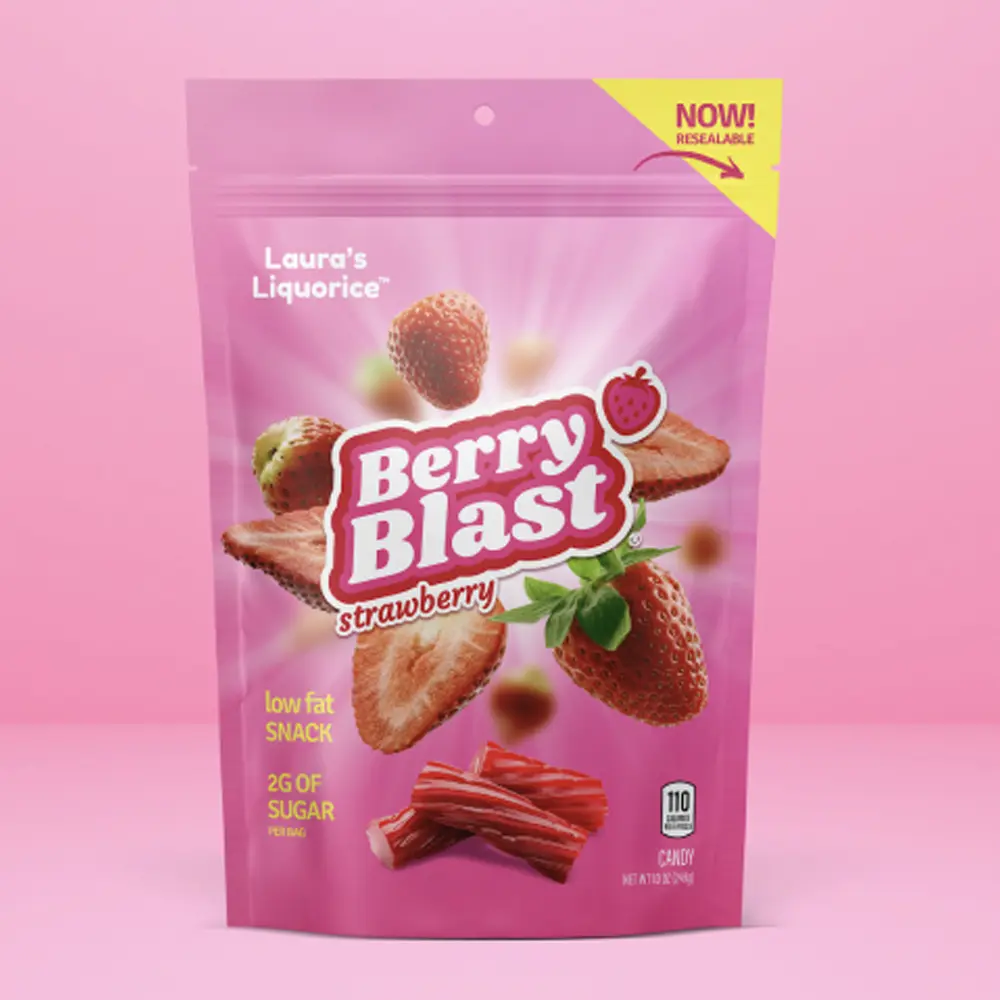 Candy Mylar Bags
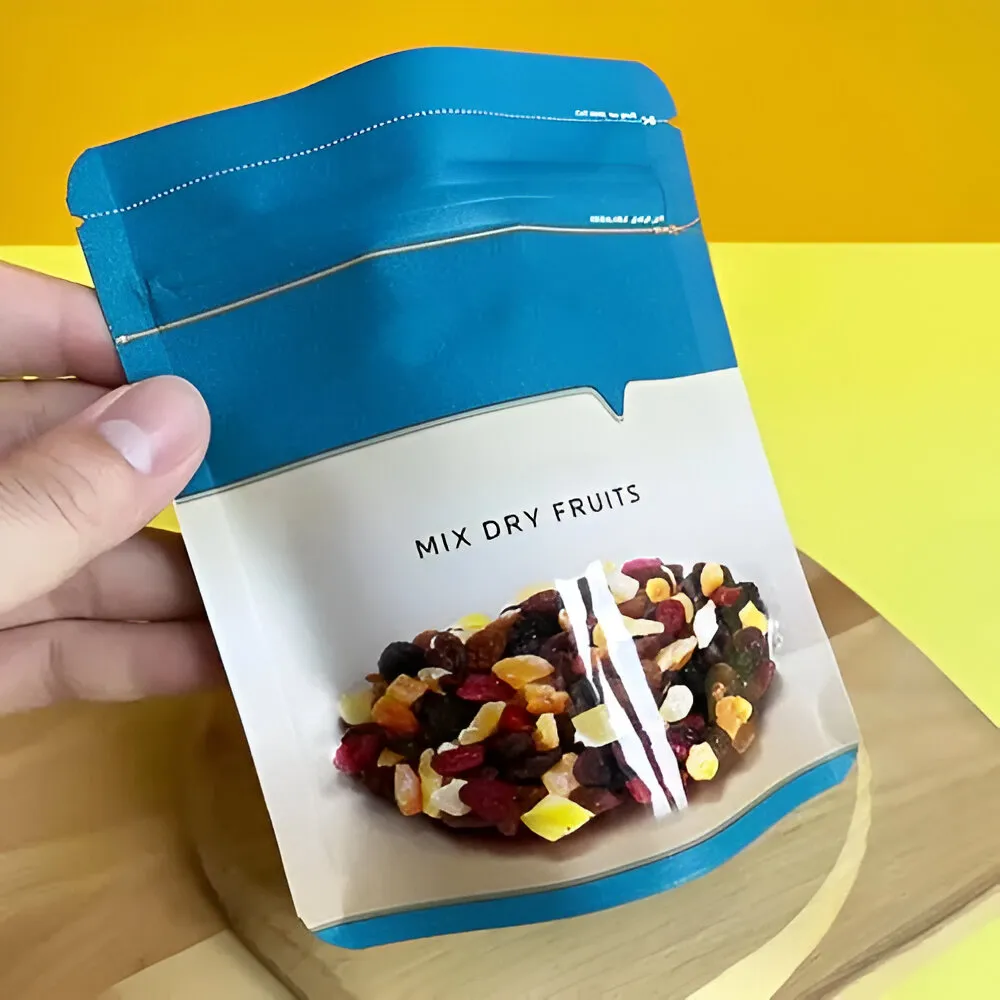 Child Resistant Mylar Bags
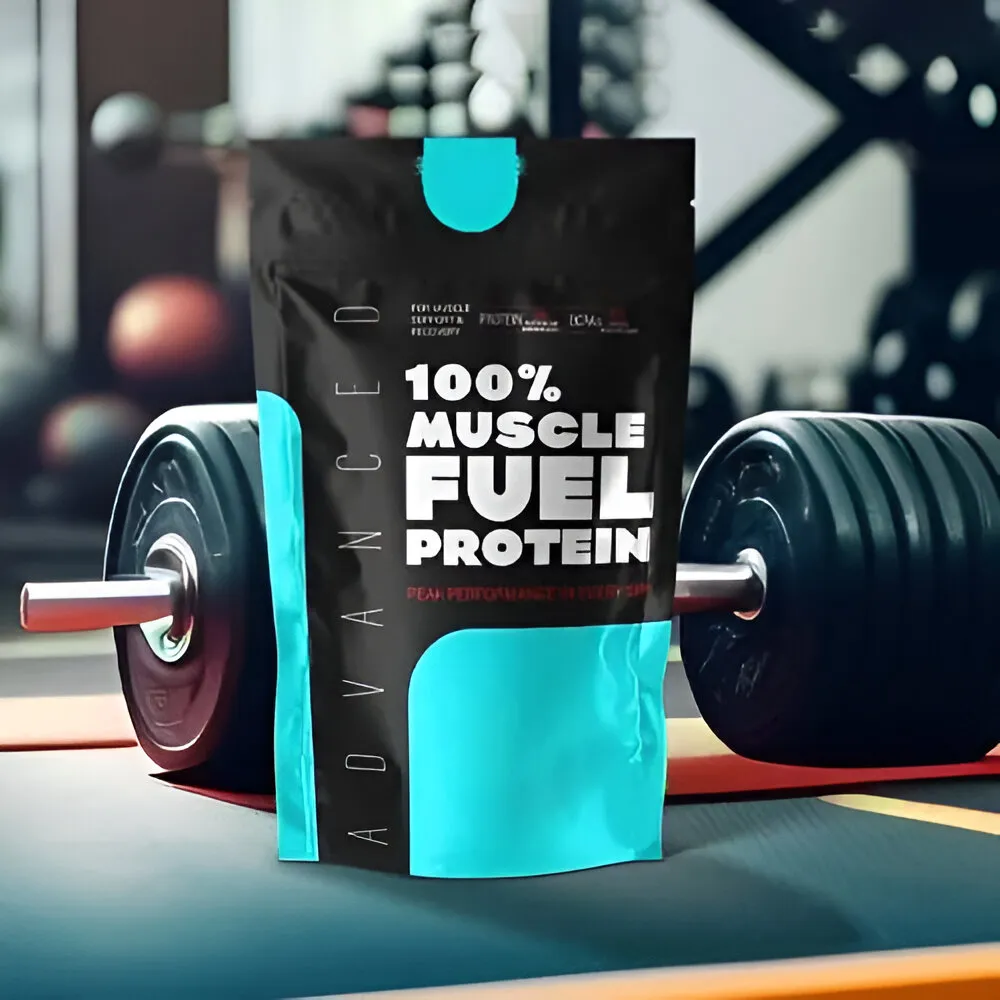 Custom Printed Mylar Bags
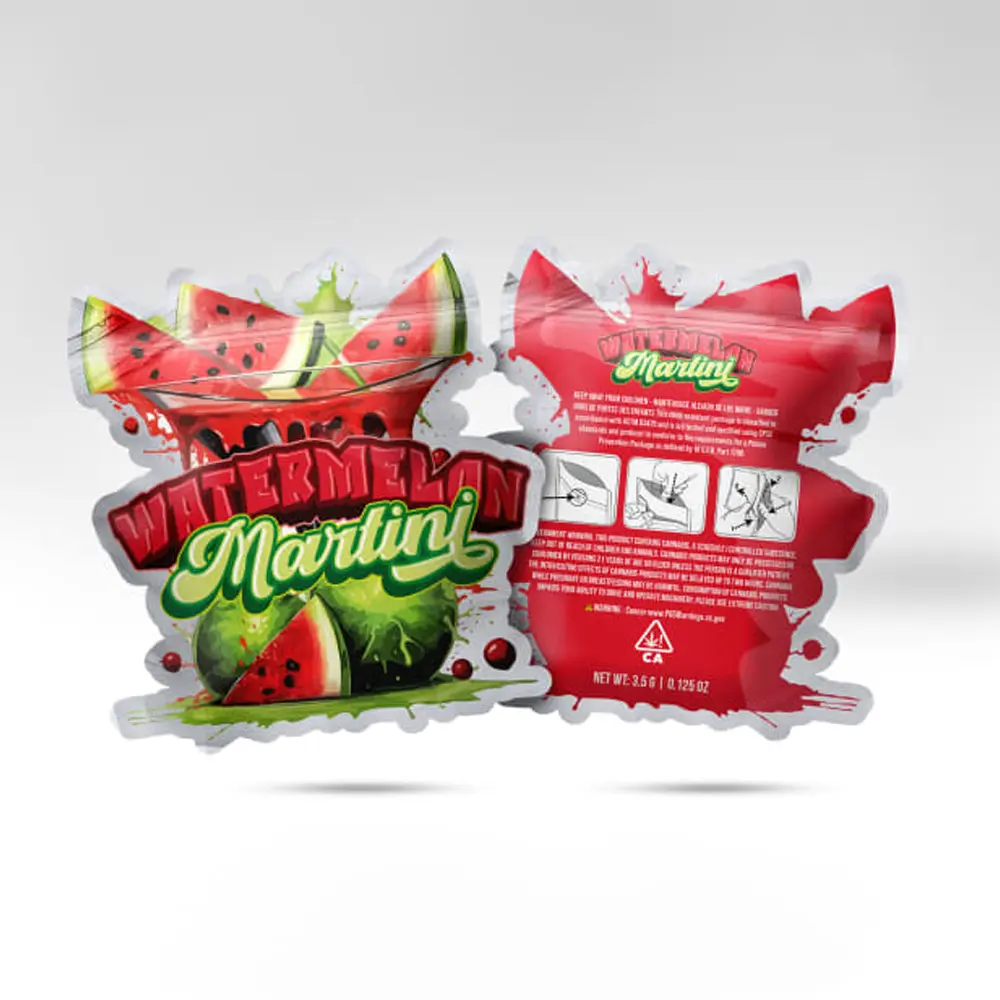 Die-Cut Mylar Bags
 Edible Mylar Bags
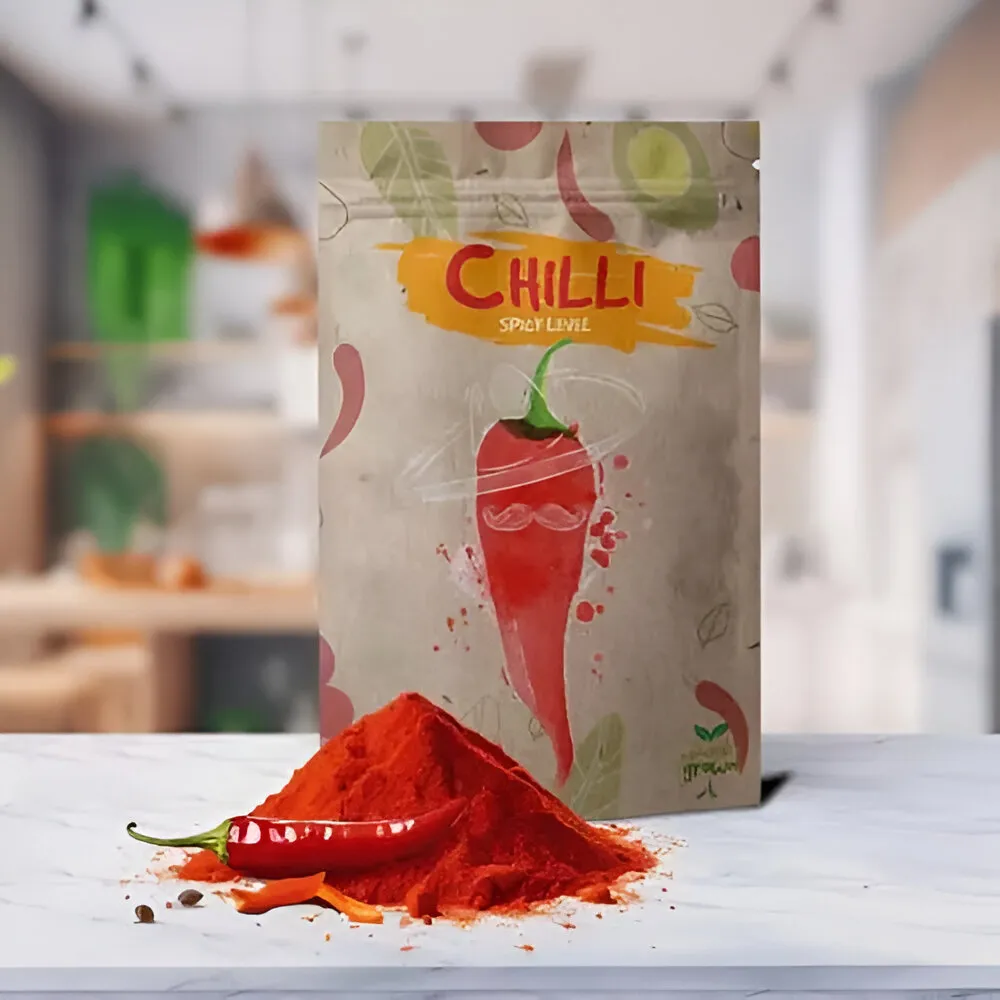 Food Pouches
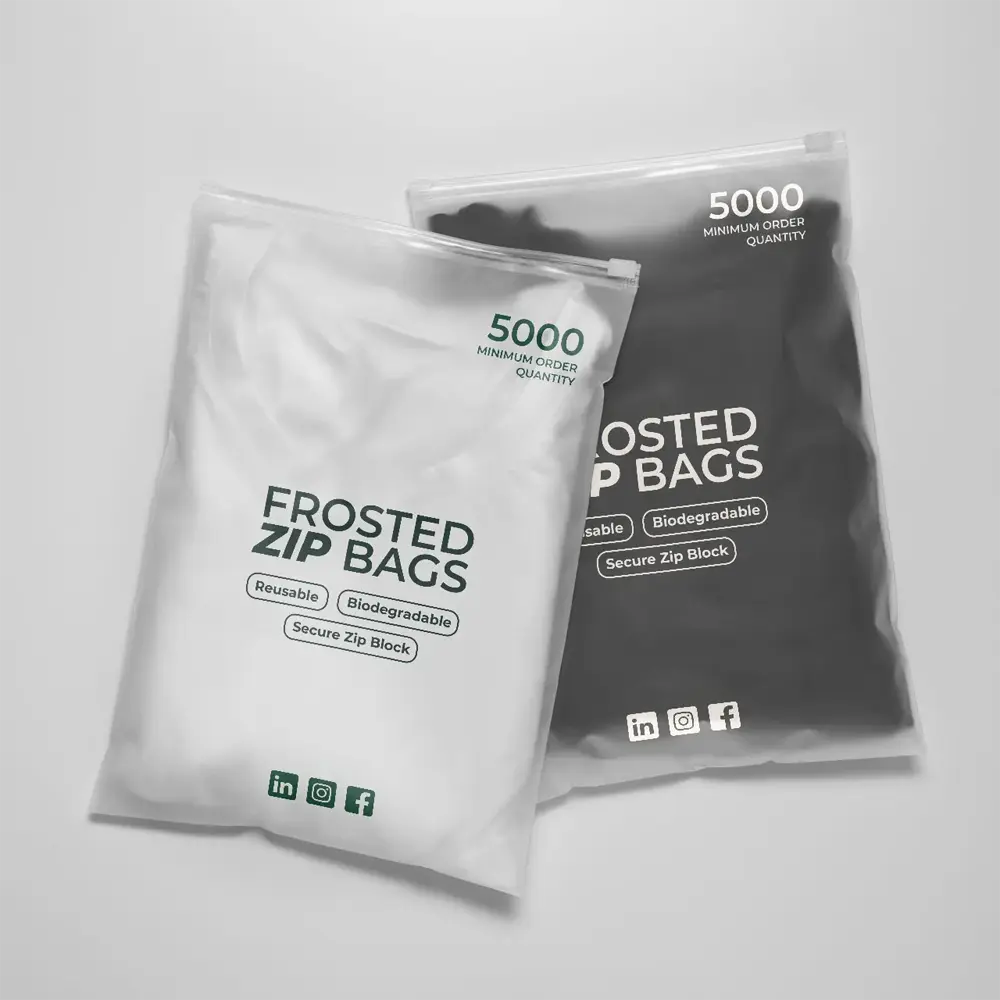 Frosted Bags
 Anti Aging Mask Boxes
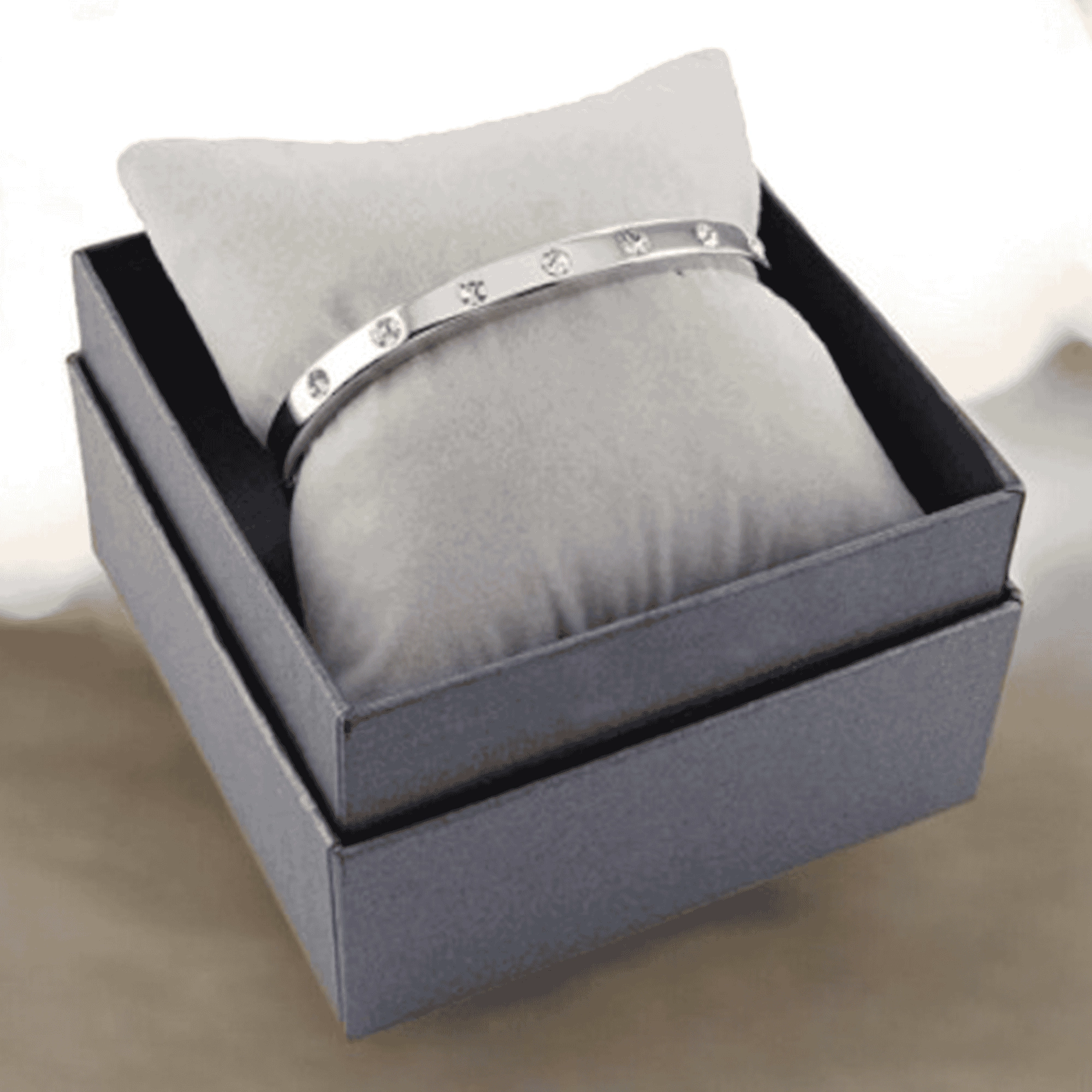 Bangle Boxes
 Concealer Boxes
 Contact Lens Boxes
 Cosmetic Cardboard Boxes
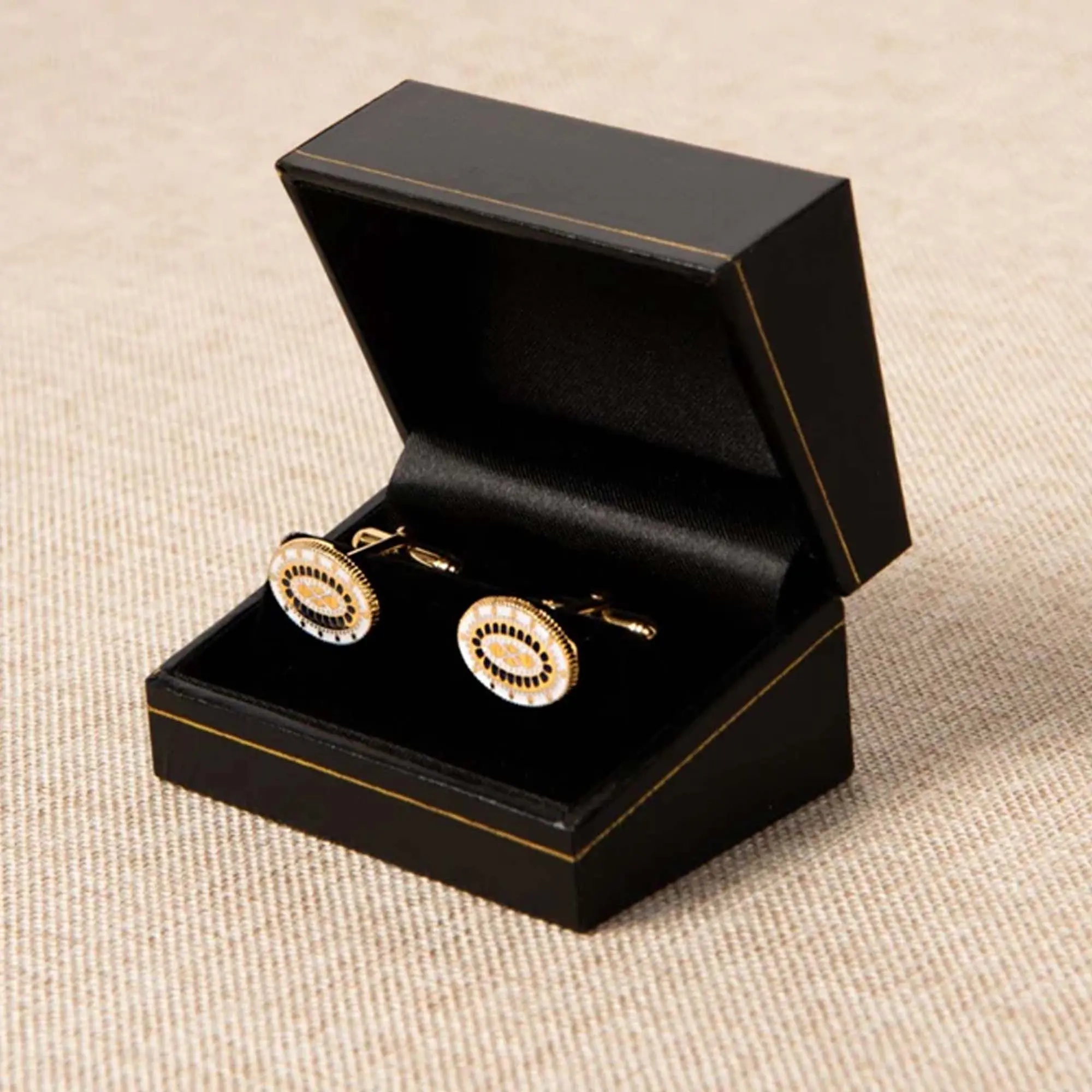 Cufflink Boxes
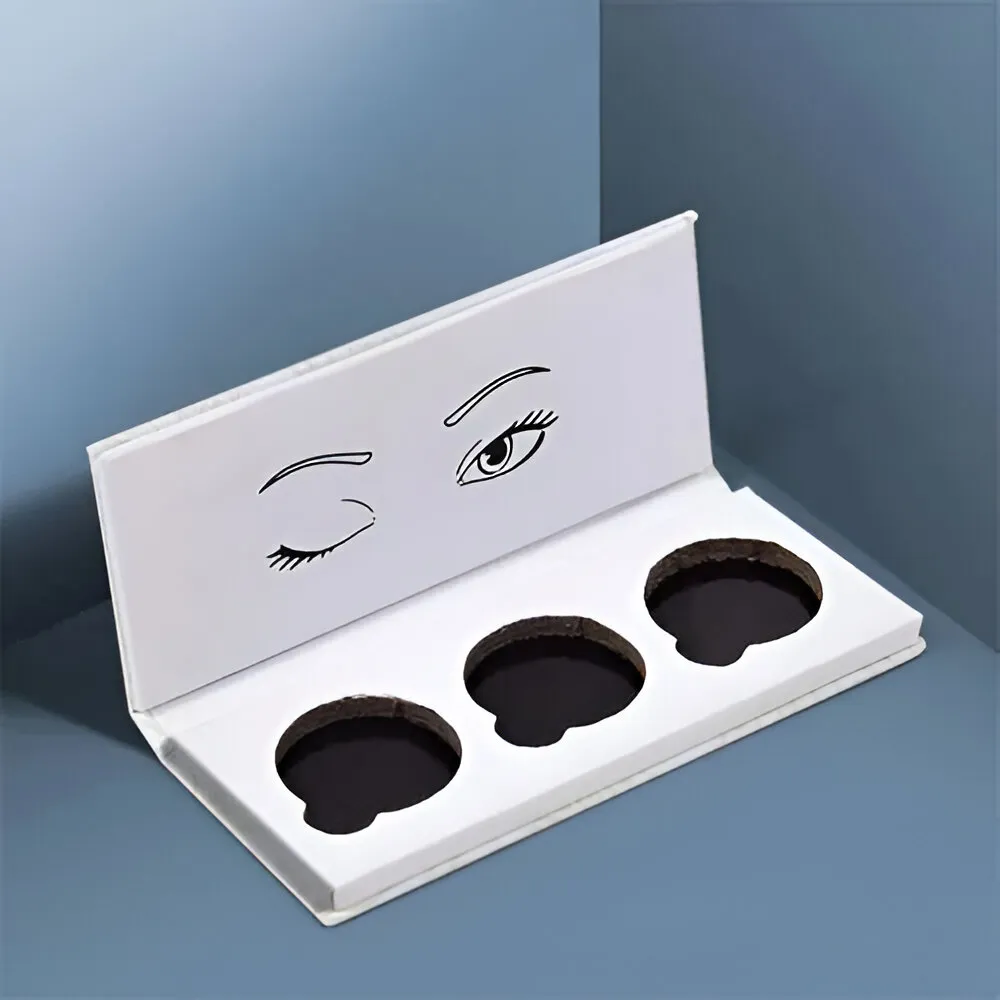 Custom Eye Shadow Packaging Boxes
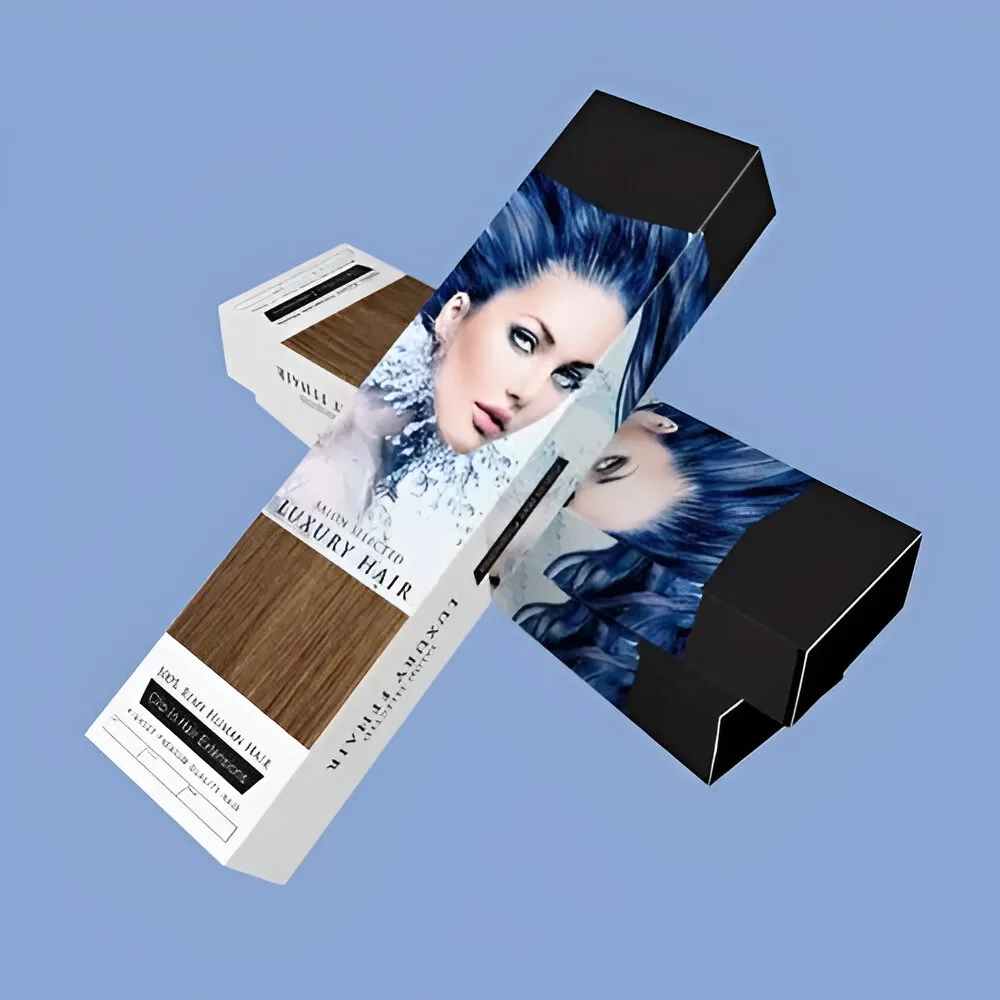 Custom Hair Color Boxes
 Custom Hair Spray Boxes
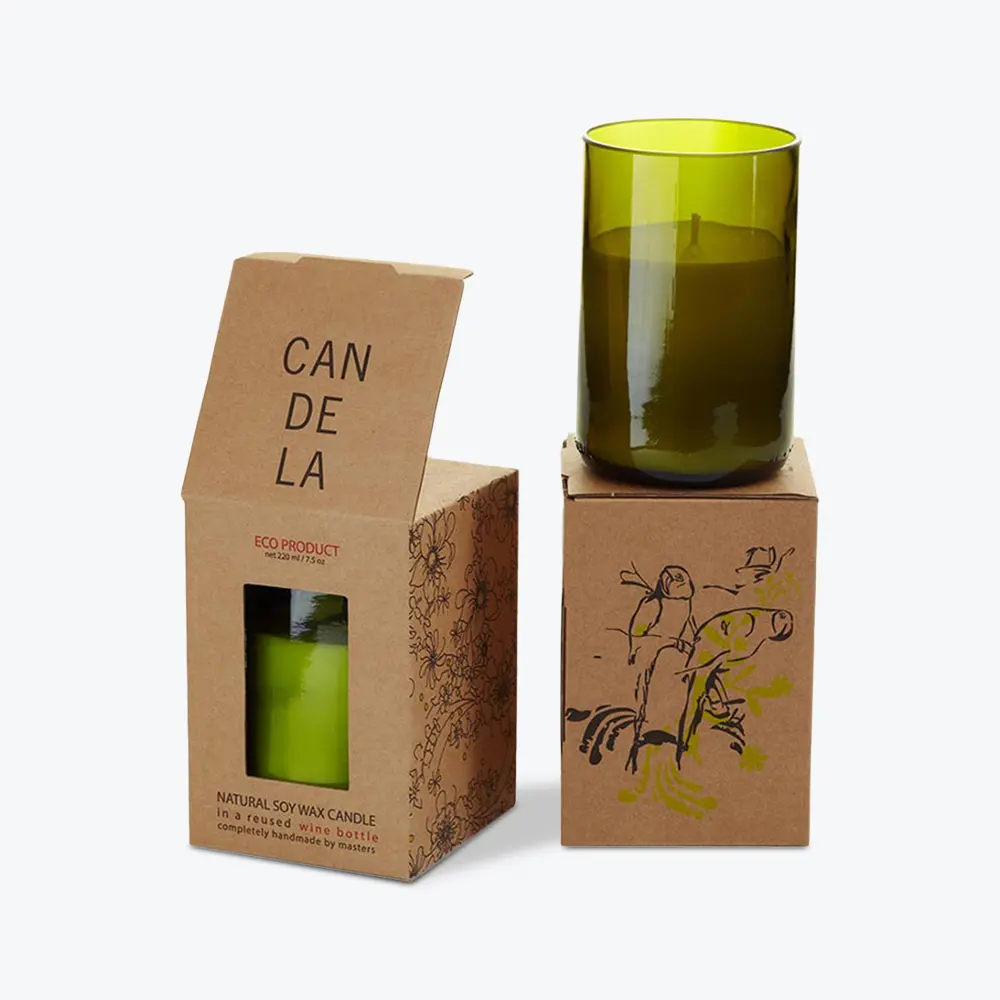 Candle Boxes with Window
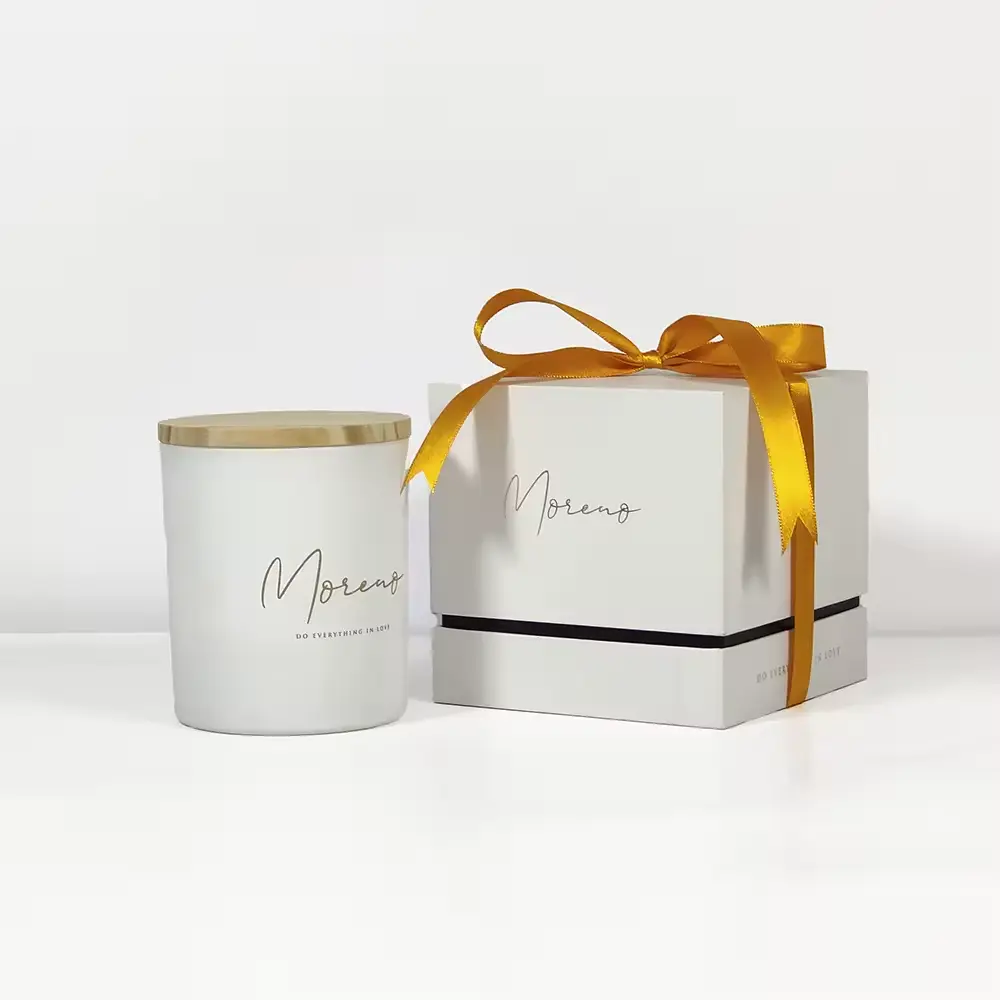 Candle Gift Boxes
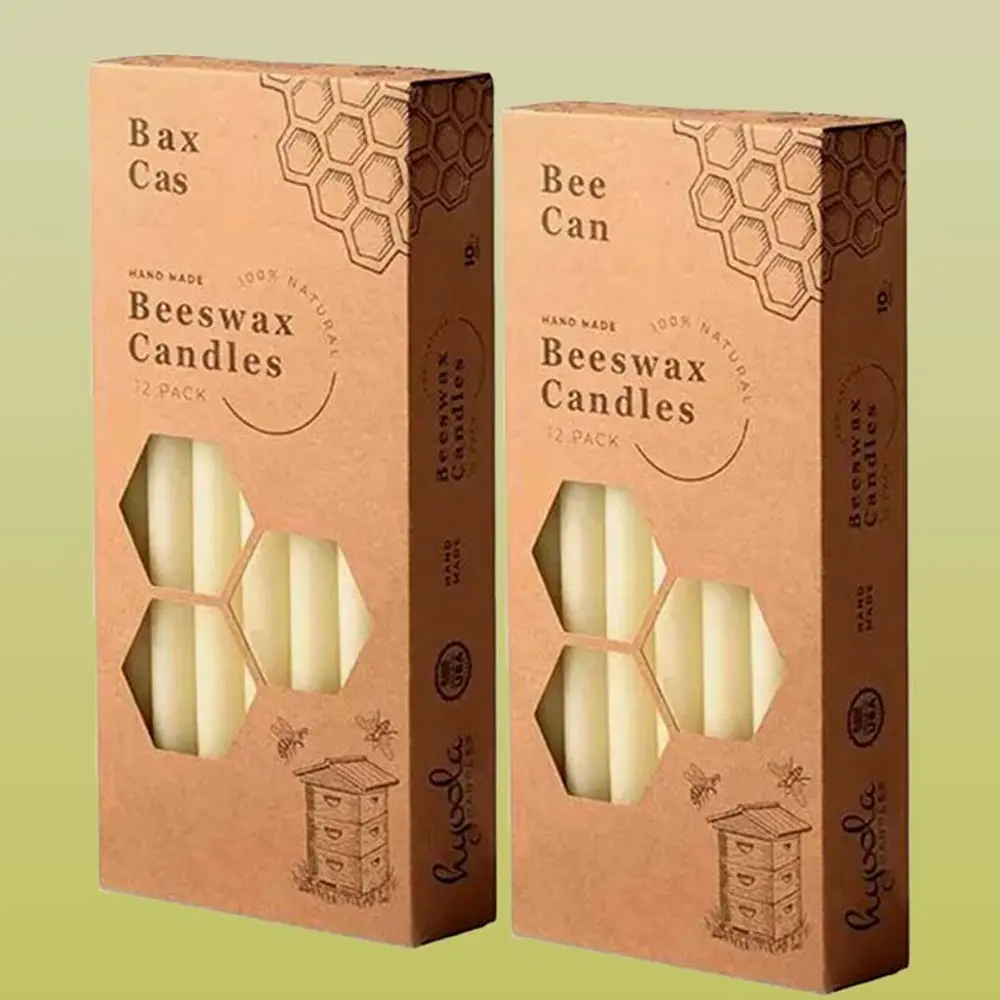 Candle Shipping Boxes
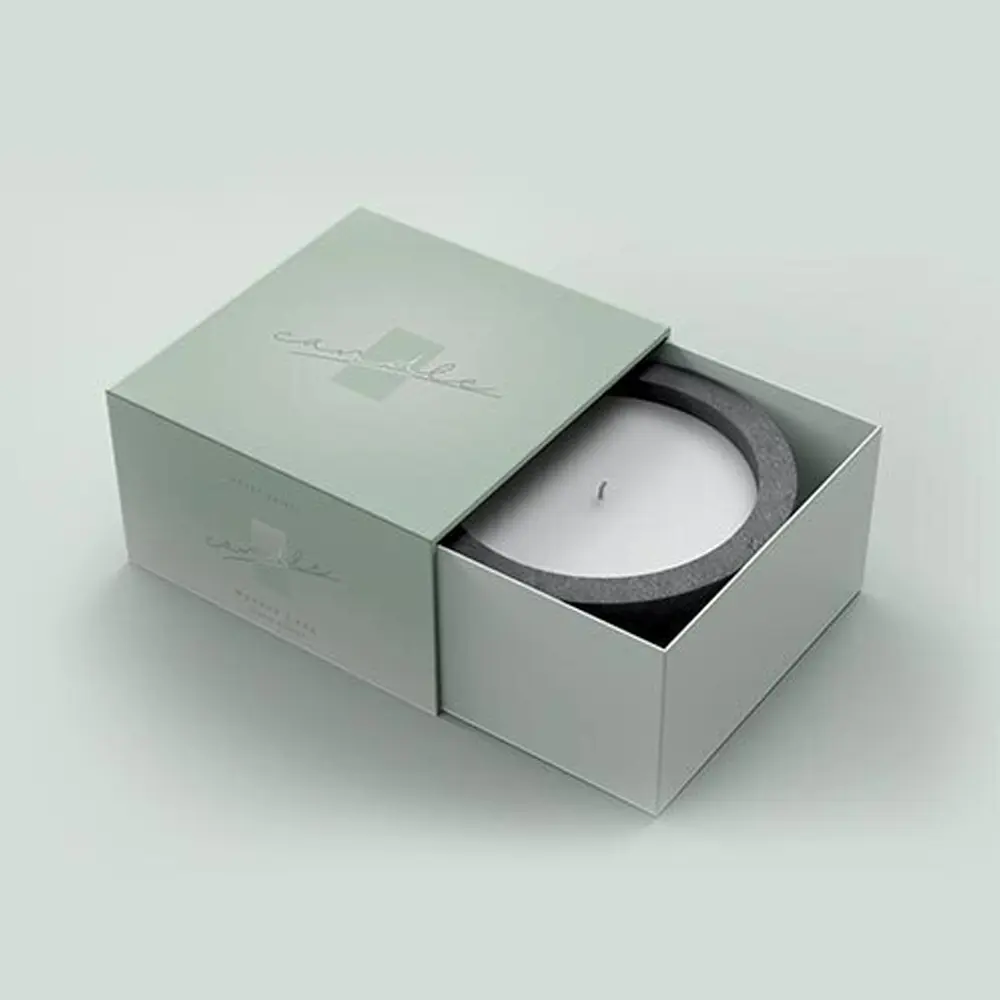 Candle Tray And Sleeve Boxes
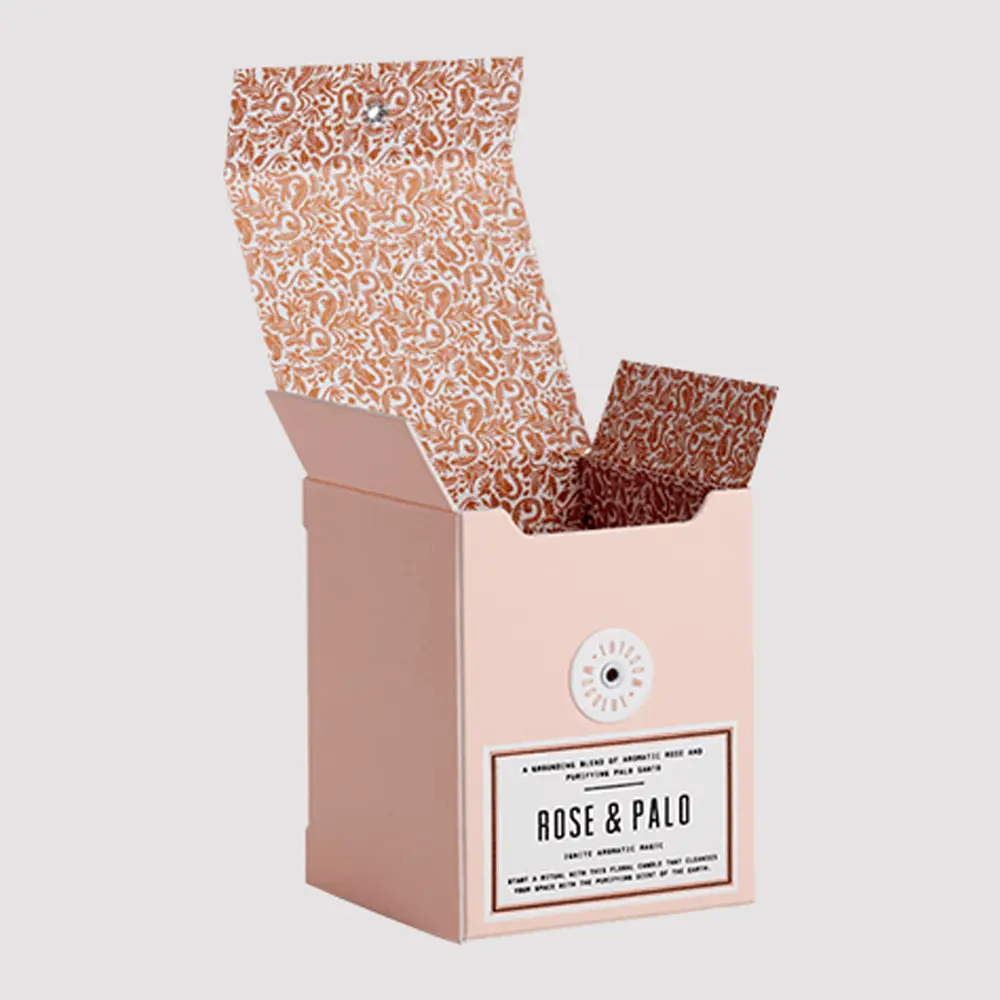 Cardboard Candle Boxes
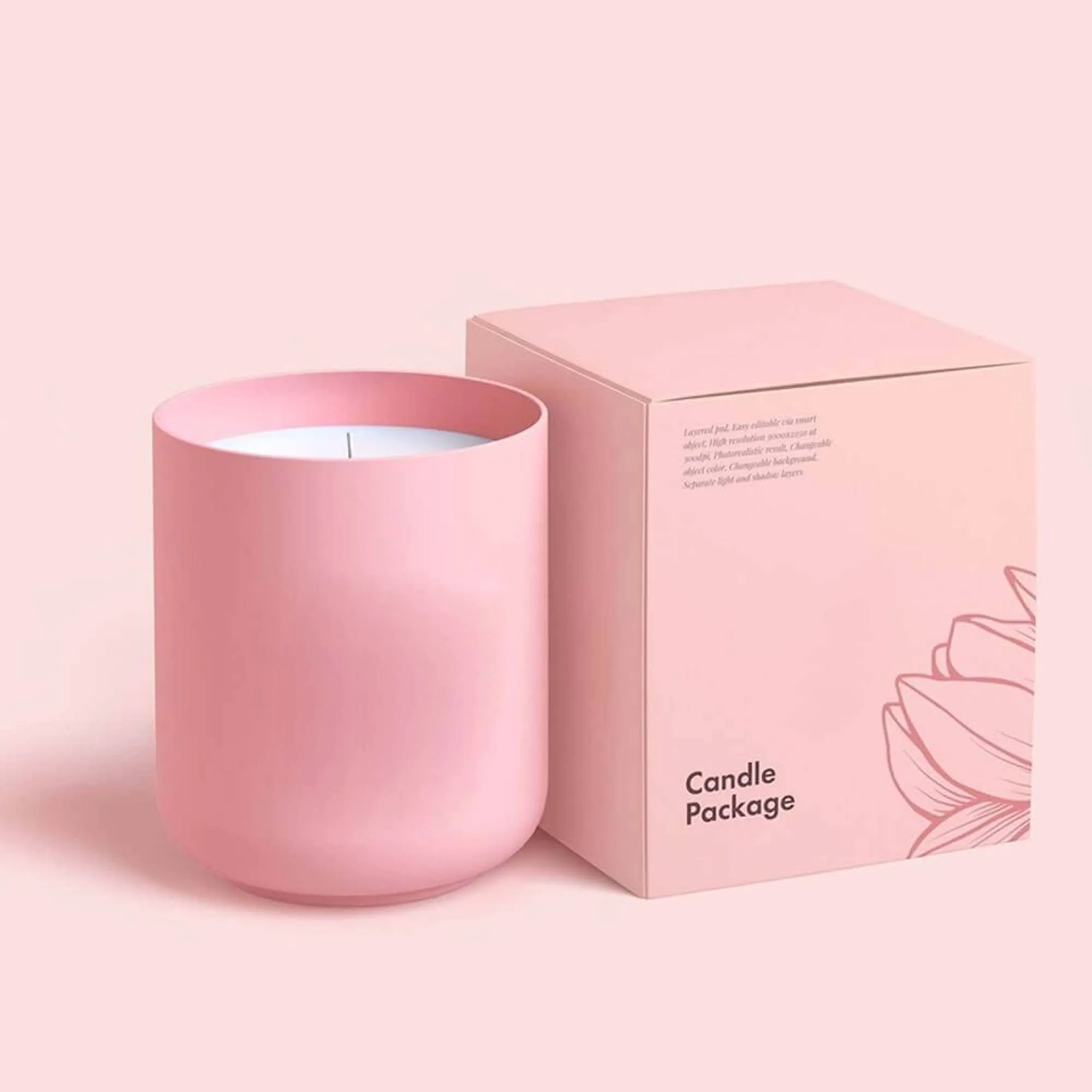 Custom Printed Candle Packaging Boxes
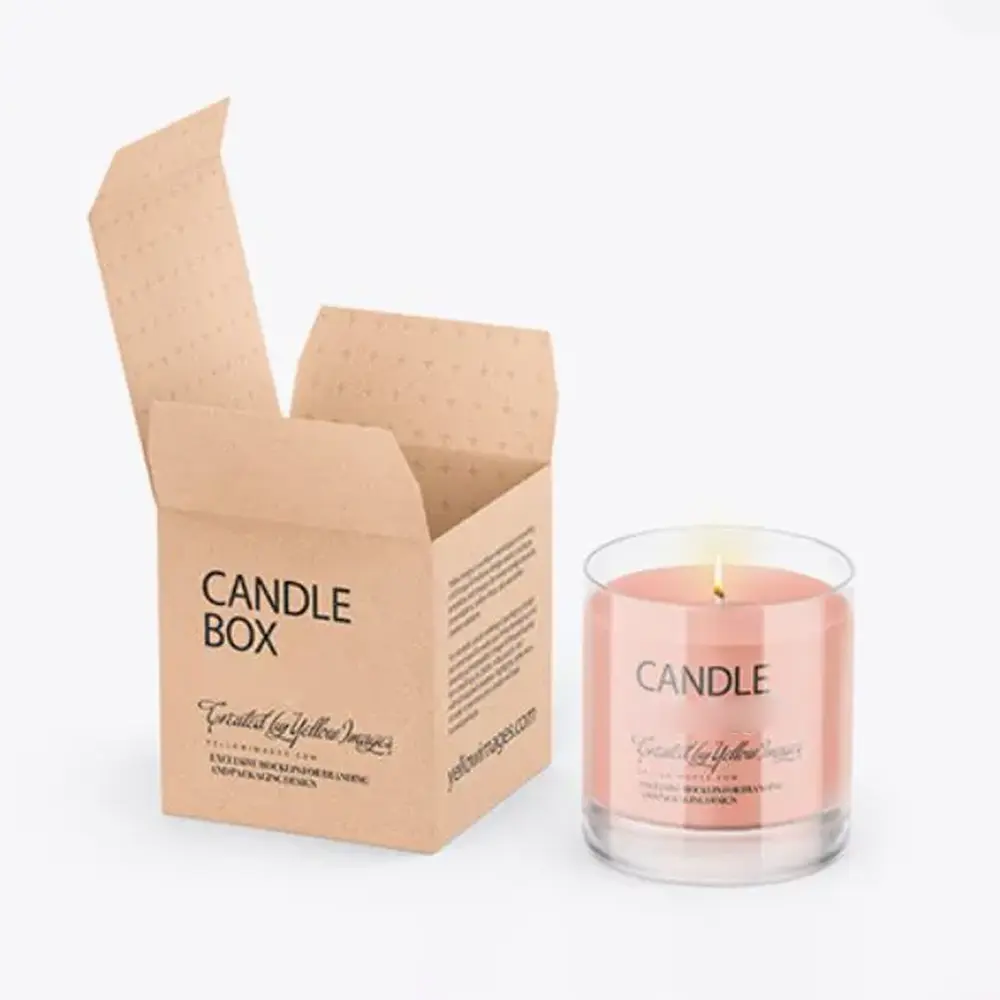 Eco-Friendly Candle Boxes
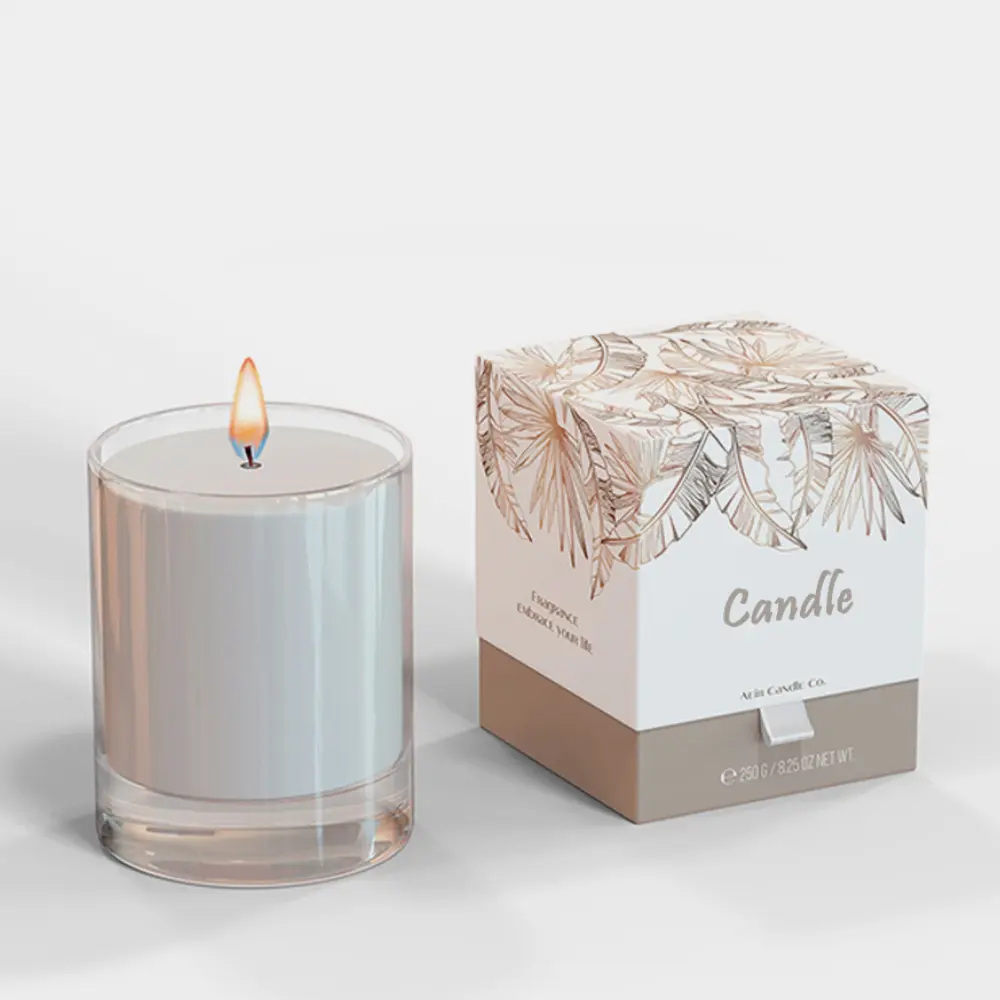 Luxury Candle Boxes
 Rigid Candle Boxes
 Beverage Boxes
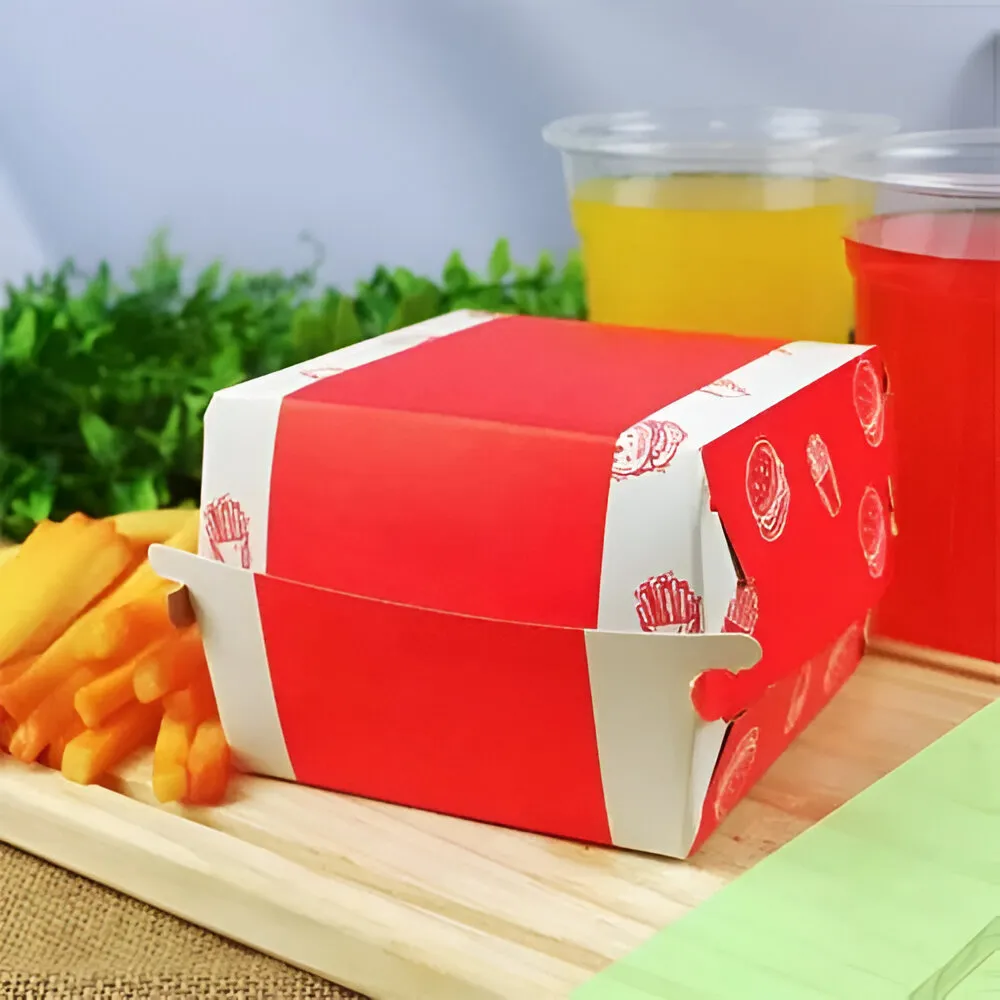 Custom Burger Boxes
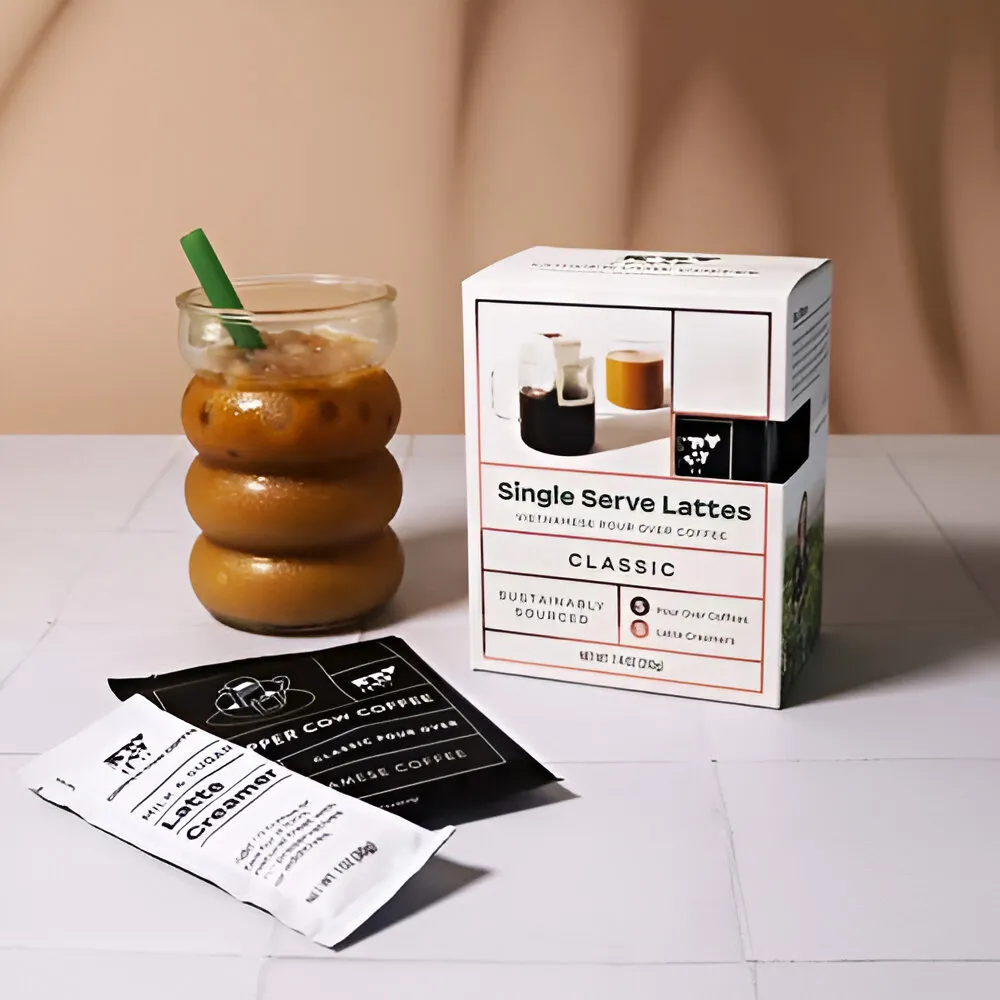 Custom Coffee Boxes
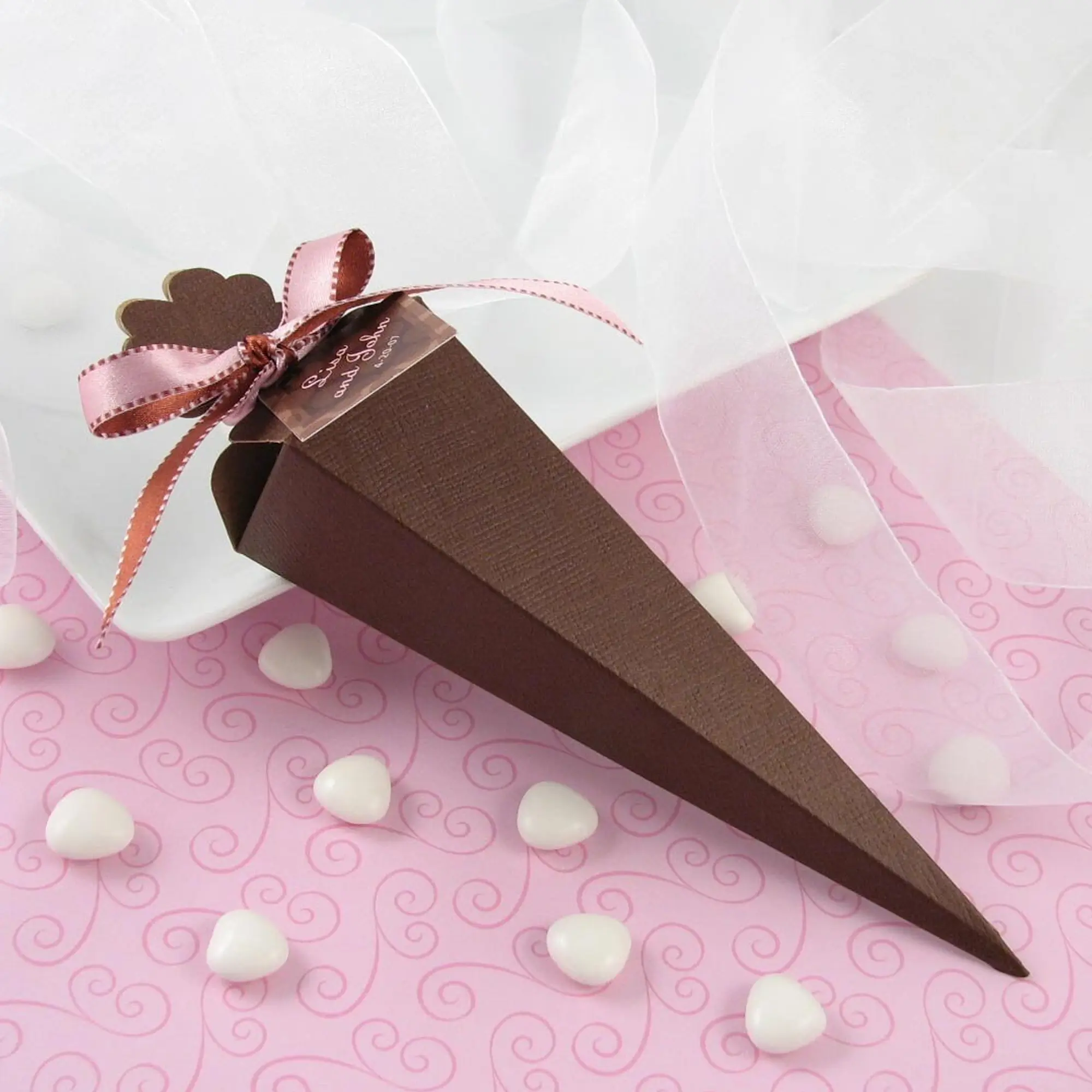 Custom Cone Boxes
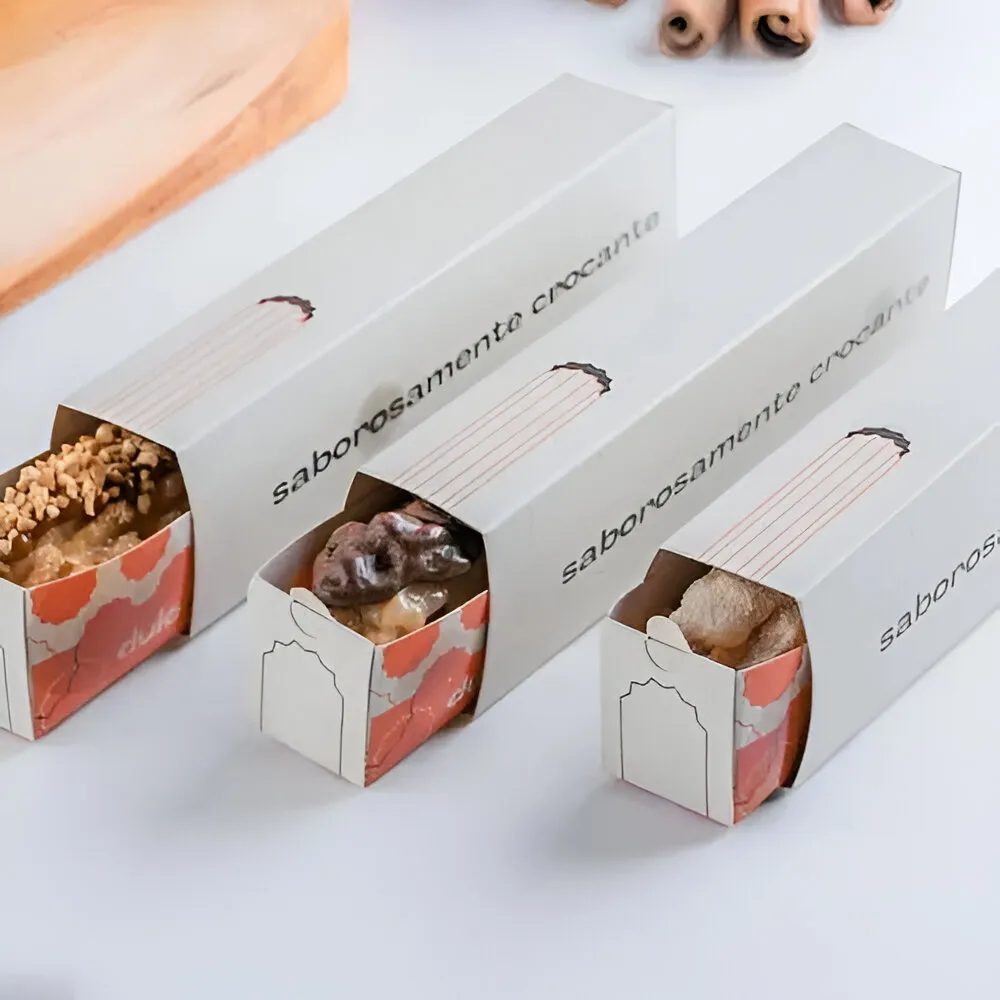 Custom Hot Dog Boxes
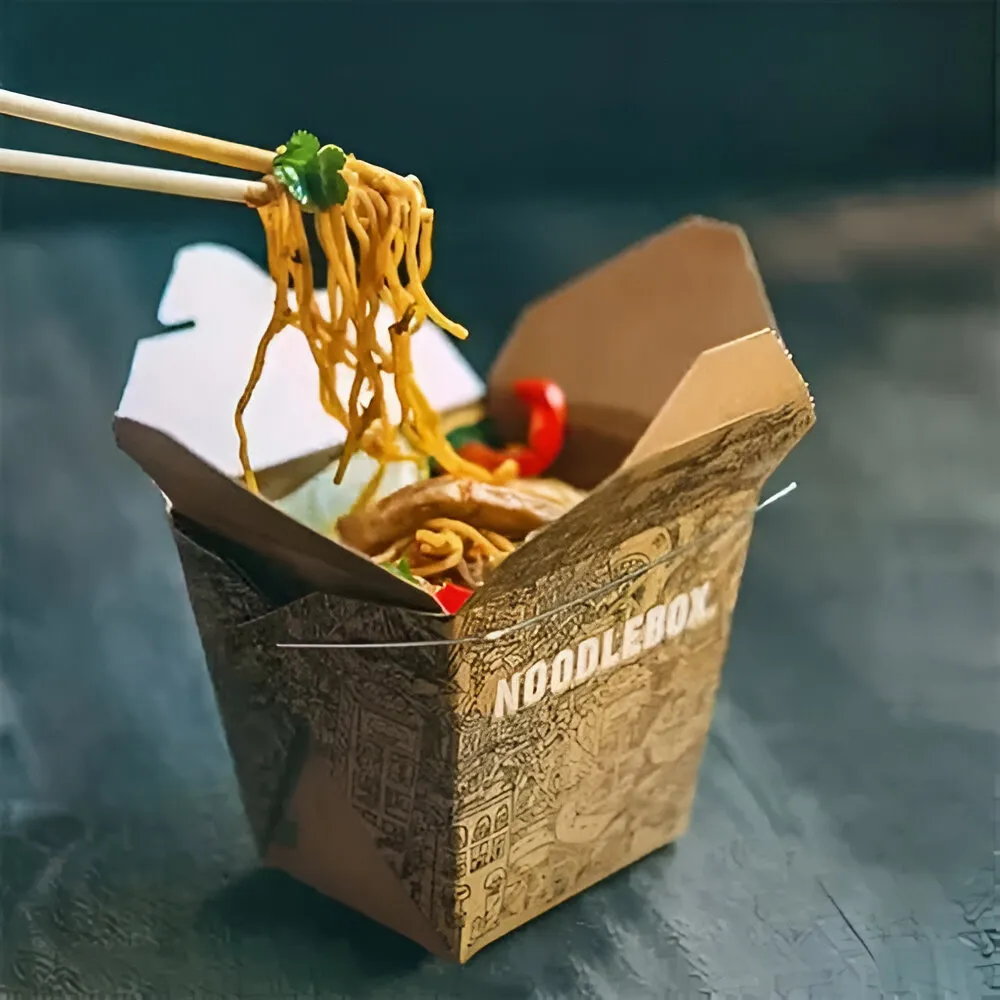 Custom Noodle Boxes
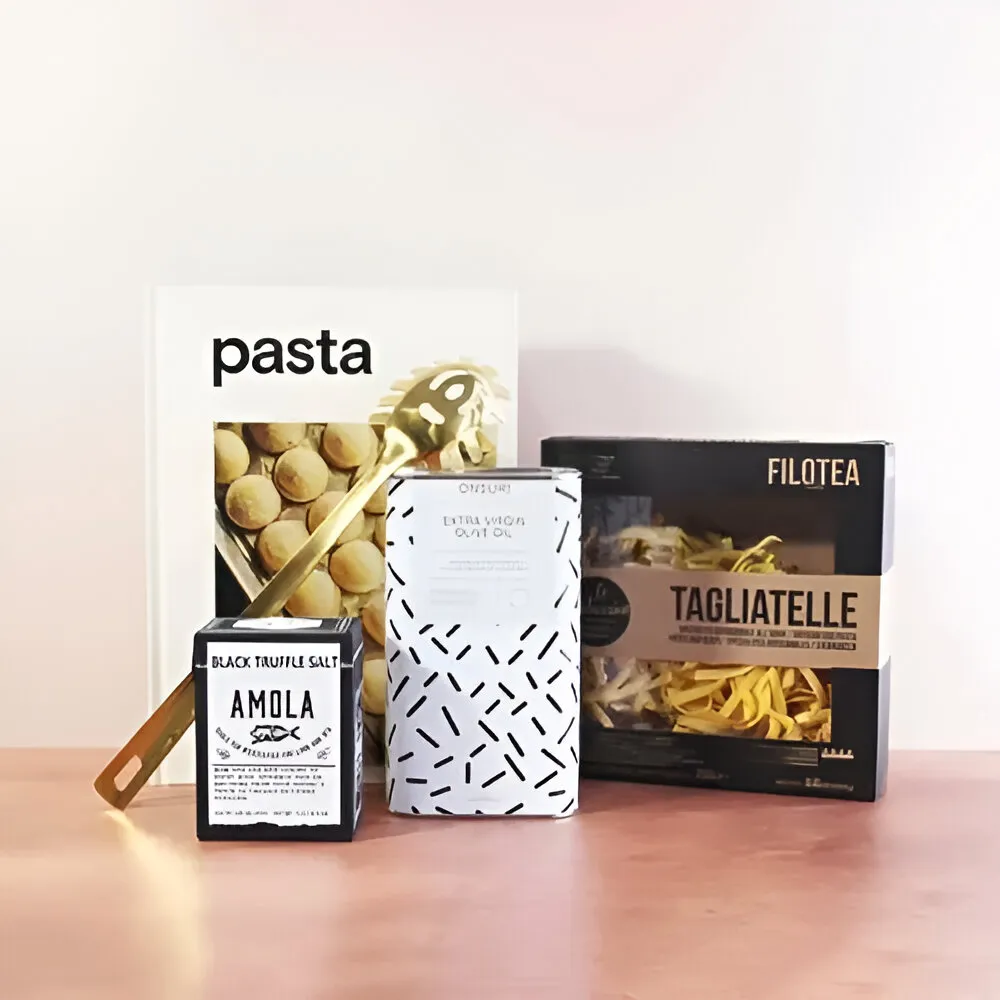 Custom Pasta Boxes
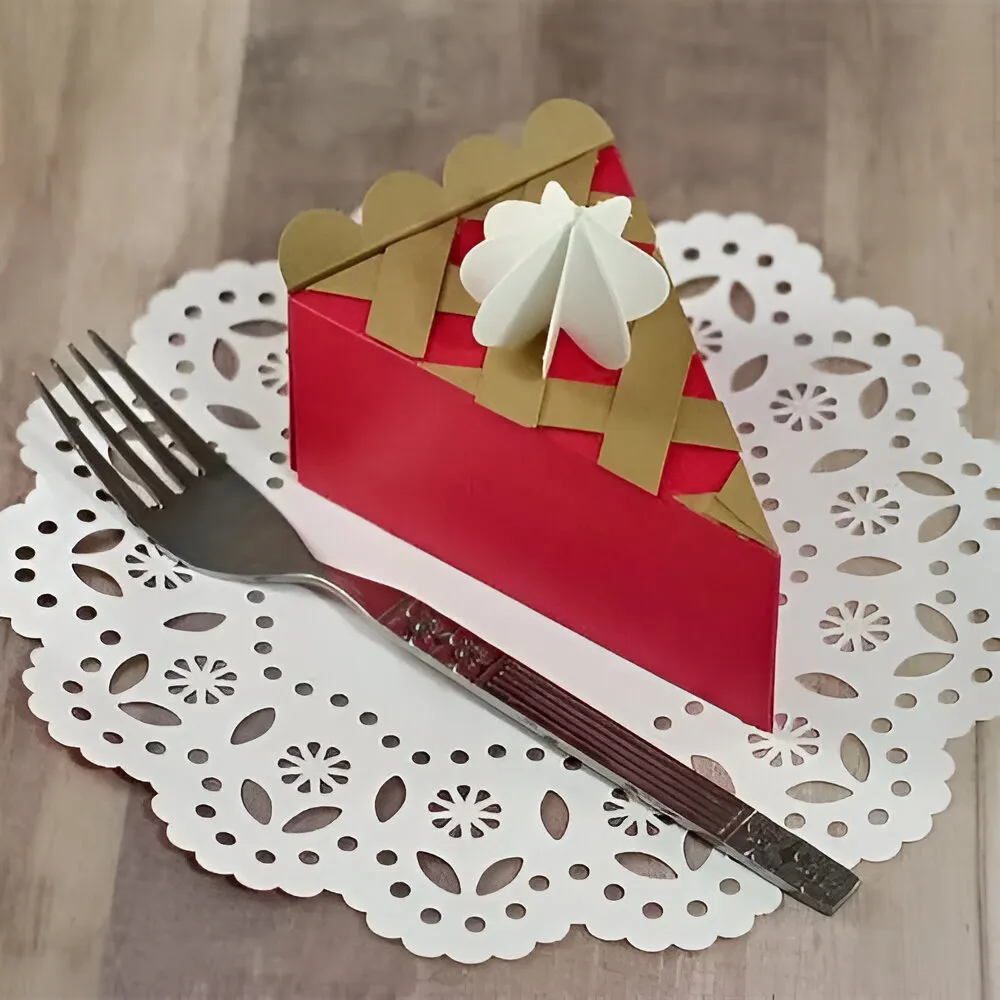 Custom Pie Boxes
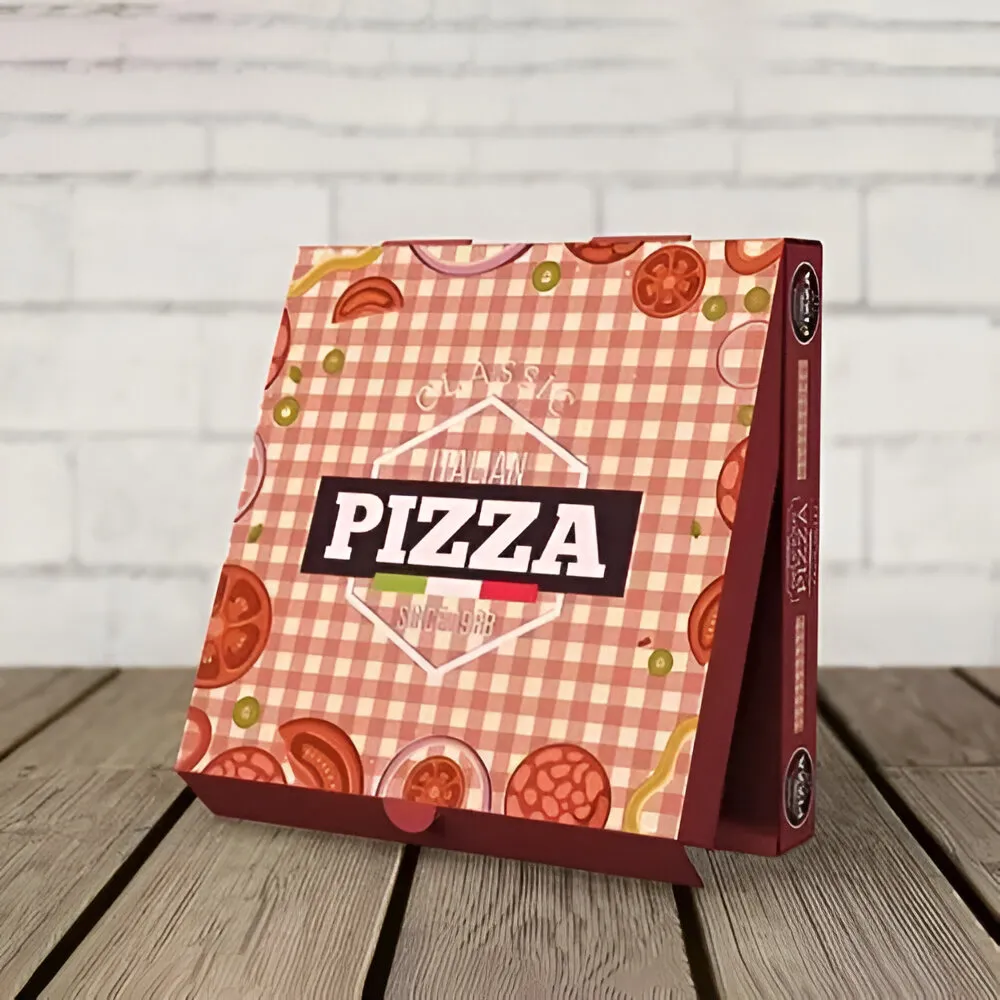 Custom Pizza Boxes
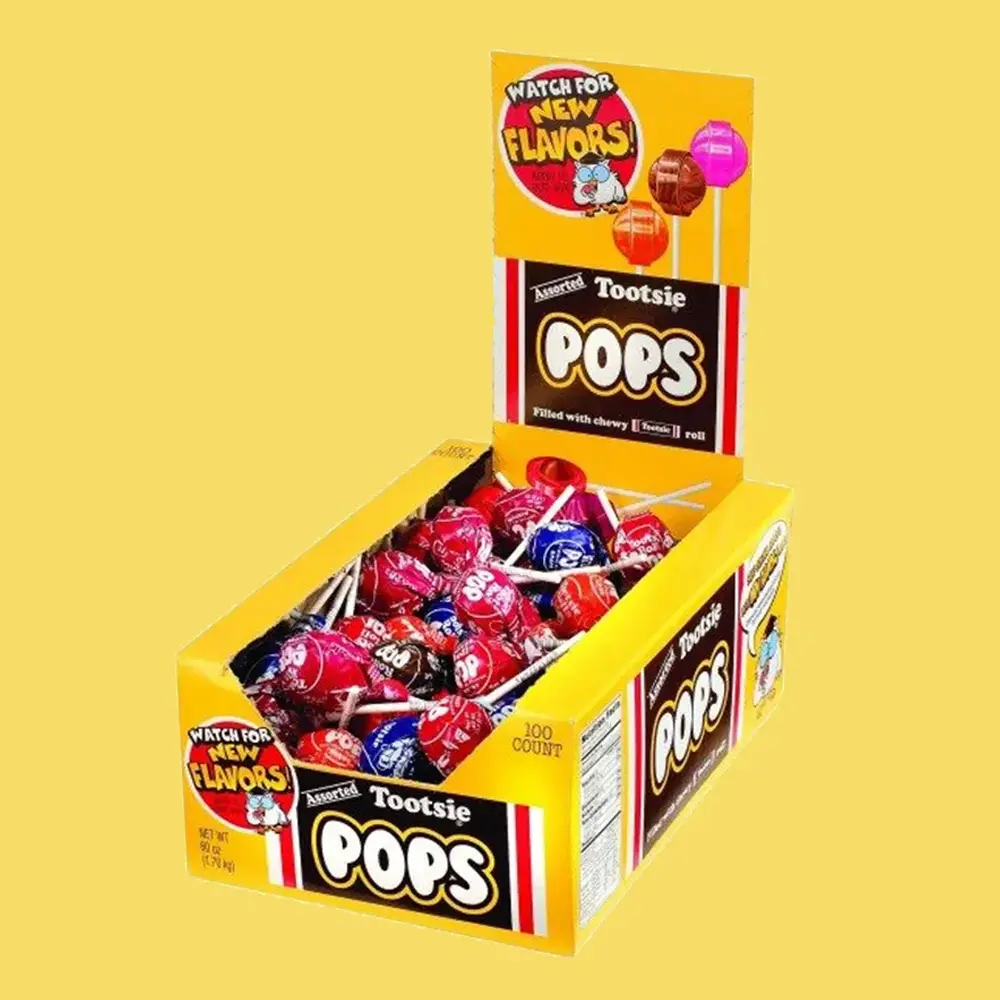 Candy Display Boxes
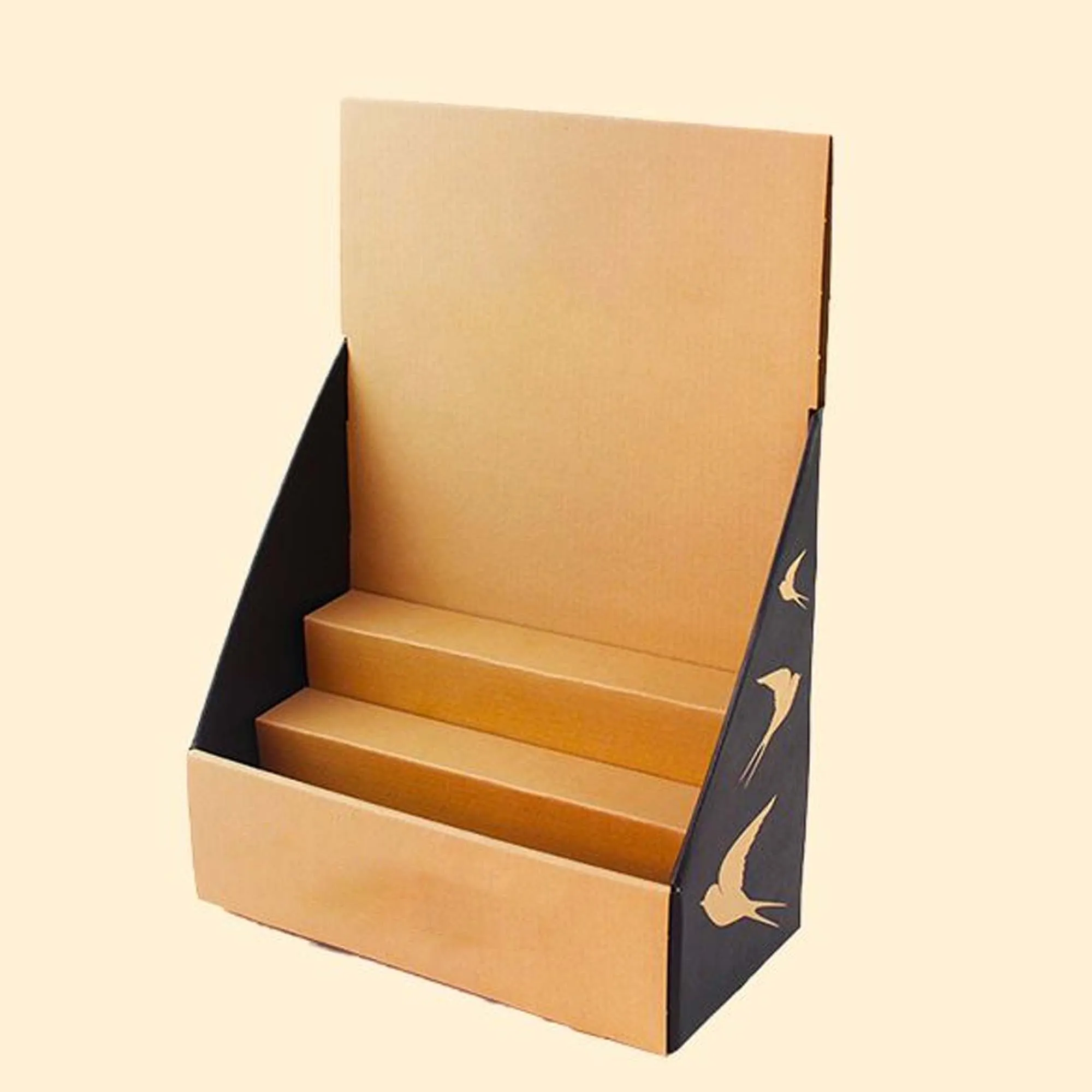 Cardboard Display Boxes
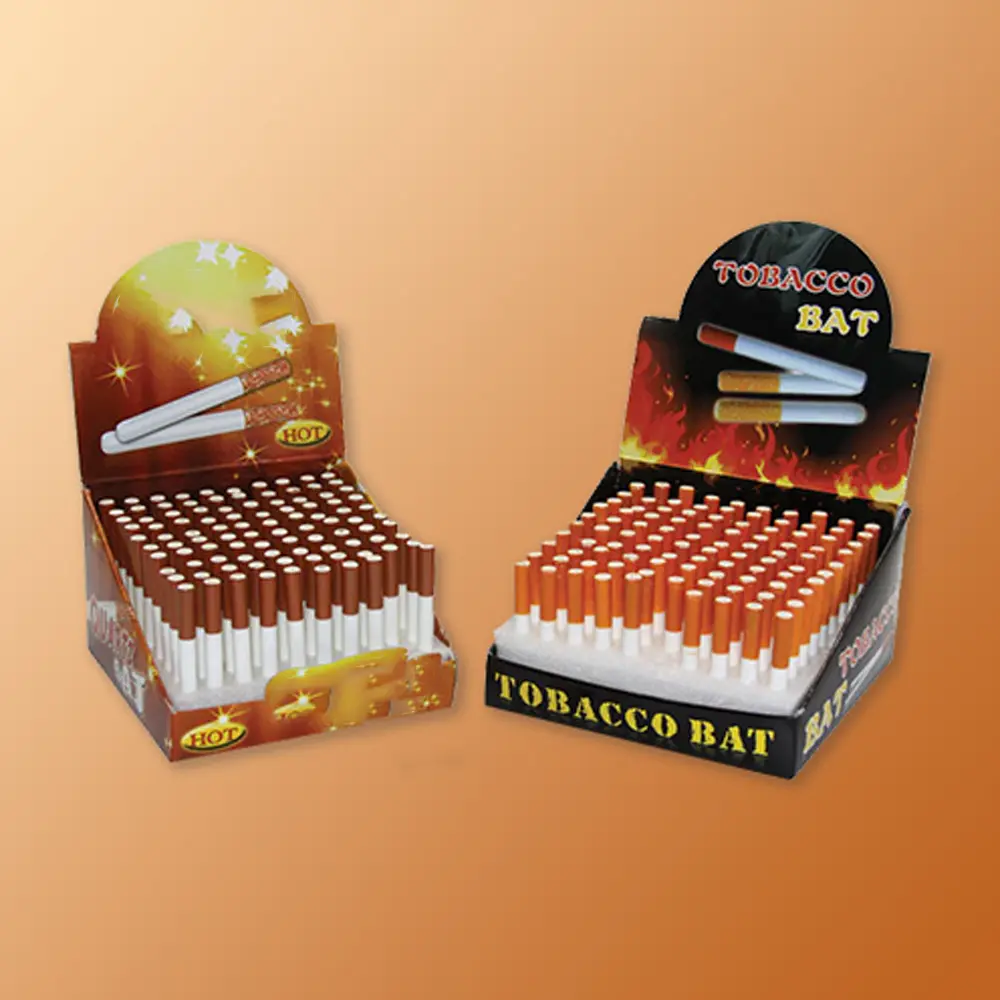 Cigarette Display Boxes
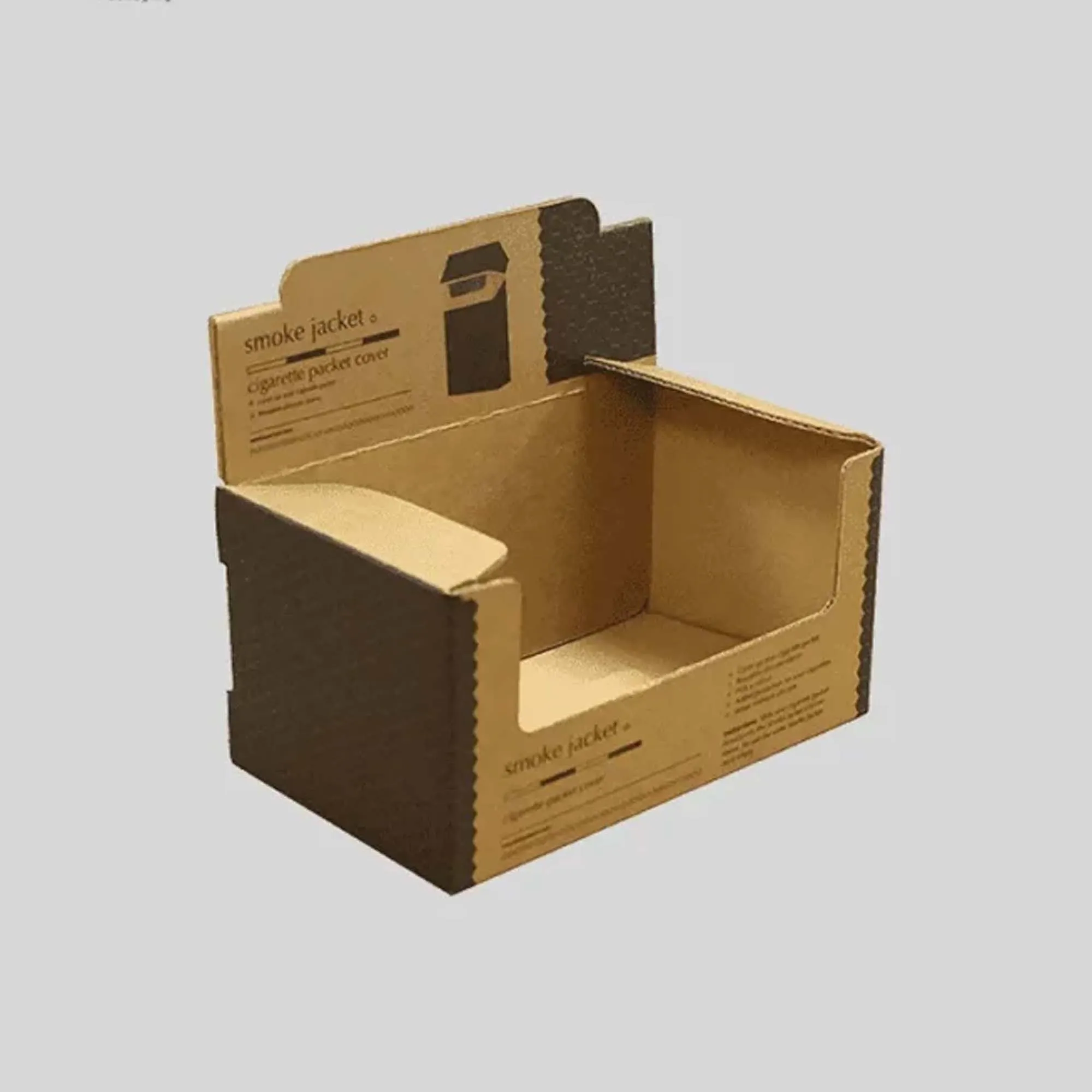 Corrugated Display Boxes
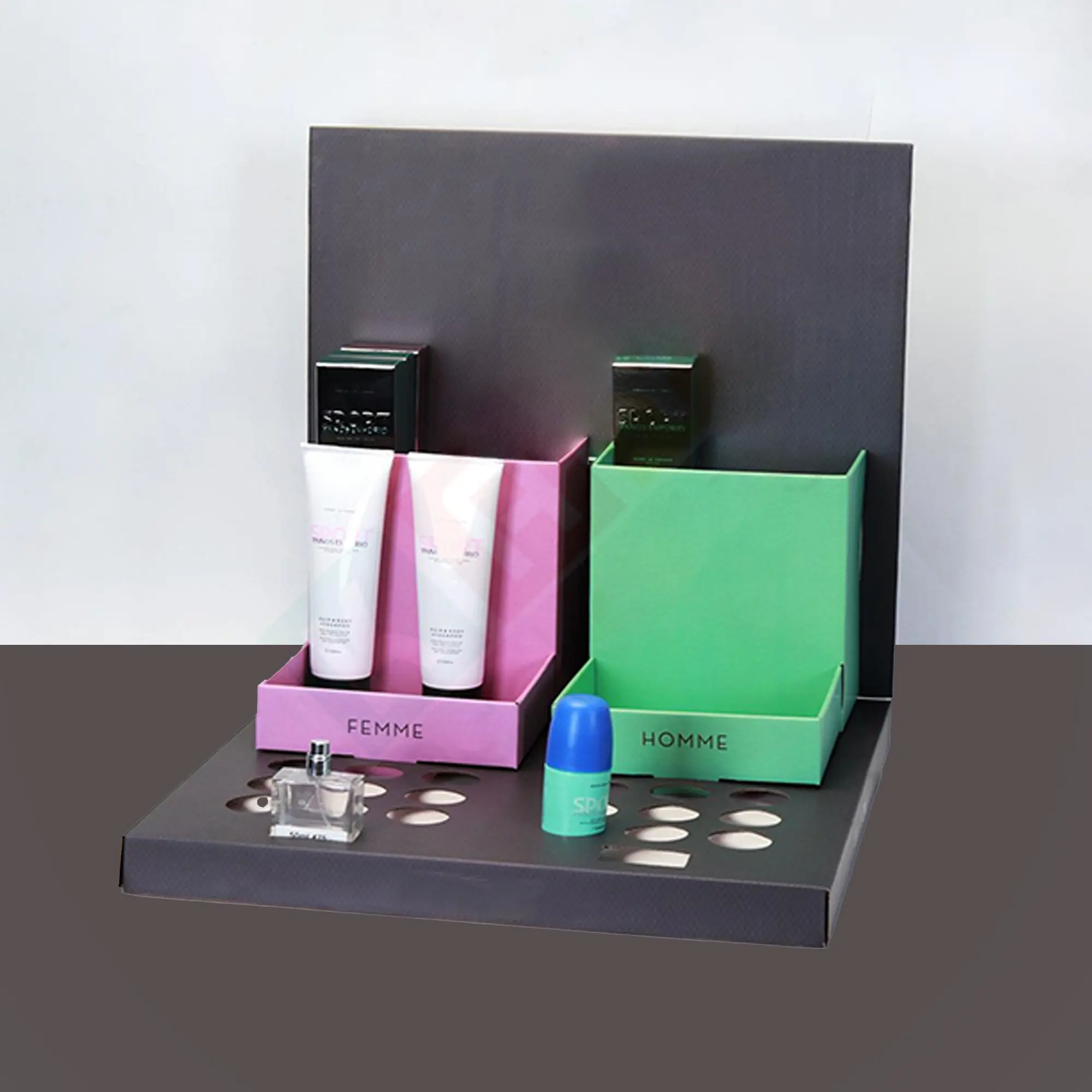 Cosmetic Display Boxes
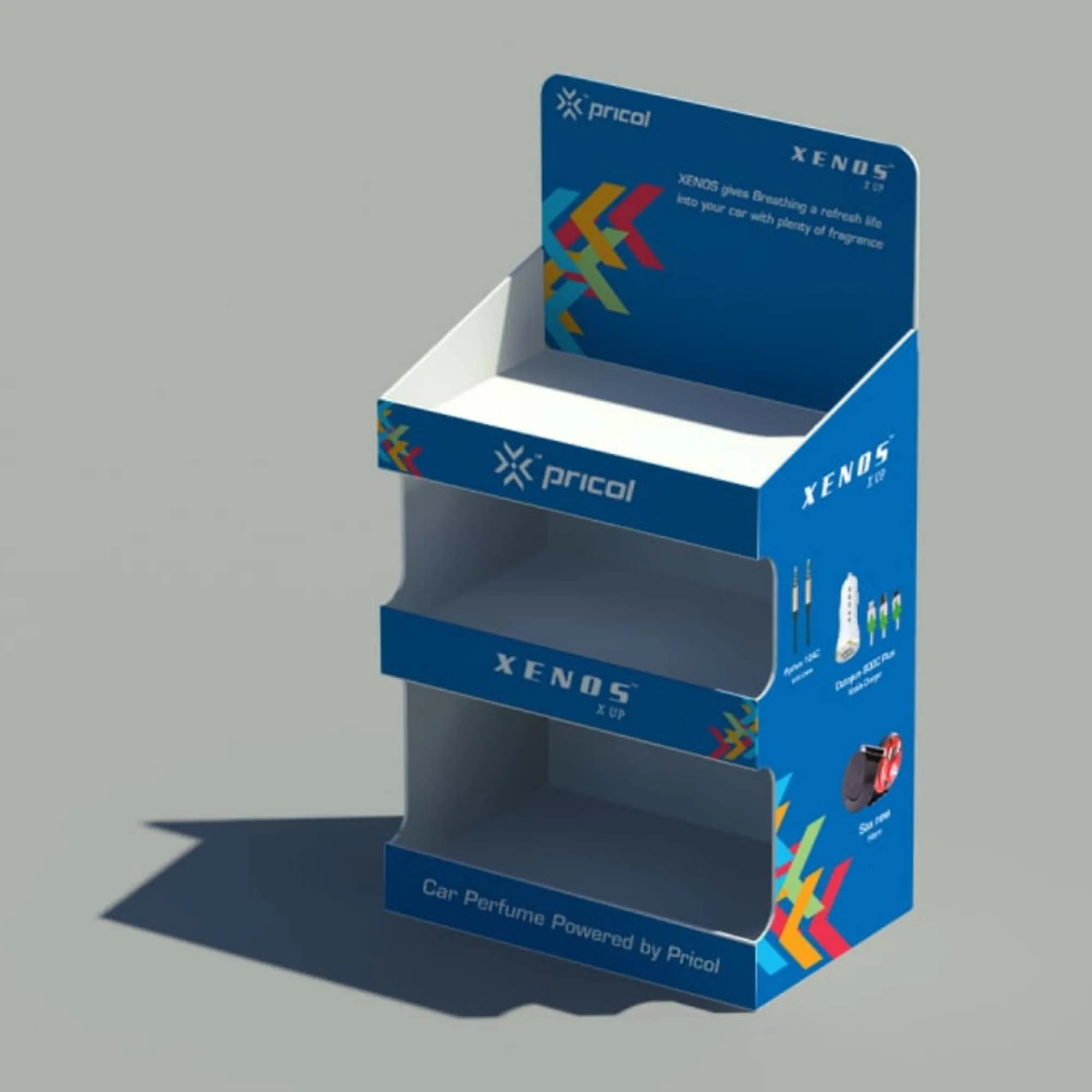 Counter Display Cases
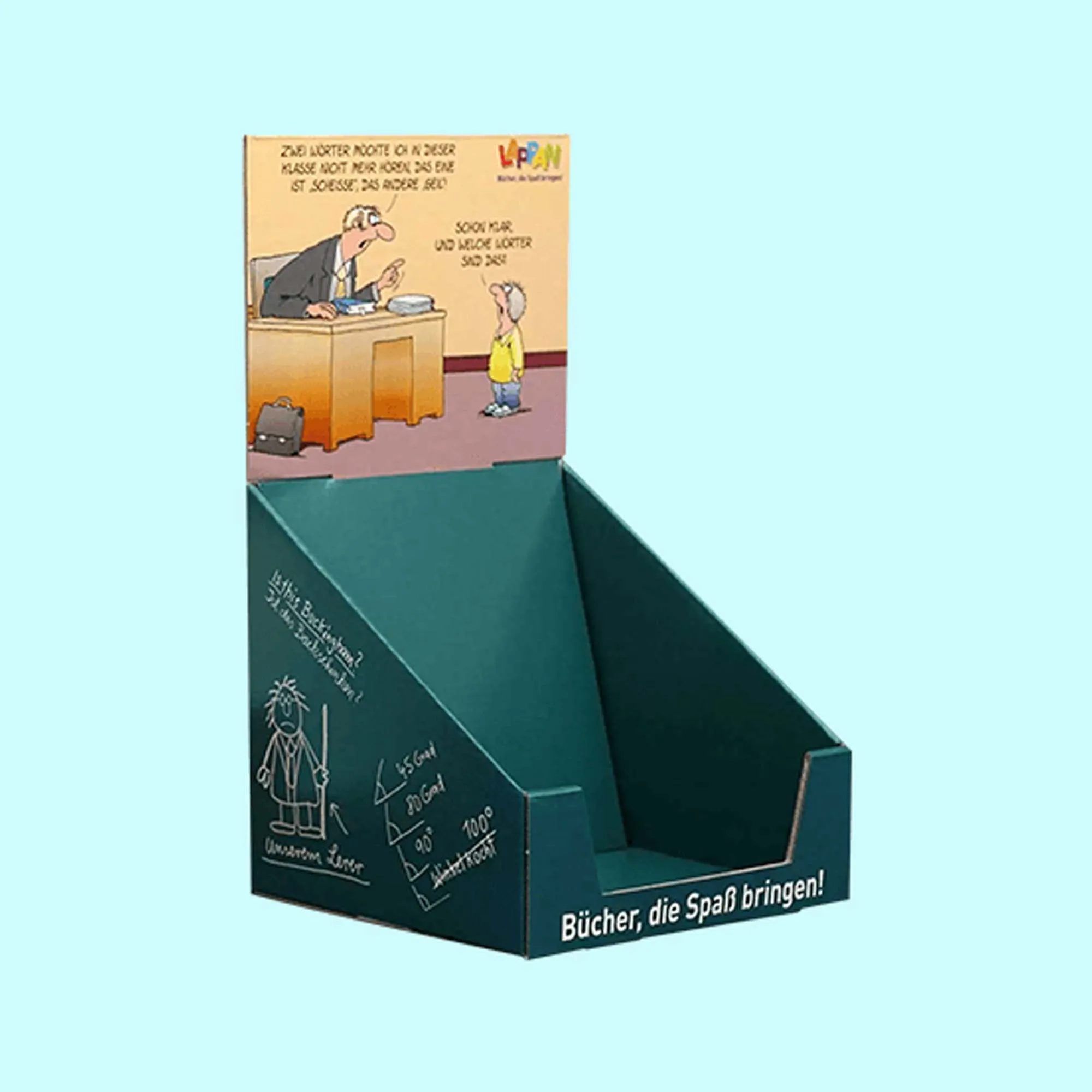 Custom Display Packaging Boxes
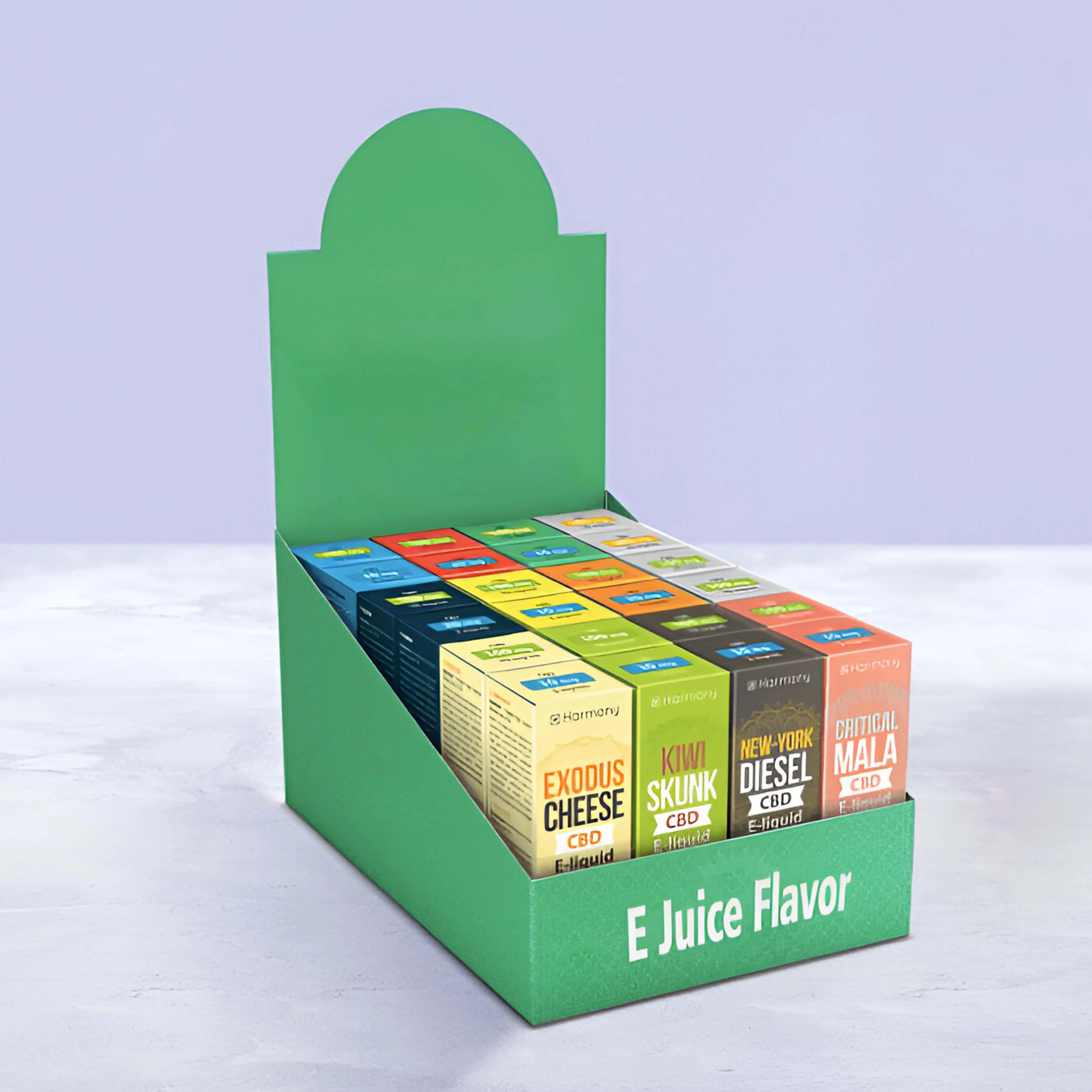 Custom E Juice Display Boxes
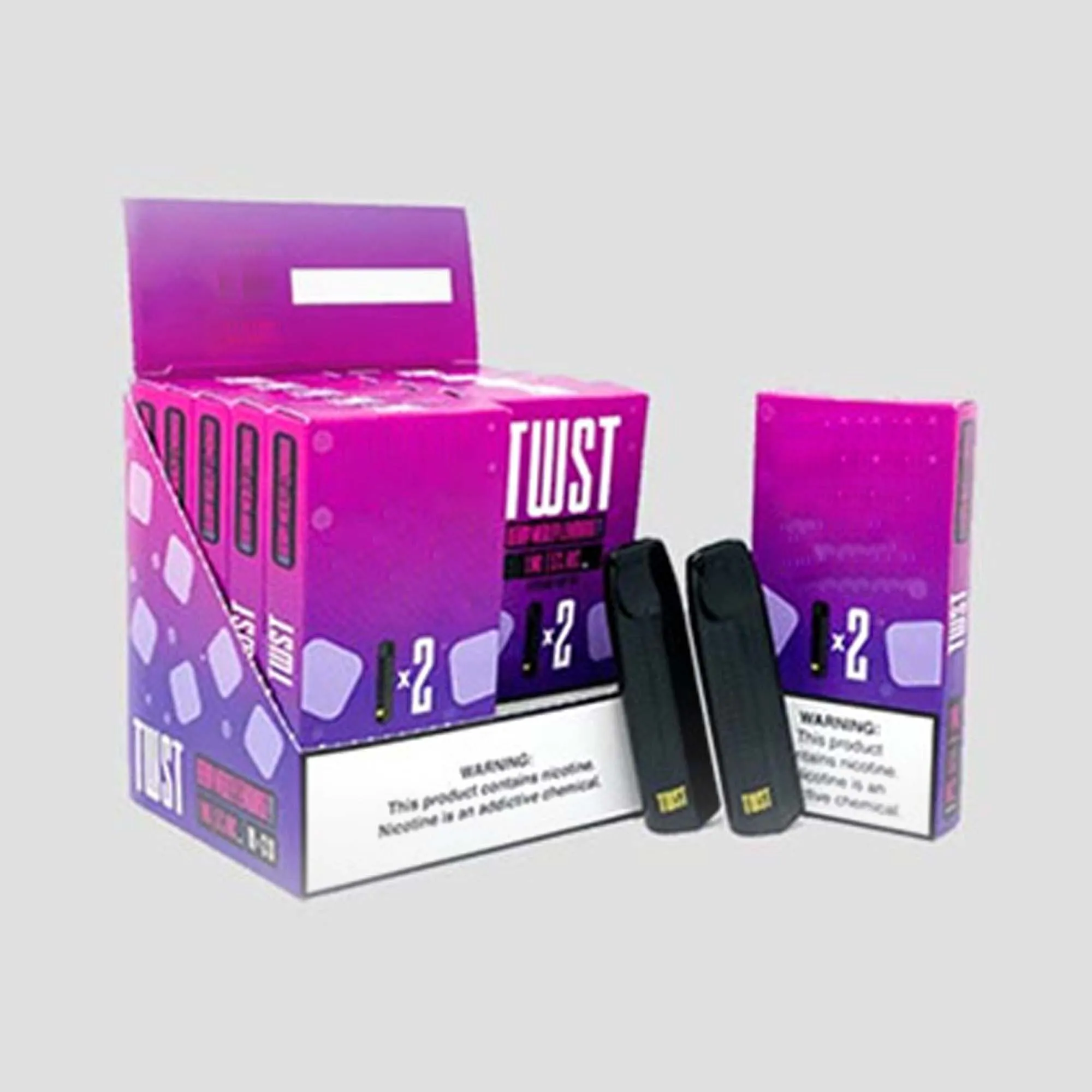 Custom Vape Display Boxes
 Antiseptic Boxes
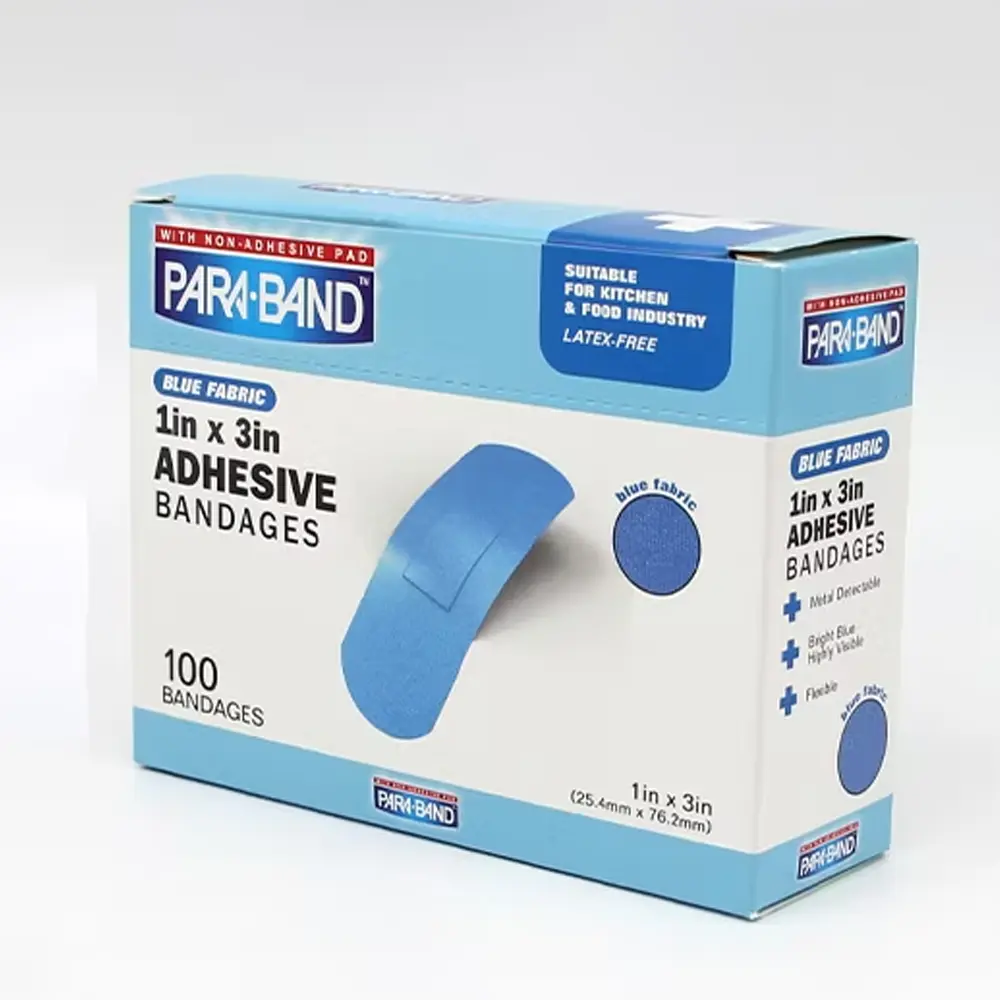 Bandage Boxes
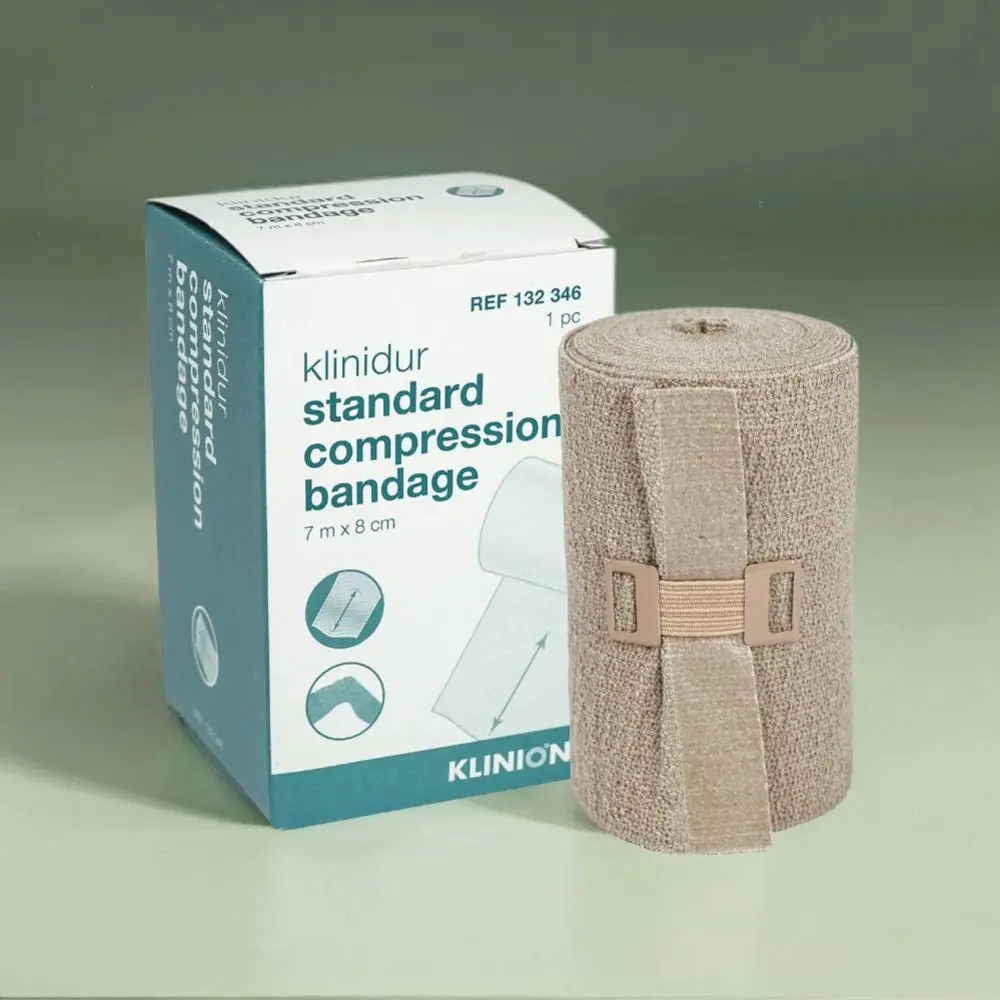 Compression Bandage Boxes
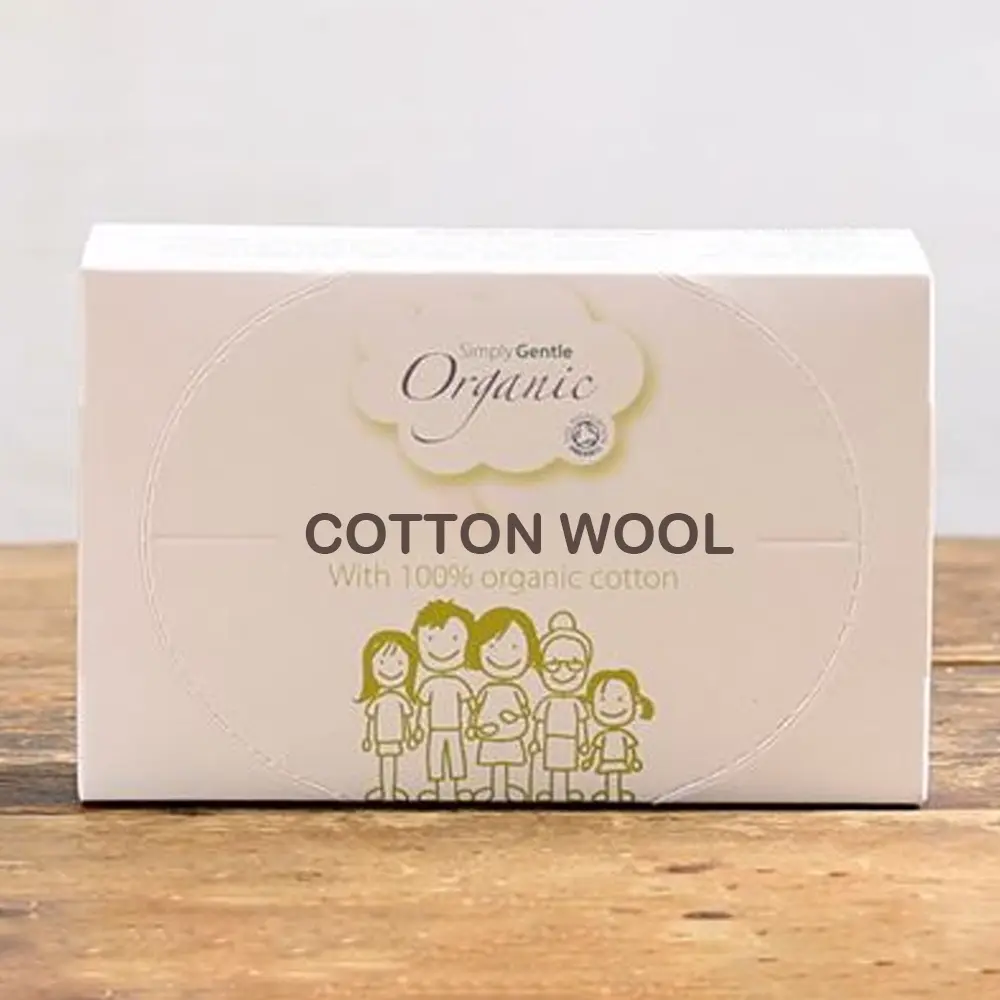 Cotton Wool Boxes
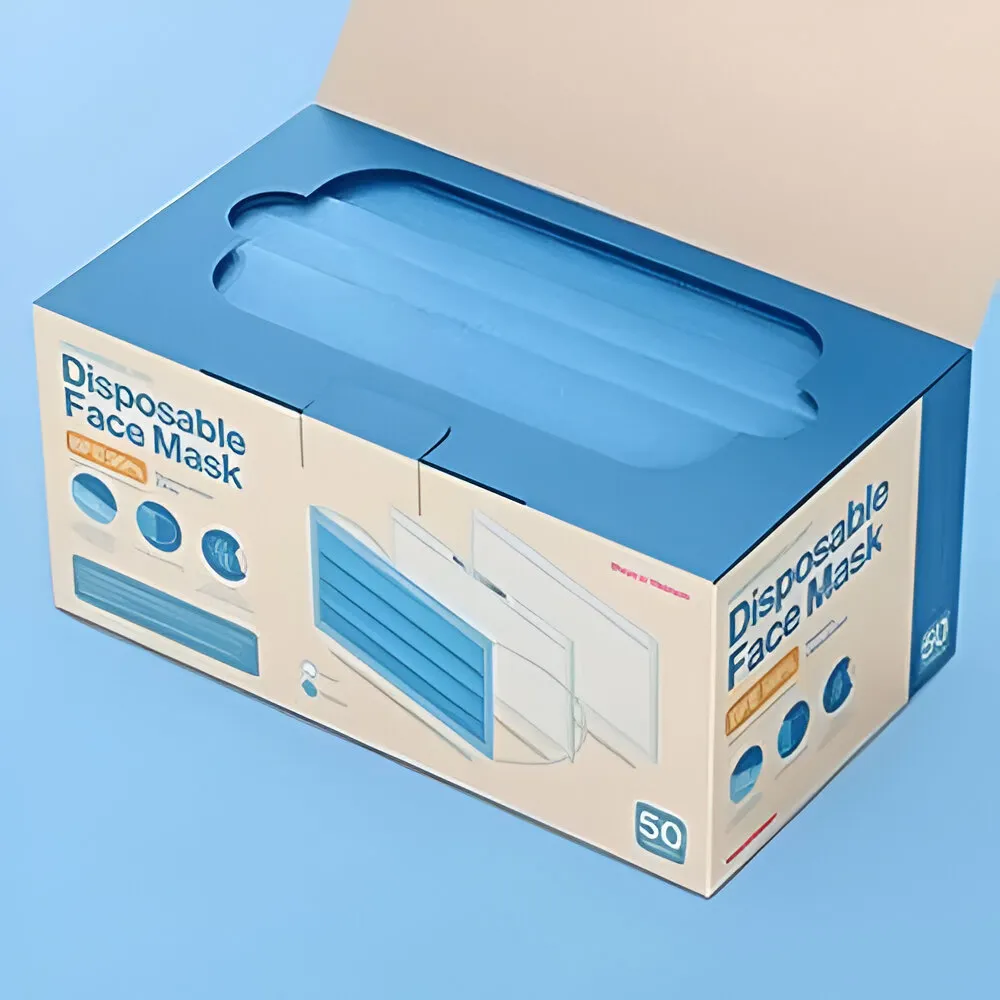 Custom Face Mask Boxes
 Custom Printed Medicine Packaging Boxes
 Custom Sanitizer Packaging Boxes
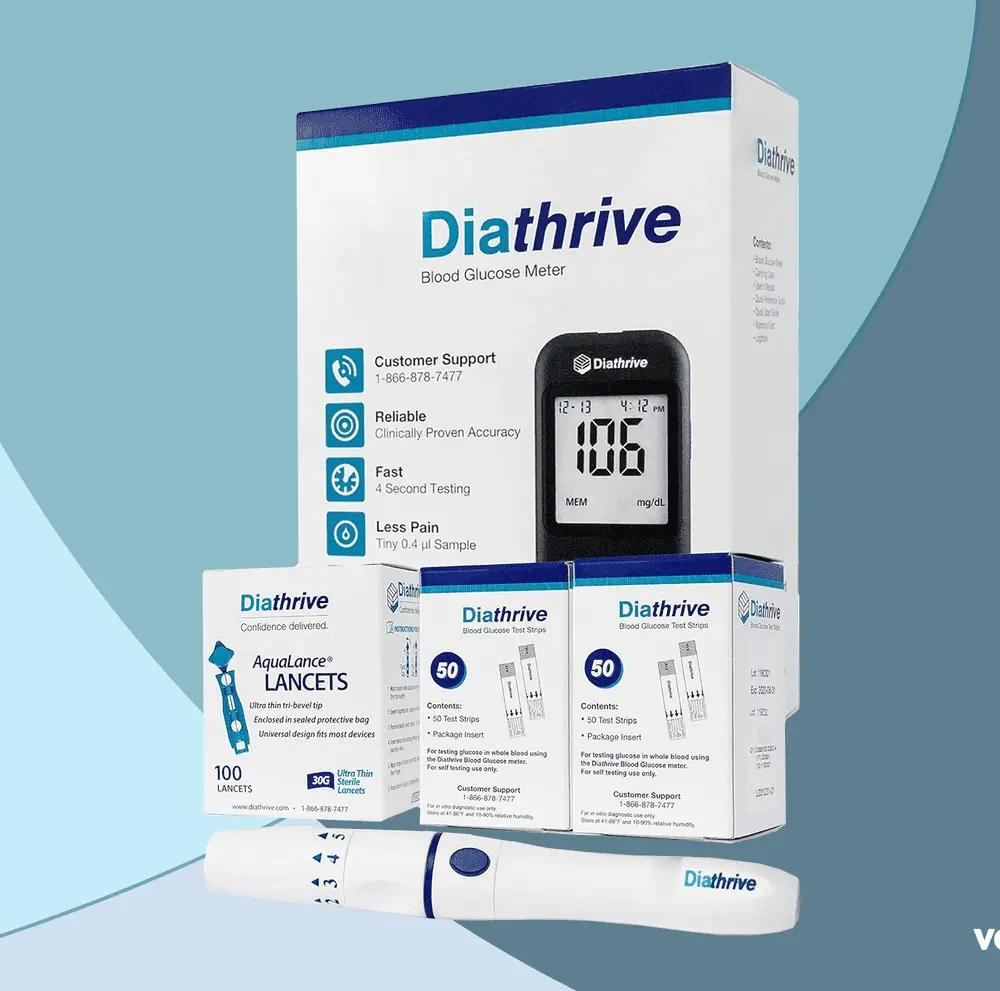 Glucometer Boxes
 Mouthwash Boxes
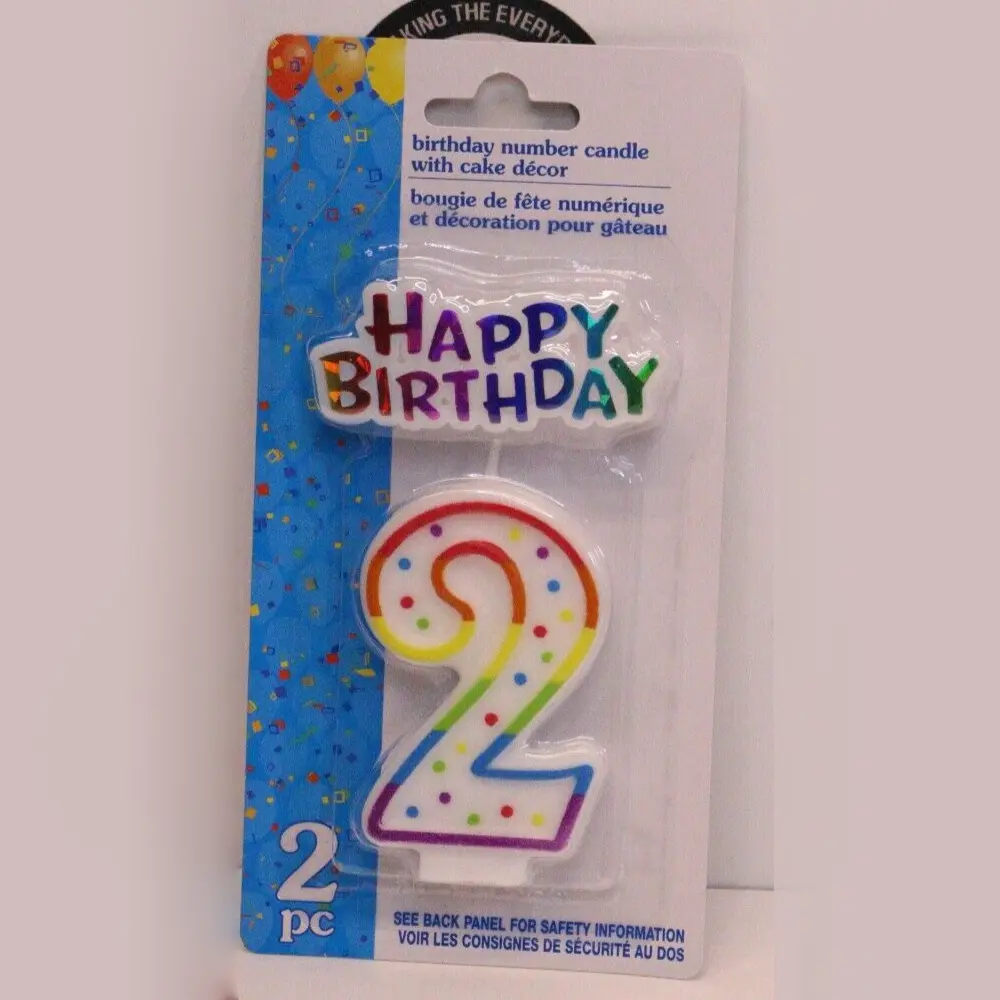 Blister Candle Packaging
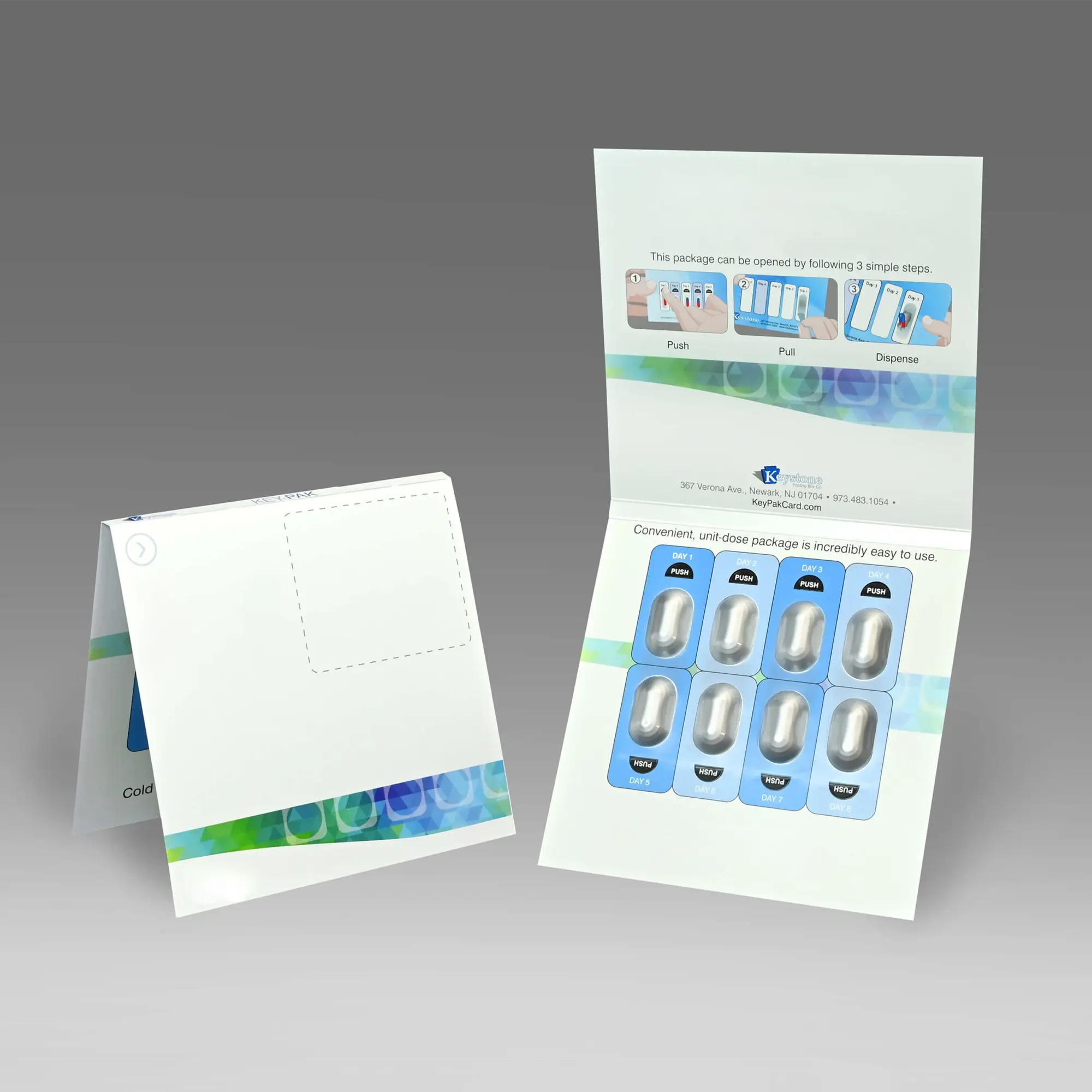 Blister Cards
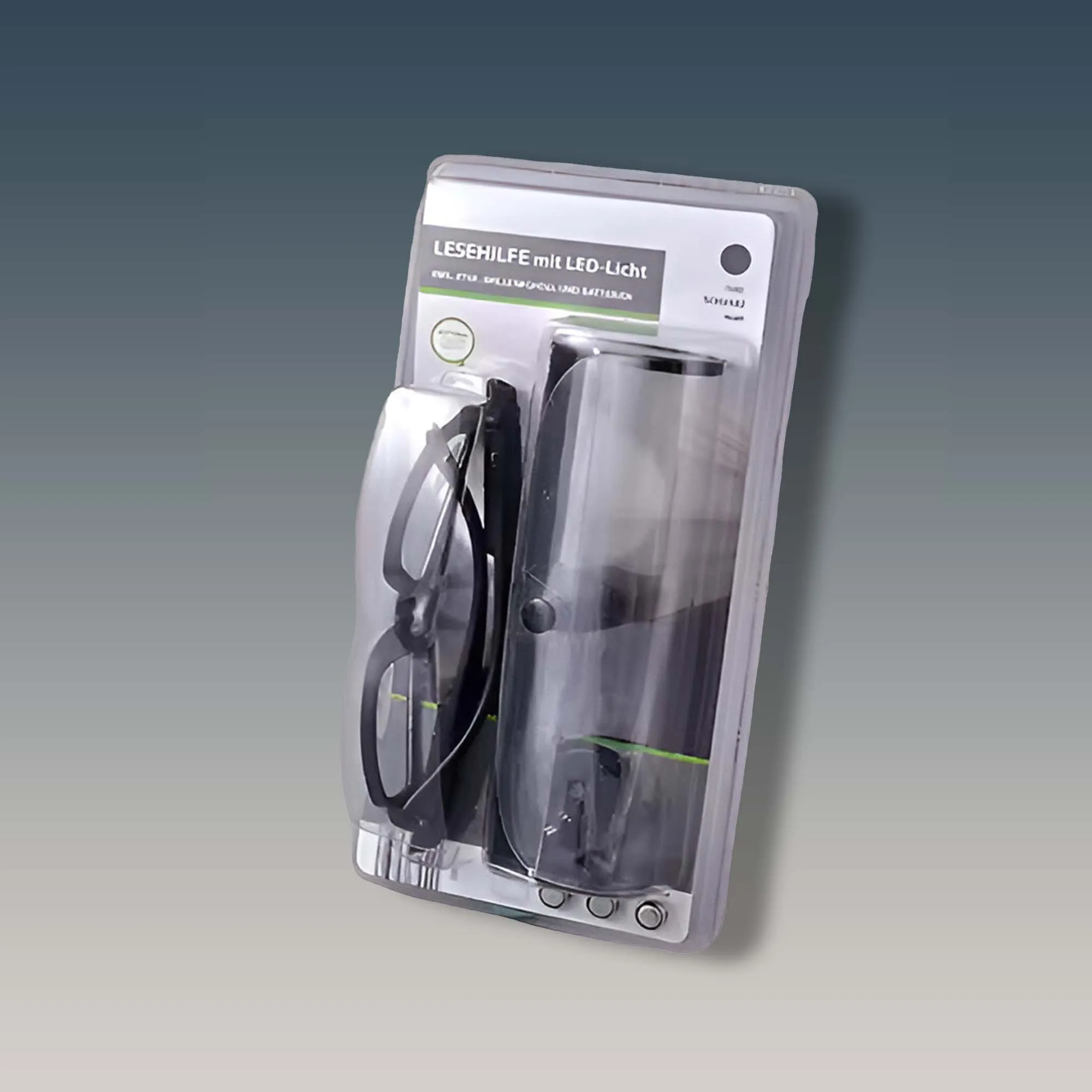 Blister Packaging
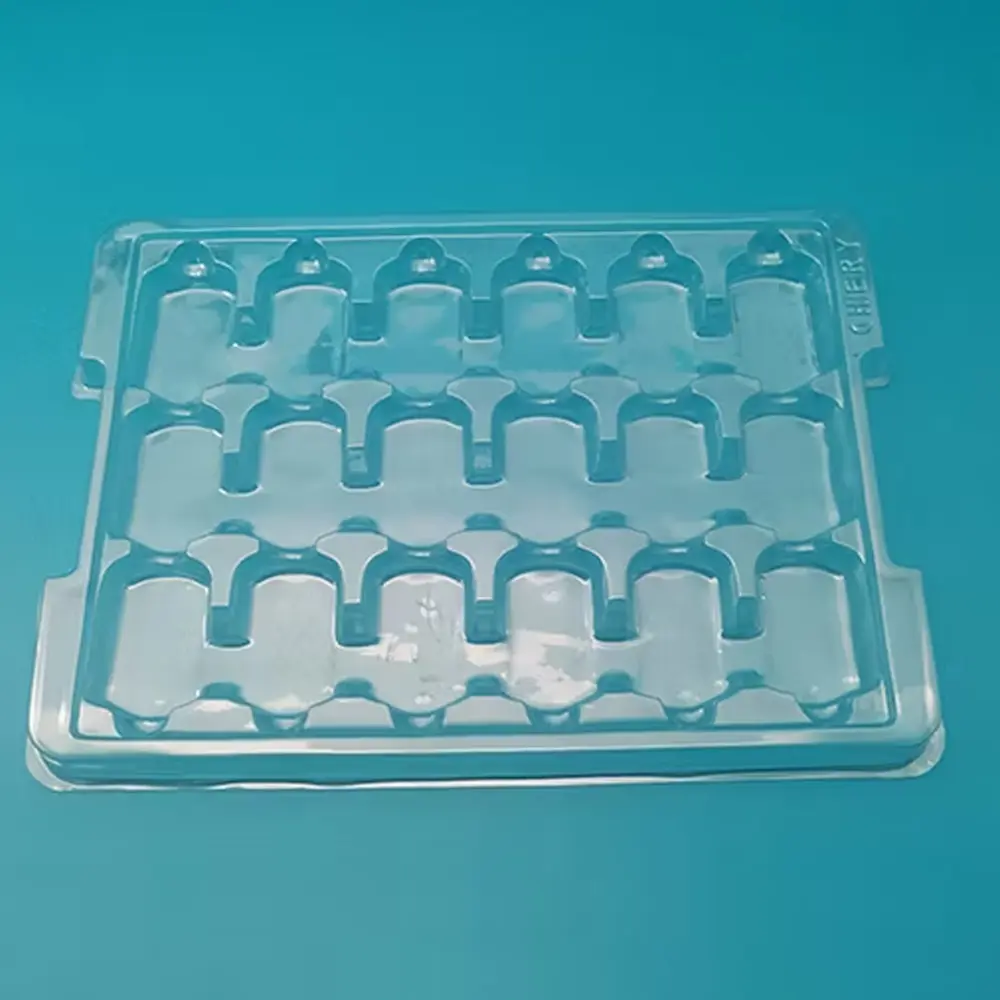 Blister Packaging Tray
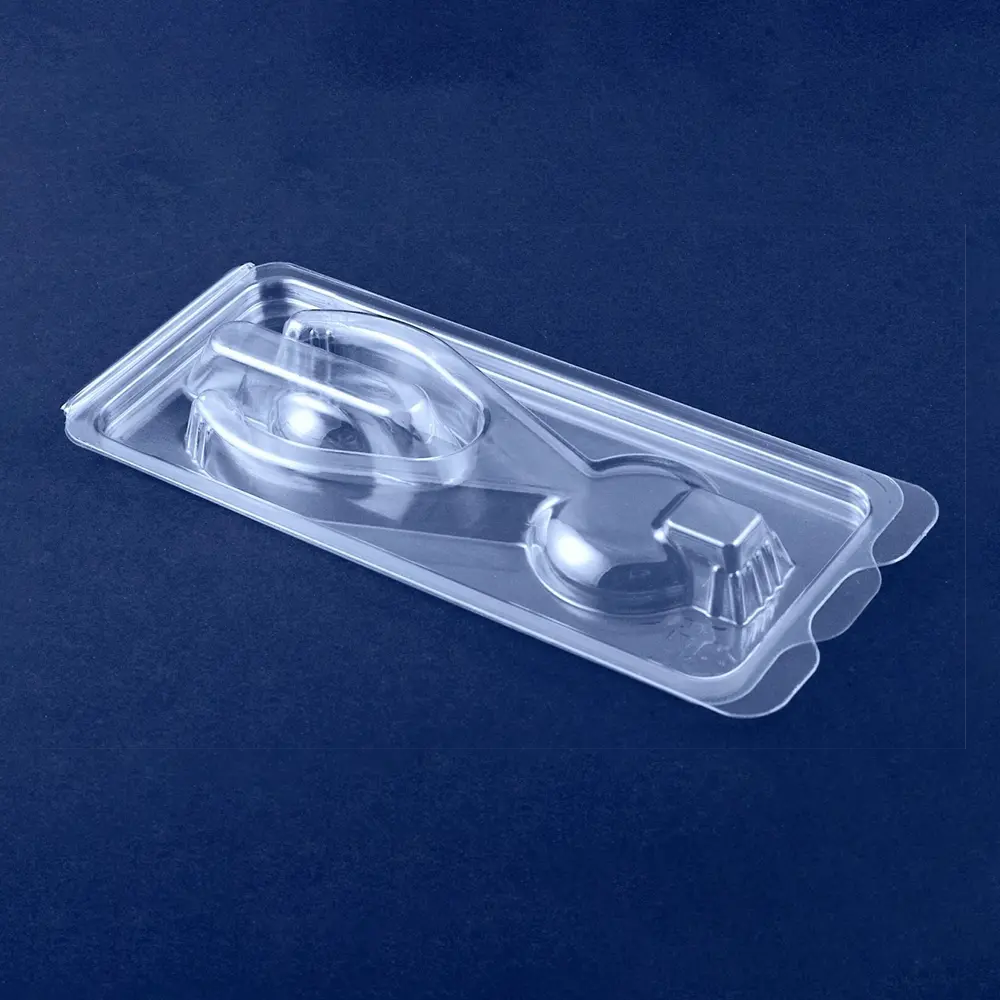 Clamshell Packaging
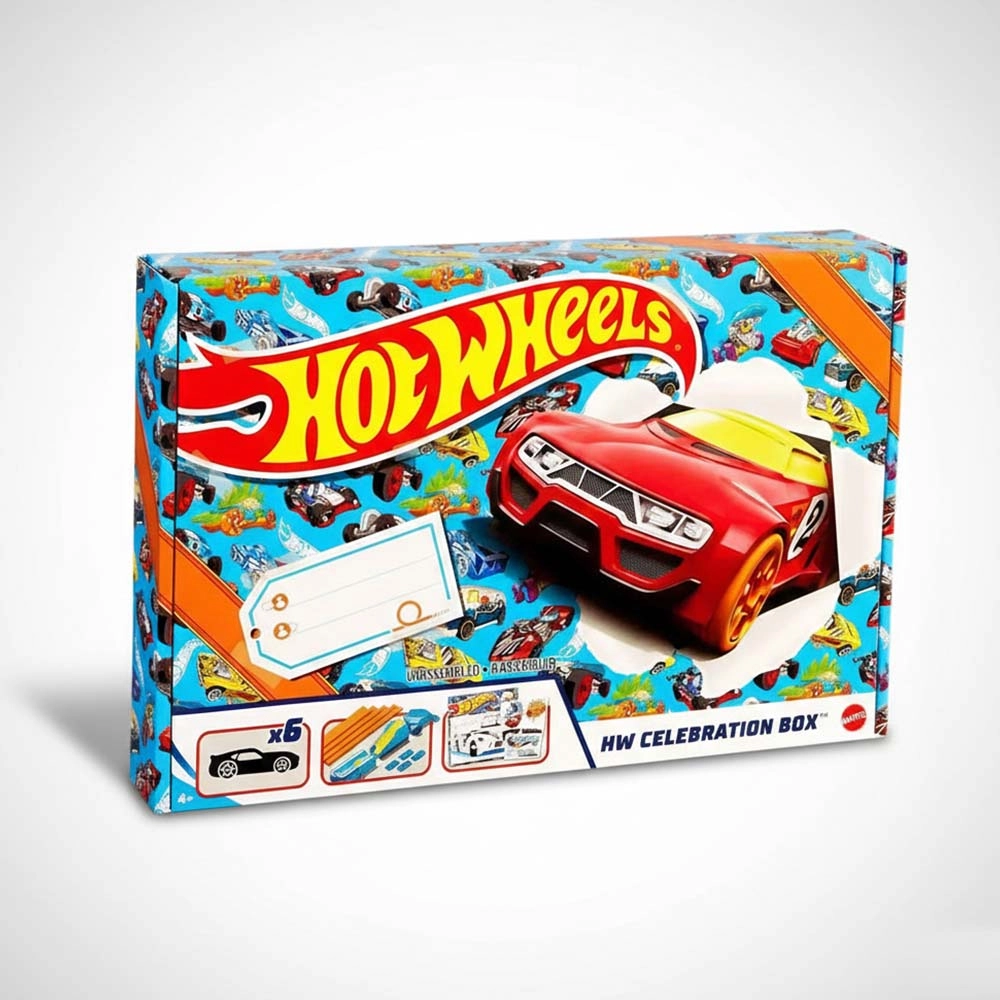 Custom Hot Wheels Packaging
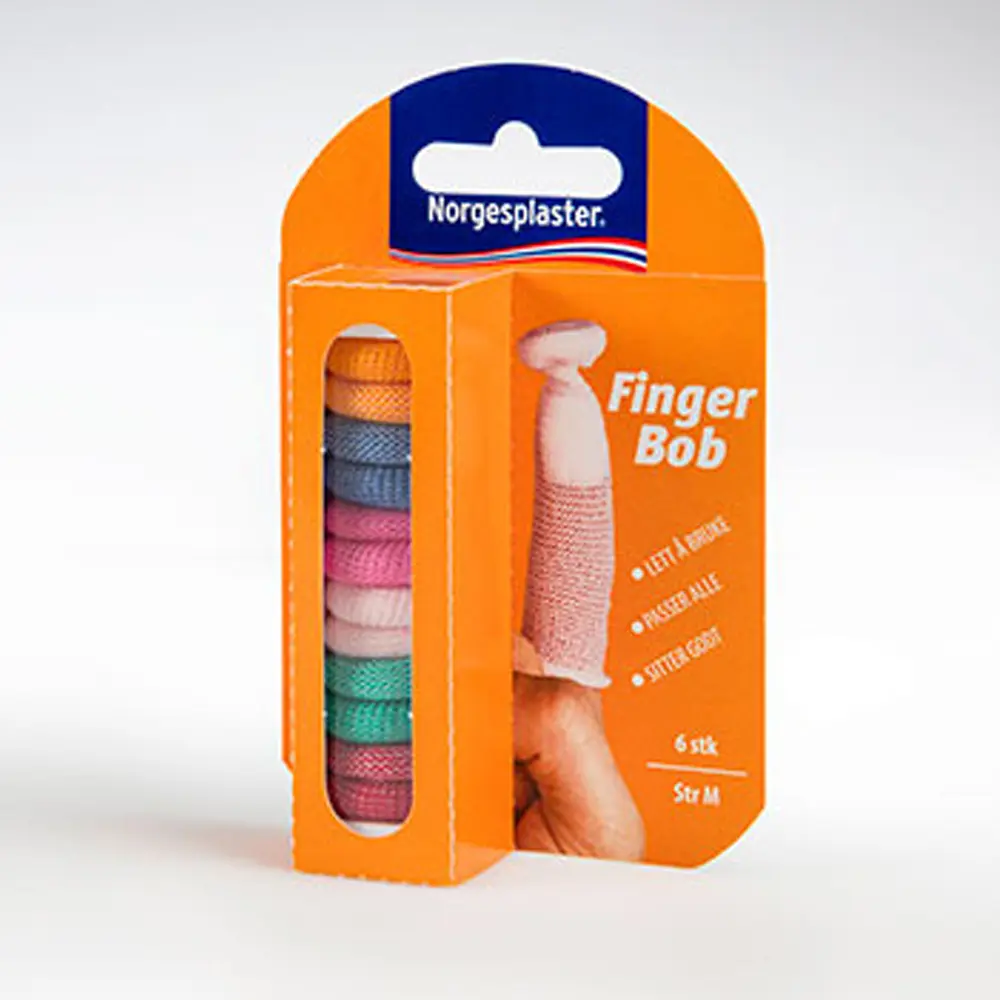 Display Blister Packaging
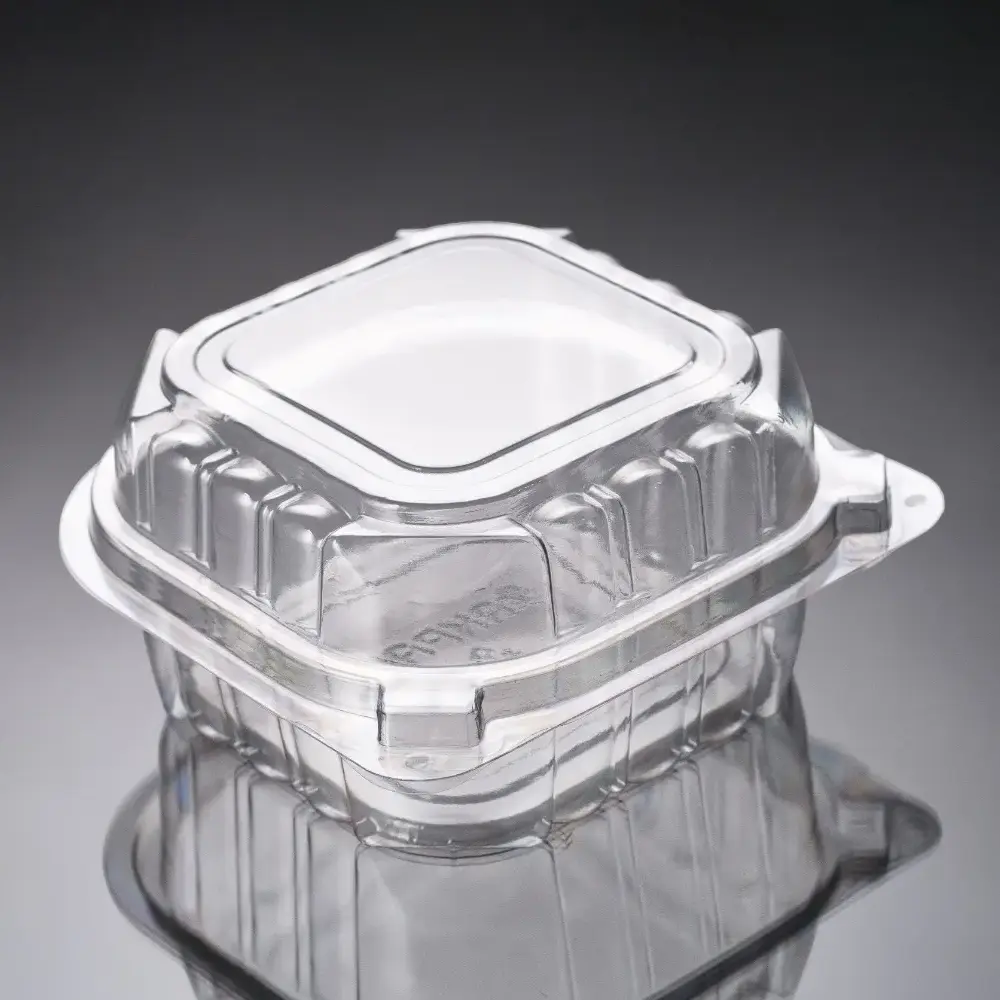 Hinged Packaging
 Pharma Blister Packaging
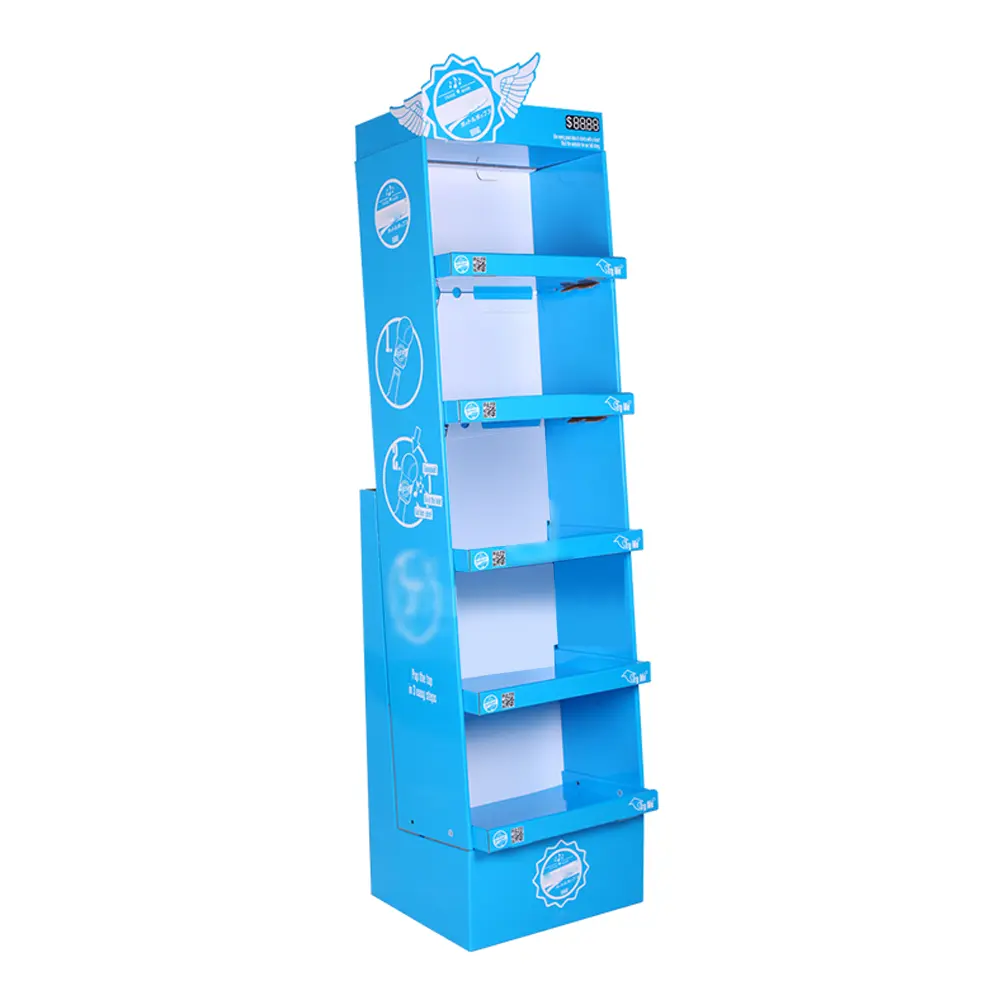
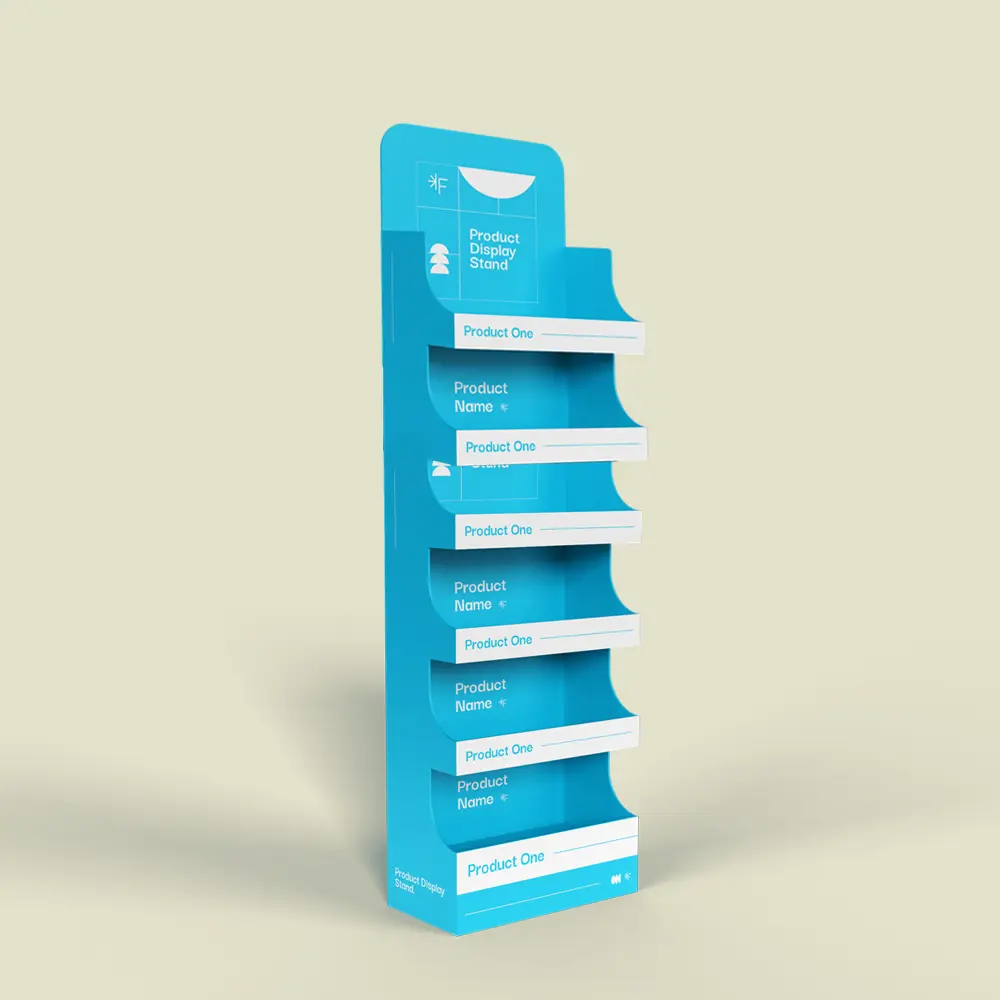 Blue & White Six Shelf Display
 72 Cells/pocket Floor Display
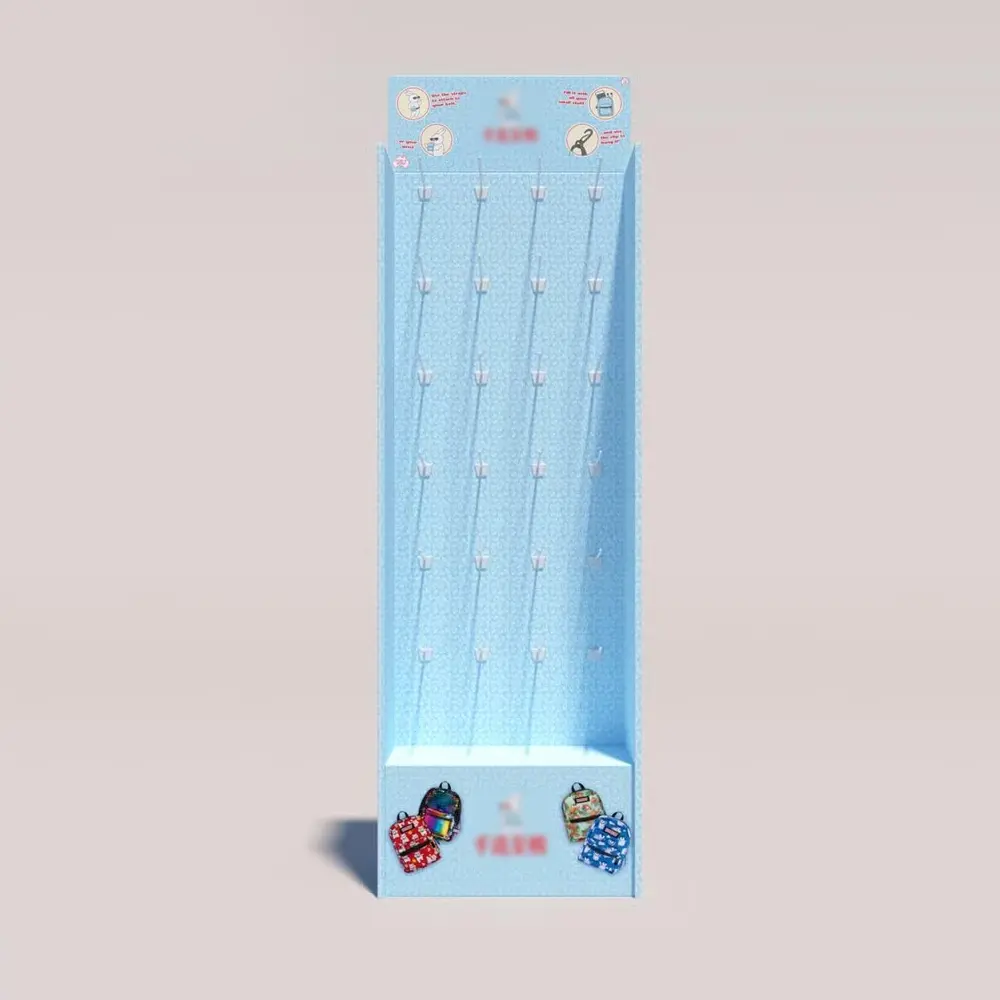 Hook/Peg Floor Display
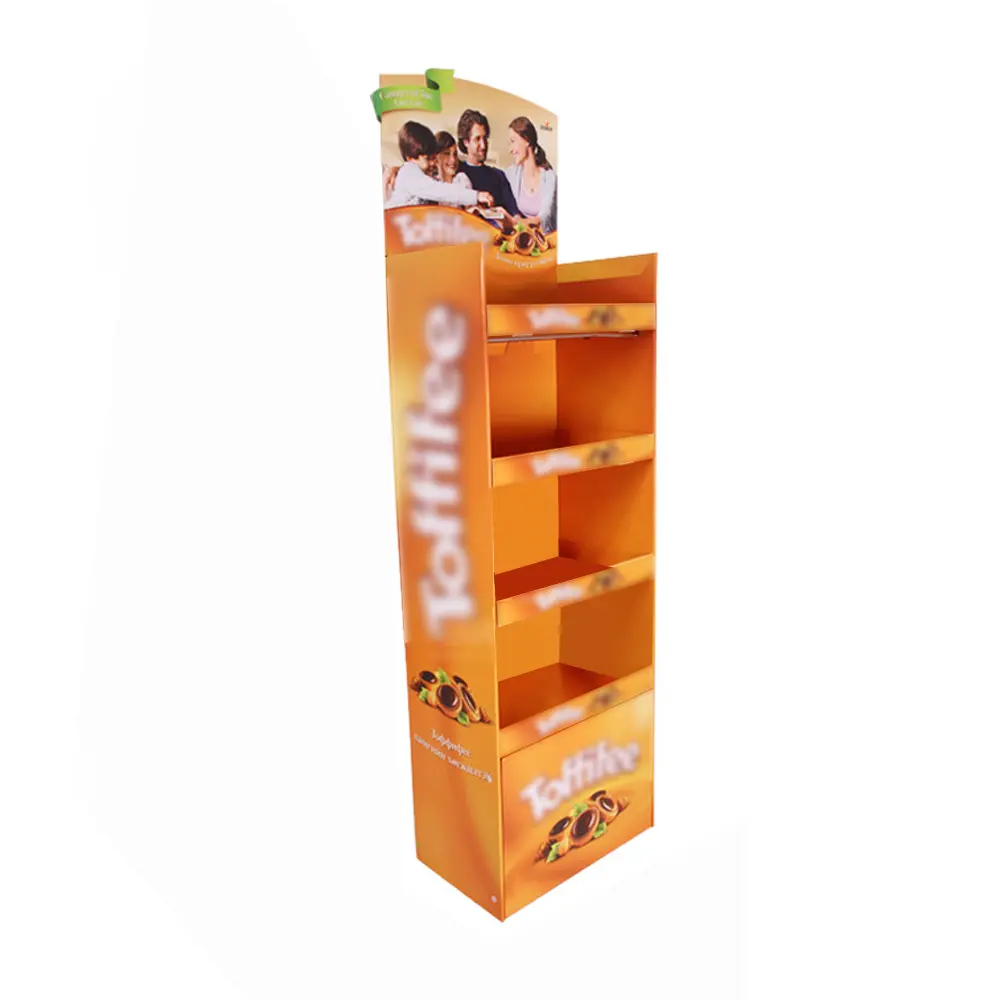 Orange Four Shelf Display
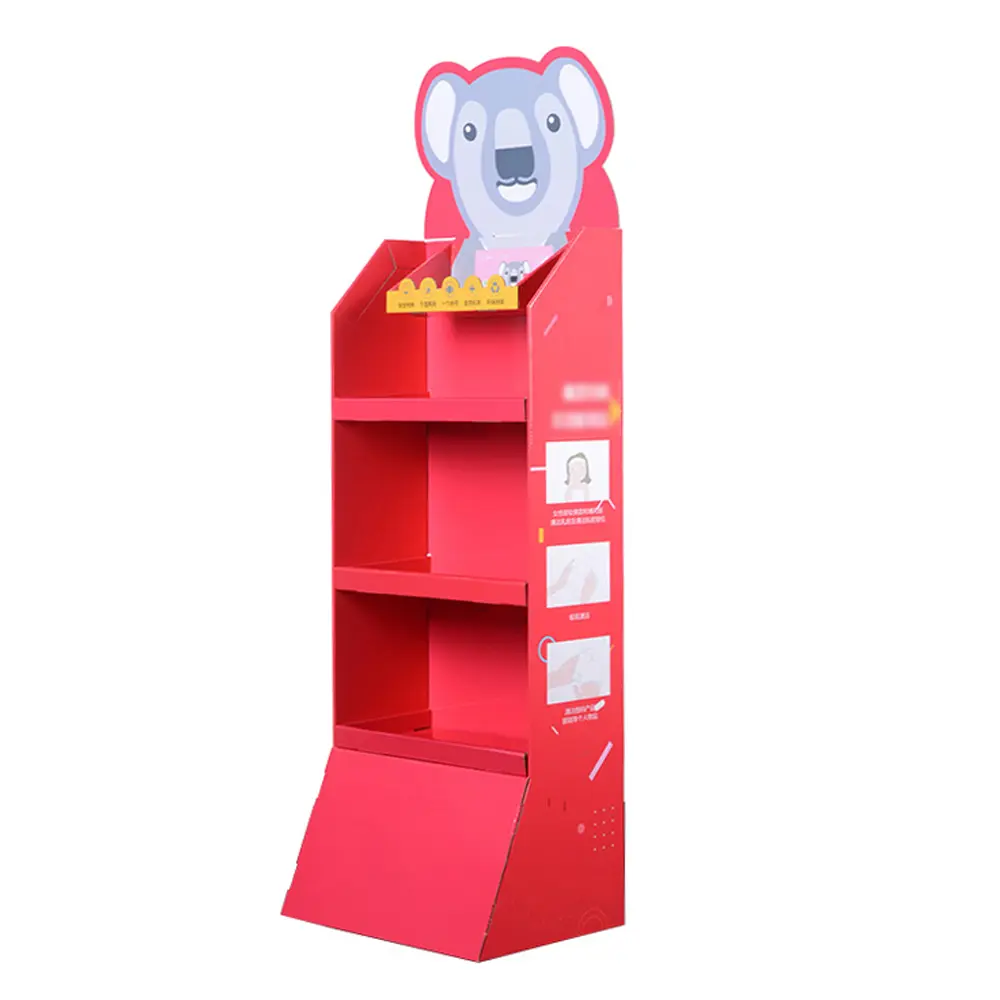 Three Tray Floor Display
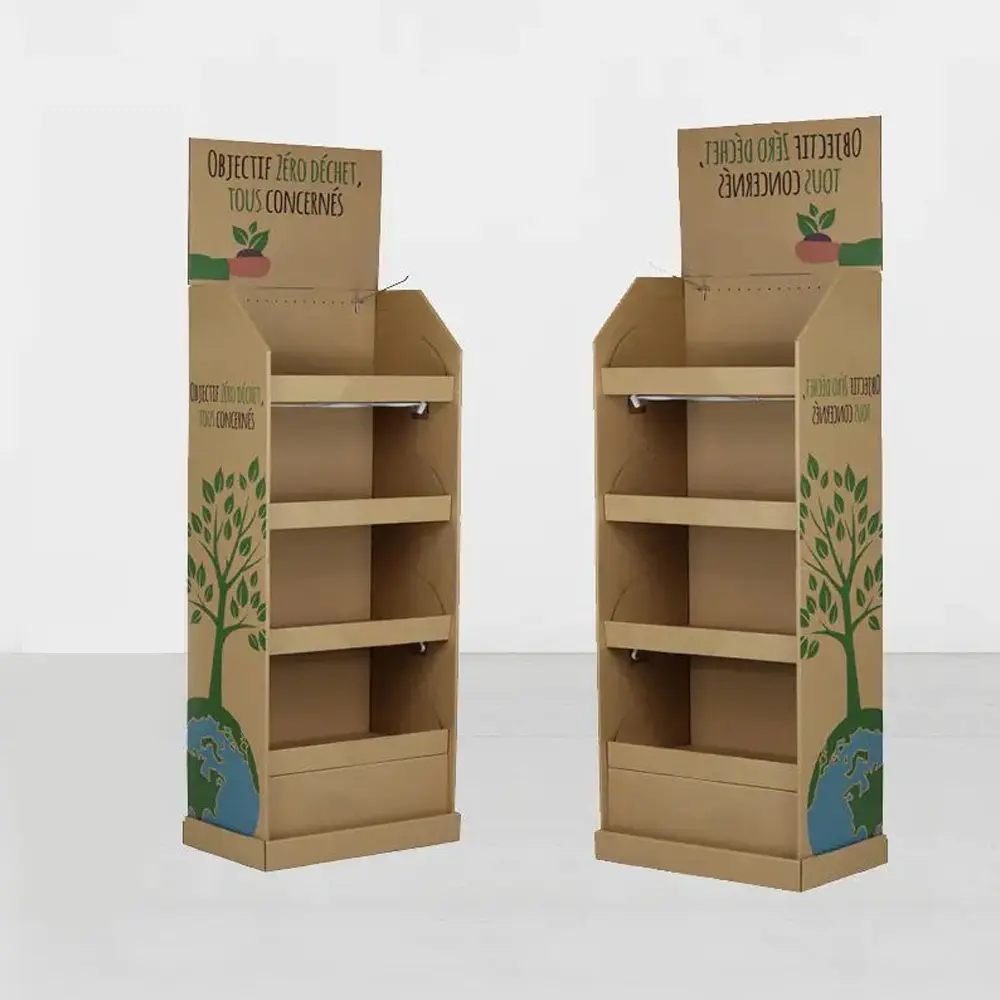 Tray Floor Display
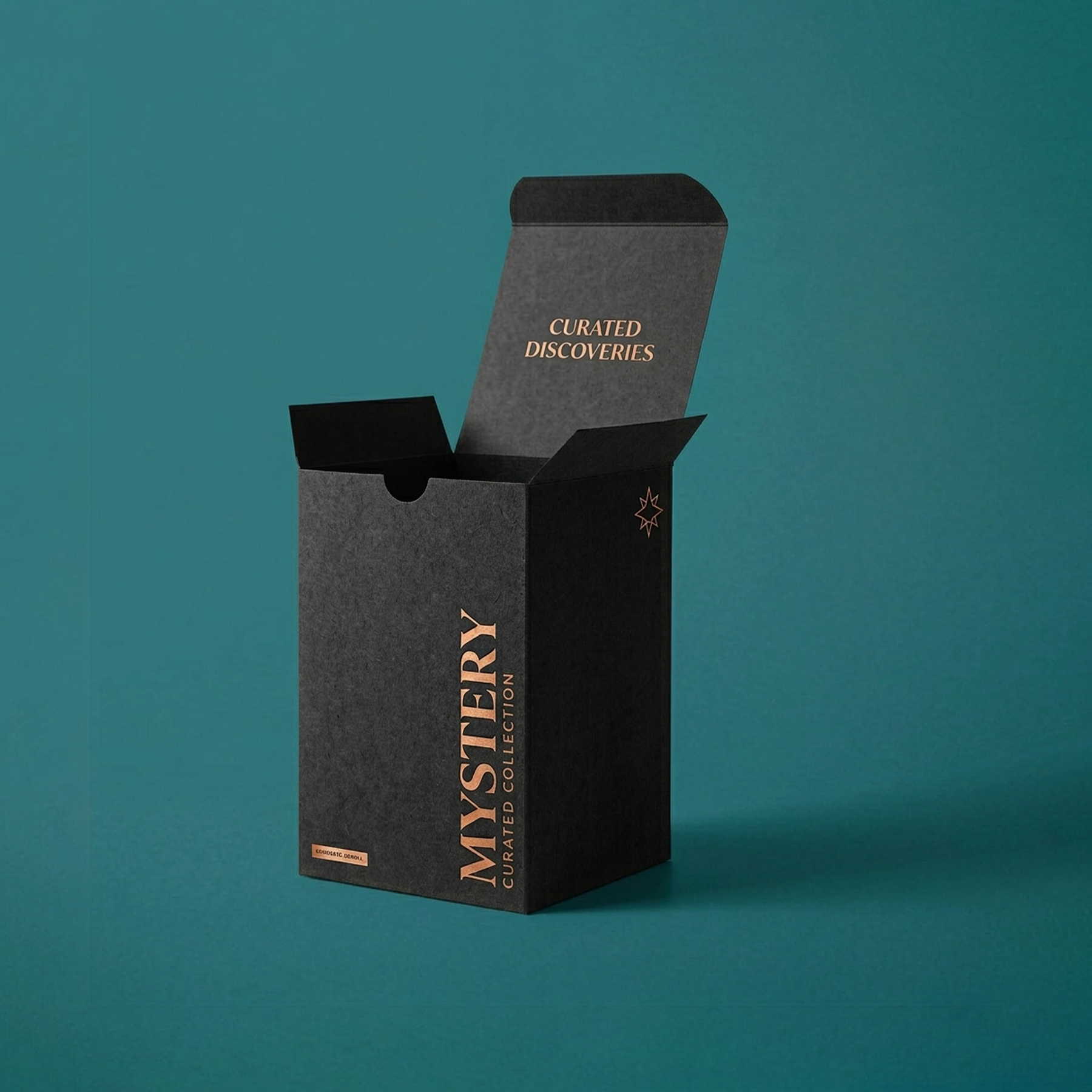 Black Kraft Boxes
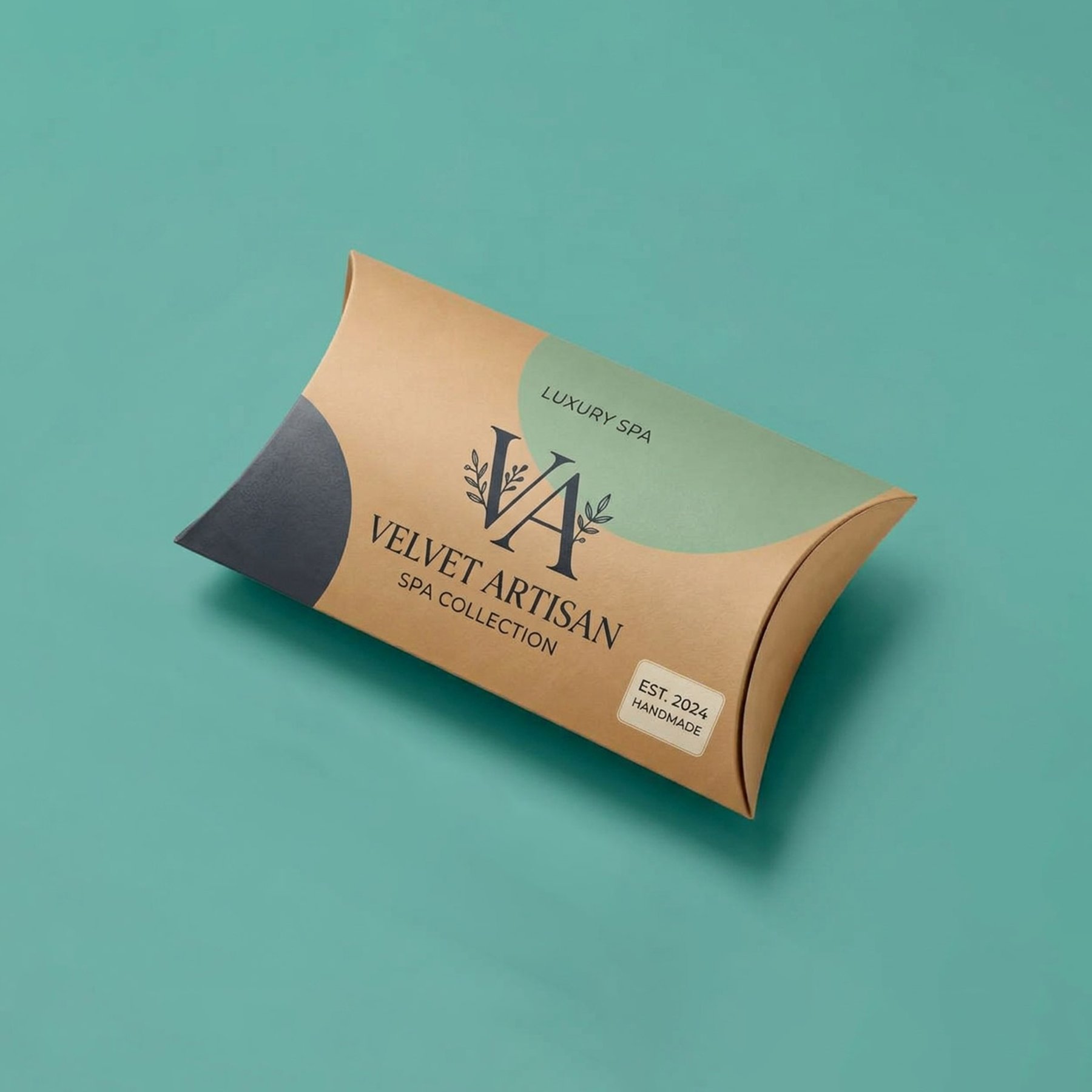 Custom Kraft Pillow Soap Boxes
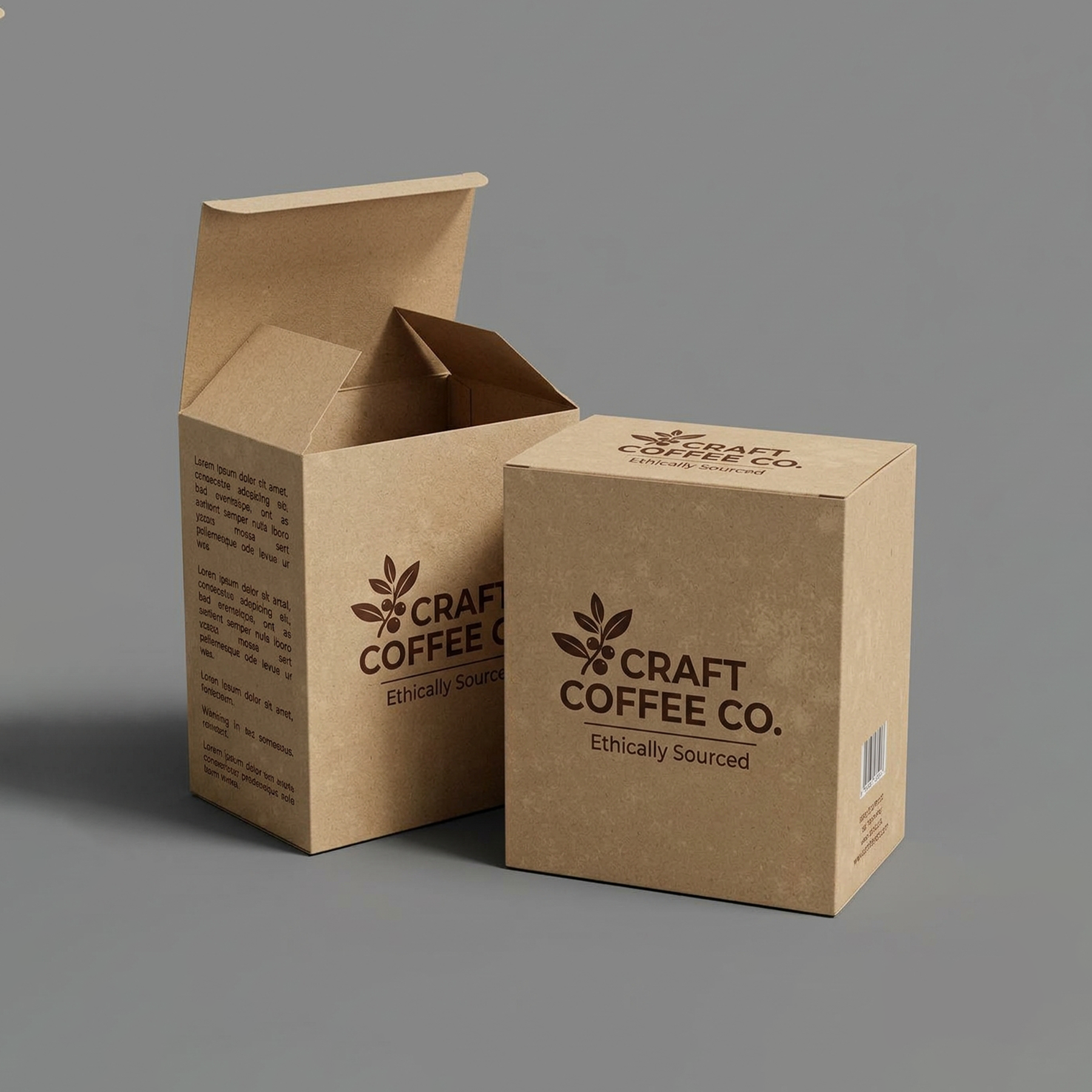 Custom Printed Kraft Packaging Boxes
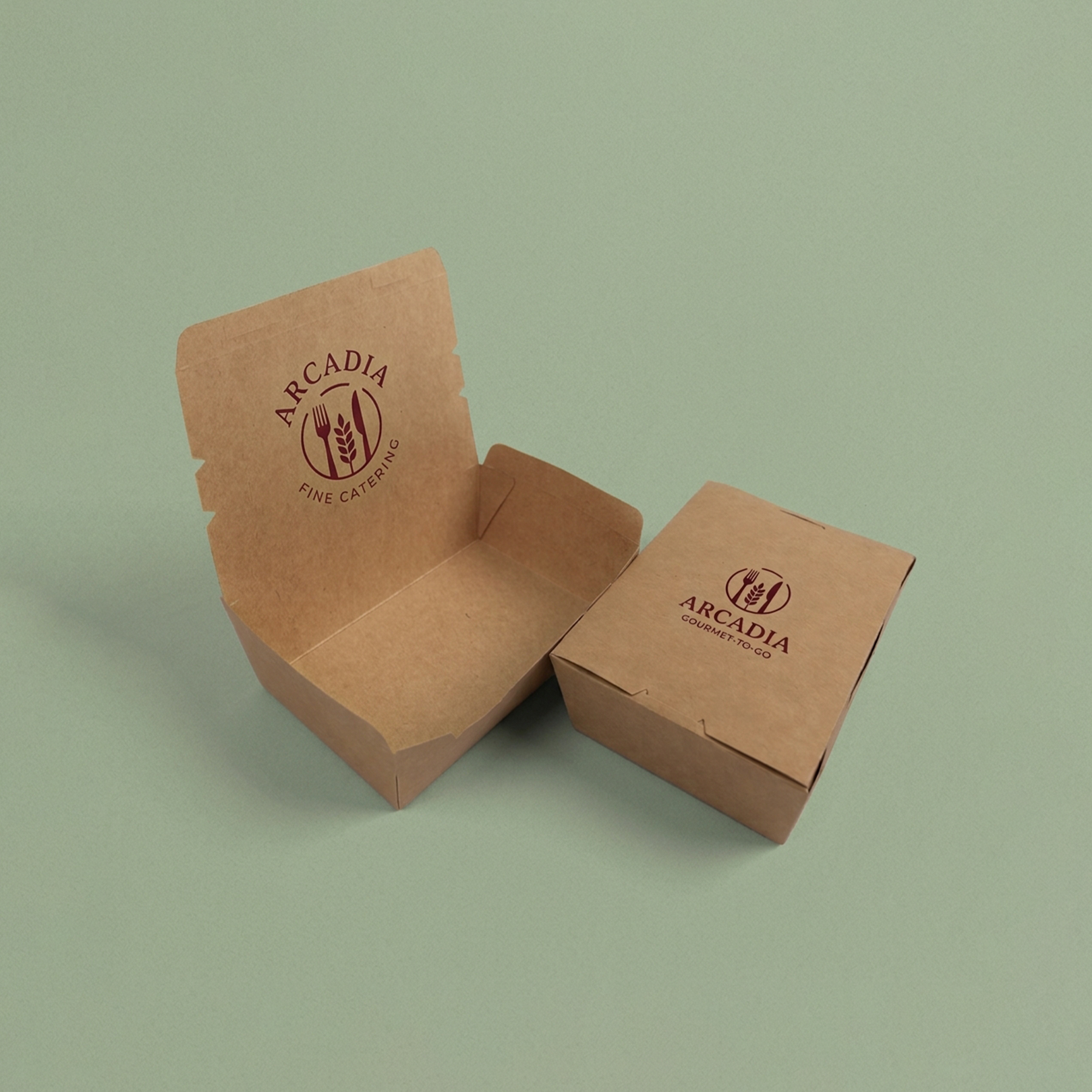 Disposable Kraft Paper Boxes
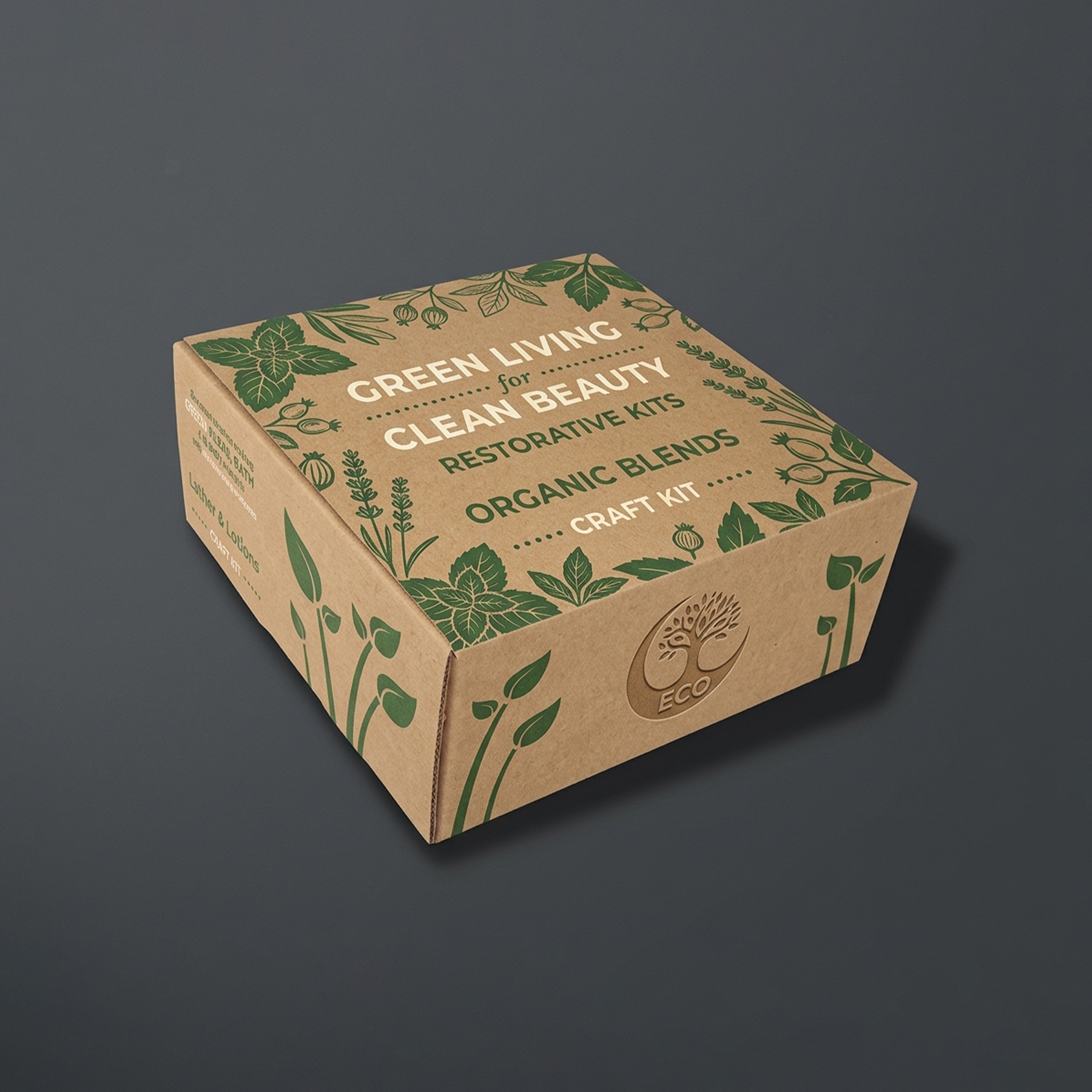 Eco-Friendly Kraft Boxes
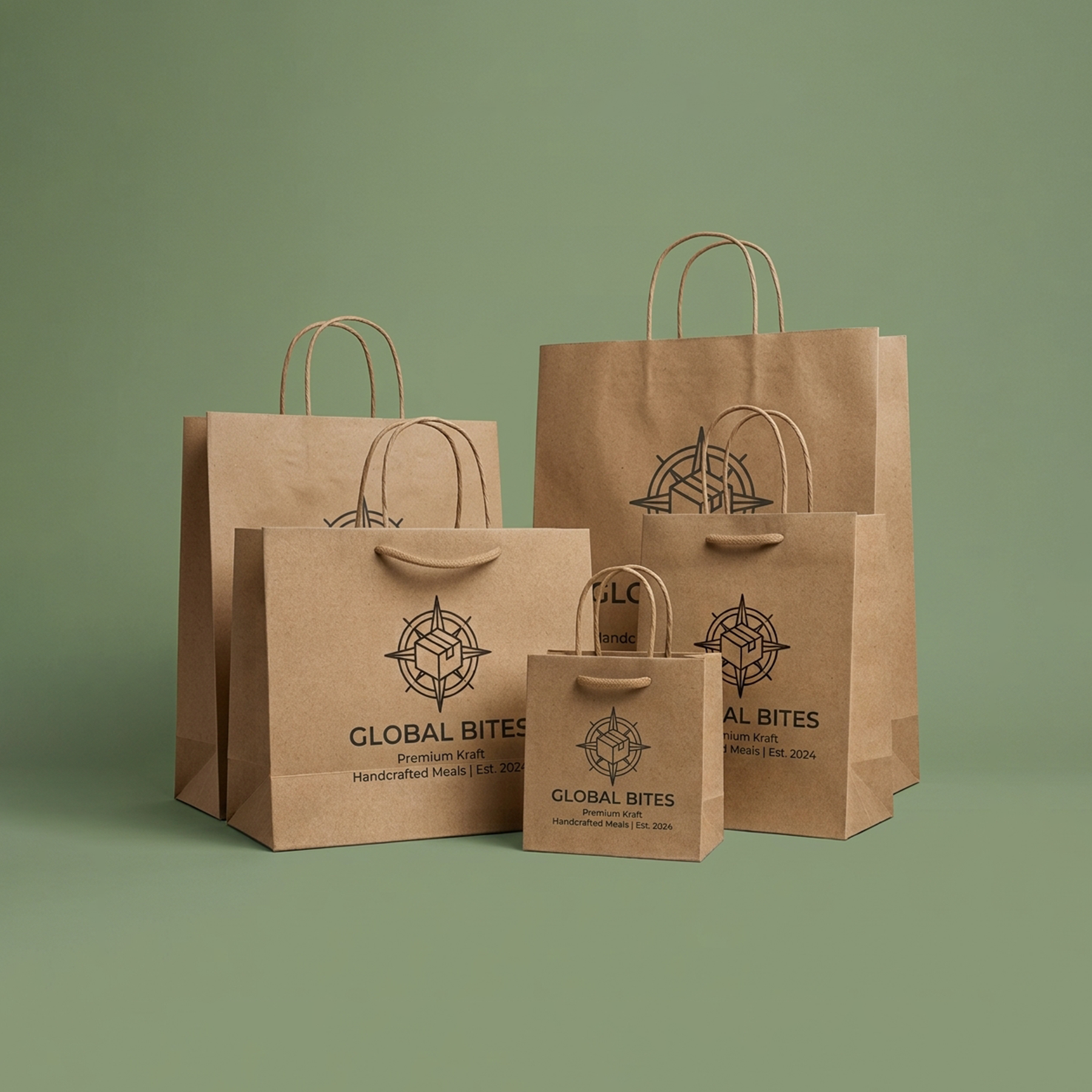 Kraft Paper Bags
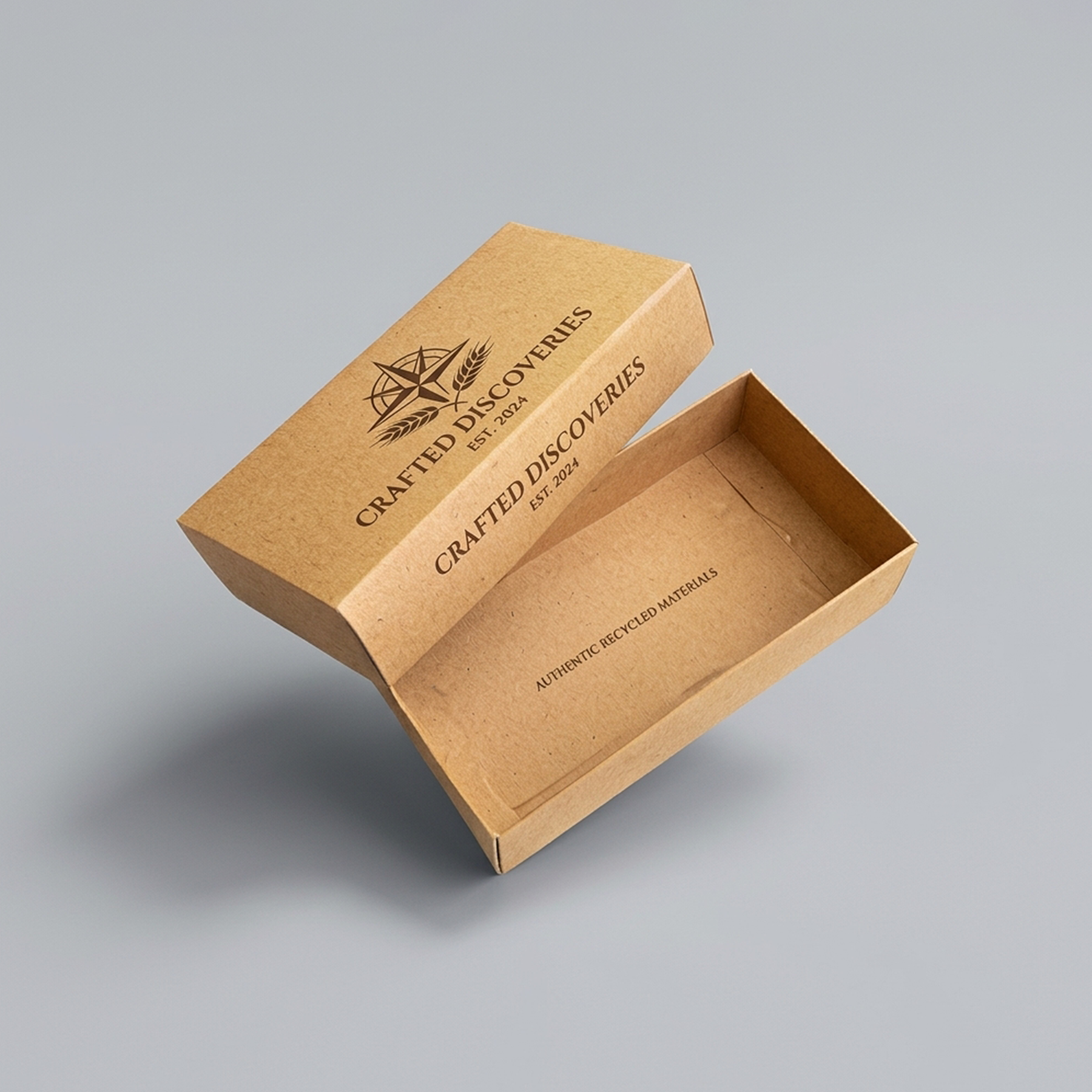 Kraft Boxes with Lids
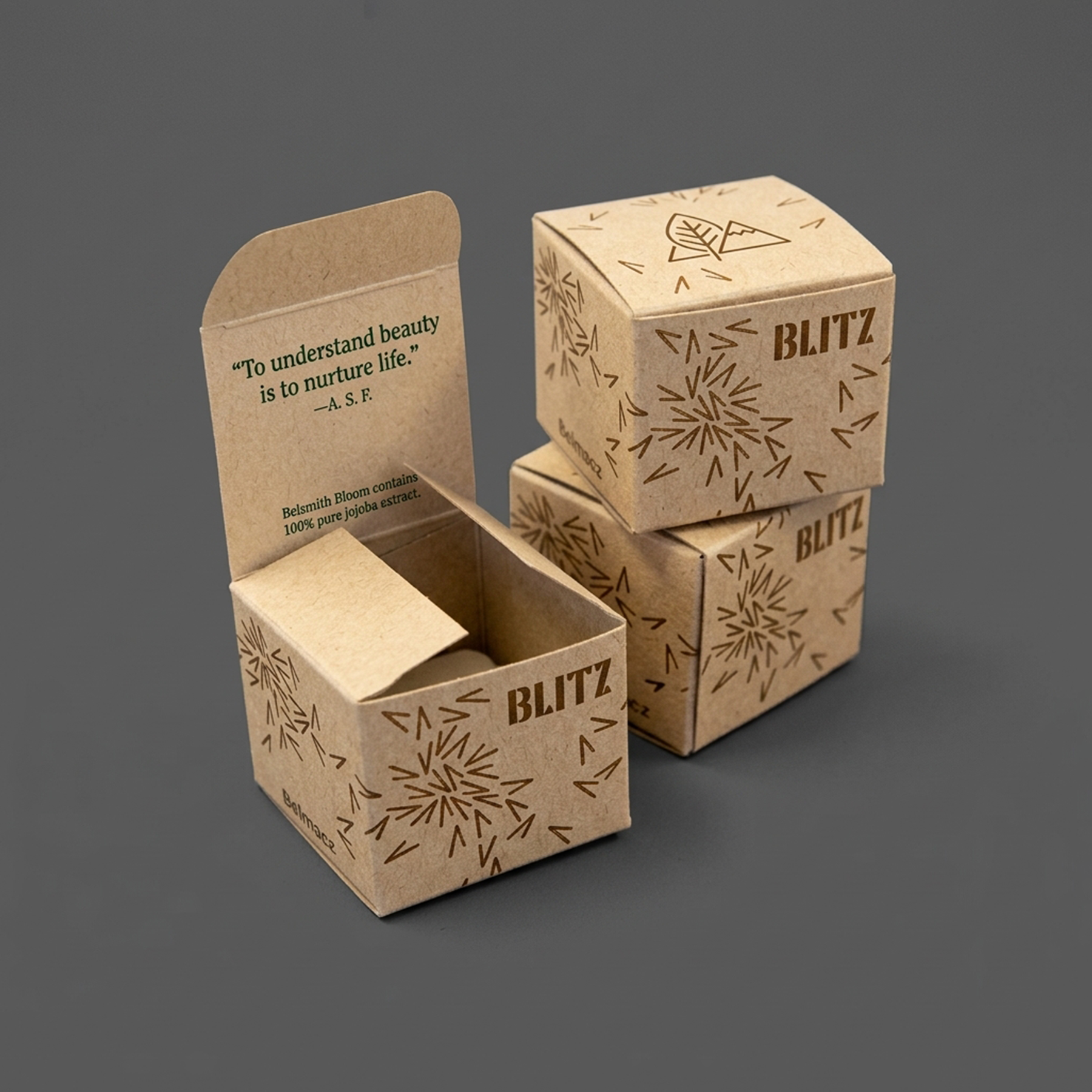 Kraft Cosmetic Boxes
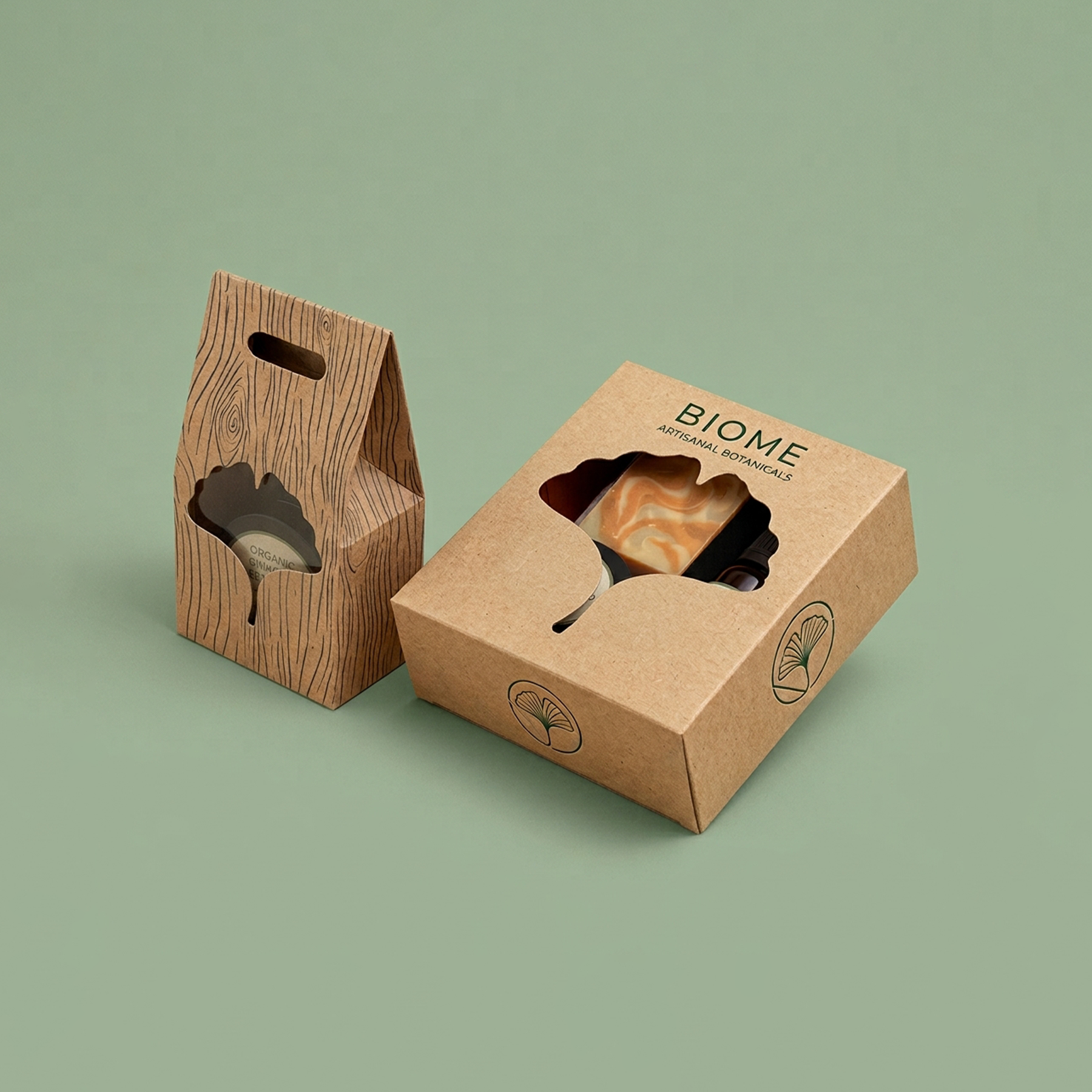 Kraft Die Cut Boxes
 1-2-3 Bottom Box
 Auto Bottom With Display Lid
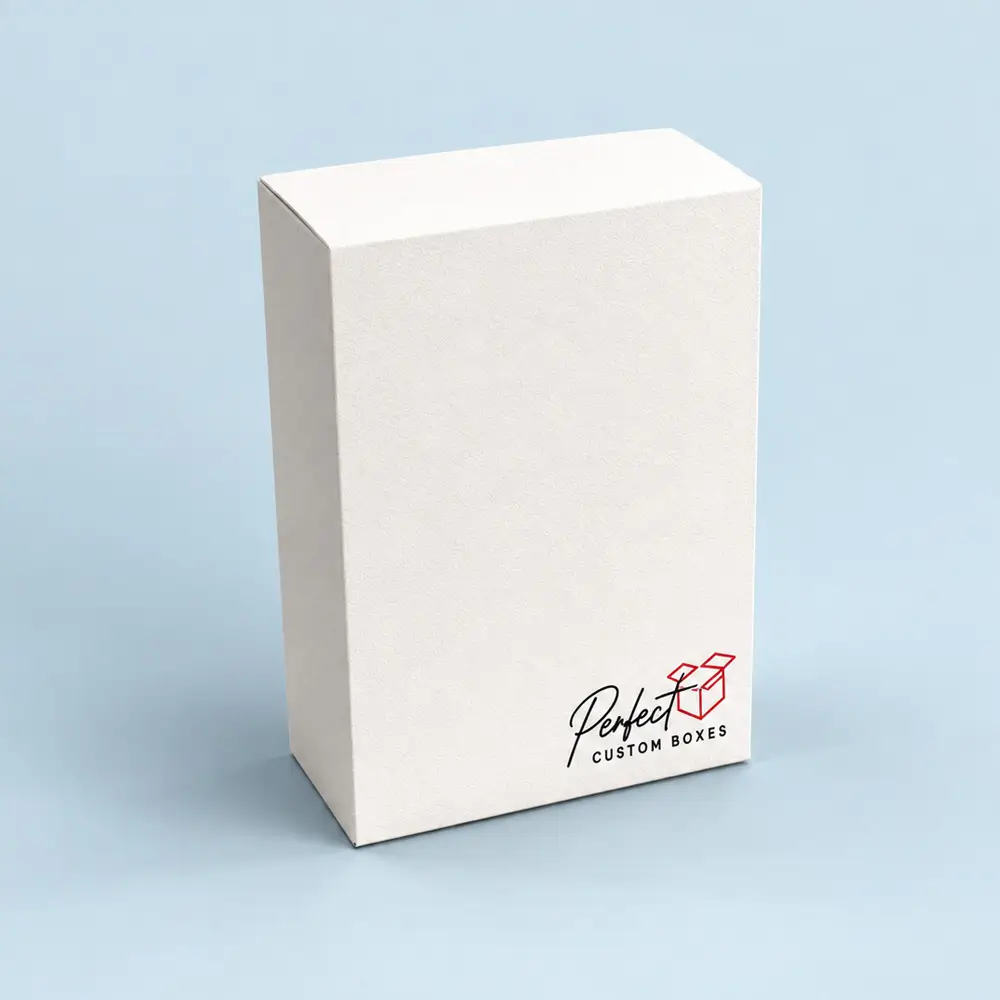 Seal End Auto Bottom
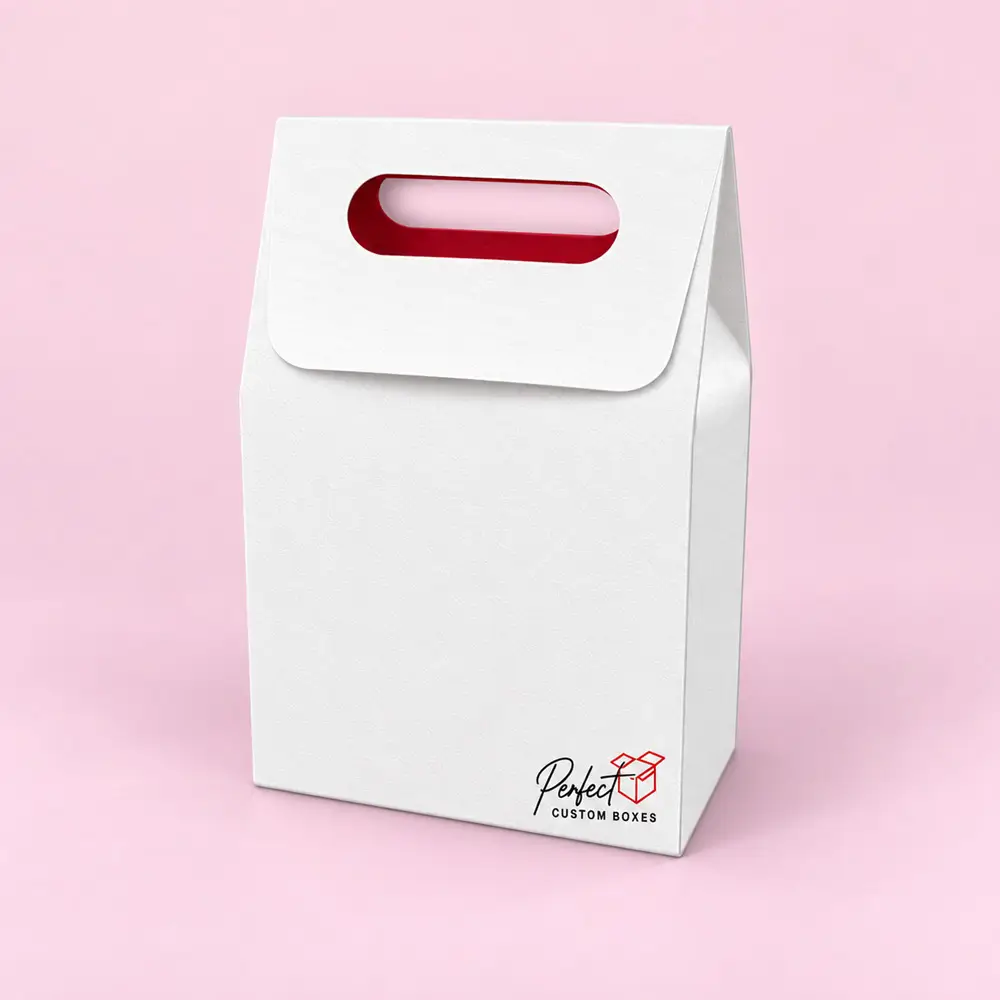 Gable Bags
 Six Corner
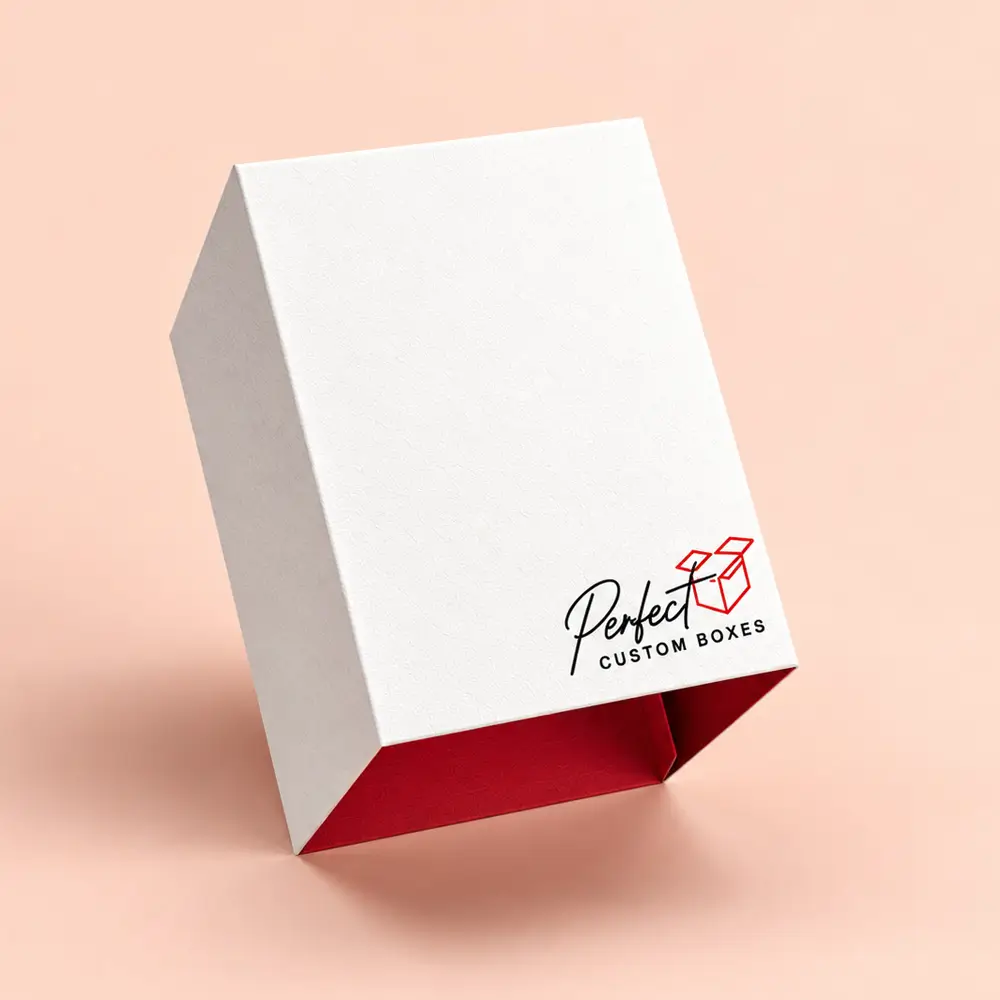 Sleeve
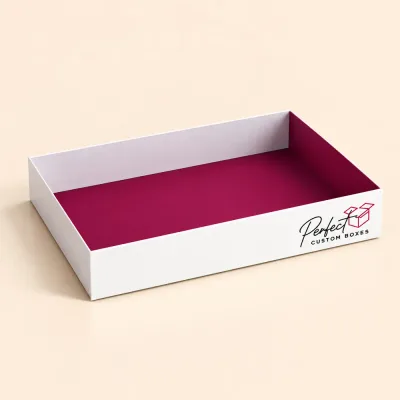 Tray
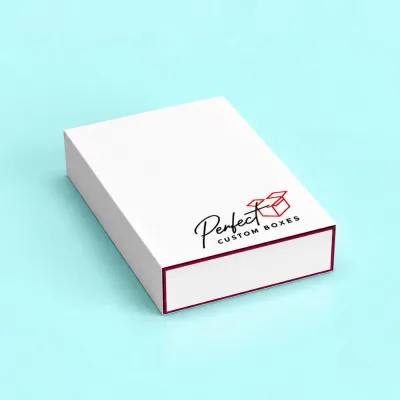 Custom Sleeve Boxes
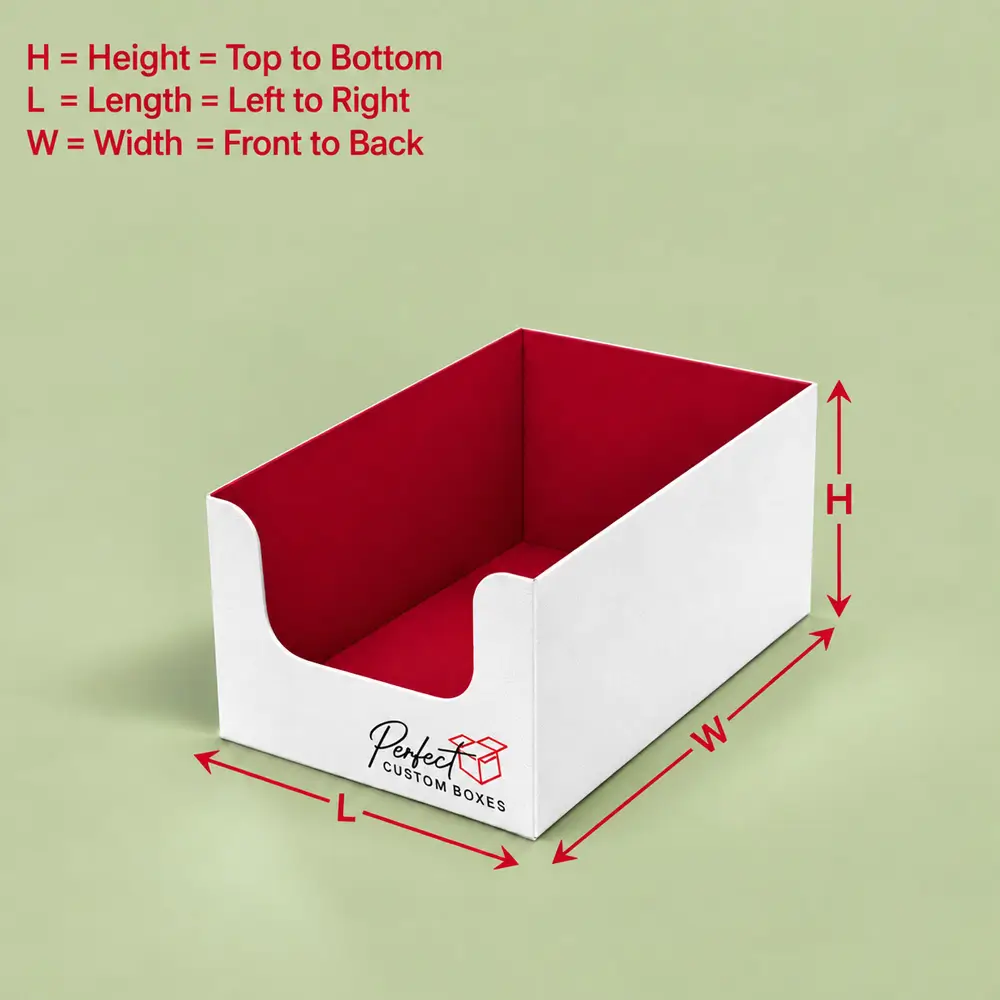 DIM
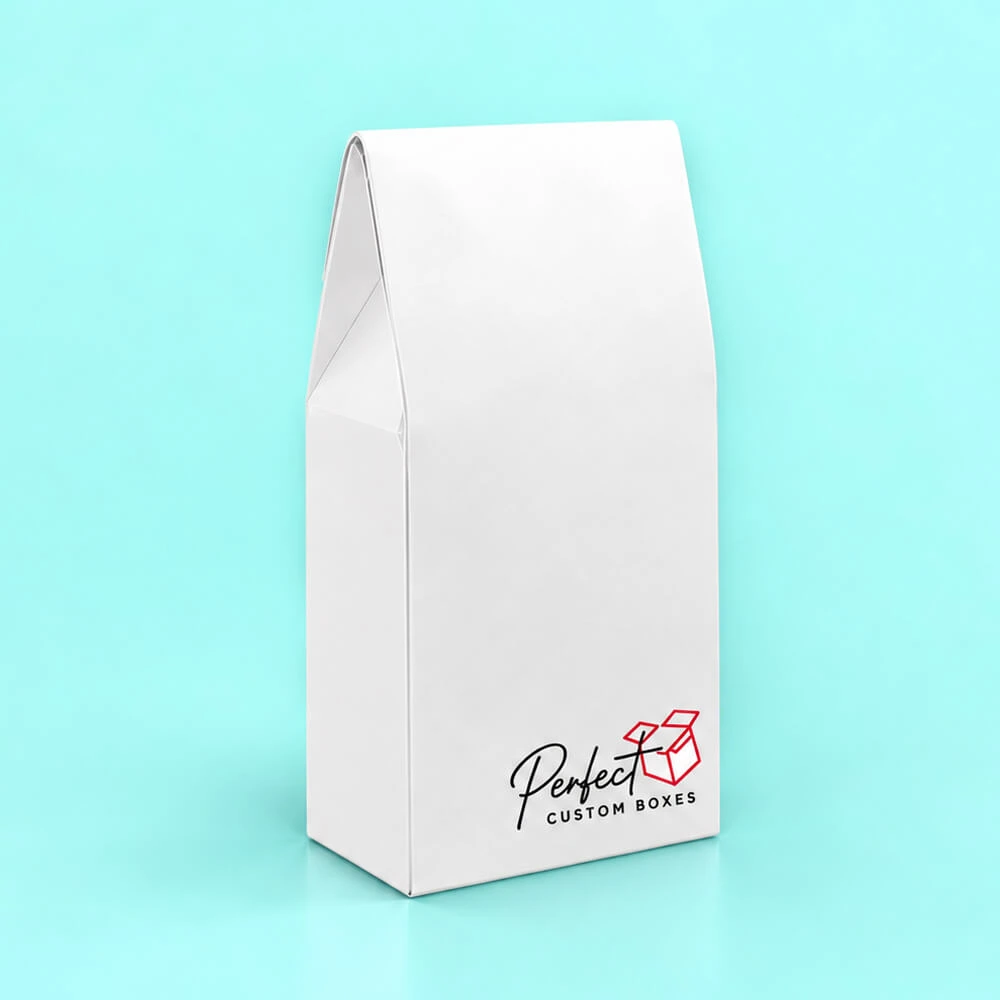 Gable Box Auto Bottom
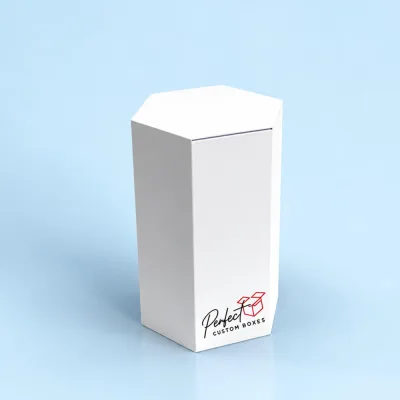 Hexagon Two Piece
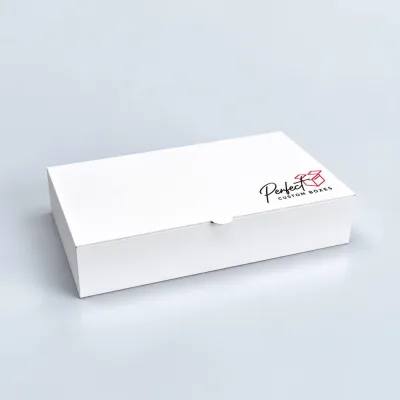 Regular Four Corner Box
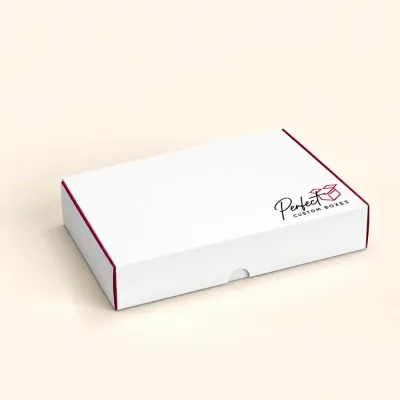 Two Piece
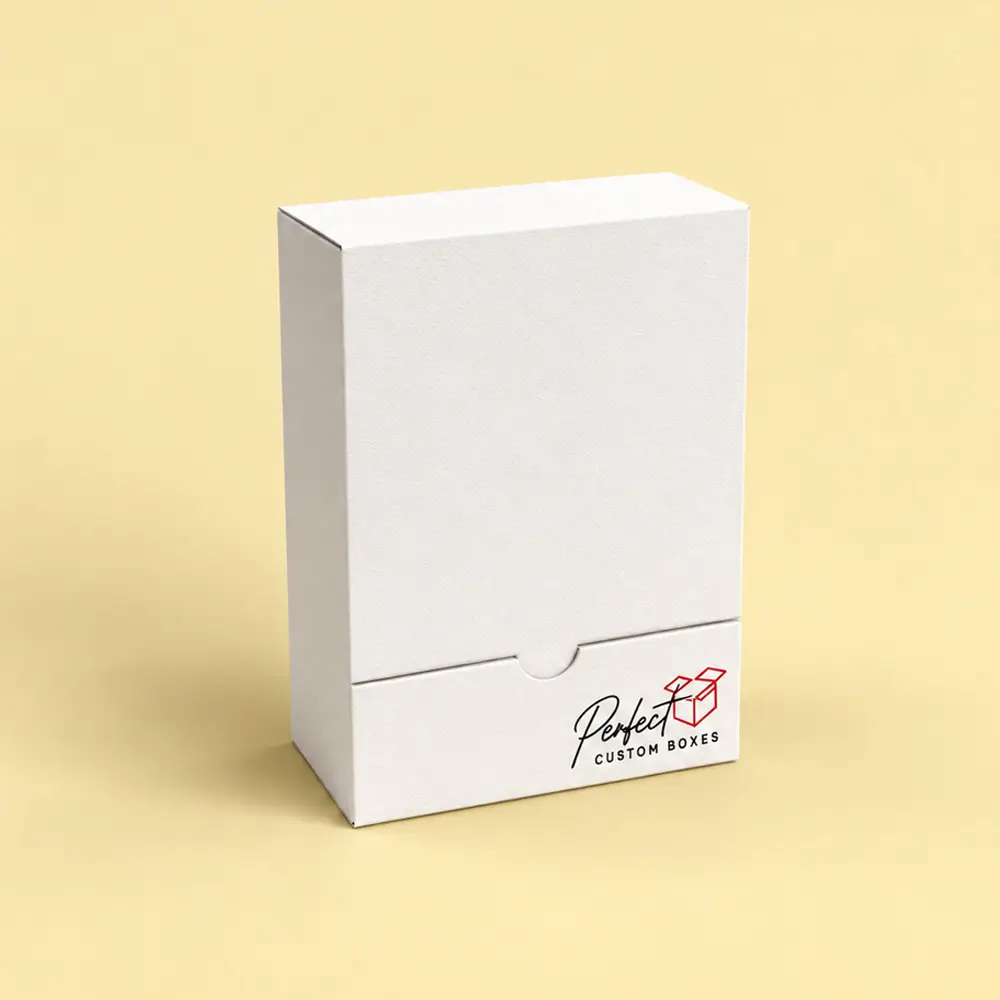 Dispenser Box
 Four Corner with Display Lid
 Pillow Box
 Reverse Tuck End
 Seal End
 Straight Tuck End
 Tuck End Auto Bottom
 Bottom Tray
 Brief Case Style
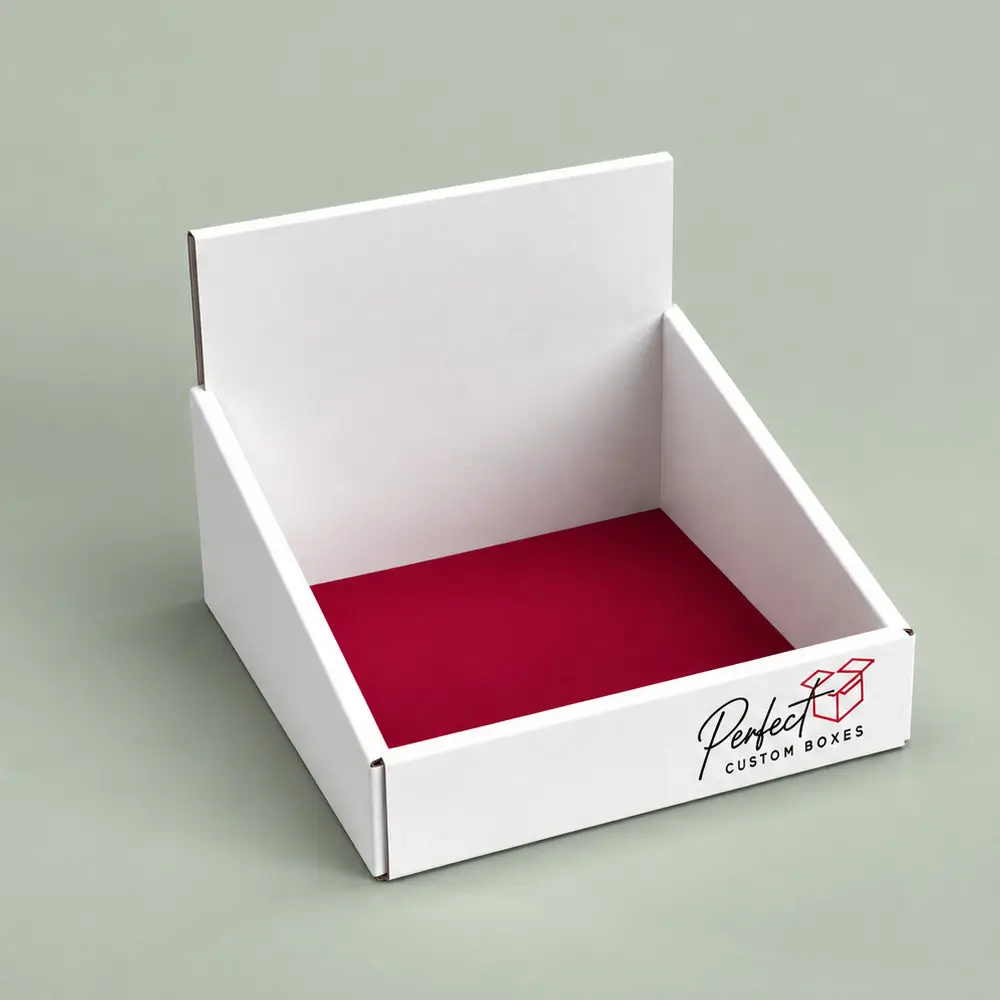 Display Box With Double Walls
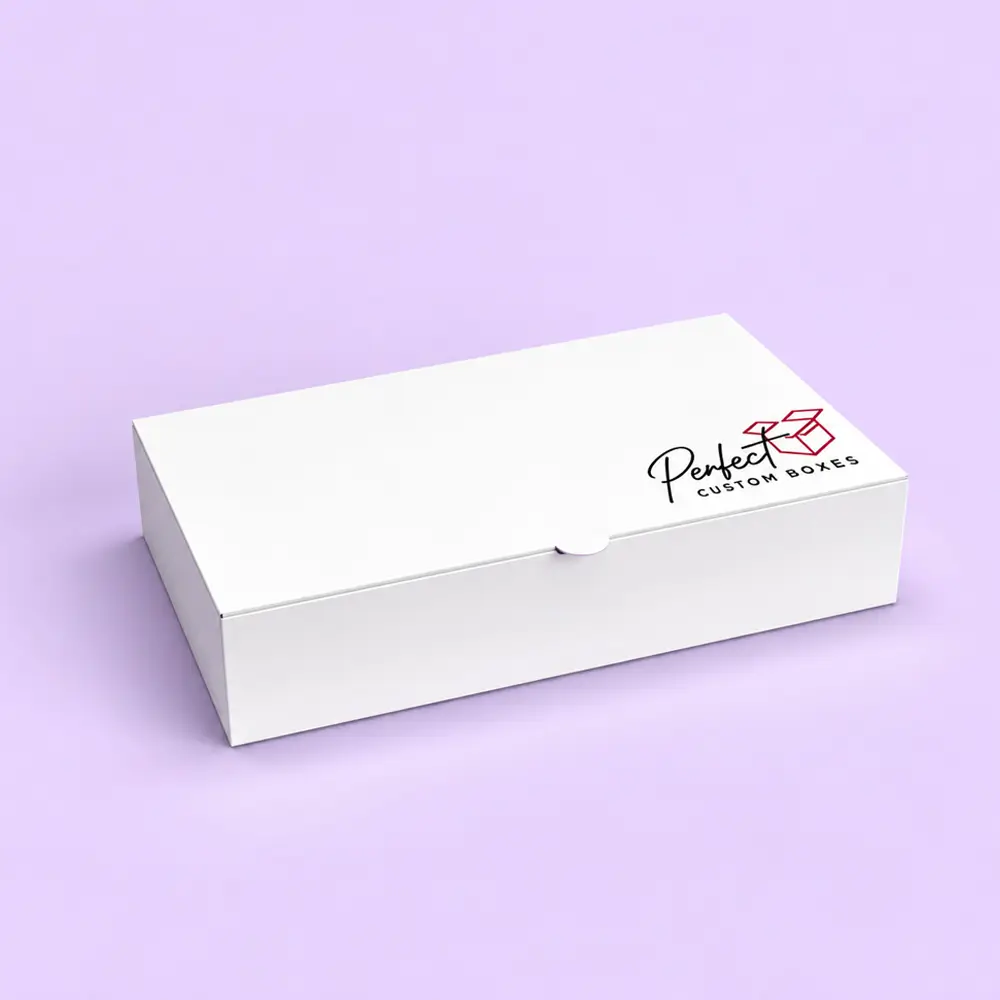 Double Locked Wall Lid
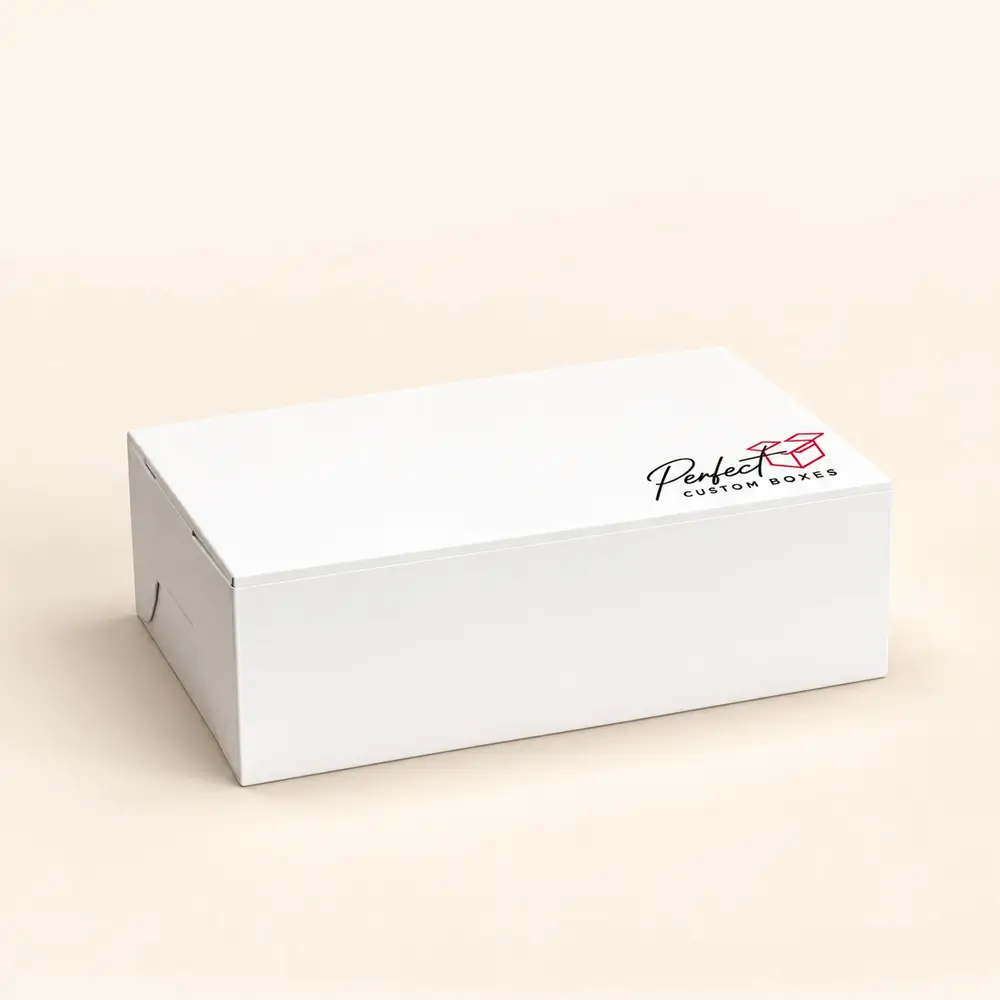 Self Lock Cake Box
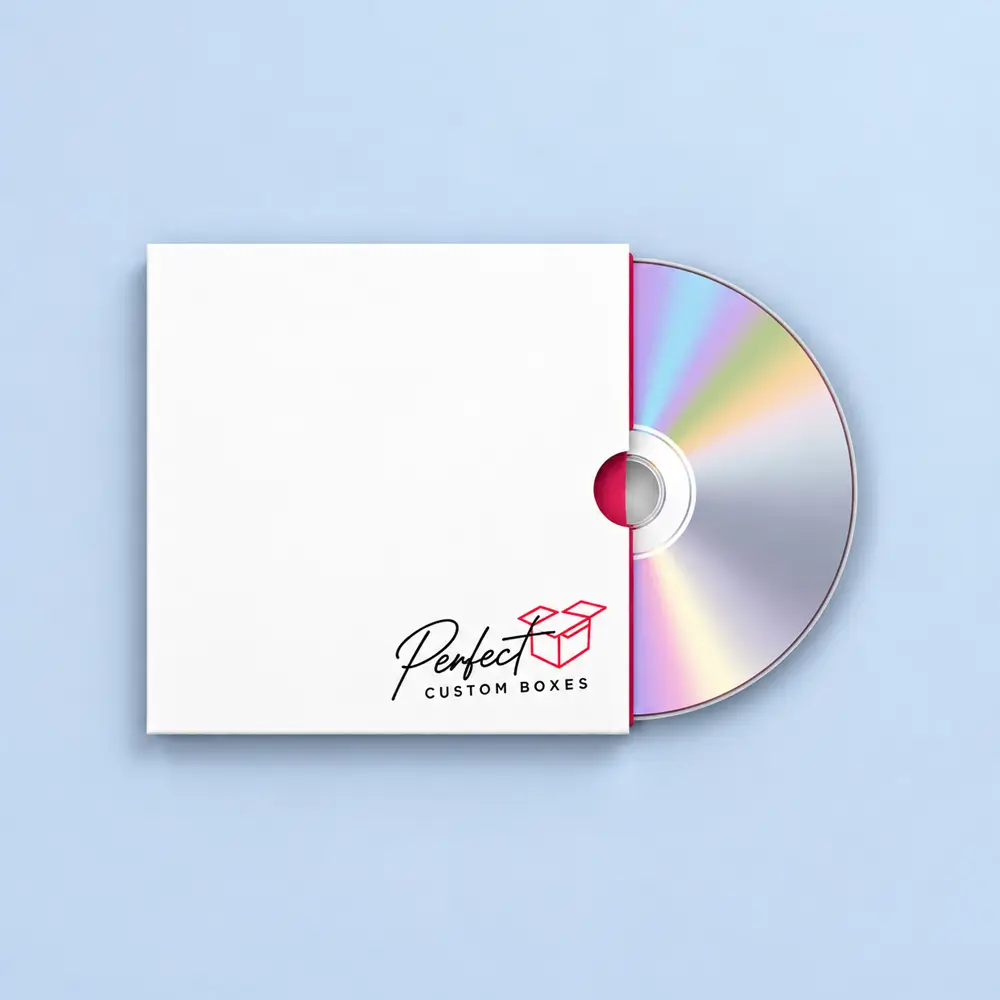 Cd Jacket
 Kraft Boxes
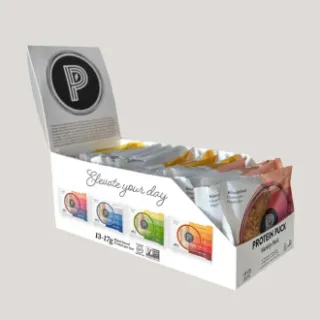 Corrugated Boxes
 Cardstock Boxes
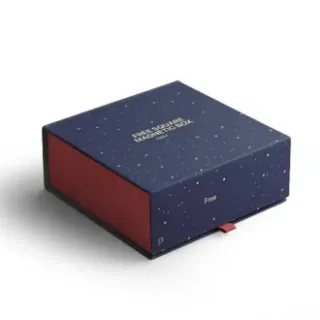 Rigid Boxes
 Eco Friendly Packaging
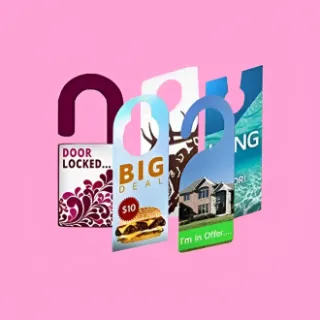 CMYK Printing
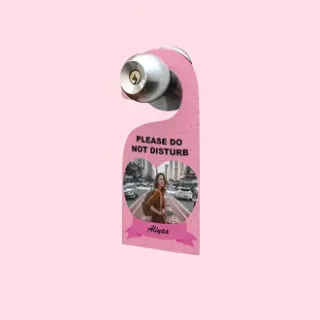 PMS Printing
 Matte Finish
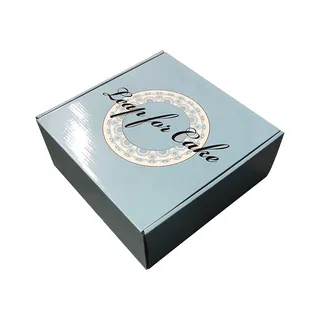 Gloss Finish
 Soft Touch
 Foil Stamping
 Spot UV
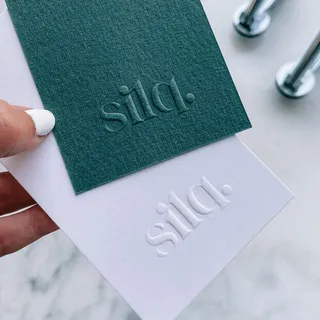 Embossing
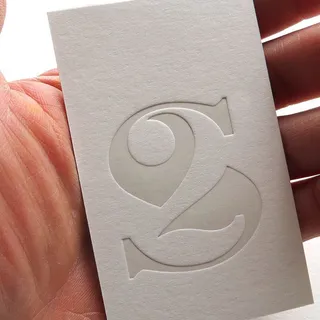 Debossing
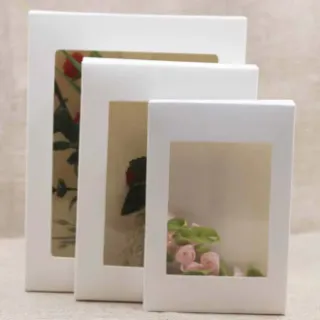 Window Cutouts
| Board Grade | Typical Use | Thickness | 12 x 10 in Box | 18 x 12 in Box |
|---|---|---|---|---|
| 29 ECT E-flute | Mailer boxes, retail cartons | 0.0625 in | 282 lb | 330 lb |
| 32 ECT B-flute | Light shipping boxes, mailers | 0.125 in | 441 lb | 514 lb |
| 32 ECT C-flute | Standard shipping boxes | 0.16 in | 498 lb | 582 lb |
| 44 ECT C-flute | Heavier products, taller stacks | 0.16 in | 685 lb | 800 lb |
| 48 ECT BC double wall | Heavy items, pallet stacking | 0.27 in | 971 lb | 1,134 lb |
| 61 ECT BC double wall | Industrial parts, export | 0.27 in | 1,234 lb | 1,441 lb |
Free Packaging Tool
Box Compression (BCT) Calculator
Enter your box size and board grade to estimate how much top-to-bottom load the box can take before it crushes. Then check whether it’s strong enough for your stack, in inches and pounds or centimeters and kilograms. Free to use, with no signup.
- McKee formula
- Stacking check
- Board grades side by side
- No signup
Your box strength
Strong enough for this stack
12 x 10 x 8 in, 32 ECT C-flute
498 lb estimated compression strength
240 lb
strength this stack needs
60 lb
load on the bottom box
9
boxes high, at most
44 in
box perimeter
| Board | Strength | This stack |
|---|
Not sure which board to choose? We’ll recommend a grade for your product weight and stack.
Get a Free QuoteHow Box Compression Strength Is Estimated
The calculator uses the McKee formula, the industry’s standard estimate for corrugated boxes: BCT = 5.87 × ECT × √(board thickness × box perimeter).
-
01
Measure the Footprint
Add the length and width, then double it to get the box perimeter.
-
02
Choose the Board
Note the board’s edge crush rating (ECT) and its thickness, or caliper.
-
03
Apply the Formula
Multiply 5.87 by the ECT and by the square root of thickness × perimeter.
-
04
Check the Stack
The weight on the bottom box × your safety factor should stay below the result.
Estimated Compression Strength by Board Grade
McKee estimates for two common box footprints, using typical board thickness for each flute.
Board thickness varies by mill and flute profile. Ask for your board’s ECT and caliper for a closer estimate.
Why a Safety Factor Matters
The McKee result is a lab-style estimate for a new, dry box loaded straight down. Real warehouses are harder on boxes: moisture softens the board, and boxes slowly lose strength under a constant load.
A safety factor divides the estimate down to what the box can safely hold over time. Most shippers use 3 to 5.
What Changes Real Box Strength?
Lowers Strength
- High humidity or cold storage
- Weeks or months under load
- Interlocked or overhanging stacks
Keeps Strength
- Dry, climate-controlled storage
- Corner-to-corner column stacking
- Products that support the lid
Results are estimates. For critical loads, ask for a lab compression test (BCT) on your actual box.
How to Make a Box Stronger
Small changes to the board or the stack often add more strength than a bigger box.
-
Raise the ECT Compression strength rises in step with ECT, so 44 ECT board is about 38% stronger than 32 ECT.
-
Choose a Thicker Flute Moving from B-flute to C-flute, or to BC double wall, adds strength without changing the box size.
-
Stack in Columns Line boxes up corner to corner. Most of a box’s strength is in its corners and edges.
-
Add Inserts or Partitions Inserts that reach the lid share the load with the box walls and stop products shifting.
Find Your Safety Factor
Choose how your boxes are stored. Each harder condition adds to the starting factor of 3.
How long do boxes stay stacked?
How humid is storage?
How are boxes stacked?
3
safety factor
Short, dry storage with column stacking. Your box only needs to hold its load for a few days in good conditions.
Custom Boxes Built for Your Load
We make every box to your product’s exact dimensions, in the board grade your stack needs. Our designers build the dieline and artwork, and you check everything on a 2D and 3D digital proof before production.
Custom Mailer Boxes
Made to your inside dimensions, so less space is billed.
View Mailer Boxes
Corrugated Shipping Boxes
Custom sizes, board grades and prints, with partitions.
View Shipping Boxes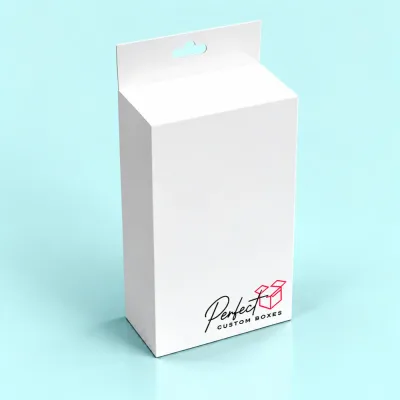

Retail Boxes
Shelf-ready cartons sized to your product.
View Retail Boxes
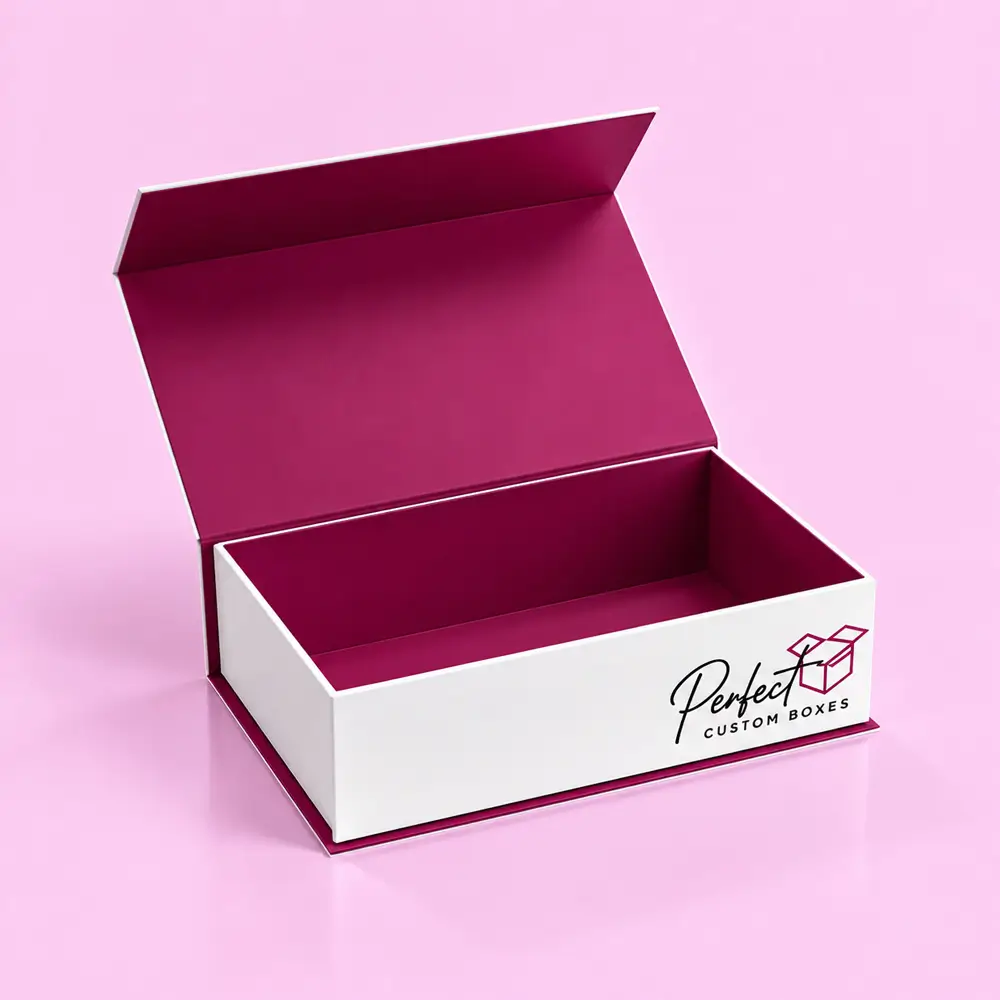
Rigid Luxury Boxes
Premium boxes with inserts that hold products in place.
View Rigid Boxes- No die & plate charges
- Free design support
- Free shipping
- Orders from 100 boxes
Frequently Asked Questions (FAQs)
What is box compression strength (BCT)?
Box compression strength is the top-to-bottom load a box can take before it crushes. It is measured with a box compression test (BCT) and decides how high boxes can be stacked.
How is box compression strength calculated?
This calculator uses the McKee formula: BCT = 5.87 × ECT × √(board thickness × box perimeter). For example, a 12 x 10 inch box in 32 ECT C-flute board (0.16 inch thick) has a perimeter of 44 inches and an estimated strength of about 498 pounds.
What is ECT?
ECT, or edge crush test, measures how much force a strip of corrugated board can take on its edge before it crushes, in pounds per inch or kilonewtons per meter. Higher ECT board makes a stronger box.
Does box height change the result?
The McKee formula uses the box perimeter and board, not the height. It works well for boxes of typical proportions, but very tall, narrow boxes can buckle sooner than the estimate.
What safety factor should I use?
Most shippers use 3 to 5. Use 3 for short, dry storage, 4 for typical warehouse storage, and 5 or more for long storage, high humidity, cold storage or export.
How accurate is the estimate?
The McKee formula is a widely used estimate for regular slotted corrugated boxes. Real strength depends on the mill, flute, printing, cutouts and handling, so for critical loads, ask for a lab compression test on your actual box.
Can you make a box strong enough for my stack?
Yes. Tell us your product size, packed weight and how high you stack, and we will recommend a board grade and make the box to your exact dimensions.
Is my data stored?
No. Everything is calculated in your browser, and nothing you type is sent to or saved by us.

Boxes That Hold Up in the Stack
Send us your product sizes, weight and how you stack, and get a free quote on custom boxes in the right board grade.