
 Serum Bottles
 Clear Glass Bottles
 Lotion Bottles
 Plastic Bottles
 Food Storage Containers
 Lip Balm Tubes
 Metal Tins
 Plastic Jars
 Glass Jars
 Cosmetic Containers
 Black Acrylic Signs
 Clear Acrylic Signs
 Frosted Acrylic Signs
 White Acrylic Signs
 Aluminium Bags
 Black Mylar Bags
 Candy Mylar Bags
 Child Resistant Mylar Bags
 Custom Printed Mylar Bags
 Die-Cut Mylar Bags
 Edible Mylar Bags
 Food Pouches
 Frosted Bags
 Anti Aging Mask Boxes
 Bangle Boxes
 Concealer Boxes
 Contact Lens Boxes
 Cosmetic Cardboard Boxes
 Cufflink Boxes
 Custom Eye Shadow Packaging Boxes
 Custom Hair Color Boxes
 Custom Hair Spray Boxes
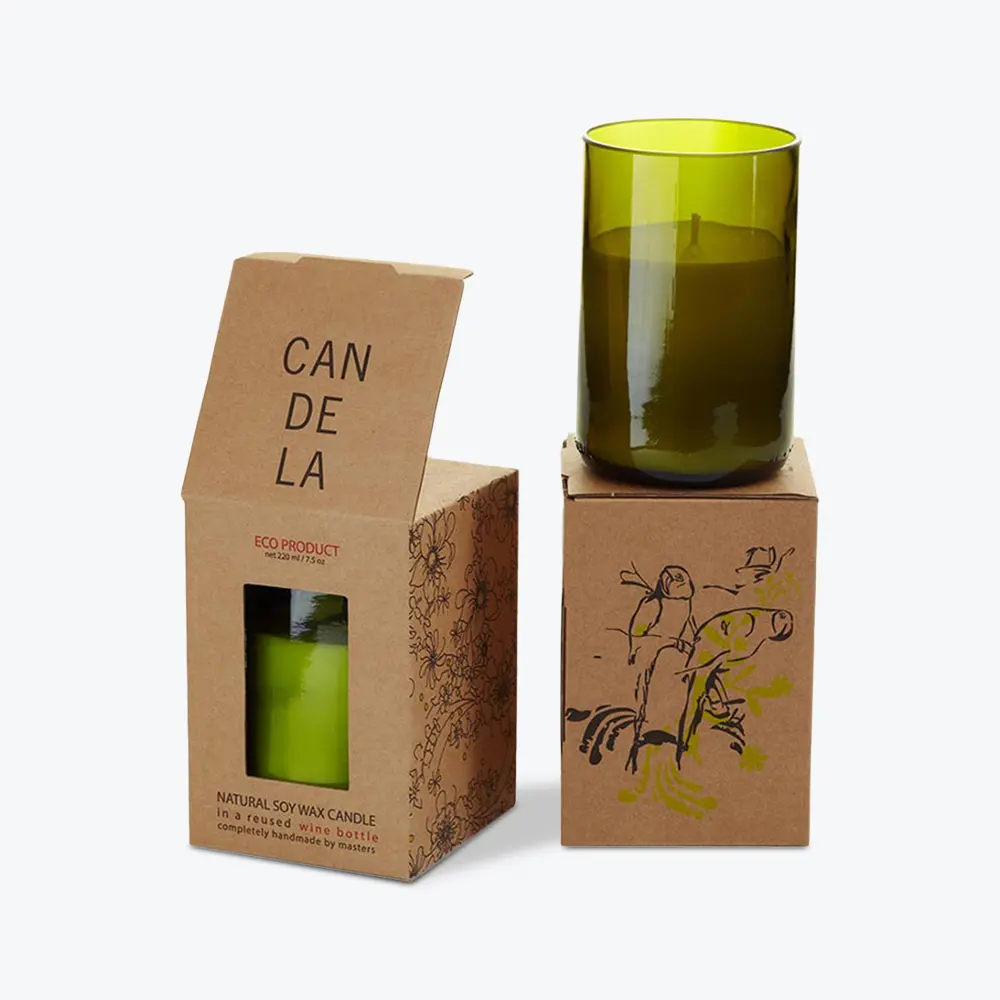 Candle Boxes with Window
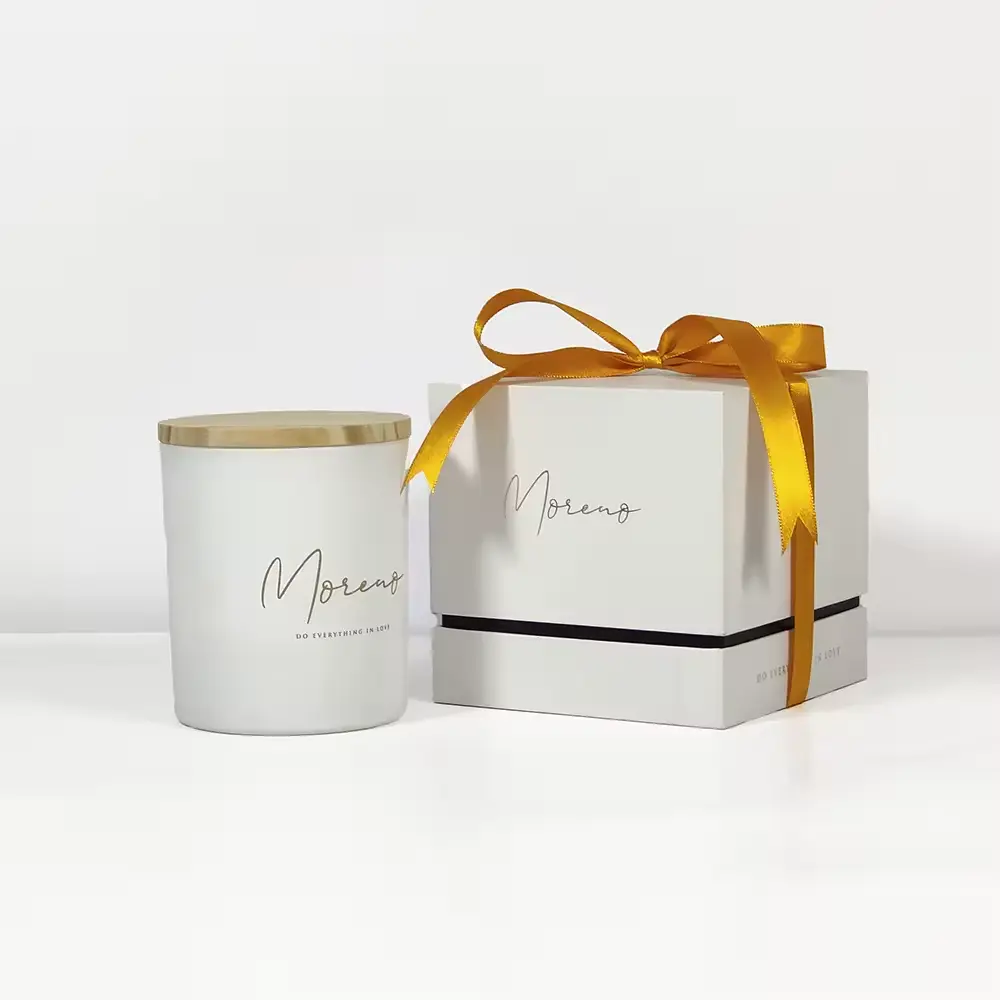 Candle Gift Boxes
 Candle Shipping Boxes
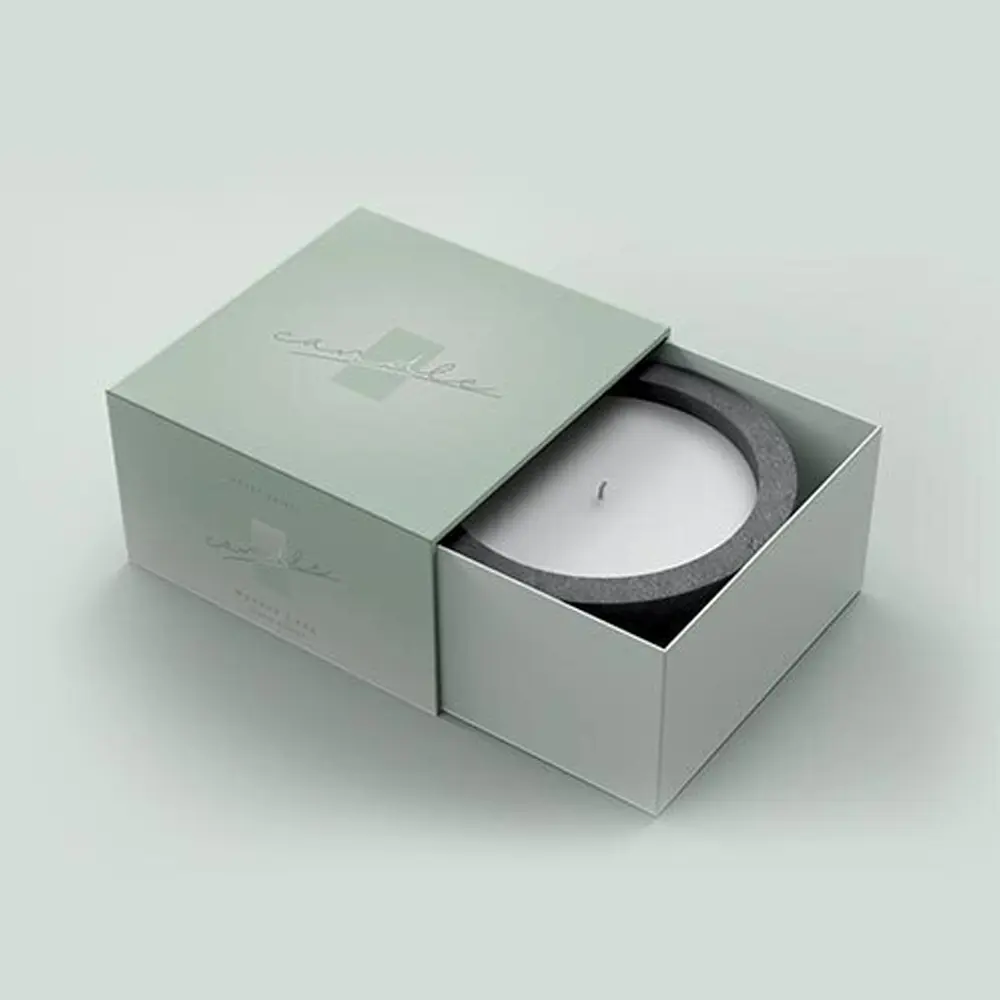 Candle Tray And Sleeve Boxes
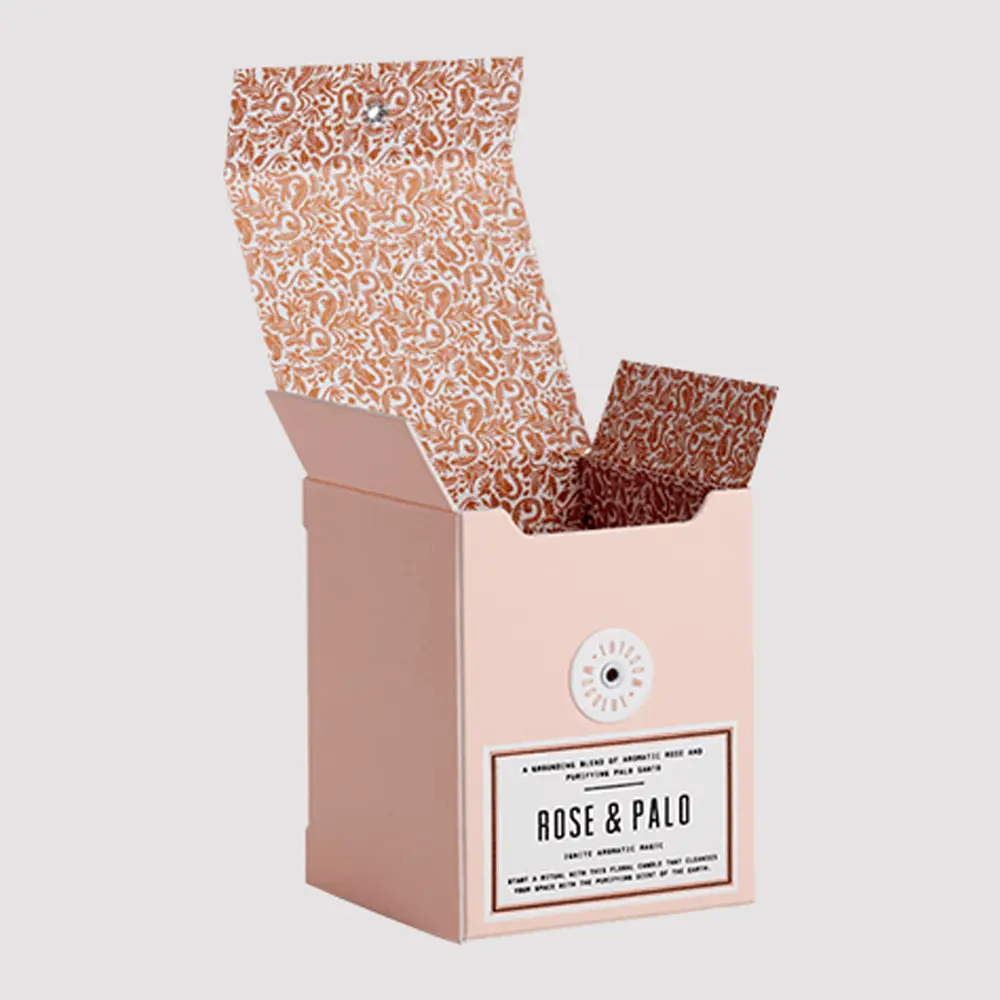 Cardboard Candle Boxes
 Custom Printed Candle Packaging Boxes
 Eco-Friendly Candle Boxes
 Luxury Candle Boxes
 Rigid Candle Boxes
 Beverage Boxes
 Custom Burger Boxes
 Custom Coffee Boxes
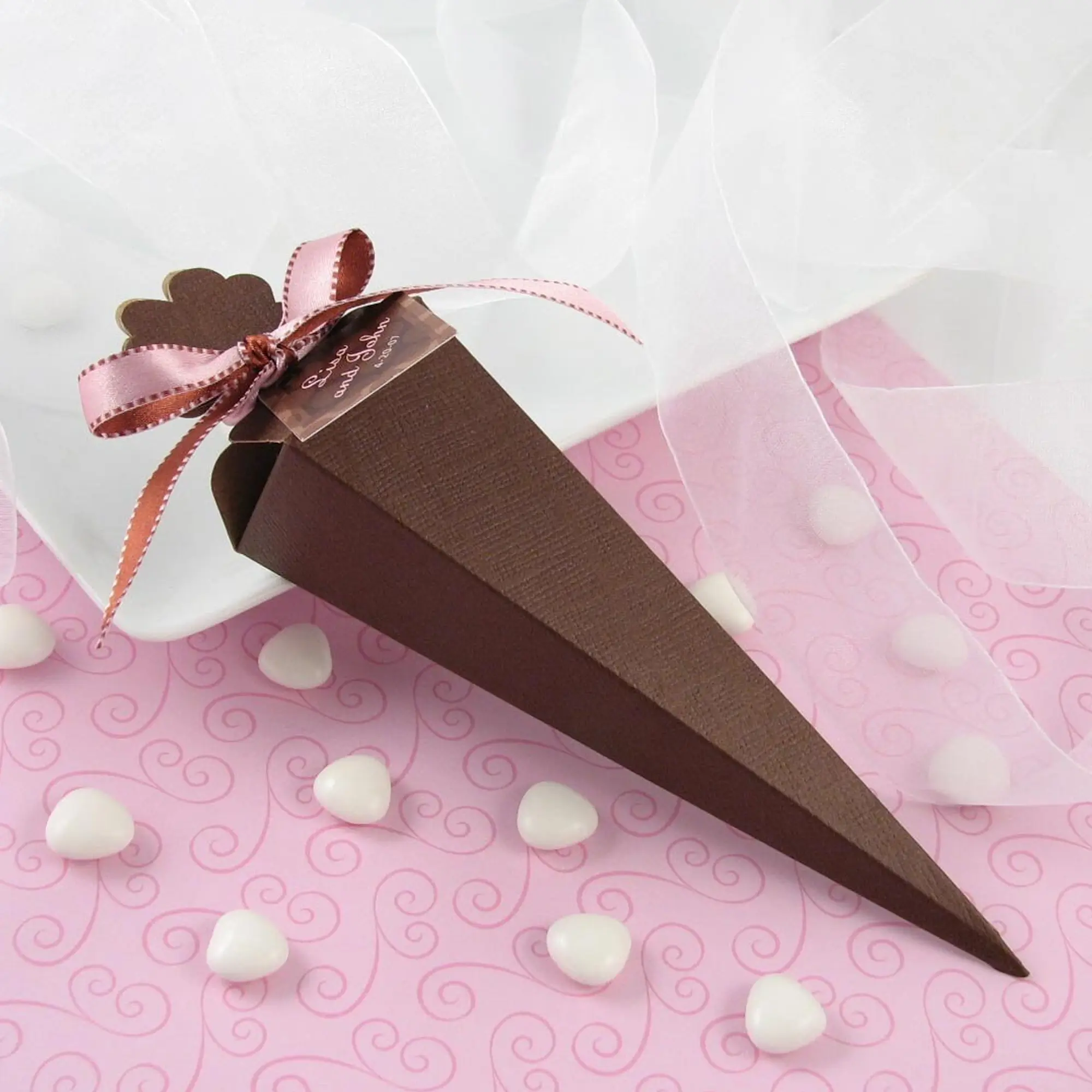 Custom Cone Boxes
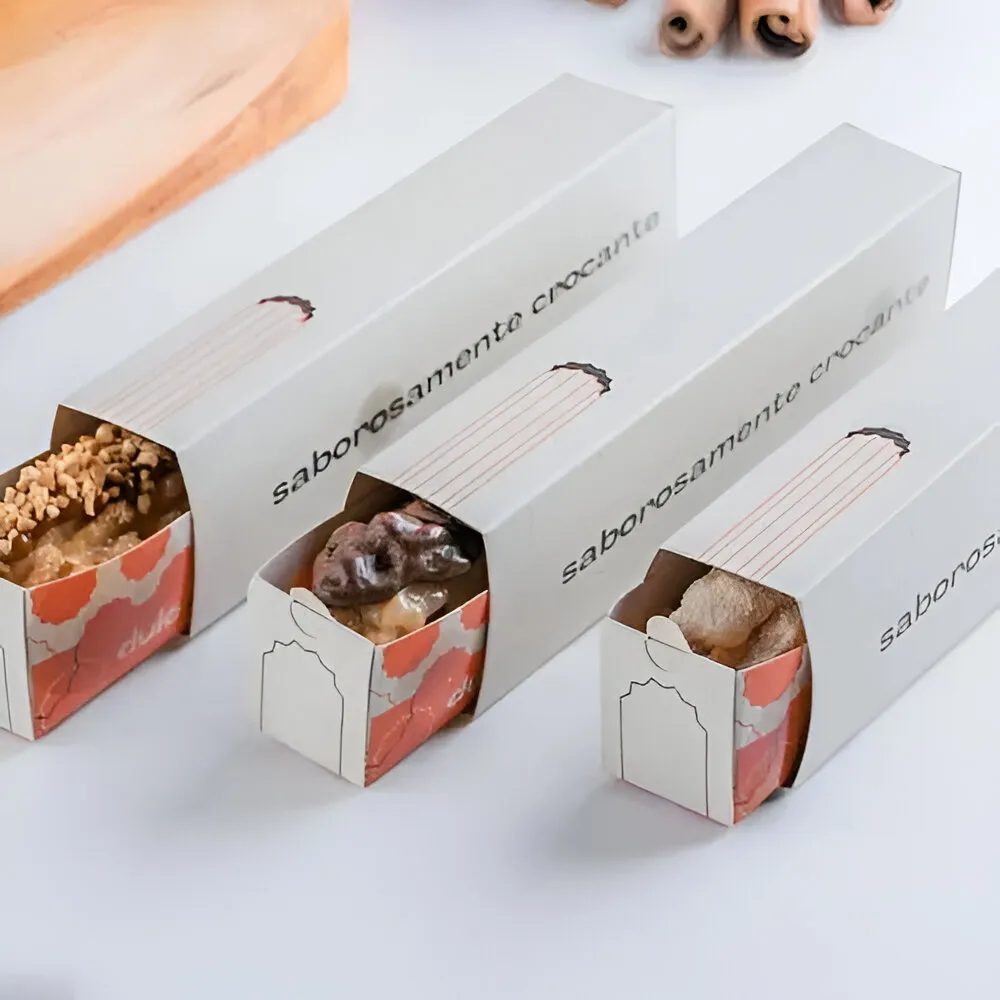 Custom Hot Dog Boxes
 Custom Noodle Boxes
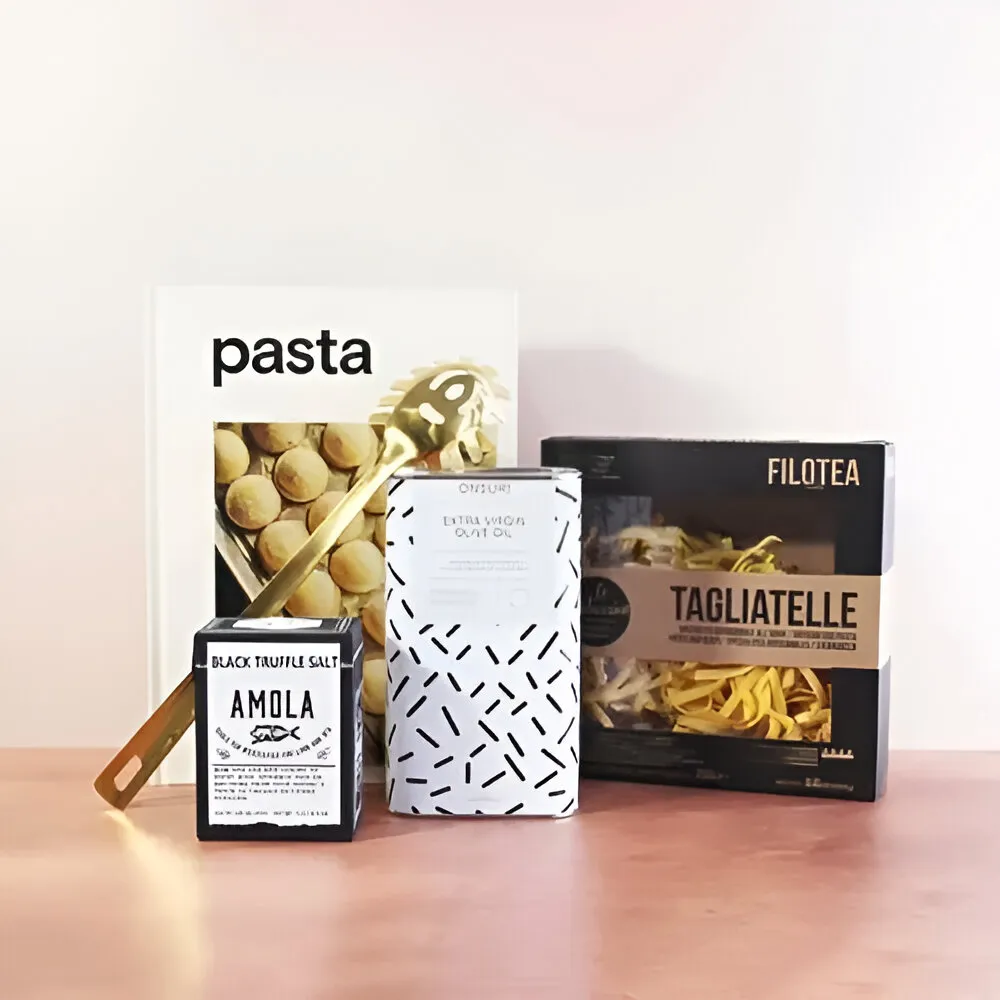 Custom Pasta Boxes
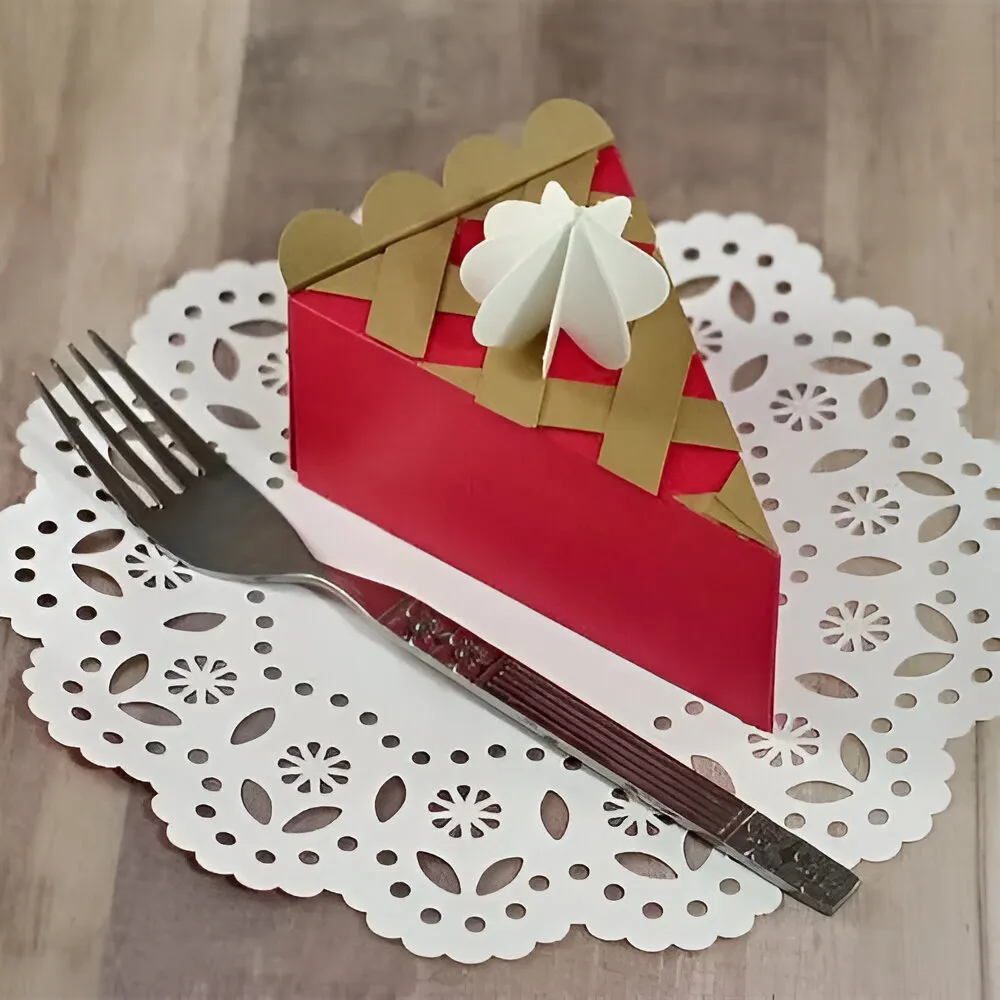 Custom Pie Boxes
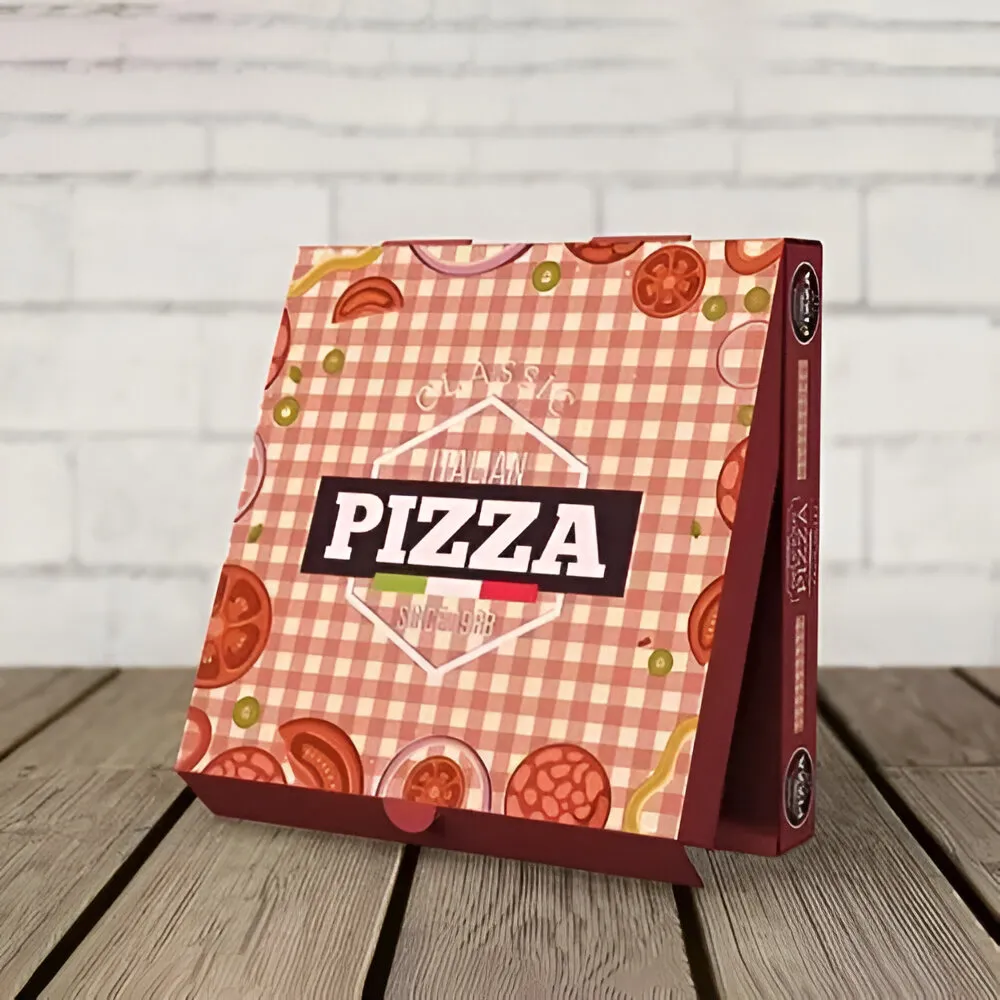 Custom Pizza Boxes
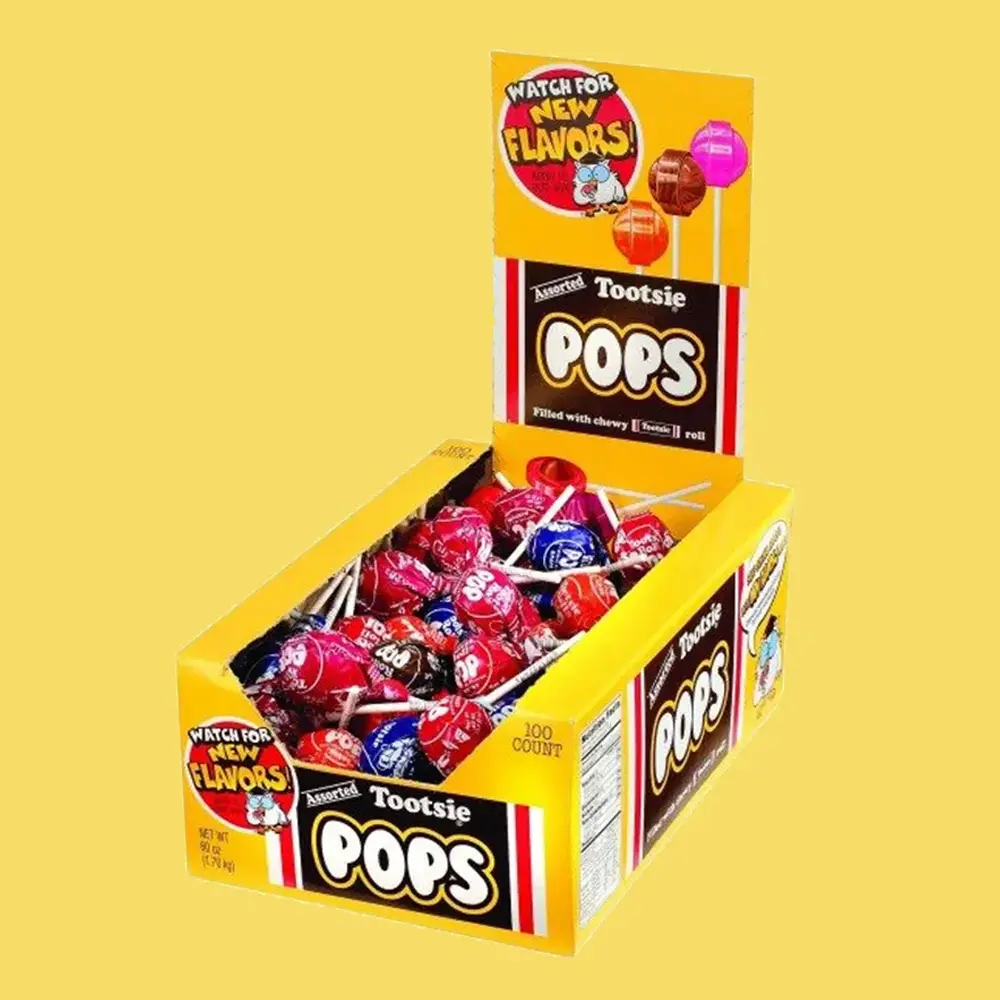 Candy Display Boxes
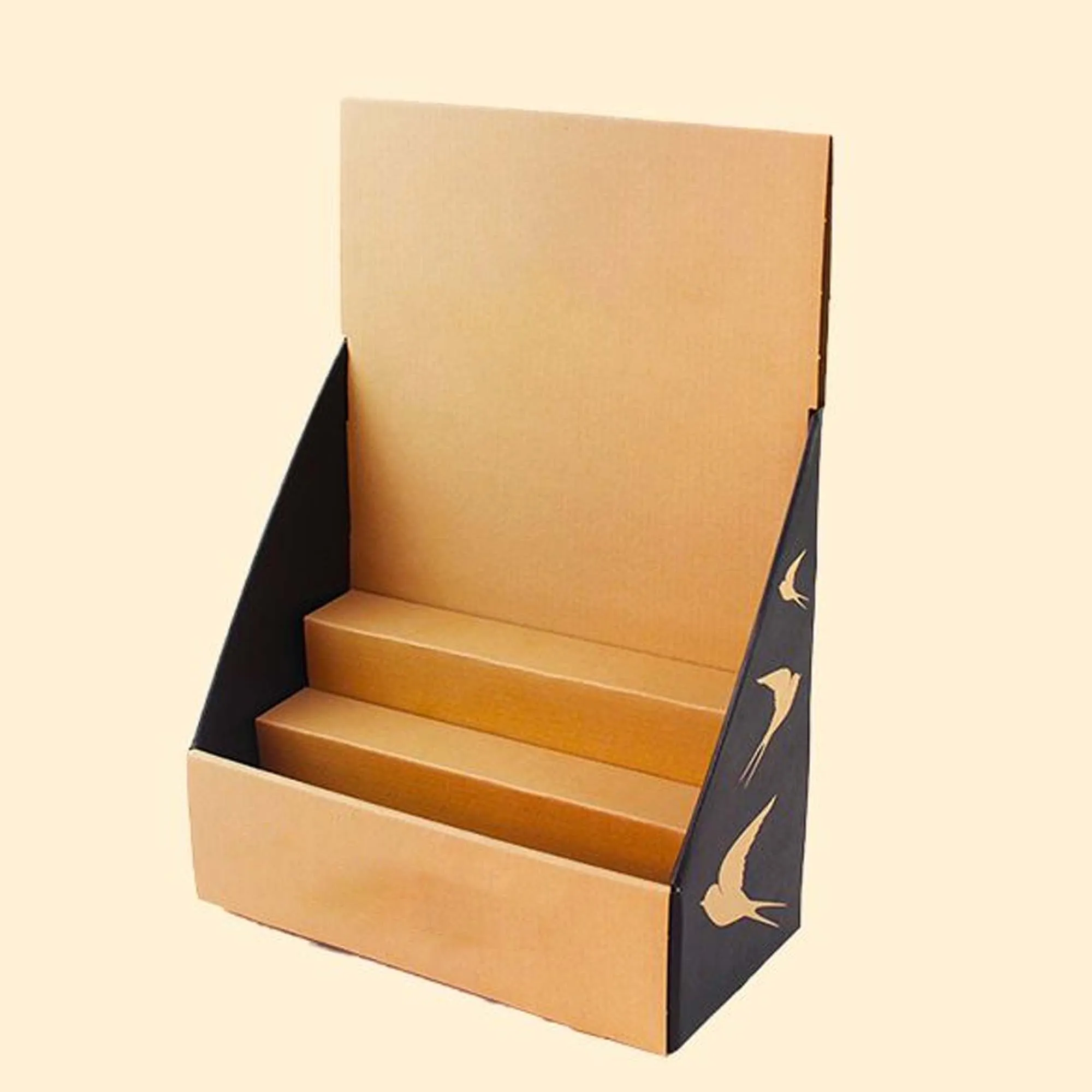 Cardboard Display Boxes
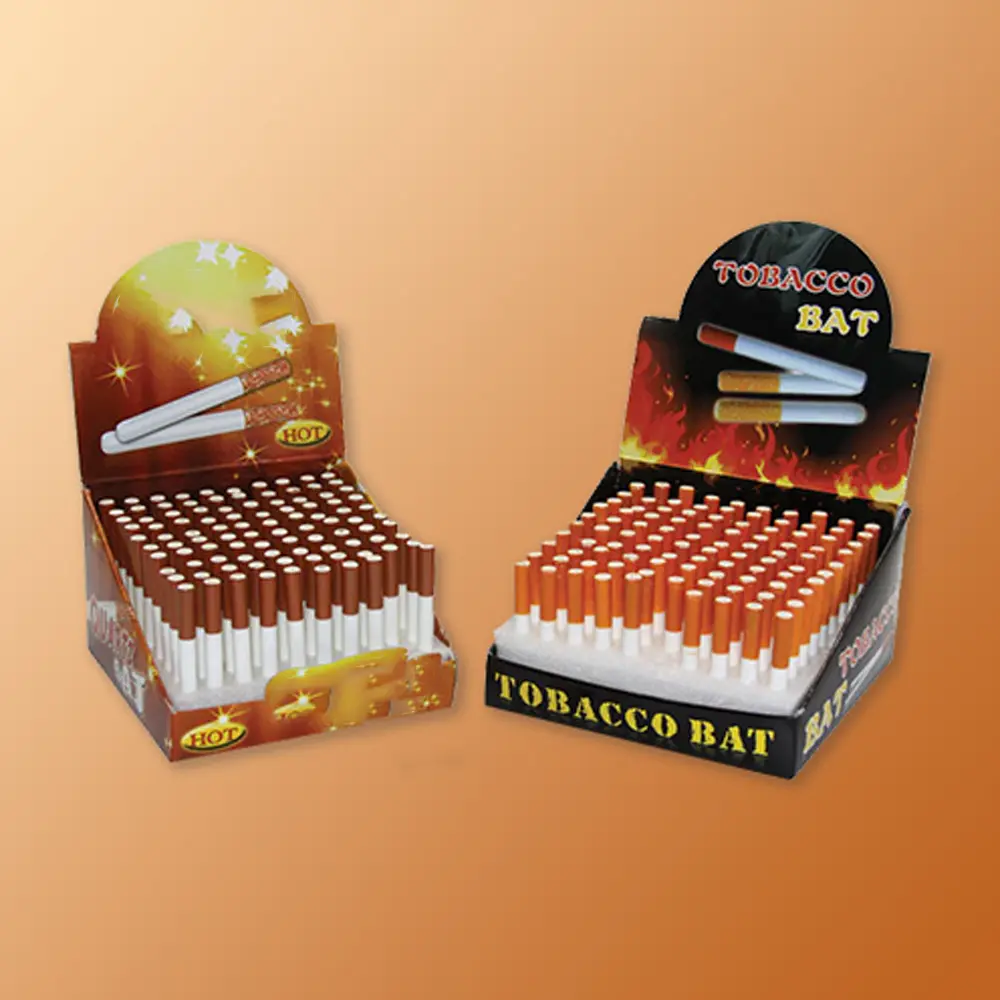 Cigarette Display Boxes
 Cosmetic Display Boxes
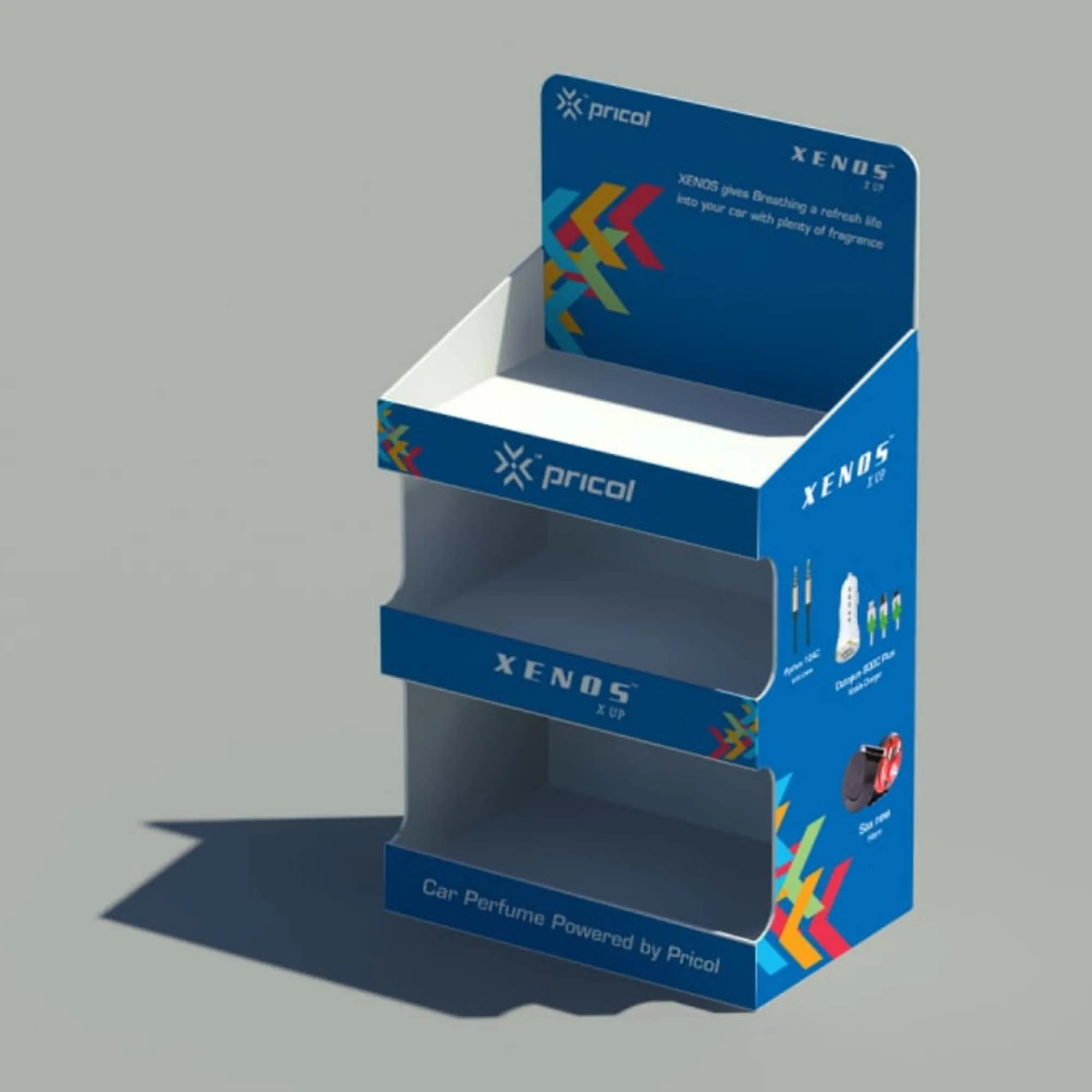 Counter Display Cases
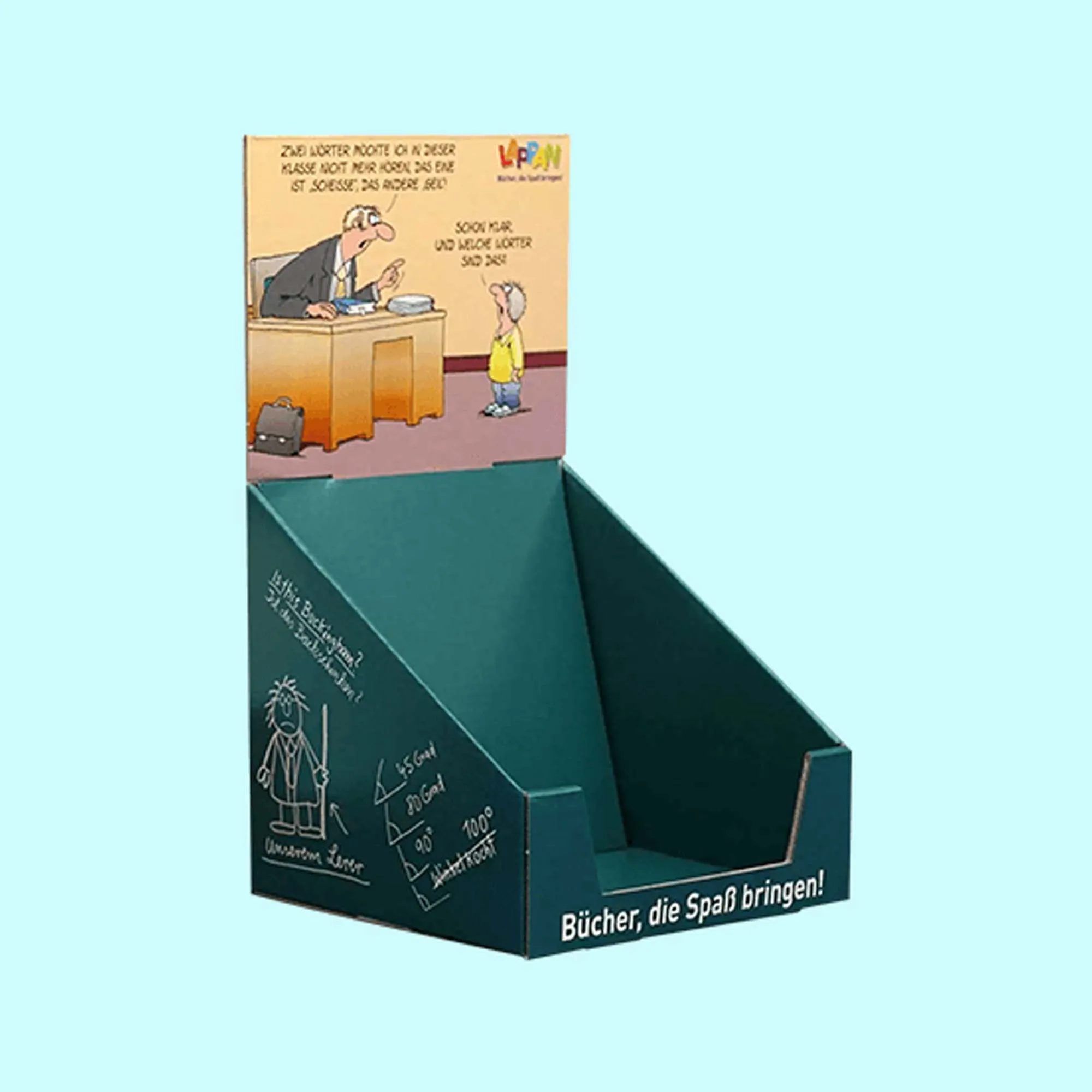 Custom Display Packaging Boxes
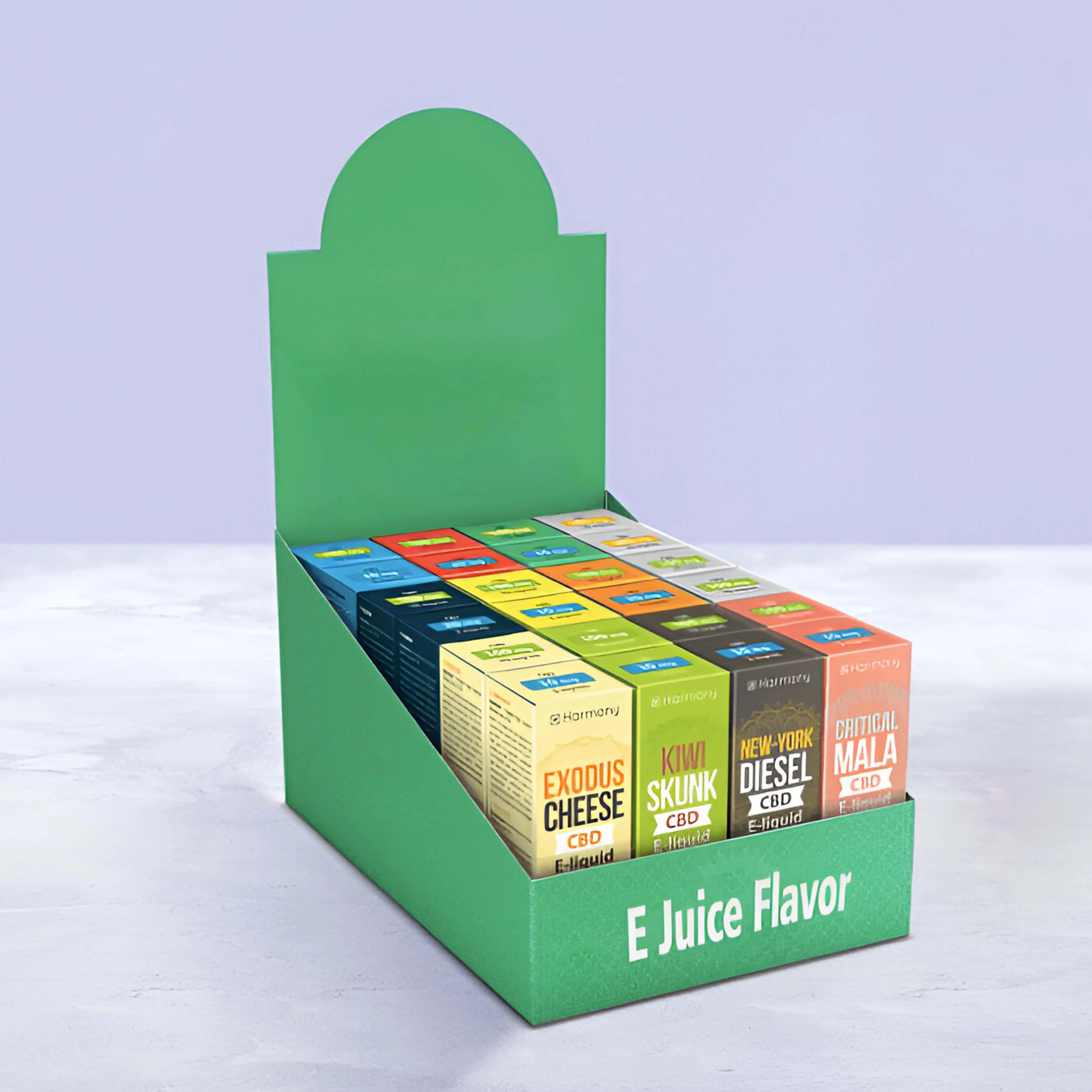 Custom E Juice Display Boxes
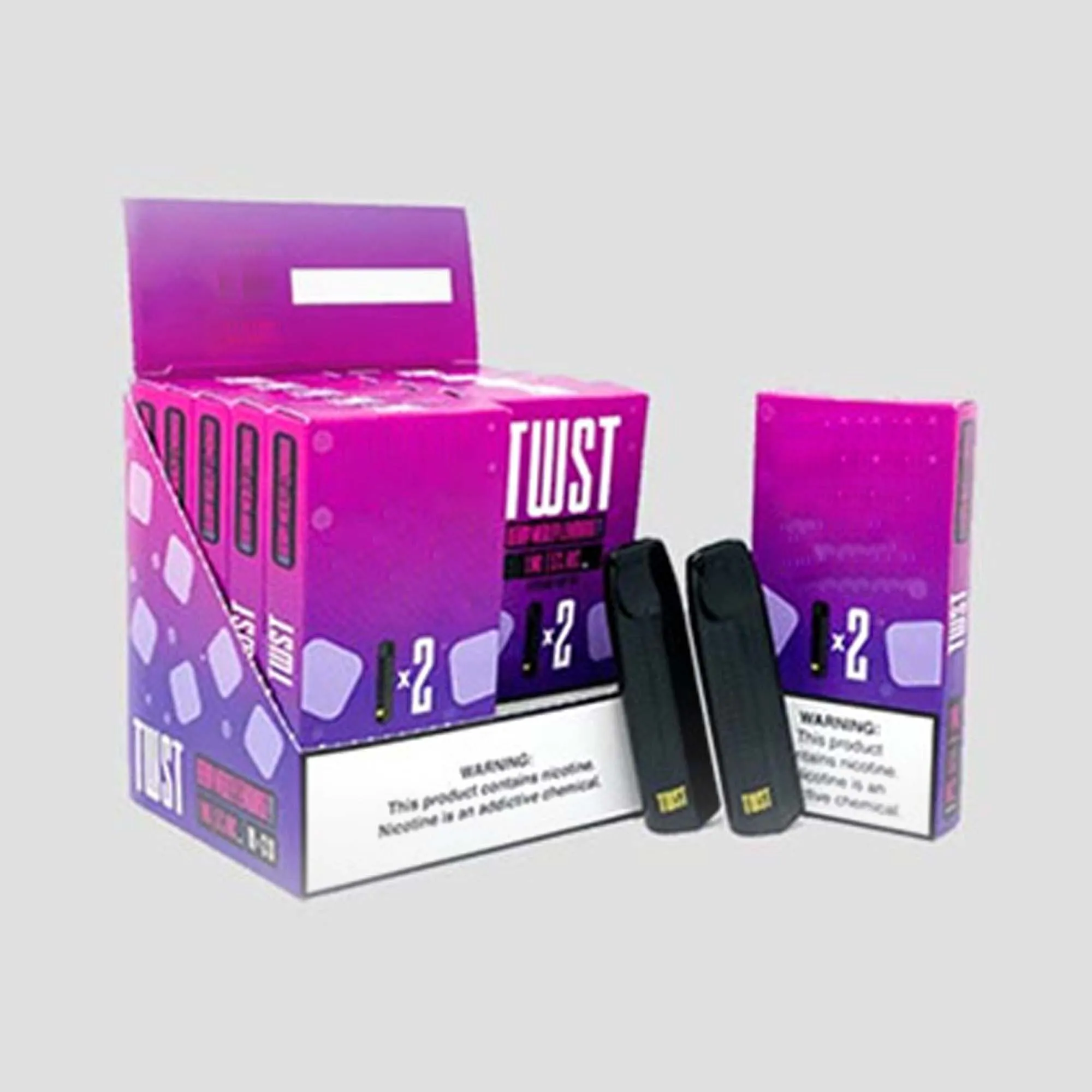 Custom Vape Display Boxes
 Antiseptic Boxes
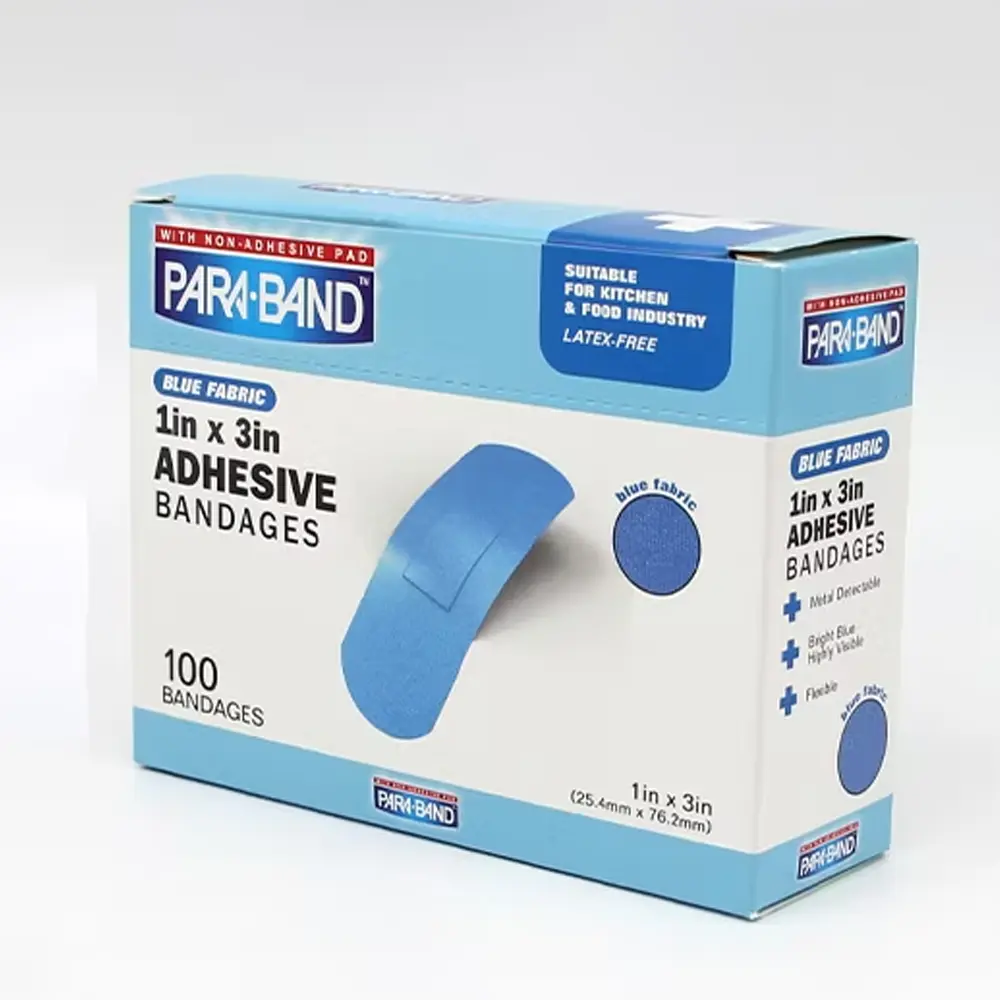 Bandage Boxes
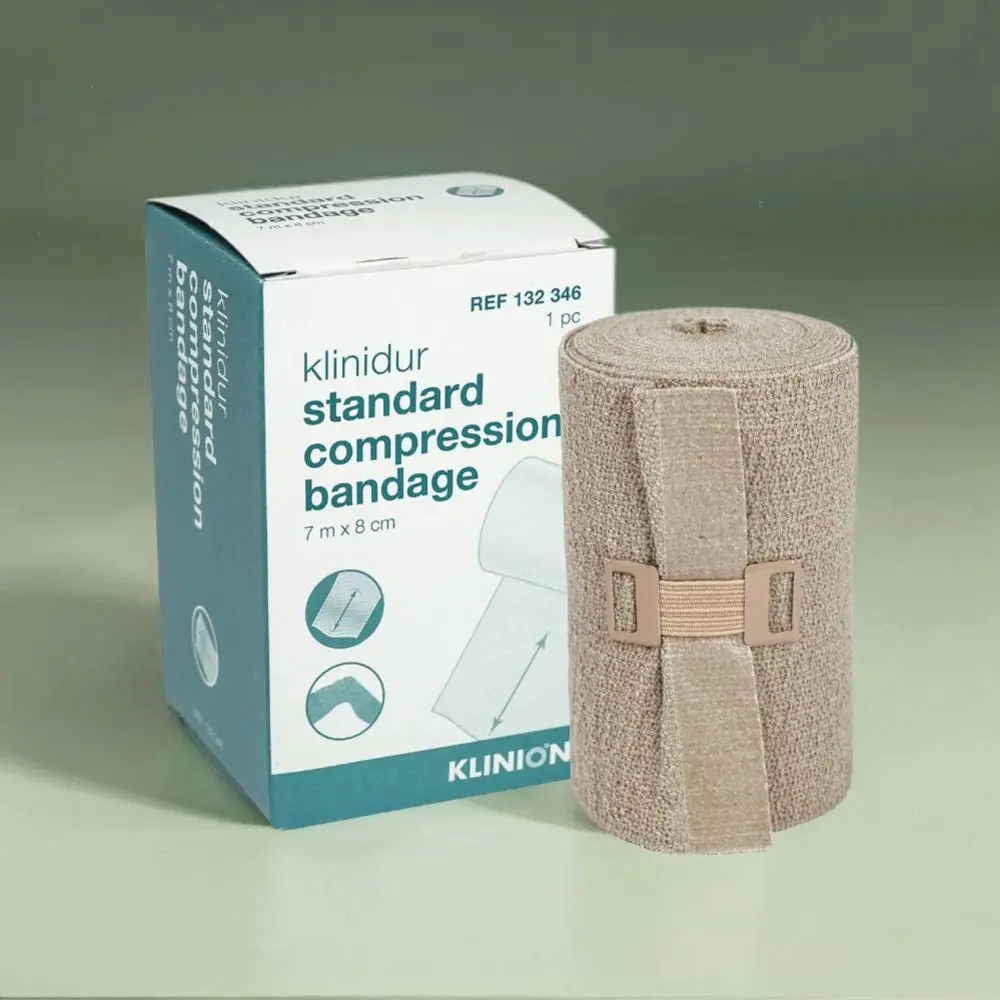 Compression Bandage Boxes
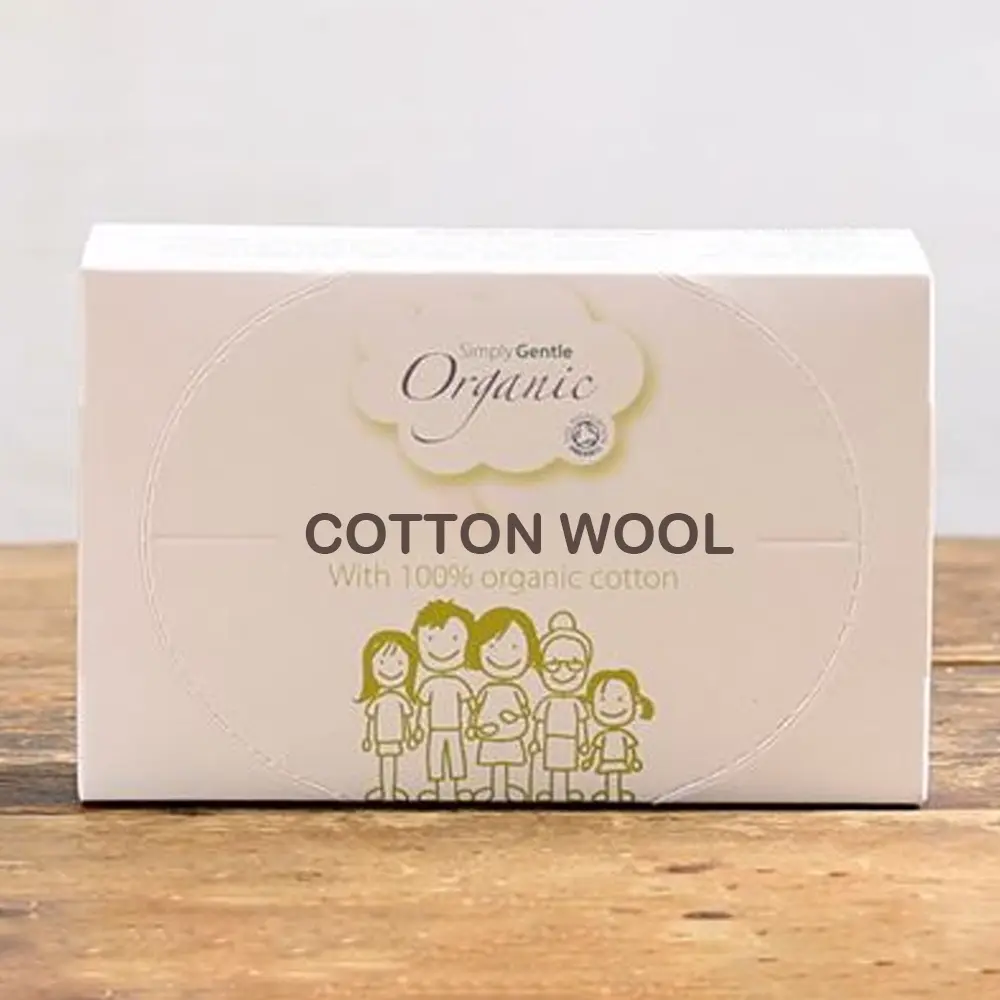 Cotton Wool Boxes
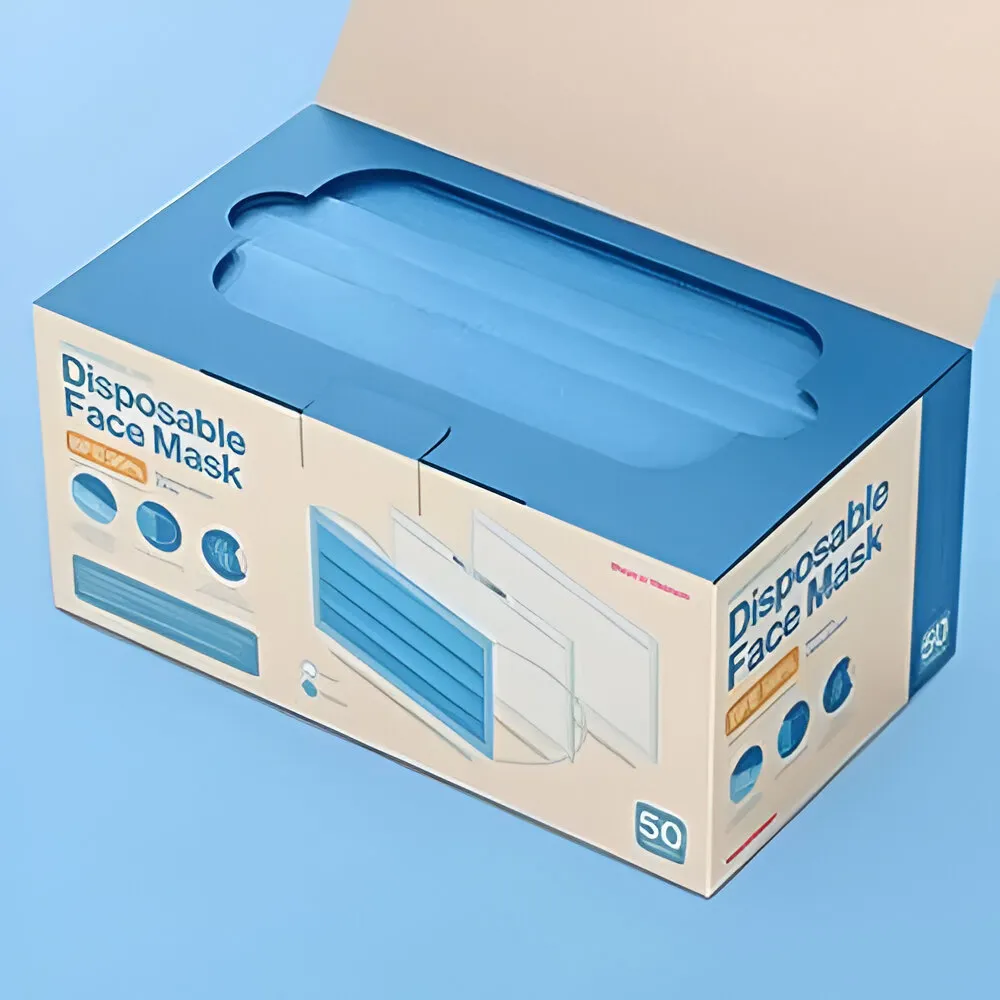 Custom Face Mask Boxes
 Custom Printed Medicine Packaging Boxes
 Custom Sanitizer Packaging Boxes
 Glucometer Boxes
 Mouthwash Boxes
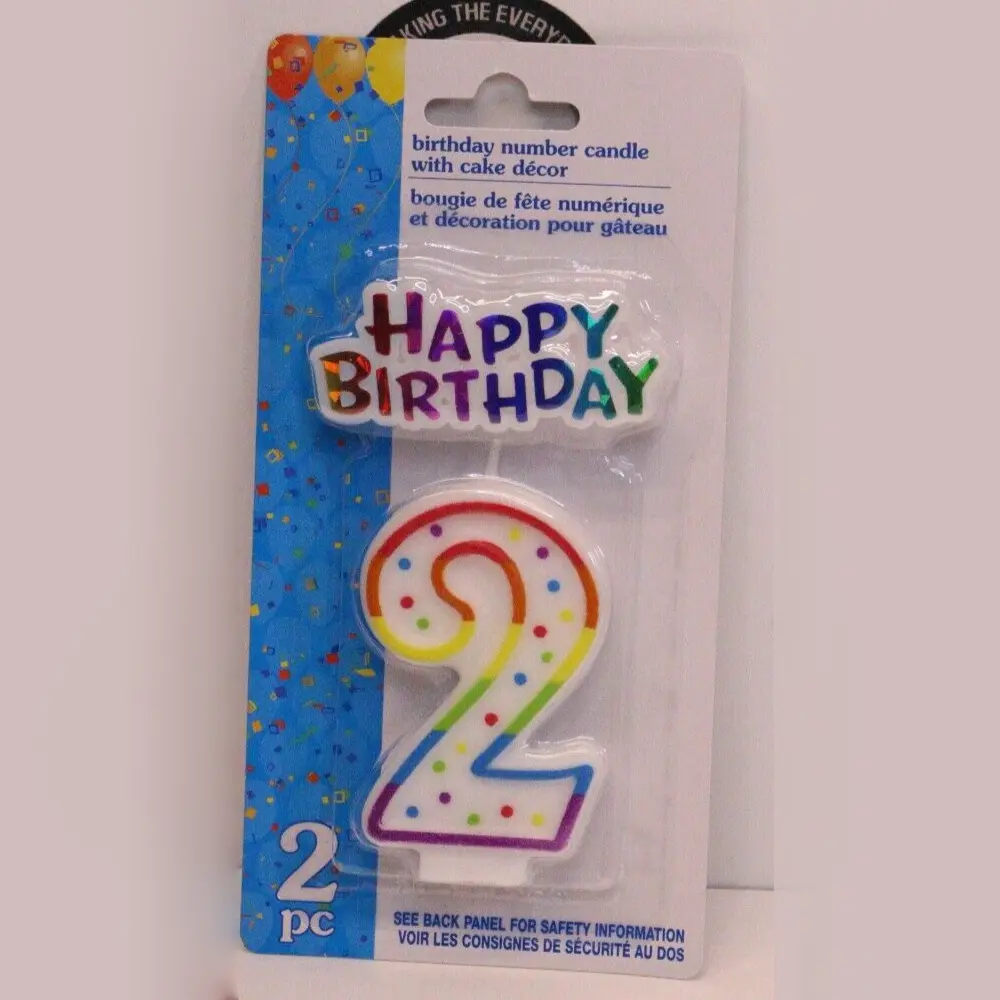 Blister Candle Packaging
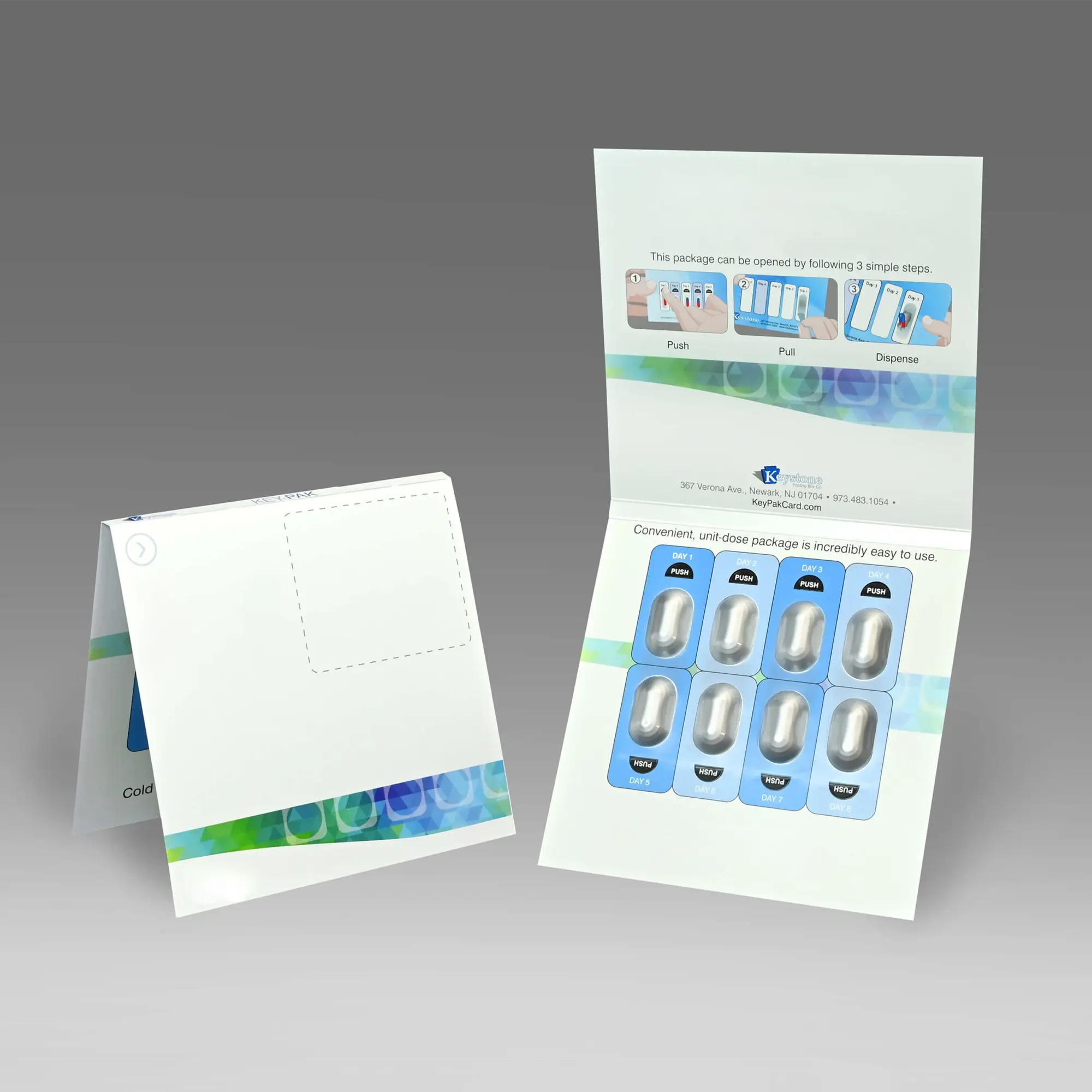 Blister Cards
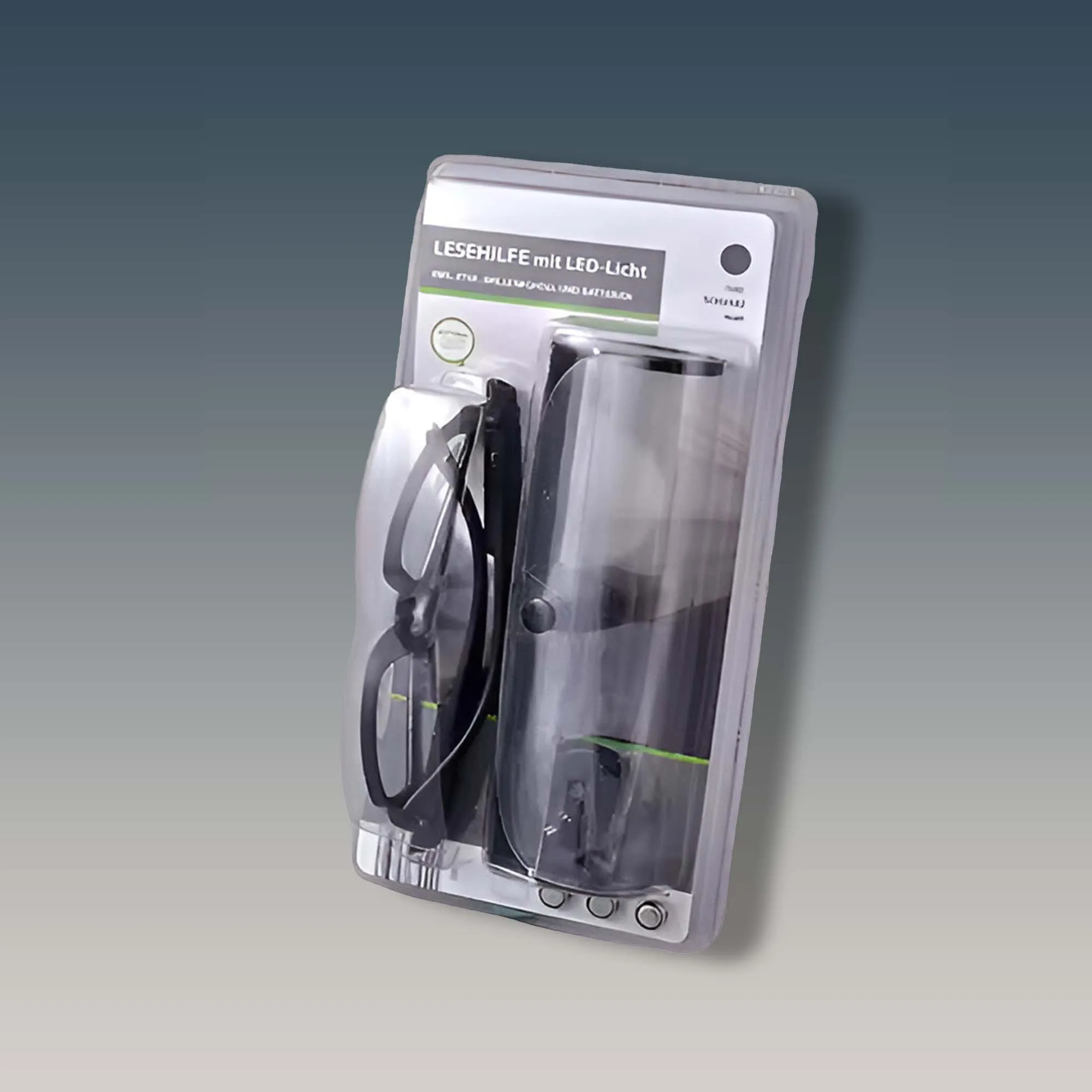 Blister Packaging
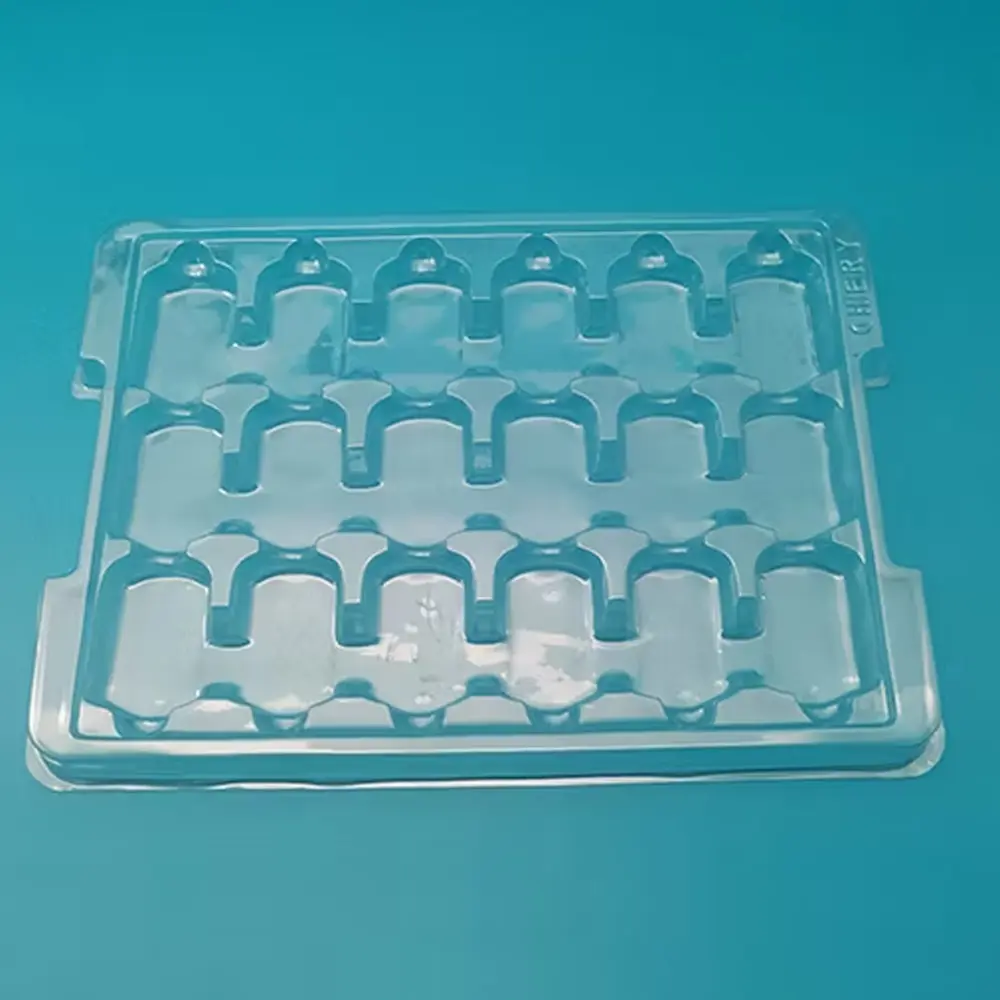 Blister Packaging Tray
 Clamshell Packaging
 Custom Hot Wheels Packaging
 Display Blister Packaging
 Hinged Packaging
 Pharma Blister Packaging
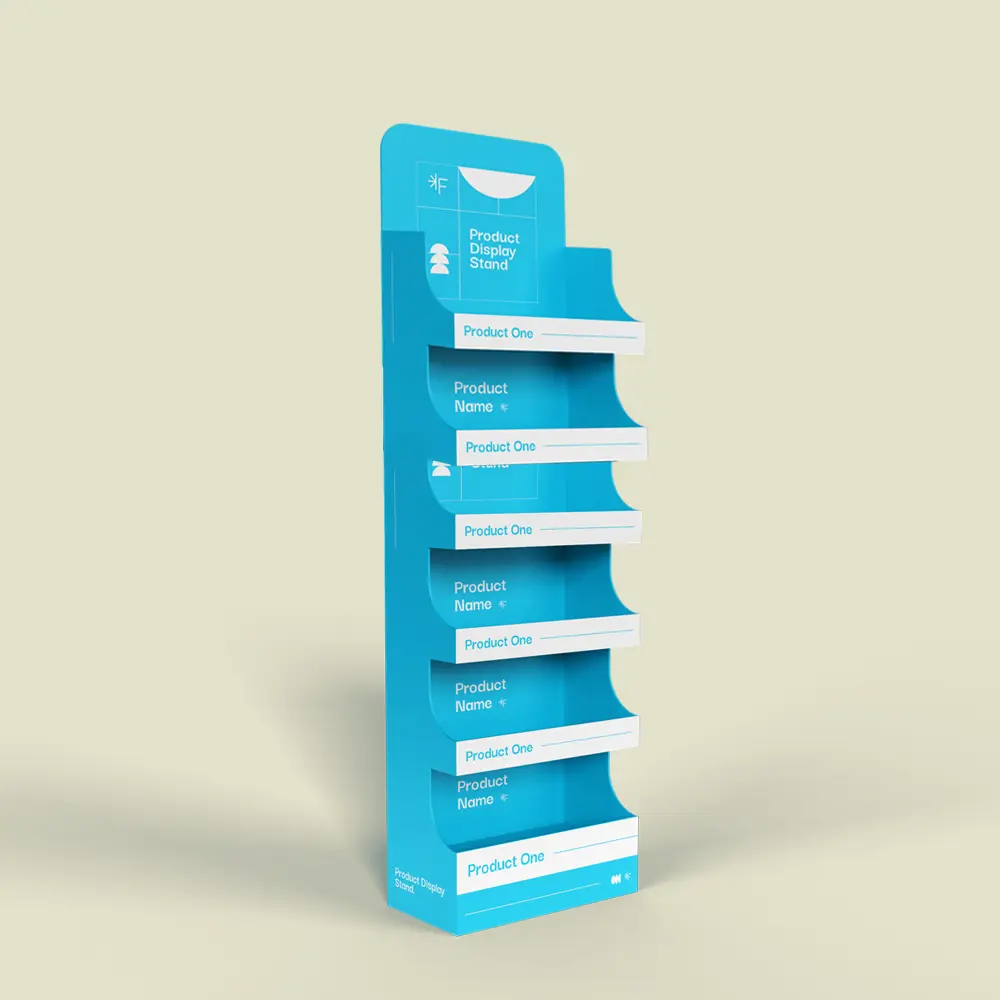 Blue & White Six Shelf Display
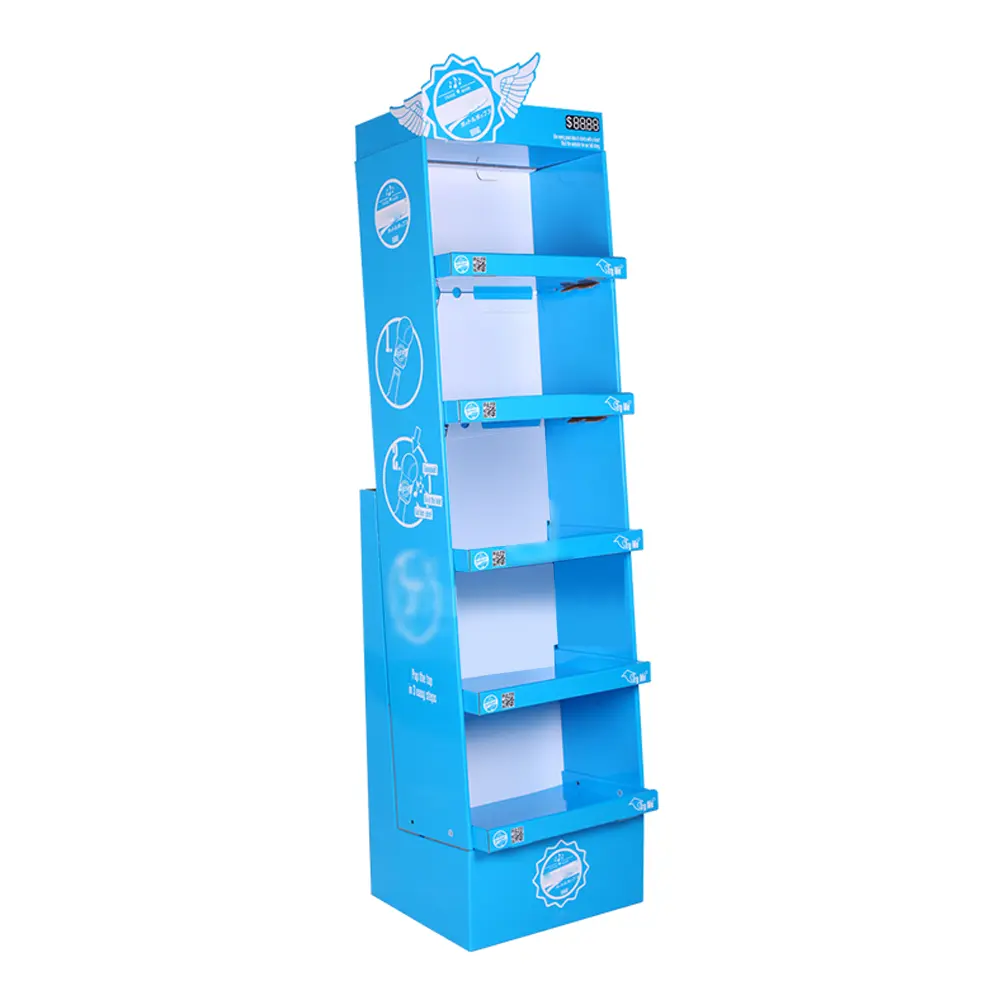 72 Cells/pocket Floor Display
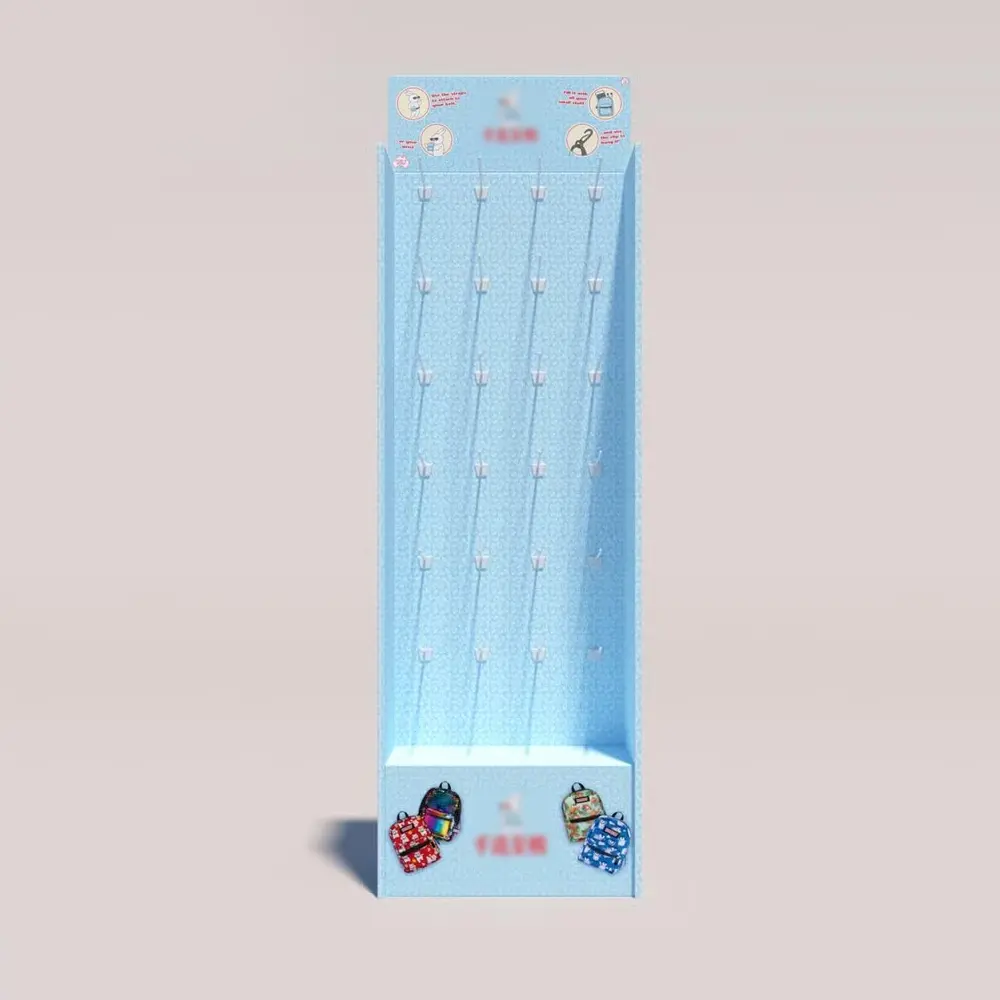 Hook/Peg Floor Display
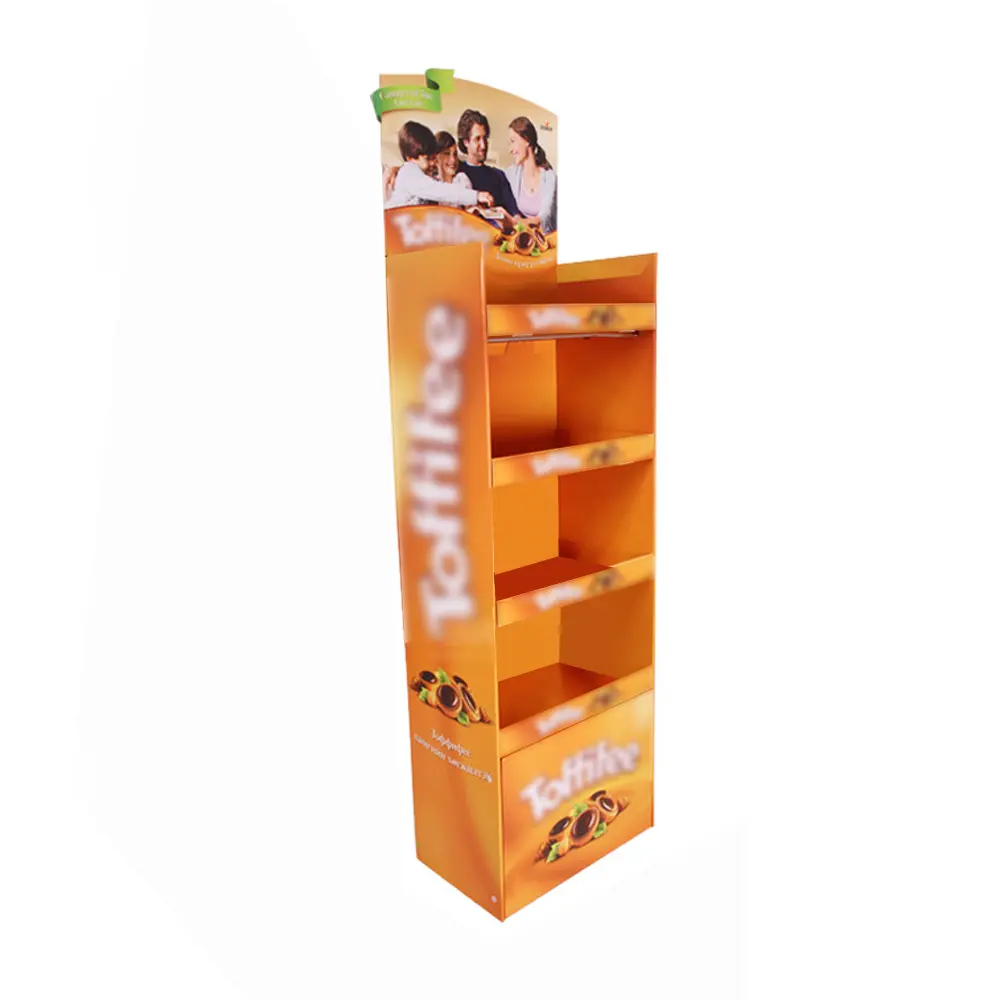 Orange Four Shelf Display
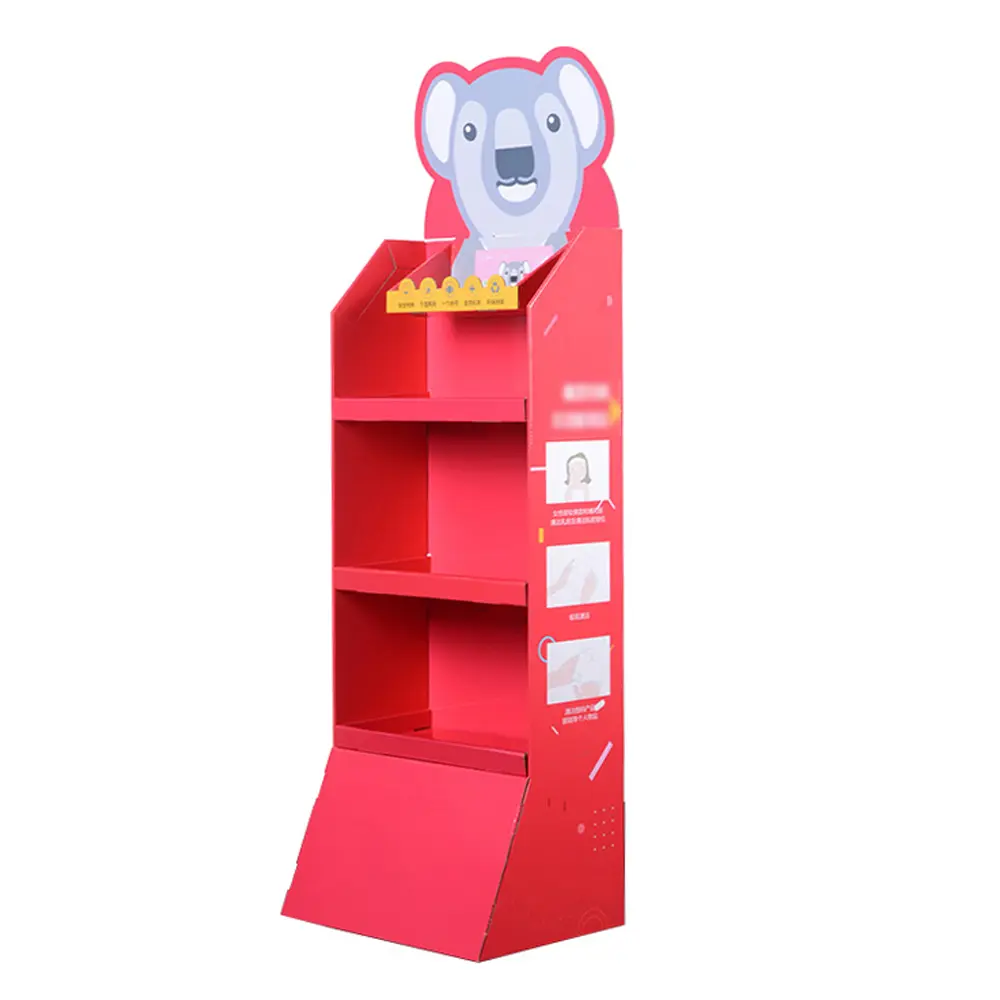 Three Tray Floor Display
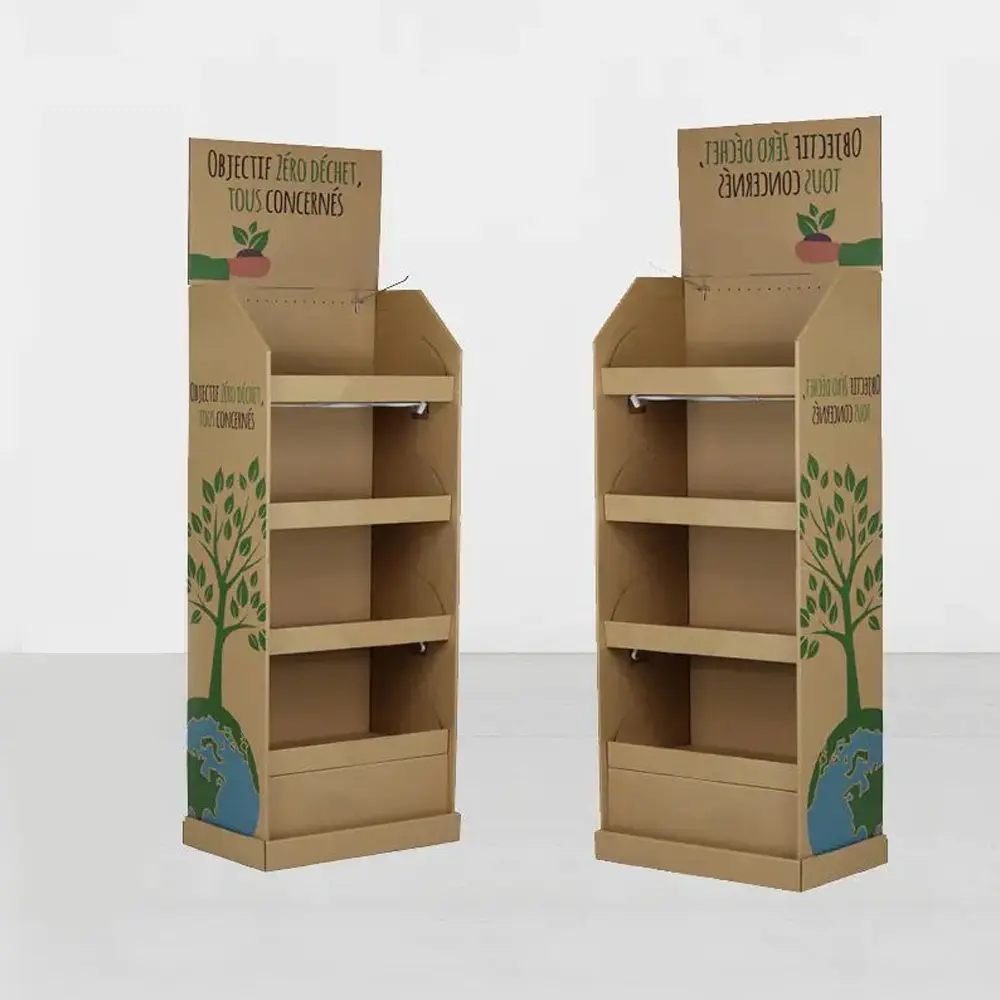 Tray Floor Display
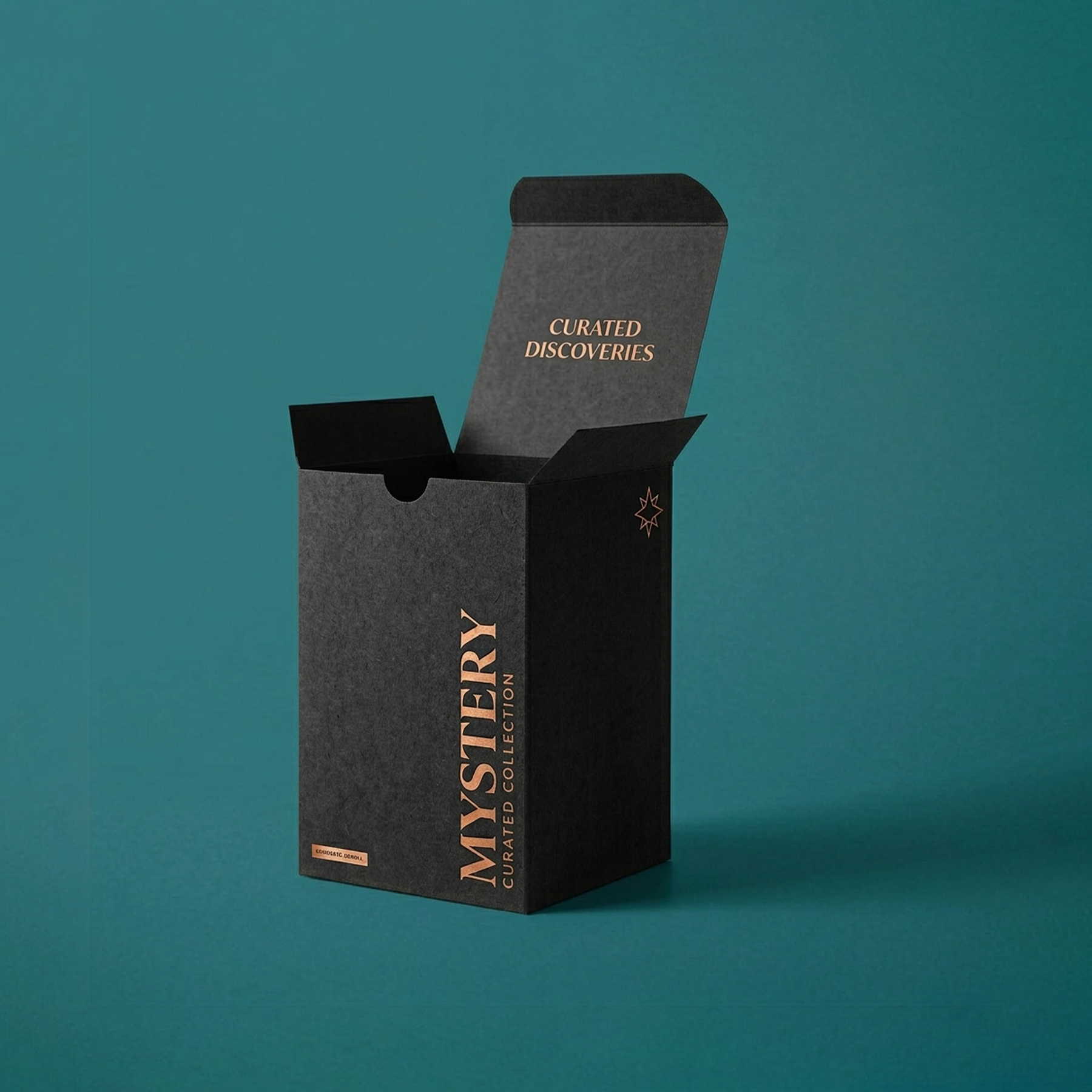 Black Kraft Boxes
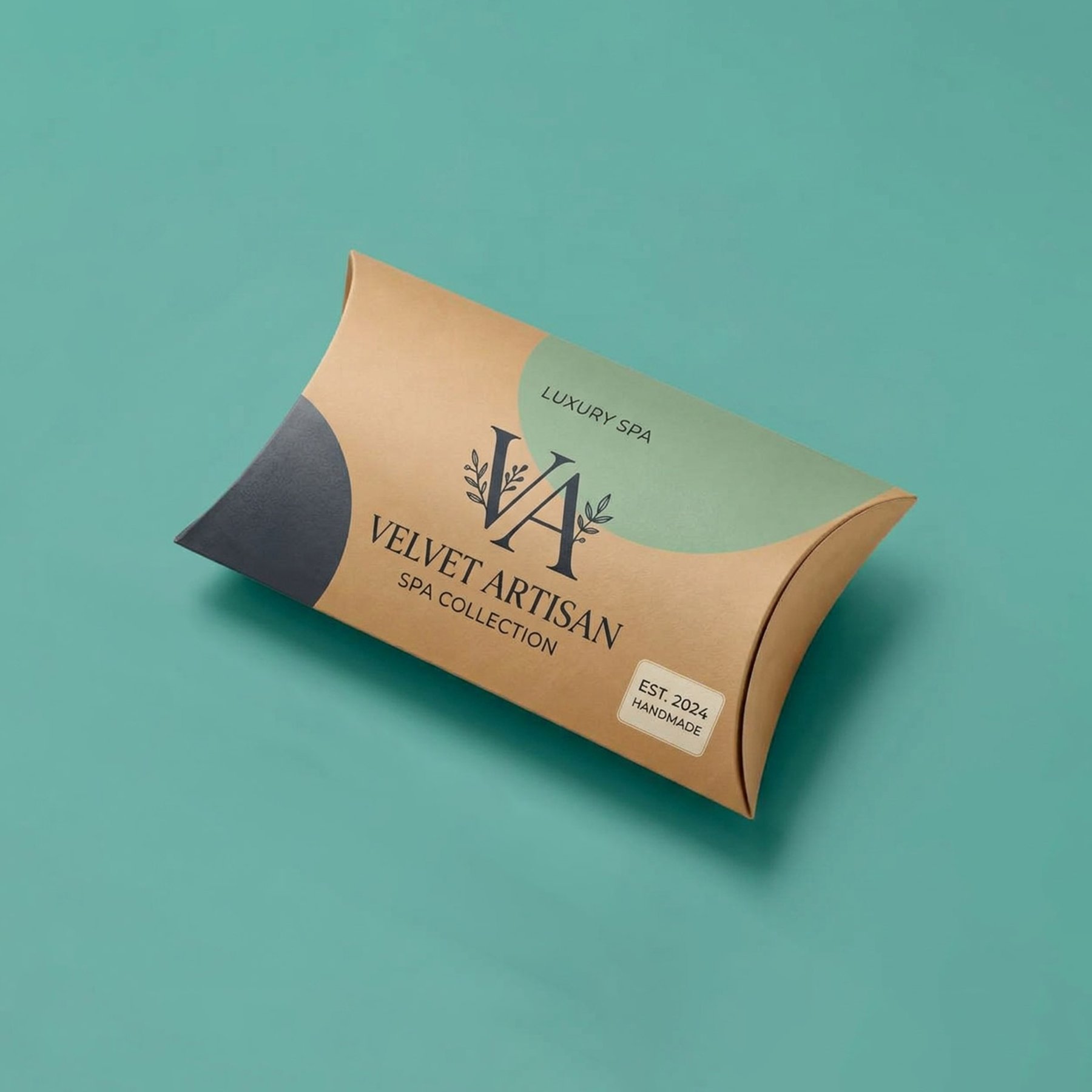 Custom Kraft Pillow Soap Boxes
 Custom Printed Kraft Packaging Boxes
 Disposable Kraft Paper Boxes
 Eco-Friendly Kraft Boxes
 Kraft Paper Bags
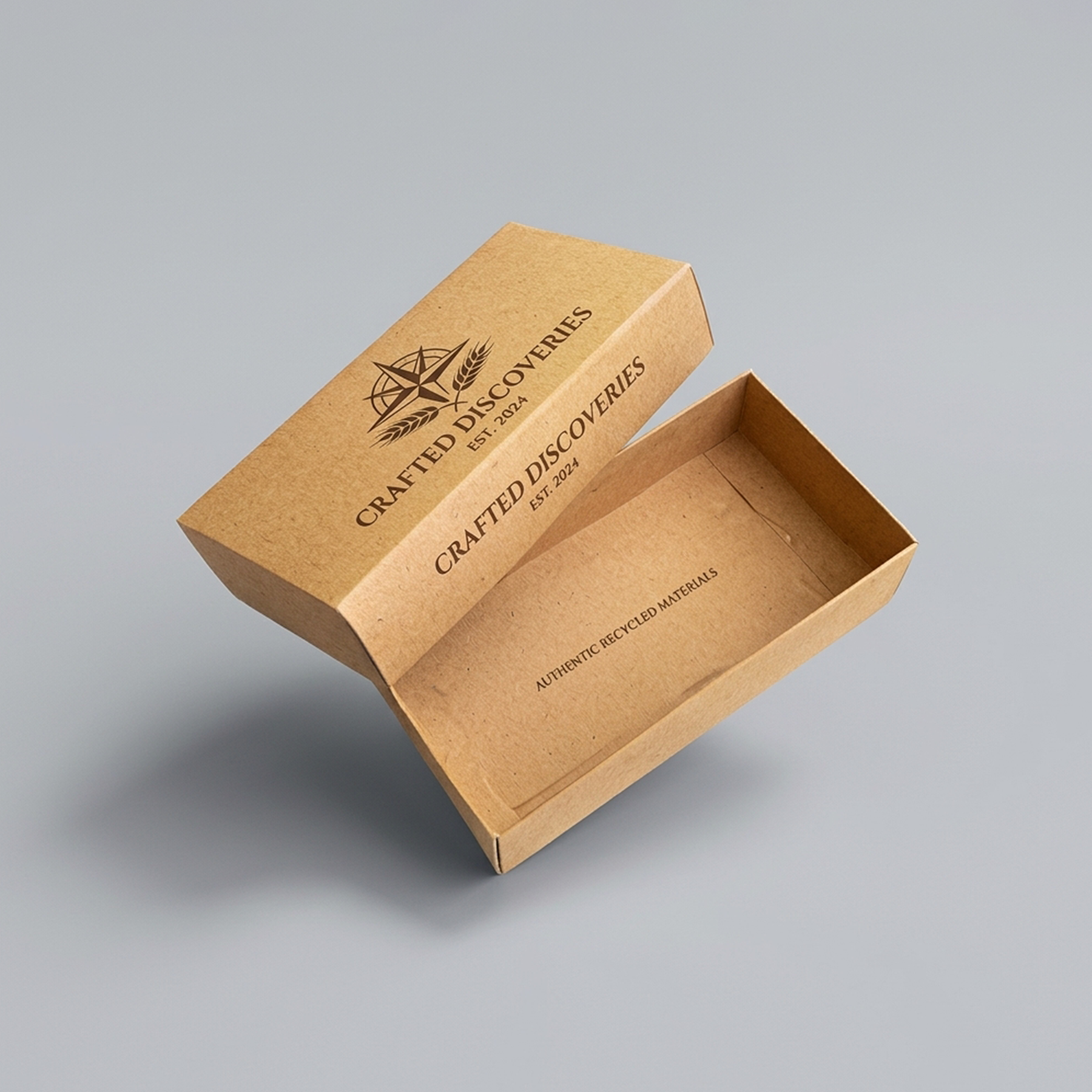 Kraft Boxes with Lids
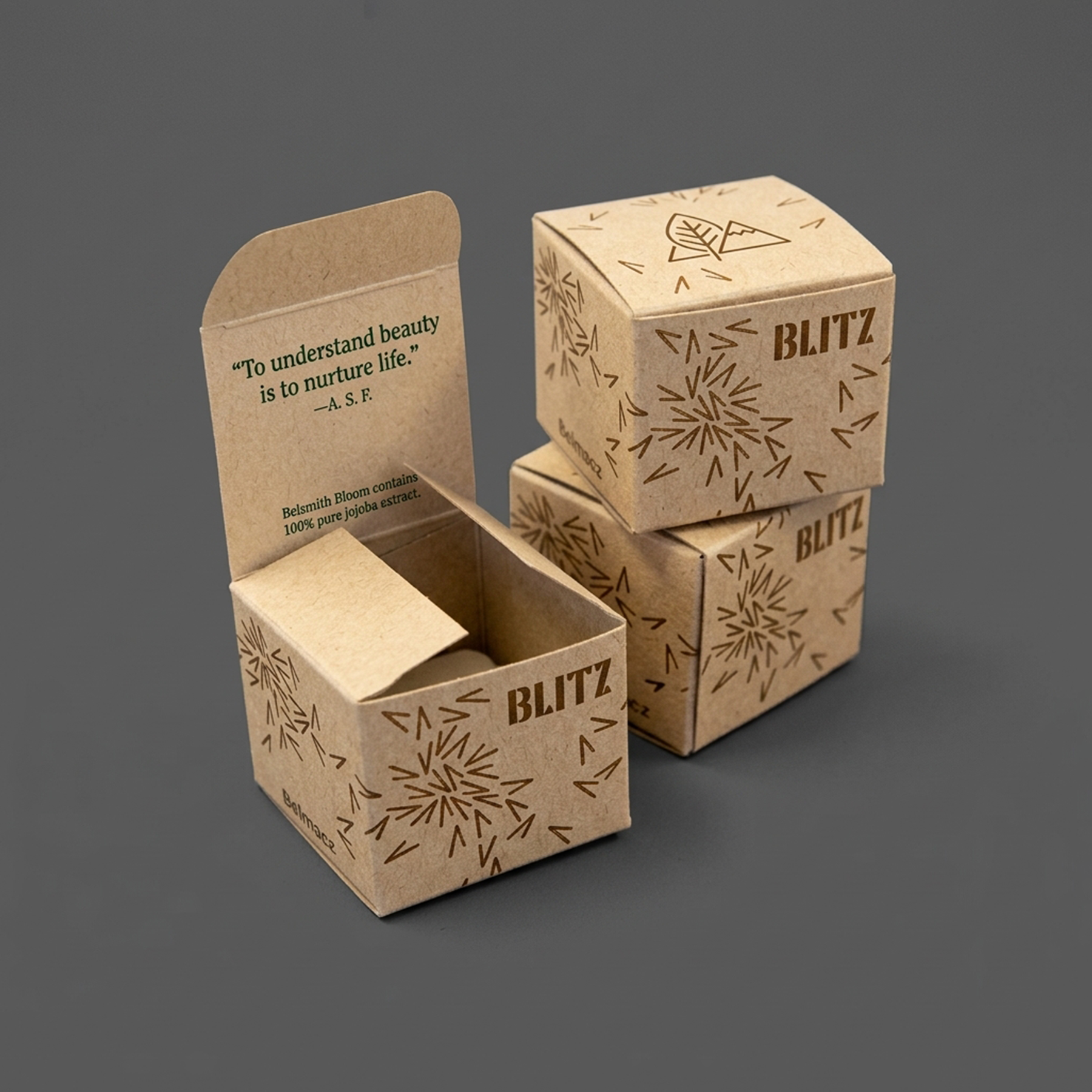 Kraft Cosmetic Boxes
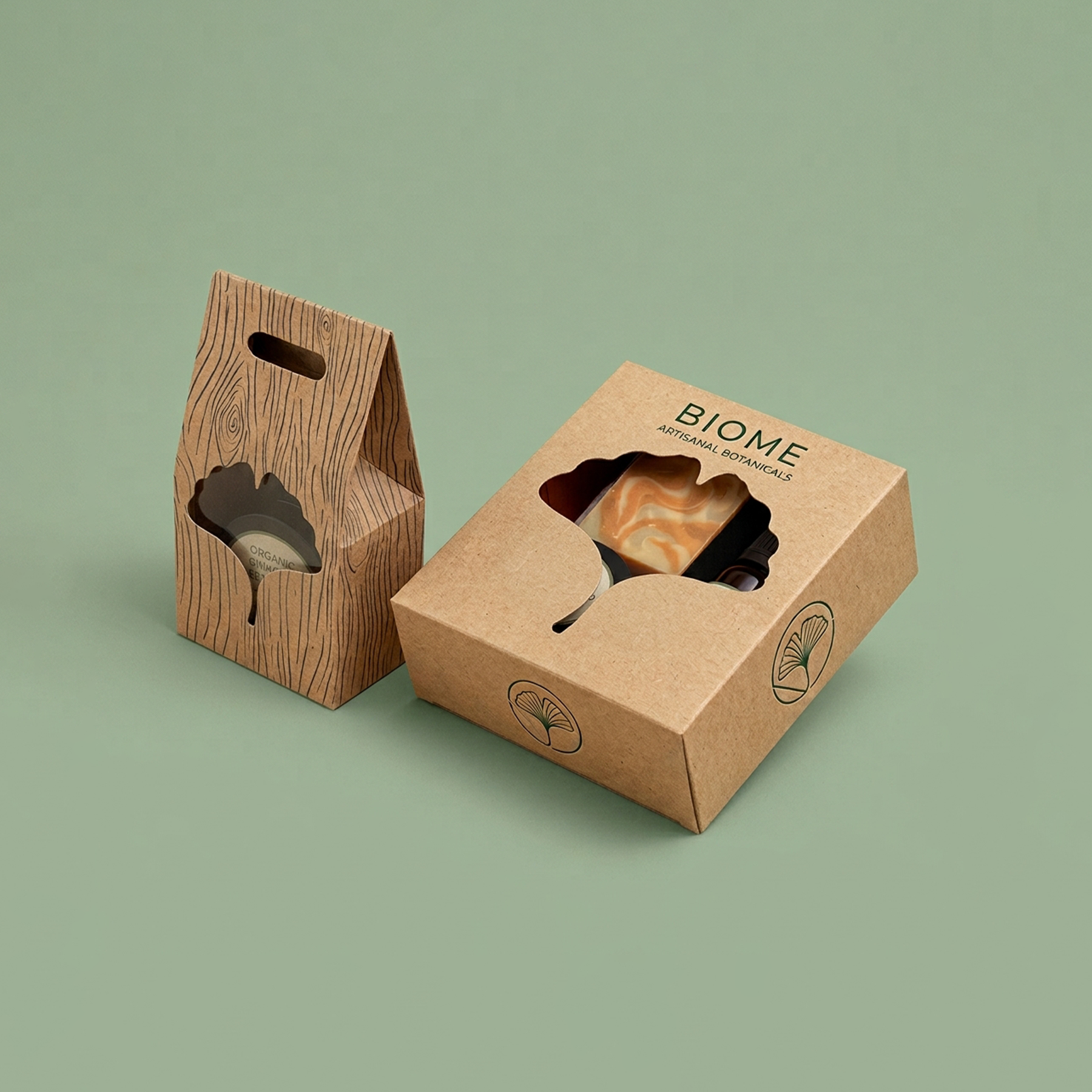 Kraft Die Cut Boxes
 1-2-3 Bottom Box
 Auto Bottom With Display Lid
 Seal End Auto Bottom
 Gable Bags
 Six Corner
 Sleeve
 Tray
 Custom Sleeve Boxes
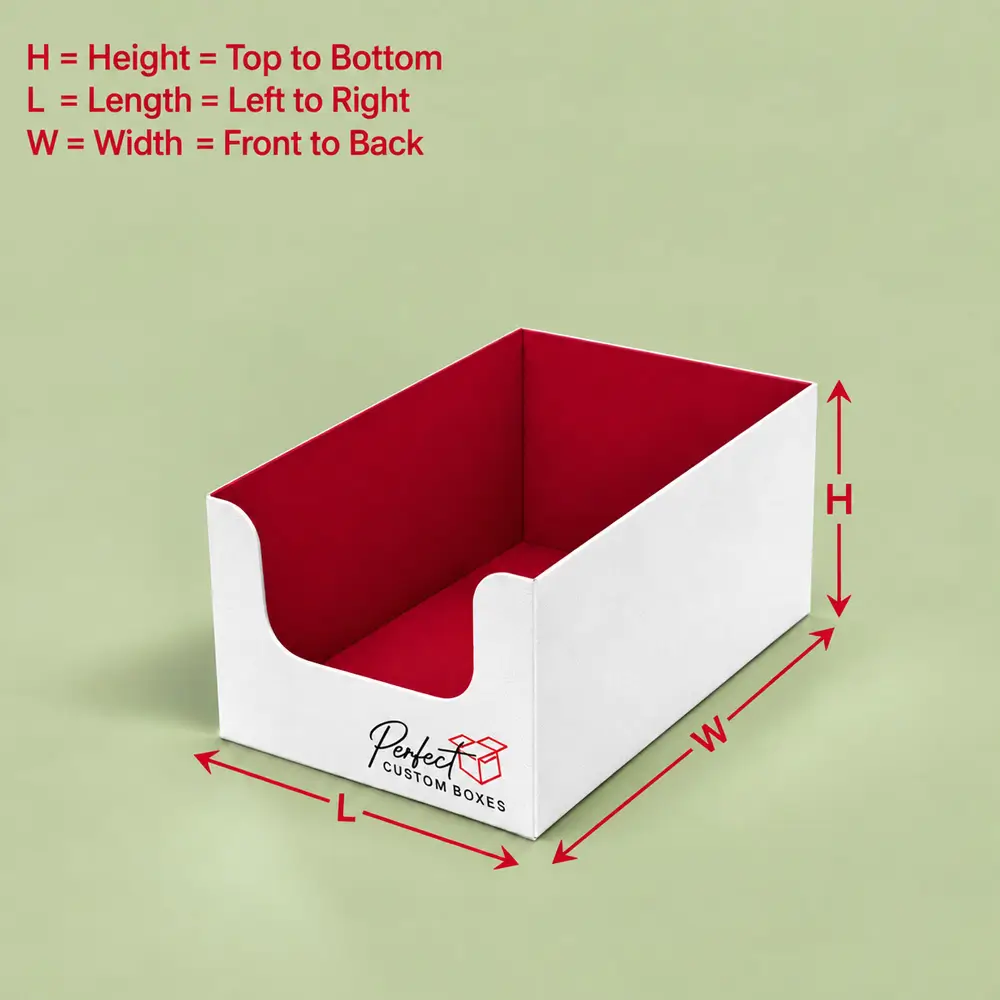 DIM
 Gable Box Auto Bottom
 Hexagon Two Piece
 Regular Four Corner Box
 Two Piece
 Dispenser Box
 Four Corner with Display Lid
 Pillow Box
 Reverse Tuck End
 Seal End
 Straight Tuck End
 Tuck End Auto Bottom
 Bottom Tray
 Brief Case Style
 Display Box With Double Walls
 Tuck End With Hanging Tab
 Double Locked Wall Lid
 Self Lock Cake Box
 Cd Jacket
 Kraft Boxes
 Corrugated Boxes
 Cardstock Boxes
 Rigid Boxes
 Eco Friendly Packaging
 CMYK Printing
 PMS Printing
 Matte Finish
 Gloss Finish
 Soft Touch
 Foil Stamping
 Spot UV
 Embossing
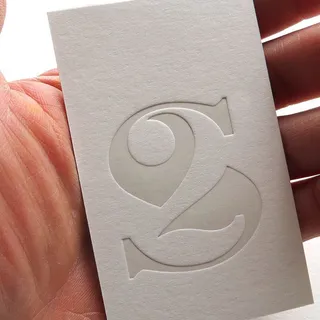 Debossing
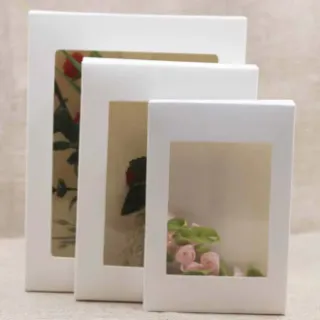 Window Cutouts
Flute Types in Corrugated Board
A flute is the wavy layer of paper glued between the two flat liners of corrugated board. Its row of arches works like a bridge: it holds the liners apart, makes the board stiff and strong for its weight, and traps air that cushions the product inside. Flute types are named by letter (A, B, C, E and F) and differ in how tall the waves are and how many fit in a foot. Taller flutes make thicker board that stacks and cushions better, while smaller flutes make thinner board that prints more sharply, so the flute you choose shapes how a box looks, protects and ships.
Also calledfluting · corrugated medium · flute profile
Flute Types in 30 Seconds
The flute letter tells you the height of the waves, so it sets how thick the board is.
Bigger flutes (A, C) cushion and stack better. Smaller flutes (E, F) are slimmer and print sharper.
Letters follow the order the flutes were invented, not their size.
We make boxes in E, B and C-flute and double wall, in kraft or white.
What Is a Flute in Corrugated Board?
Corrugated board is built like a sandwich. Two flat sheets of paper, called liners, form the outside and inside faces. Between them sits a sheet of paper that has been pressed into a wave shape, called the medium. Each wave is one flute, and the whole wavy layer is often called the fluting.
The flutes are what make corrugated board different from a flat sheet of paperboard. Their arches spread weight across the board and resist bending, so a thin, light board can carry heavy products. The air pockets between the arches absorb knocks and drops, which is why corrugated boxes protect products in the mail.
A flute type describes the size of those waves. A tall, widely spaced flute makes thick board with more cushioning and stacking strength. A short, tightly packed flute makes thin board with a flatter surface, which prints more sharply and folds more neatly. The letters were given in the order the flutes were developed, so they do not run from smallest to largest.
What Do Corrugated Board Terms Mean?
These words appear on board specs and quotes. Here is what each one means for your box.
Corrugated Flute Size Chart
Standard US flute sizes, from thickest to thinnest. Thickness is for the whole board, including both liners, and varies slightly by mill and paper weight. Flutes per foot shows how tightly the waves are packed: the higher the number, the thinner and smoother the board.
Each Flute at a Glance
Select a flute to see its profile at real proportions and where it works best.
E-flute We make this
About 1/16 in (1.5 mm) thick. Slim, smooth and sharp to print, so it is the go-to board for branded mailer boxes, premium retail and counter displays. Best for cosmetics, apparel and subscription boxes.
B-flute We make this
About 1/8 in (3 mm) thick and more crush-resistant than E-flute. Used for heavier mailers, longer transit, shelf-ready trays and inner packs.
C-flute We make this
About 5/32 in (4 mm) thick. Taller arches give a good balance of cushioning and stacking strength, which is why it is the standard board for shipping cartons.
Double wall (BC) We make this
A B-flute and a C-flute layer joined by a middle liner, about 1/4 in (6 to 7 mm) thick. For heavy, fragile or high-value items, tall pallet stacks and floor displays.
A-flute
The tallest standard flute, about 3/16 in (4.8 mm) thick. It gives the most cushioning but takes more space, so it is less common in custom printed boxes. Ask us if your product needs it.
F-flute
The thinnest common flute, about 1/32 in (0.8 mm) thick. Used for small retail boxes where a corrugated box needs to look and print like a folding carton. Ask us if your project needs it.
Single Wall, Double Wall and Triple Wall
Board is also described by how many fluted layers it has, called its wall. Each extra wall adds a flute and another liner, making the board thicker and stronger. Different flutes can be combined in one board: BC double wall, for example, pairs a B-flute layer with a C-flute layer for strength and a smoother printing face.
Our Double Wall Tuck Front is a box style, not a board grade. Its side walls roll over to make double-thickness walls, so it can be made in single wall E or B-flute.
Flute Type vs Board Strength
The flute sets the board's thickness and cushioning, but it does not give a strength rating on its own. Two boards with the same flute can differ in strength if one uses heavier or stronger papers. That strength is rated separately, usually by the Edge Crush Test (ECT). 32 ECT is the most common grade for e-commerce boxes, while 44 ECT single wall or 48 ECT double wall suit heavier products and taller stacks.
Check how much weight your boxes can stack with our free Box Compression Calculator.
Open the Box Compression CalculatorWhich Flute Should You Choose?
Tell us the product weight, size and how the boxes are stored, and we will recommend the right flute and grade. Comparing two flutes? See B Flute vs E Flute and Mailer vs Shipping Boxes.
Corrugated Boxes We Make
Every box is made to your exact size, in kraft or white board, printed in one colour, two colours or full colour, inside and out.
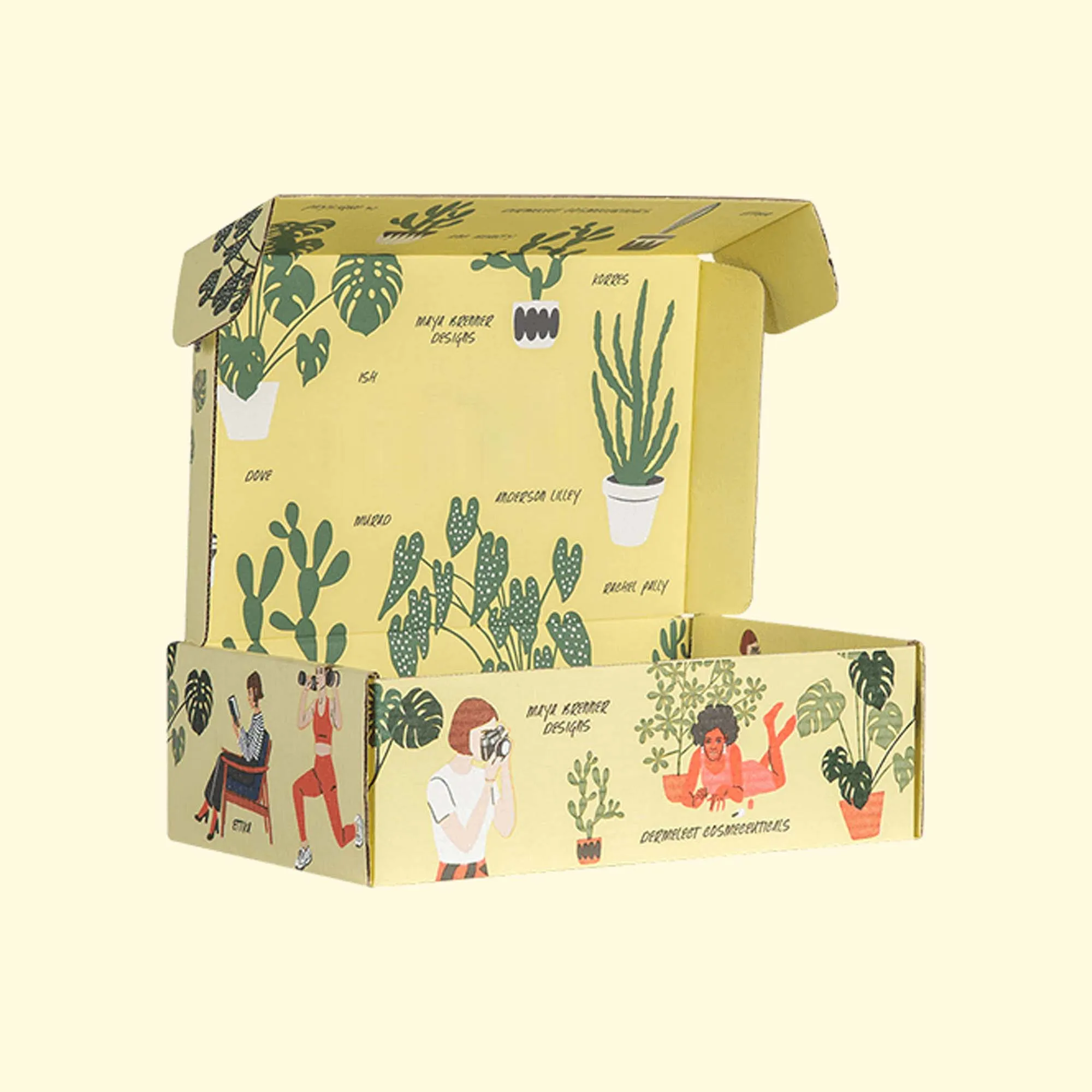 Custom Printed Corrugated Boxes
E, B, C-flute or double wall
 Cardboard Mailer Boxes
E-flute or B-flute, kraft or white
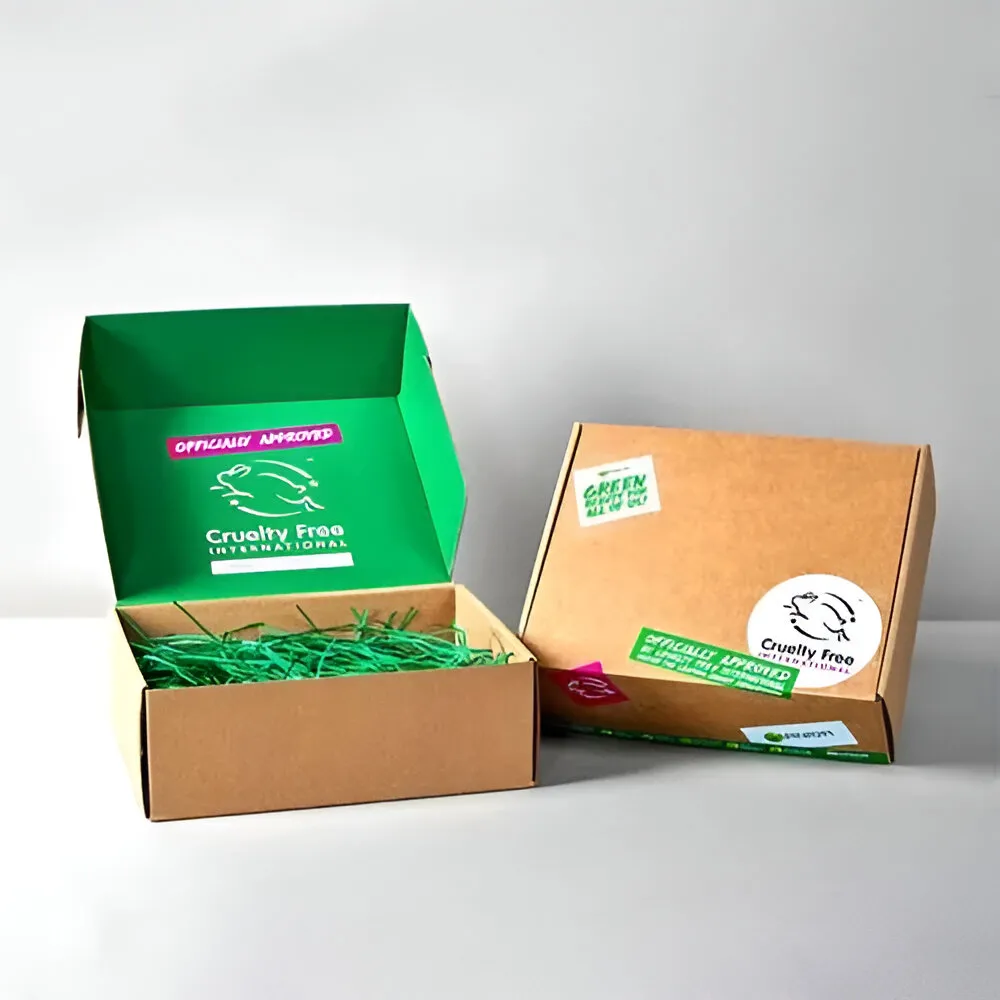 Custom Mailer Boxes
E-flute or B-flute, locking tuck front
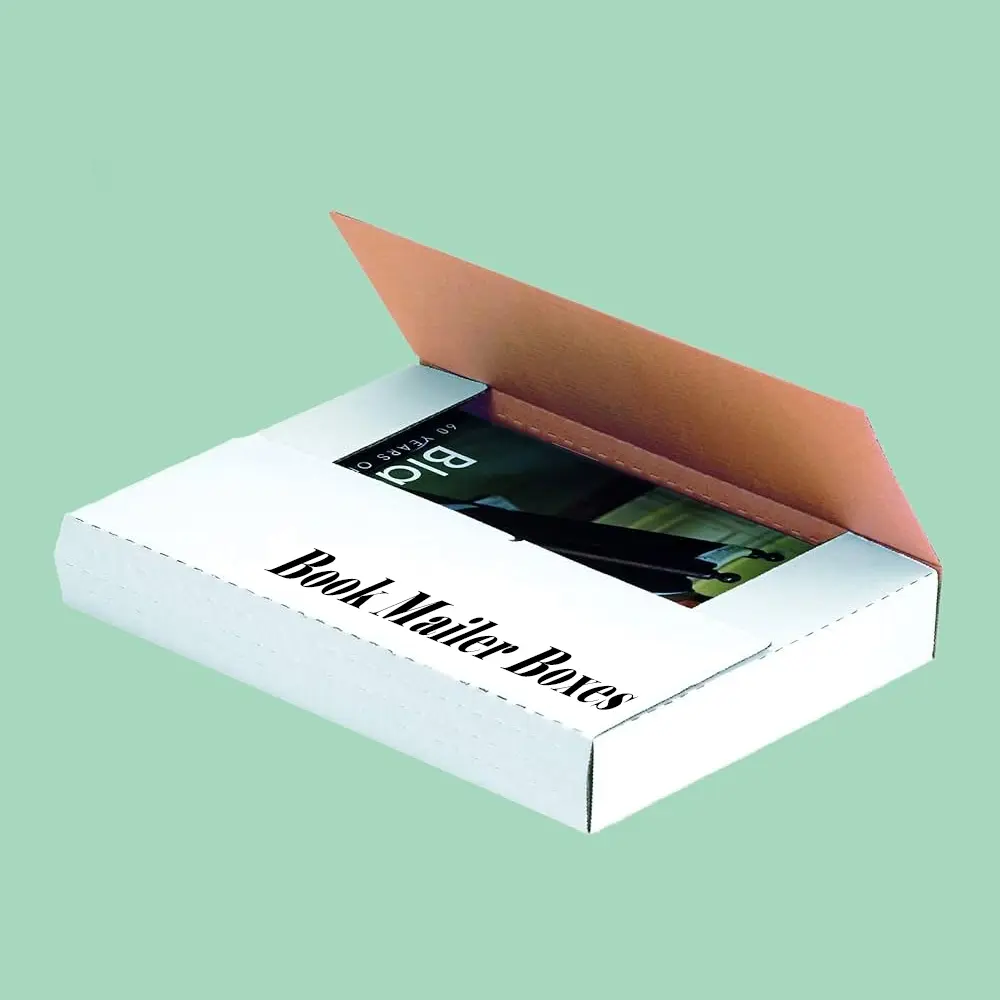 Book Mailer Boxes
E-flute or B-flute, protects corners
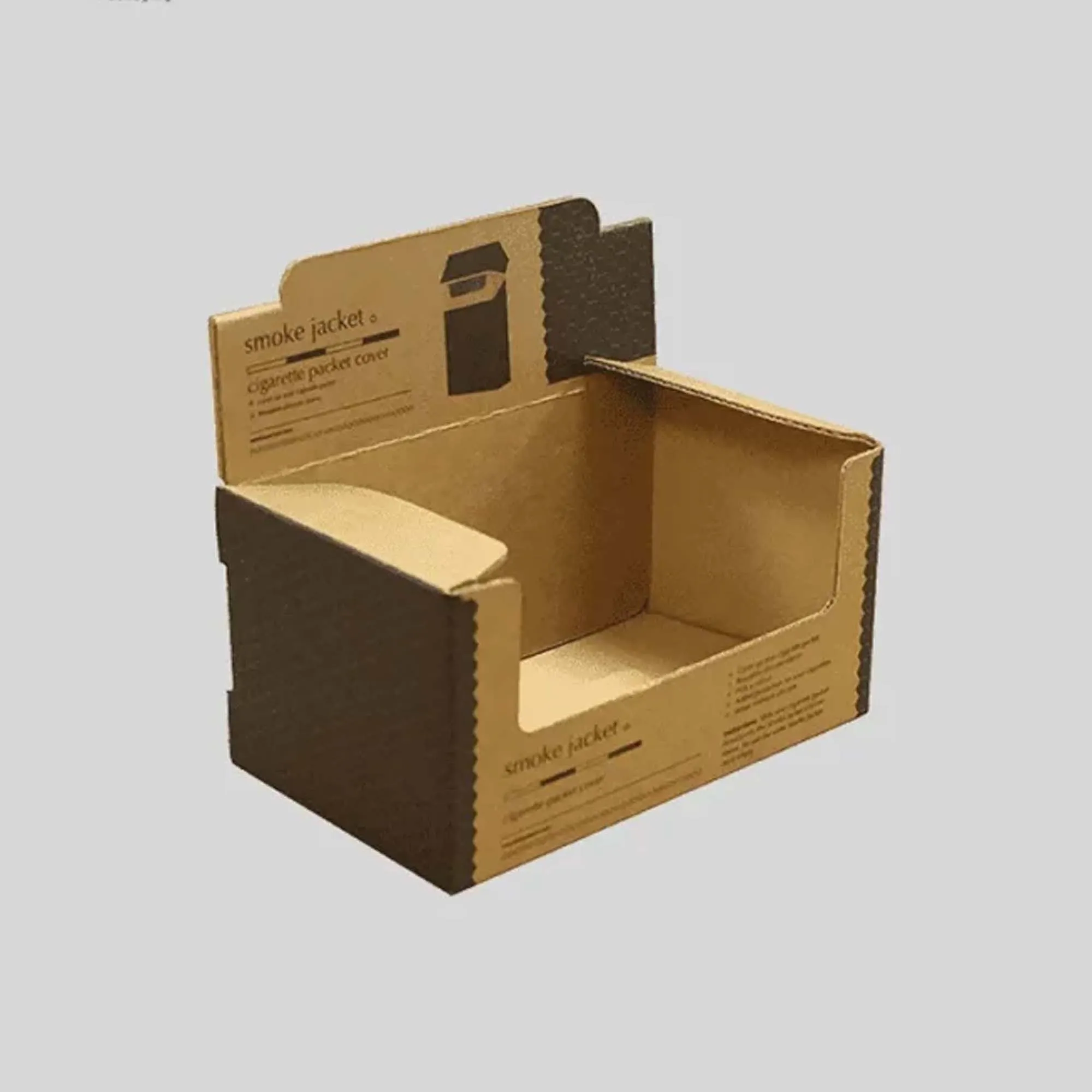 Corrugated Display Boxes
E-flute counter, B-flute shelf-ready
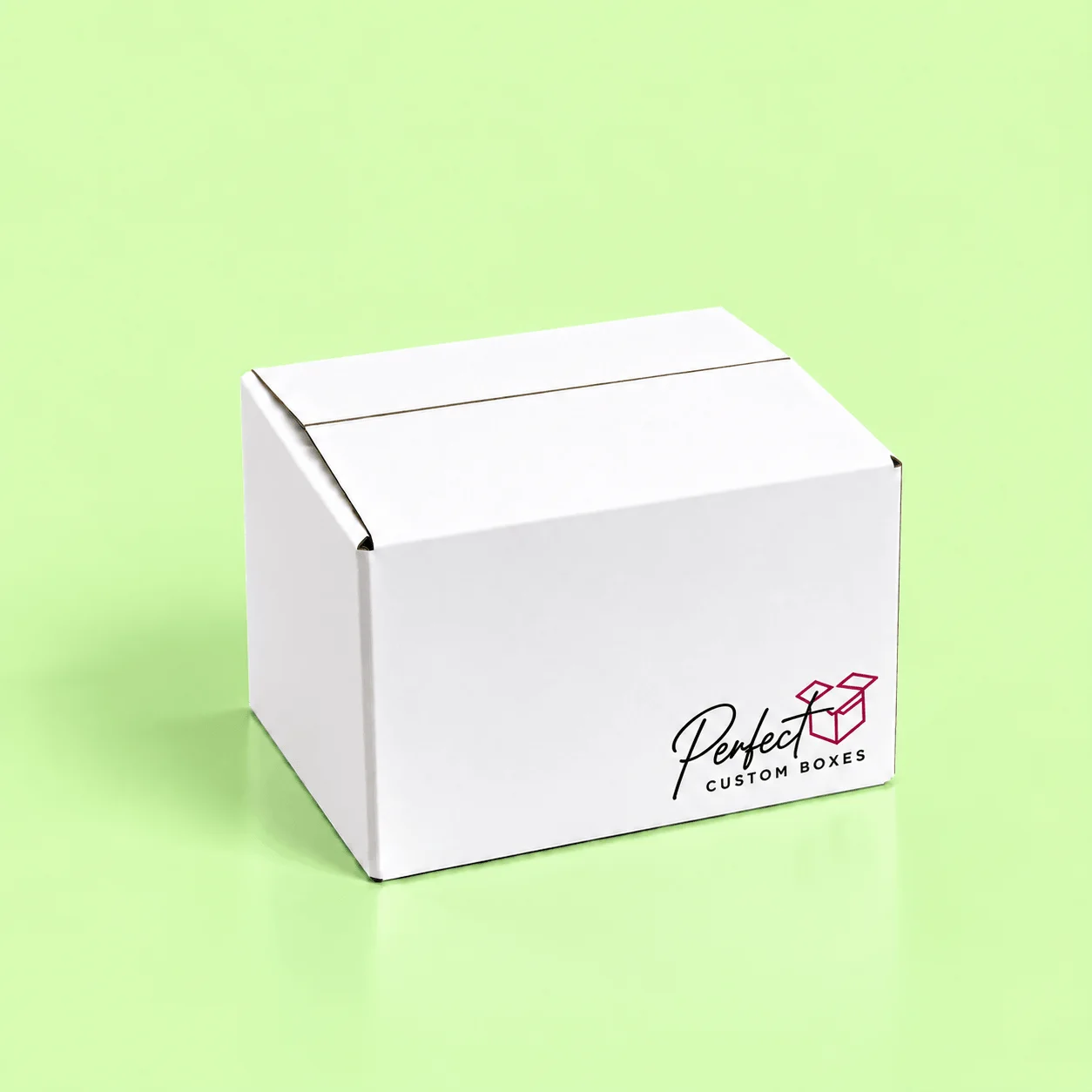 Full Flap Shipping Box
Overlapping flaps for heavier items
 Double Wall Tuck Front
Rolled double side walls
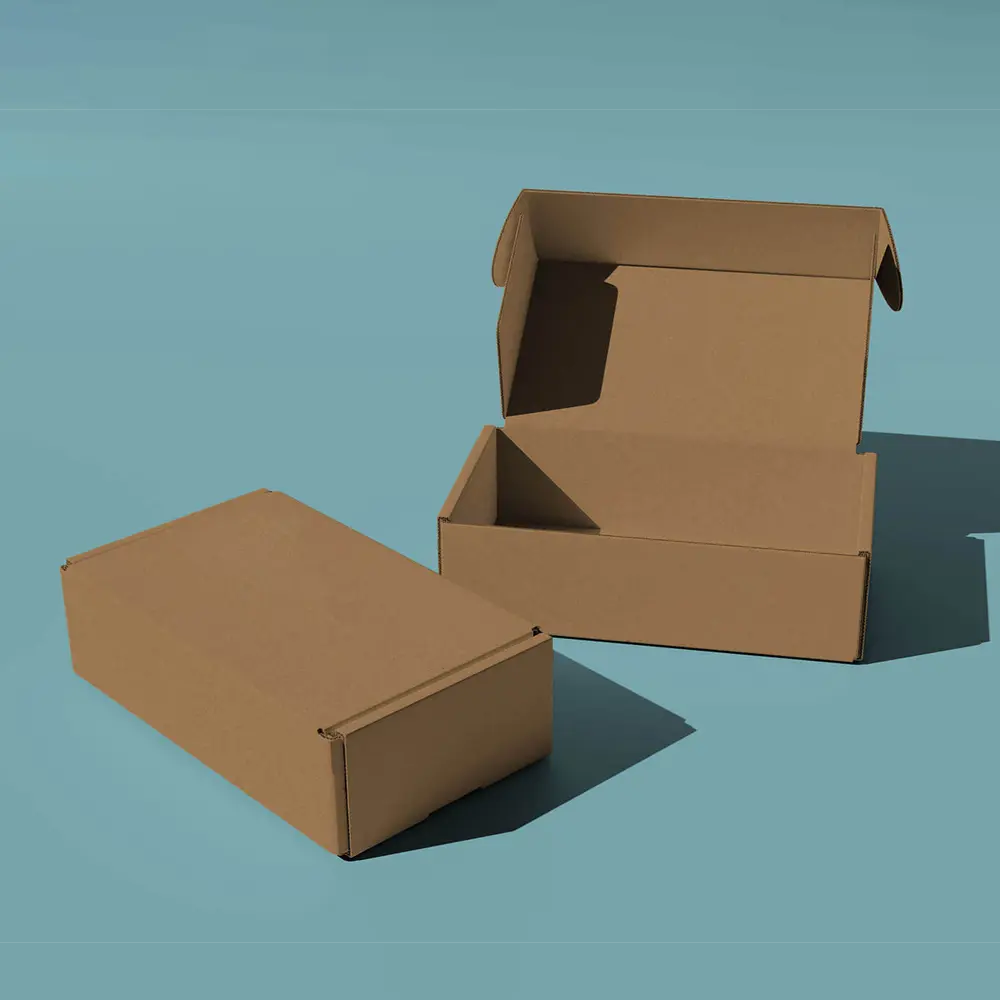 Kraft Corrugated Boxes
Natural kraft for shipping and storage
See the full range in Corrugated Shipping Boxes.
Free Packaging Tools
Plan your corrugated box before you request a quote. All tools are free, with no signup.
Box Compression Calculator
Check stacking strength for shipping boxes
Use Free ToolDimensional Weight Calculator
See the weight carriers will bill
Use Free ToolBox Size Calculator
Allow for board thickness in your box size
Use Free ToolFree Dieline Tool
Preview and download a dieline at your size
Use Free ToolFrequently Asked Questions
What is a flute in corrugated board?
A flute is the wavy layer of paper glued between the two flat liners of corrugated board. The arches give the board strength and cushioning for its weight.
What are the main flute types?
The common flutes are A, B, C, E and F. A-flute is the thickest at about 3/16 in, and F-flute the thinnest at about 1/32 in. The letters follow the order the flutes were invented, not their size.
What is the most common flute?
C-flute is the standard board for shipping cartons. For printed mailer boxes, E-flute and B-flute are the most common.
What is the difference between B-flute and E-flute?
E-flute is about 1/16 in thick, slim and sharp to print. B-flute is about 1/8 in thick and more crush-resistant, for heavier products and longer transit.
Which flute should I use for mailer boxes?
E-flute for lighter products and sharp printing, B-flute for heavier items and longer transit.
Which flute is the strongest?
Taller flutes cushion and stack better, and double wall board, with two fluted layers, is stronger than any single wall. Strength also depends on the liners, so boxes are rated by Edge Crush Test (ECT) grade.
What is double wall corrugated?
Board with two fluted layers between three liners, such as B-flute plus C-flute. It is about 1/4 in thick and suits heavy, fragile or stacked shipments.
Which flutes does Perfect Custom Boxes offer?
We make boxes in E-flute, B-flute and C-flute single wall and in double wall board, in kraft or white. Tell us your product weight and how it ships, and we will recommend the board.
Not Sure Which Flute You Need?
Share your product weight and size, and our team will recommend the right board, with free design support and free shipping.