
 Serum Bottles
 Clear Glass Bottles
 Lotion Bottles
 Plastic Bottles
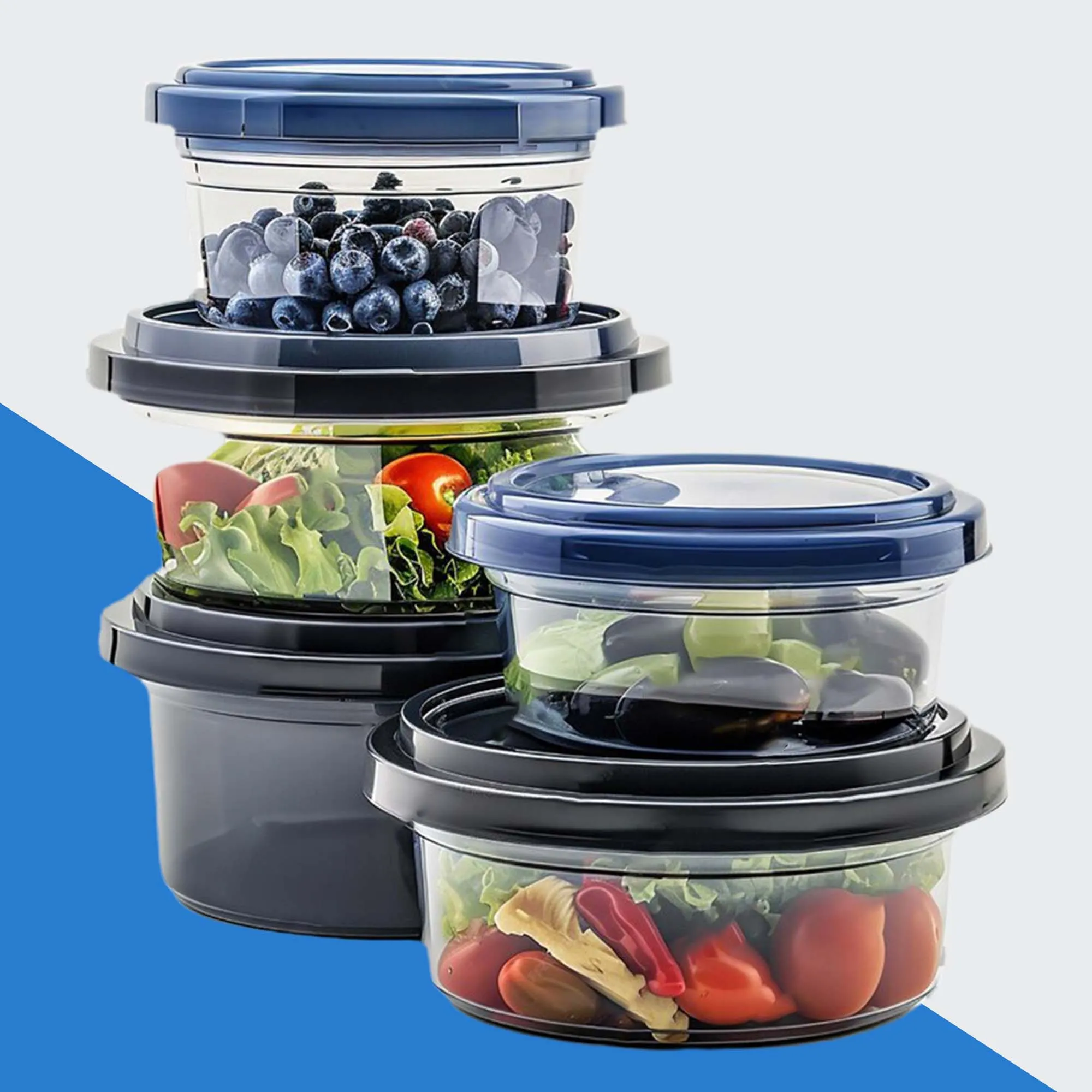 Food Storage Containers
 Lip Balm Tubes
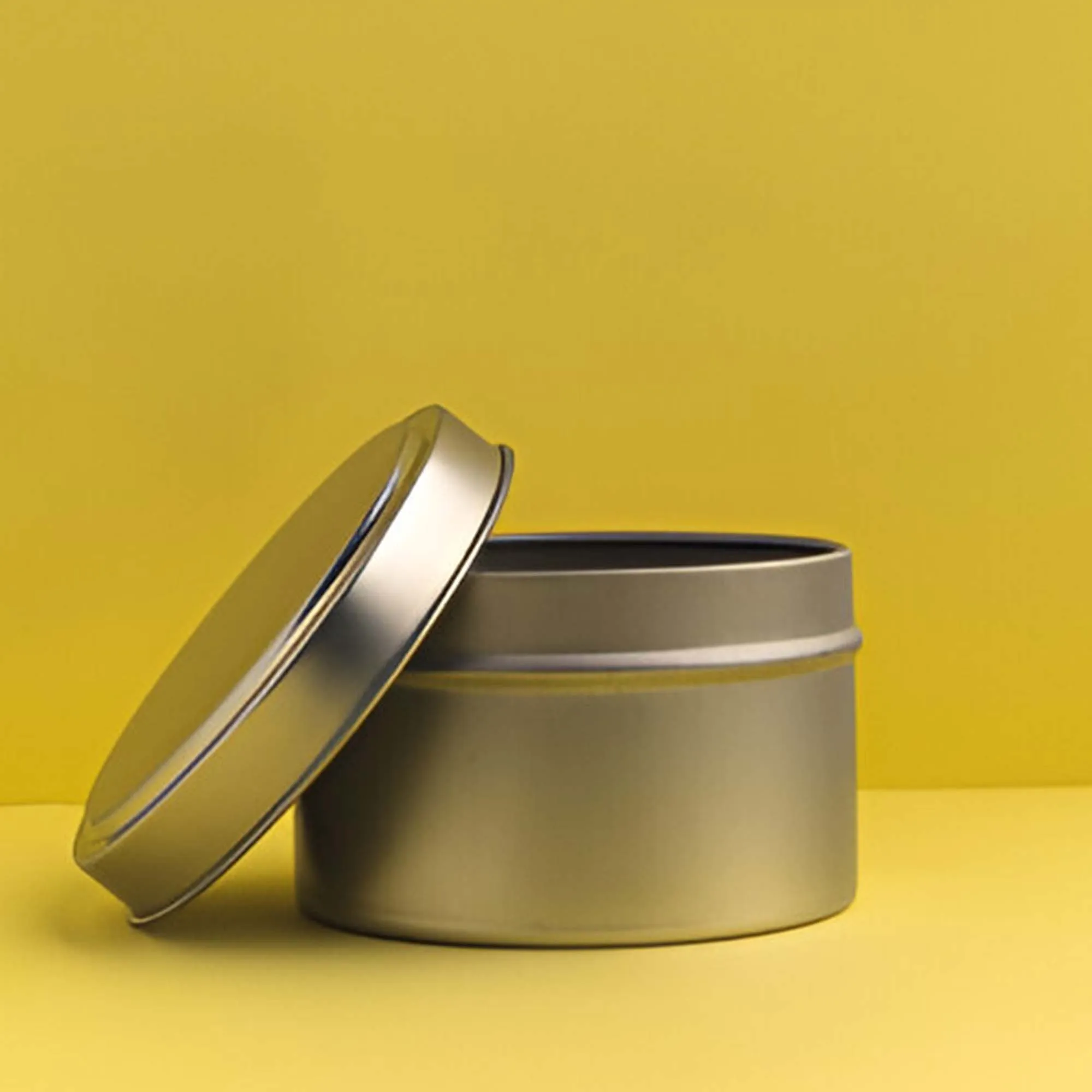 Metal Tins
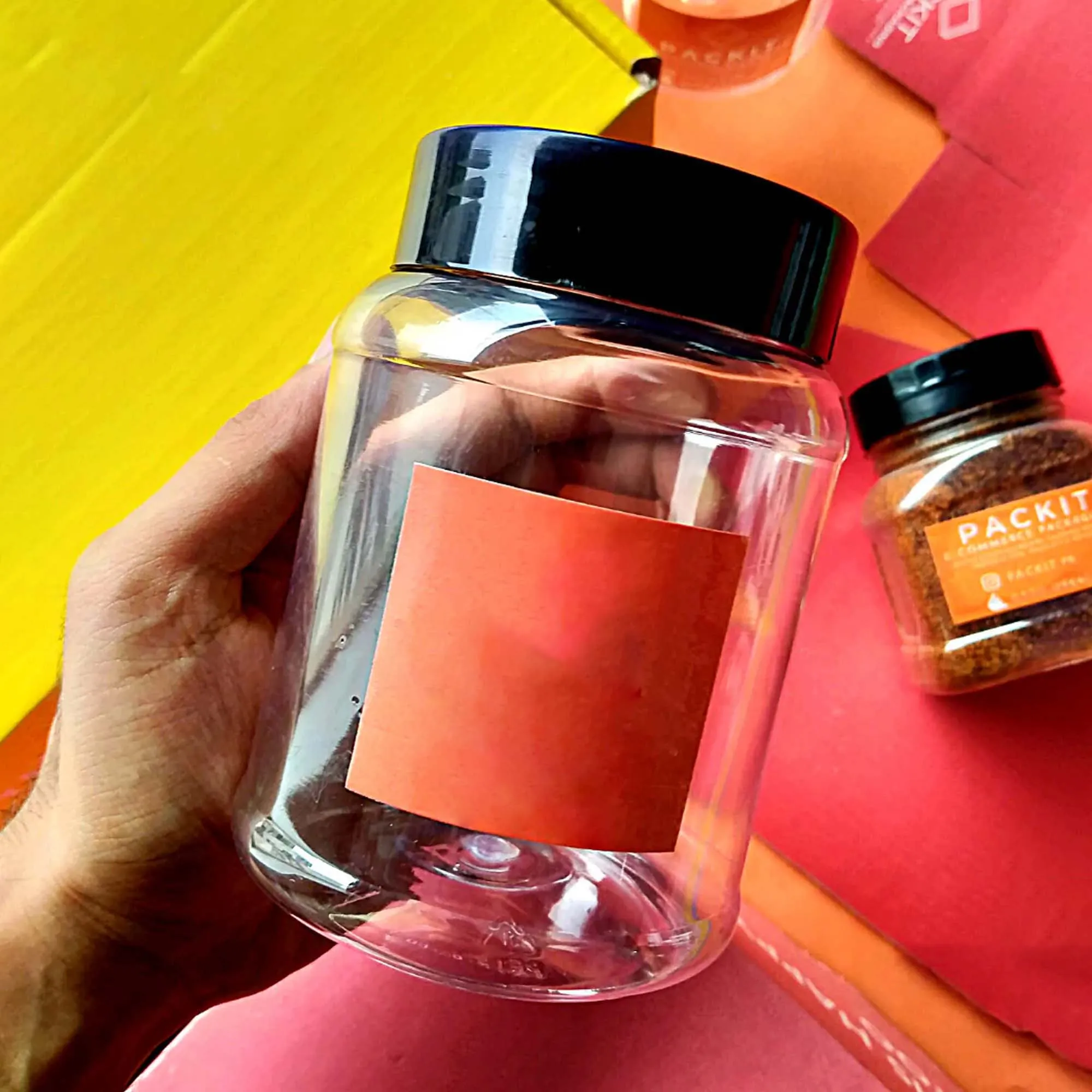 Plastic Jars
 Glass Jars
 Cosmetic Containers
 Black Acrylic Signs
 Clear Acrylic Signs
 Frosted Acrylic Signs
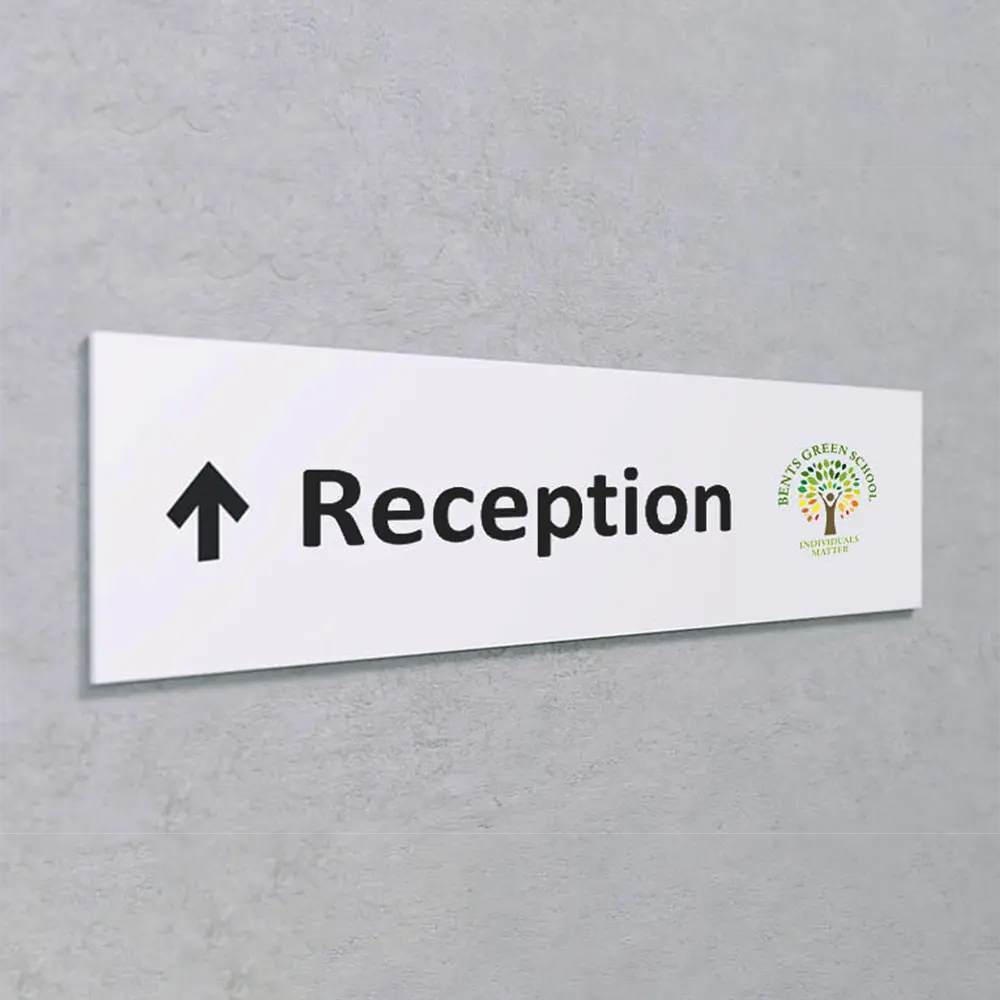 White Acrylic Signs
 Aluminium Bags
 Black Mylar Bags
 Candy Mylar Bags
 Child Resistant Mylar Bags
 Custom Printed Mylar Bags
 Die-Cut Mylar Bags
 Edible Mylar Bags
 Food Pouches
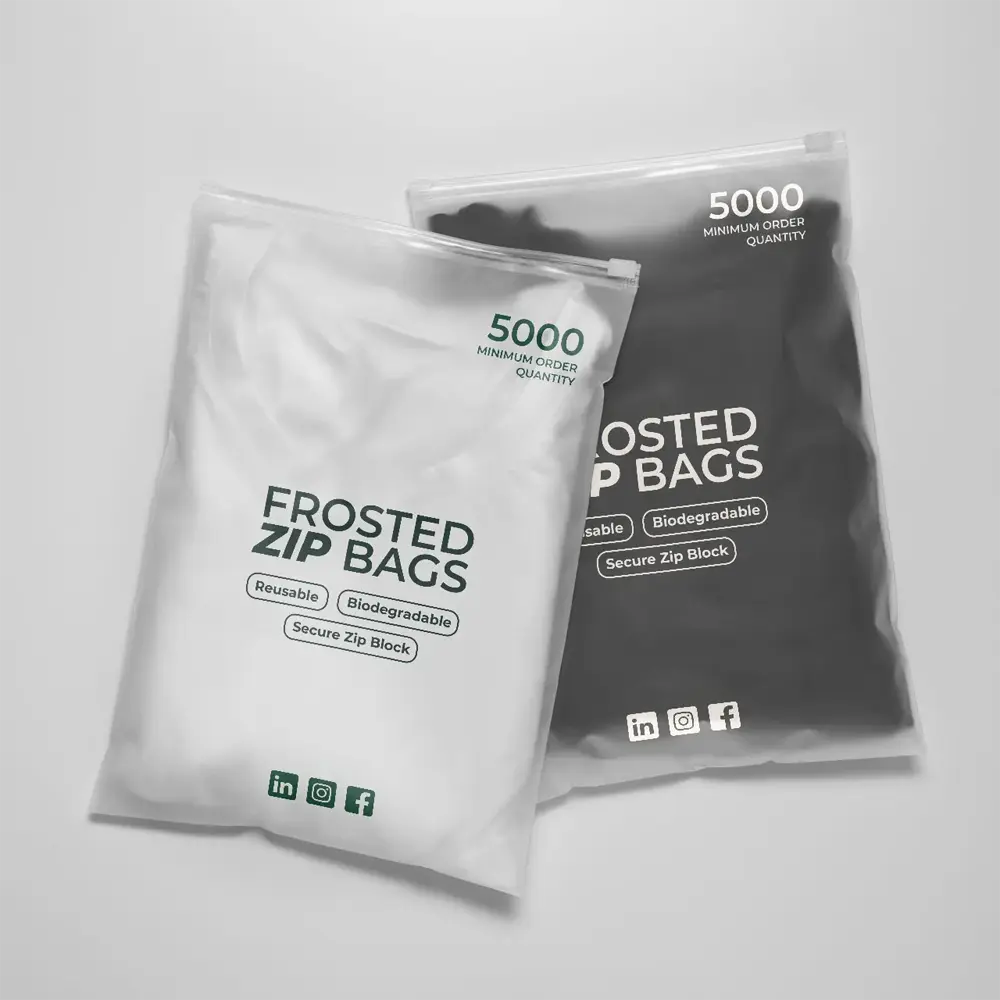 Frosted Bags
 Anti Aging Mask Boxes
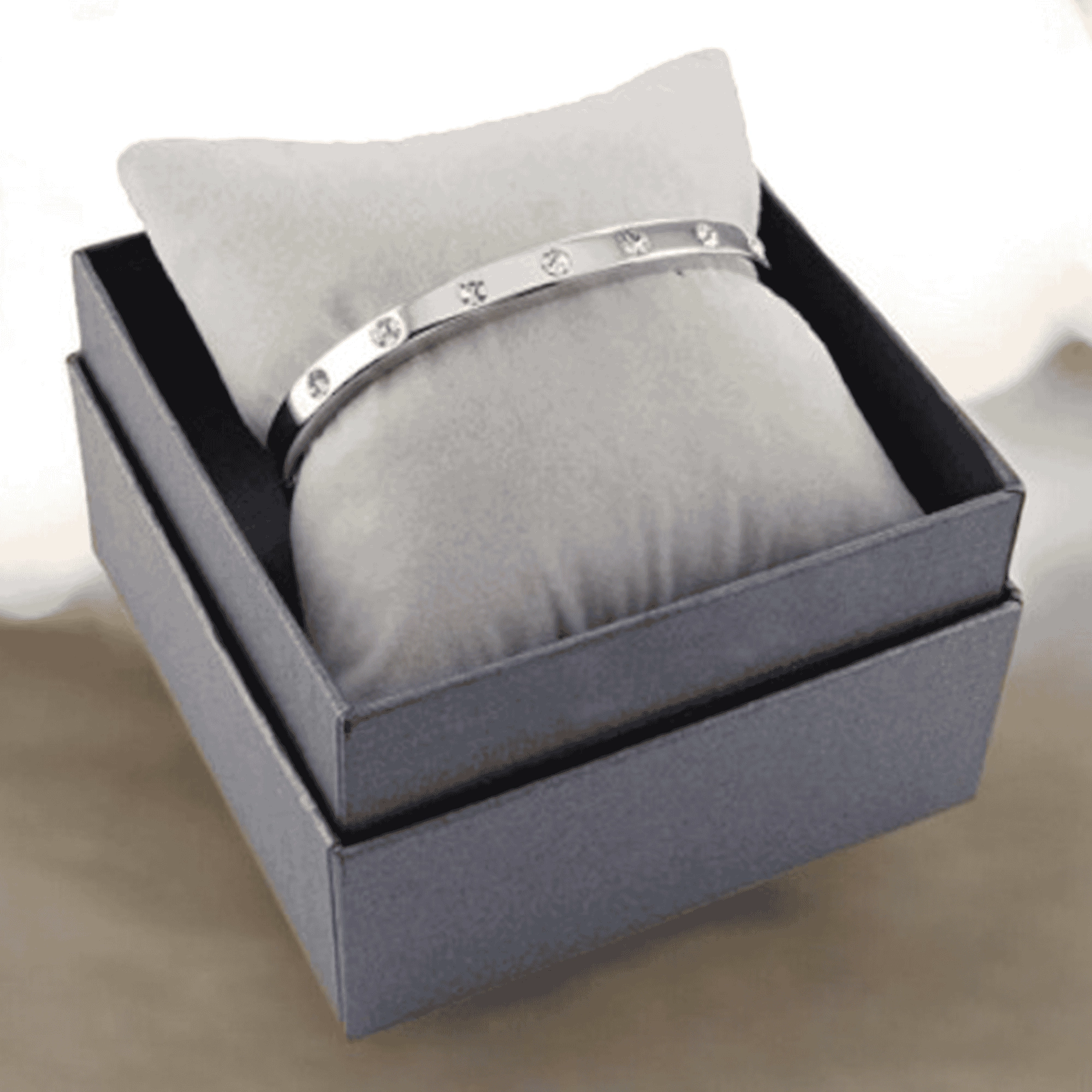 Bangle Boxes
 Concealer Boxes
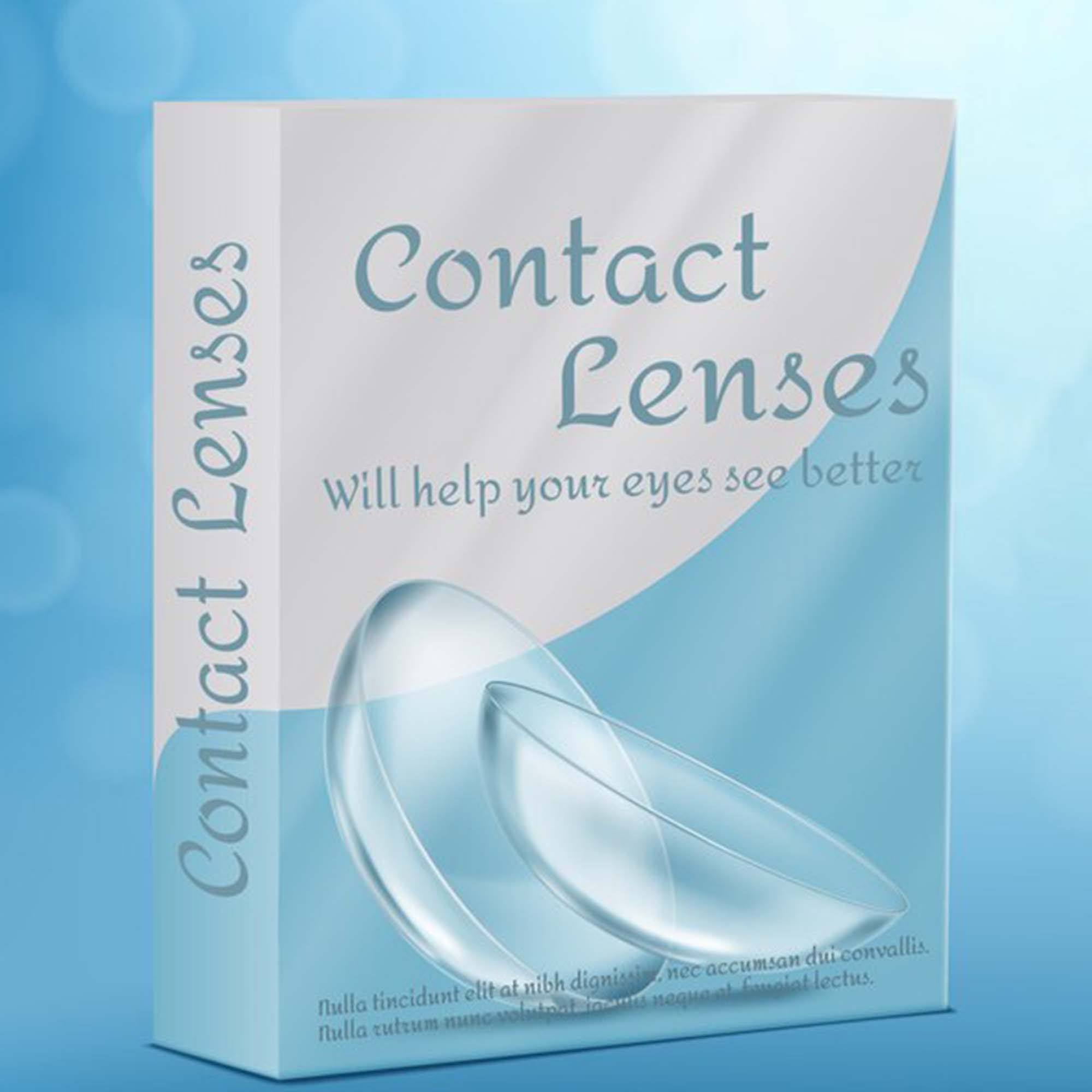 Contact Lens Boxes
 Cosmetic Cardboard Boxes
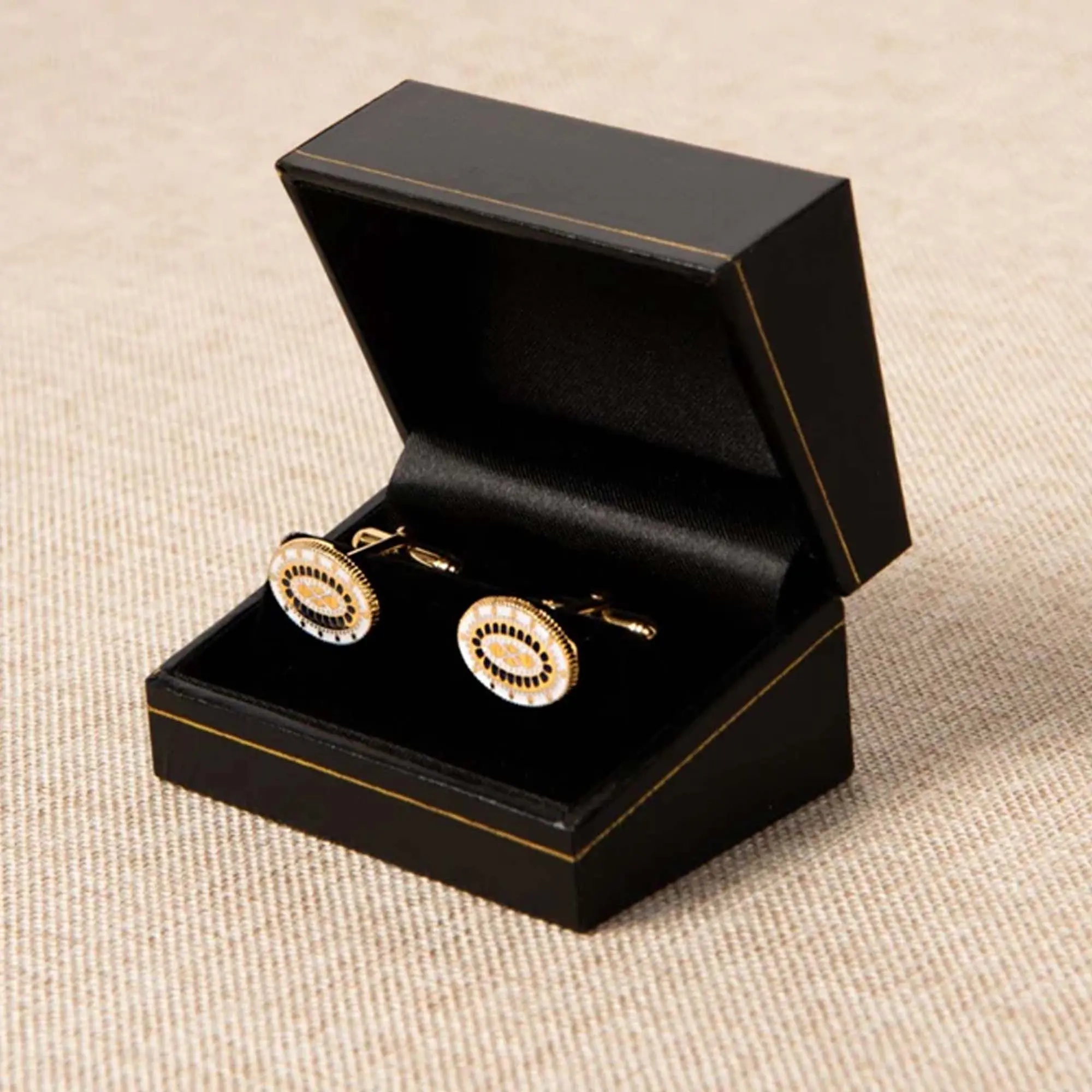 Cufflink Boxes
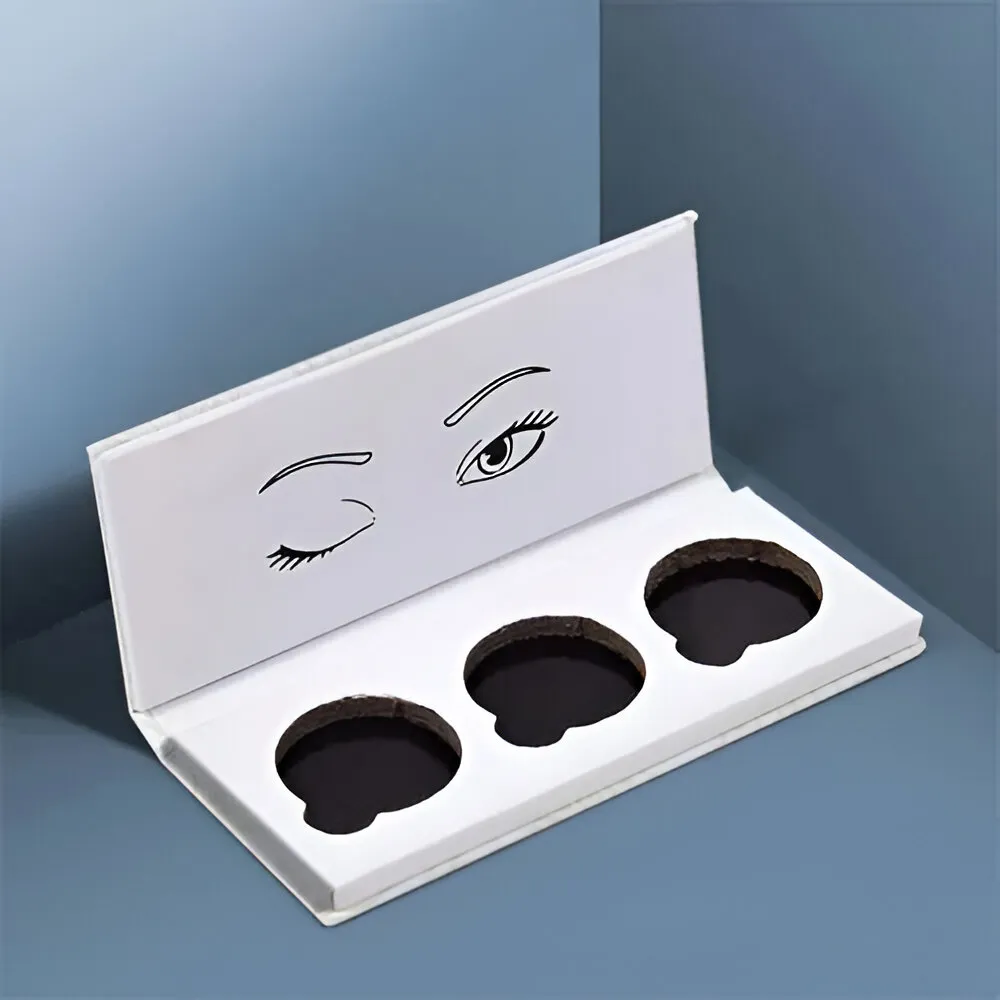 Custom Eye Shadow Packaging Boxes
 Custom Hair Color Boxes
 Custom Hair Spray Boxes
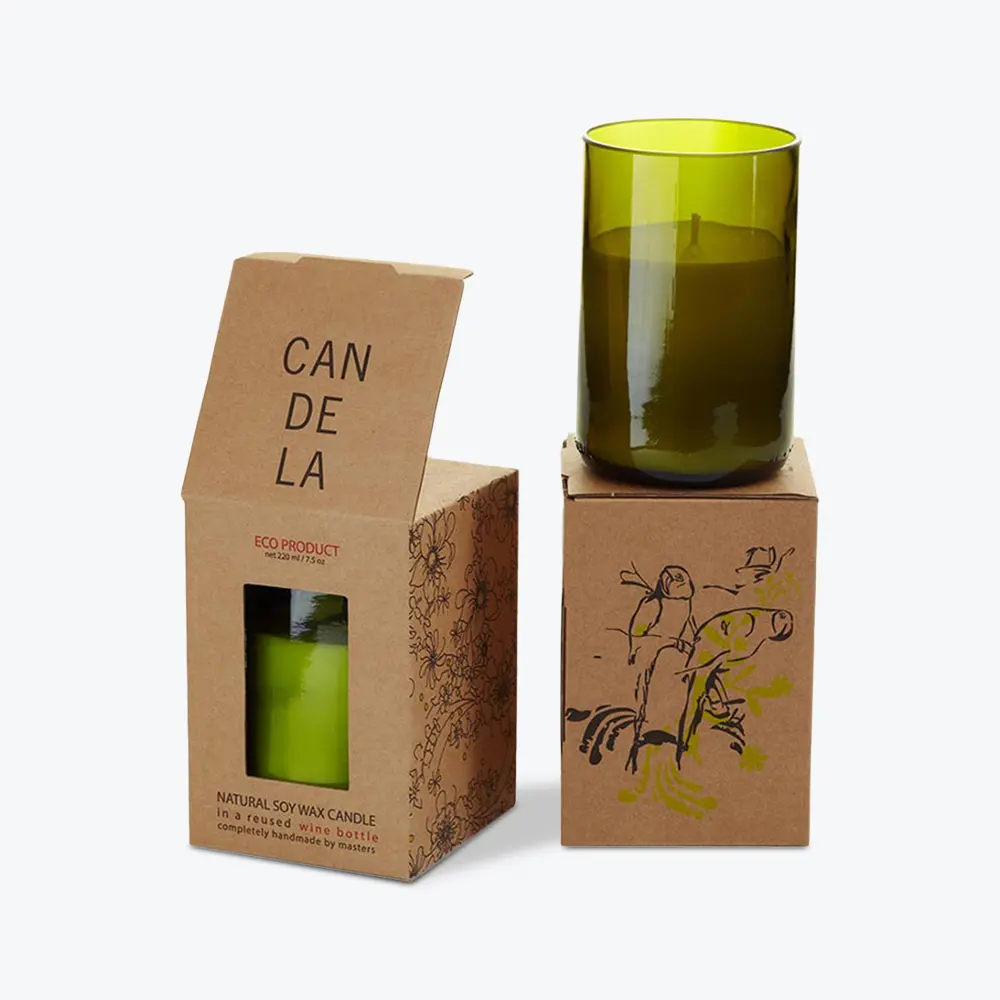 Candle Boxes with Window
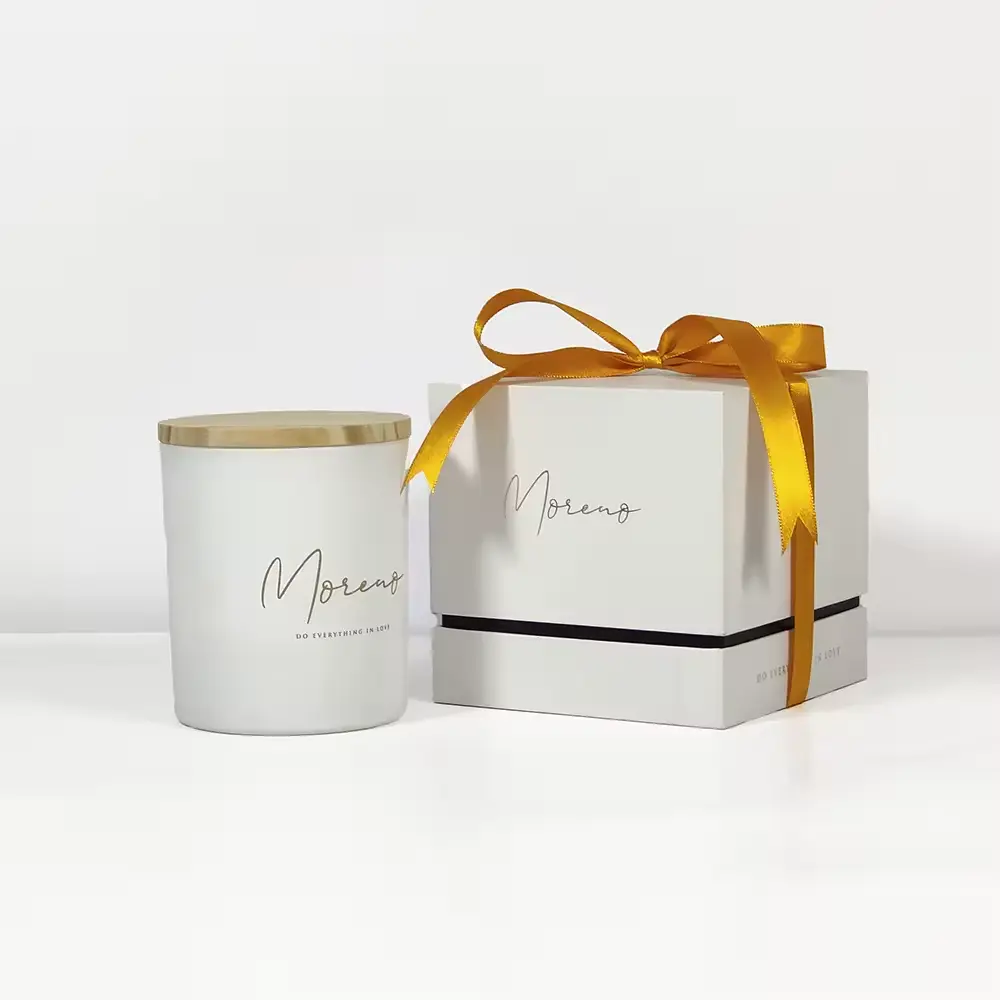 Candle Gift Boxes
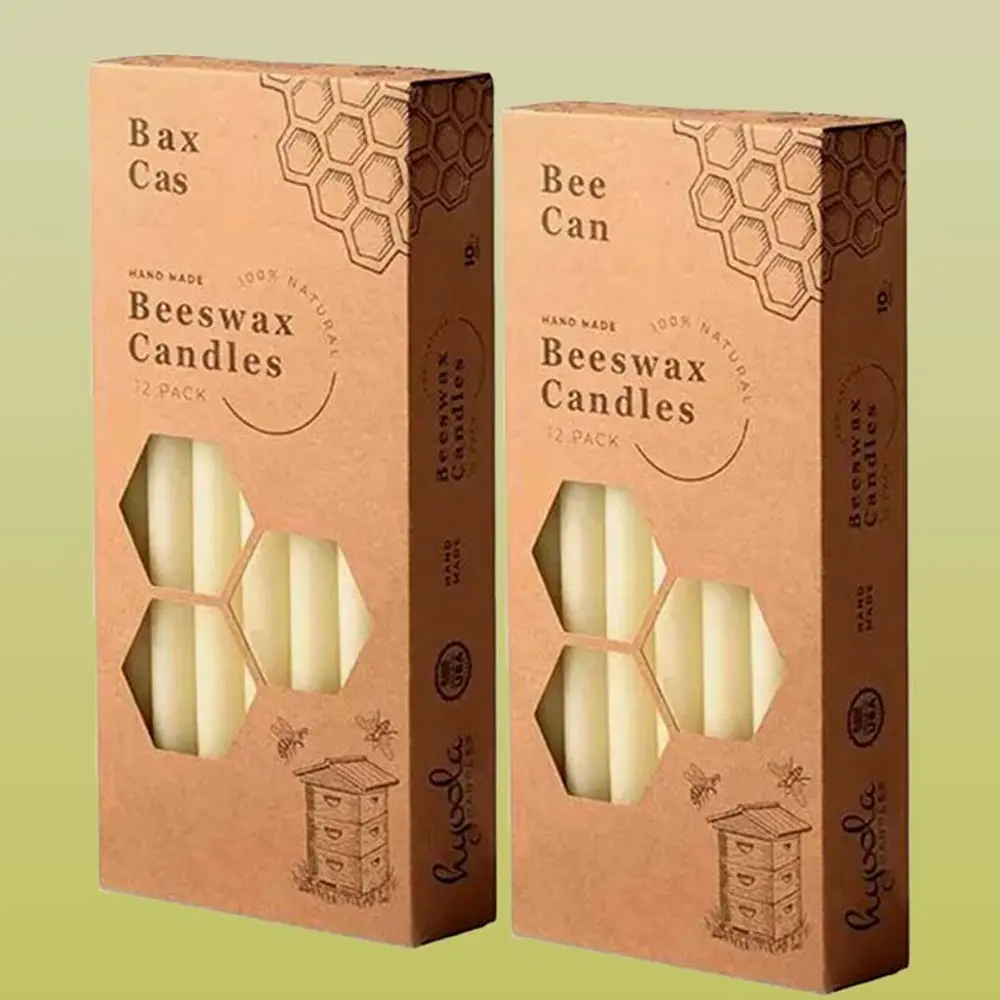 Candle Shipping Boxes
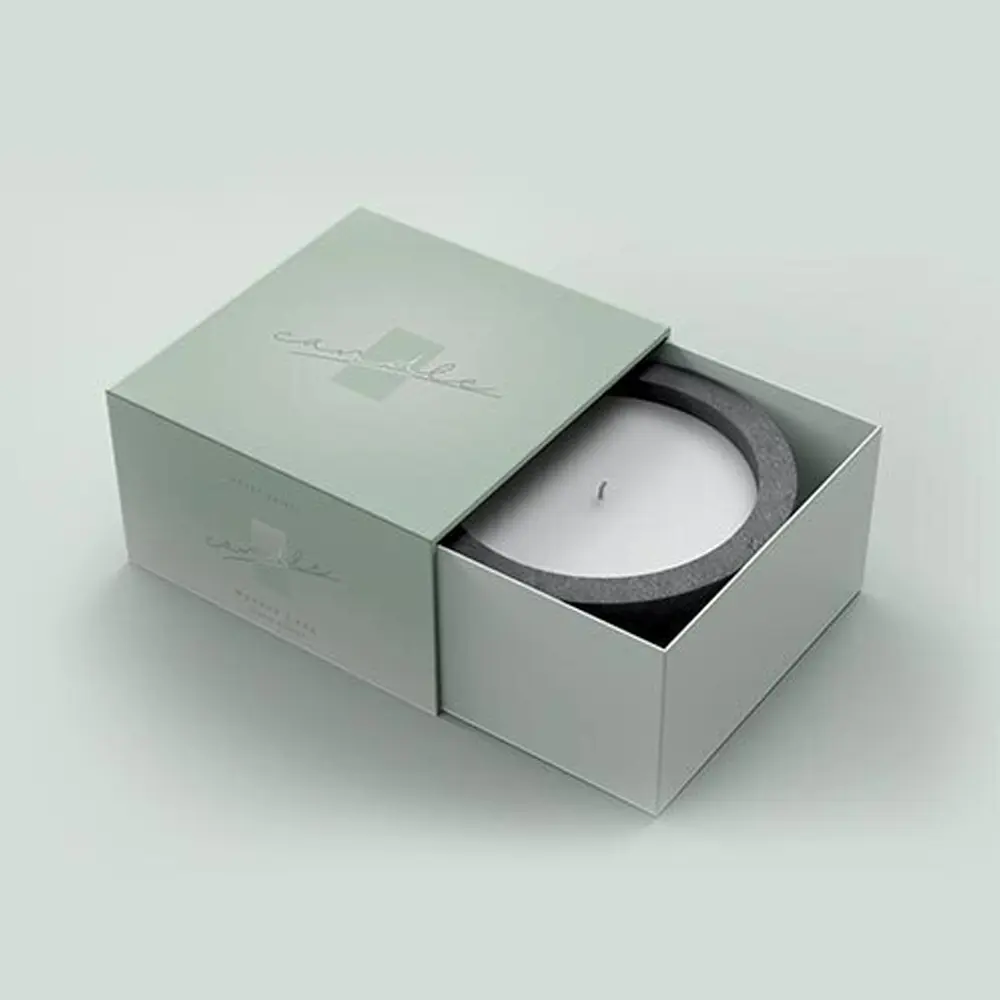 Candle Tray And Sleeve Boxes
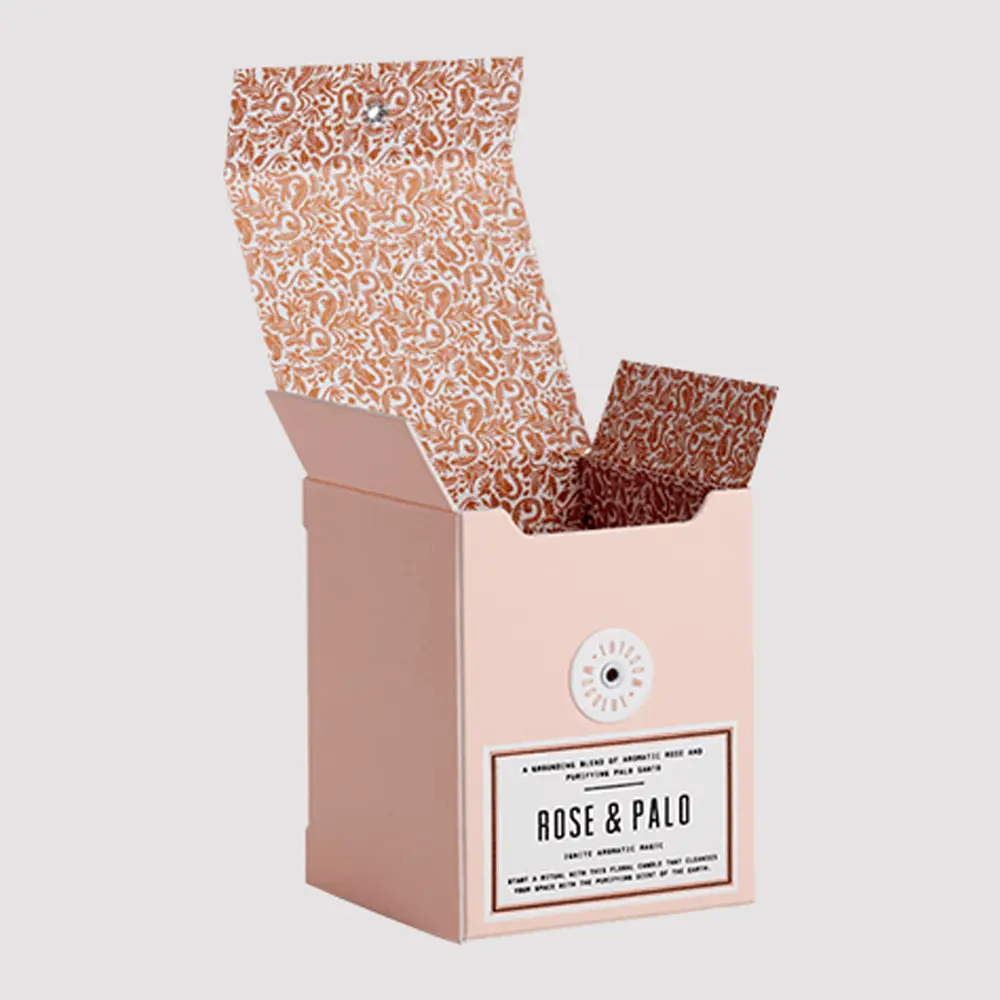 Cardboard Candle Boxes
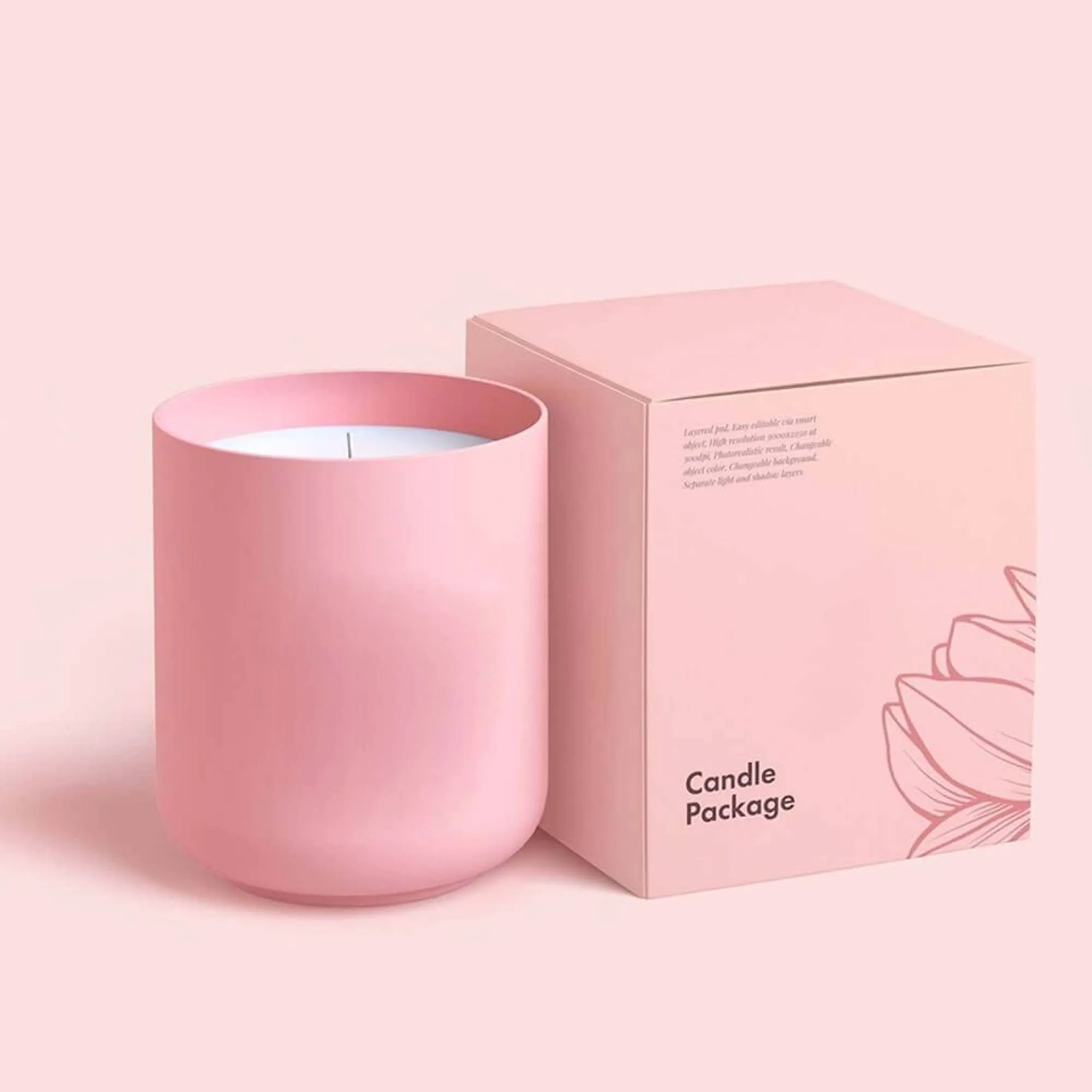 Custom Printed Candle Packaging Boxes
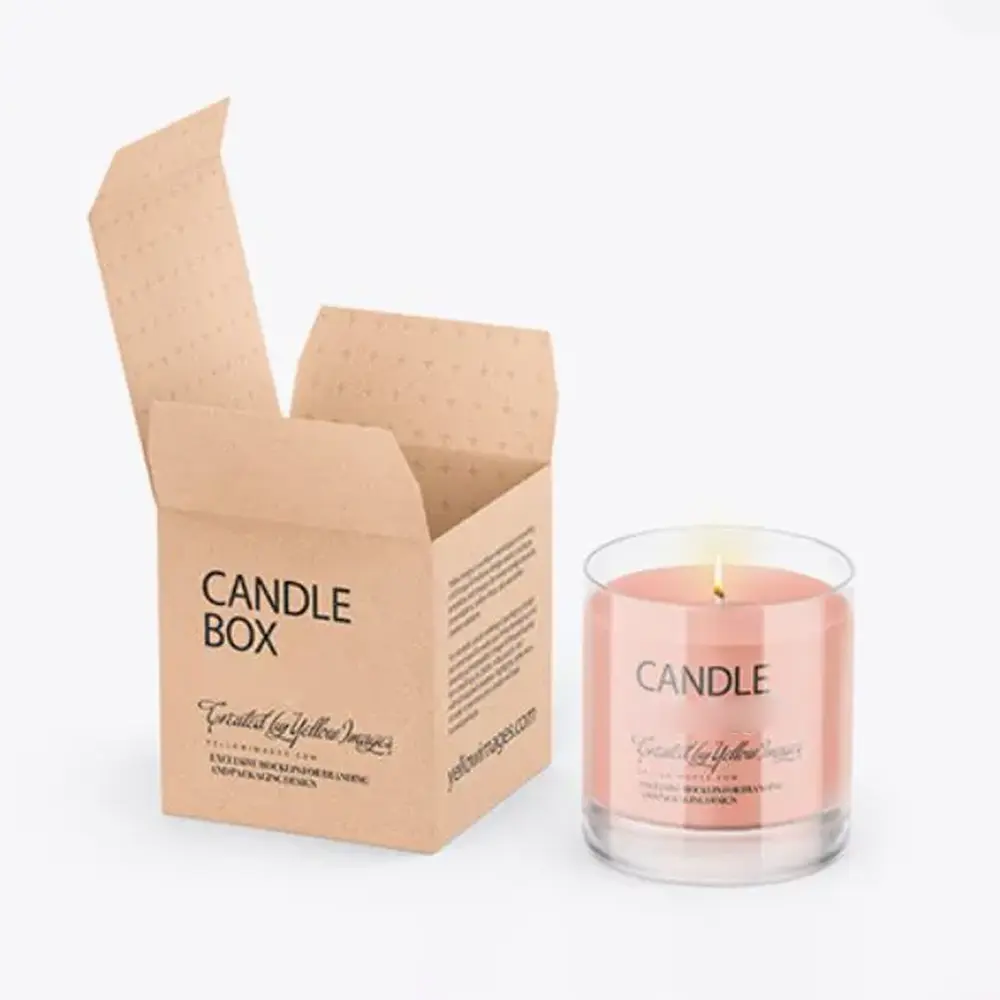 Eco-Friendly Candle Boxes
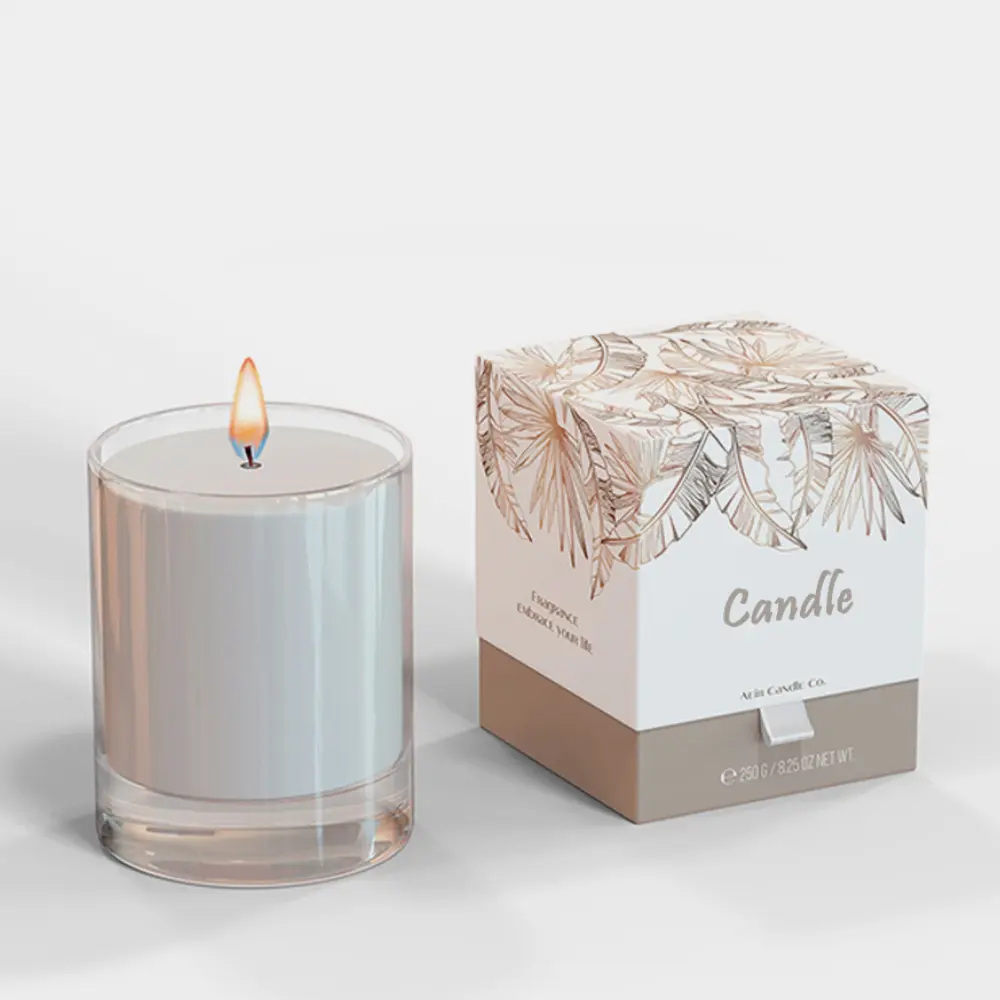 Luxury Candle Boxes
 Rigid Candle Boxes
 Beverage Boxes
 Custom Burger Boxes
 Custom Coffee Boxes
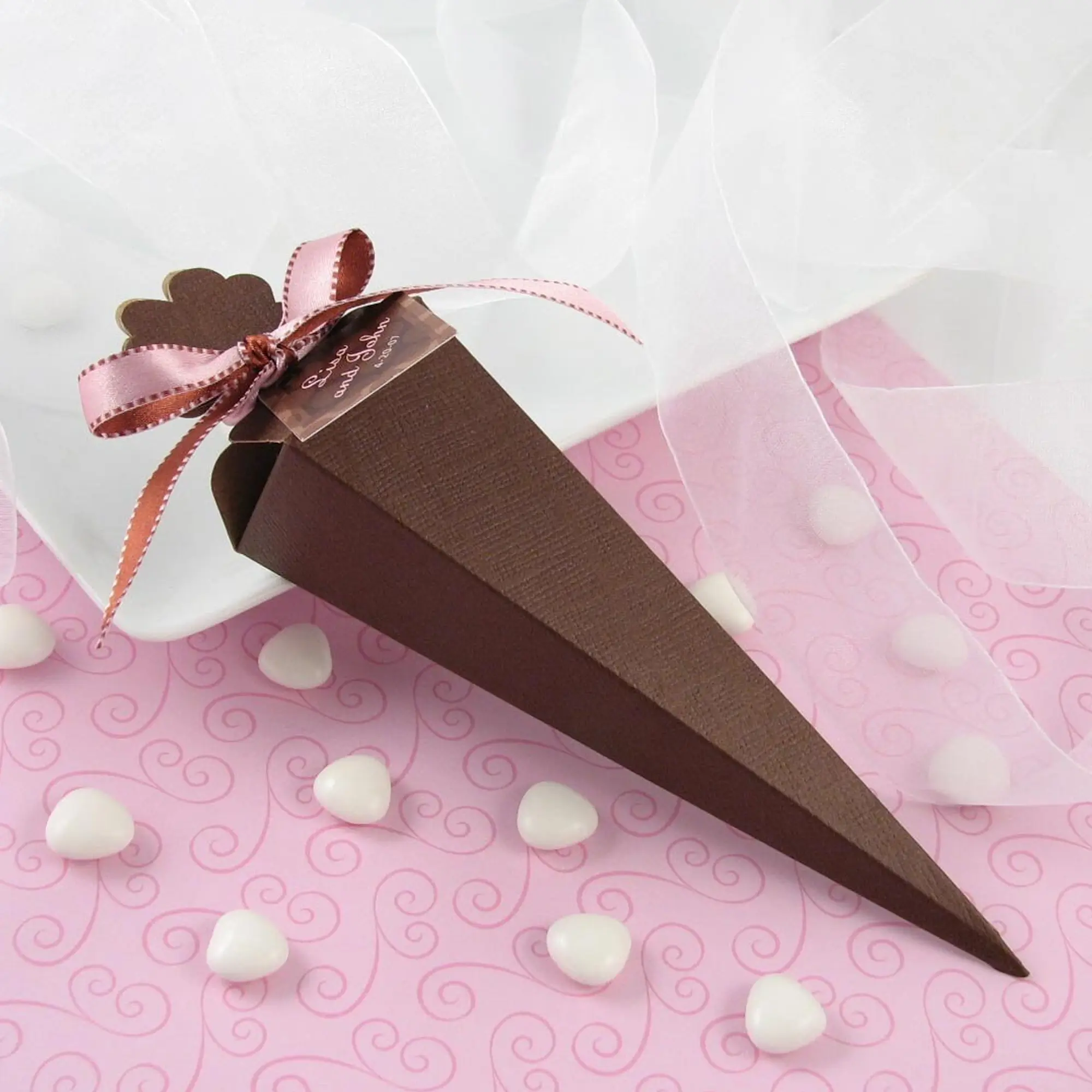 Custom Cone Boxes
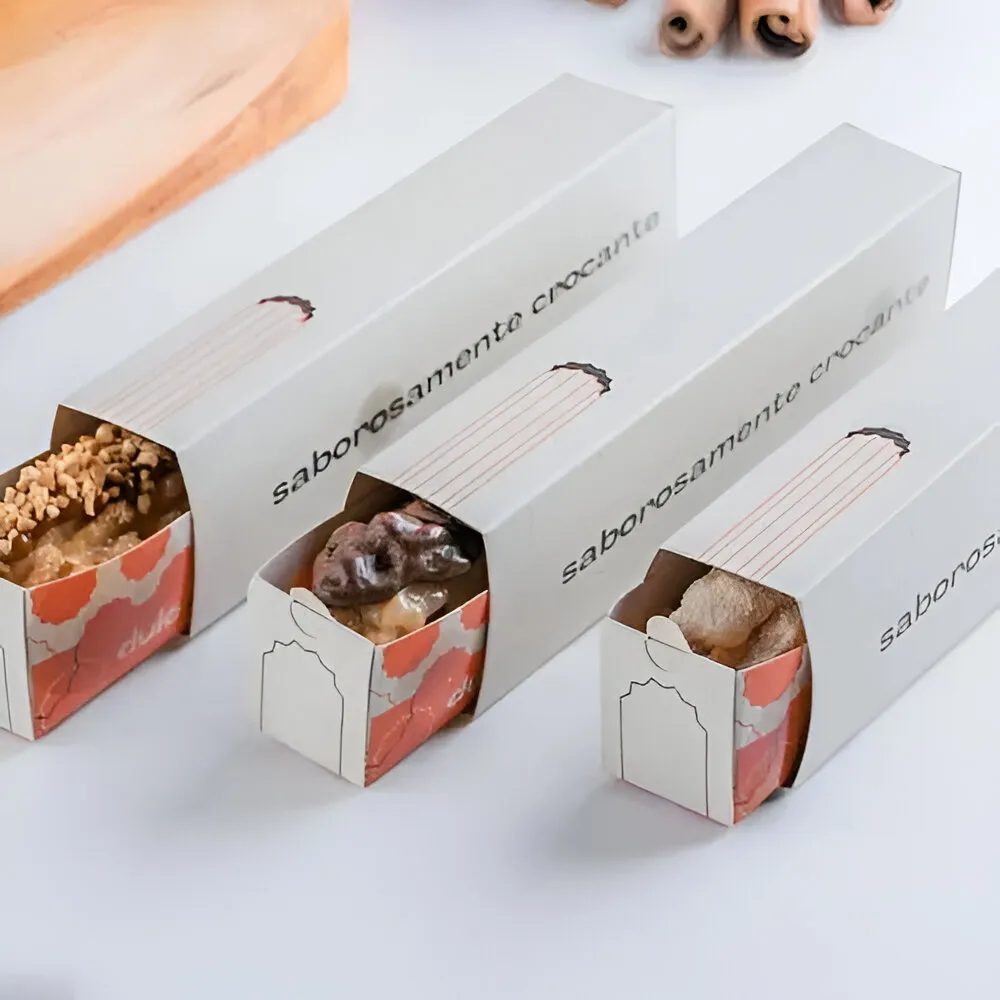 Custom Hot Dog Boxes
 Custom Noodle Boxes
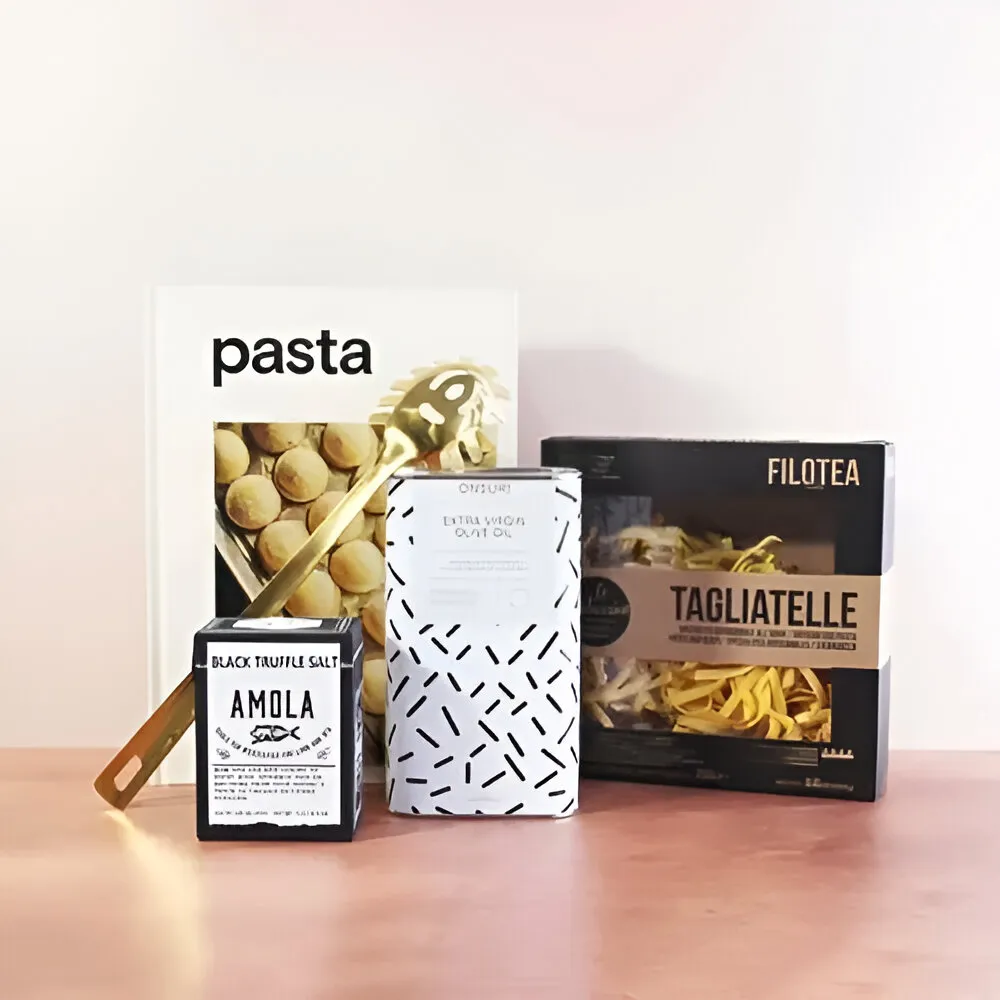 Custom Pasta Boxes
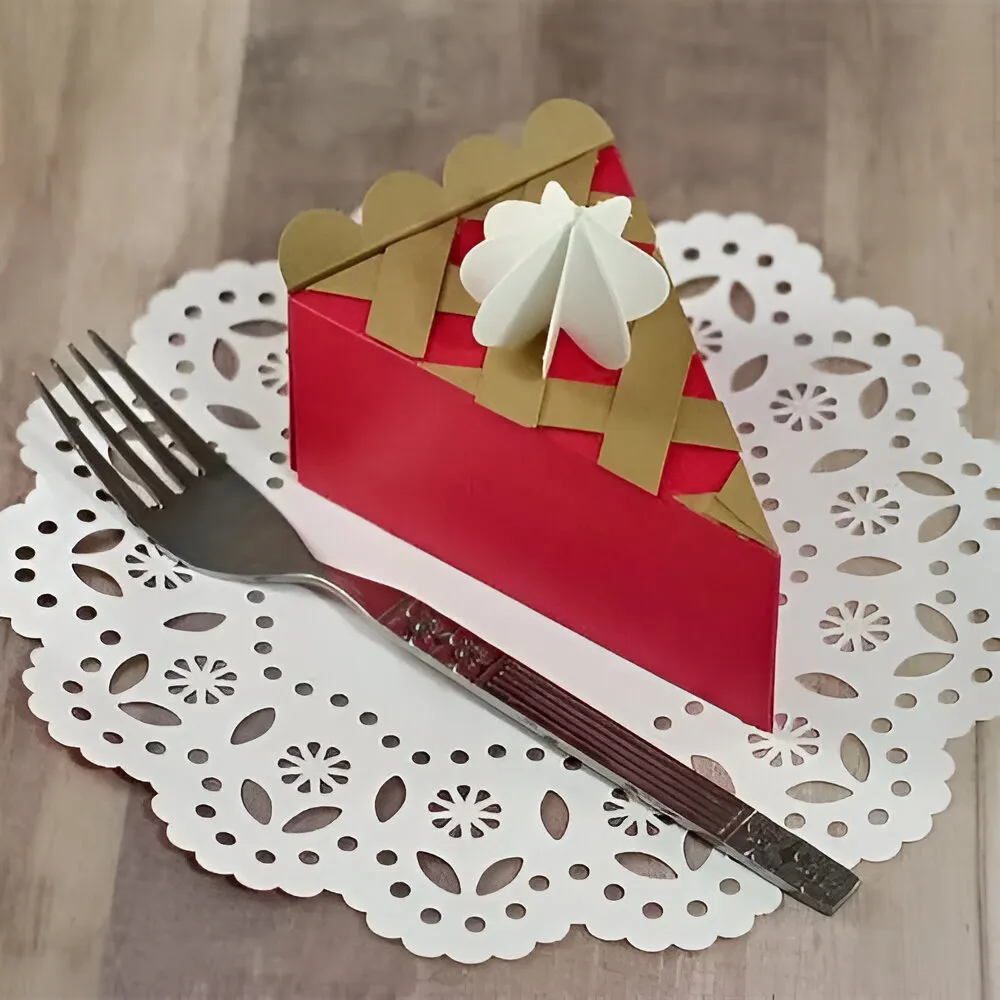 Custom Pie Boxes
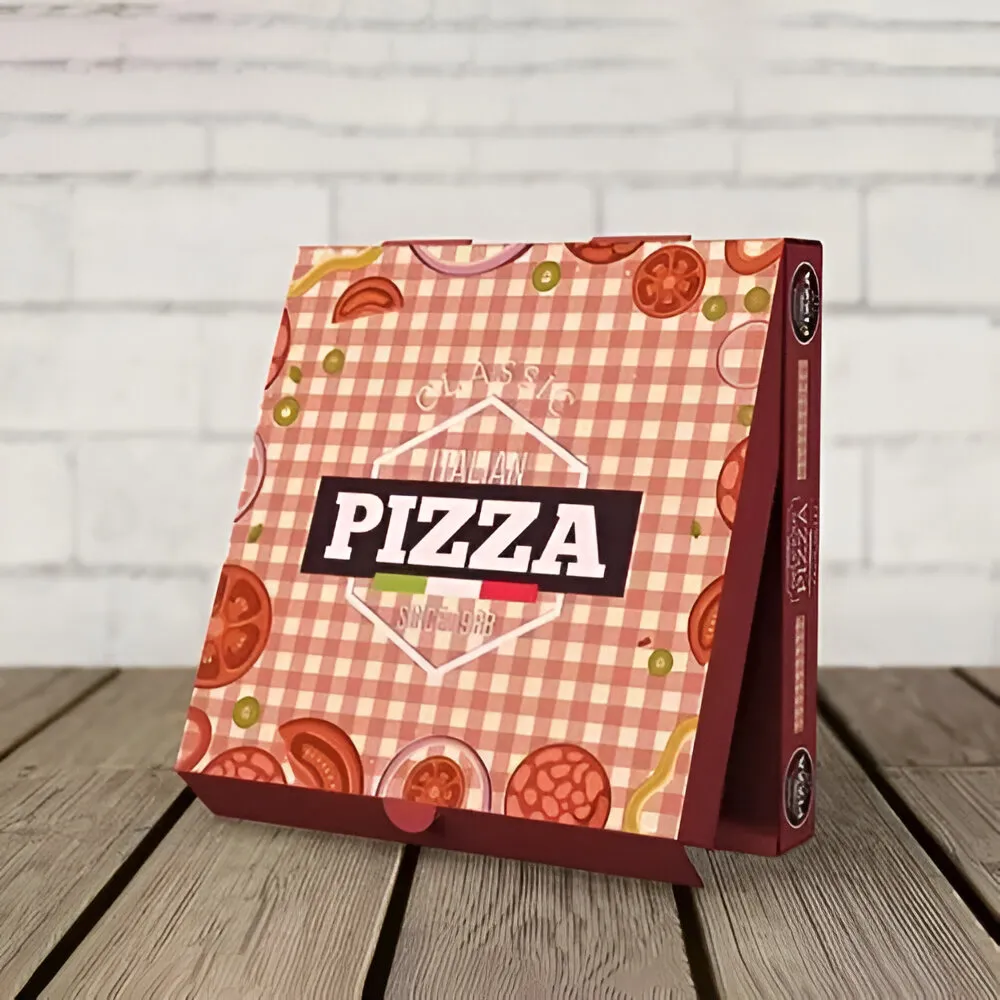 Custom Pizza Boxes
 Candy Display Boxes
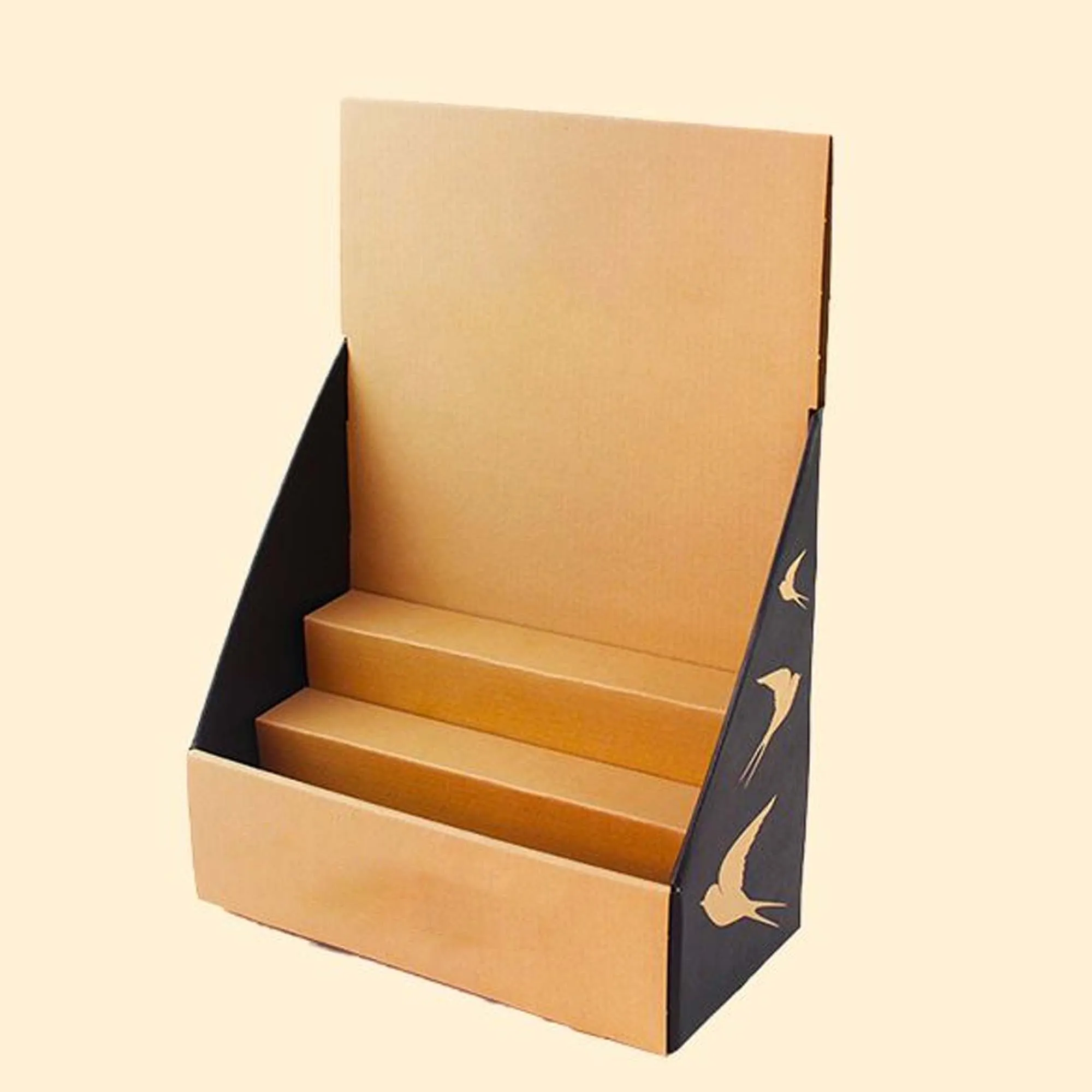 Cardboard Display Boxes
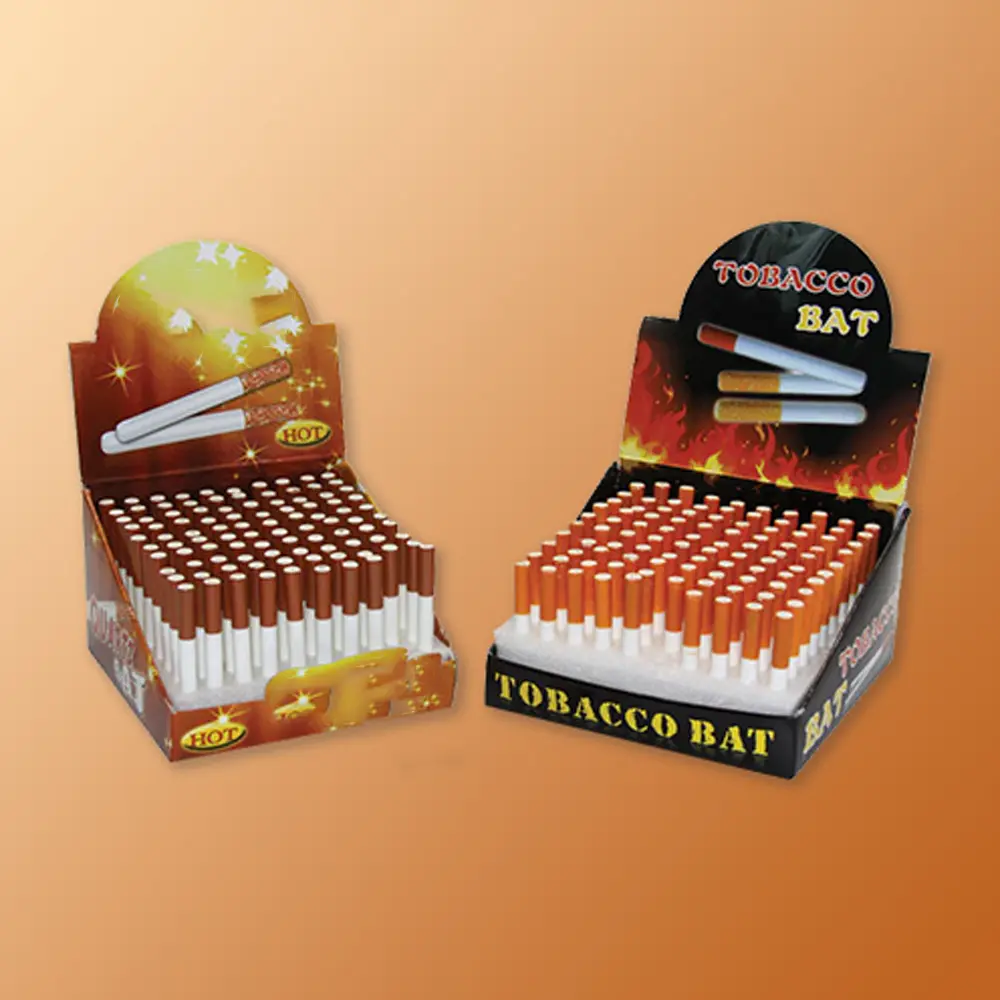 Cigarette Display Boxes
 Cosmetic Display Boxes
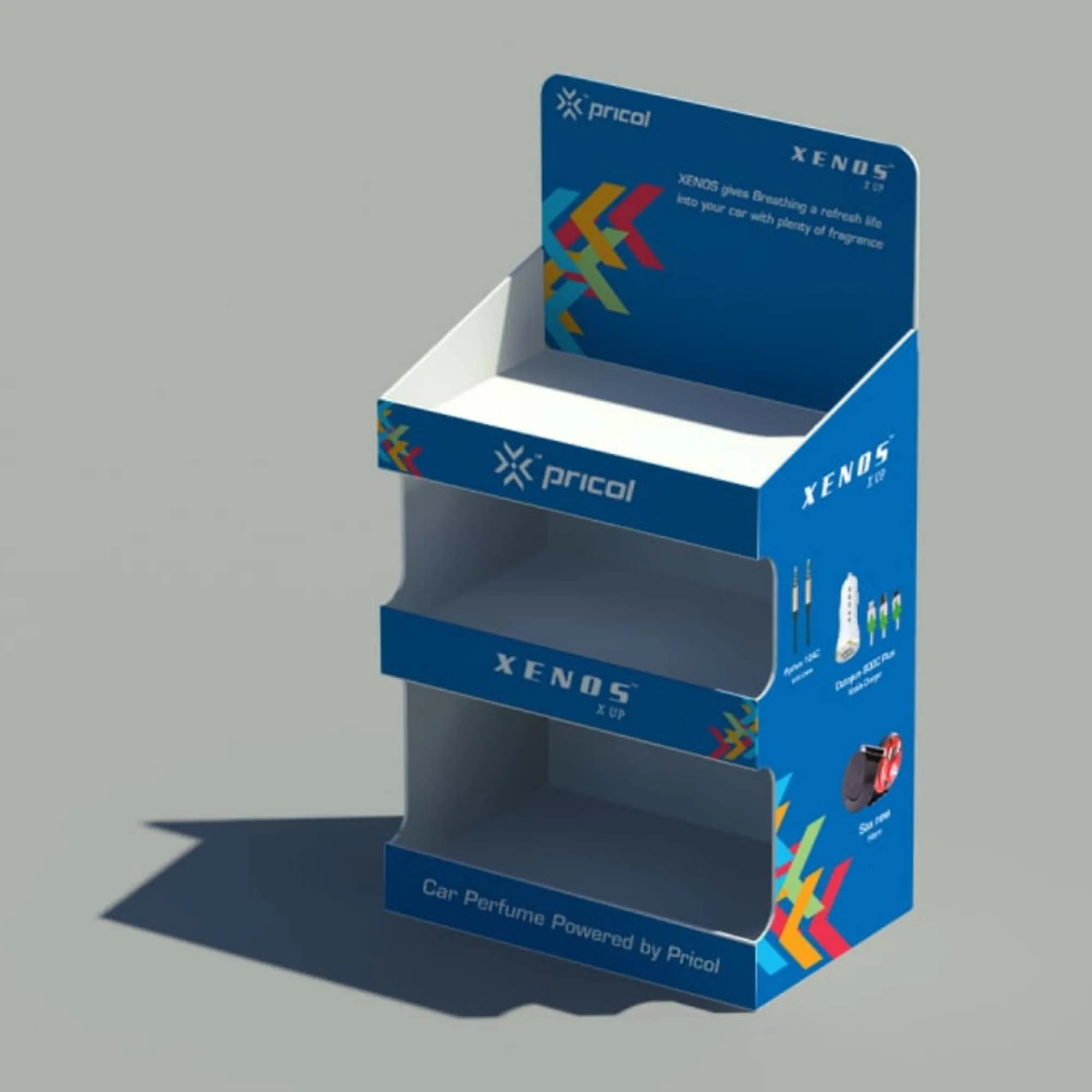 Counter Display Cases
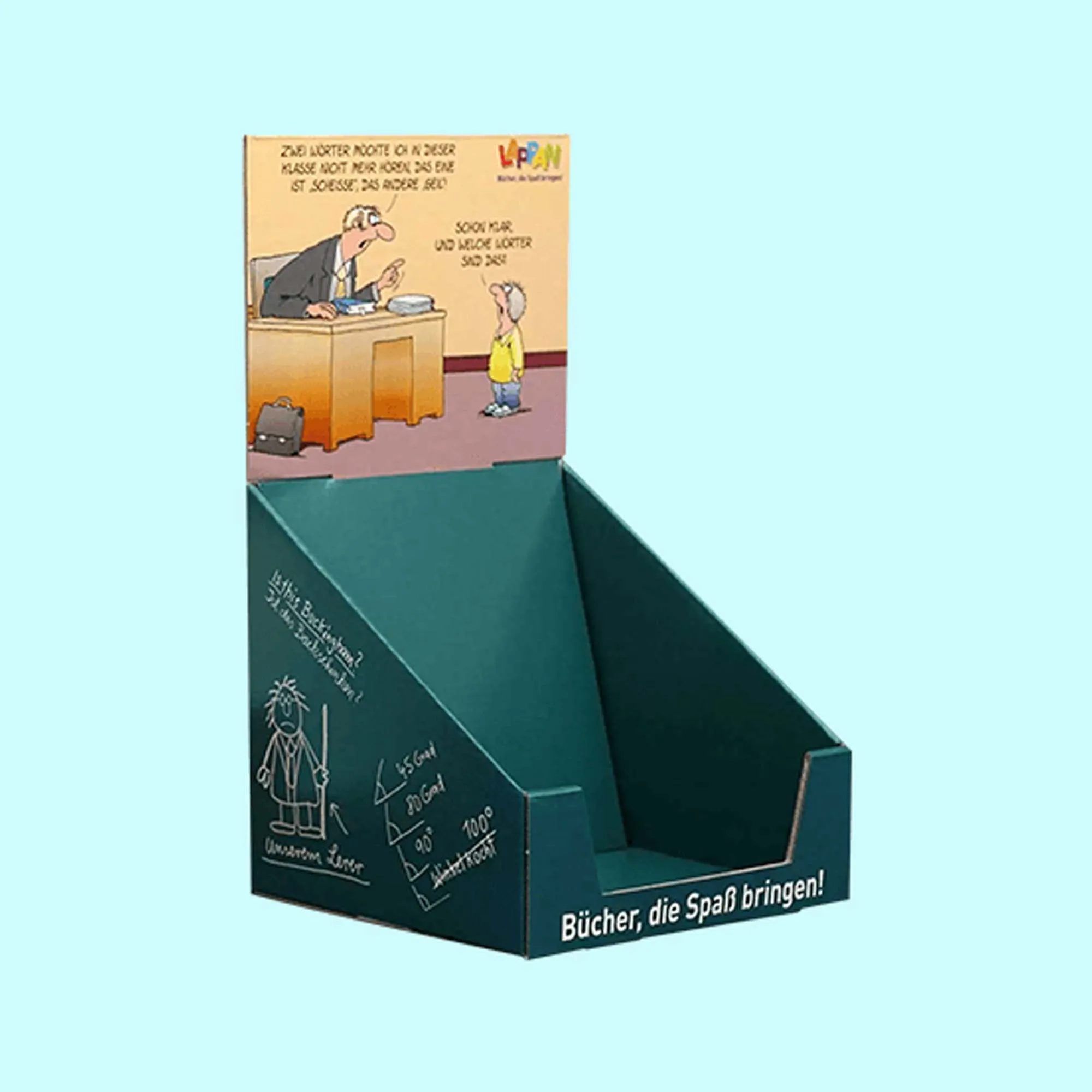 Custom Display Packaging Boxes
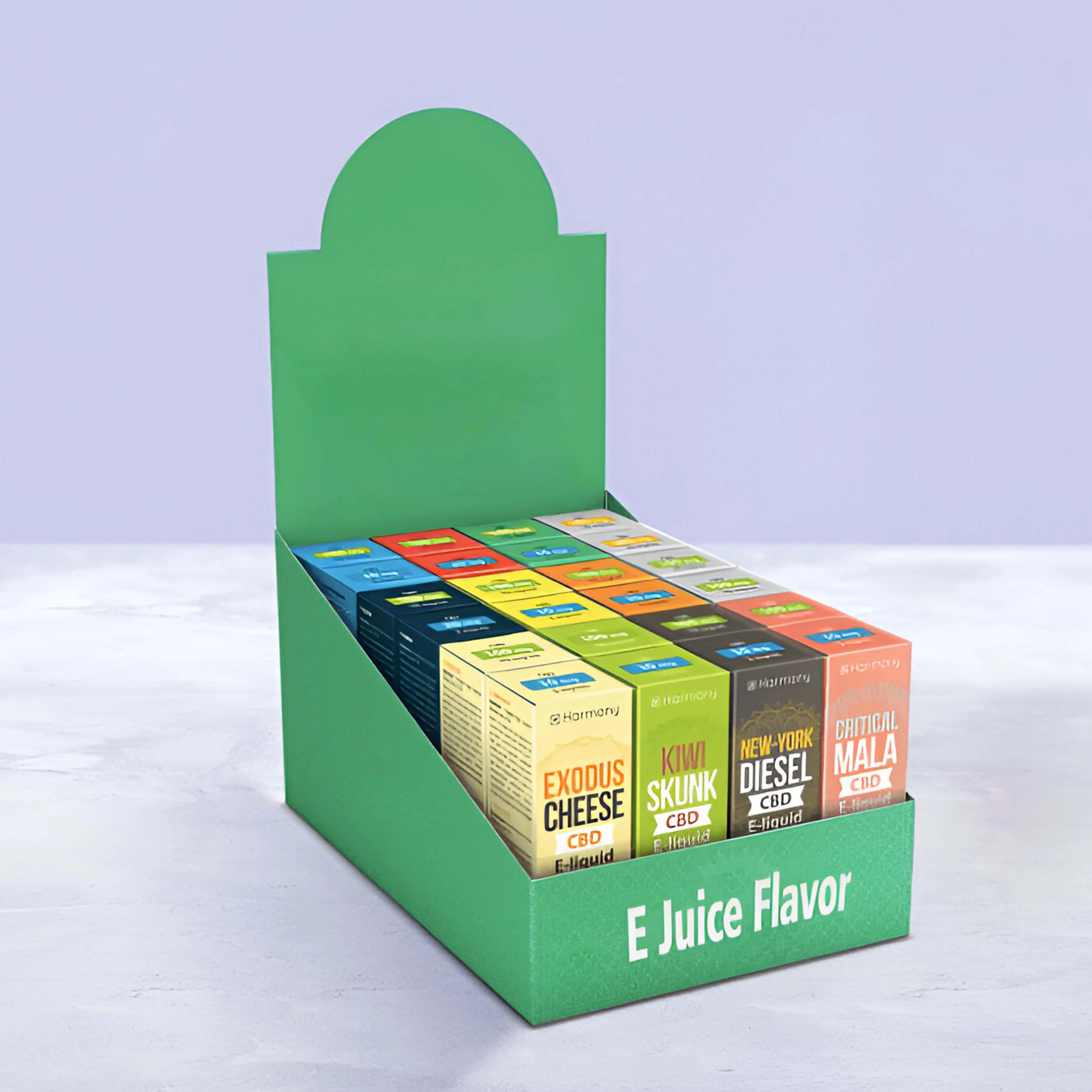 Custom E Juice Display Boxes
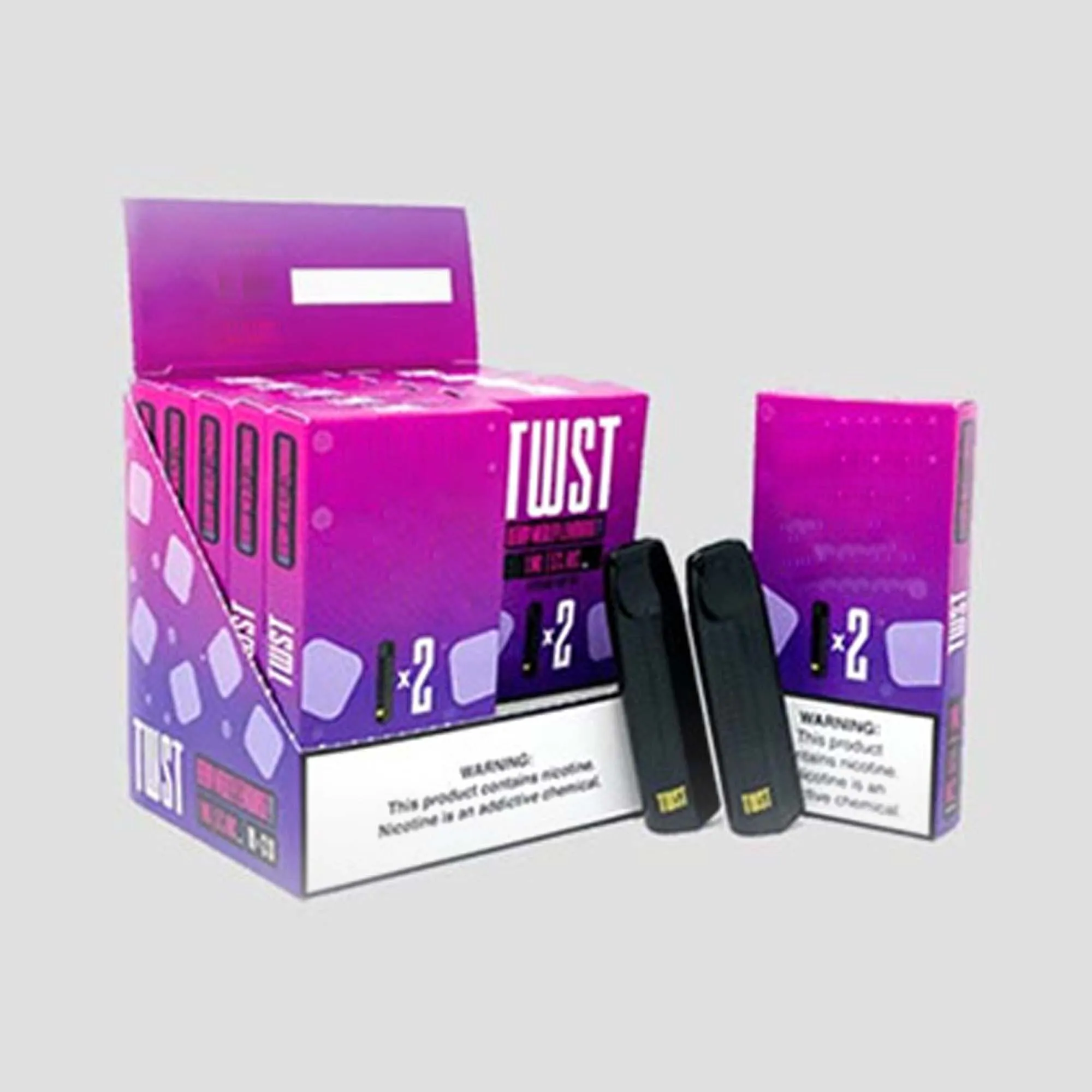 Custom Vape Display Boxes
 Antiseptic Boxes
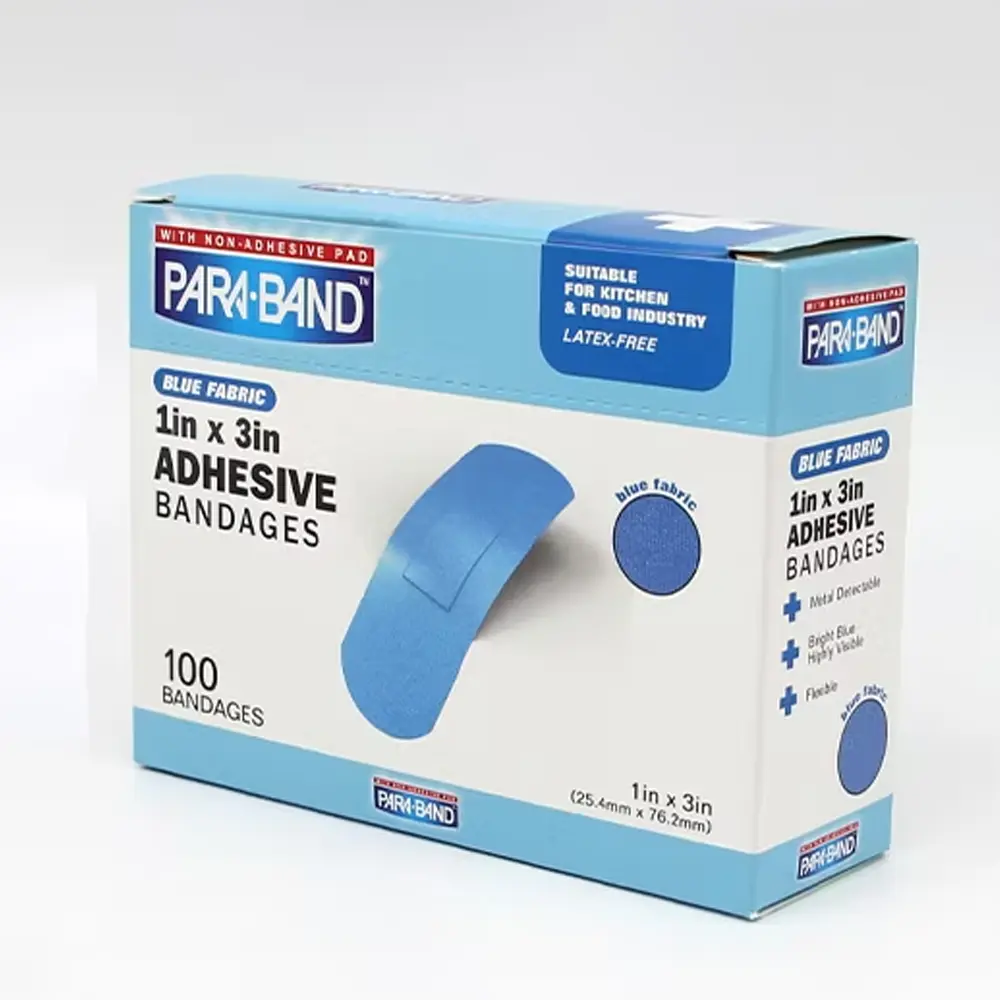 Bandage Boxes
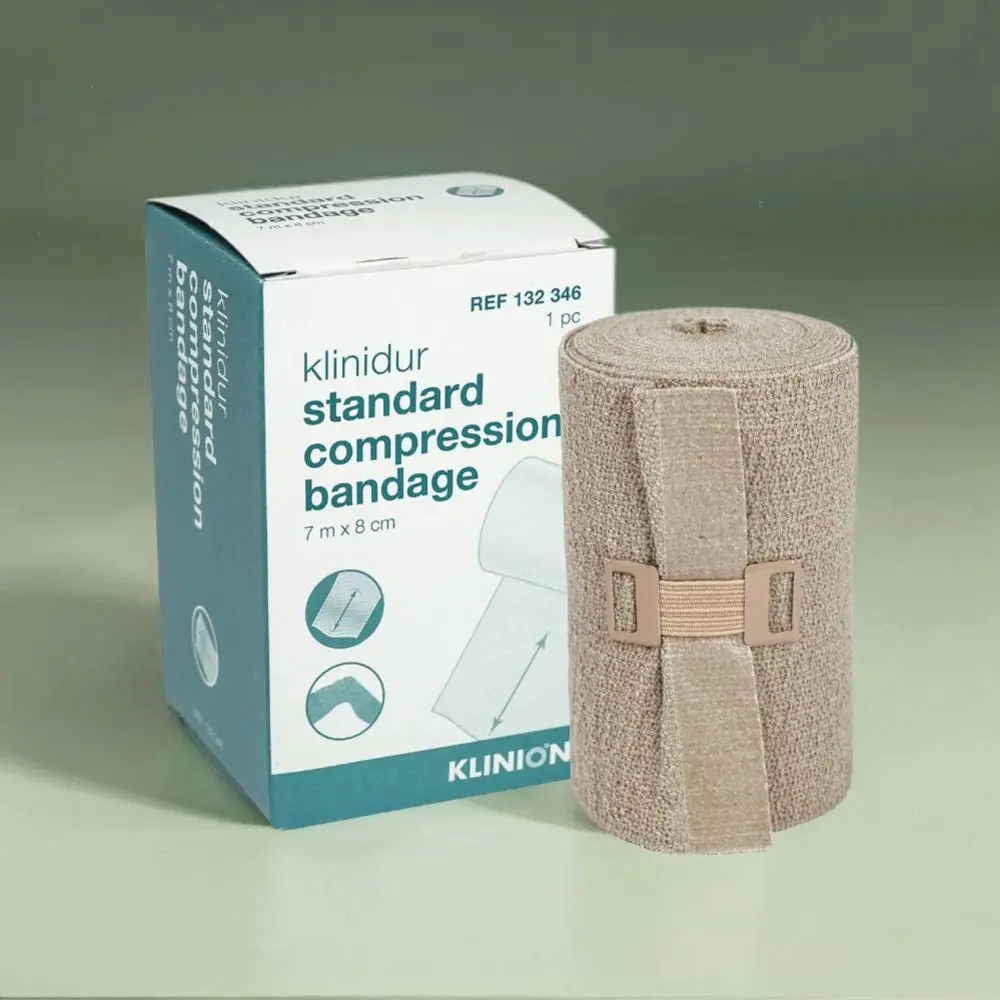 Compression Bandage Boxes
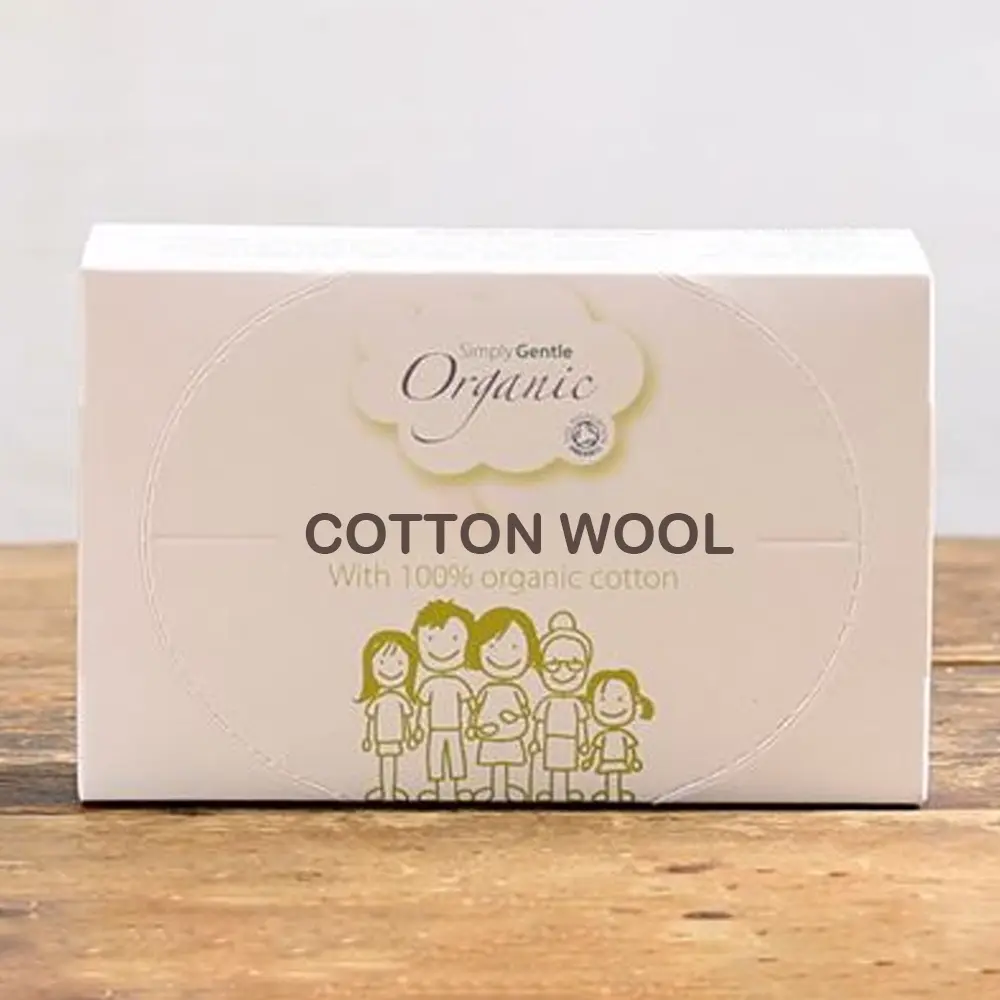 Cotton Wool Boxes
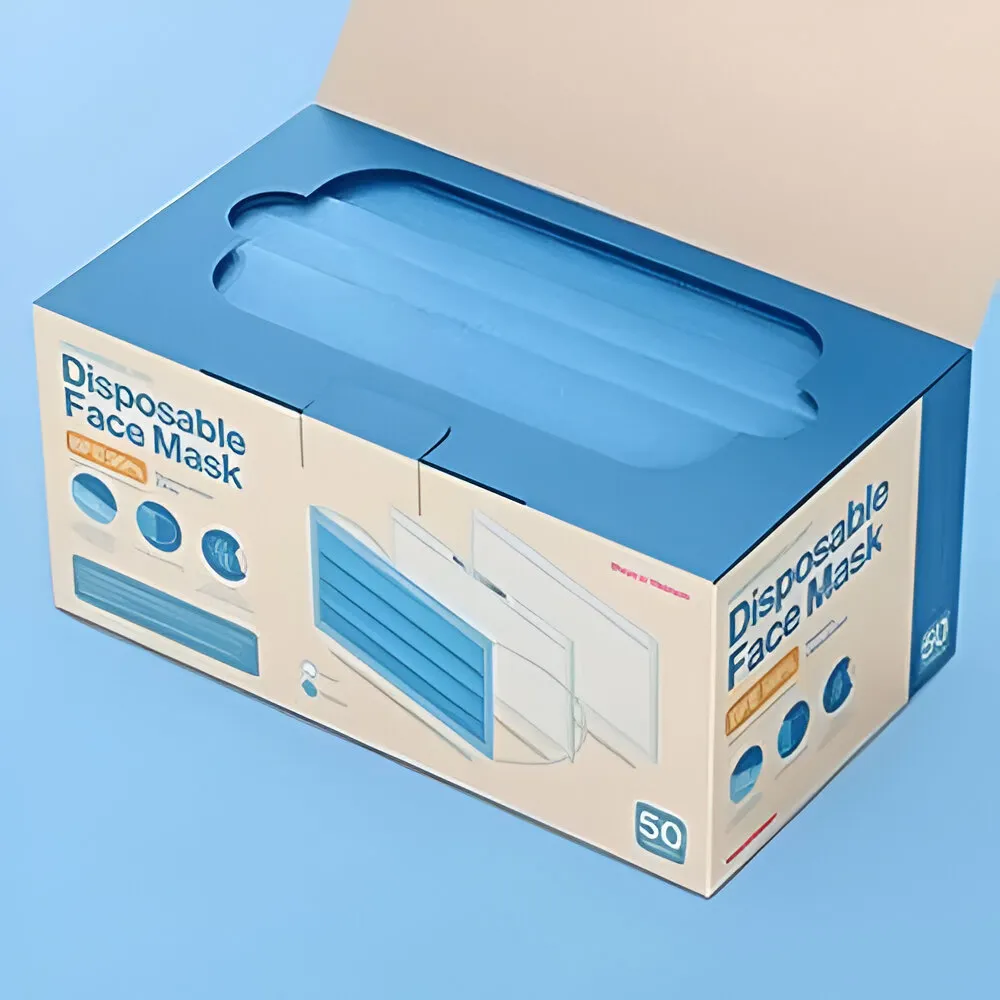 Custom Face Mask Boxes
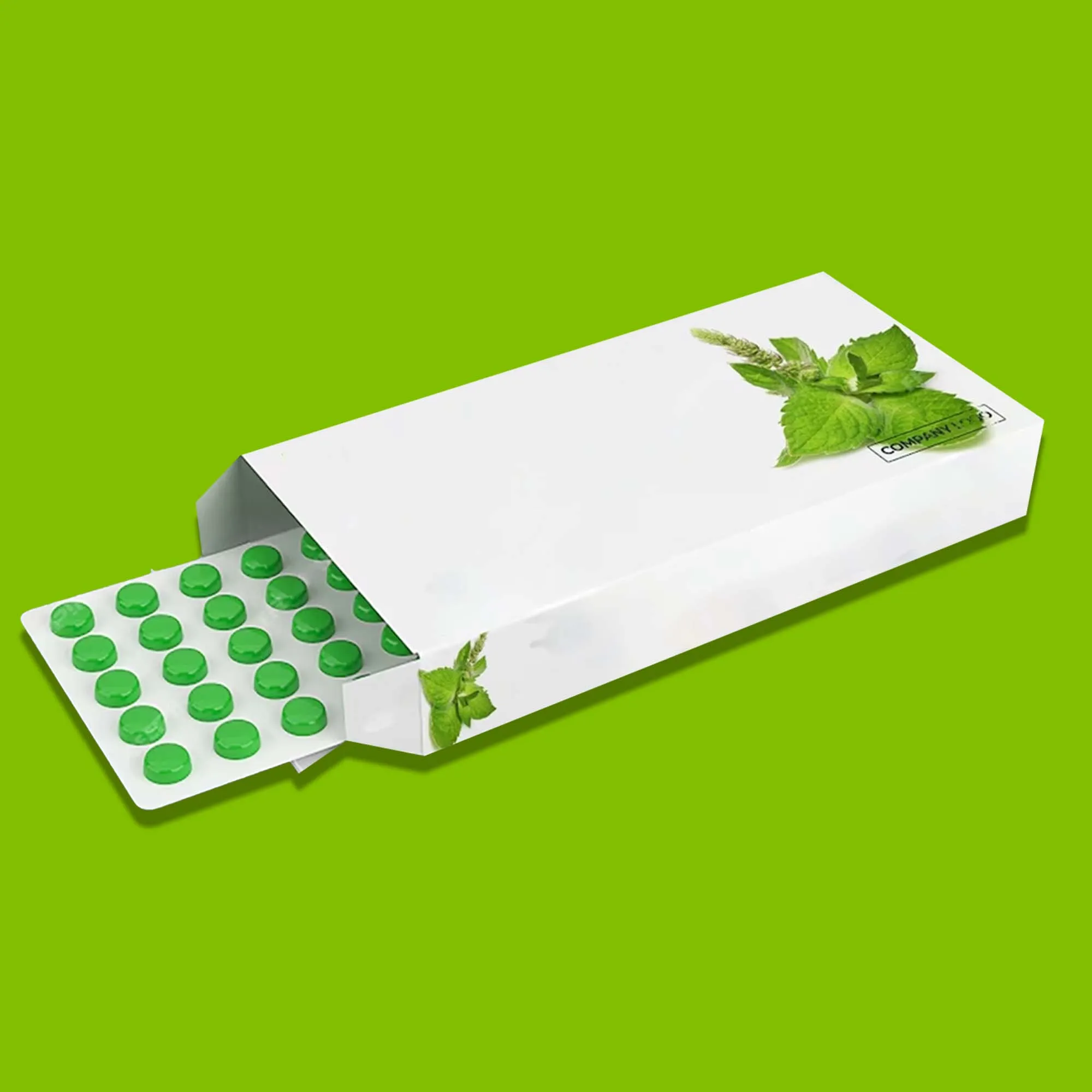 Custom Printed Medicine Packaging Boxes
 Custom Sanitizer Packaging Boxes
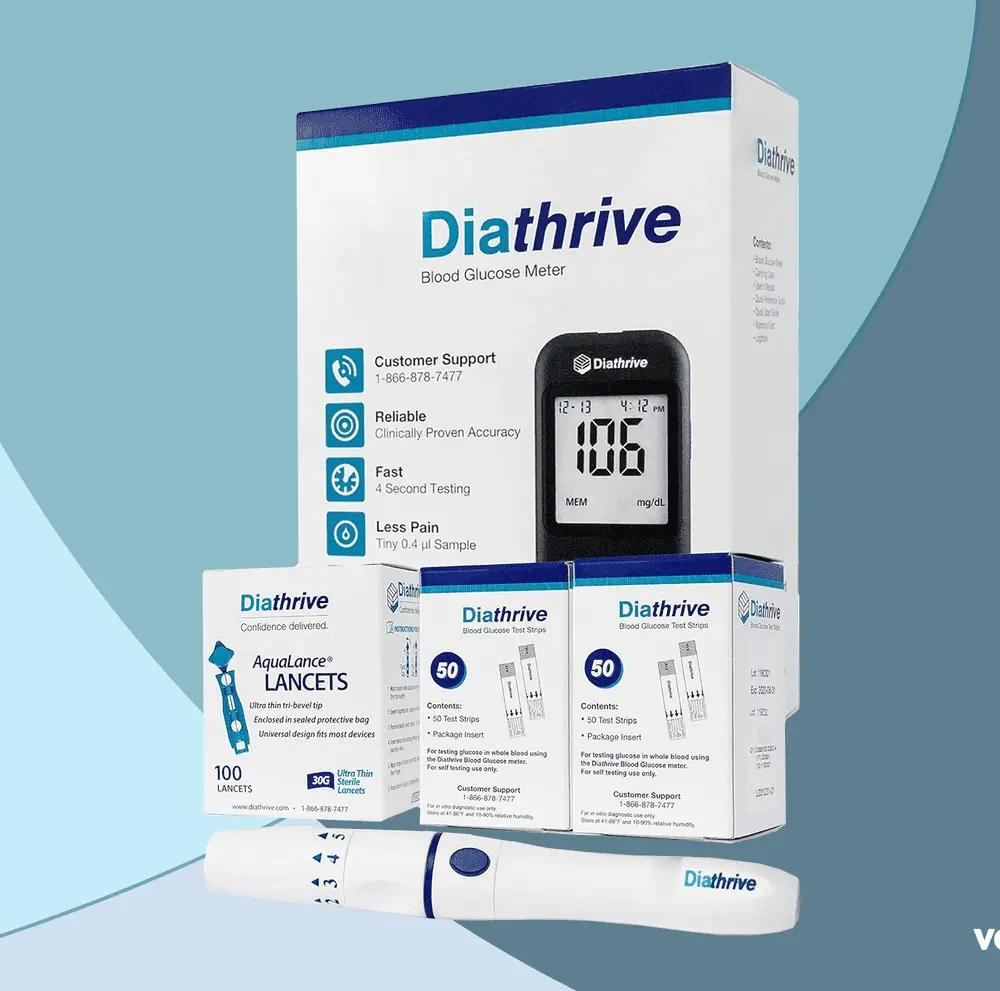 Glucometer Boxes
 Mouthwash Boxes
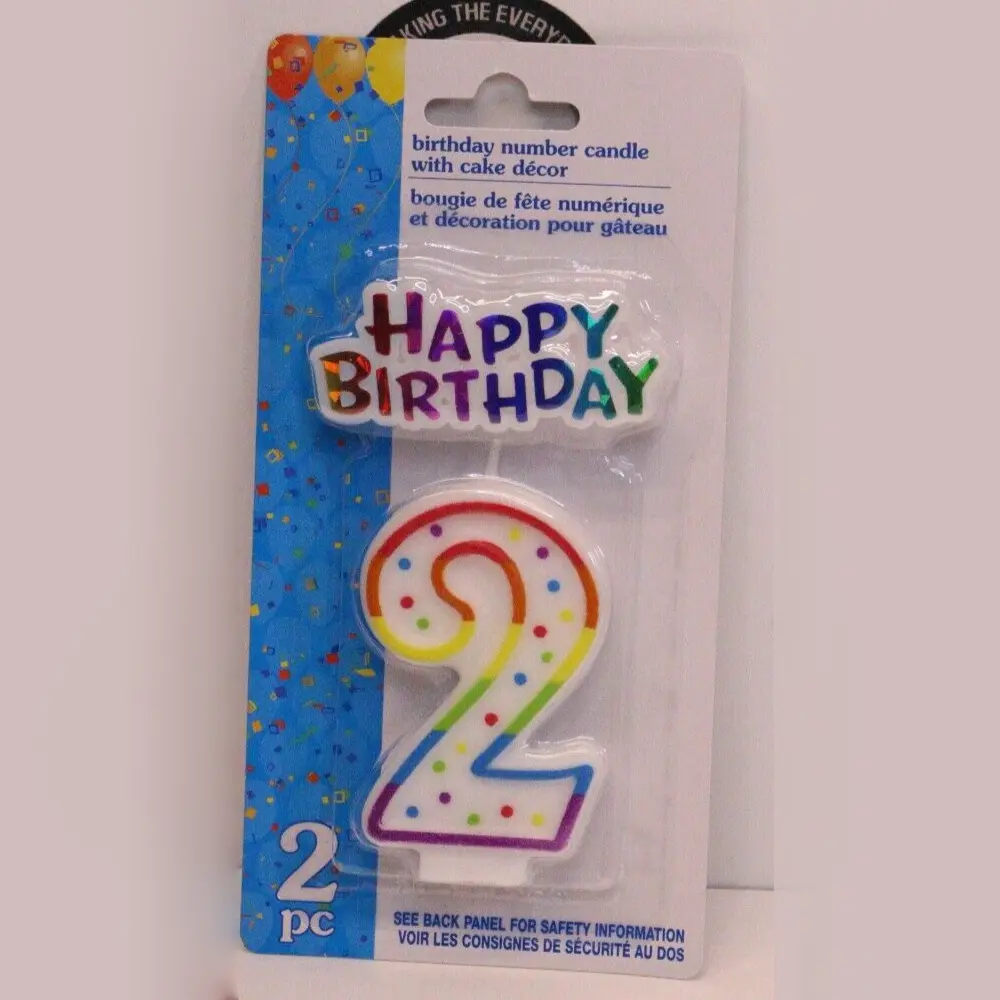 Blister Candle Packaging
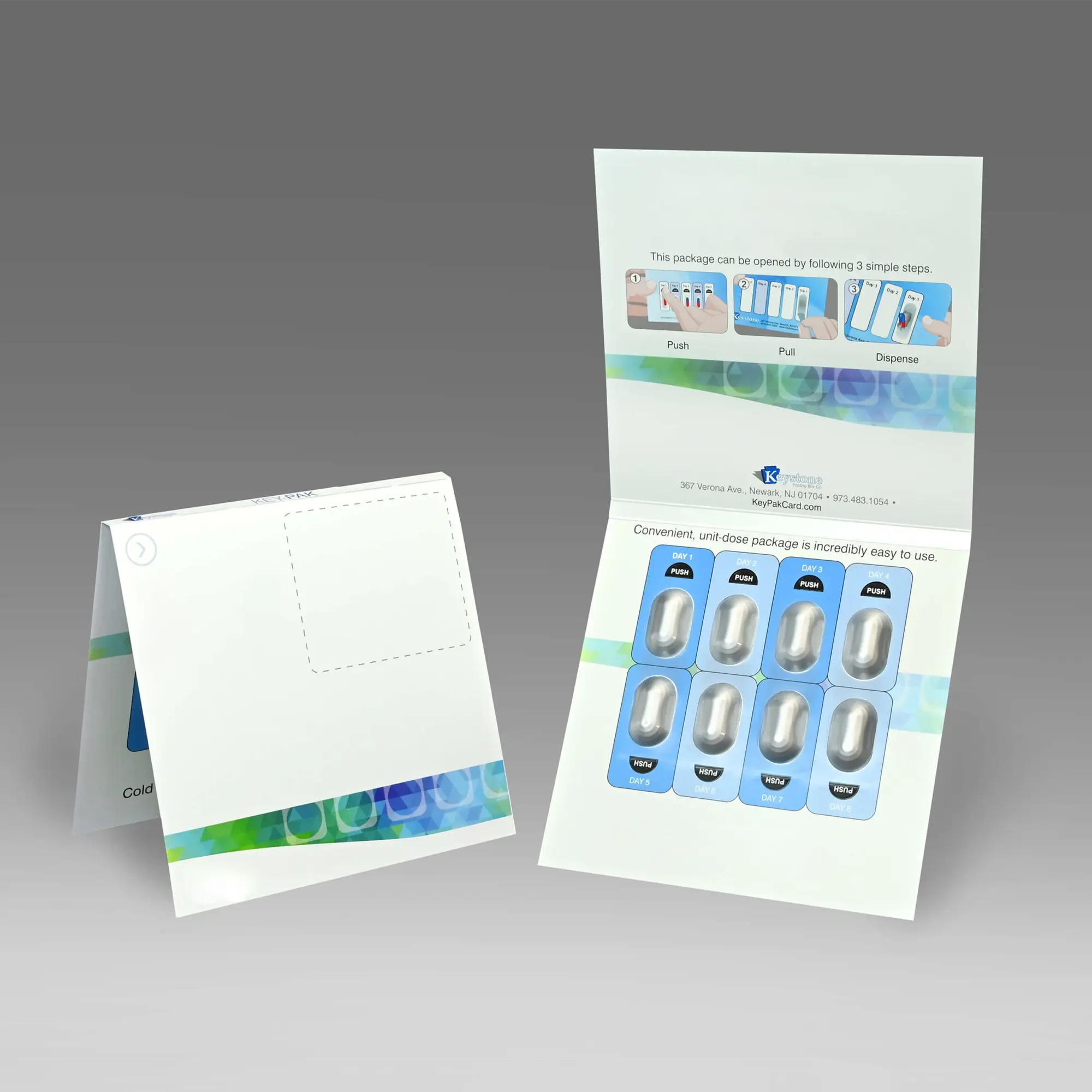 Blister Cards
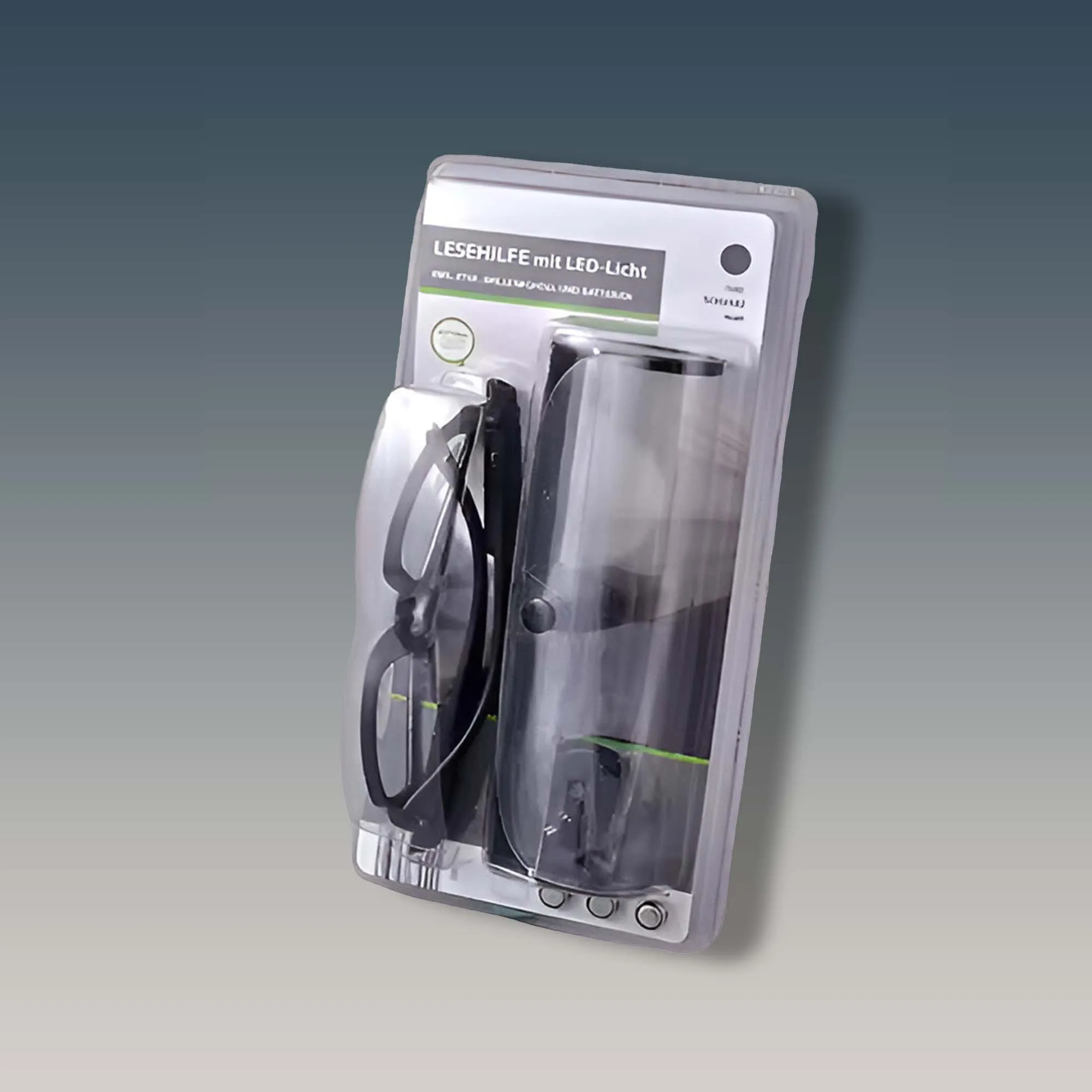 Blister Packaging
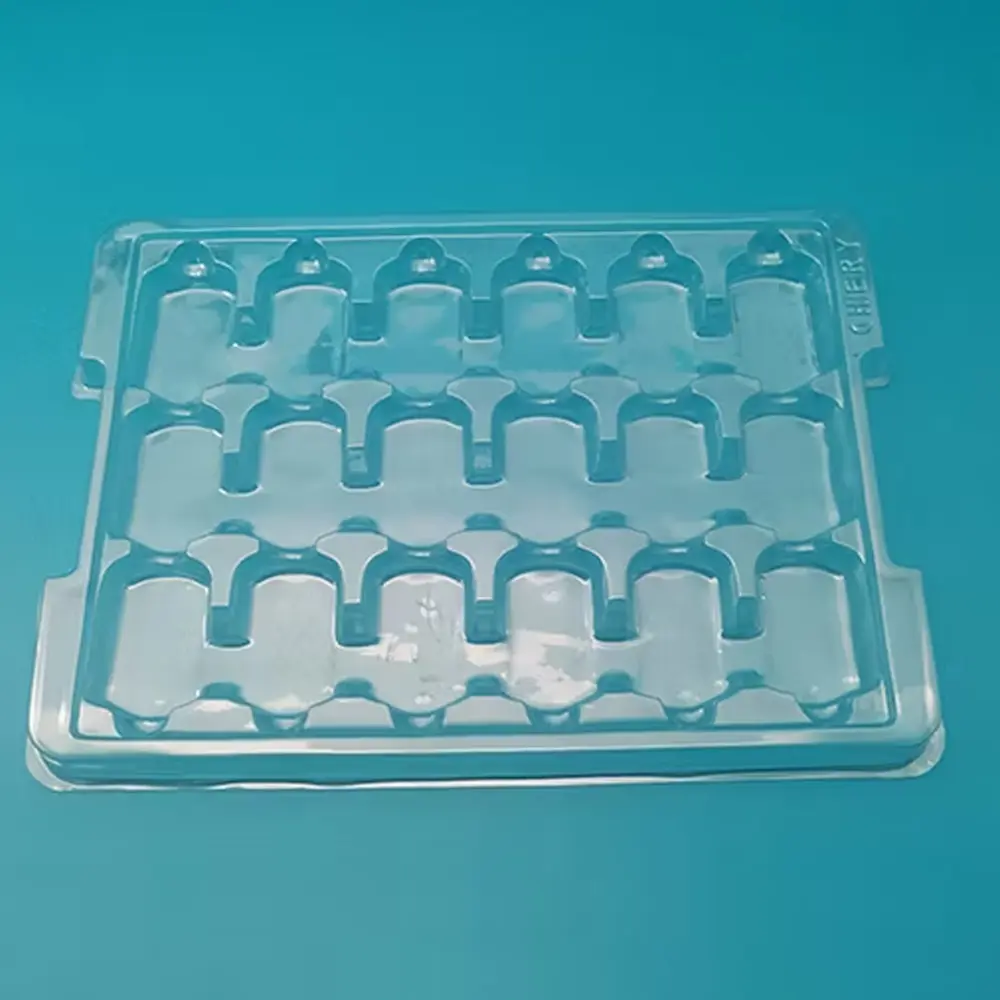 Blister Packaging Tray
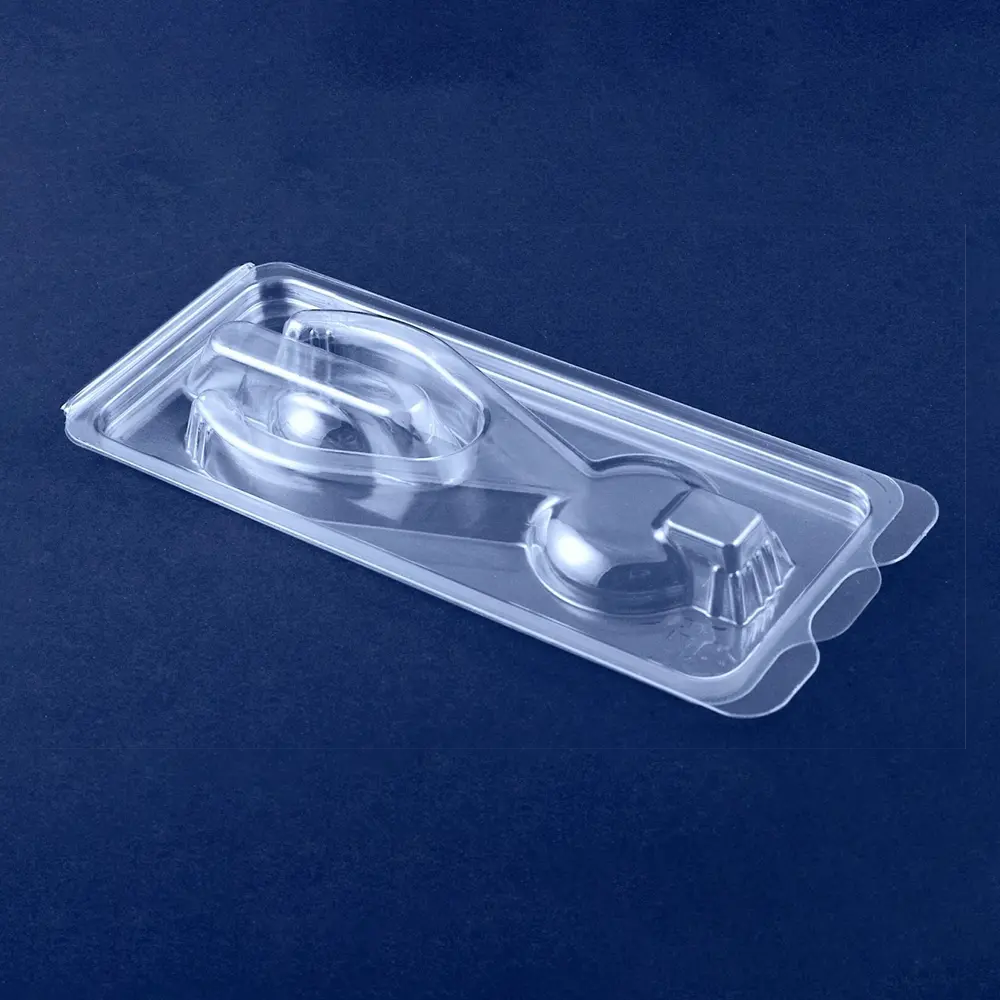 Clamshell Packaging
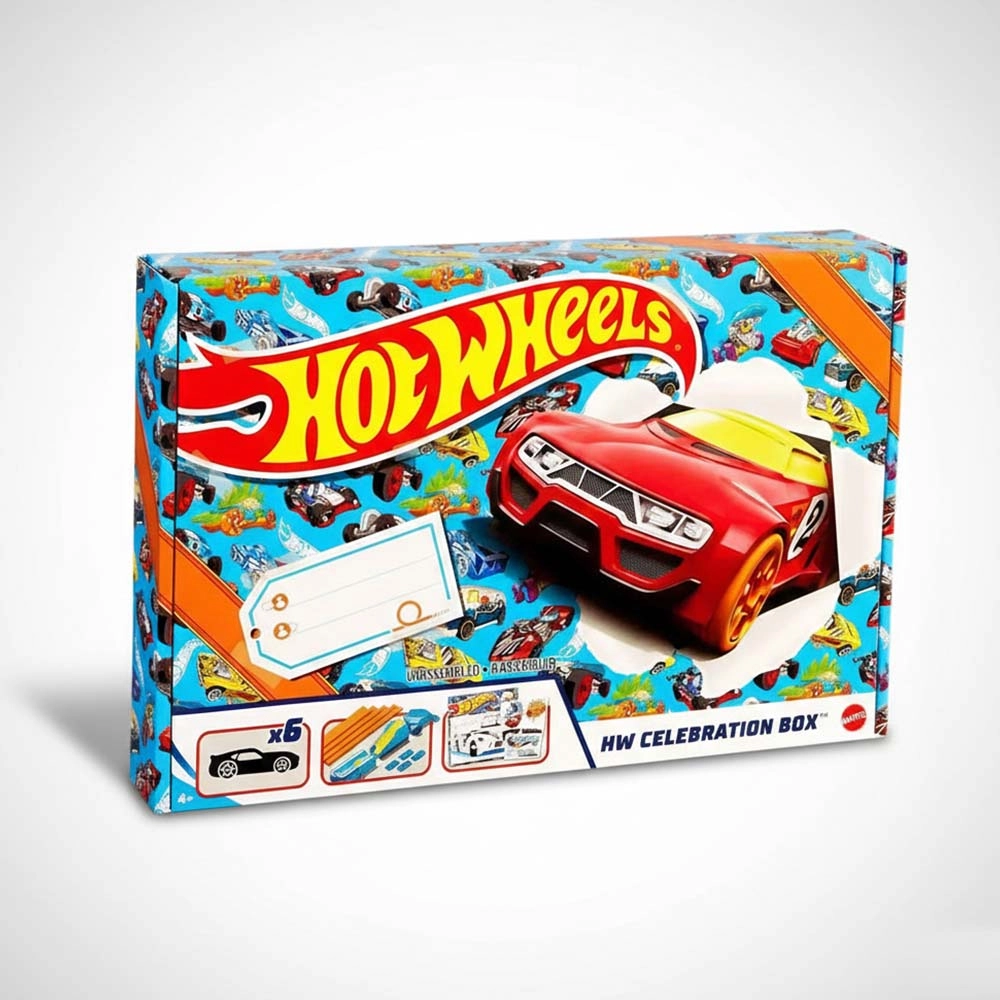 Custom Hot Wheels Packaging
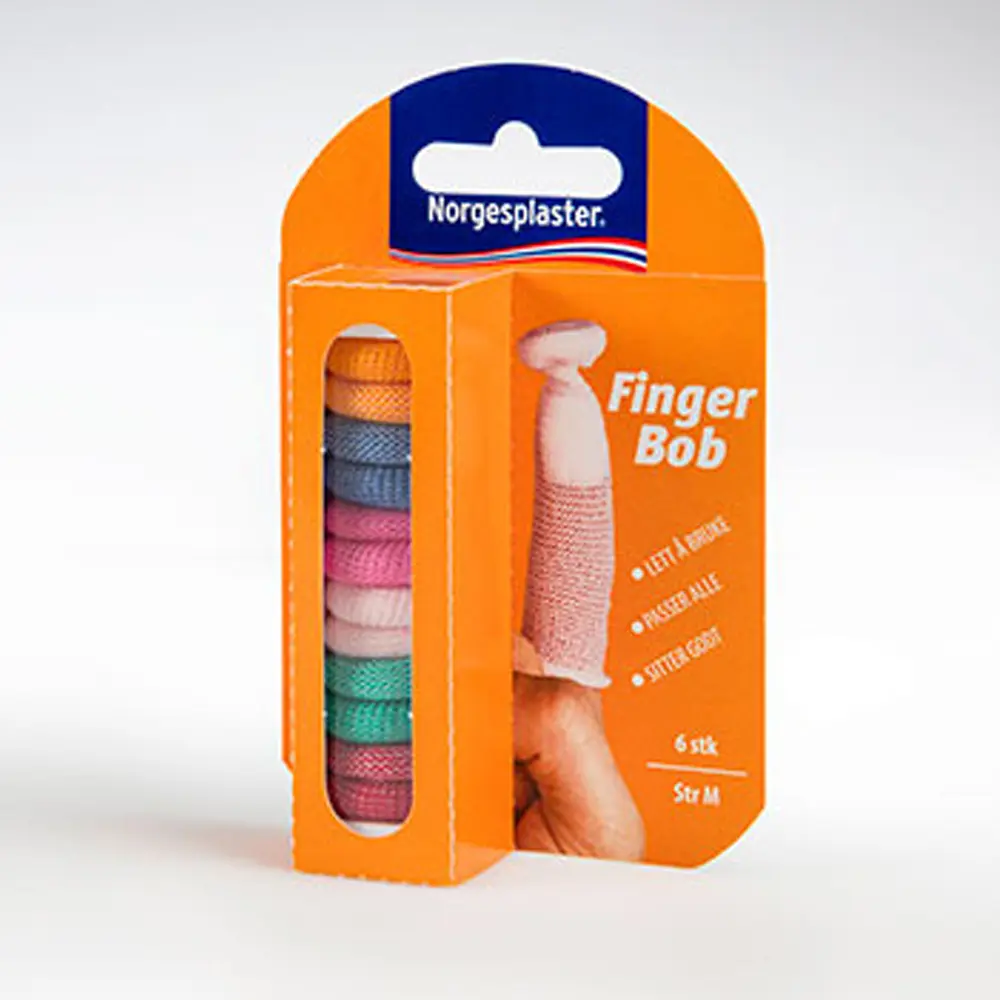 Display Blister Packaging
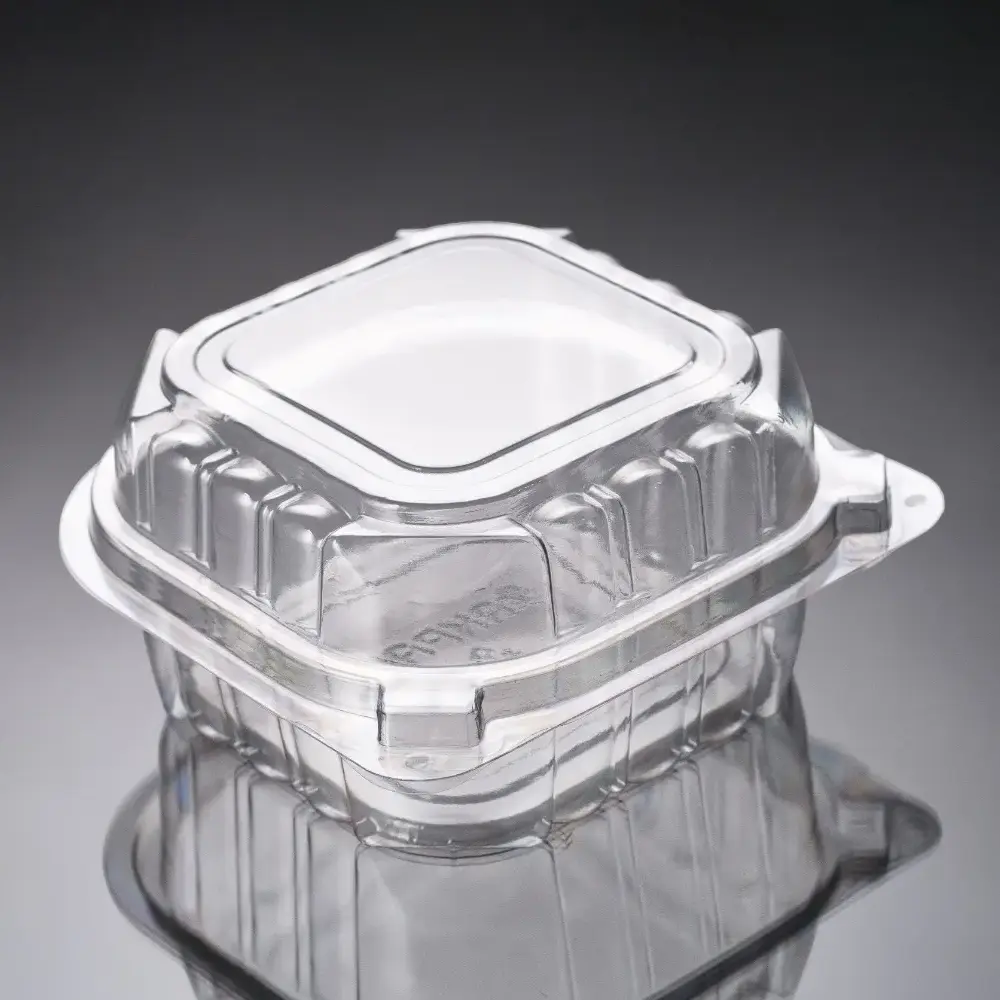 Hinged Packaging
 Pharma Blister Packaging
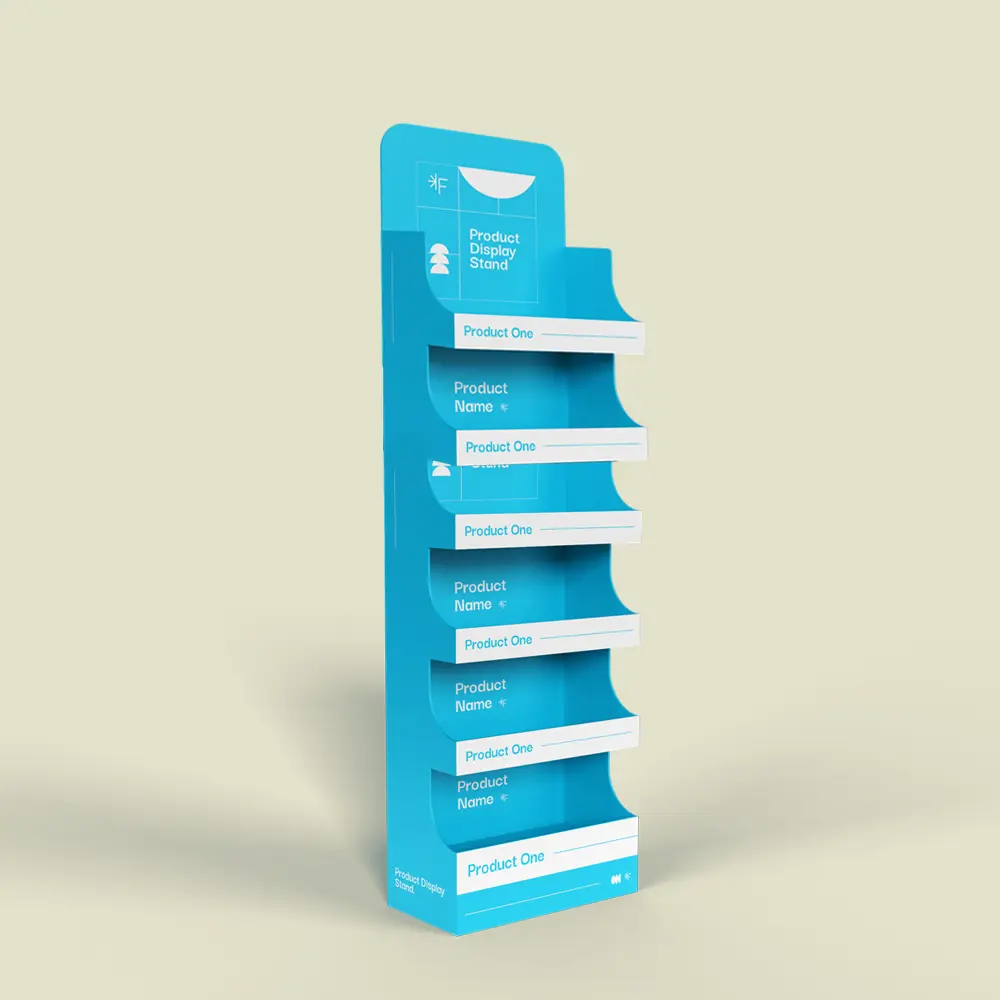 Blue & White Six Shelf Display
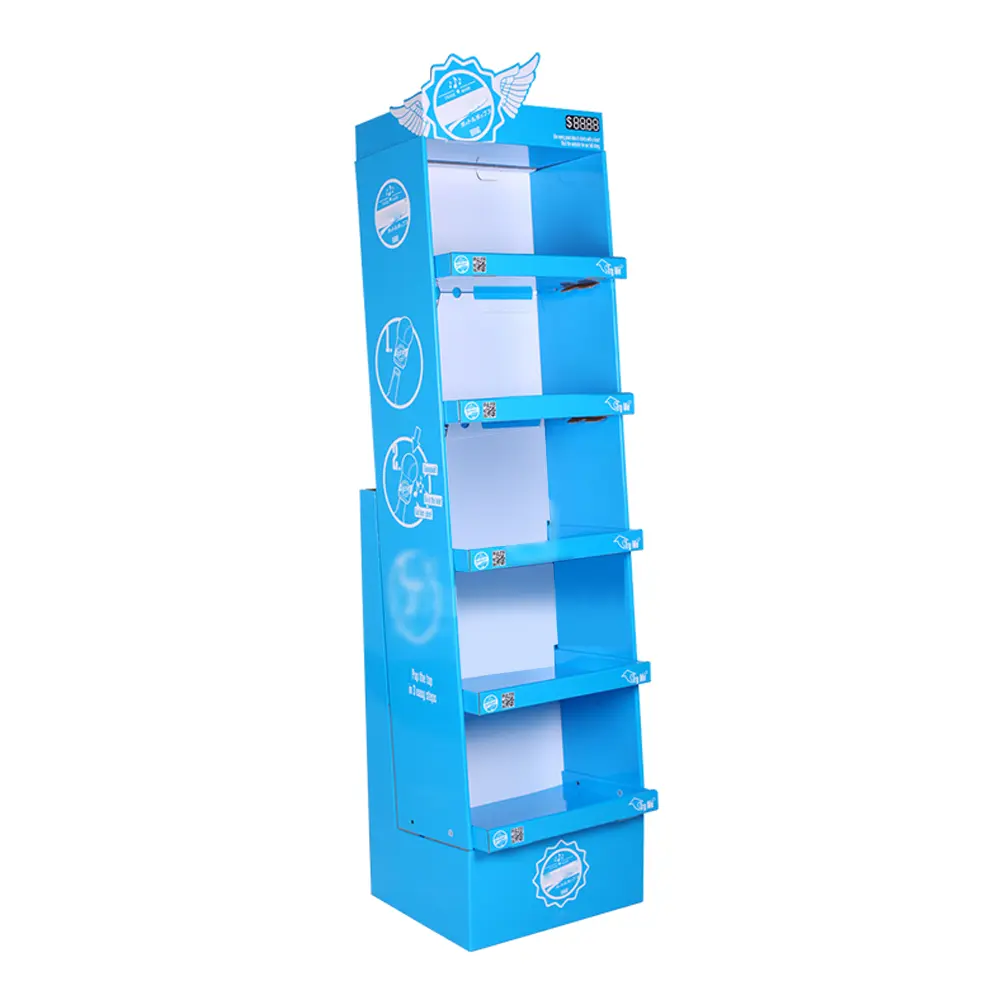 72 Cells/pocket Floor Display
 Hook/Peg Floor Display
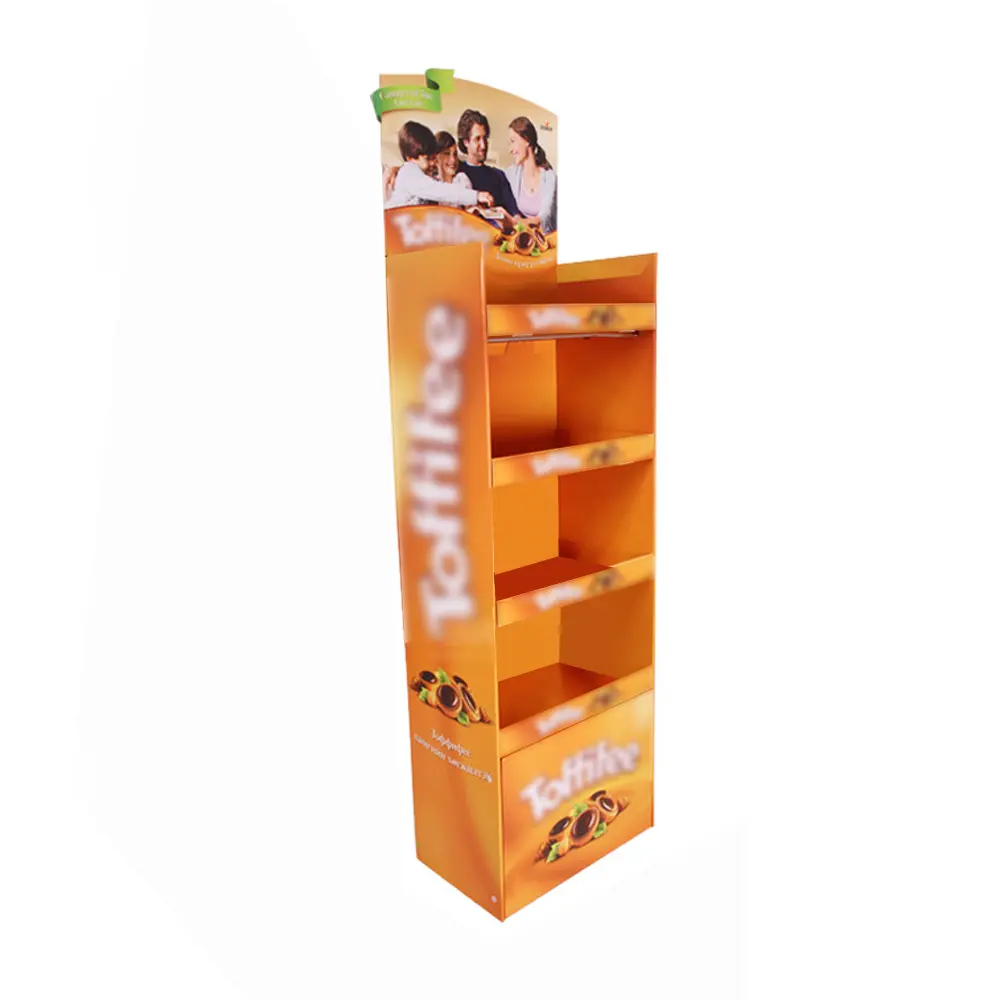 Orange Four Shelf Display
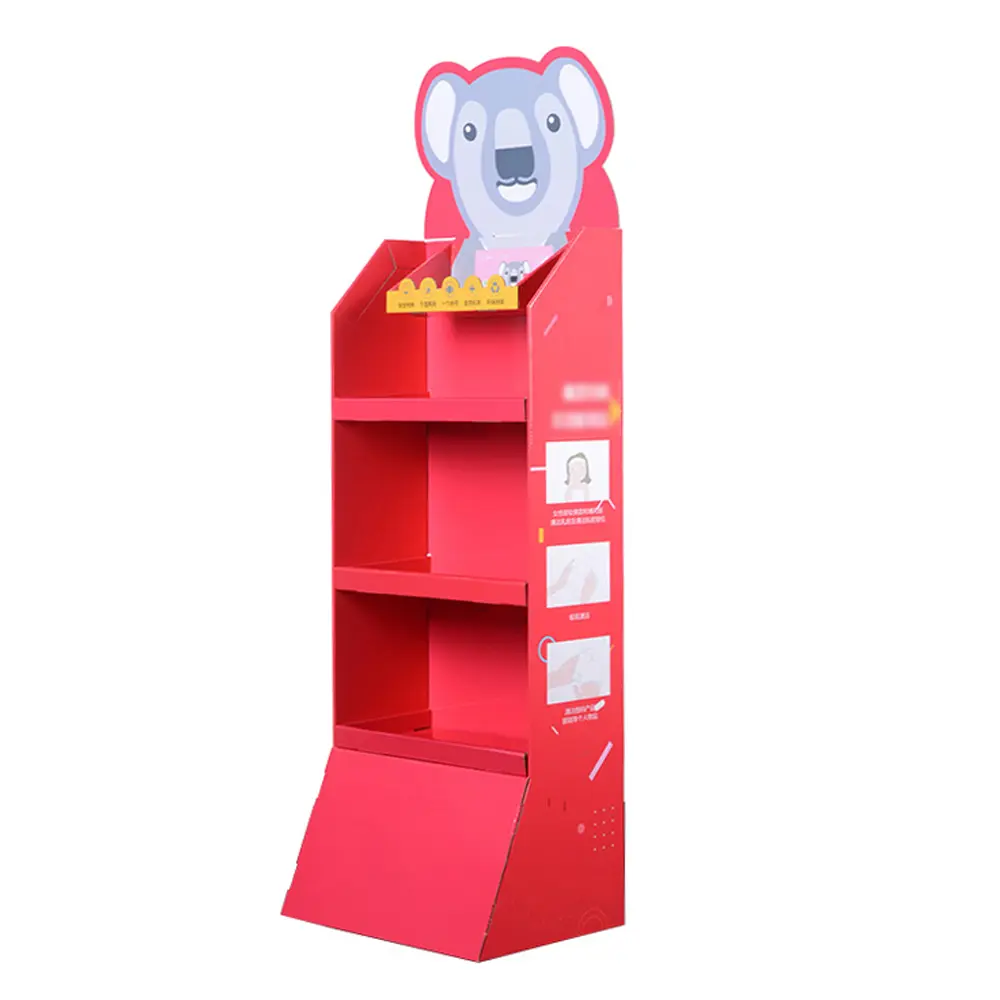 Three Tray Floor Display
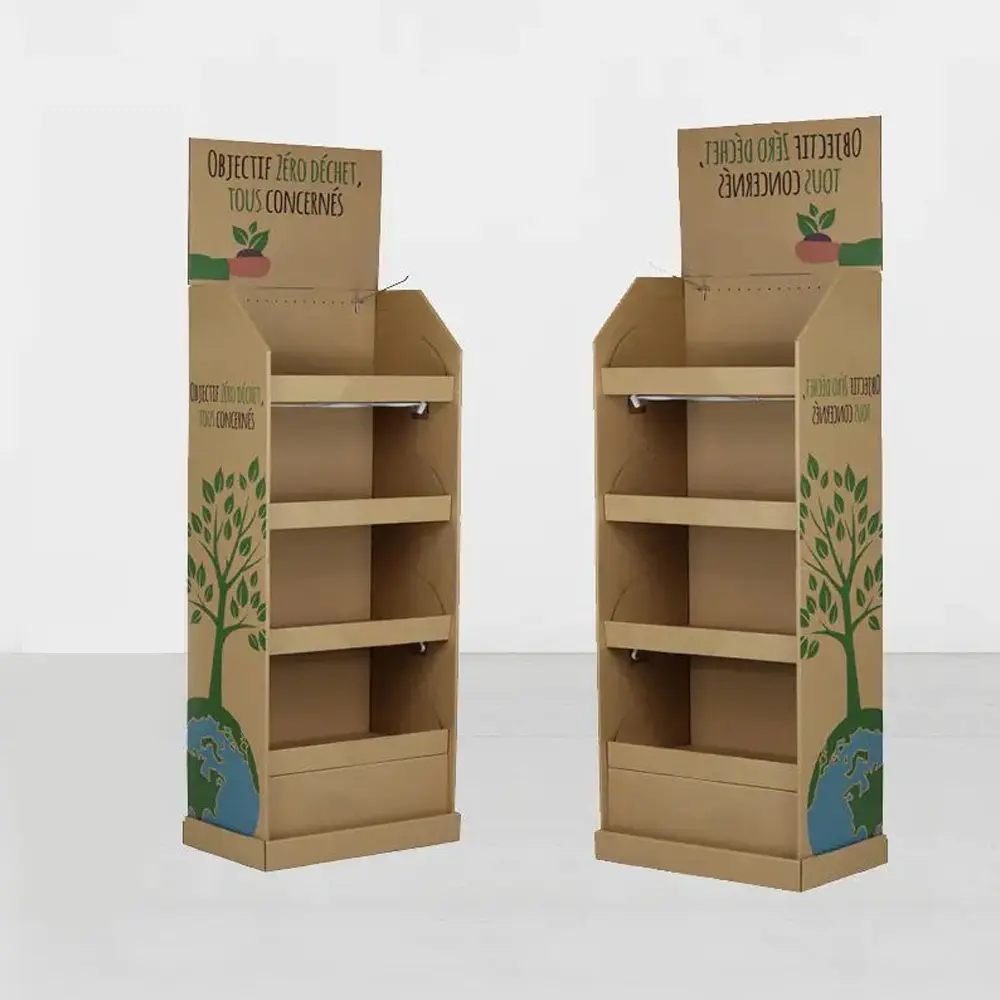 Tray Floor Display
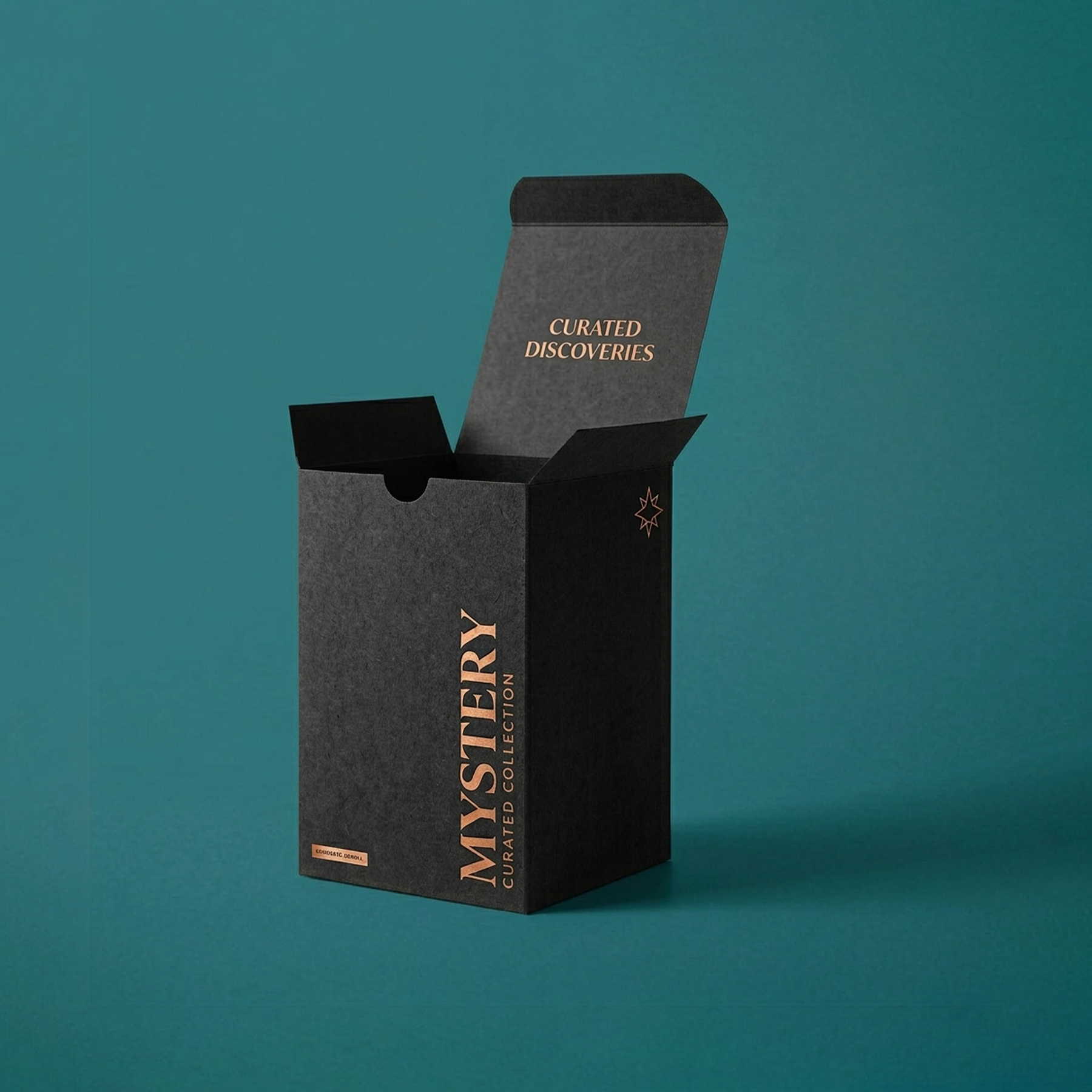 Black Kraft Boxes
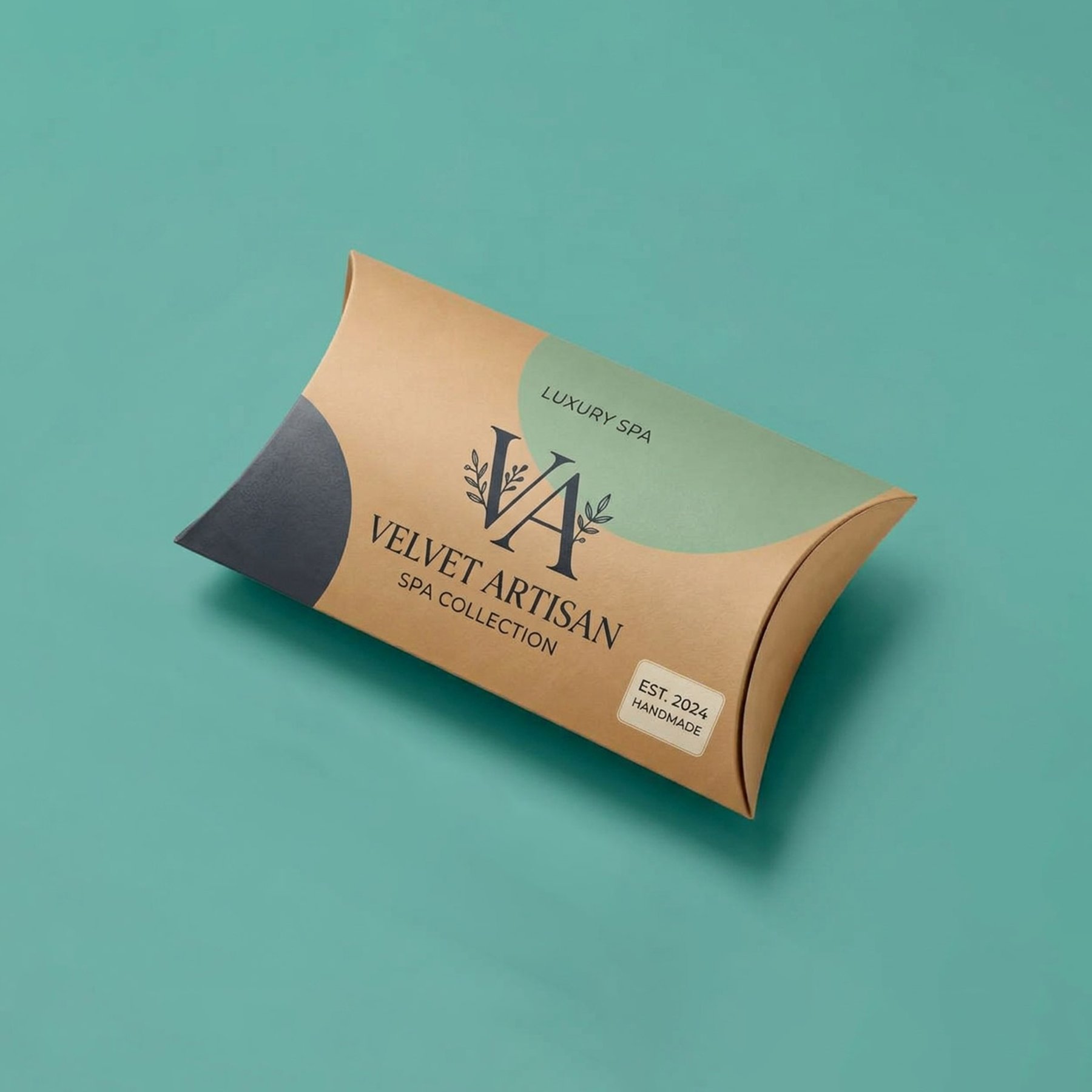 Custom Kraft Pillow Soap Boxes
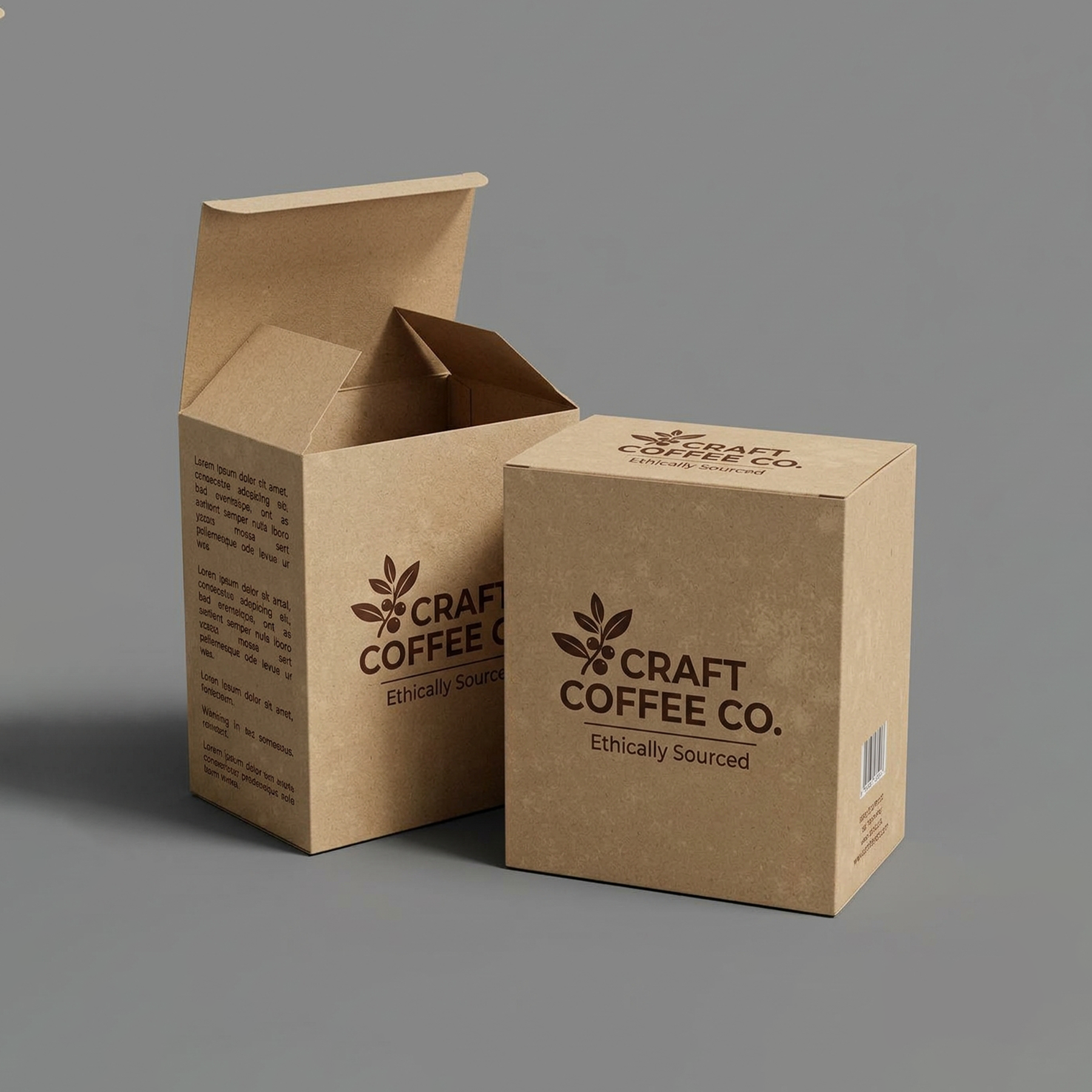 Custom Printed Kraft Packaging Boxes
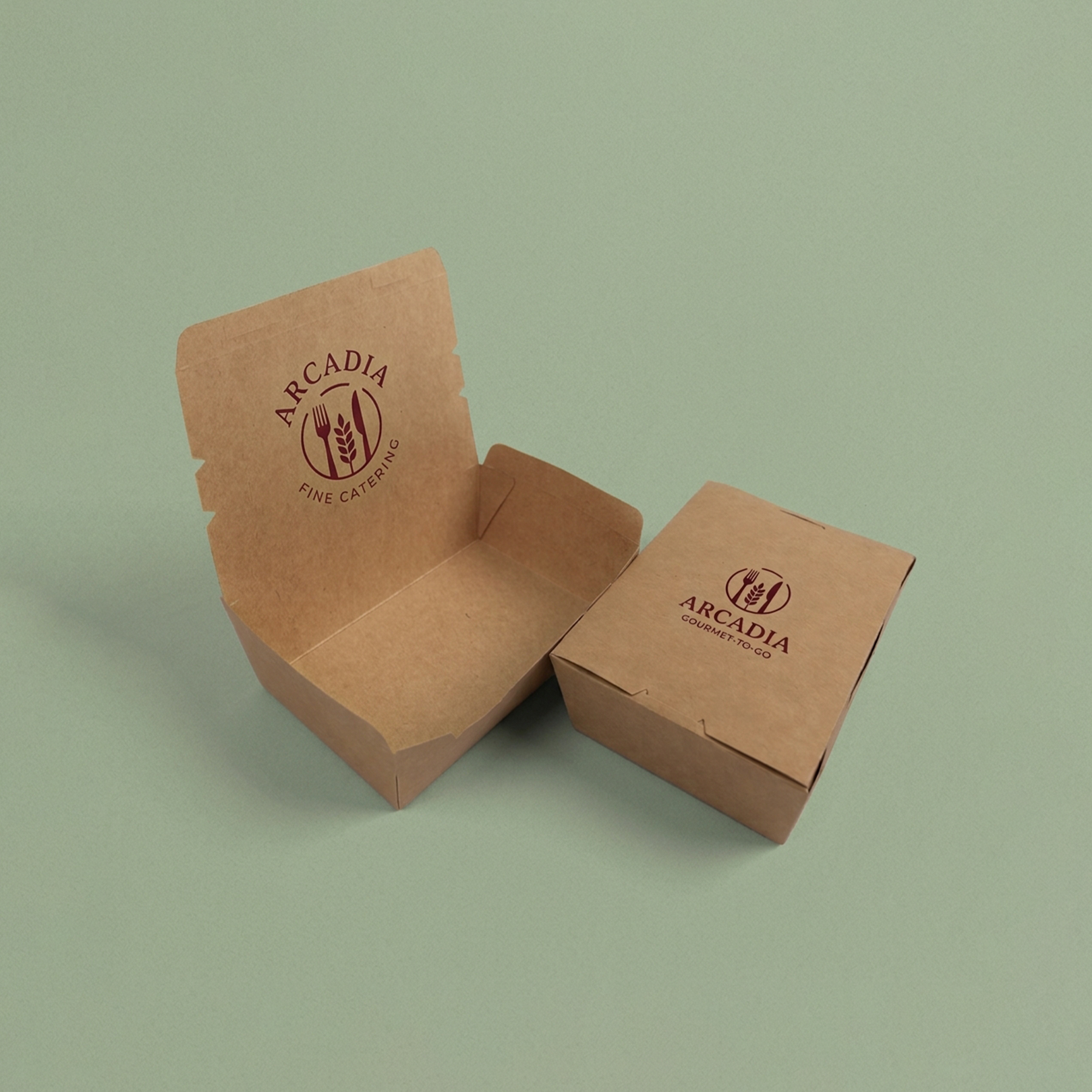 Disposable Kraft Paper Boxes
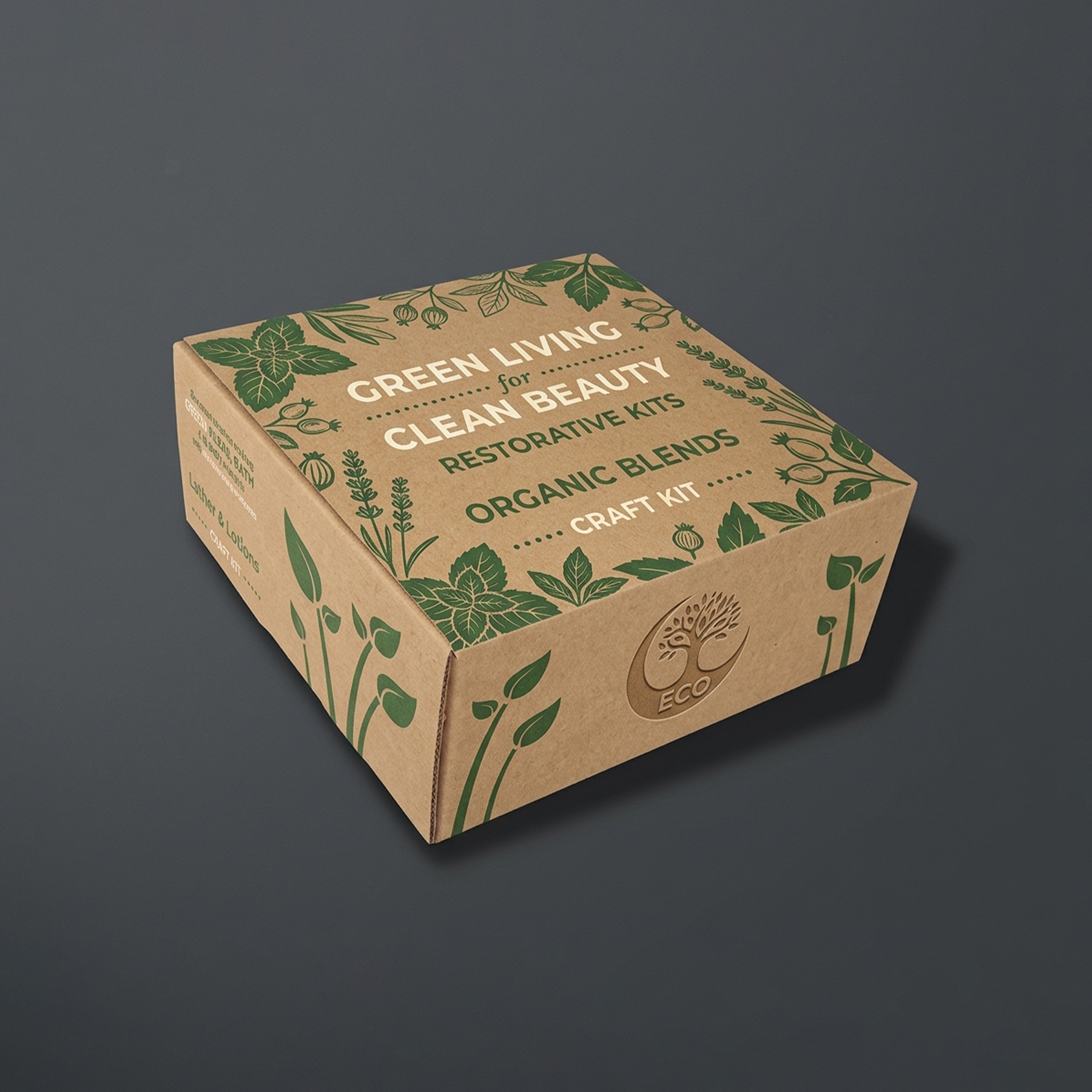 Eco-Friendly Kraft Boxes
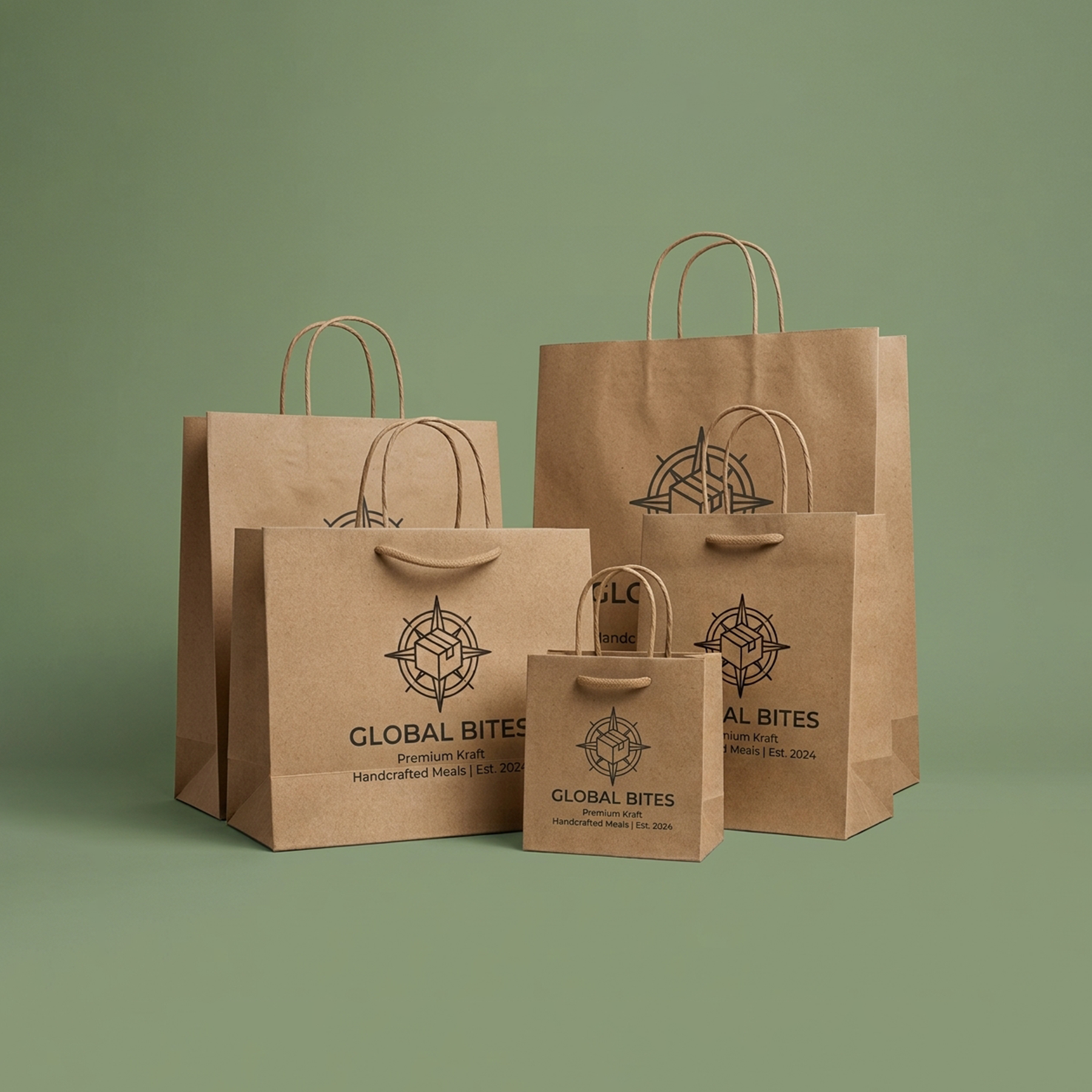 Kraft Paper Bags
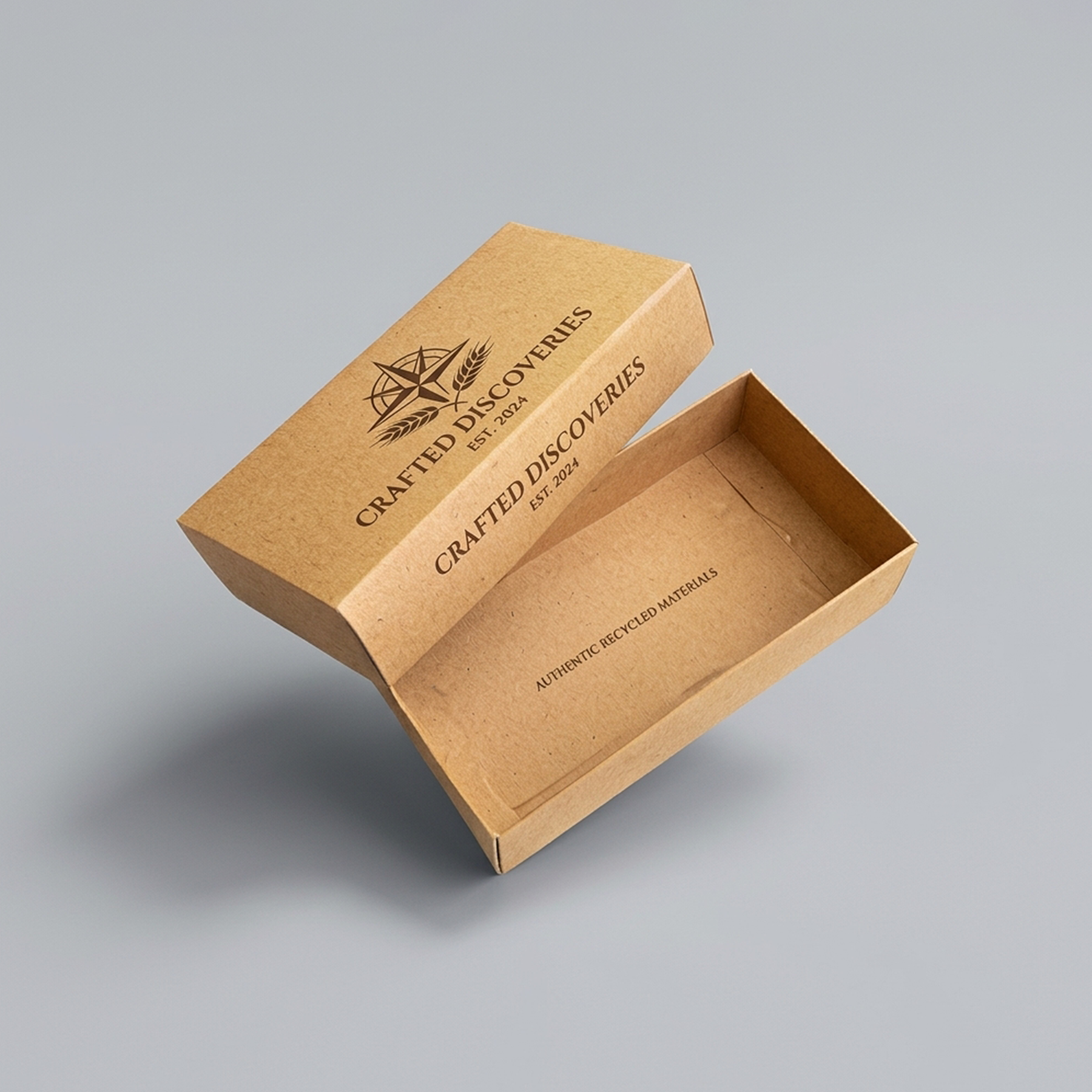 Kraft Boxes with Lids
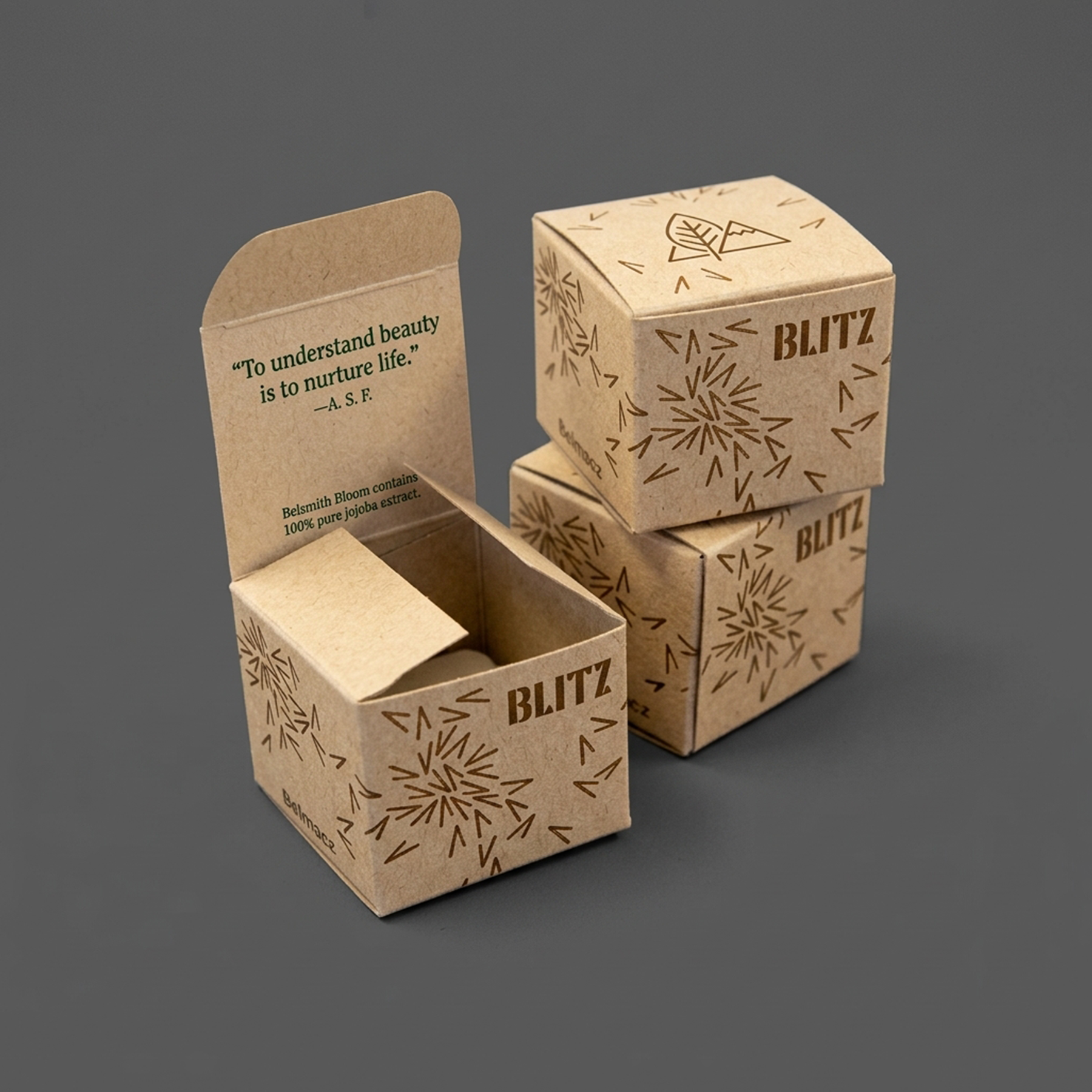 Kraft Cosmetic Boxes
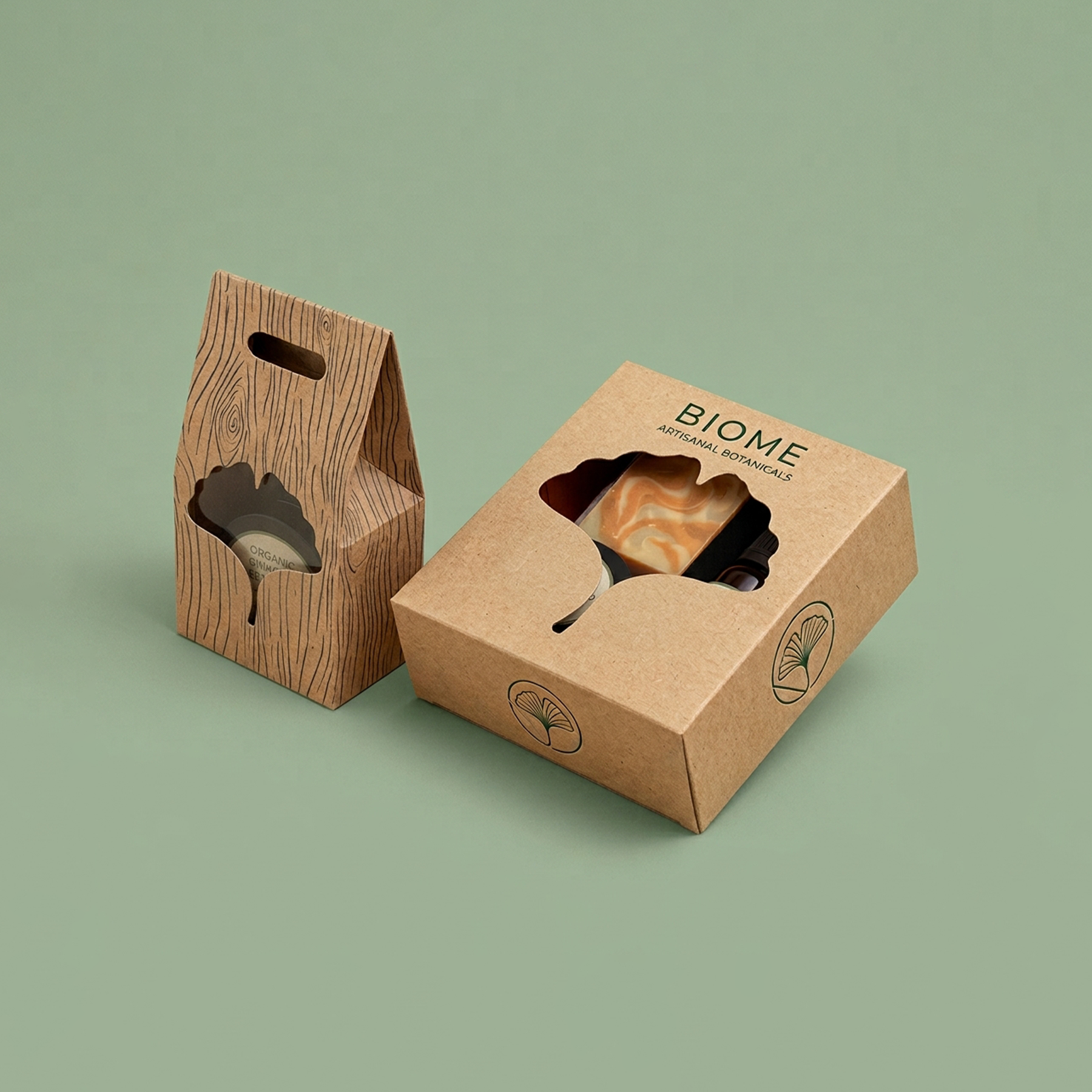 Kraft Die Cut Boxes
 1-2-3 Bottom Box
 Auto Bottom With Display Lid
 Seal End Auto Bottom
 Gable Bags
 Six Corner
 Sleeve
 Tray
 Custom Sleeve Boxes
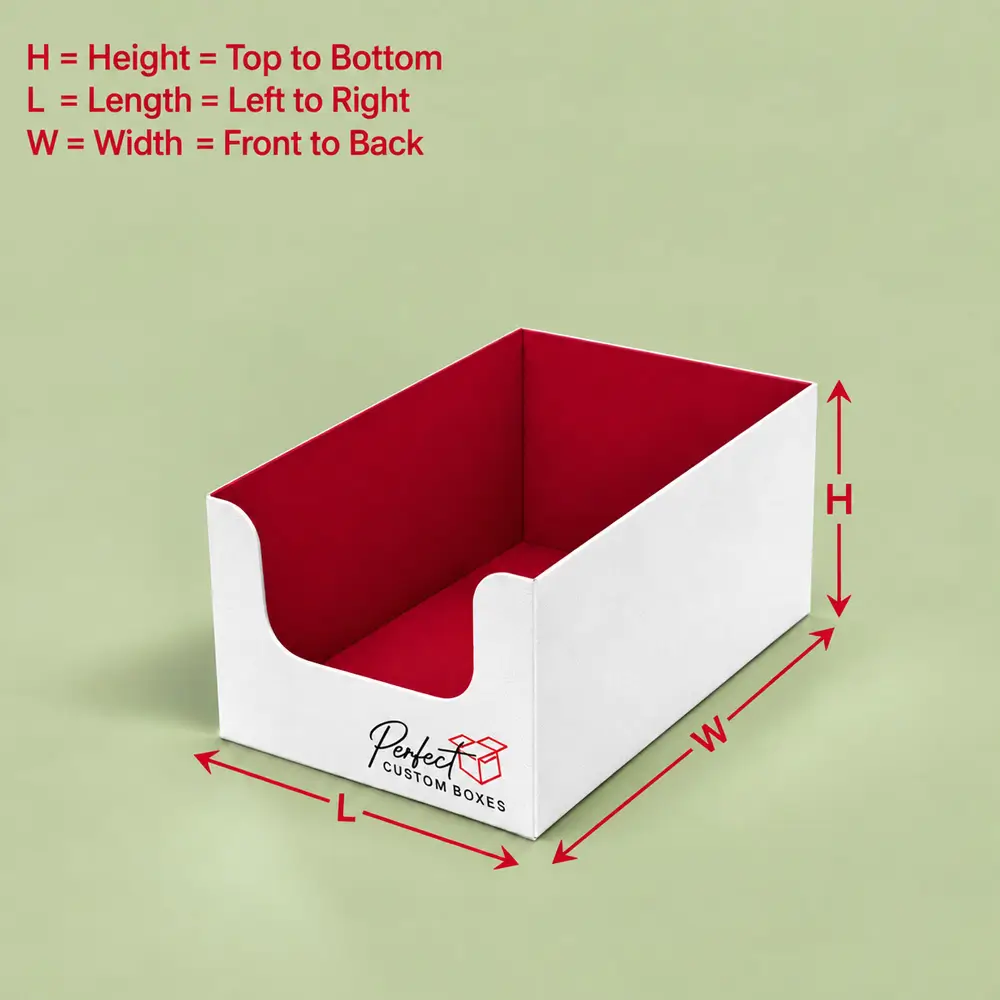 DIM
 Double Wall Tuck Front
 Gable Box Auto Bottom
 Hexagon Two Piece
 Regular Four Corner Box
 Two Piece
 Dispenser Box
 Four Corner with Display Lid
 Pillow Box
 Reverse Tuck End
 Seal End
 Straight Tuck End
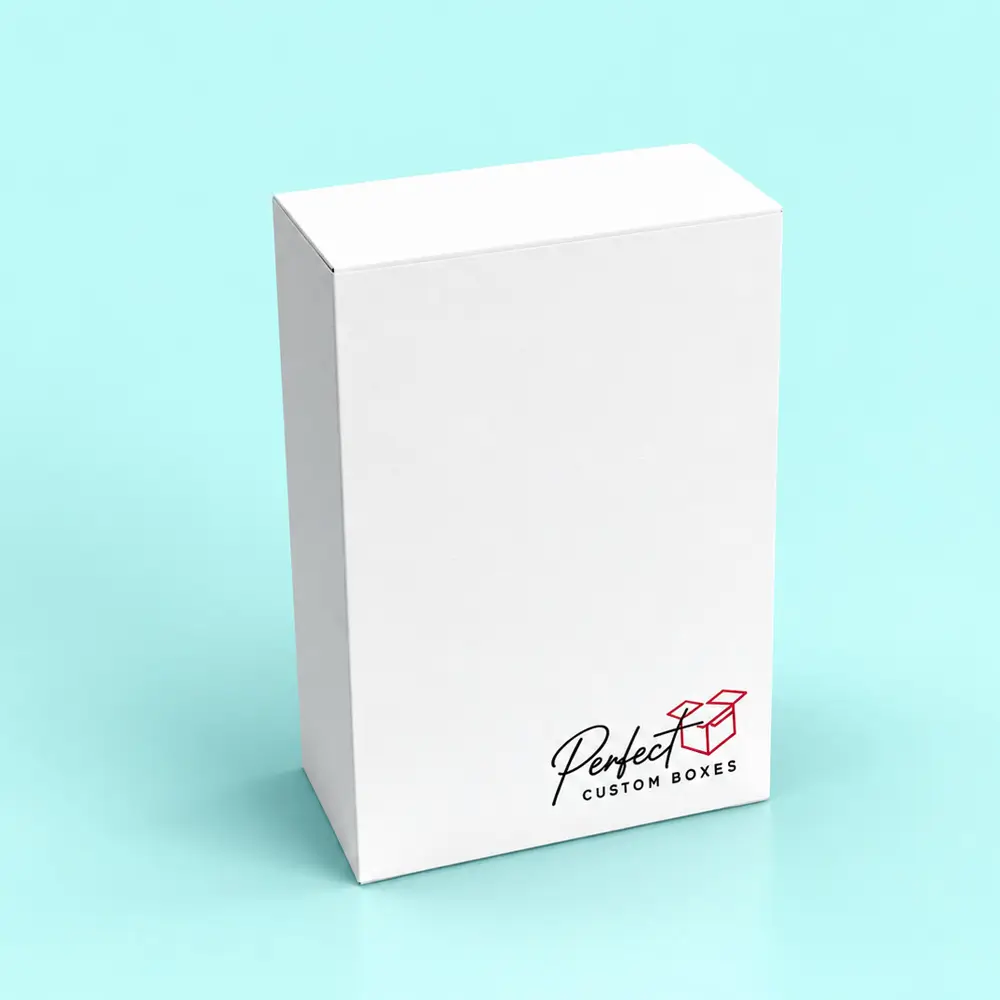 Tuck End Auto Bottom
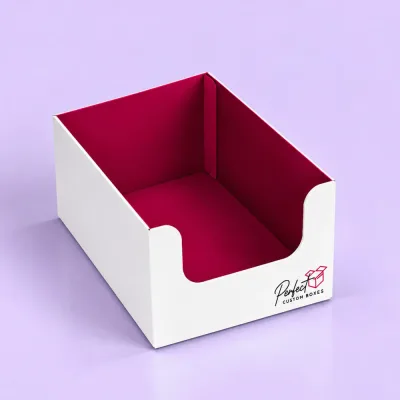 Bottom Tray
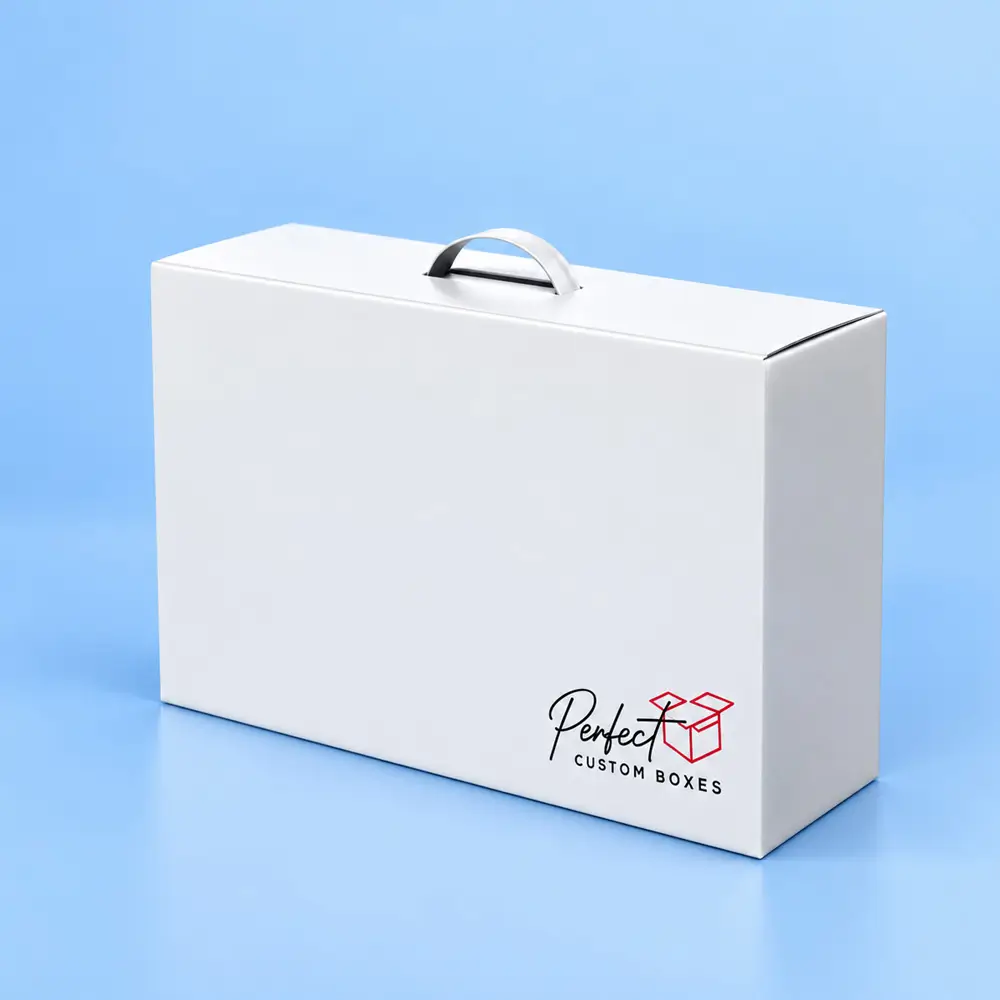 Brief Case Style
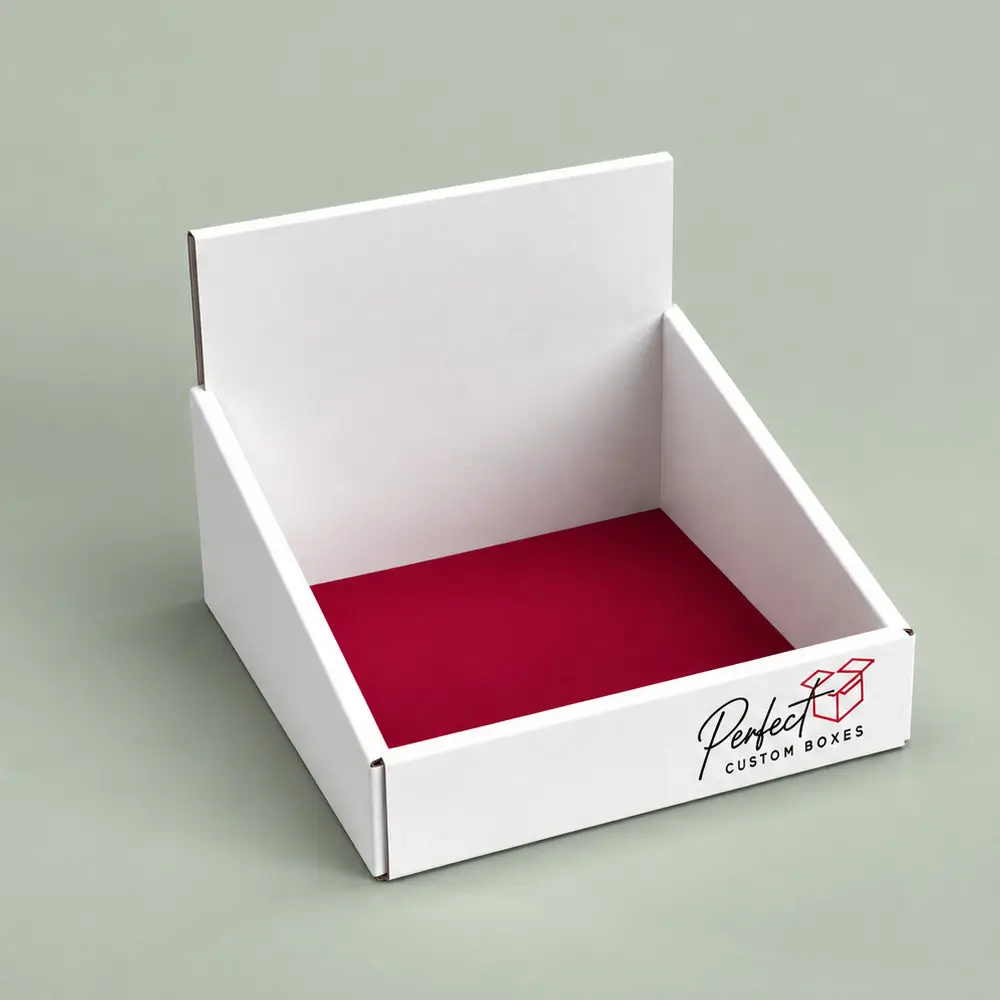 Display Box With Double Walls
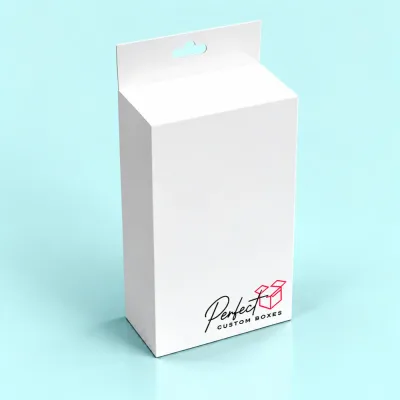 Tuck End With Hanging Tab
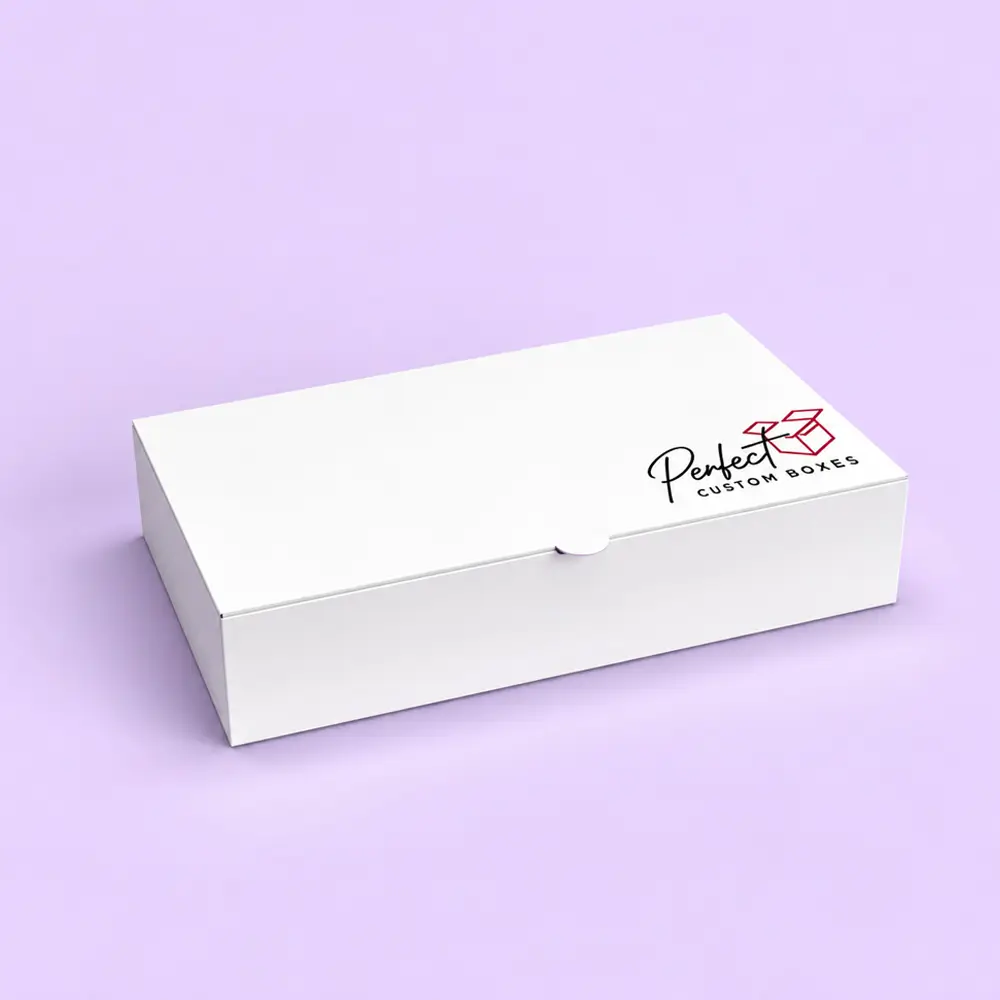 Double Locked Wall Lid
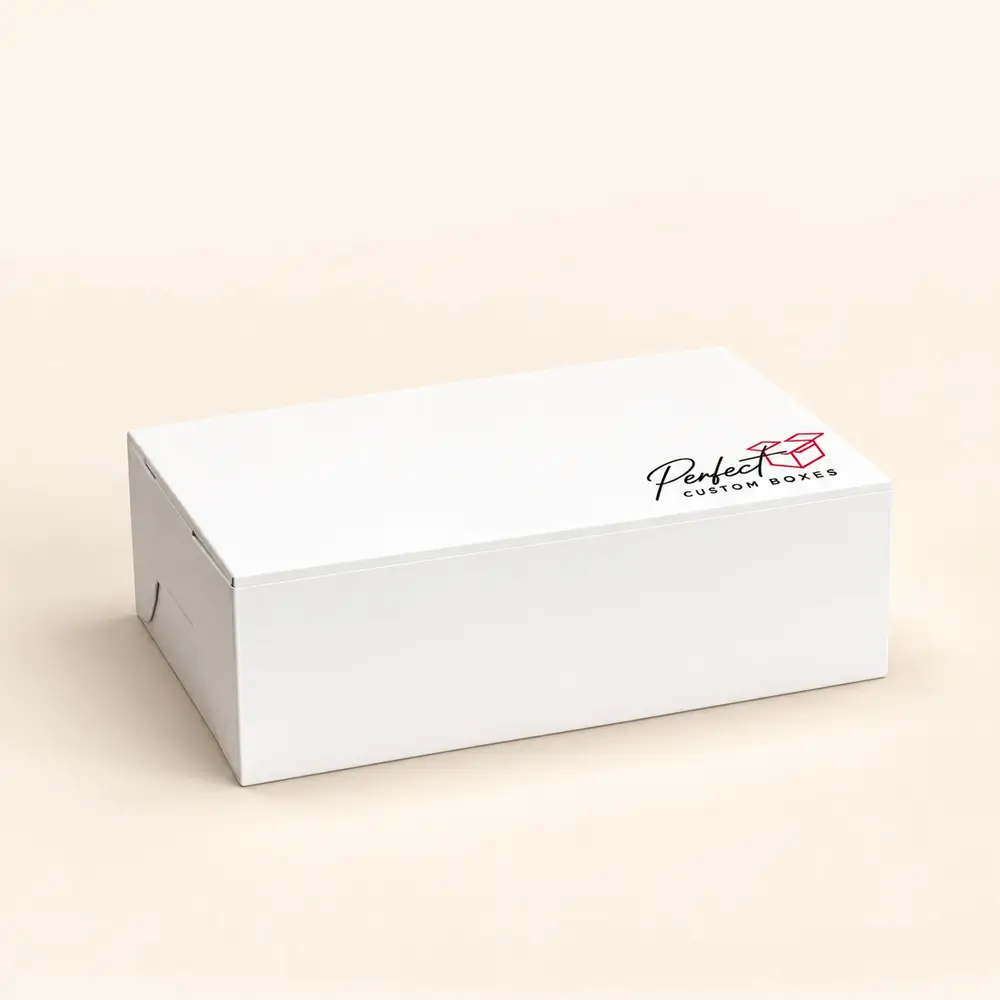 Self Lock Cake Box
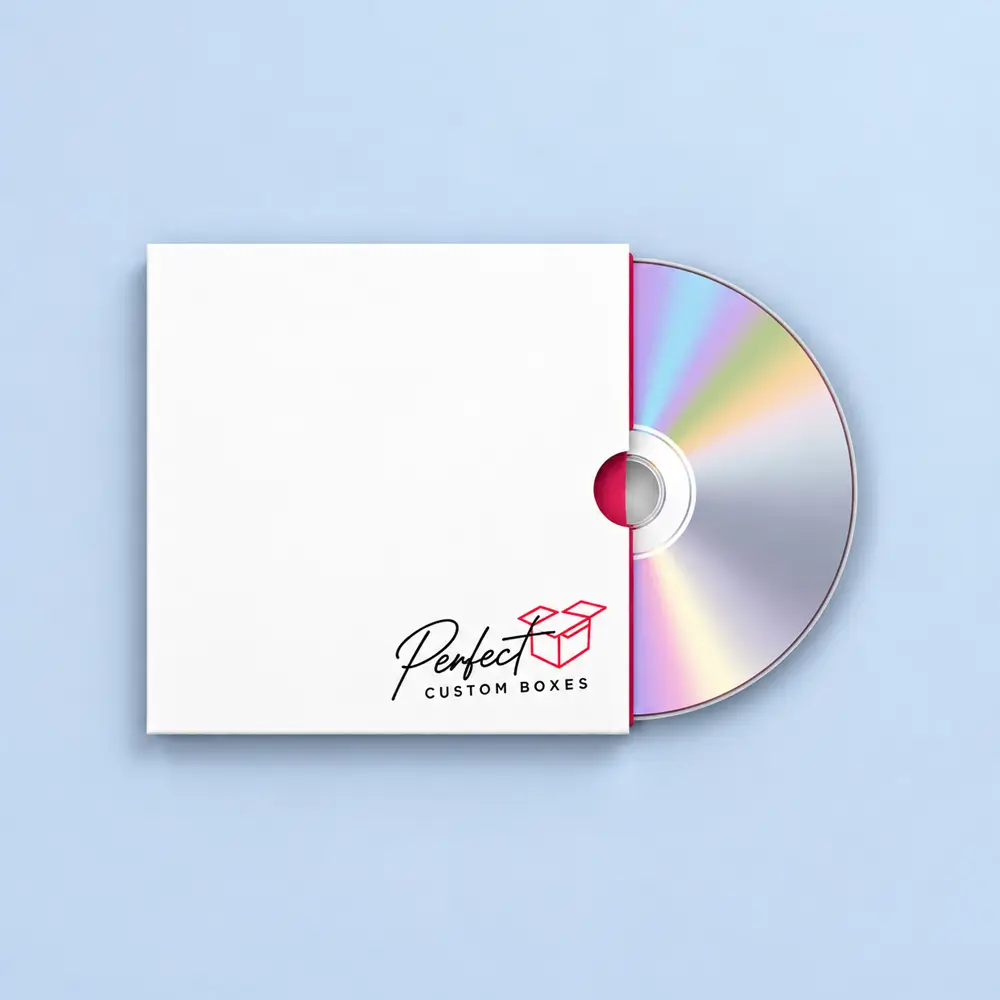 Cd Jacket
 Kraft Boxes
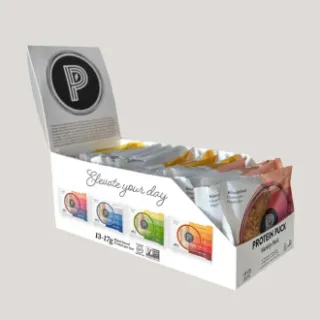 Corrugated Boxes
 Cardstock Boxes
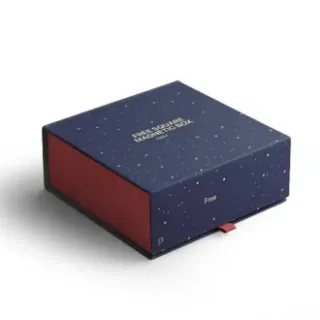 Rigid Boxes
 Eco Friendly Packaging
 CMYK Printing
 PMS Printing
 Matte Finish
 Gloss Finish
 Soft Touch
 Foil Stamping
 Spot UV
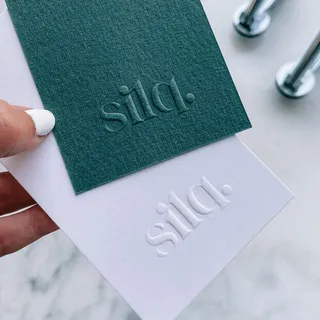 Embossing
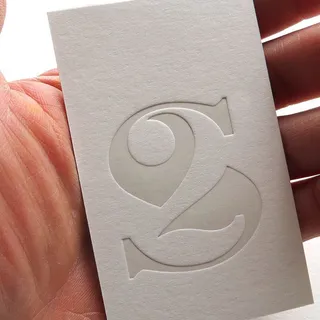 Debossing
 Window Cutouts
Edge Crush Test (ECT)
The Edge Crush Test (ECT) measures how much weight corrugated board can hold on its edge before it crushes. A small strip of board is stood upright, with its flutes running up and down like the walls of a box, and pressed from above until it fails. The result is given in pounds per inch of edge, so 32 ECT board holds 32 lb on every inch. Because a box's standing walls carry the weight of everything stacked on top, ECT is the main rating for stacking strength, and it is the grade printed on most shipping boxes.
Also calledECT rating · edgewise compression test · short column test
ECT in 30 Seconds
ECT is measured in pounds per inch of board edge (lb/in).
32 ECT is the most common grade for e-commerce boxes. 44 ECT single wall and 48 ECT double wall suit heavier products and taller stacks.
ECT rates stacking strength. The burst (Mullen) test rates resistance to punctures, so the two are not the same.
Box strength rises in step with ECT: 44 ECT is about 38% stronger than 32 ECT in the same box.
What Is the Edge Crush Test?
Corrugated board is made of a wavy fluted sheet glued between two flat liners. When it is folded into a box, the side walls stand upright and the flutes run from top to bottom. Every box placed on top presses down on those walls, so the edges of the board, and especially the corners, carry the load.
The Edge Crush Test recreates that load on a small piece of board. A strip about 2 in wide is placed on its edge between two flat plates, and the top plate presses down until the board buckles. The highest force it held, divided by the width of the strip, is the board's ECT. A rating of 32 ECT means each inch of the board's edge held 32 lb before it crushed.
ECT rates the board, not a finished box. The same board makes a stronger box when the box is larger around or the board is thicker, which is why ECT is combined with box size and caliper to estimate how much a whole box can stack. It also appears on the box maker's certificate, the stamp carriers check to confirm a box is strong enough for its weight.
What Do ECT Terms Mean?
These words come up on quotes, spec sheets and box certificates. Here is what each one means.
How Does the Edge Crush Test Work?
The test crushes a small, carefully prepared piece of board rather than a whole box, so results can be compared fairly between mills and suppliers. Most North American labs follow TAPPI T 811, the method named in US freight rules.
- 01
Condition the board
Samples are held at a standard 23 °C (73 °F) and 50% relative humidity first, because moisture changes the result.
- 02
Cut a sample
A strip 2 in (50.8 mm) wide is cut so the flutes run up and down. Its height depends on the flute: 1.25 in for B-flute, with taller samples for larger flutes.
- 03
Support the edges
The top and bottom edges are dipped in paraffin wax so they don't fray before the board itself fails.
- 04
Press until it crushes
The sample stands on edge between two flat plates, and the top plate moves down until the board fails. The peak force is recorded.
- 05
Rate the board
The force is divided by the sample width to give the ECT in pounds per inch, averaged over several samples.
ECT Chart: Grades, Weight and Size Limits
US freight rules (NMFC Item 222 for trucks and UFC Rule 41 for rail) link each ECT grade to the heaviest and largest box it may be used for. Read across a row to see the limits for that grade. The burst (Mullen) grade that the rules allow for the same box is shown alongside, because many buyers still compare the two.
Highlighted rows are the grades most boxes are made in. Burst-rated boxes must also meet a minimum liner weight. ECT-rated boxes do not, which is why ECT board can use lighter, more efficient liners.
Who Asks for an ECT Rating?
Freight carriers
NMFC Item 222 (truck) and UFC Rule 41 (rail) set minimum board grades for each box weight and size. Since the early 1990s they have accepted ECT as an alternative to the burst test.
Parcel carriers
UPS and FedEx expect boxes to meet Item 222, which is why most shipping boxes carry a box maker's certificate.
USPS hazmat rules
Hazardous materials packed in an outer box must use at least 32 ECT (or 200#) board up to 20 lb, and at least 44 ECT (or 275#) above 20 lb.
Retailers
Large retailers set their own minimum grades for case packs, usually starting at 32 ECT or 200#.
ECT vs Burst, BCT and Flat Crush
Corrugated board is rated in several ways. Each test answers a different question.
ECT and burst grades are often listed together, such as 32 ECT and 200#, because the freight rules allow either for the same box. They are not the same measurement: a box can pass one and not the other.
ECT in Metric Units
Outside North America, ECT is usually given in kilonewtons per metre. 1 lb/in equals about 0.175 kN/m.
What Affects a Board's ECT?
- Liner and medium weightHeavier, stronger papers raise ECT. The fluted medium carries a large share of the load.
- Fibre typeVirgin kraft fibres are longer and stronger than heavily recycled fibres, so recycled board may need heavier papers to reach the same ECT.
- ConstructionDouble wall board adds a second flute and liner, which is why its grades start where single wall grades end.
- MoisturePaper softens as it absorbs moisture. Board tested at 50% humidity loses strength in damp storage.
- Converting damageFlutes crushed by printing or die cutting lower the board's real strength below its rated ECT.
From ECT to Box Strength
ECT rates the board. To estimate how much a whole box can take from above, its box compression strength (BCT), the industry uses the McKee formula:
The chart shows the estimate for a 12 × 10 in box in common grades, using typical board thickness for each flute.
Check your own box and stack with our free Box Compression Calculator.
Why Do Boxes Lose Strength in Real Life?
ECT and BCT are measured on new, dry boxes. In warehouses and trucks, humidity, time under load and the way boxes are stacked all take strength away. These are typical industry estimates of the loss:
These losses combine, which is why shippers divide the estimated box strength by a safety factor, usually 3 to 5, or more for long, humid storage.
How Do You Read a Box Maker's Certificate?
Many shipping boxes carry a round stamp on the bottom flap. It states what the board is rated for.
Which ECT Grade Should You Choose?
Not sure? Tell us the product weight, box size and how the boxes are stored, and we will recommend the grade on your quote. See how flute size affects strength in Flute Types.
How Can You Make a Box Stronger?
Raise the ECT
Compression strength rises in step with ECT.
Choose a thicker flute
Moving from B-flute to C-flute, or to BC double wall, adds strength without changing the box size.
Stack in columns
Line boxes up corner to corner. Most of a box's strength is in its corners and edges.
Add inserts or partitions
Inserts that reach the lid share the load with the box walls.
Corrugated Boxes We Make
Every box is made to your exact size and in the board grade your stack needs, printed in one colour, two colours or full colour.
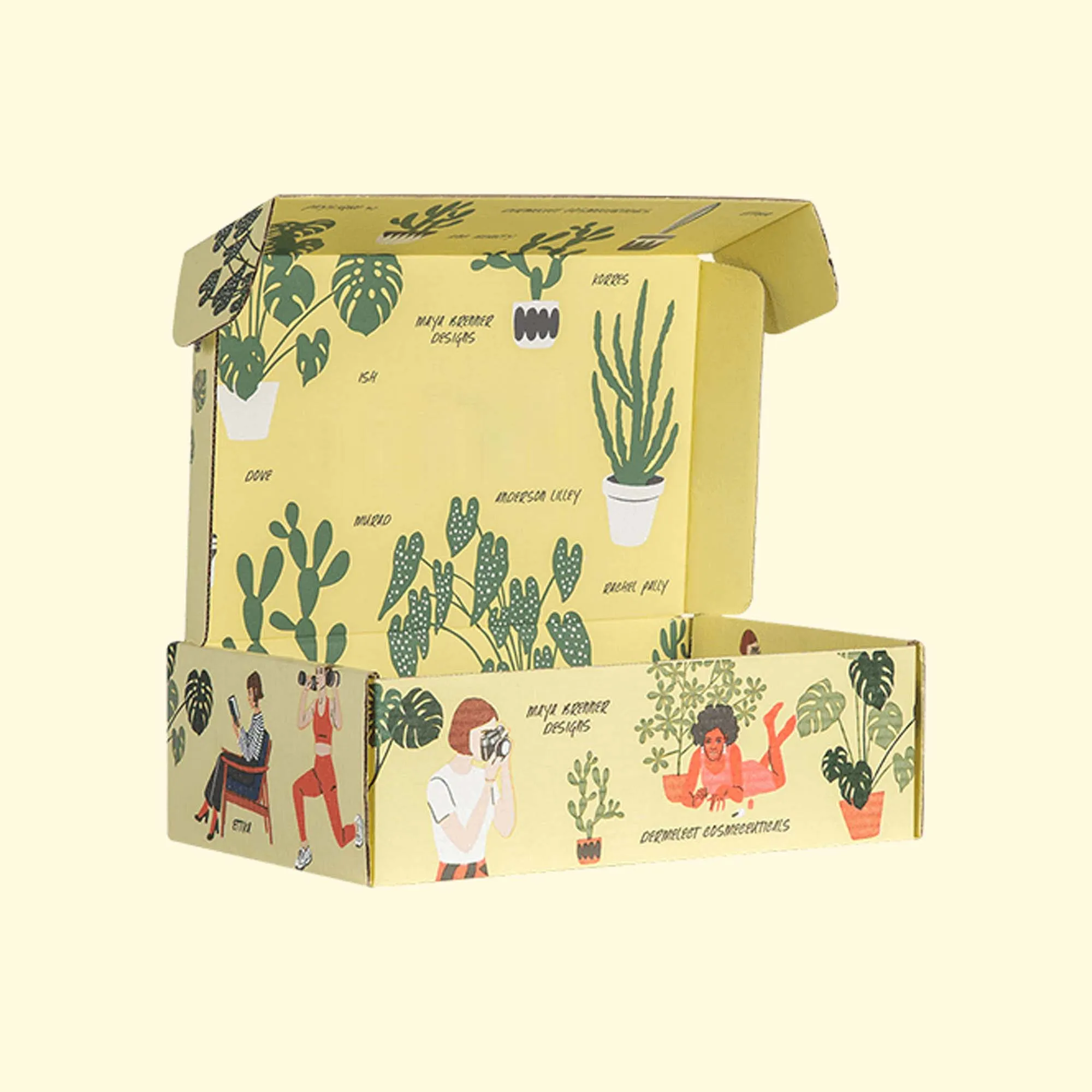 Custom Printed Corrugated BoxesE, B, C-flute or double wall
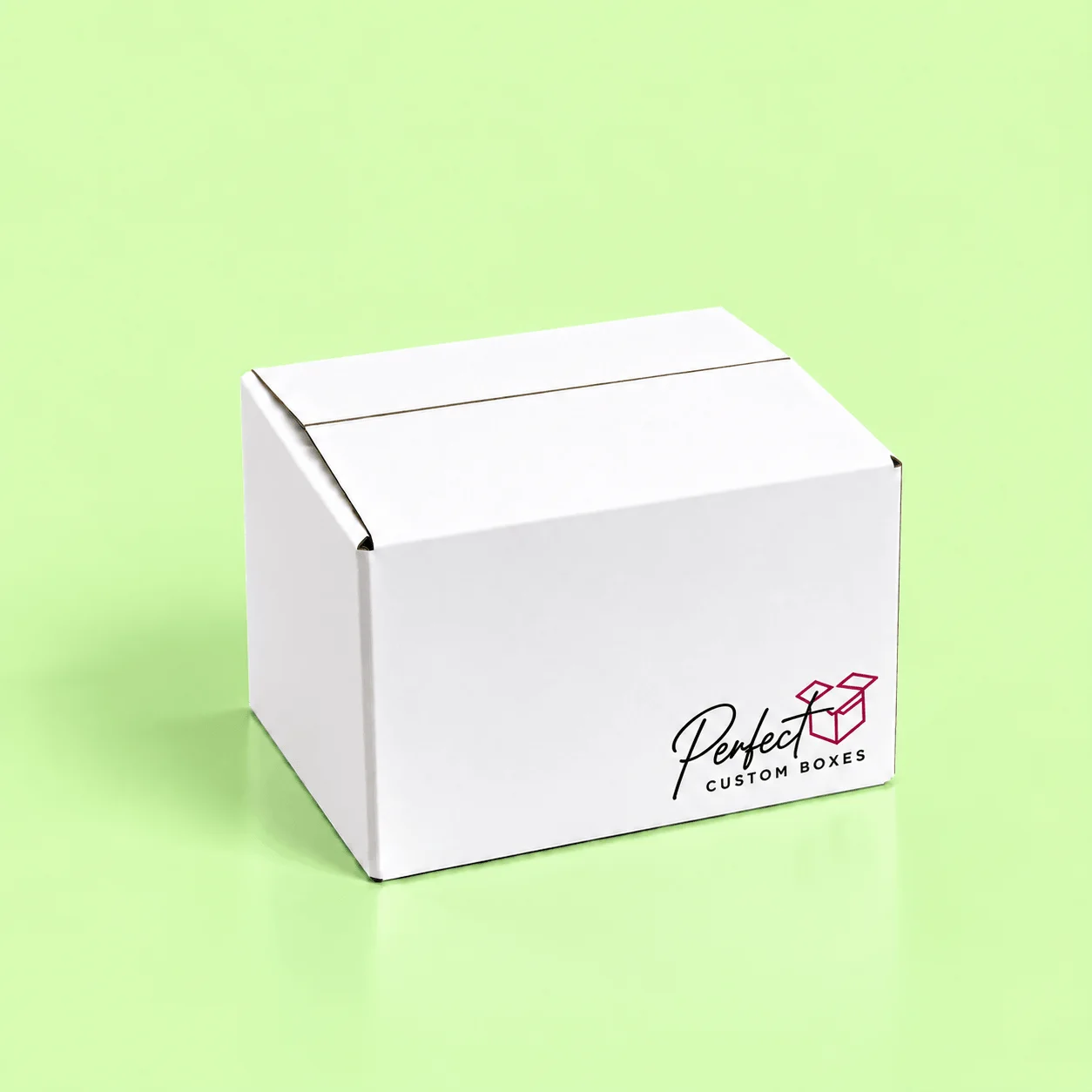 Full Flap Shipping BoxOverlapping flaps for heavier items
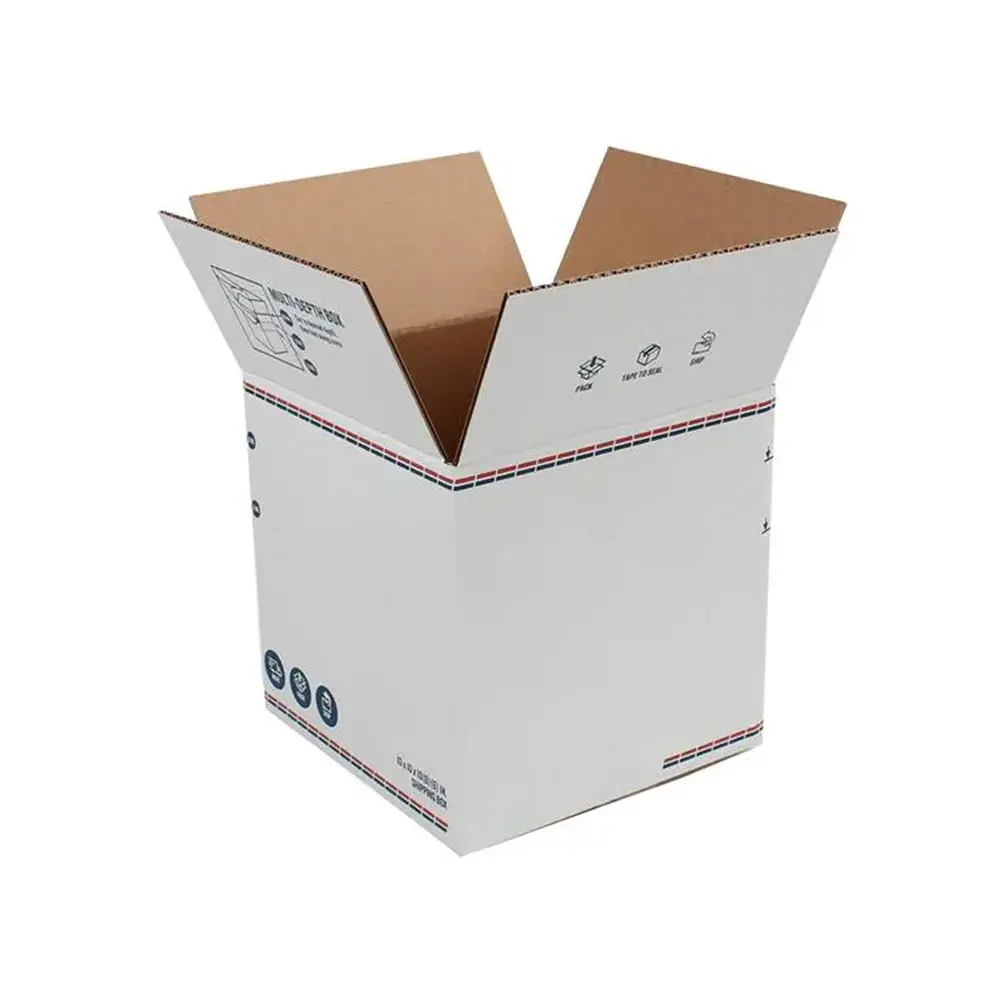 White Shipping BoxesBright board for full-colour print
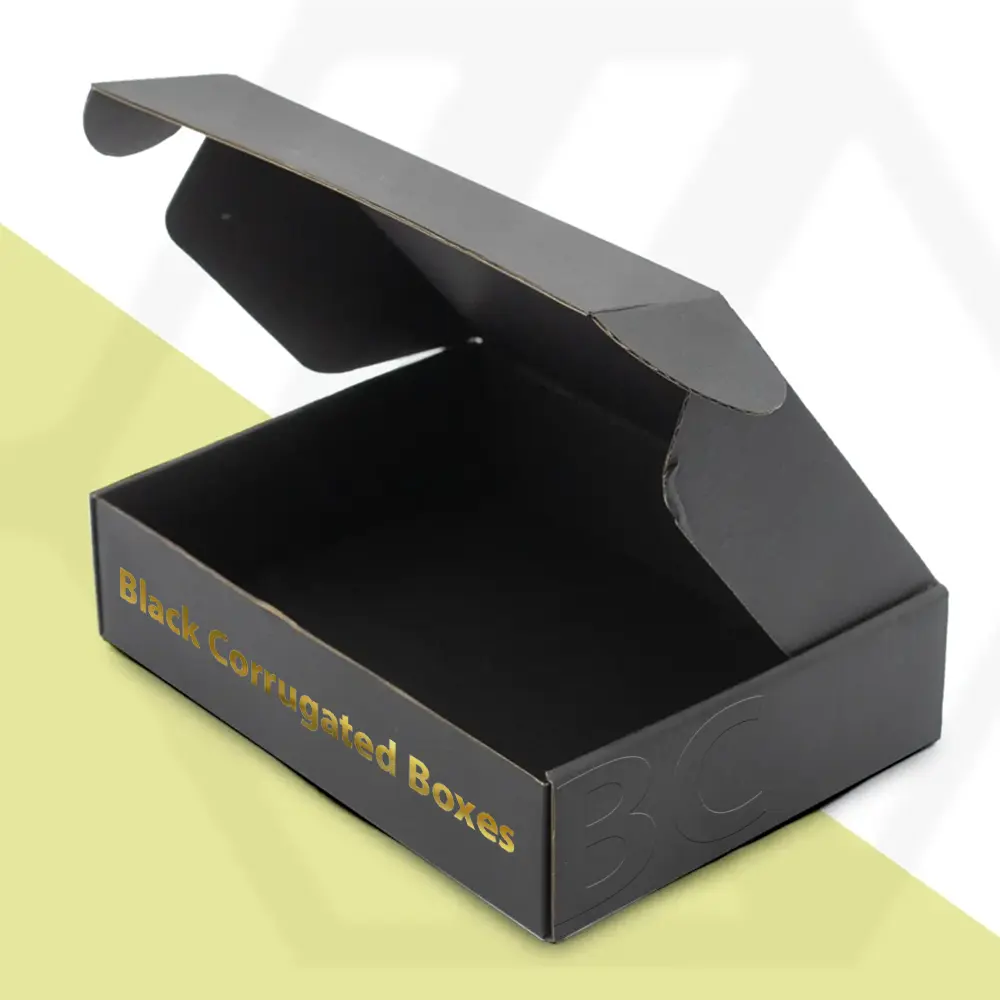 Black Corrugated Shipping BoxesBold black board for shipping
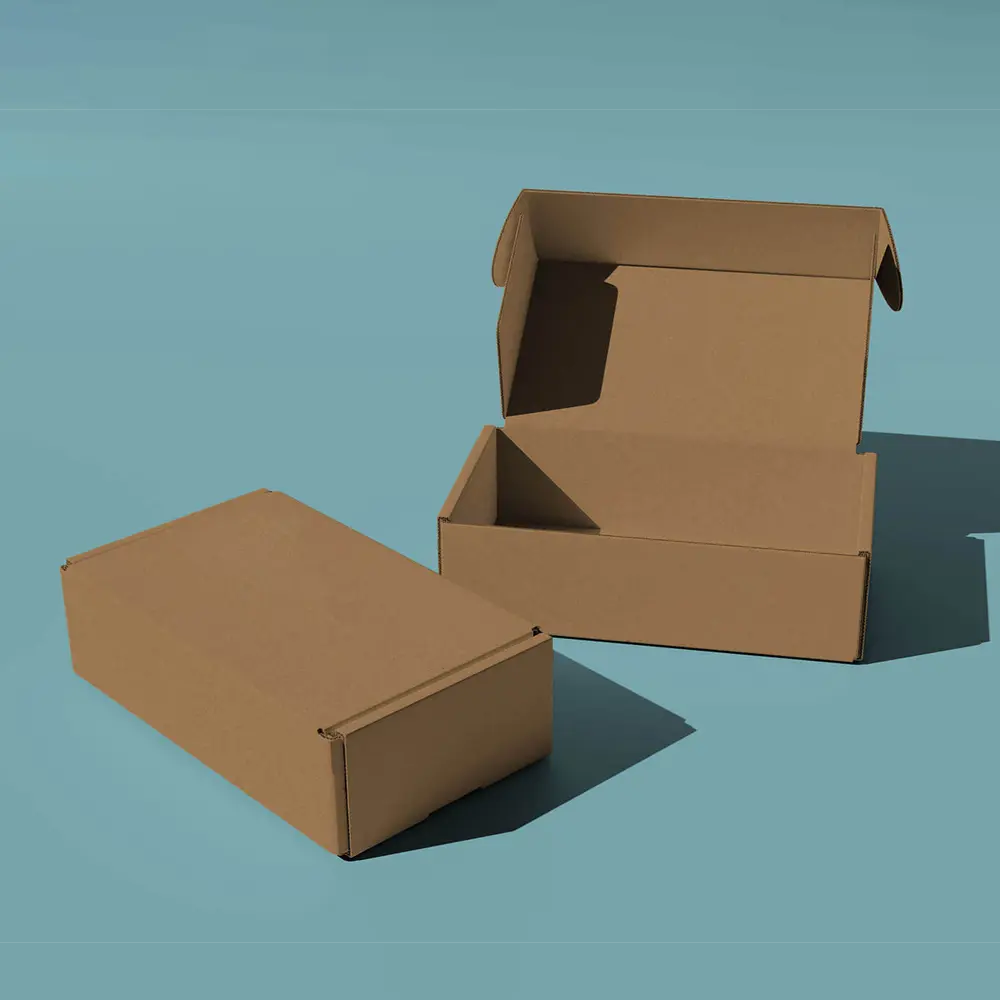 Kraft Corrugated BoxesNatural kraft for shipping and storage
 Cardboard Mailer BoxesE-flute or B-flute, kraft or white
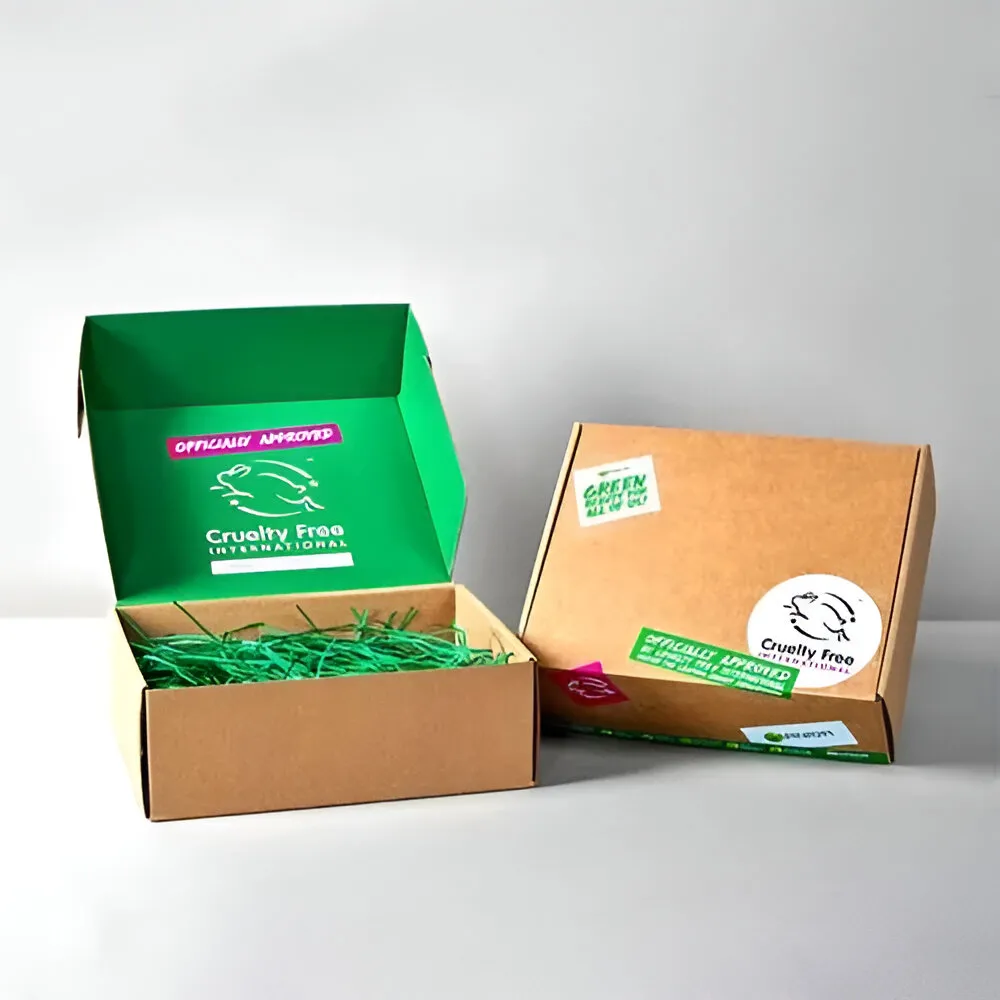 Custom Mailer BoxesE-flute or B-flute, locking tuck front
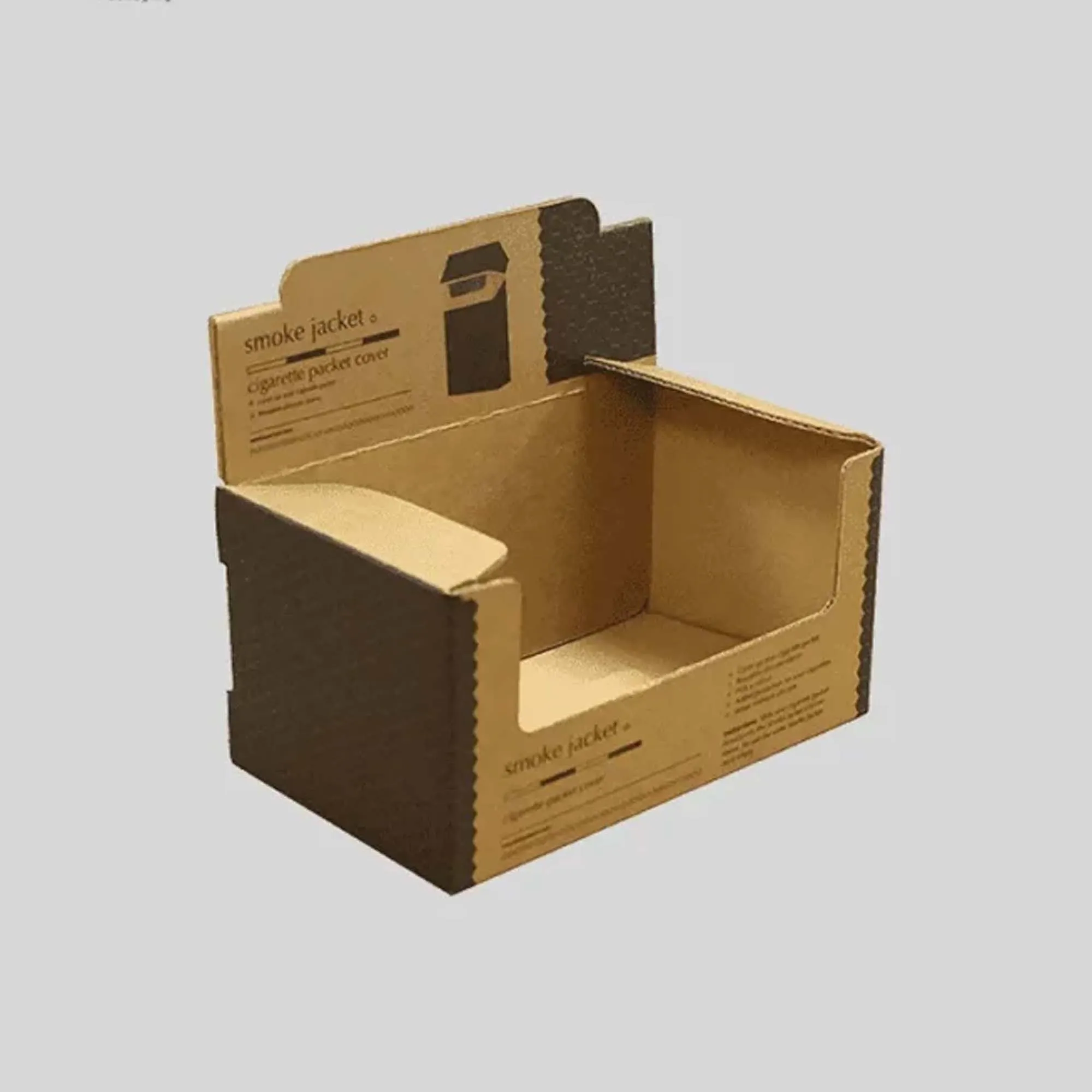 Corrugated Display BoxesE-flute counter, B-flute shelf-ready
See the full range in Corrugated Shipping Boxes.
Free Packaging Tools
Plan your shipping box before you request a quote. All tools are free, with no signup.
Frequently Asked Questions
What is the edge crush test?
The edge crush test (ECT) measures how much force corrugated board can take on its edge before it crushes. The result, in pounds per inch, rates the board's stacking strength.
What does 32 ECT mean?
32 ECT board can hold 32 lb on each inch of its edge before crushing. It is the most common grade for e-commerce and standard shipping boxes, with a typical gross weight limit of 65 lb per box.
What is the difference between 32 ECT and 44 ECT?
44 ECT board is stronger. In the same box size and flute, it gives about 38% more compression strength than 32 ECT, so it suits heavier products and taller stacks.
Is 32 ECT the same as 200# test?
No. They are often listed together and share a 65 lb gross weight limit, but 32 ECT measures stacking strength while 200# test measures resistance to bursting and punctures.
Is a higher ECT always better?
Higher ECT means a stronger box, but also more material and cost. Choose the lowest grade that safely handles your product weight and stack height.
How is ECT related to box compression strength?
Box compression strength (BCT) is estimated from ECT with the McKee formula: BCT = 5.87 × ECT × √(board thickness × box perimeter). Our Box Compression Calculator does the math for you.
What ECT should I use for shipping boxes?
32 ECT is standard for most shipping boxes. Move to 44 ECT single wall or 48 ECT double wall for heavier products and taller stacks.
Who requires an ECT rating?
US freight rules (NMFC Item 222 and UFC Rule 41) accept ECT as an alternative to the burst test, and UPS and FedEx expect boxes to meet Item 222. Many retailers also set a minimum grade, usually 32 ECT or 200#.
What is 32 ECT in kN/m?
About 5.6 kN/m. To convert, multiply the ECT in lb/in by 0.175.
Does humidity affect ECT?
Yes. Boards are tested at 50% relative humidity. At 80% humidity a box can lose about a third of its strength, and at 90% about half.
What does the box maker's certificate mean?
The round stamp on the bottom flap states the box's construction, its ECT or burst rating, and the maximum weight and size the rating covers.
Which ECT grades do you offer?
We make boxes in a range of grades, from E-flute mailer board to 32 ECT, 44 ECT and 48 ECT double wall. Tell us your product weight and stack, and we will recommend the grade.

Get the Right Board Grade for Your Load
Share your product weight, box size and stack height, and our team will recommend the ECT grade, with free design support and free shipping.