
 Serum Bottles
 Clear Glass Bottles
 Lotion Bottles
 Plastic Bottles
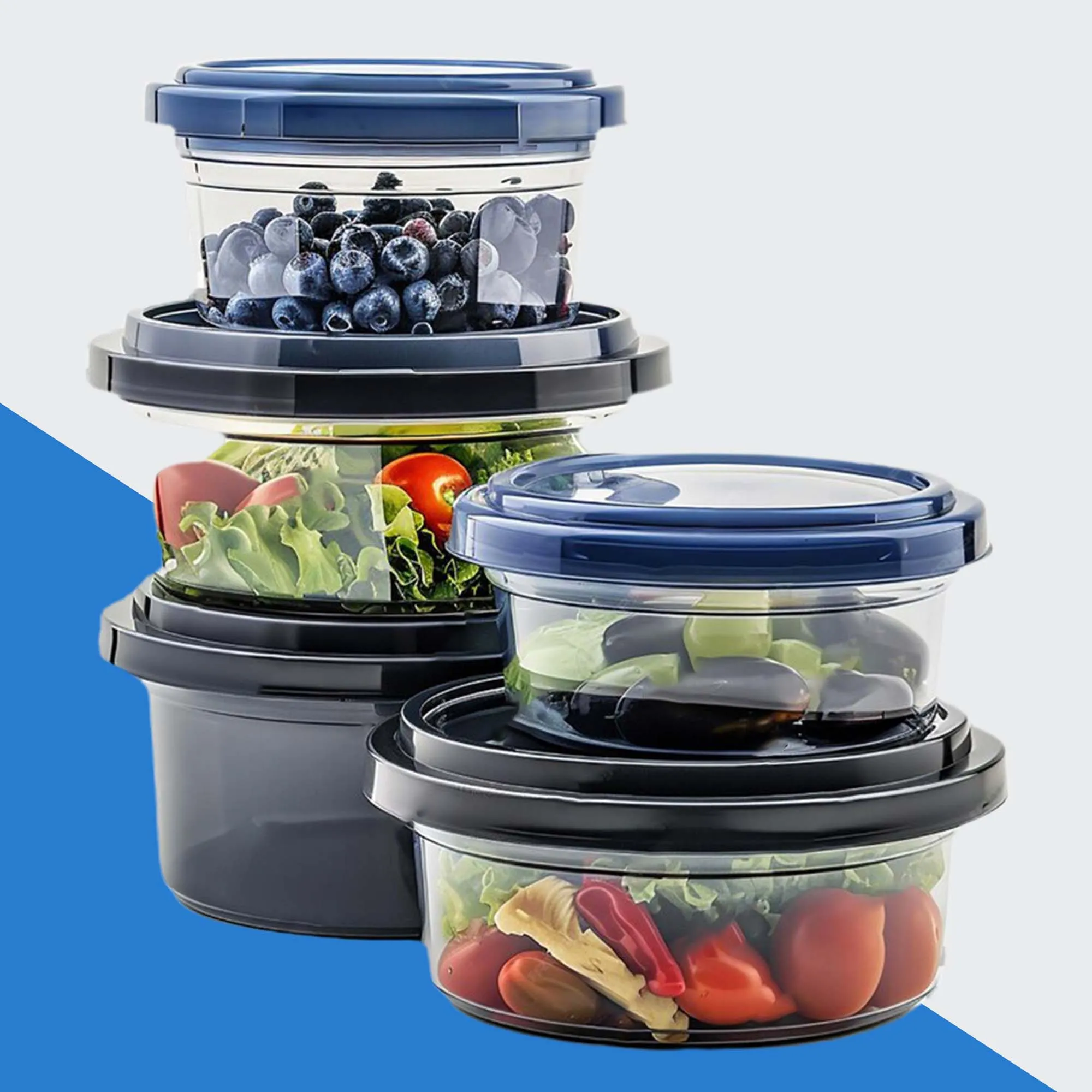 Food Storage Containers
 Lip Balm Tubes
 Metal Tins
 Plastic Jars
 Glass Jars
 Cosmetic Containers
 Black Acrylic Signs
 Clear Acrylic Signs
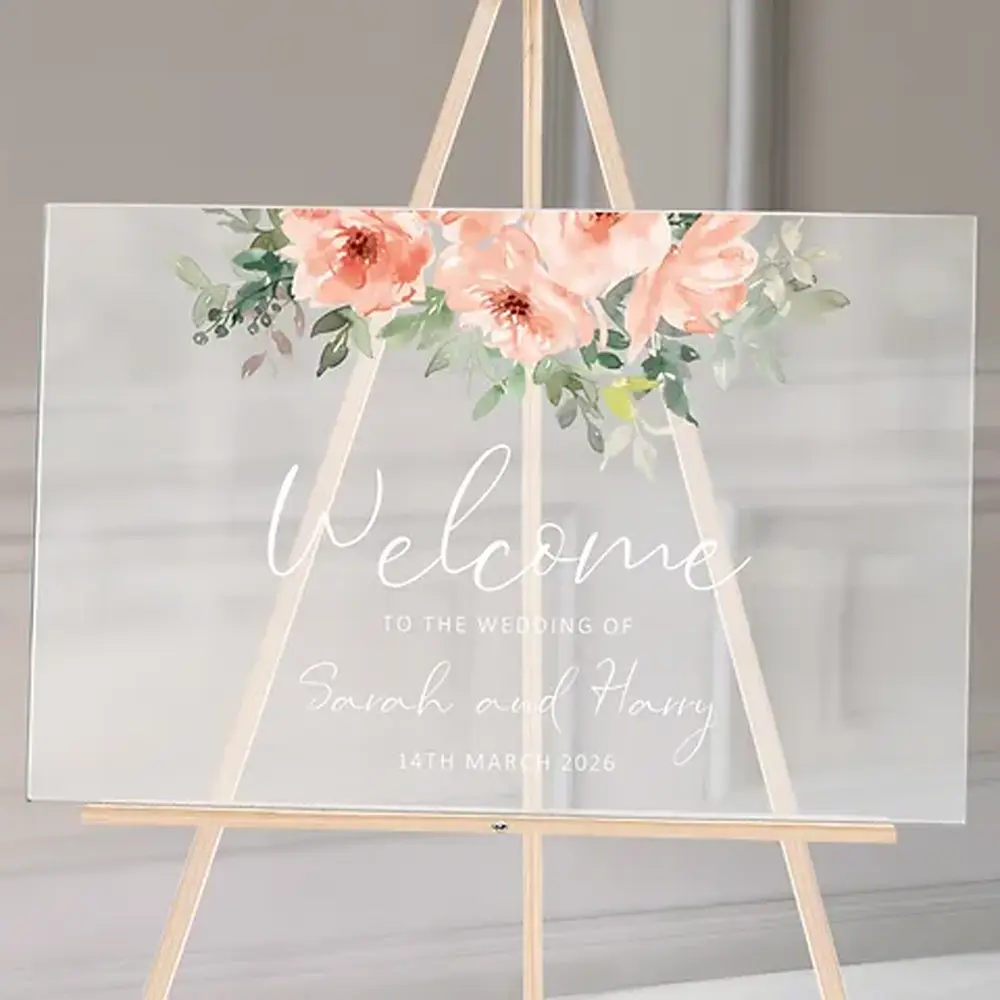 Frosted Acrylic Signs
 White Acrylic Signs
 Aluminium Bags
 Black Mylar Bags
 Candy Mylar Bags
 Child Resistant Mylar Bags
 Custom Printed Mylar Bags
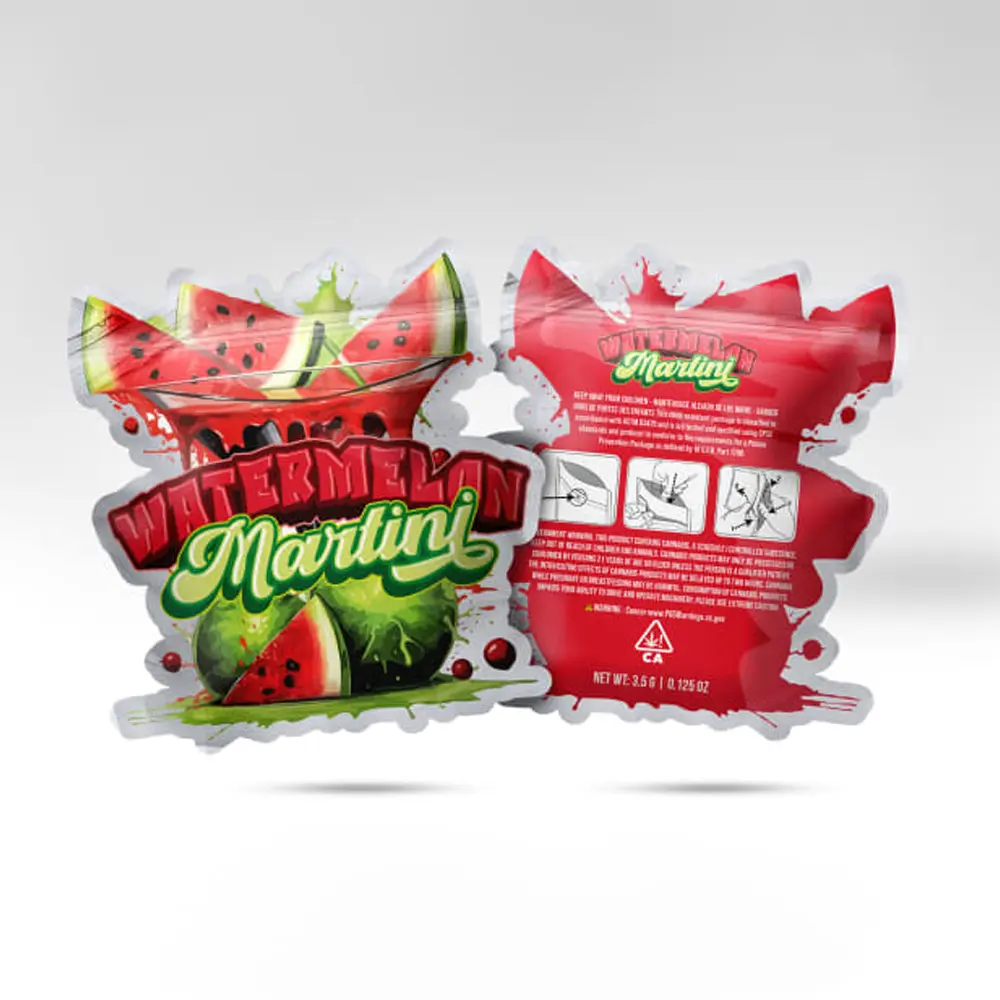 Die-Cut Mylar Bags
 Edible Mylar Bags
 Food Pouches
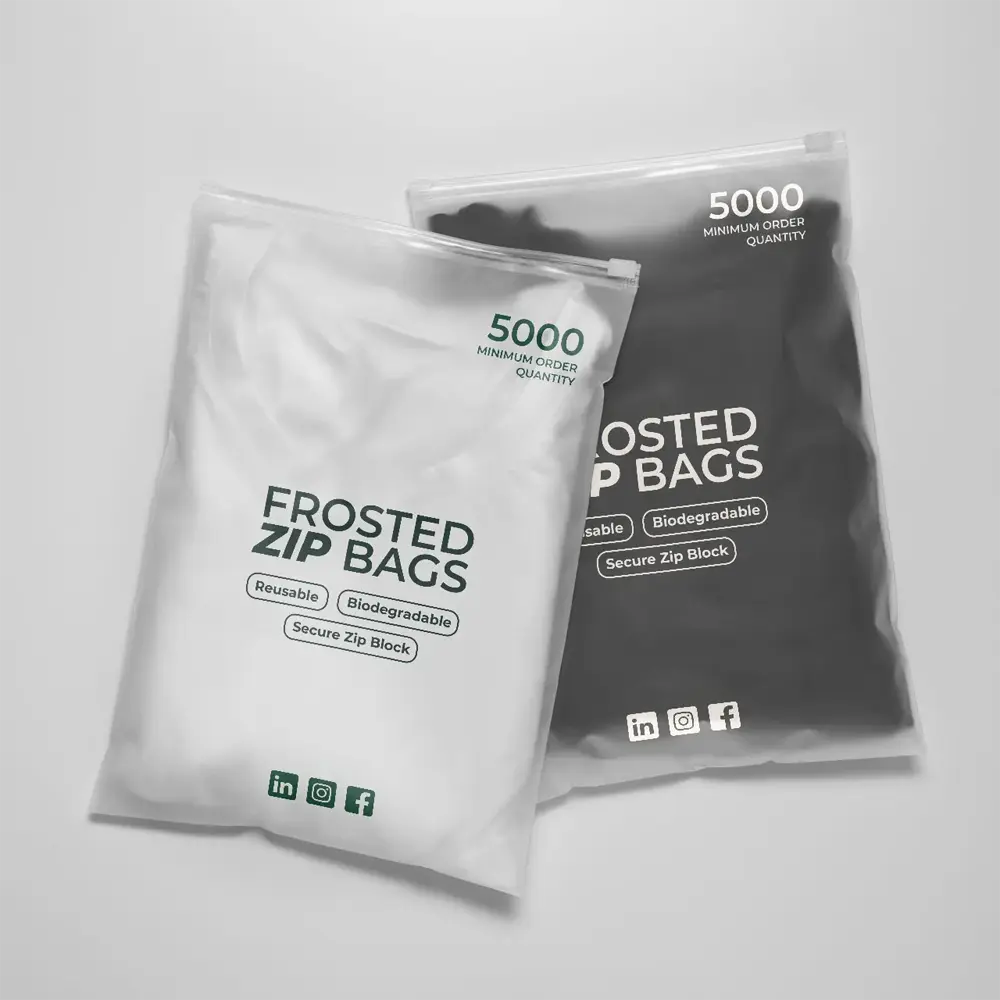 Frosted Bags
 Anti Aging Mask Boxes
 Bangle Boxes
 Concealer Boxes
 Contact Lens Boxes
 Cosmetic Cardboard Boxes
 Cufflink Boxes
 Custom Eye Shadow Packaging Boxes
 Custom Hair Color Boxes
 Custom Hair Spray Boxes
 Candle Boxes with Window
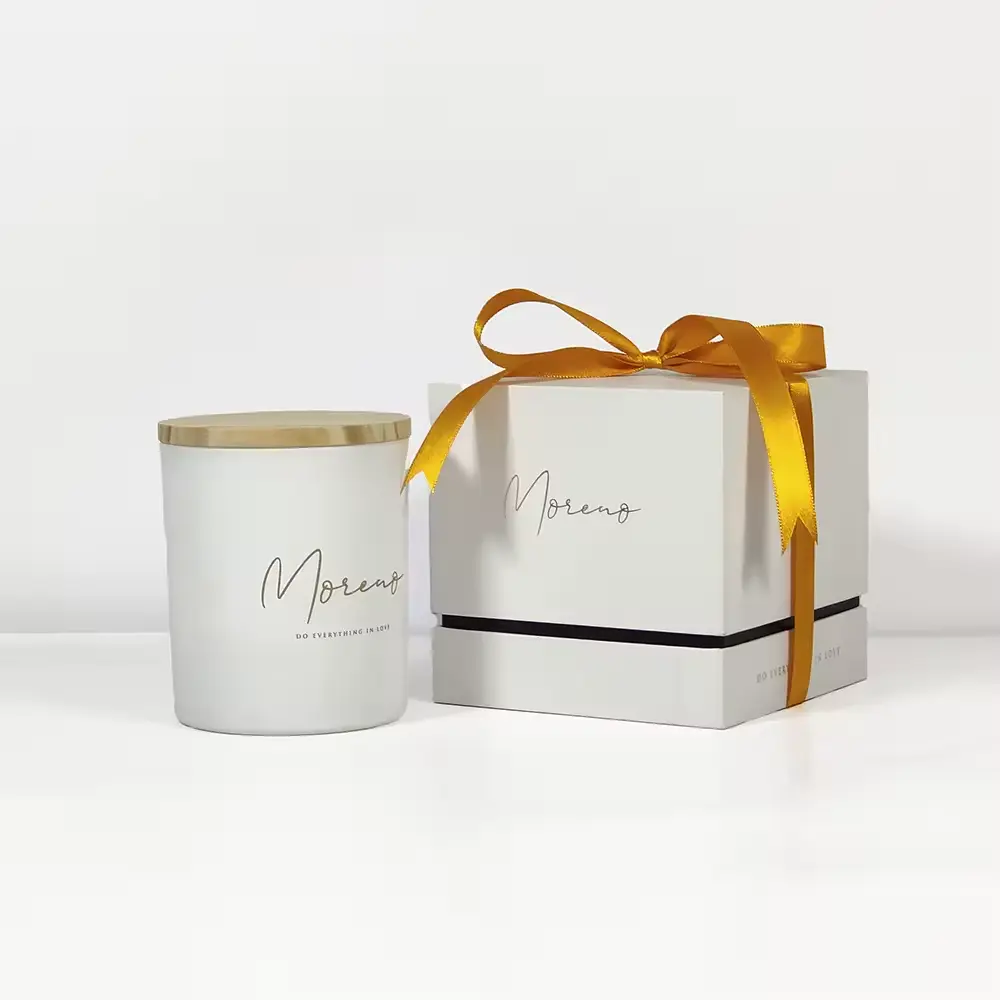 Candle Gift Boxes
 Candle Shipping Boxes
 Candle Tray And Sleeve Boxes
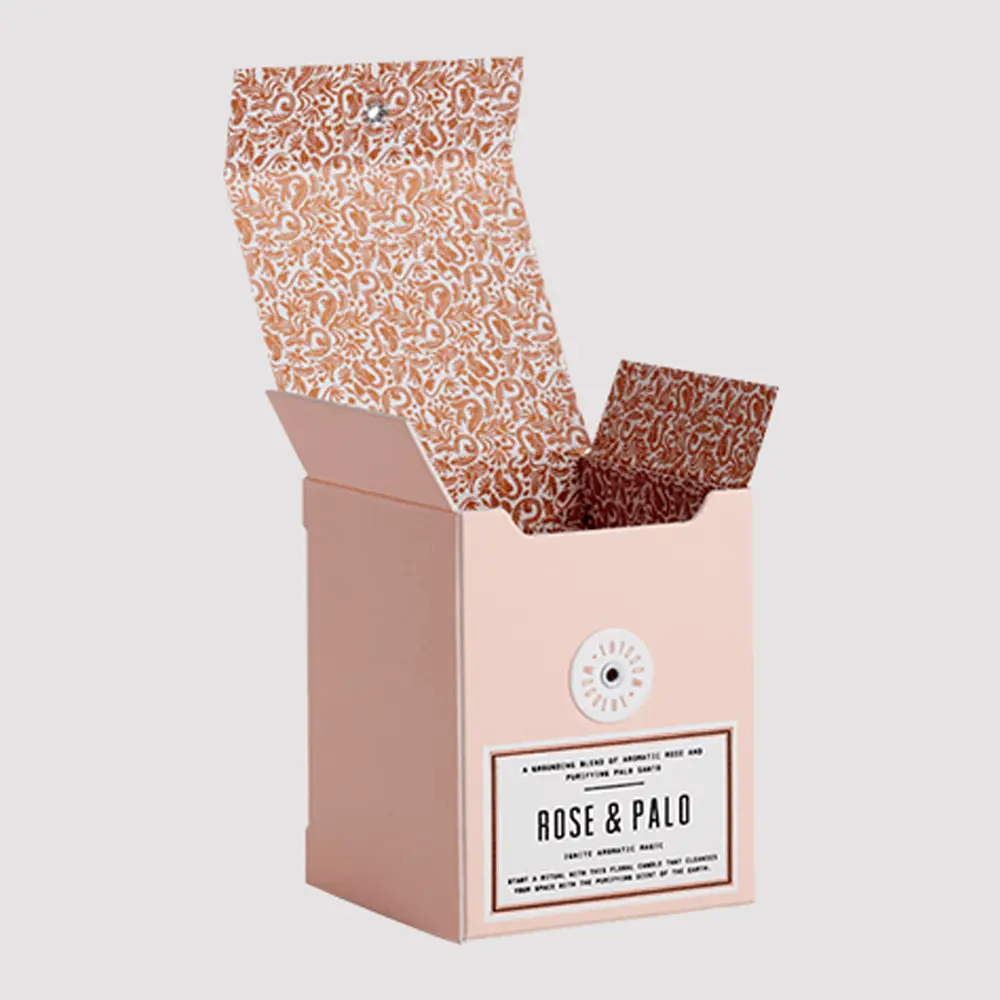 Cardboard Candle Boxes
 Custom Printed Candle Packaging Boxes
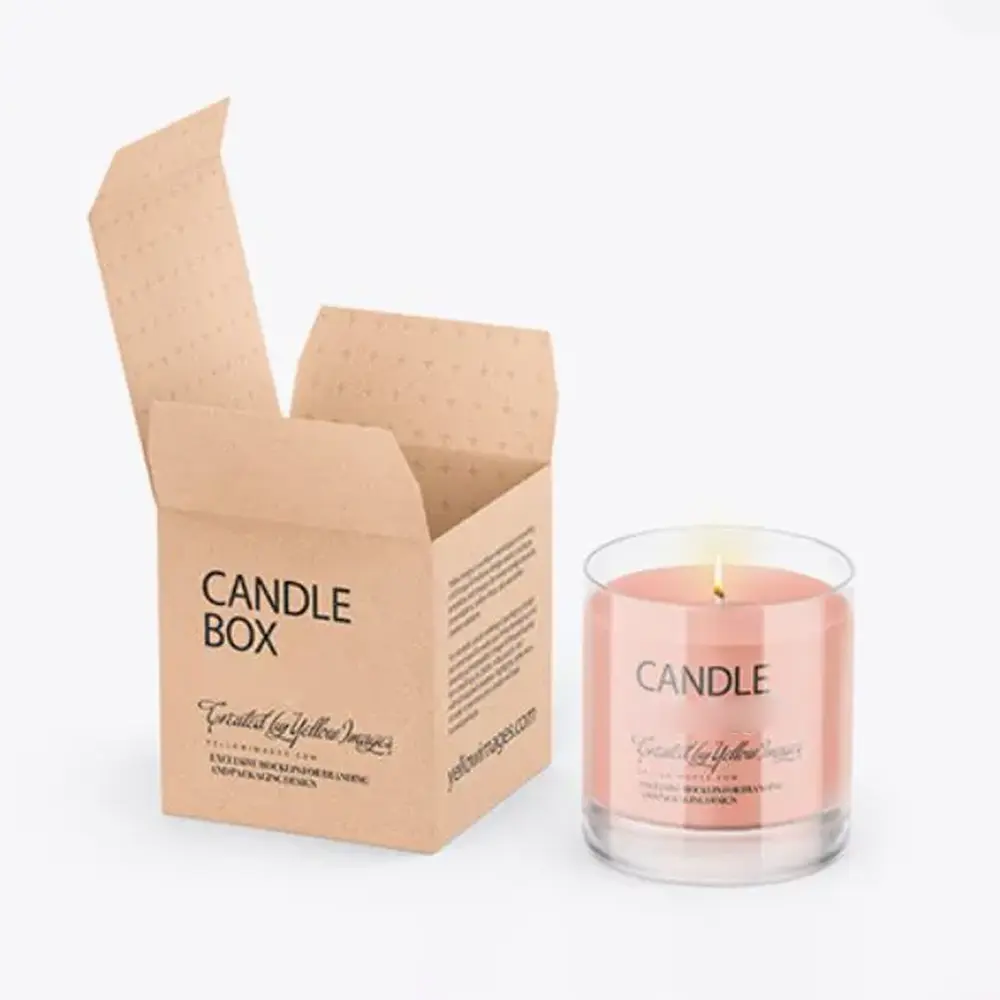 Eco-Friendly Candle Boxes
 Luxury Candle Boxes
 Rigid Candle Boxes
 Beverage Boxes
 Custom Burger Boxes
 Custom Coffee Boxes
 Custom Cone Boxes
 Custom Hot Dog Boxes
 Custom Noodle Boxes
 Custom Pasta Boxes
 Custom Pie Boxes
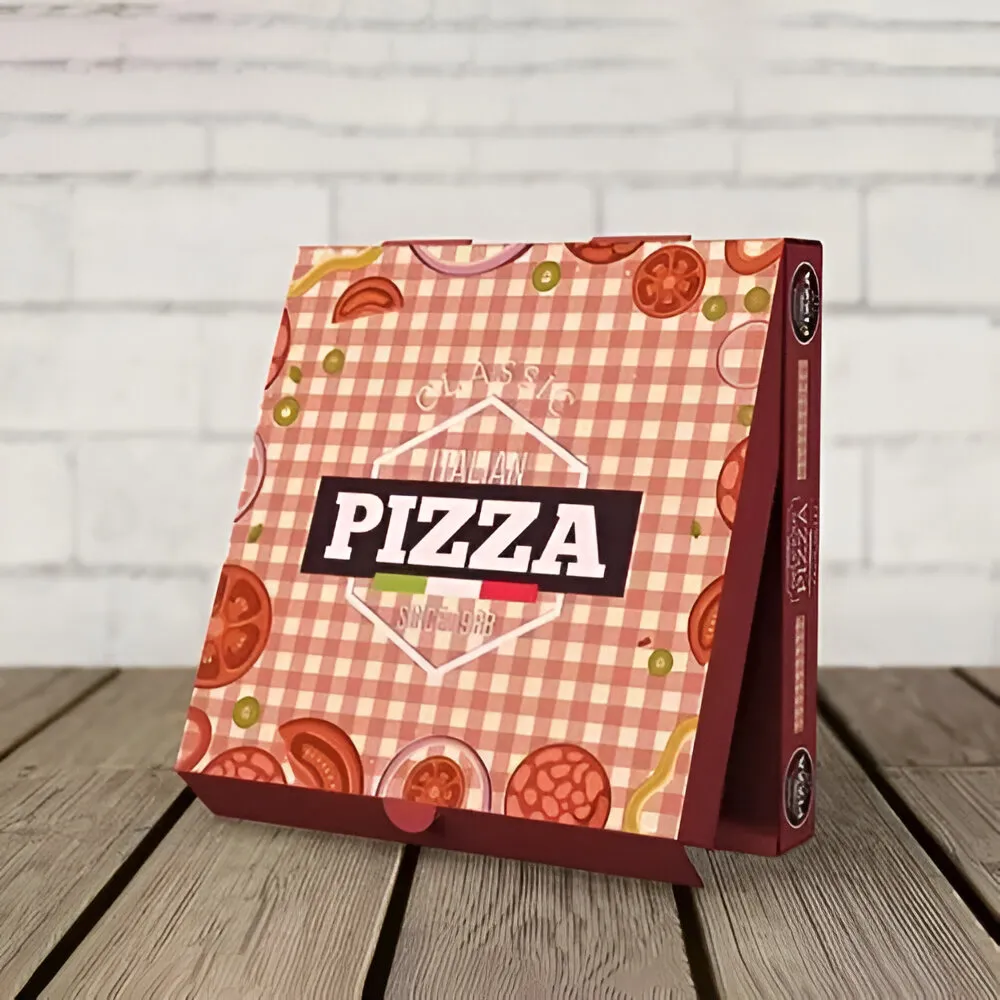 Custom Pizza Boxes
 Candy Display Boxes
 Cardboard Display Boxes
 Cigarette Display Boxes
 Corrugated Display Boxes
 Cosmetic Display Boxes
 Counter Display Cases
 Custom Display Packaging Boxes
 Custom E Juice Display Boxes
 Custom Vape Display Boxes
 Antiseptic Boxes
 Bandage Boxes
 Compression Bandage Boxes
 Cotton Wool Boxes
 Custom Face Mask Boxes
 Custom Printed Medicine Packaging Boxes
 Custom Sanitizer Packaging Boxes
 Glucometer Boxes
 Mouthwash Boxes
 Blister Candle Packaging
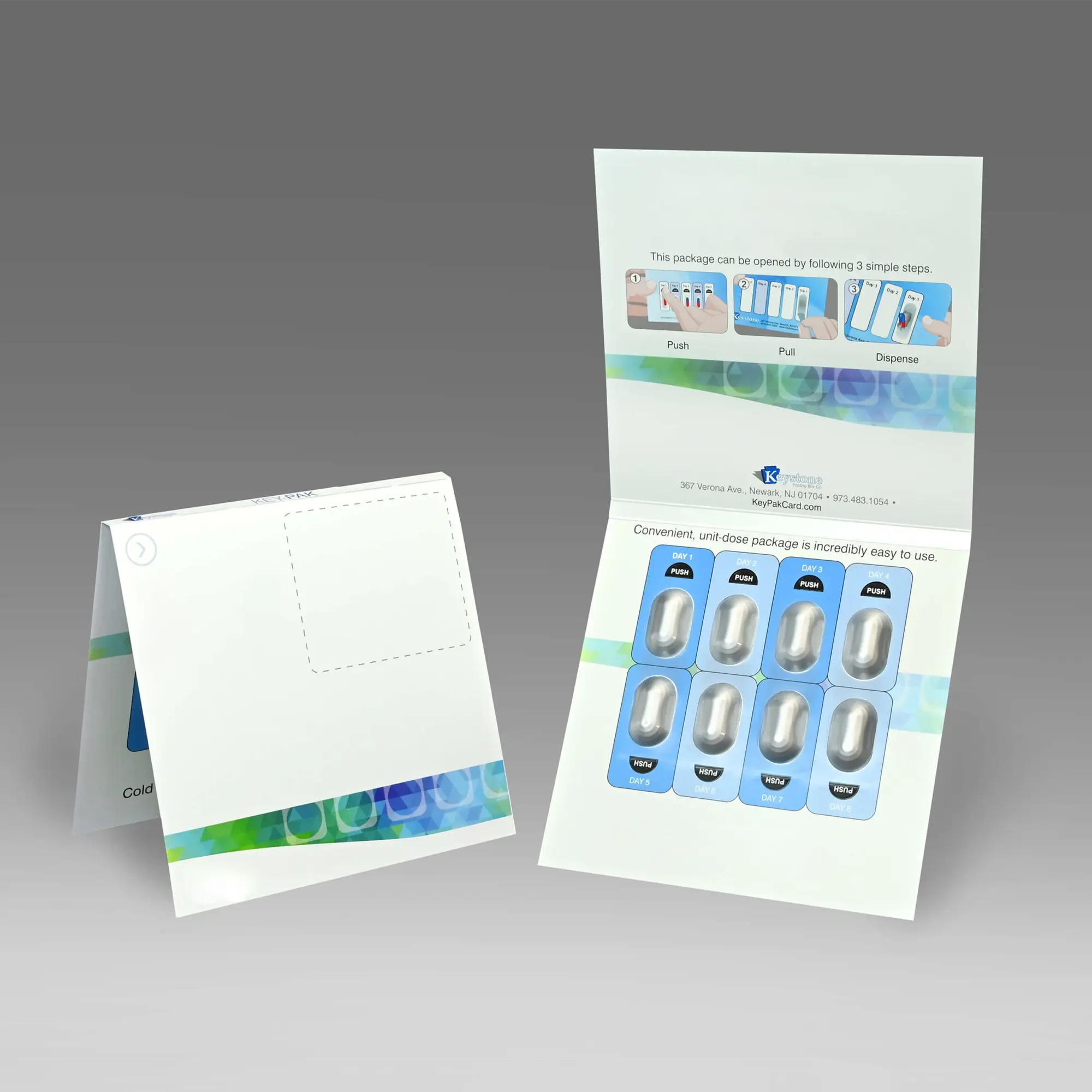 Blister Cards
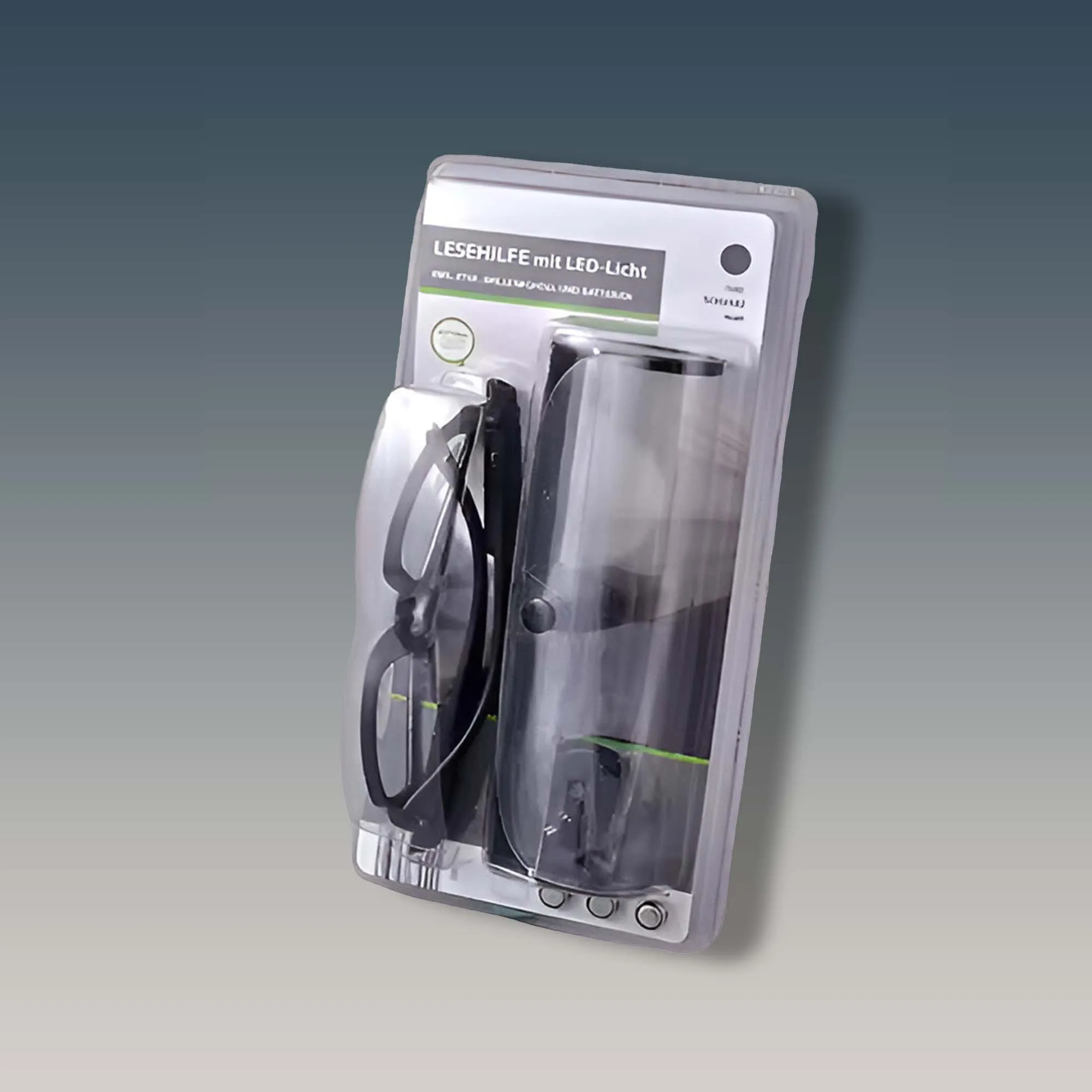 Blister Packaging
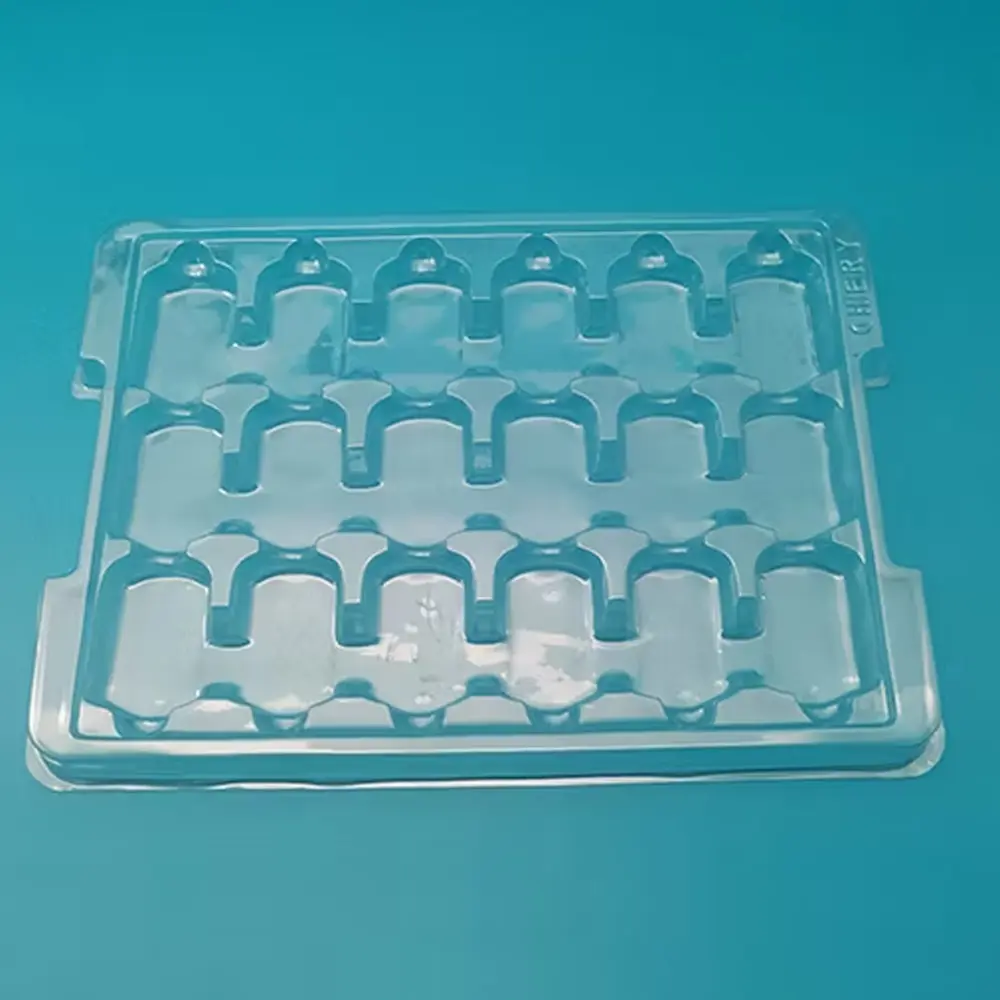 Blister Packaging Tray
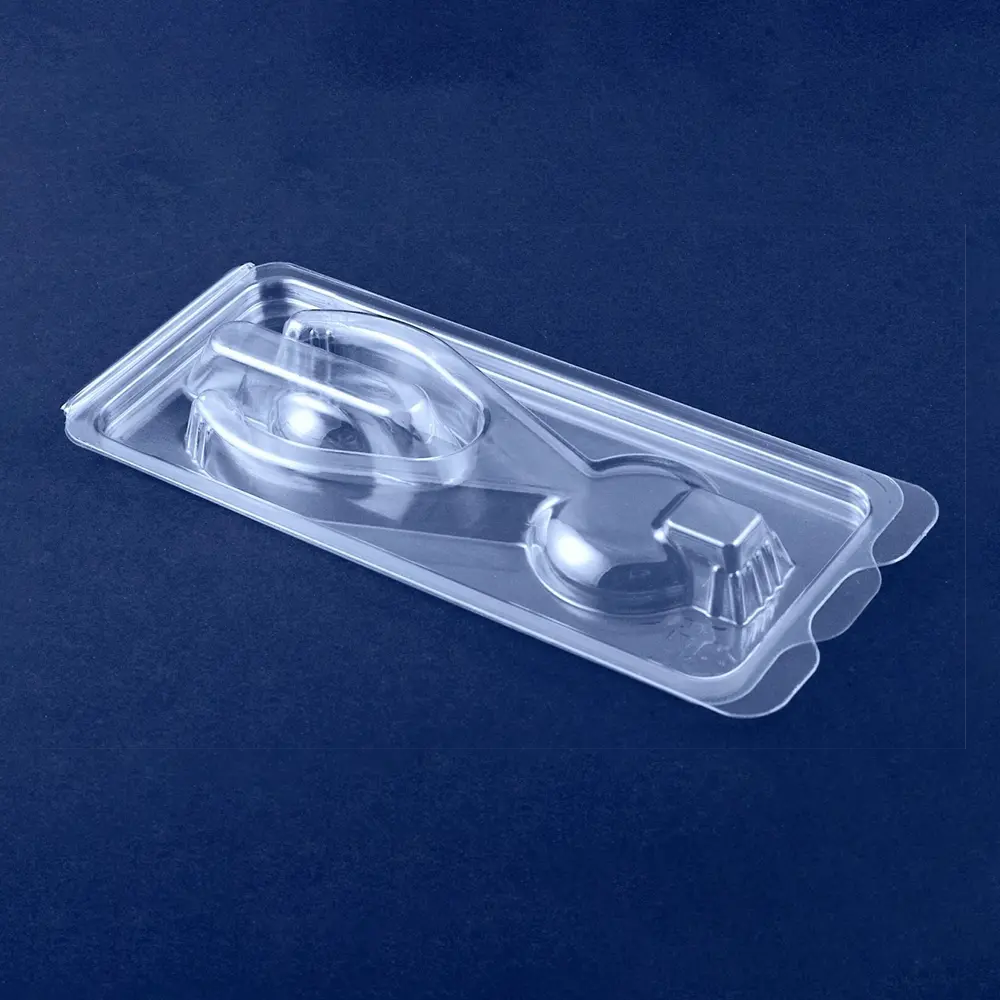 Clamshell Packaging
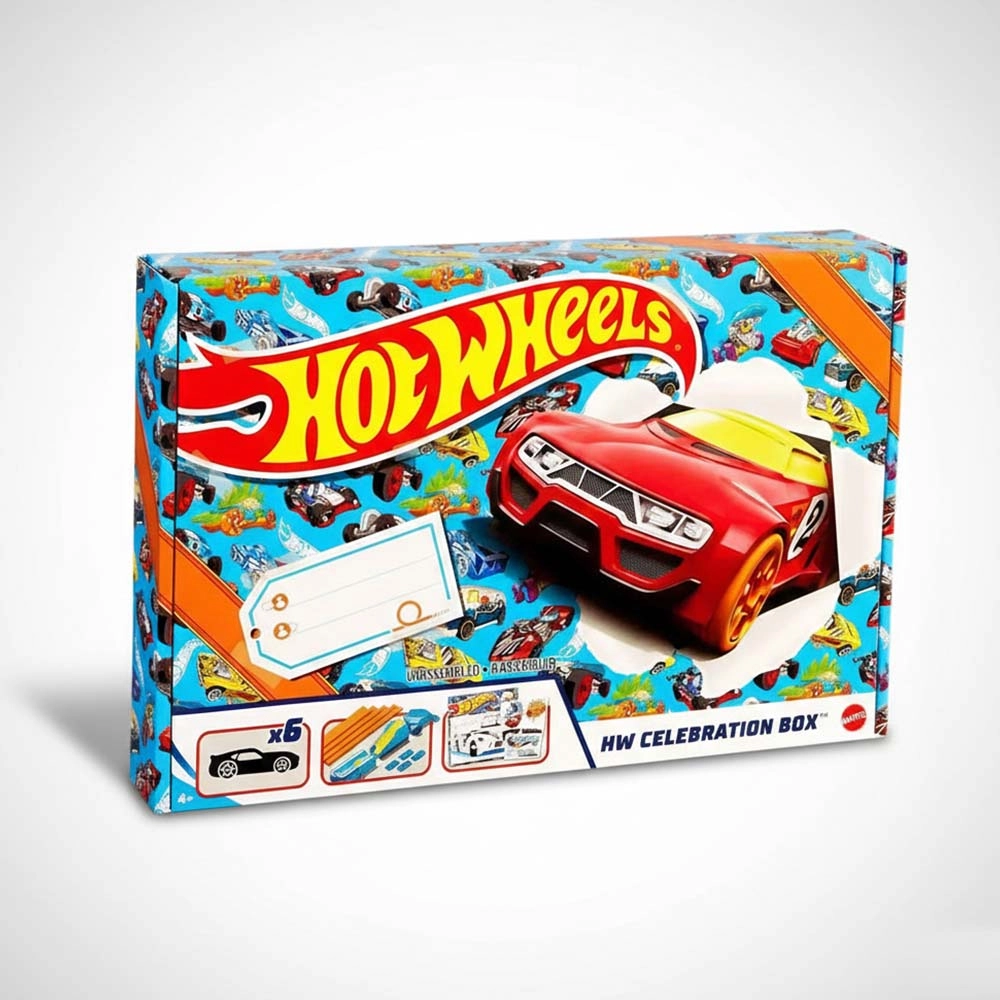 Custom Hot Wheels Packaging
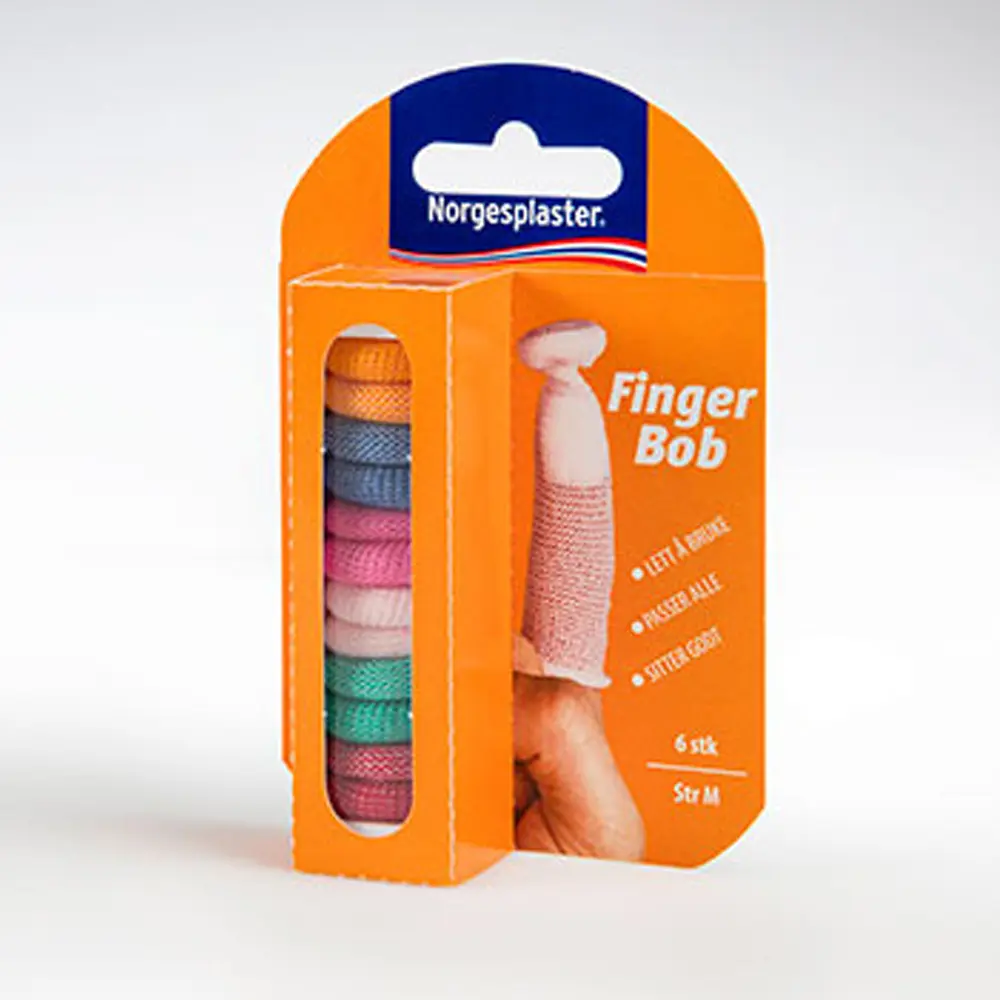 Display Blister Packaging
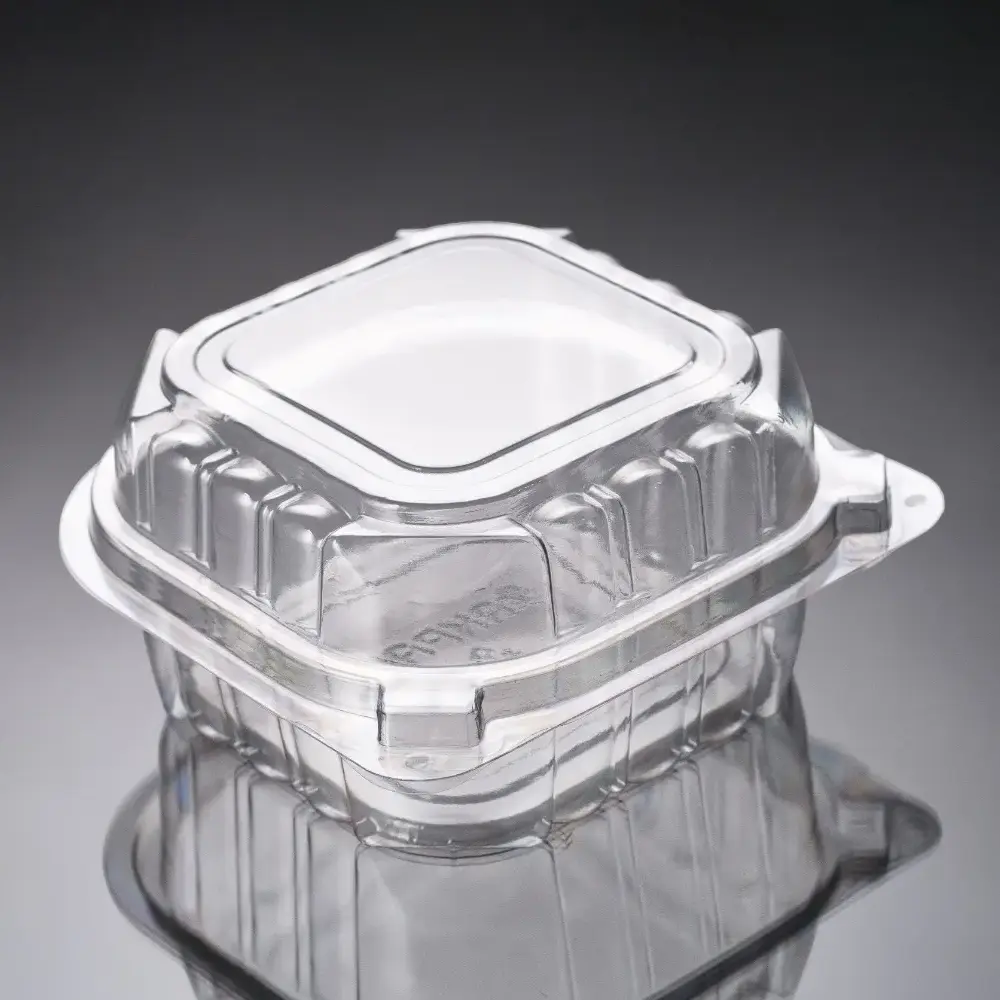 Hinged Packaging
 Pharma Blister Packaging
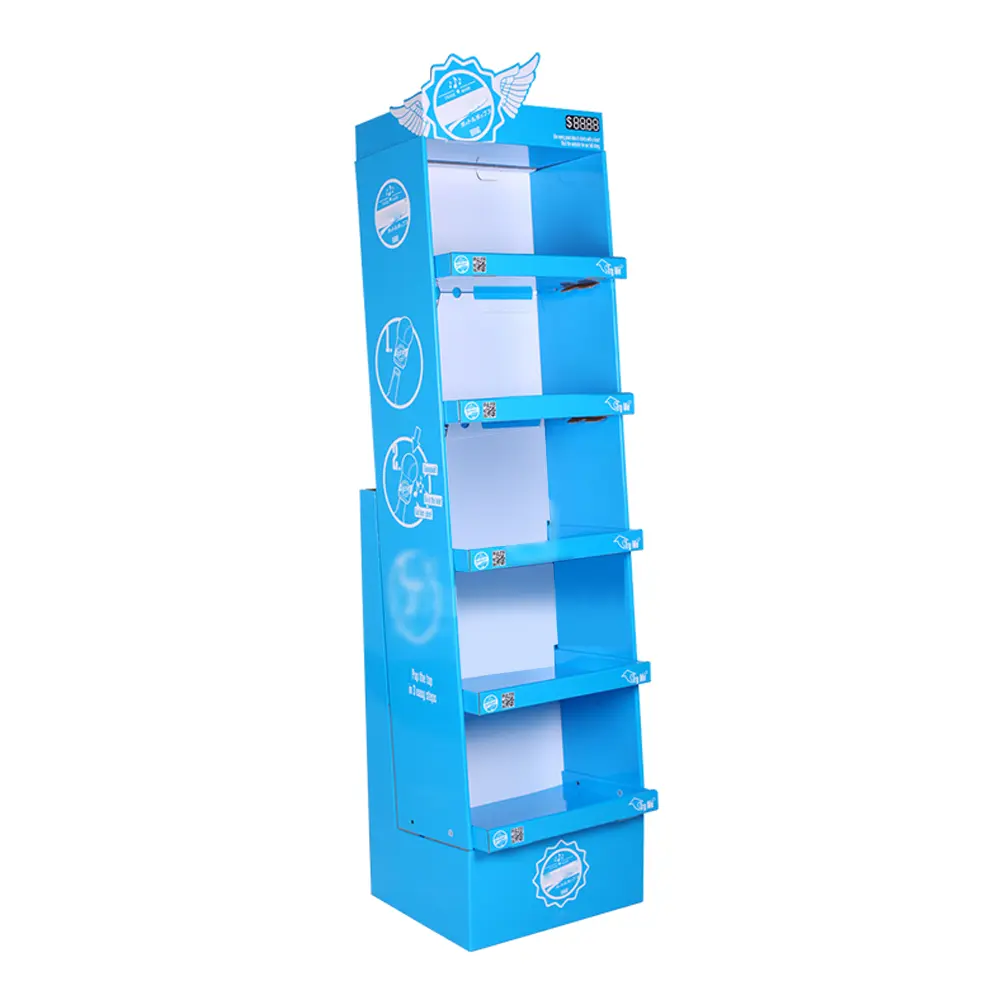
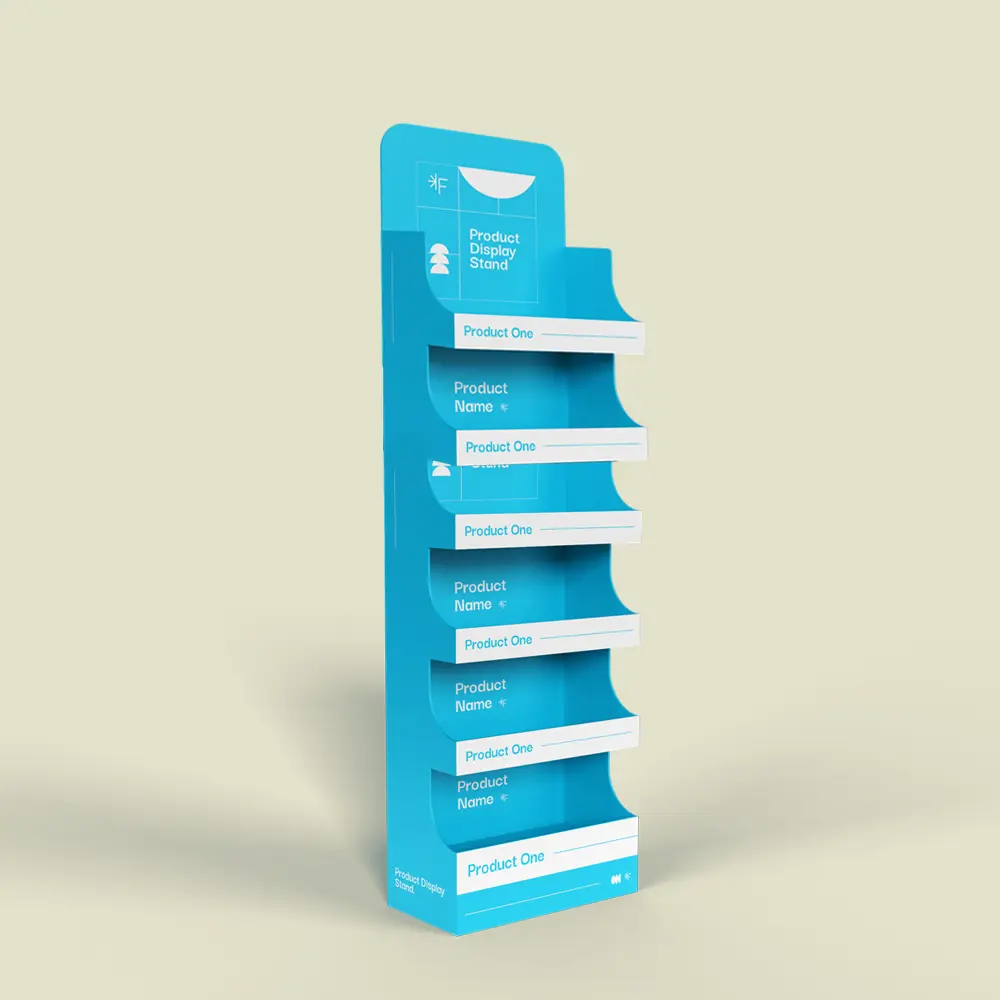 Blue & White Six Shelf Display
 72 Cells/pocket Floor Display
 Hook/Peg Floor Display
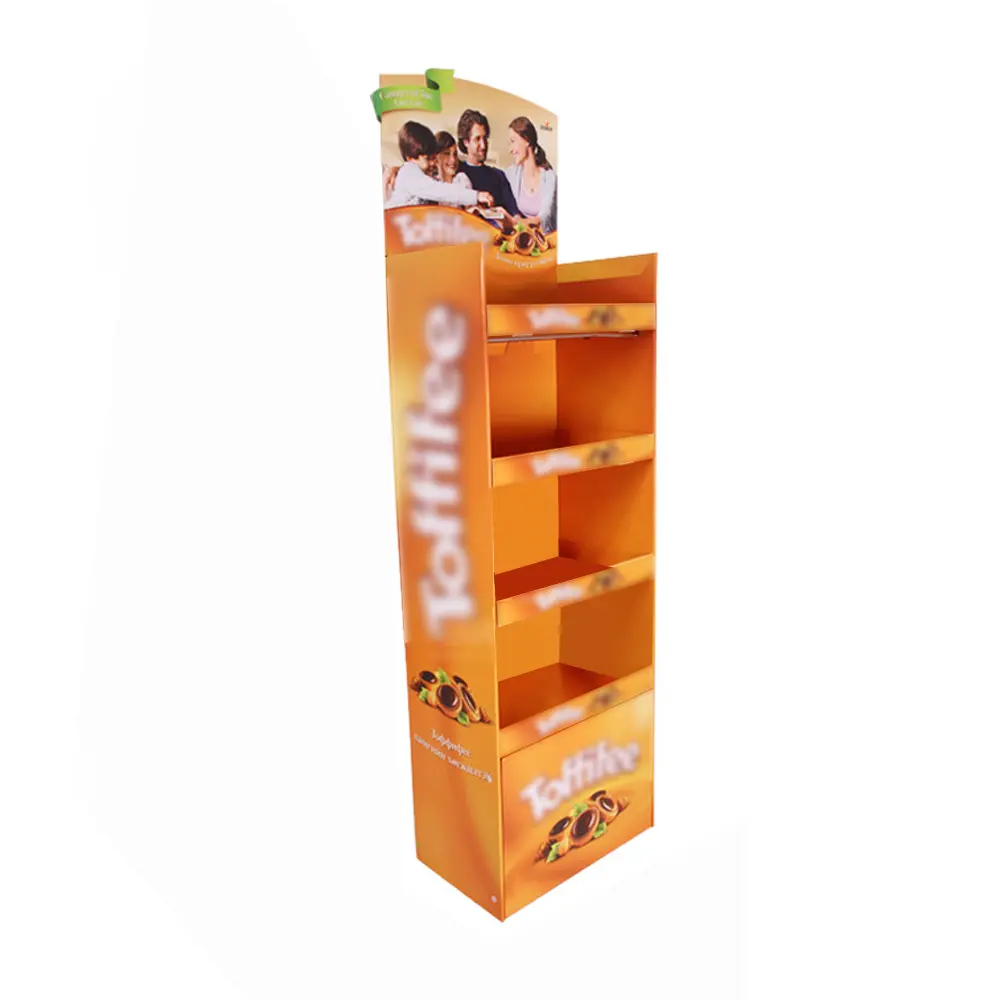 Orange Four Shelf Display
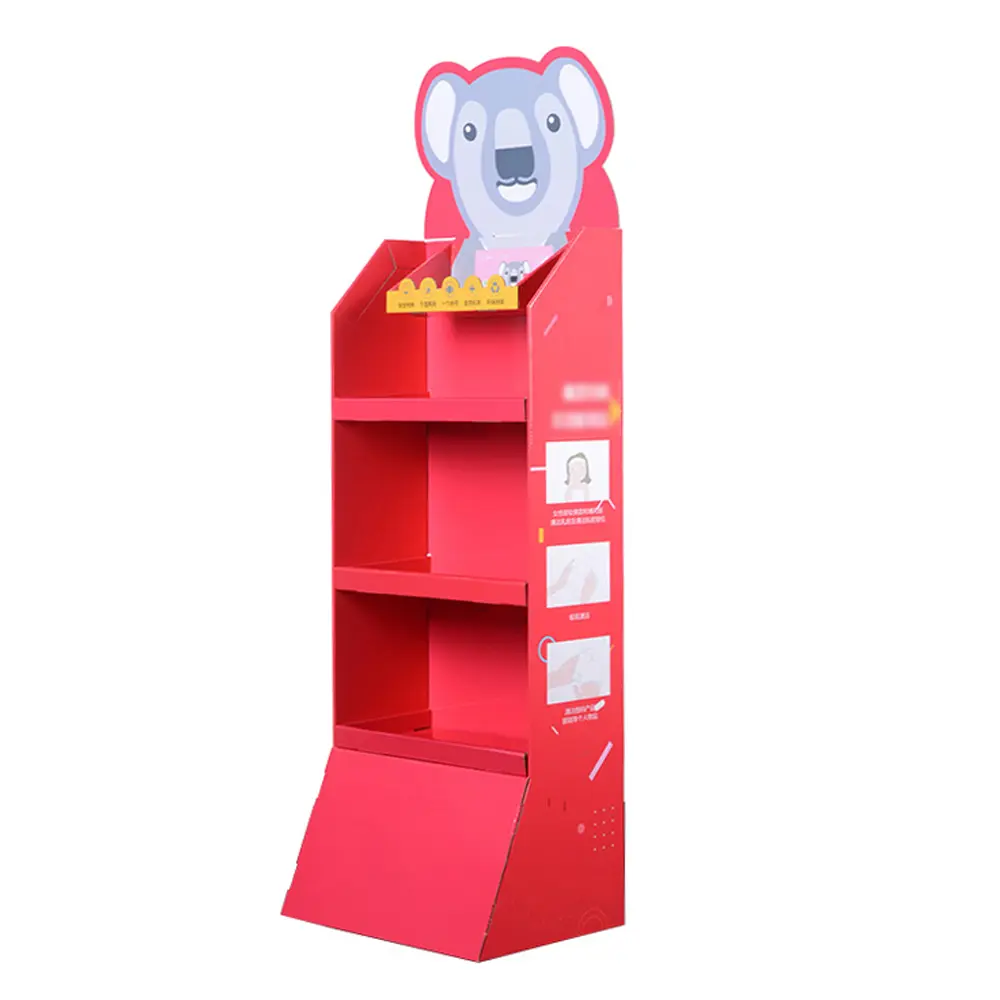 Three Tray Floor Display
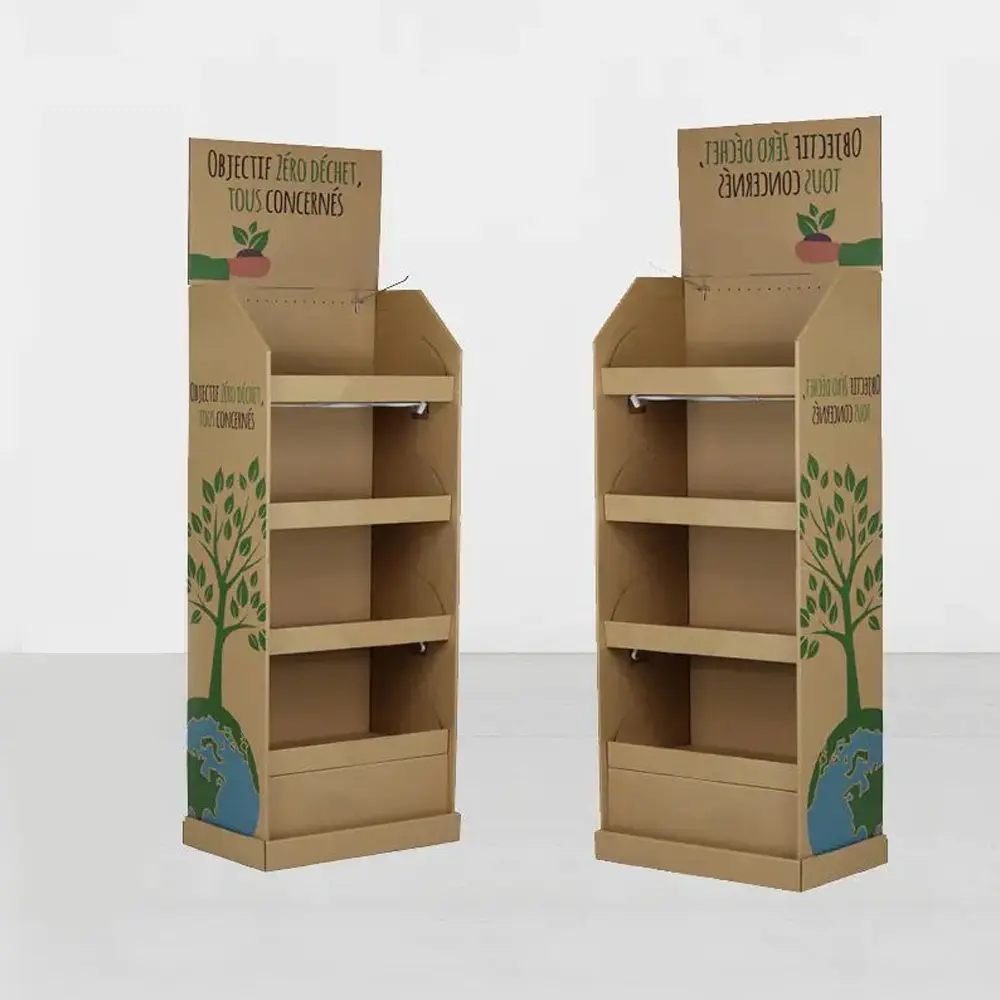 Tray Floor Display
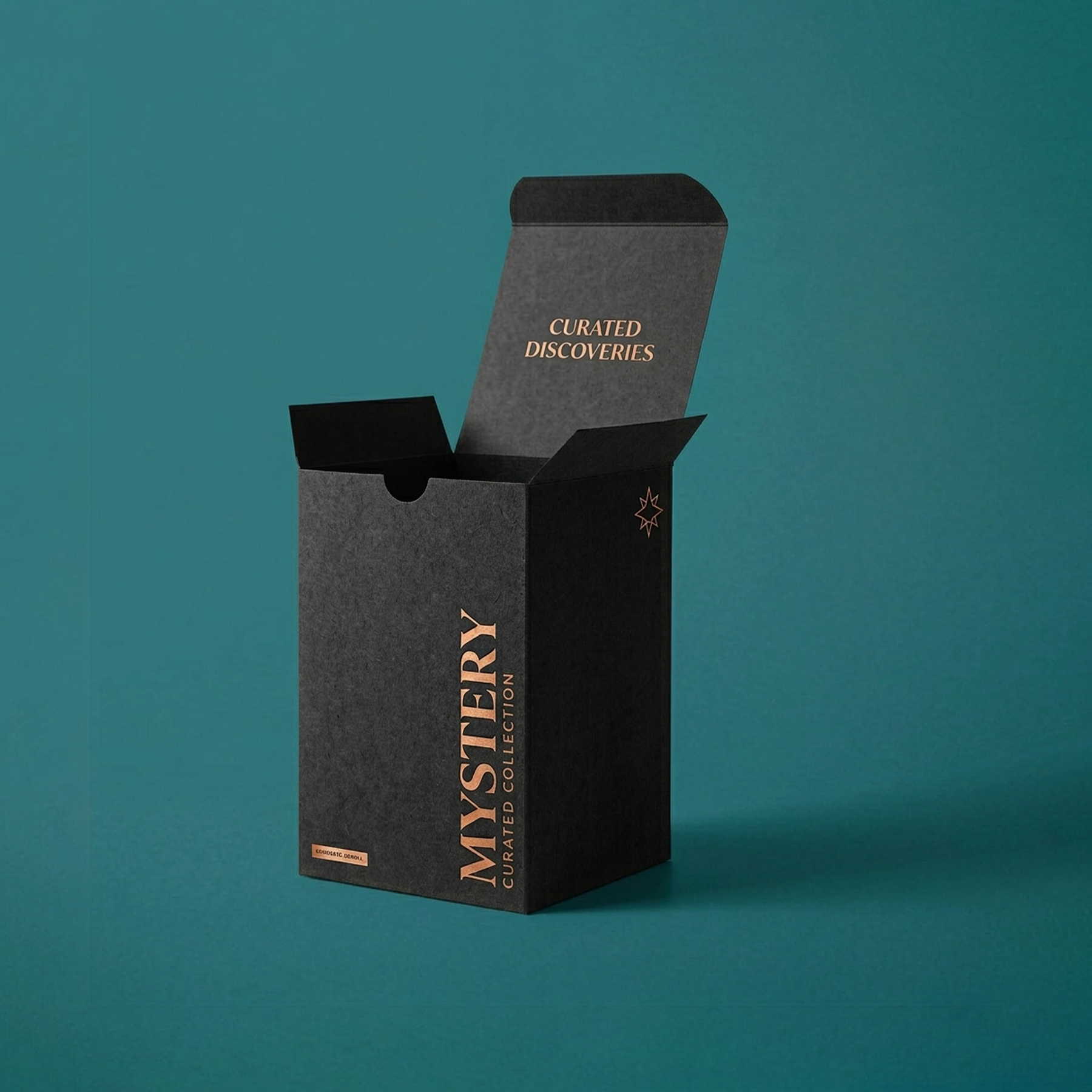 Black Kraft Boxes
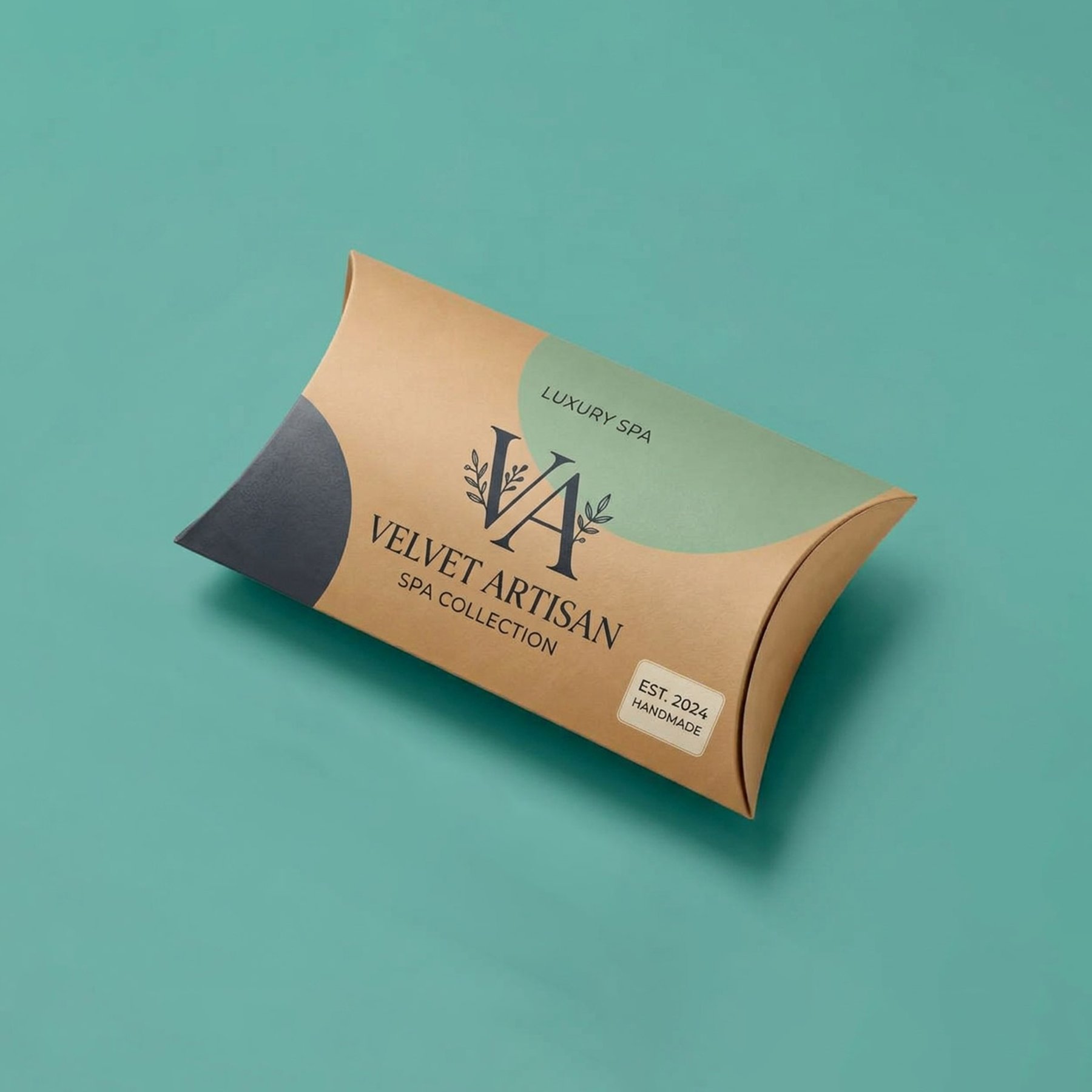 Custom Kraft Pillow Soap Boxes
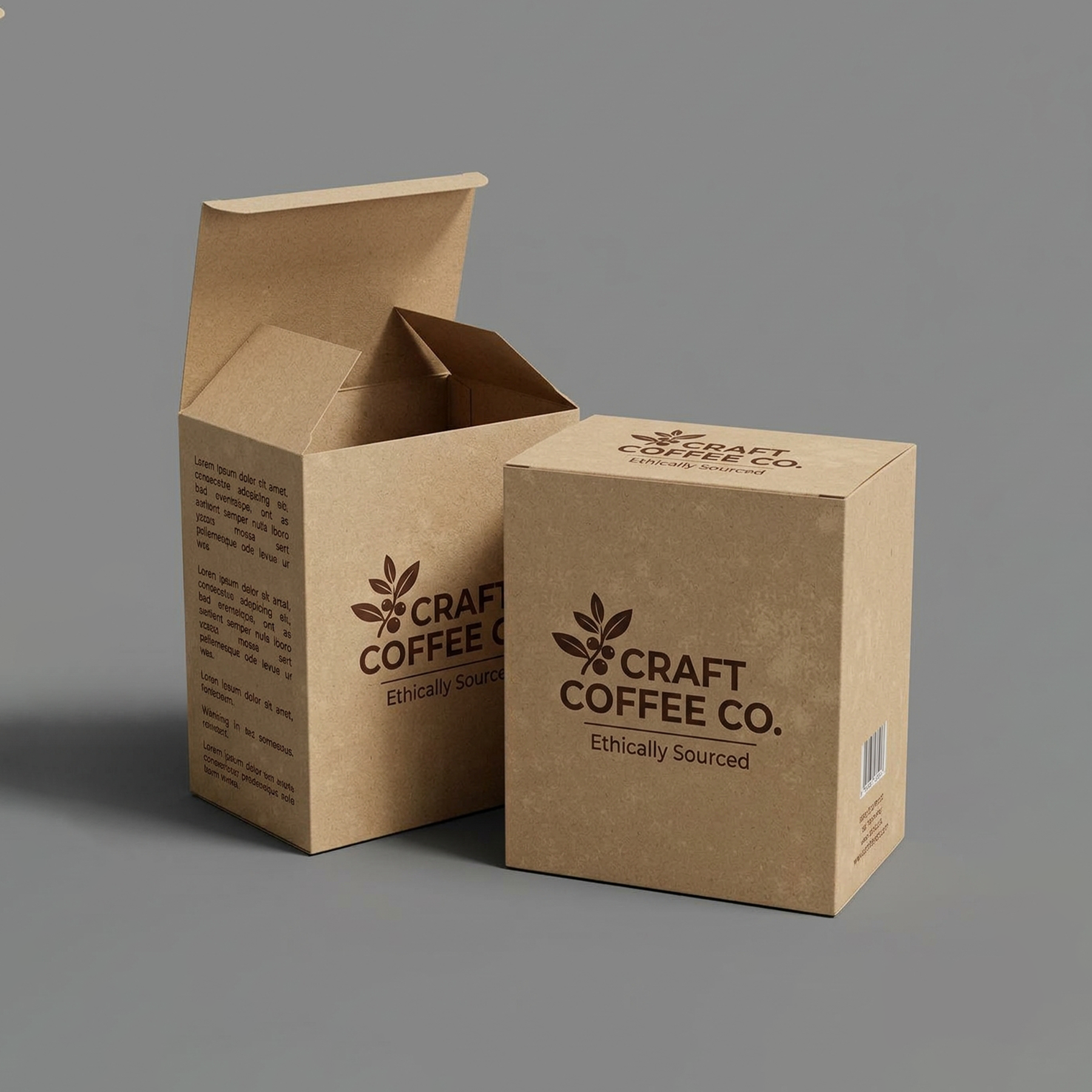 Custom Printed Kraft Packaging Boxes
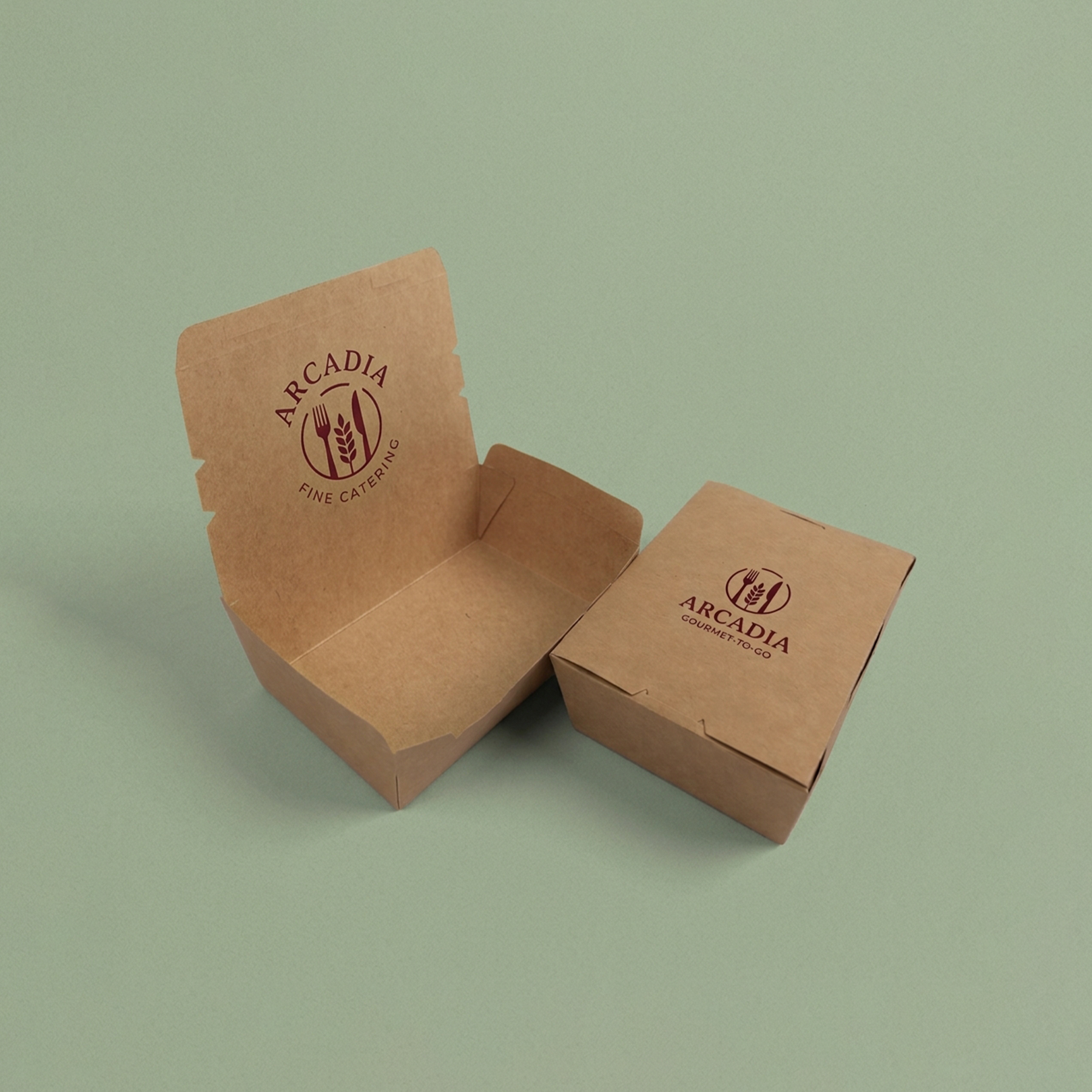 Disposable Kraft Paper Boxes
 Eco-Friendly Kraft Boxes
 Kraft Paper Bags
 Kraft Boxes with Lids
 Kraft Cosmetic Boxes
 Kraft Die Cut Boxes
 1-2-3 Bottom Box
 Auto Bottom With Display Lid
 Seal End Auto Bottom
 Gable Bags
 Six Corner
 Sleeve
 Tray
 Custom Sleeve Boxes
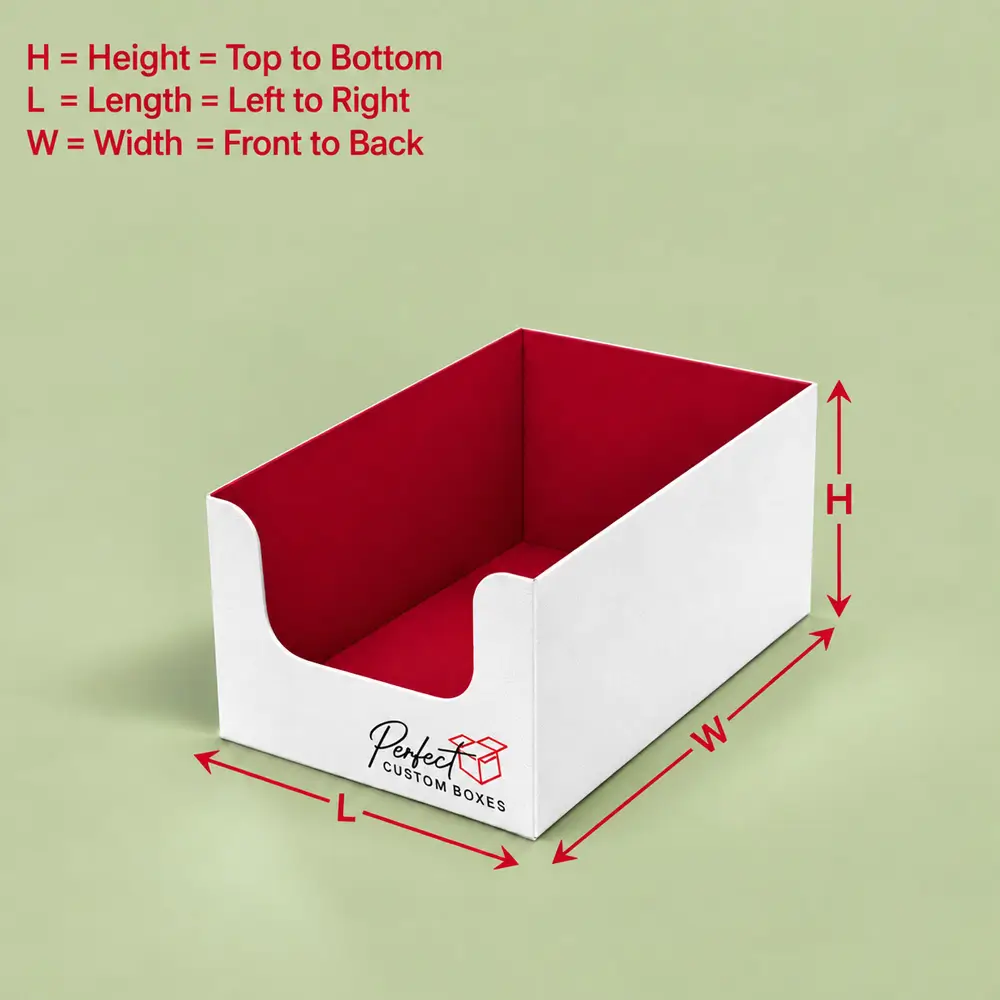 DIM
 Gable Box Auto Bottom
 Hexagon Two Piece
 Regular Four Corner Box
 Two Piece
 Dispenser Box
 Four Corner with Display Lid
 Pillow Box
 Reverse Tuck End
 Seal End
 Straight Tuck End
 Tuck End Auto Bottom
 Bottom Tray
 Brief Case Style
 Display Box With Double Walls
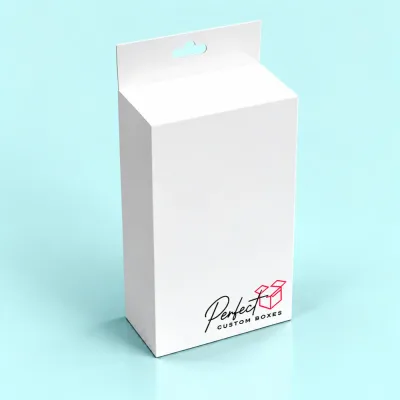 Tuck End With Hanging Tab
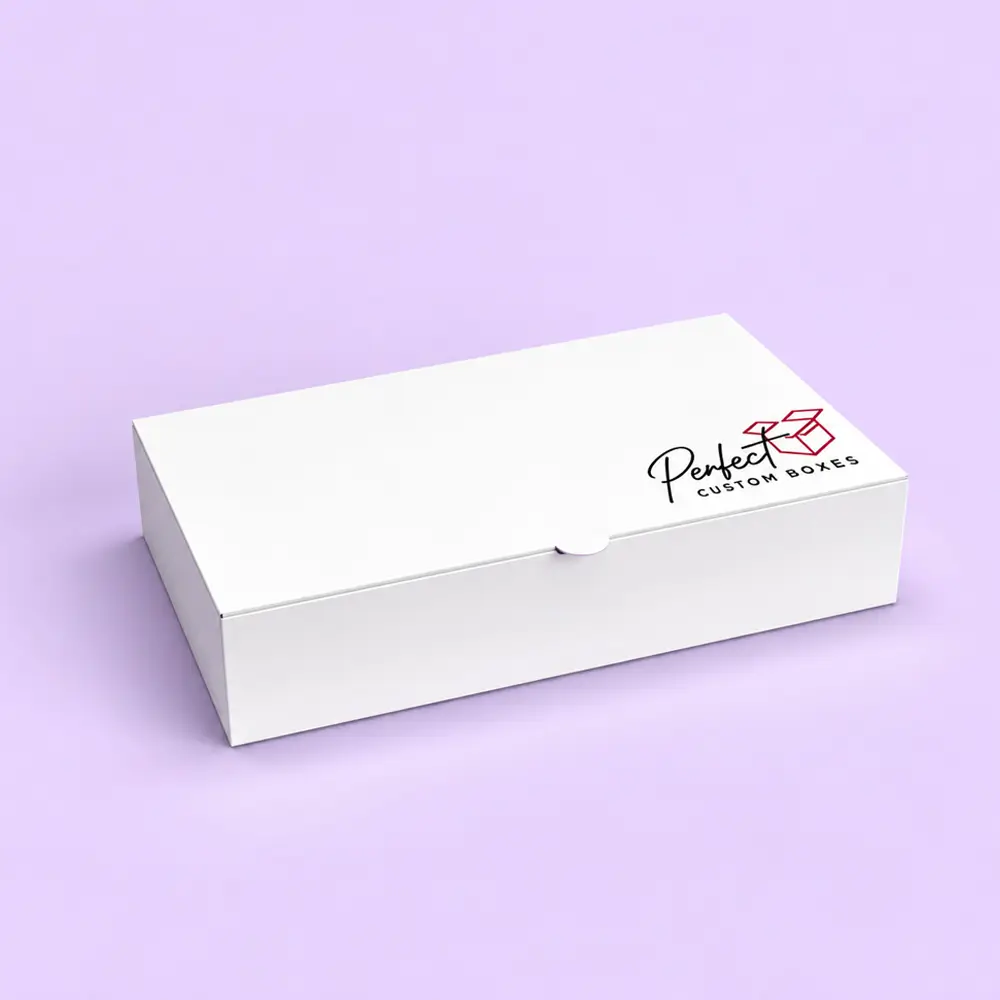 Double Locked Wall Lid
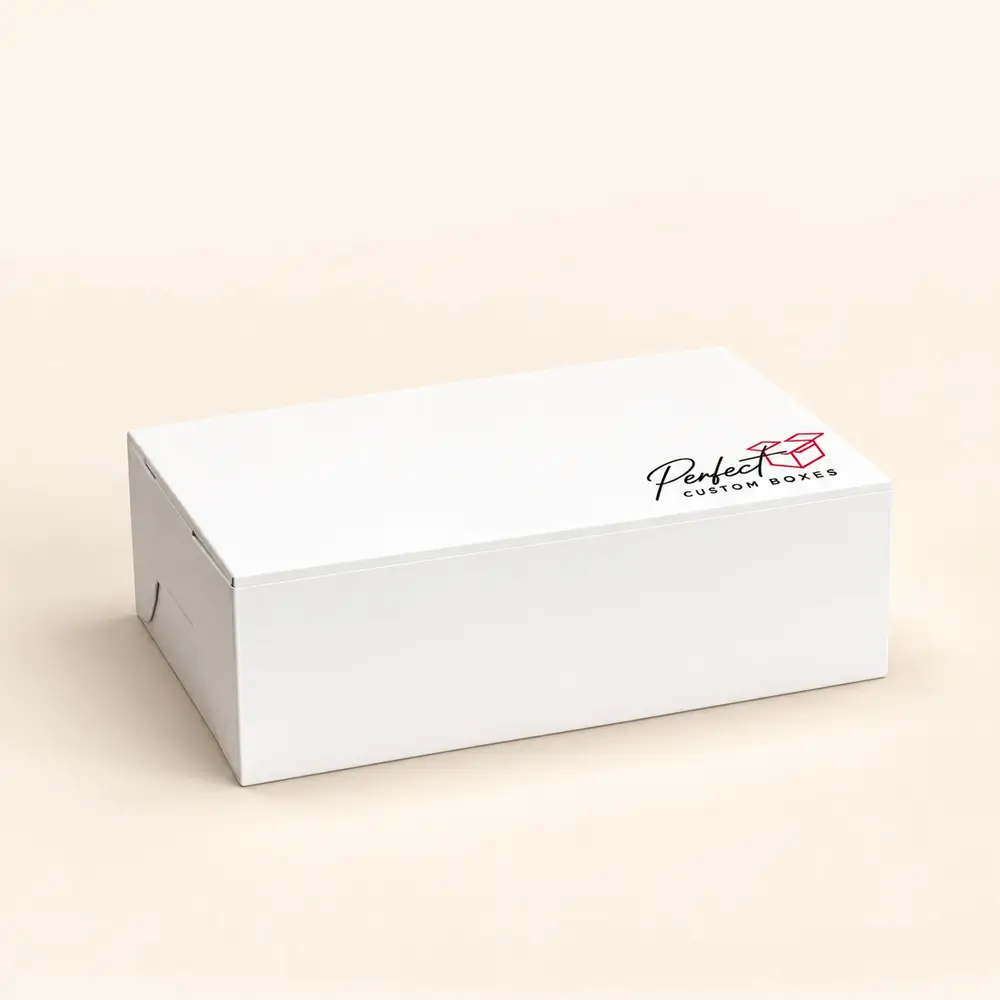 Self Lock Cake Box
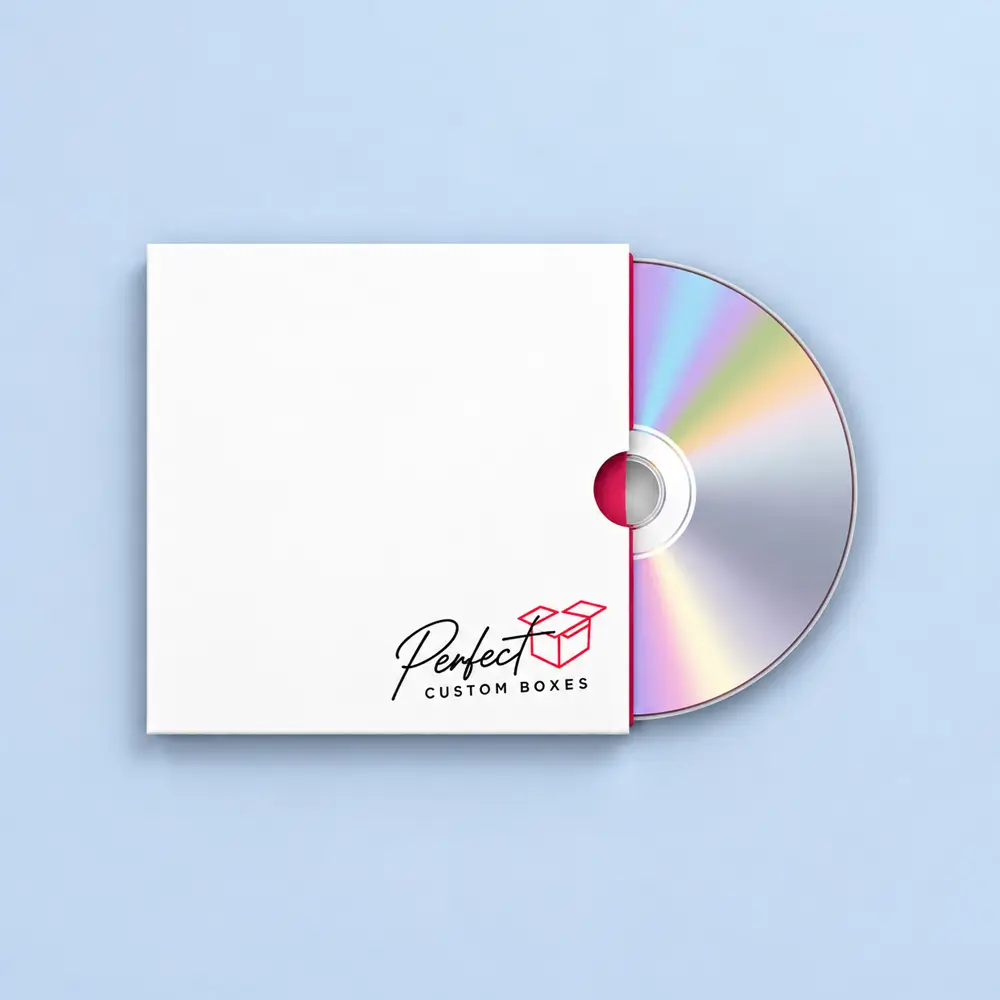 Cd Jacket
 Kraft Boxes
 Corrugated Boxes
 Cardstock Boxes
 Rigid Boxes
 Eco Friendly Packaging
 CMYK Printing
 PMS Printing
 Matte Finish
 Gloss Finish
 Soft Touch
 Foil Stamping
 Spot UV
 Embossing
 Debossing
 Window Cutouts
Dimensional Weight (DIM Weight)
Dimensional weight is a shipping weight that carriers calculate from the size of a package rather than what it weighs on a scale. The box's length, width and height are multiplied together and divided by a number called the DIM divisor, usually 139 for packages measured in inches and pounds. Carriers then charge for whichever is higher, the dimensional weight or the actual weight. This is how they charge for the space a light but bulky box takes up on a truck or plane, and it is why a box sized closely to your product can cut your shipping bill.
Also calledDIM weight · volumetric weight · cubic weight
Dimensional Weight in 30 Seconds
Formula: length × width × height, divided by the carrier's DIM divisor.
You pay for the higher of dimensional weight and actual weight, called the billable weight.
In 2026, UPS, FedEx and USPS all use 139 for standard business rates. USPS only applies it to packages over 1 cubic foot.
The fastest way to pay less is to ship less empty space, with a box sized to your product.
What Is Dimensional Weight?
Trucks, planes and delivery vans fill up by space as often as by weight. A box of pillows weighs very little but takes up as much room as a box of books. If carriers charged only by weight, the pillows would ship almost free while still filling the van. Dimensional weight fixes that by turning a package's size into an equivalent weight.
For small, dense items such as books or tools, the actual weight is usually higher, so dimensional weight makes no difference. For light, bulky items such as apparel, cosmetics in large gift boxes or anything packed with lots of filler, the dimensional weight is often higher, and the shipper ends up paying for empty space.
To work it out, the carrier measures the outside of the packed box, multiplies the three sides to get its volume, and divides by a set number, the DIM divisor.
The result is the weight the carrier treats the box as having because of its size.
That number is compared with the package's actual weight on a scale, and the higher of the two becomes the billable weight used to price the shipment.
How Do You Calculate Dimensional Weight?
- 01
Measure the box
Measure the outside length, width and height of the packed box, and round each side up to the next whole inch.
- 02
Find the volume
Multiply length × width × height to get the cubic inches.
- 03
Divide by the divisor
Divide the cubic inches by your carrier's DIM divisor, such as 139, and round up to the next whole pound.
- 04
Compare with the actual weight
The higher number is the billable weight you pay for.
Skip the maths with our free Dimensional Weight Calculator, which compares divisors side by side.
What Do Dimensional Weight Terms Mean?
These words appear on carrier rate guides, invoices and shipping software. Here is what each one means.
What DIM Divisor Does Each Carrier Use?
Divisors are set by each carrier and can change with new rate guides, and your account or contract may use a different number. These are the published US figures as of 2026.
Carriers also round. Each side is rounded up to the next whole inch before multiplying, and the dimensional weight is rounded up to the next whole pound. A box measuring 12.2 in is billed as 13 in.
What Is the DIM Weight of Common Box Sizes?
The mailer box sizes our customers order most often, with dimensional weight rounded up to the next pound at a divisor of 139.
All of these are under 1 cubic foot, so USPS would bill them on actual weight, while UPS and FedEx apply dimensional weight.
Do Carriers Use Inside or Outside Box Dimensions?
Carriers measure the outside of the package. Box makers, including us, quote boxes by their inside dimensions, because that is the space your product needs. The outside is slightly larger because of the board's thickness: thin E-flute mailer board adds very little, while thicker C-flute or double wall board adds more to each side. When you plan shipping costs, allow for that difference. Our Box Size Guide explains how to measure, and Flute Types shows how thick each board is.
When Does Dimensional Weight Start to Cost You?
For every actual weight there is a break-even volume: the largest box you can use before dimensional weight becomes the higher number. Stay under it and you pay for the actual weight.
How Can You Lower Your Dimensional Weight?
- Size the box to the product.Measure the inside length, width and depth your product needs, including any insert or tissue, and order a box made to that size.
- Cut the filler.A right-sized box uses less void fill and protects the product better.
- Use inserts.Custom inserts hold products in place, so the box can stay compact.
- Choose thinner board where it is safe.E-flute mailers keep the outside size close to the inside size for light products.
- Consider a mailer for small items.Poly and paper mailers take up far less space than a box for small, non-crushable items. See Poly vs Paper Mailers.
Right-Sized Boxes We Make
Every box is made to your product's exact inside dimensions, so less space is billed, with free design support.
 Custom Mailer BoxesMade to your inside dimensions
 Cardboard Mailer BoxesSlim E-flute or sturdy B-flute
 Book Mailer BoxesLow-profile wrap-around mailers
 Double Wall Tuck FrontRolled walls for compact mailers
 Full Flap Shipping BoxCustom sizes for heavier items
 White Shipping BoxesBranded boxes sized to fit
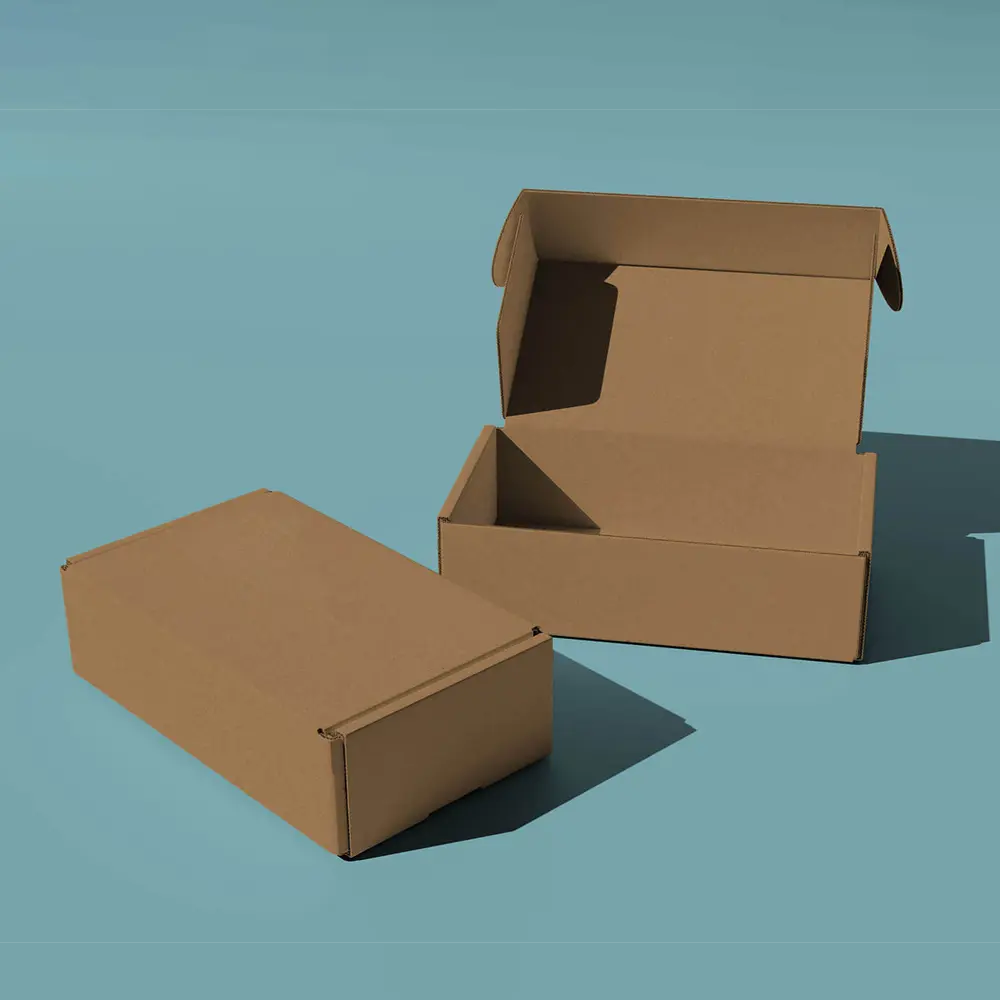 Kraft Corrugated BoxesNatural kraft in any size
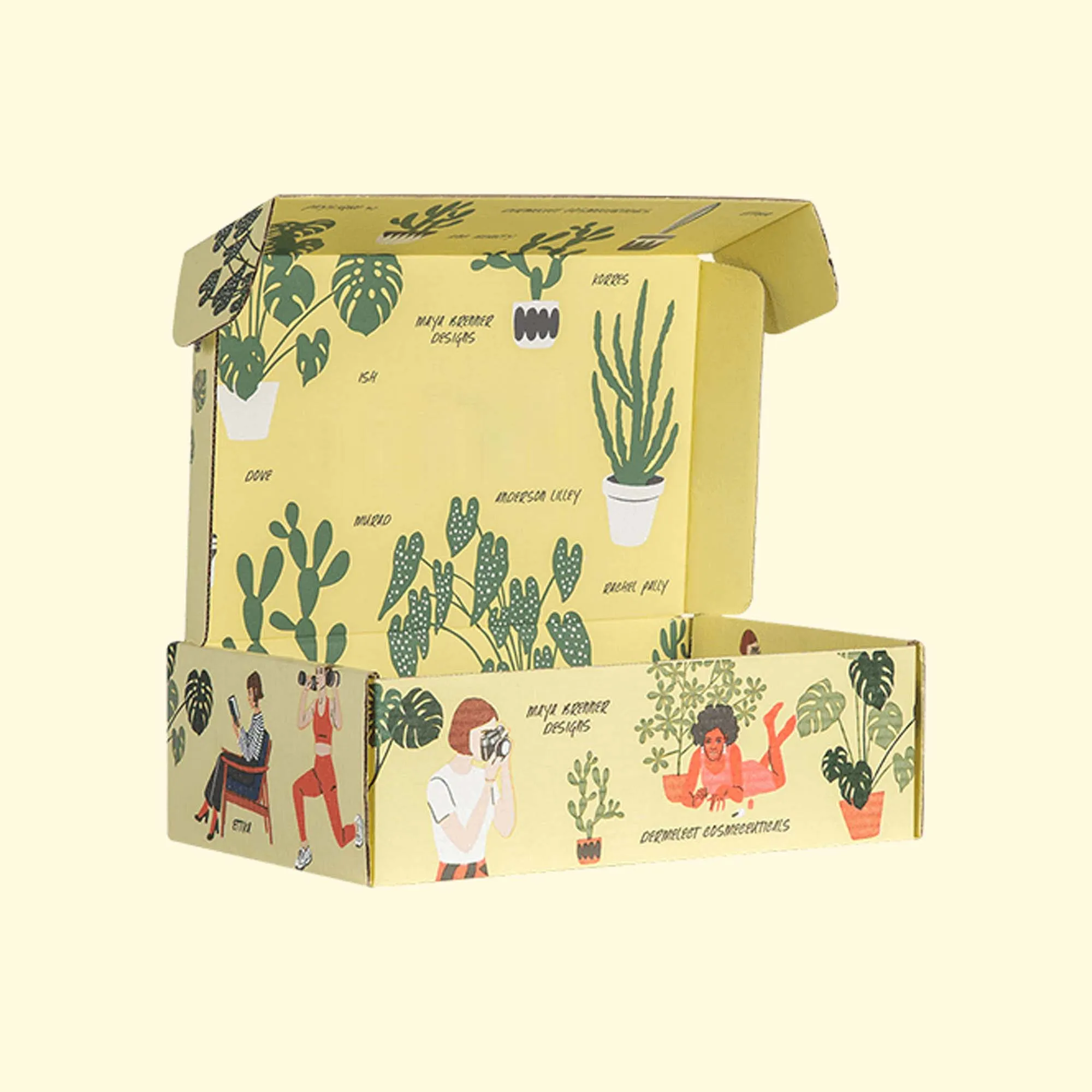 Custom Printed Corrugated BoxesE, B, C-flute or double wall
Comparing box types? See Mailer vs Shipping Boxes.
Free Packaging Tools
Plan your box size and shipping cost before you request a quote. All tools are free, with no signup.
Frequently Asked Questions
What is dimensional weight?
Dimensional (DIM) weight is a weight carriers calculate from a package's size: length times width times height, divided by a DIM divisor. Carriers charge for whichever is higher, the dimensional weight or the actual weight.
How do you calculate dimensional weight?
Measure the outside of the box, round each side up to the next inch, multiply length by width by height, and divide by your carrier's divisor. For example, a 12 x 9 x 4 in box is 432 cubic inches, and 432 divided by 139 is about 3.1, billed as 4 lb.
What is the DIM divisor for UPS and FedEx?
Both use 139 for standard business shipments measured in inches and pounds. UPS uses 166 for retail counter rates. Your account may have its own divisor, so check your rate agreement.
What DIM divisor does USPS use?
USPS uses 139, changed from 166 on July 12, 2026. It only applies dimensional weight to packages larger than 1 cubic foot (1,728 cubic inches).
What is billable weight?
Billable weight is the higher of the actual weight and the dimensional weight. It is the weight your shipping price is based on.
Does dimensional weight apply to every package?
With UPS and FedEx, it can apply to any package. With USPS, it only applies to packages over 1 cubic foot, so smaller boxes are billed on actual weight.
What is the metric dimensional weight divisor?
5,000 is common for shipments measured in centimetres and kilograms: length times width times height in cm, divided by 5,000, gives the dimensional weight in kg.
Do carriers measure inside or outside box dimensions?
Outside. Box makers quote inside dimensions, so the outside is slightly larger by the thickness of the board.
How can I avoid paying dimensional weight?
Use a box sized close to your product, cut the filler, use inserts to keep the box compact, and consider a mailer for small, non-crushable items.
Can you make a box to lower my shipping costs?
Yes. Every box is made to your product's exact dimensions. Send us your product sizes, and we will recommend the inside dimensions.

Stop Paying to Ship Empty Space
Send us your product sizes, and our team will recommend a box made to fit, with free design support and free shipping.