 Serum Bottles
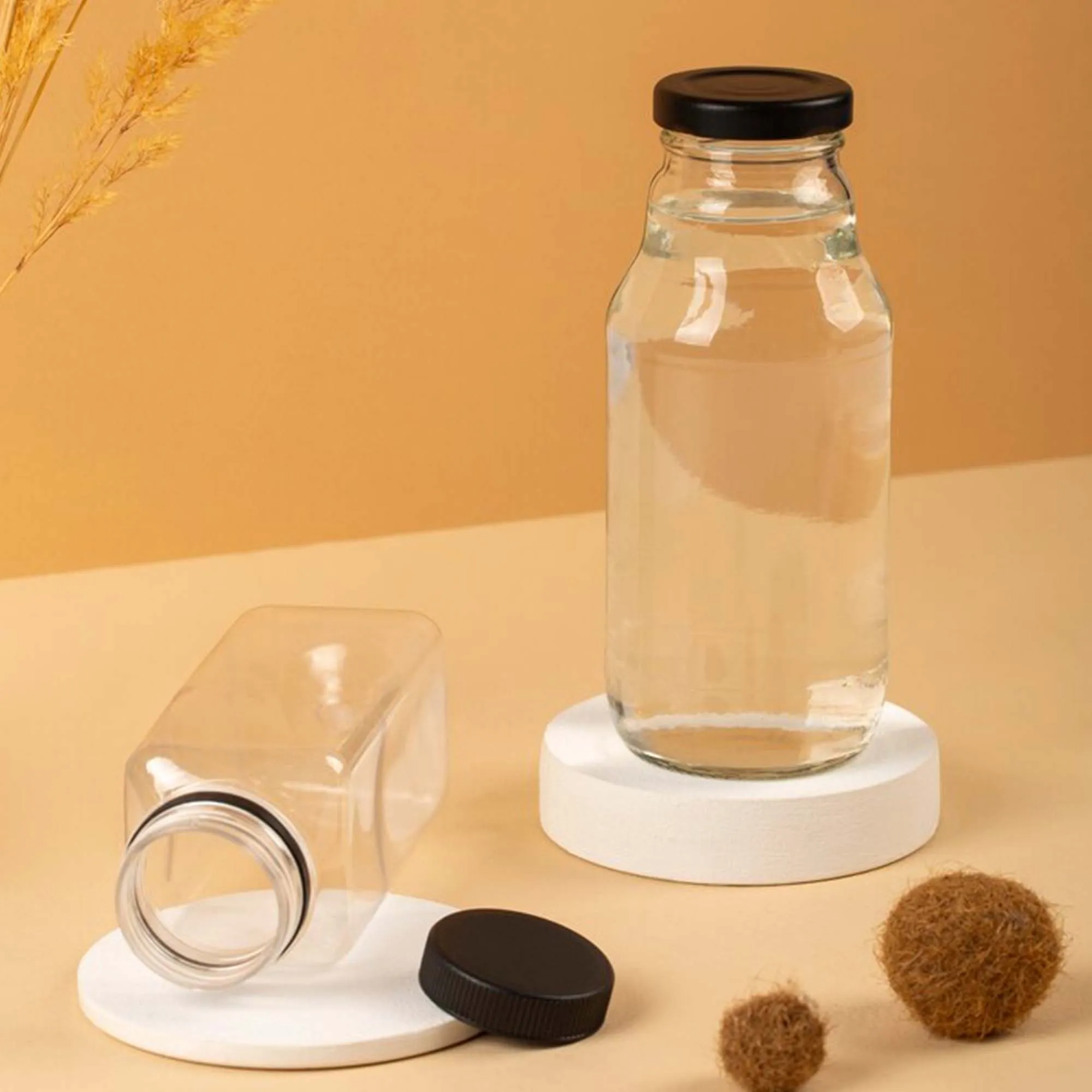 Clear Glass Bottles
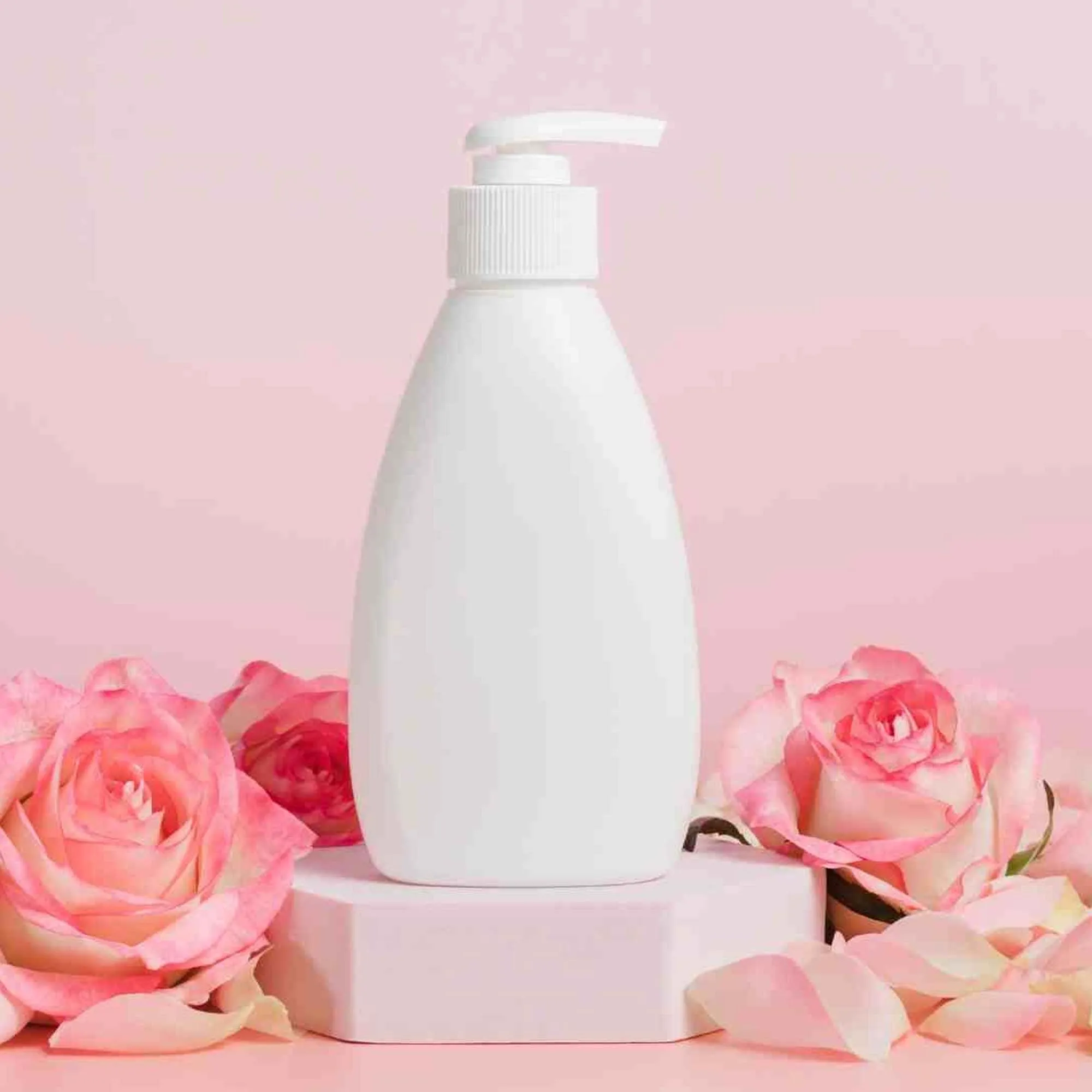 Lotion Bottles
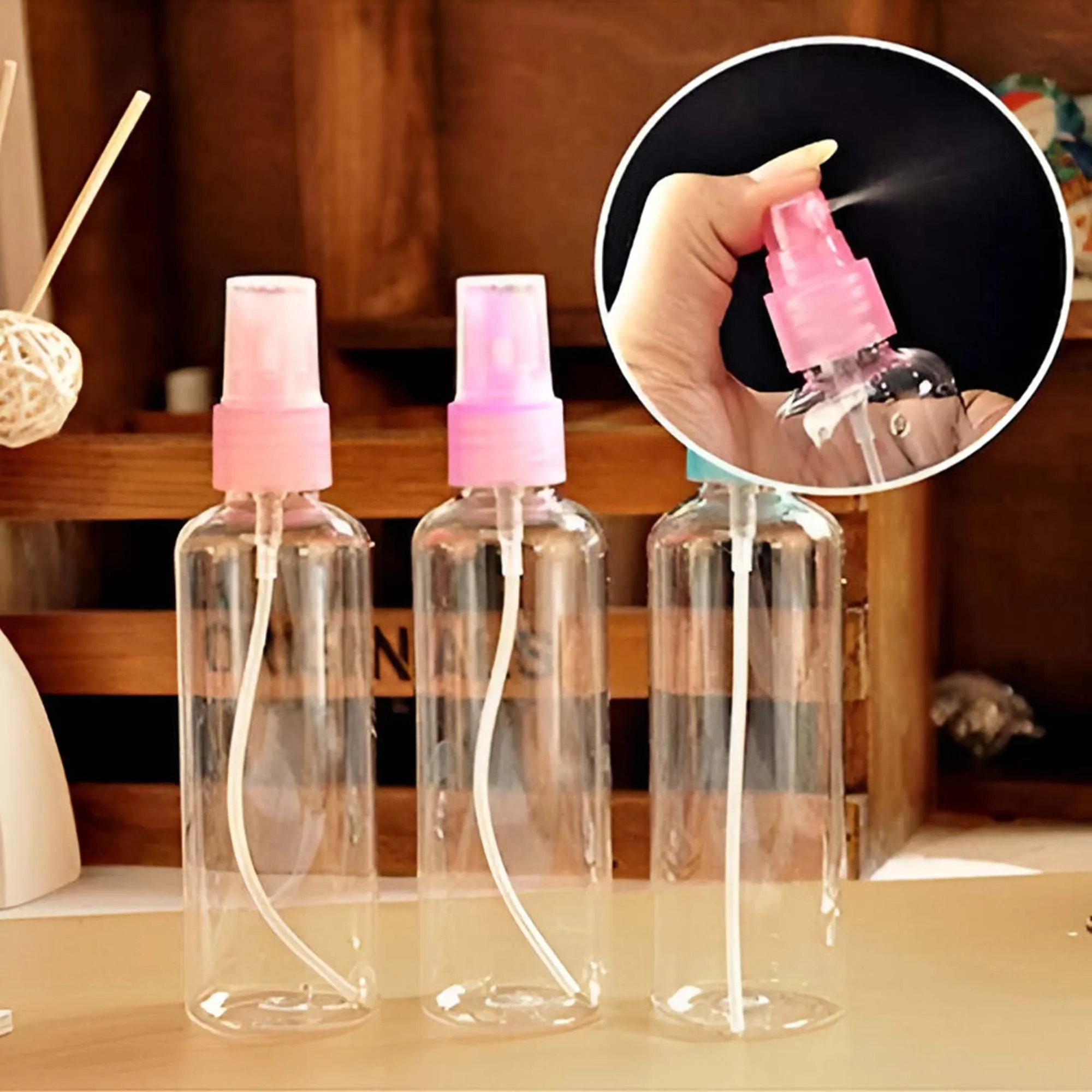 Plastic Bottles
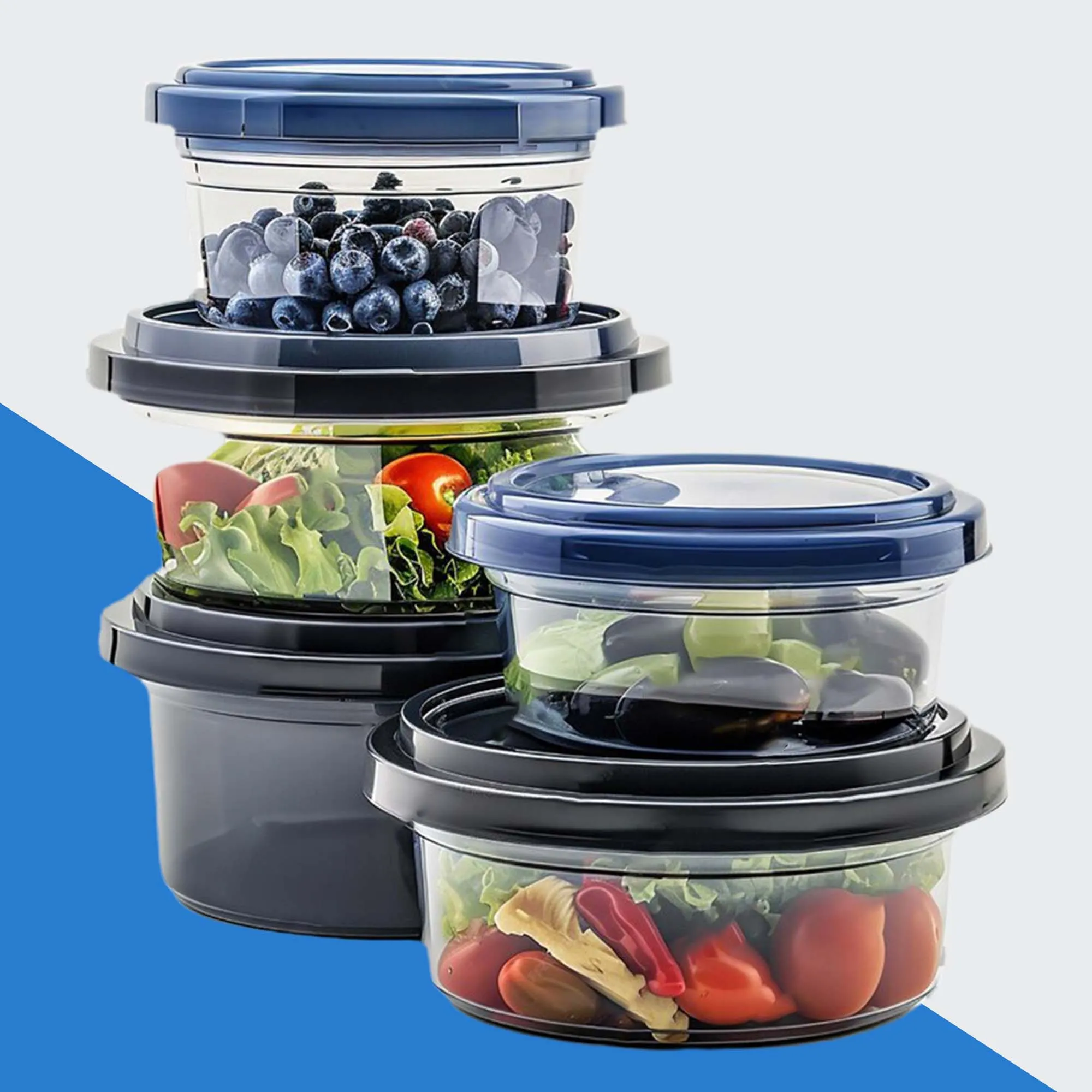 Food Storage Containers
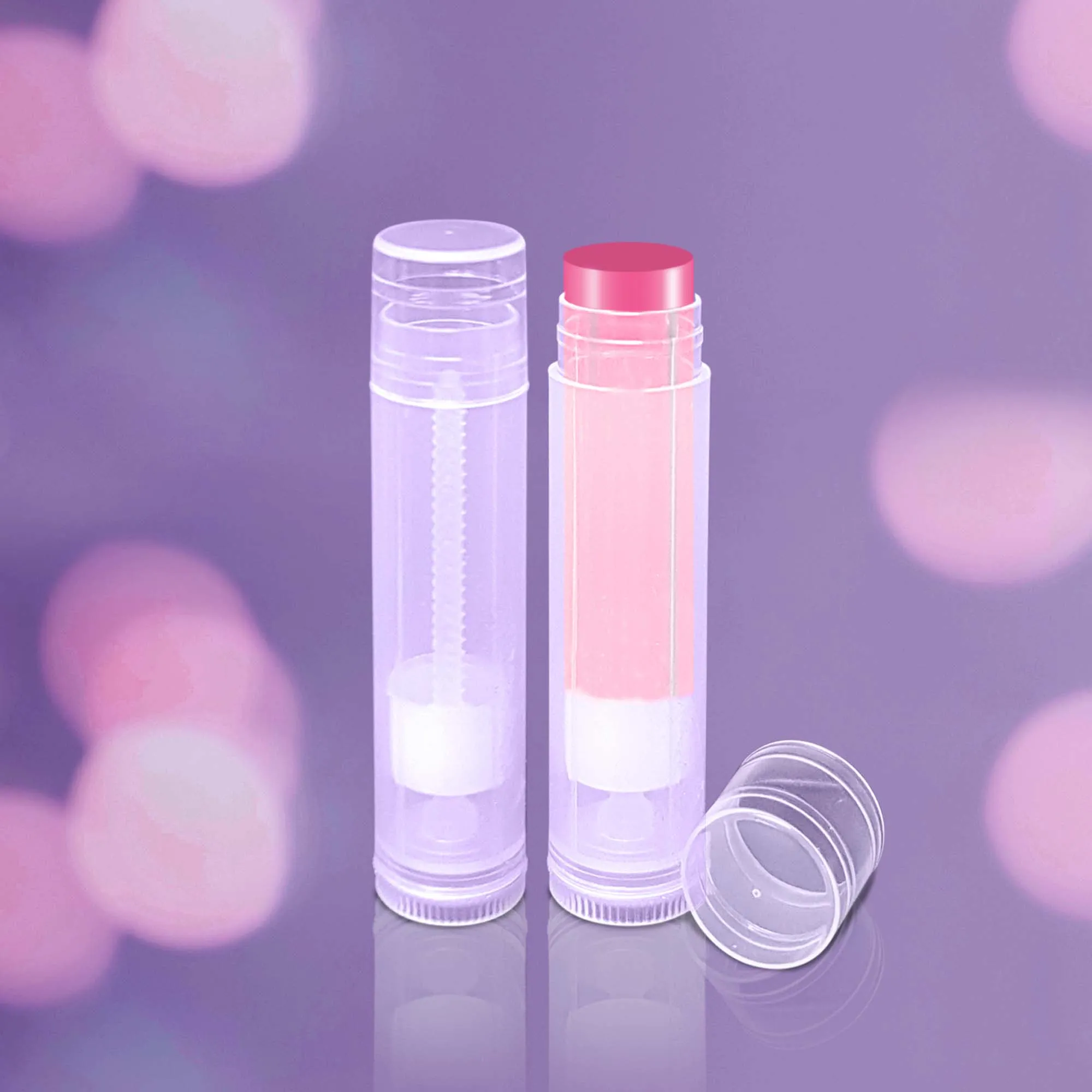 Lip Balm Tubes
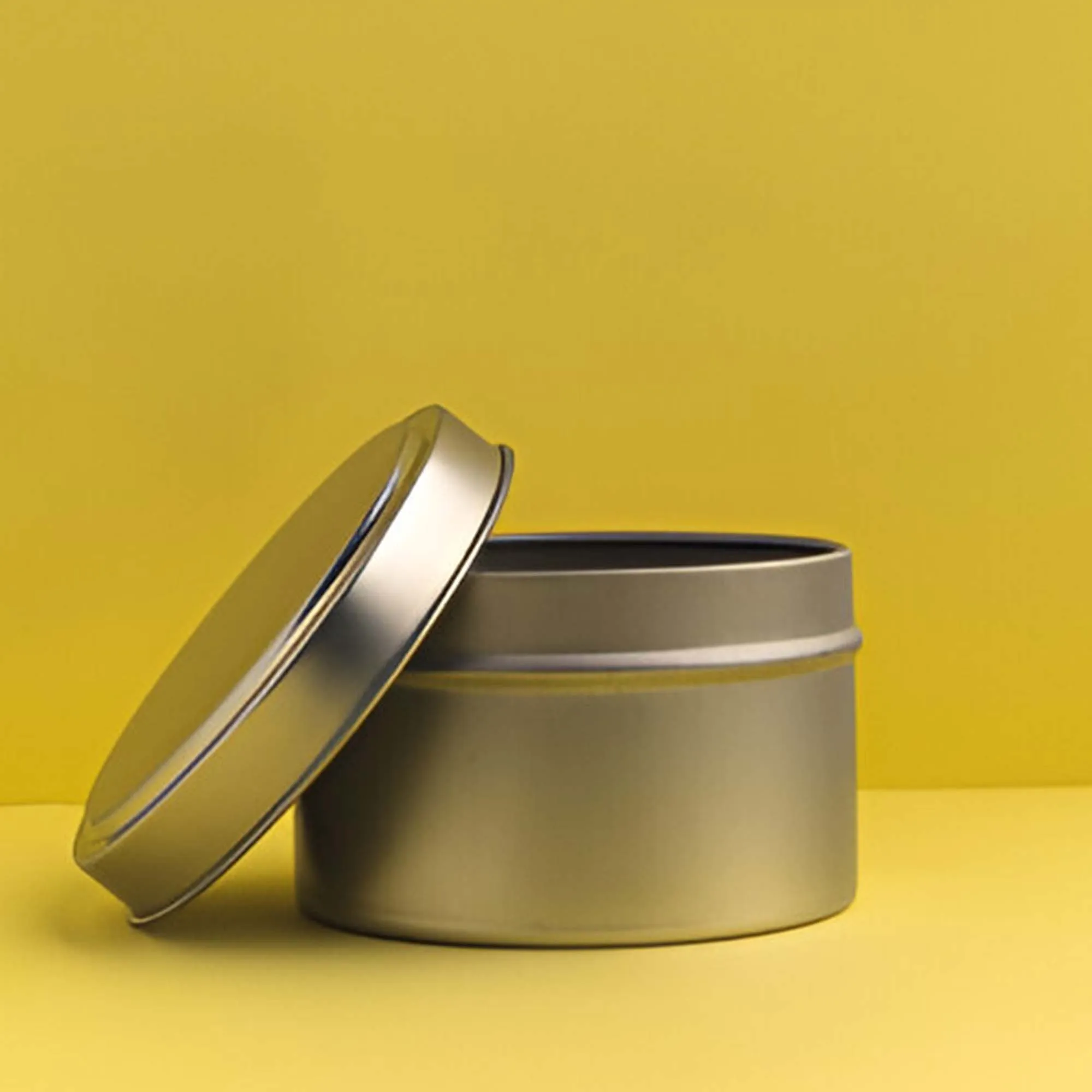 Metal Tins
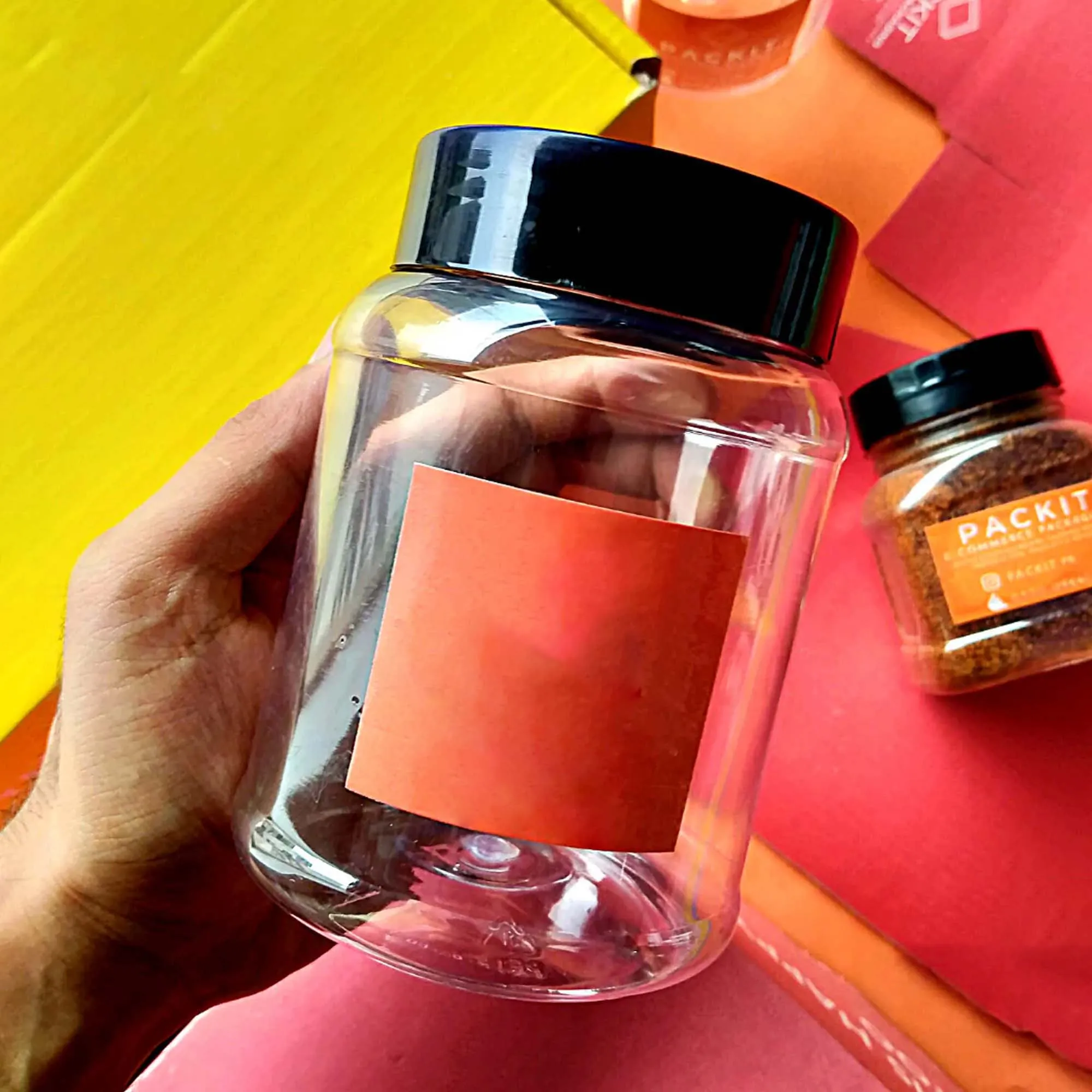 Plastic Jars
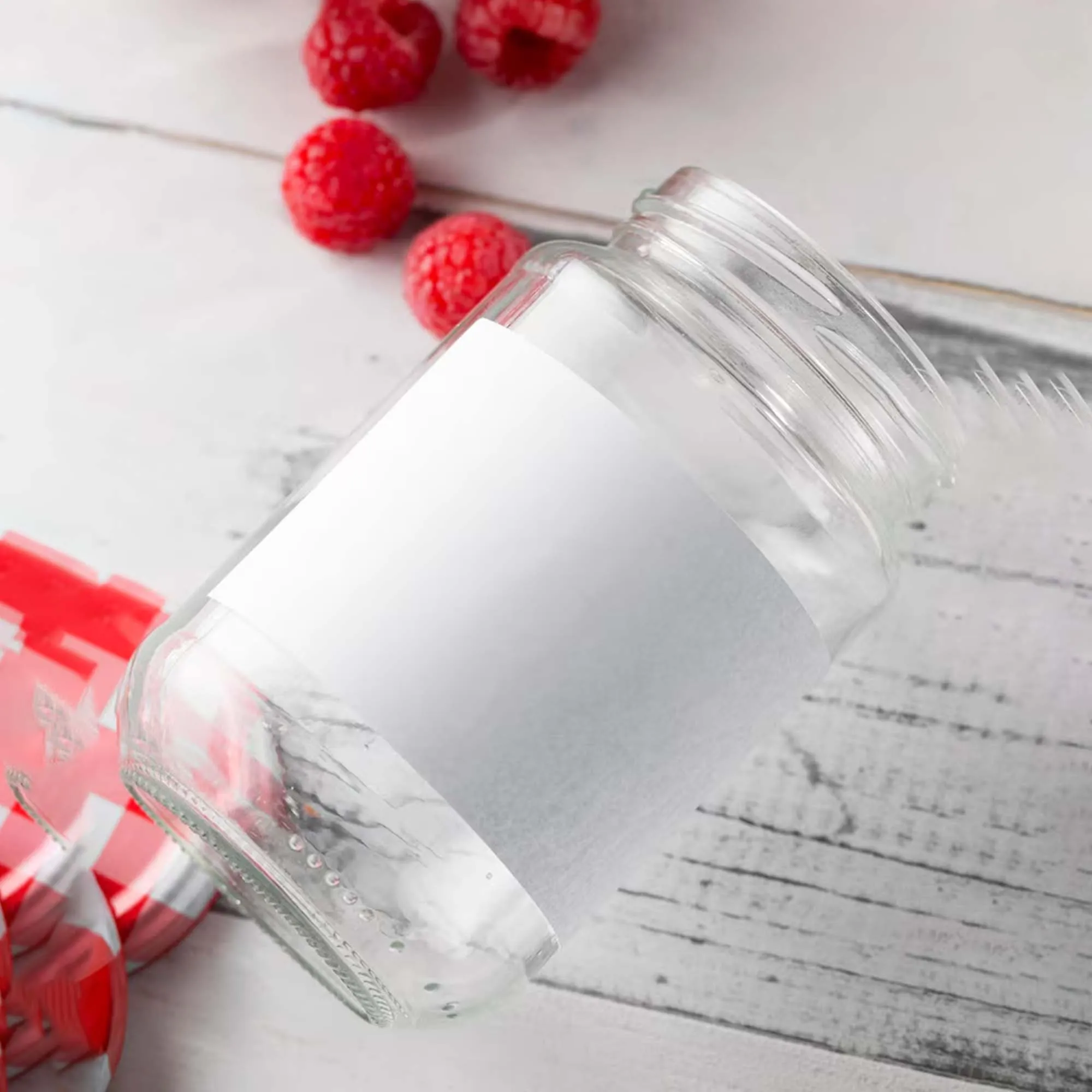 Glass Jars
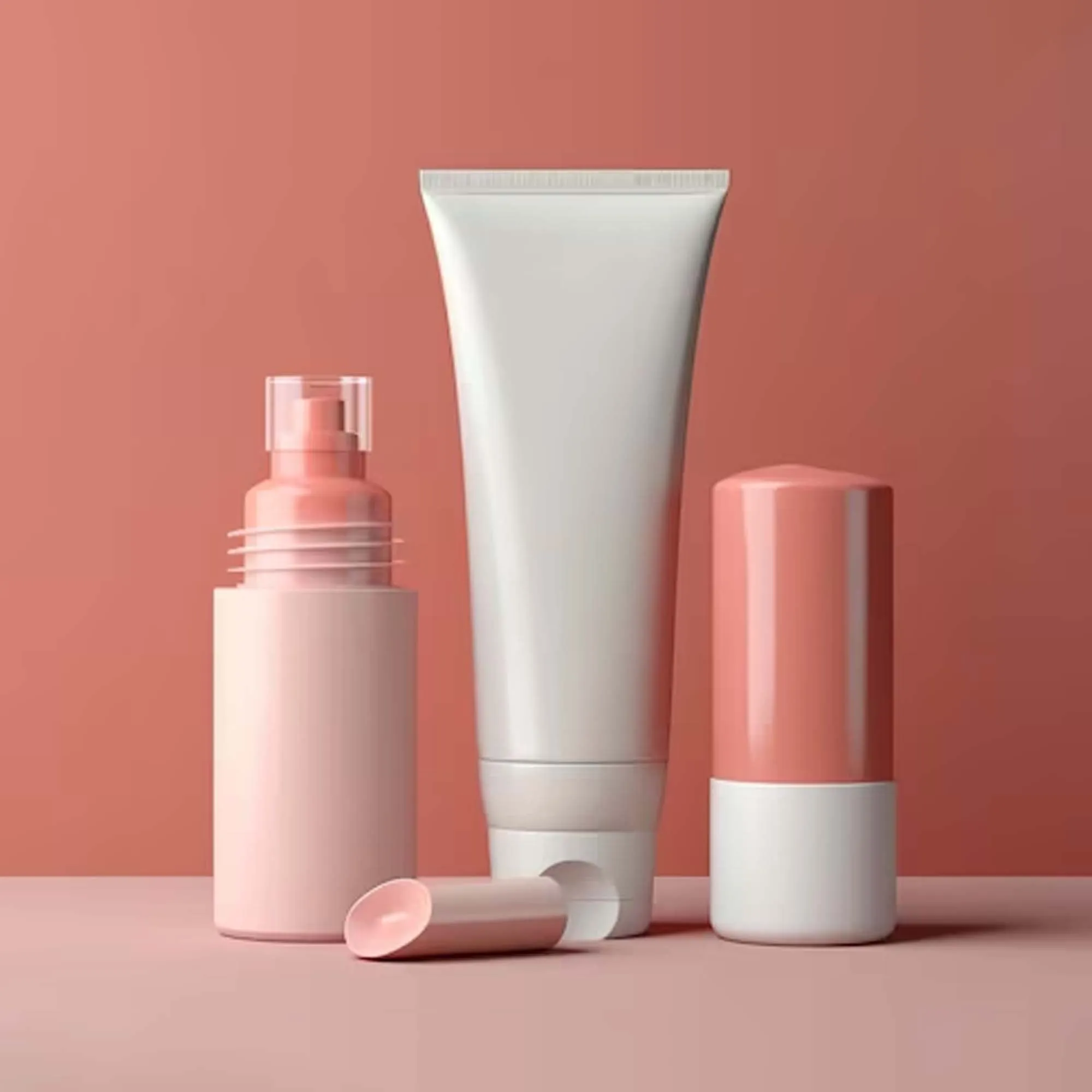 Cosmetic Containers
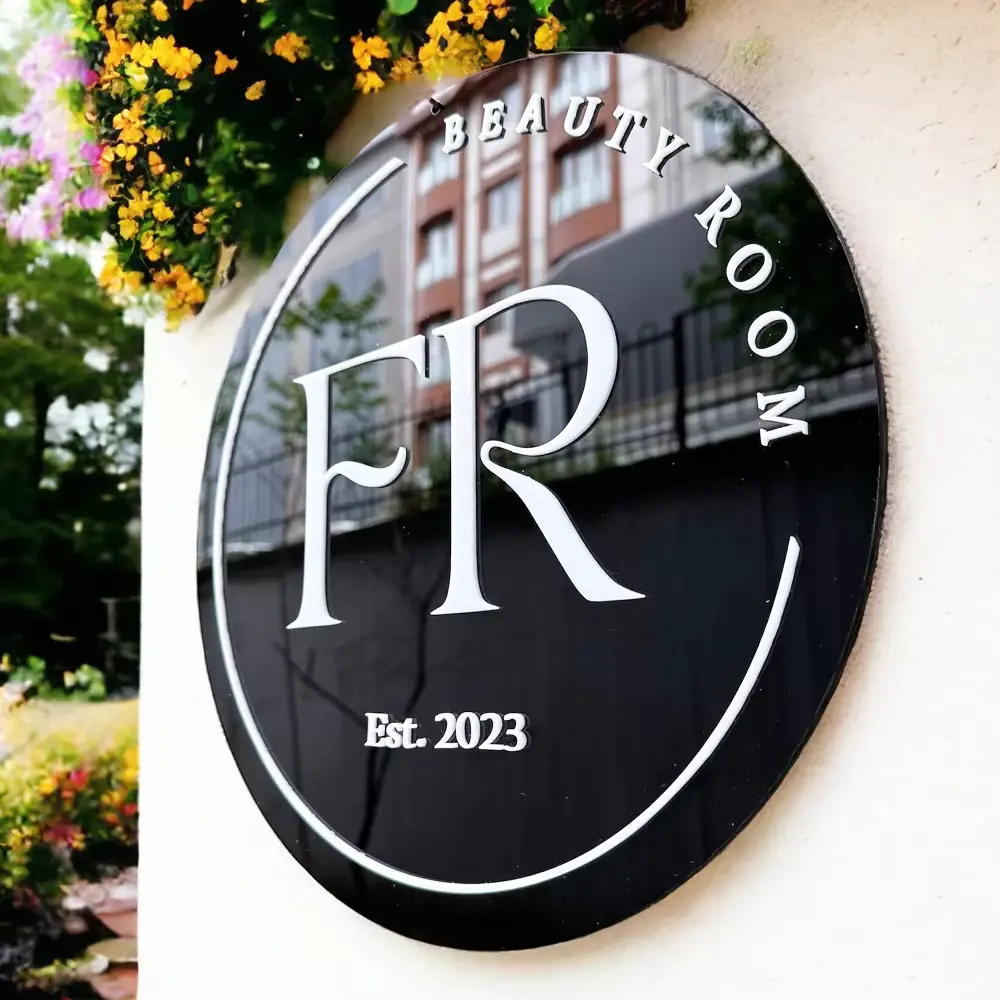 Black Acrylic Signs
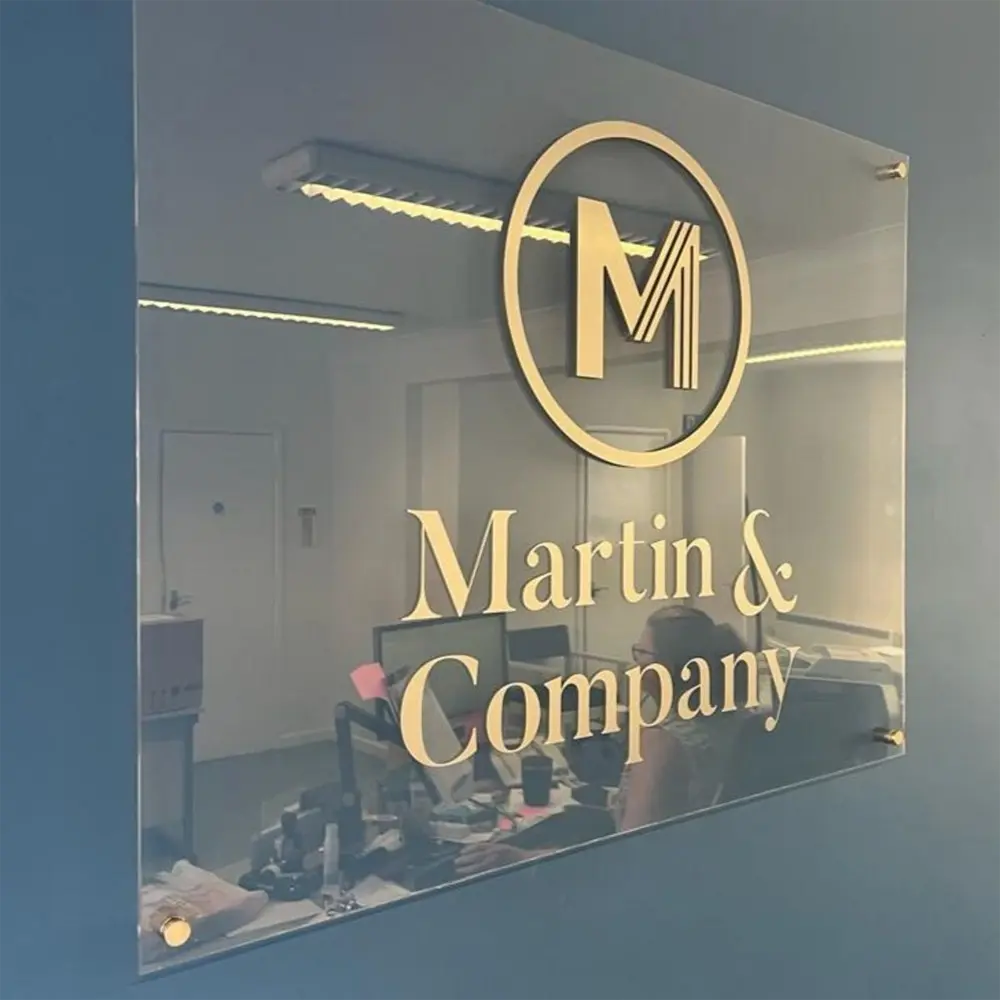 Clear Acrylic Signs
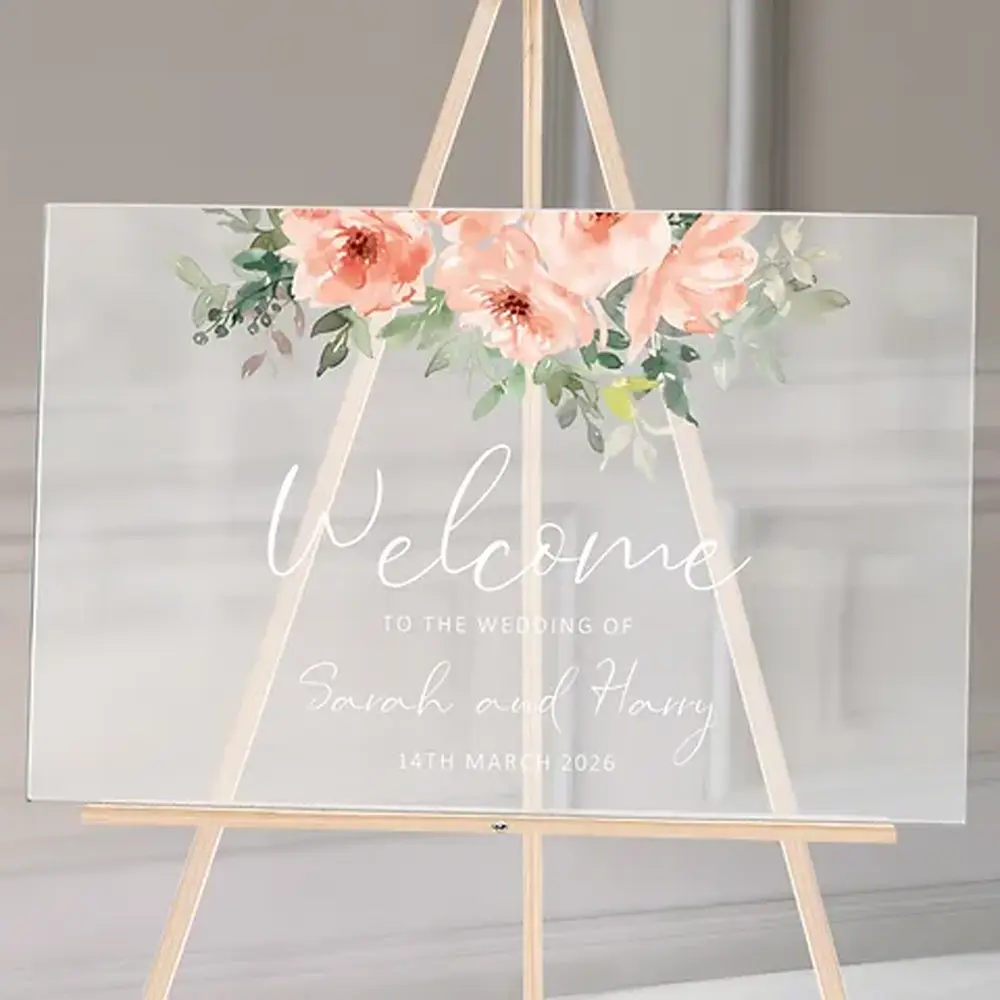 Frosted Acrylic Signs
 White Acrylic Signs
 Aluminium Bags
 Black Mylar Bags
 Candy Mylar Bags
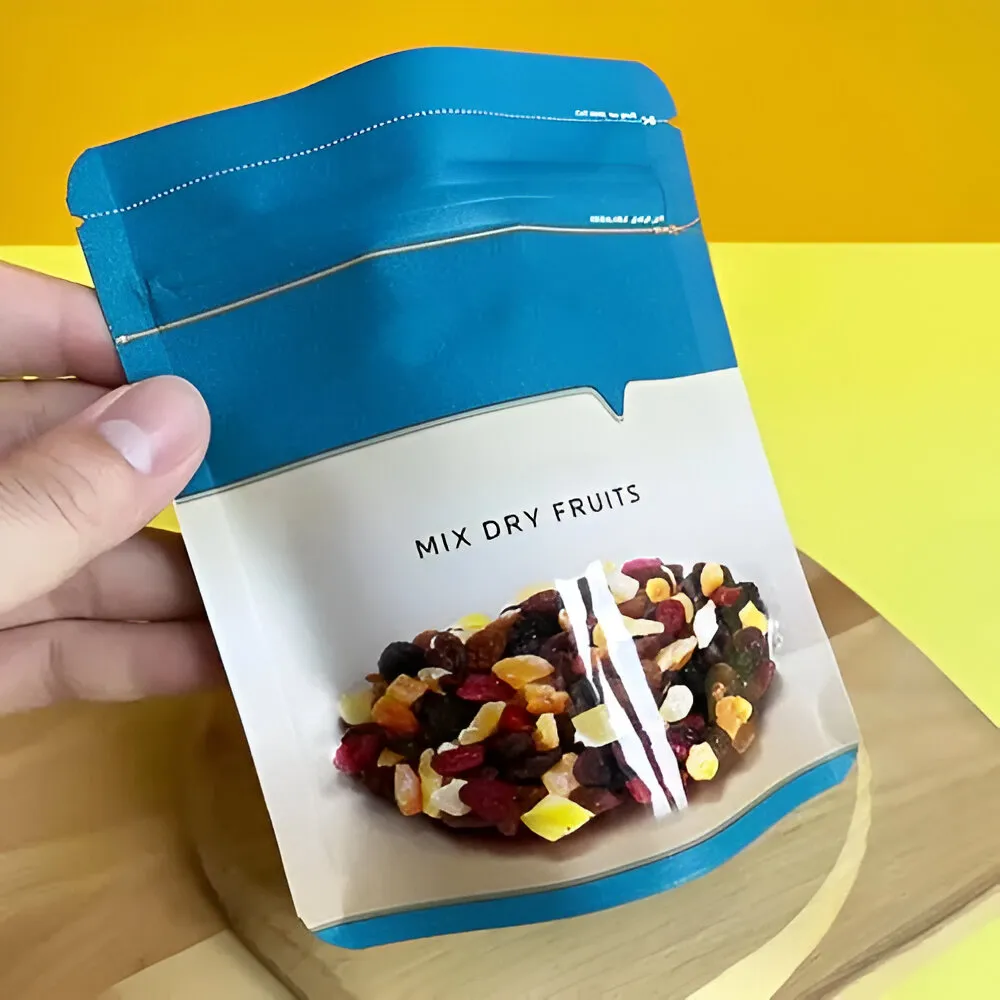 Child Resistant Mylar Bags
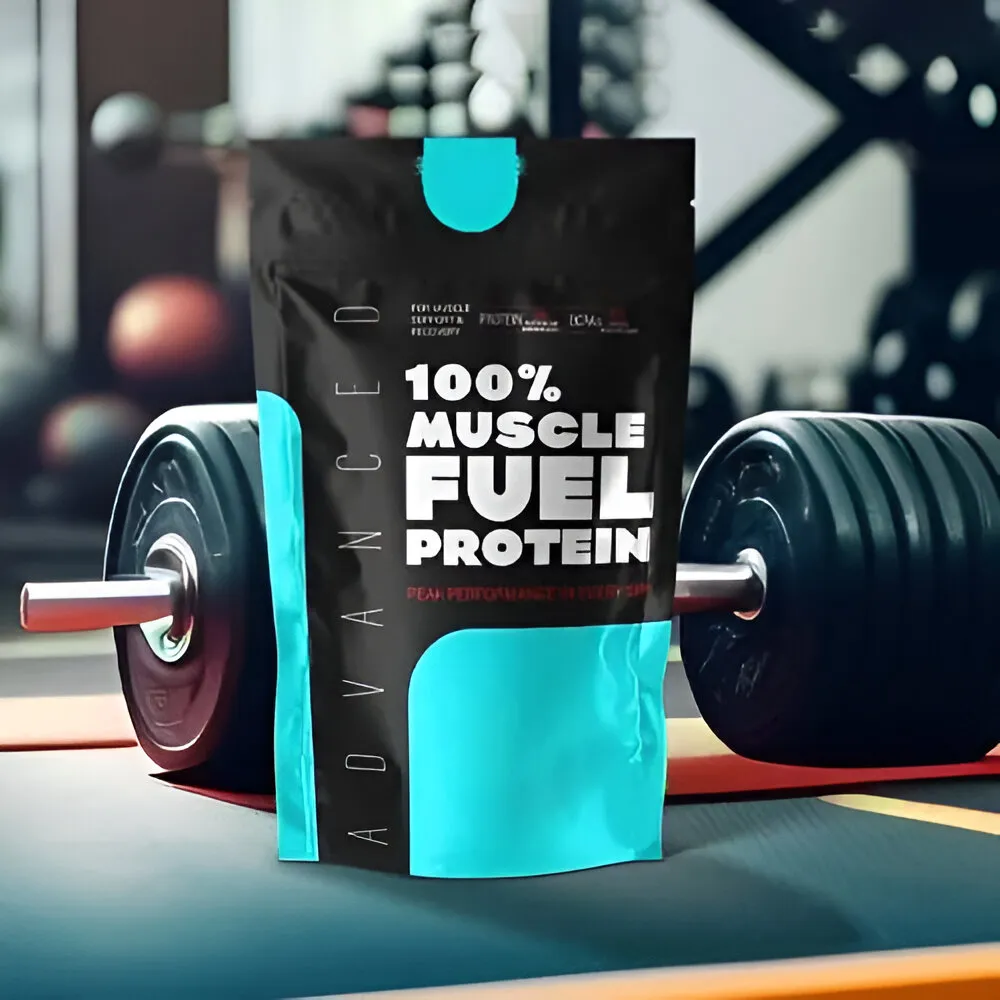 Custom Printed Mylar Bags
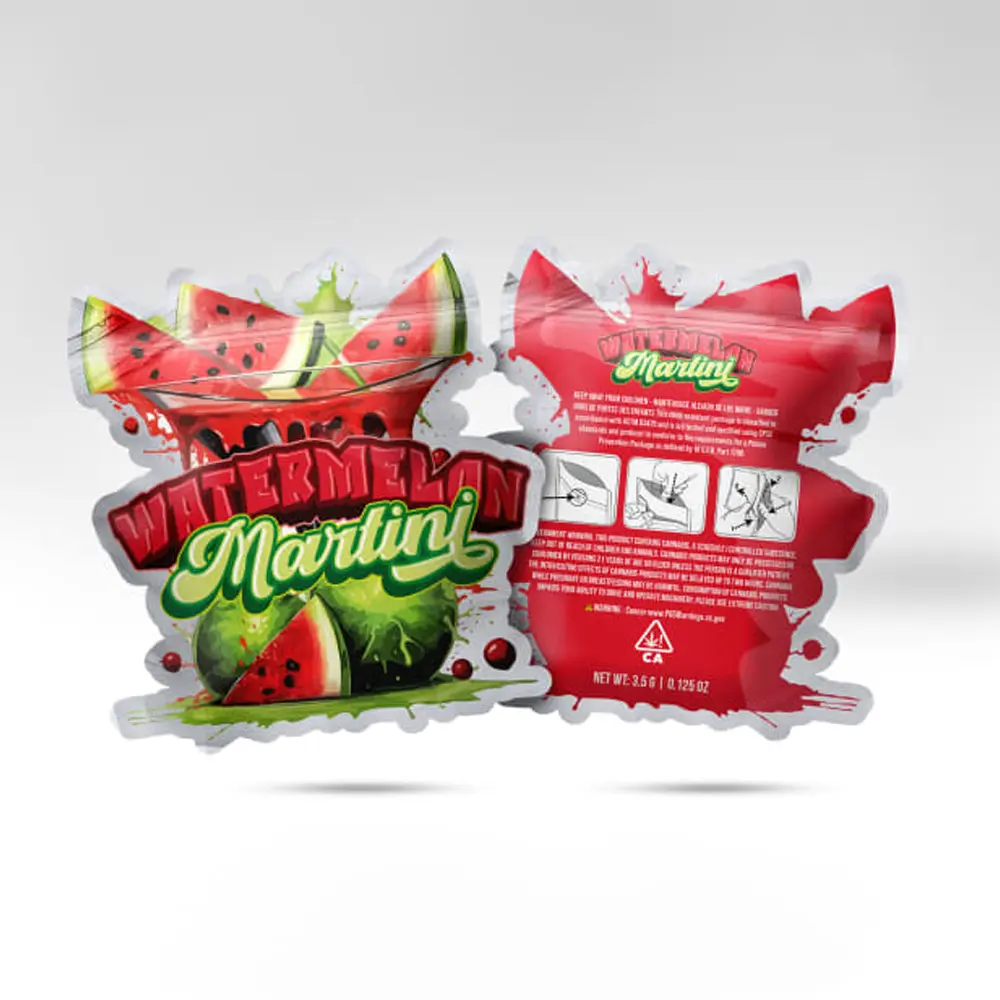 Die-Cut Mylar Bags
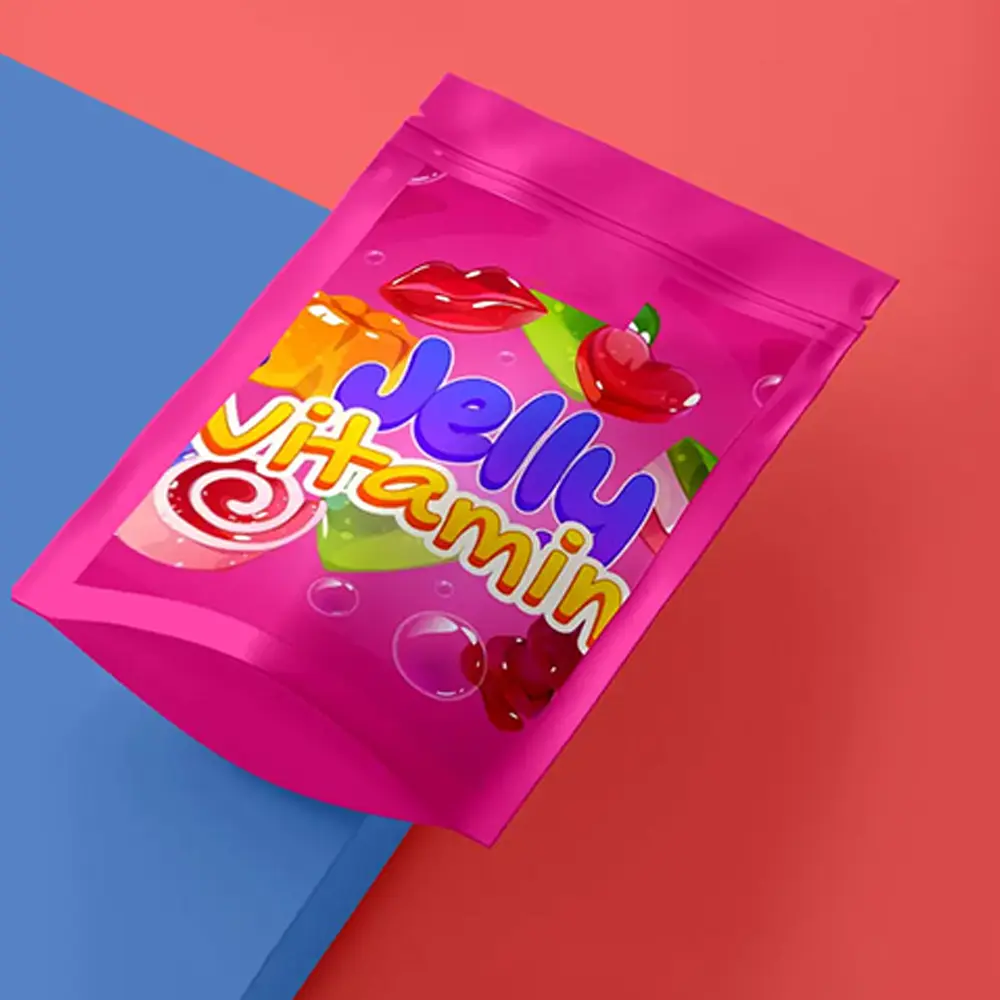 Edible Mylar Bags
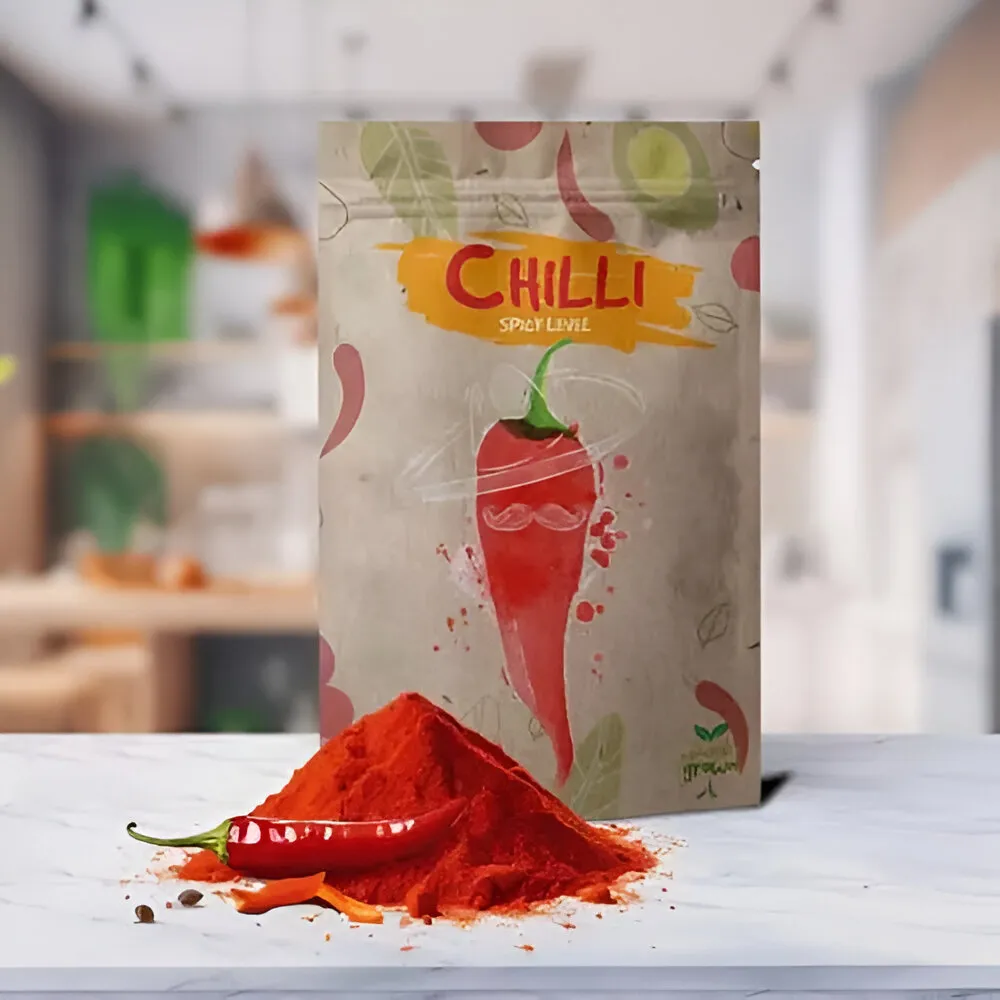 Food Pouches
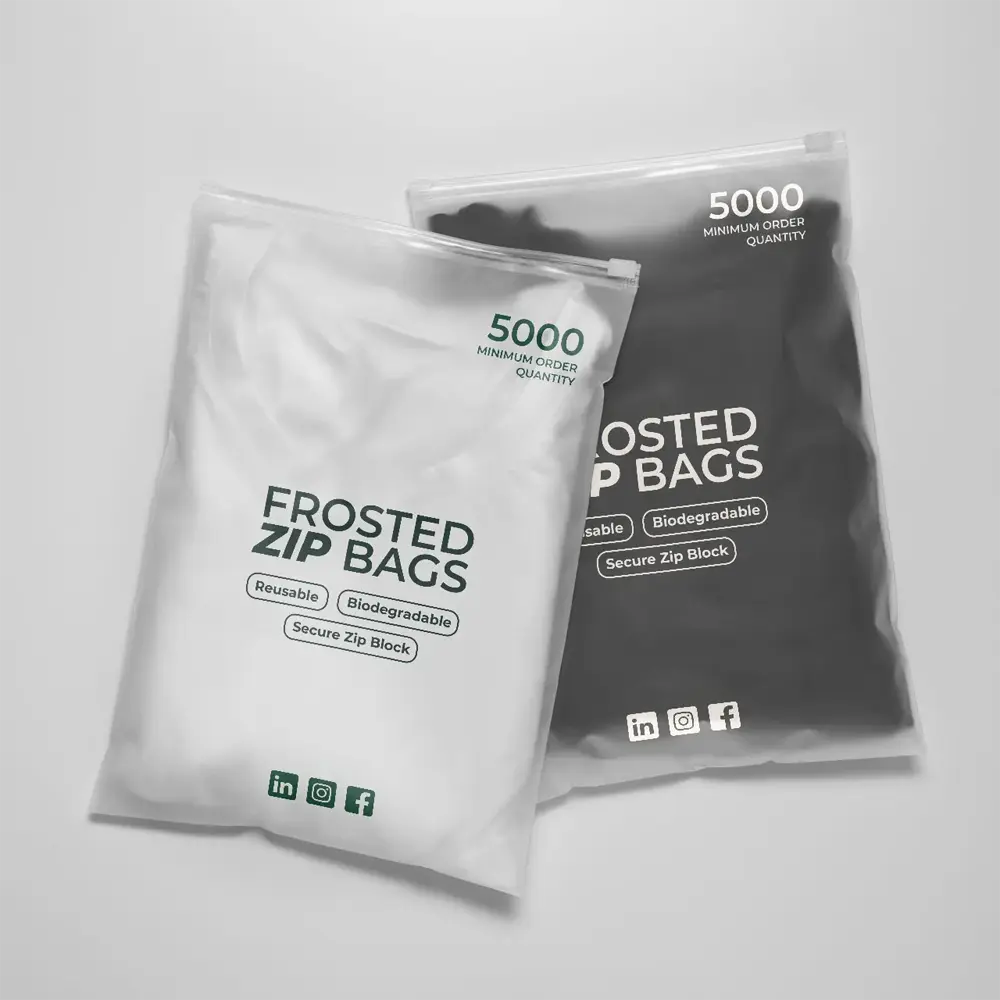 Frosted Bags
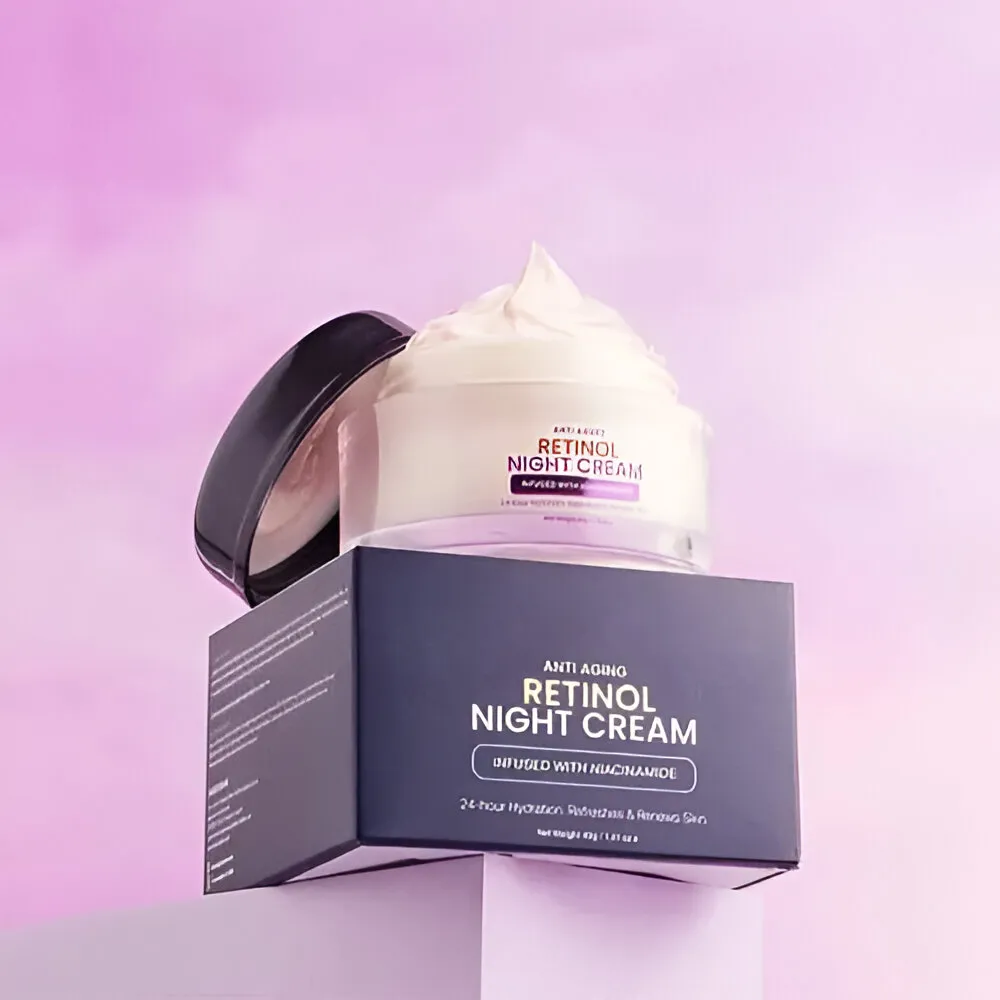 Anti Aging Mask Boxes
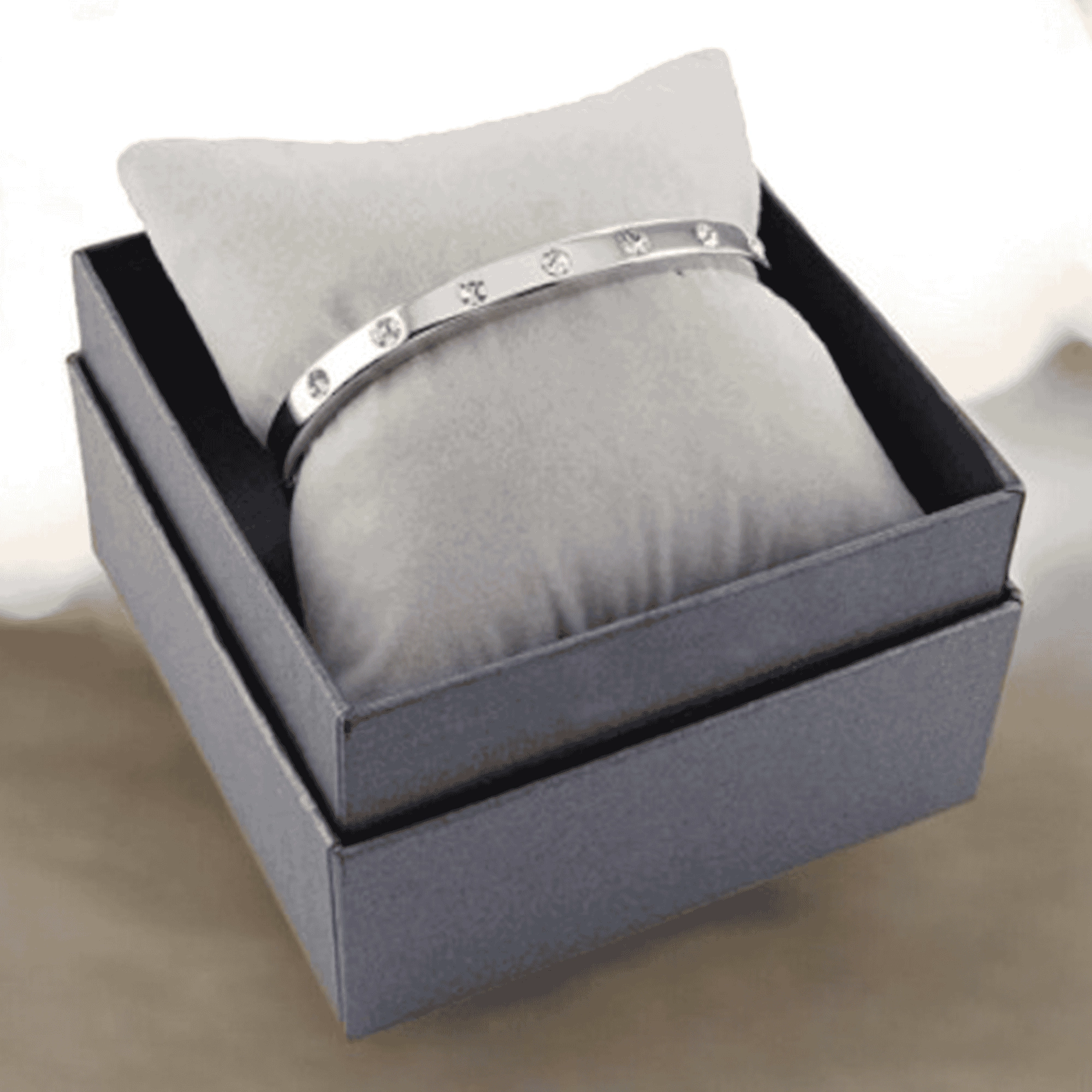 Bangle Boxes
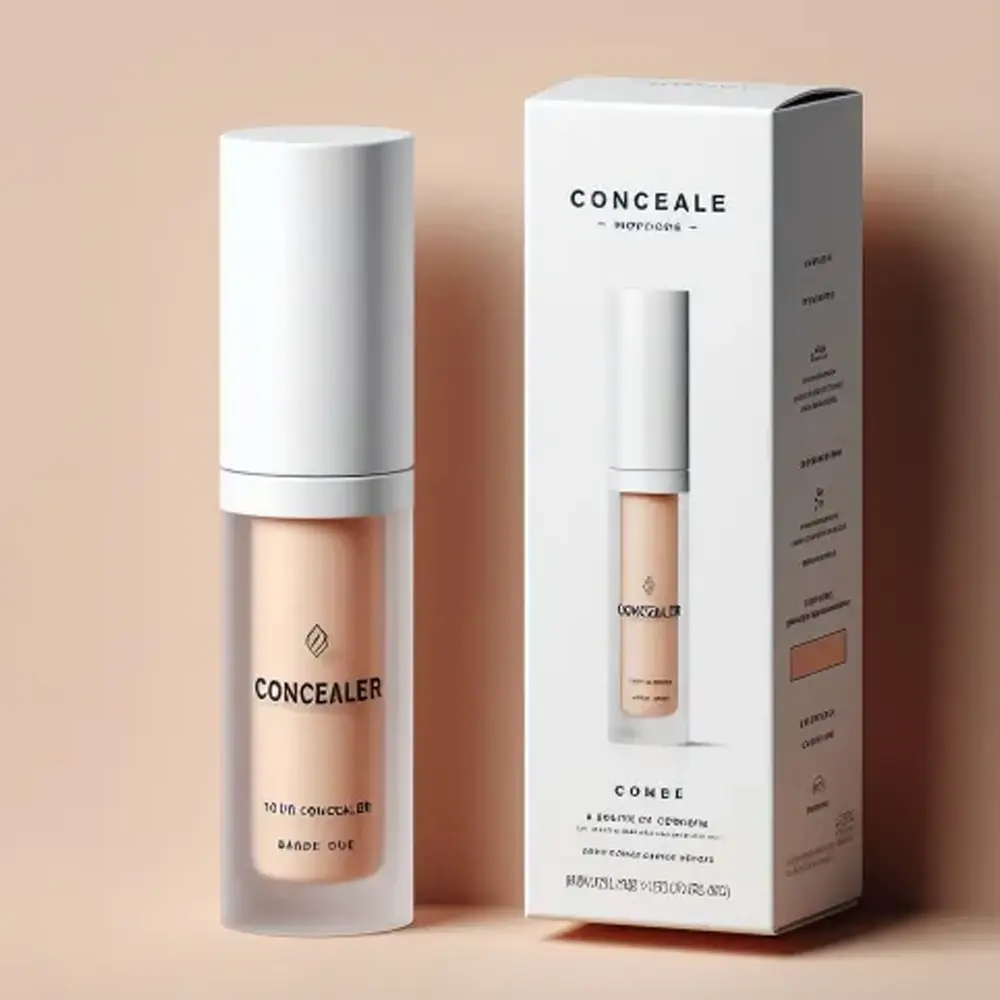 Concealer Boxes
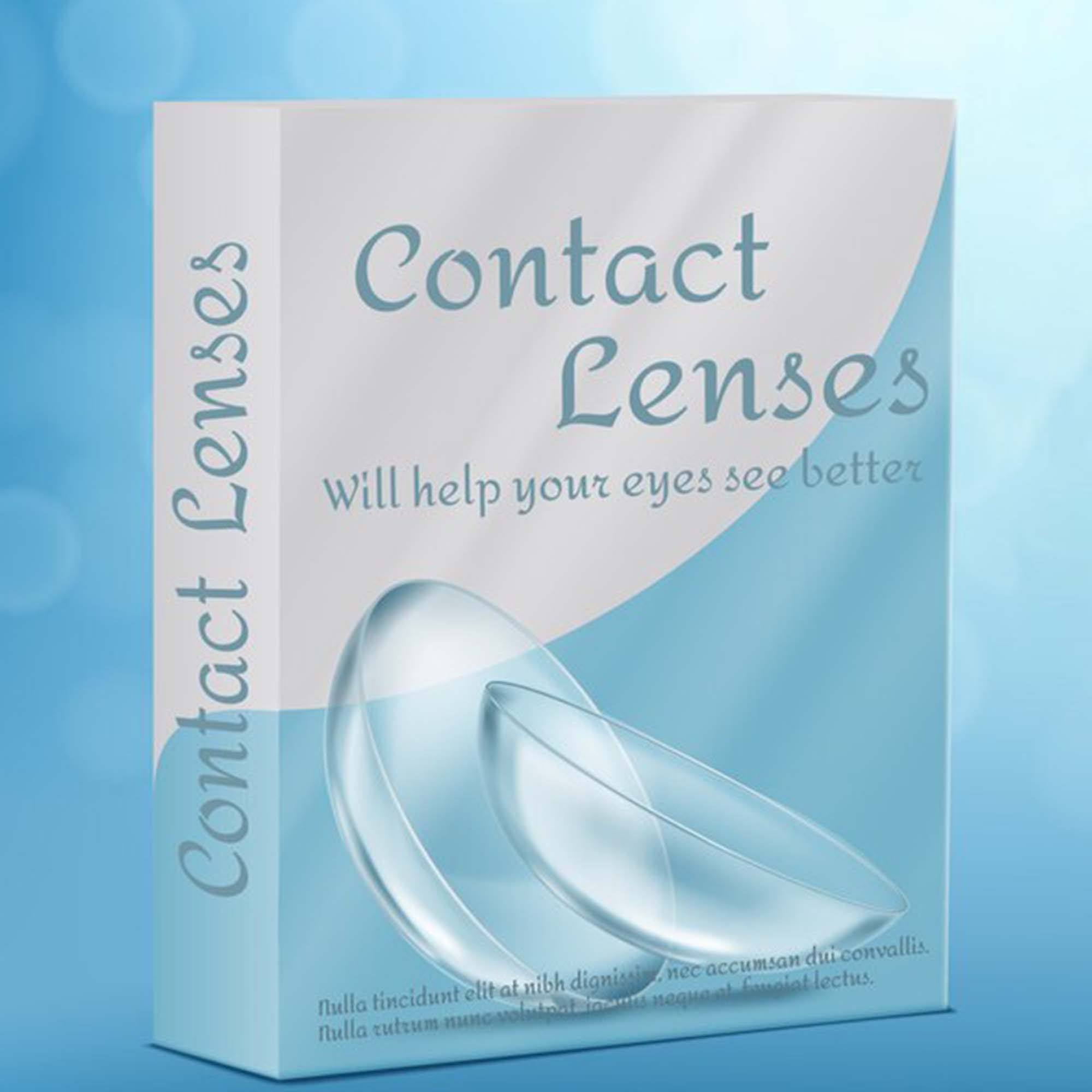 Contact Lens Boxes
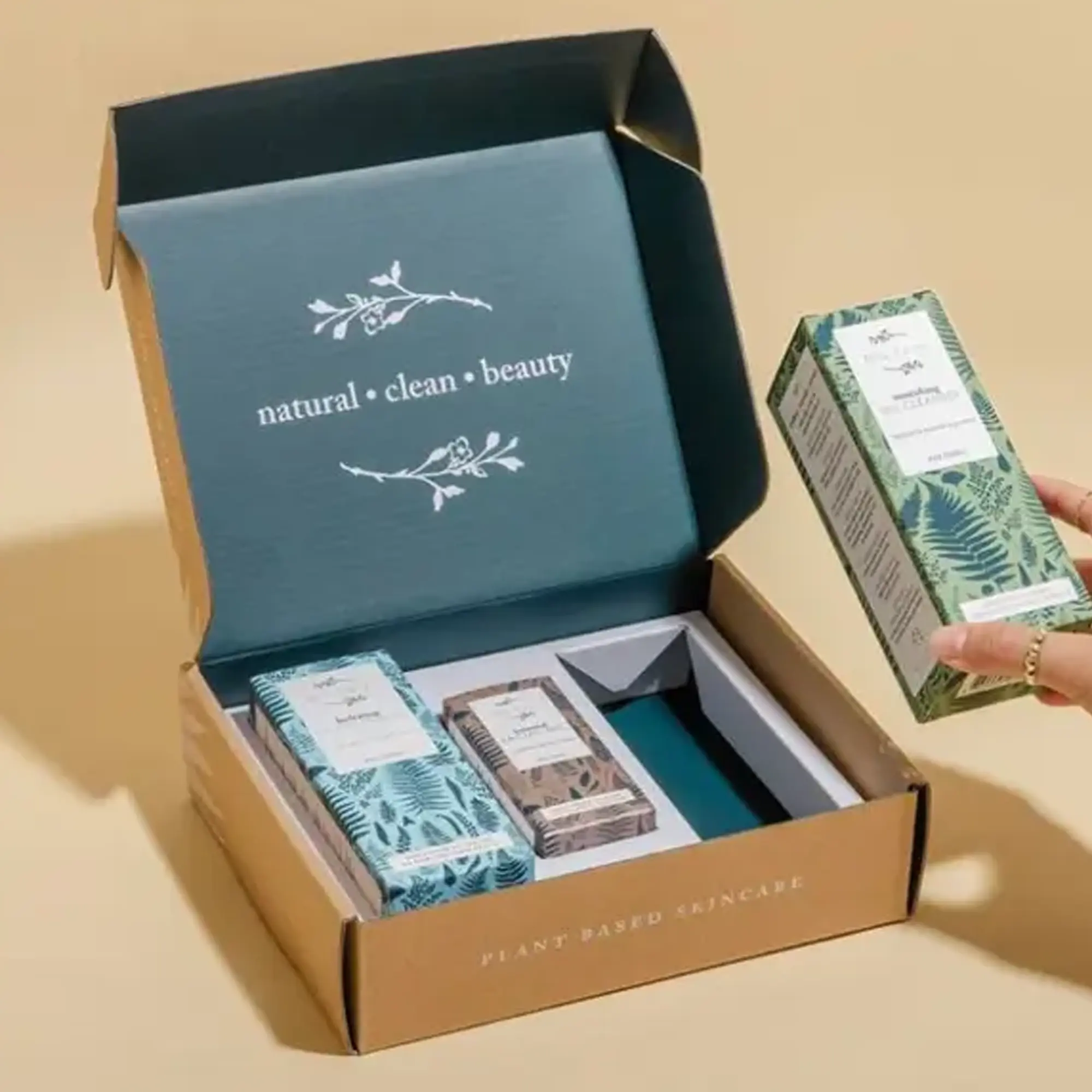 Cosmetic Cardboard Boxes
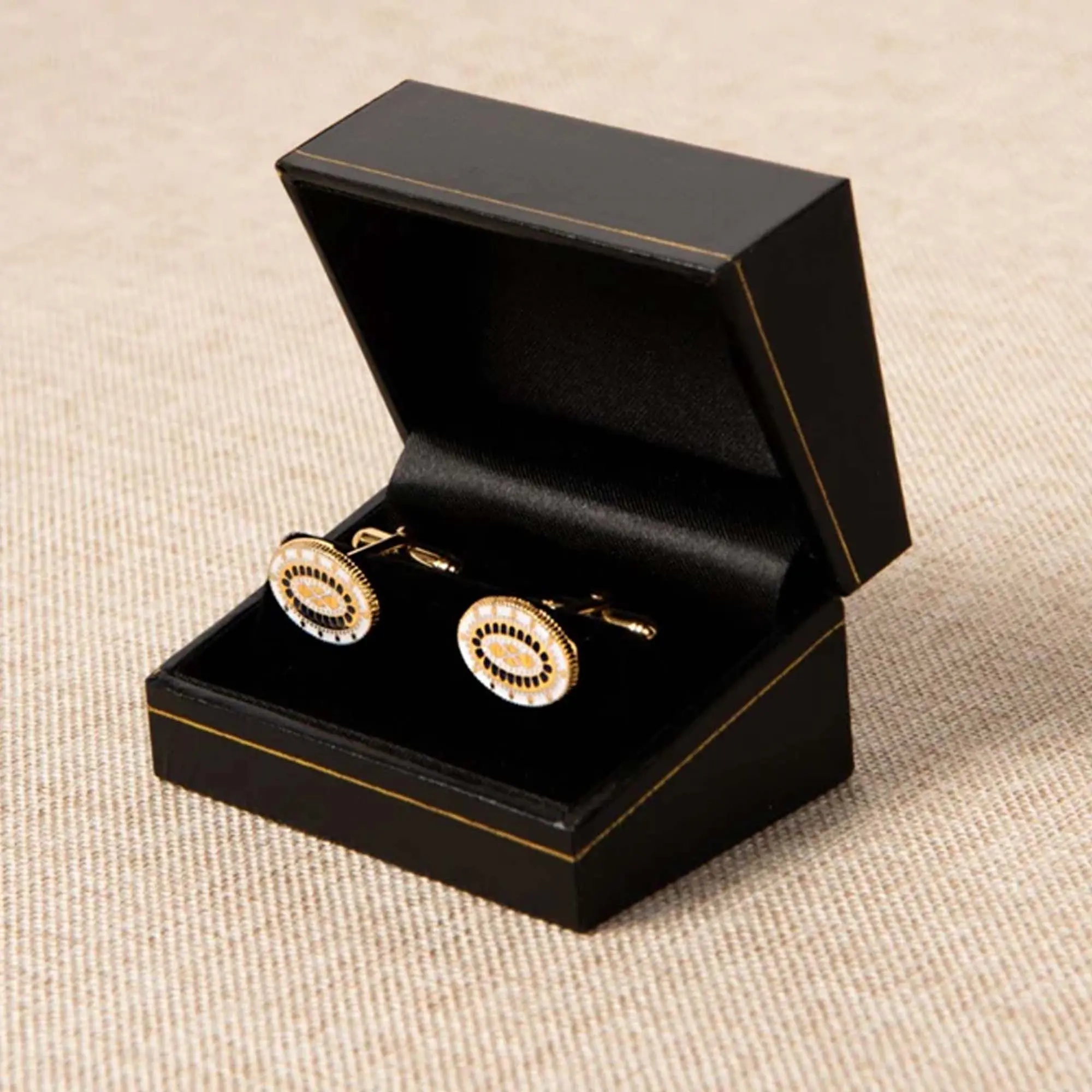 Cufflink Boxes
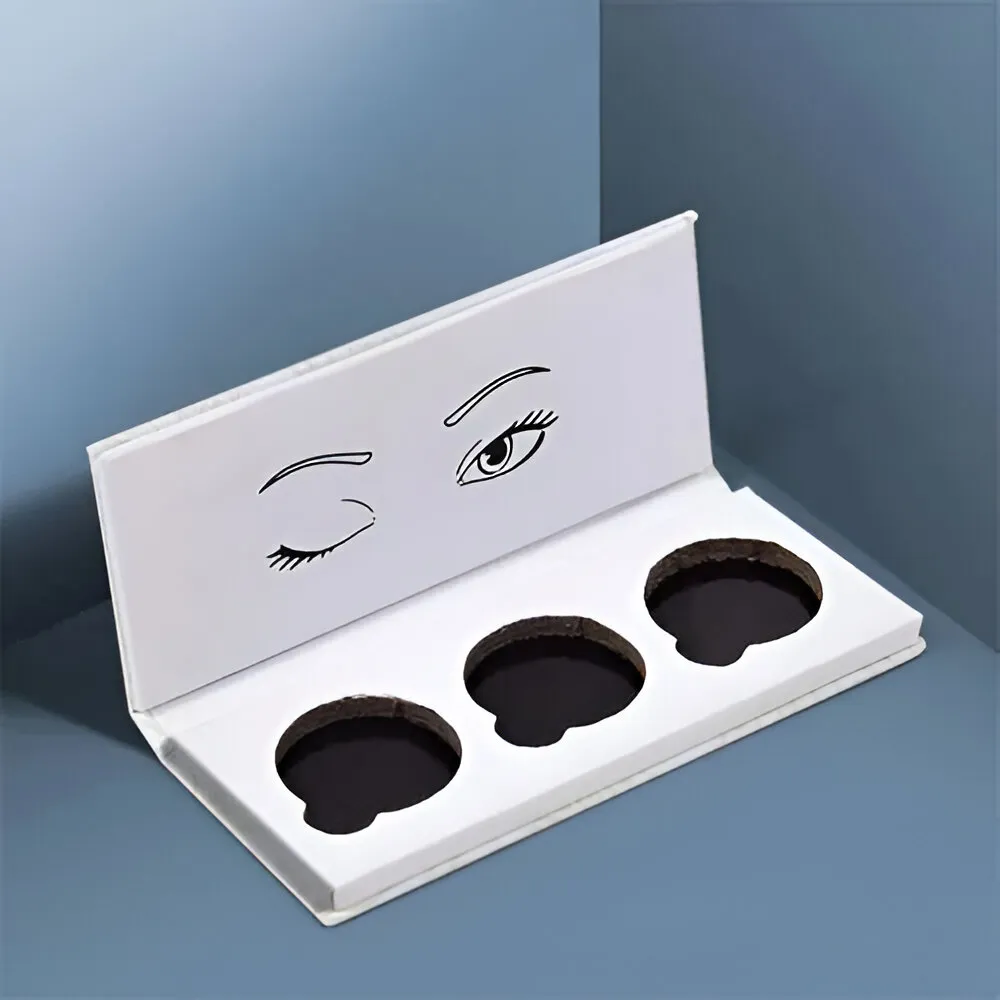 Custom Eye Shadow Packaging Boxes
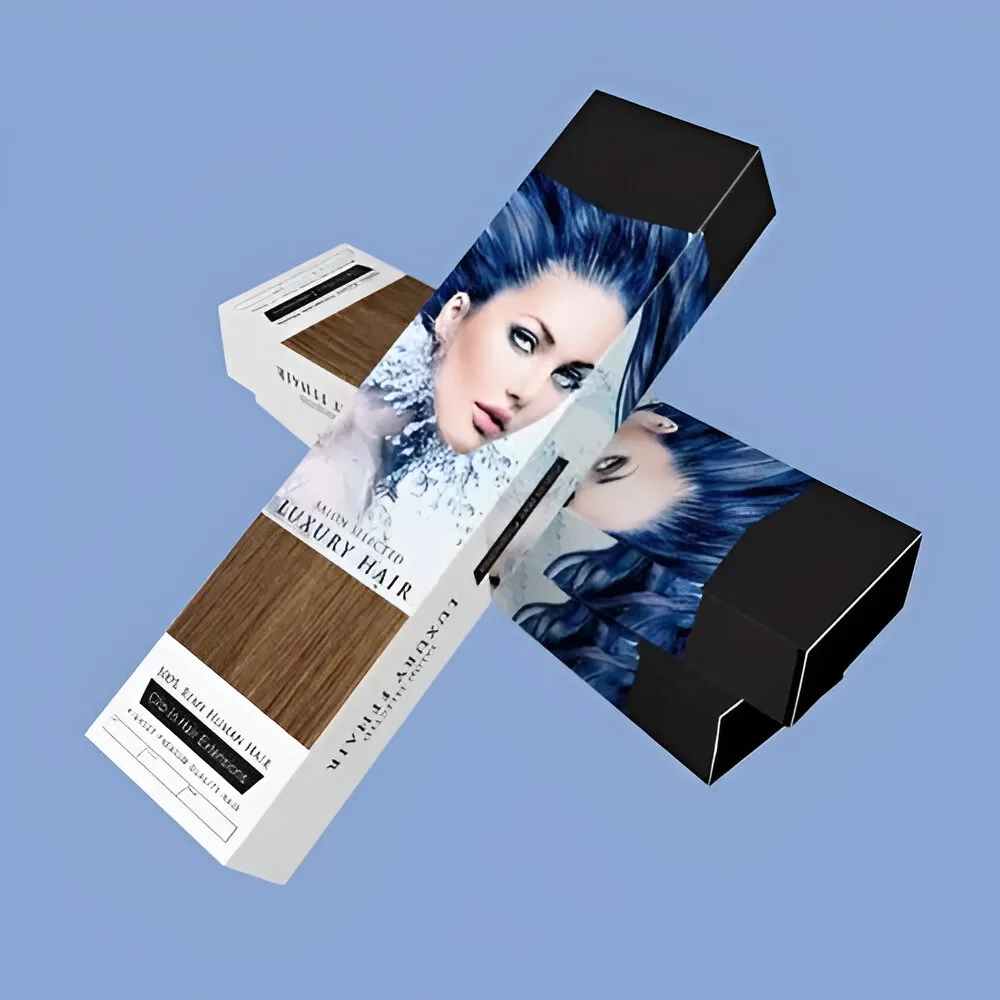 Custom Hair Color Boxes
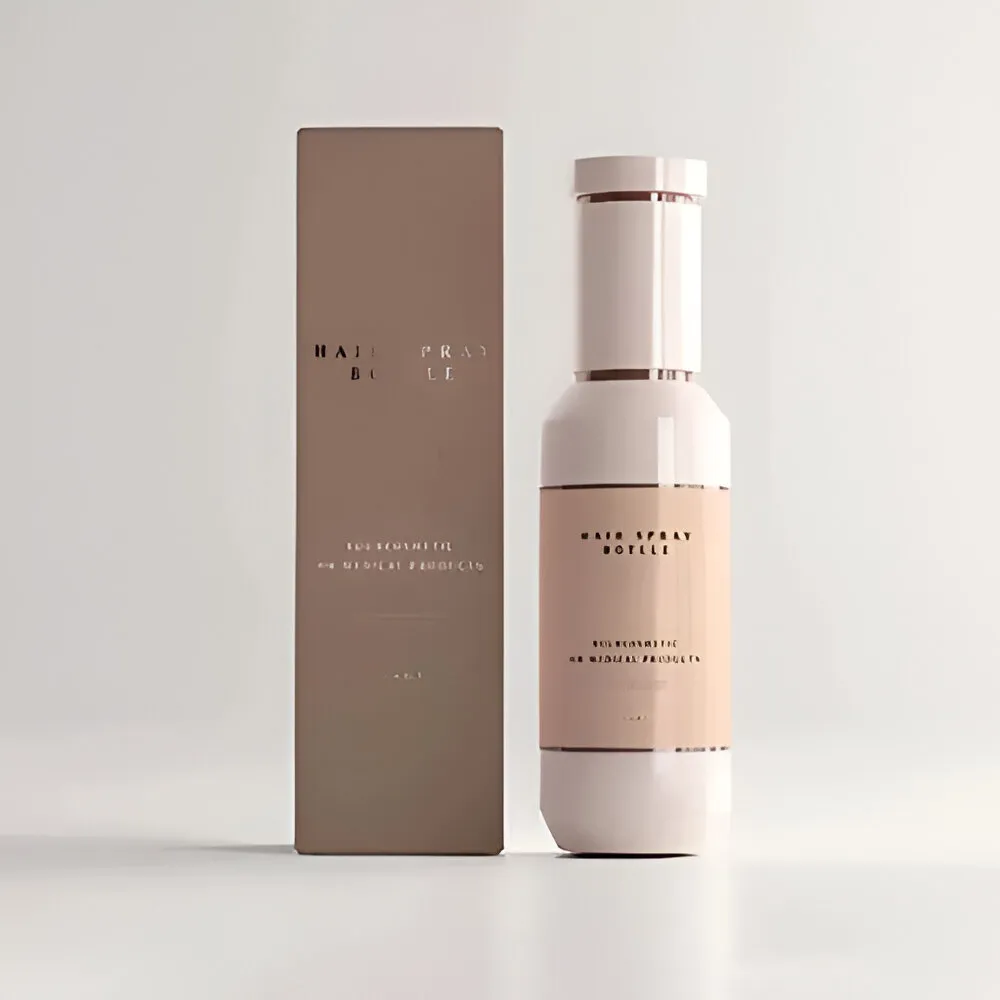 Custom Hair Spray Boxes
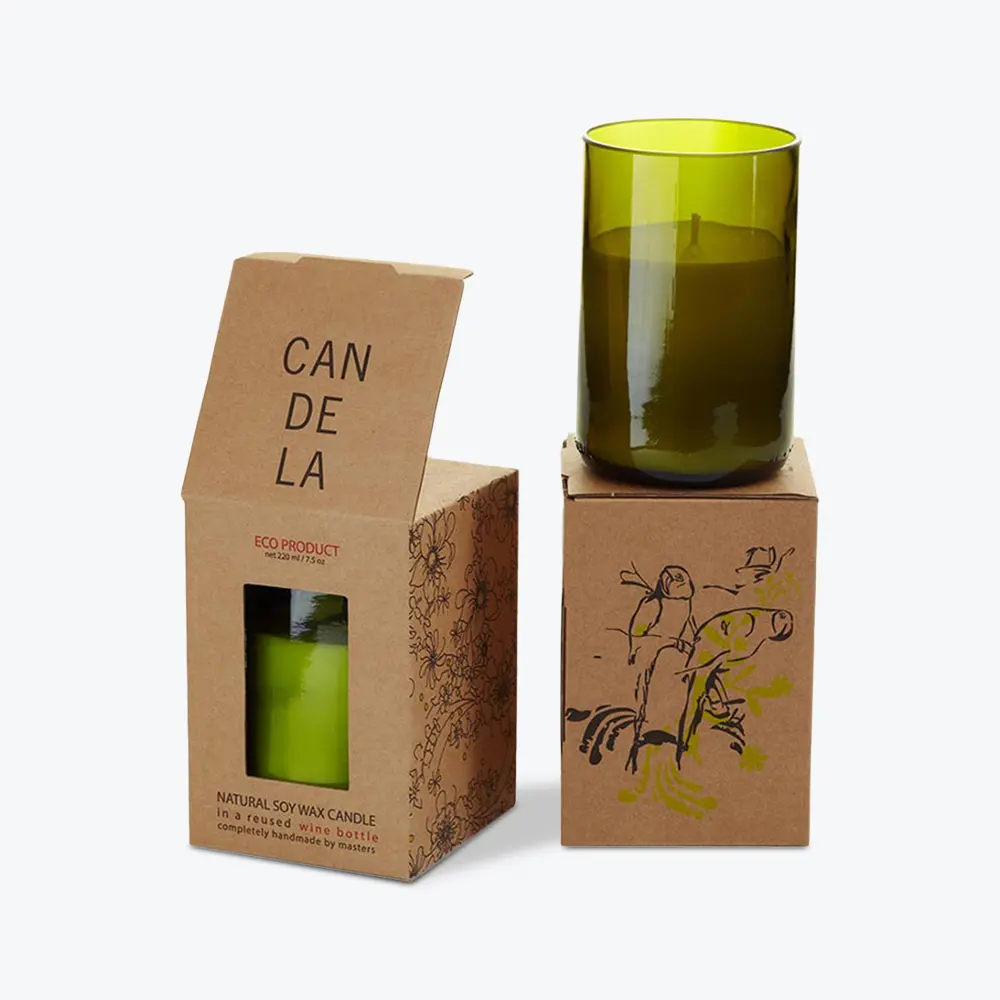 Candle Boxes with Window
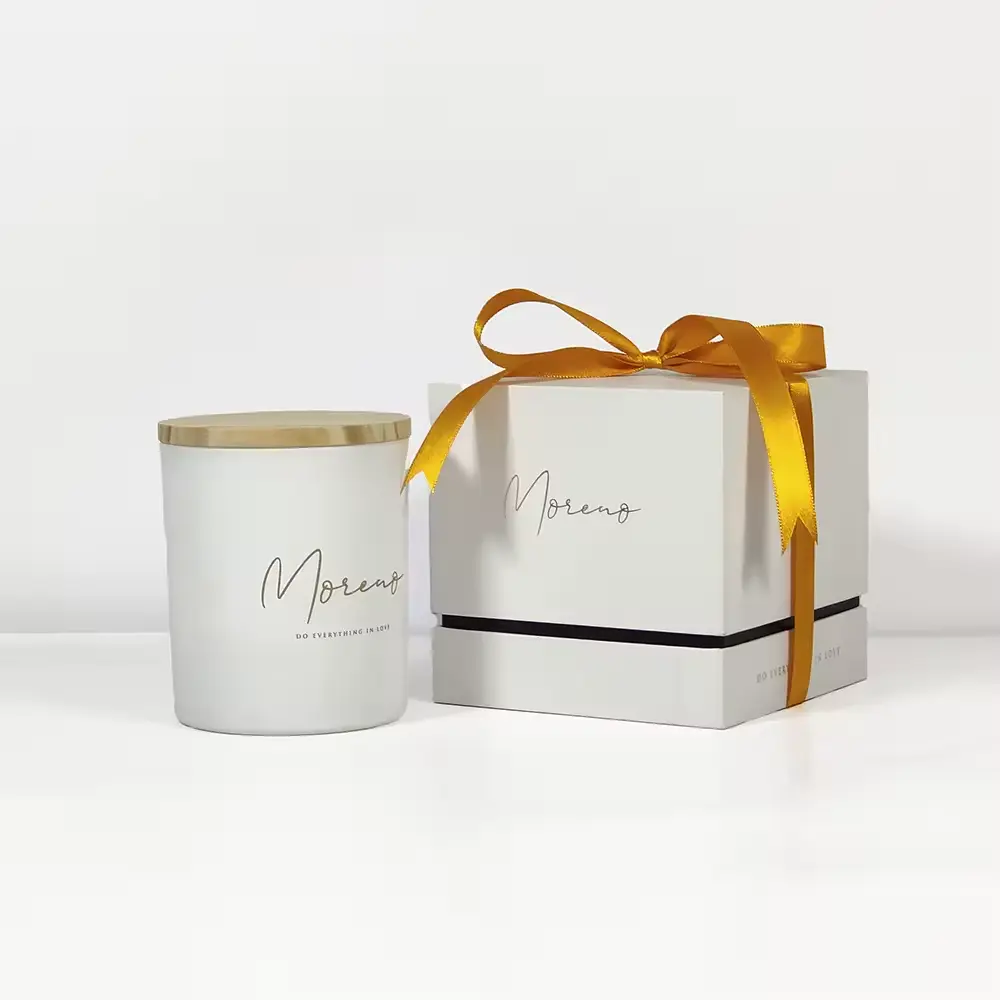 Candle Gift Boxes
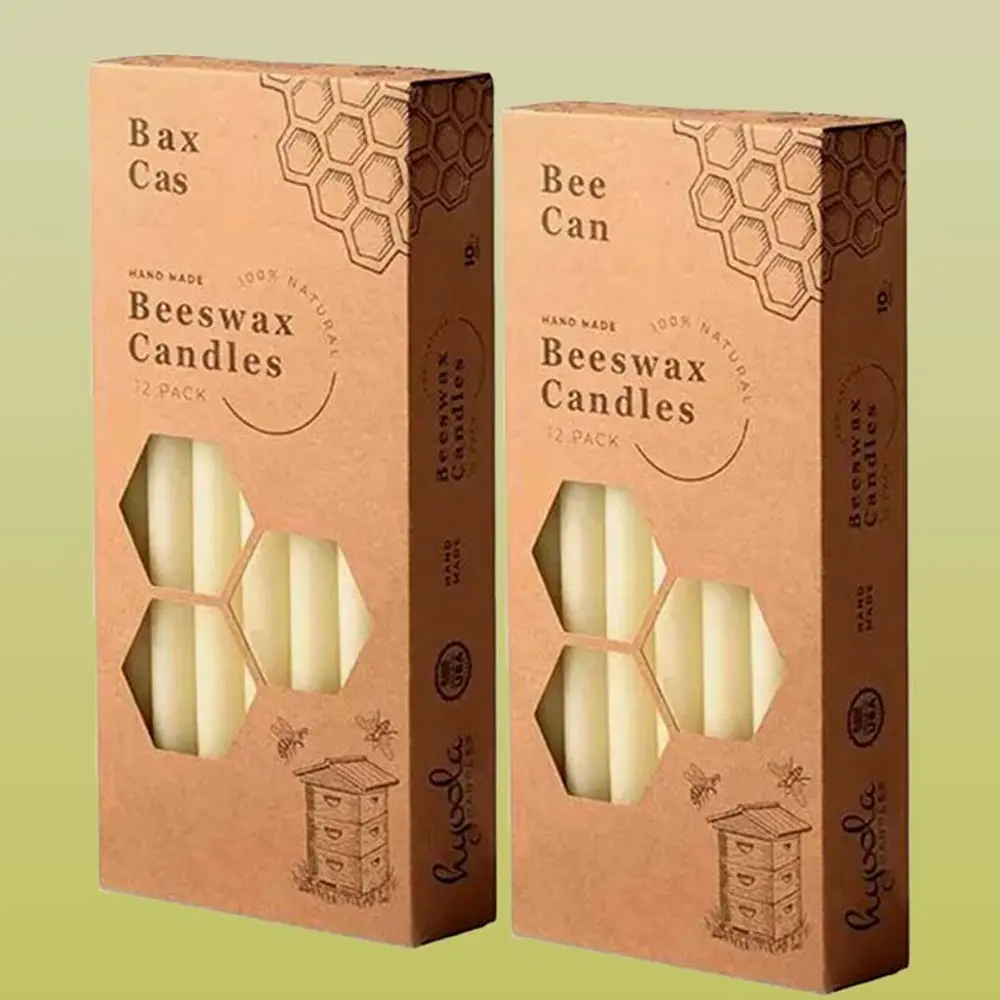 Candle Shipping Boxes
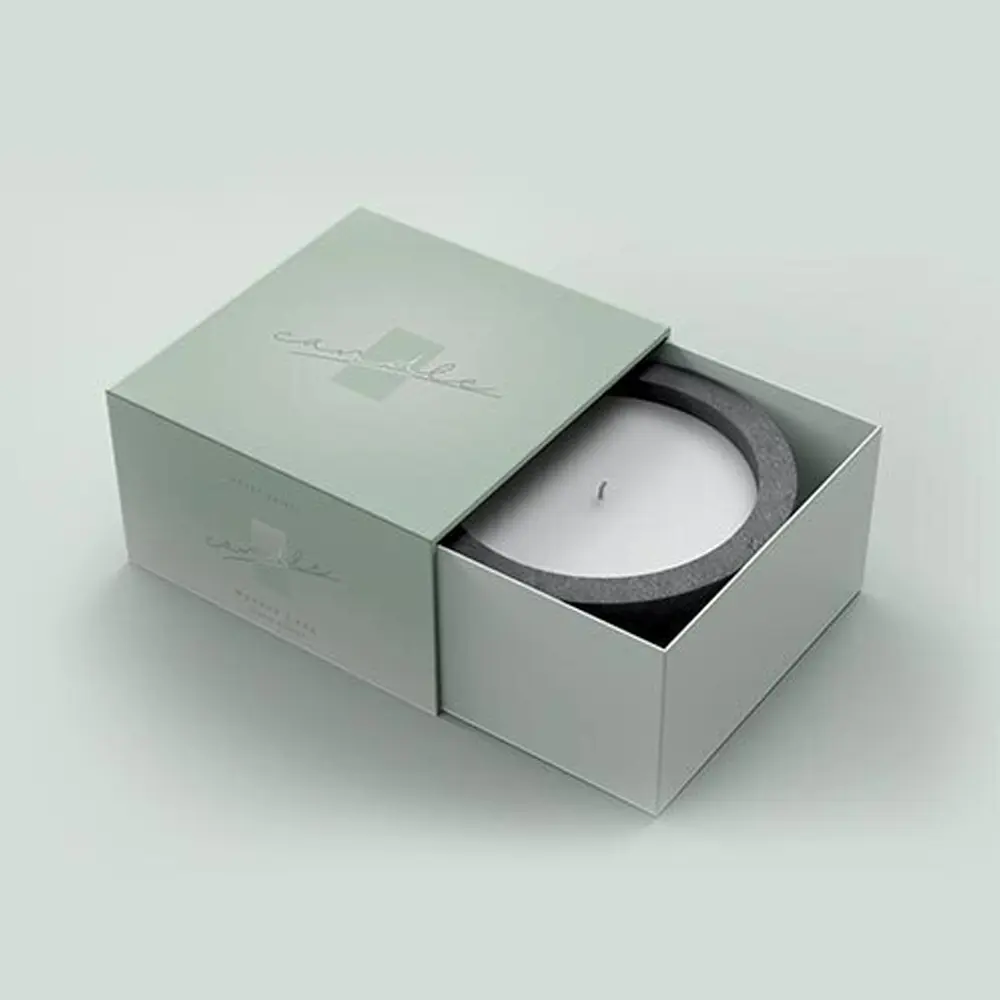 Candle Tray And Sleeve Boxes
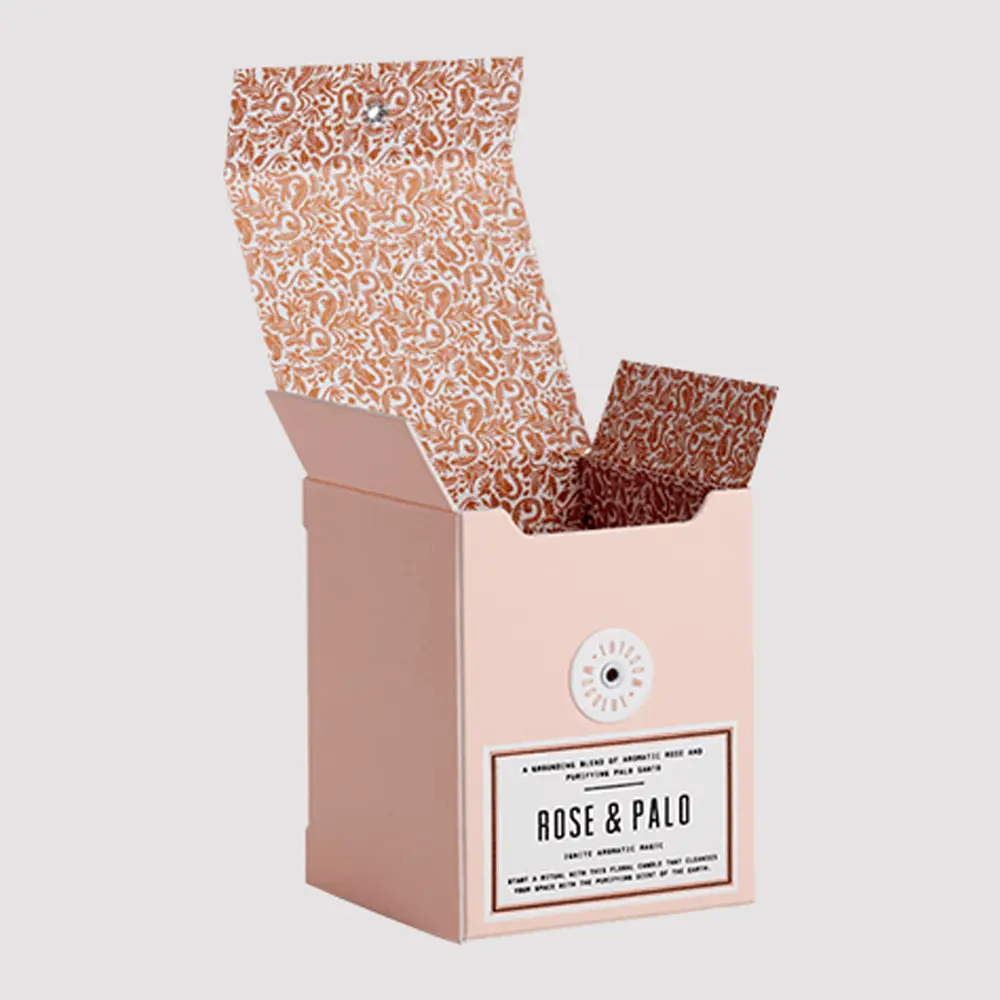 Cardboard Candle Boxes
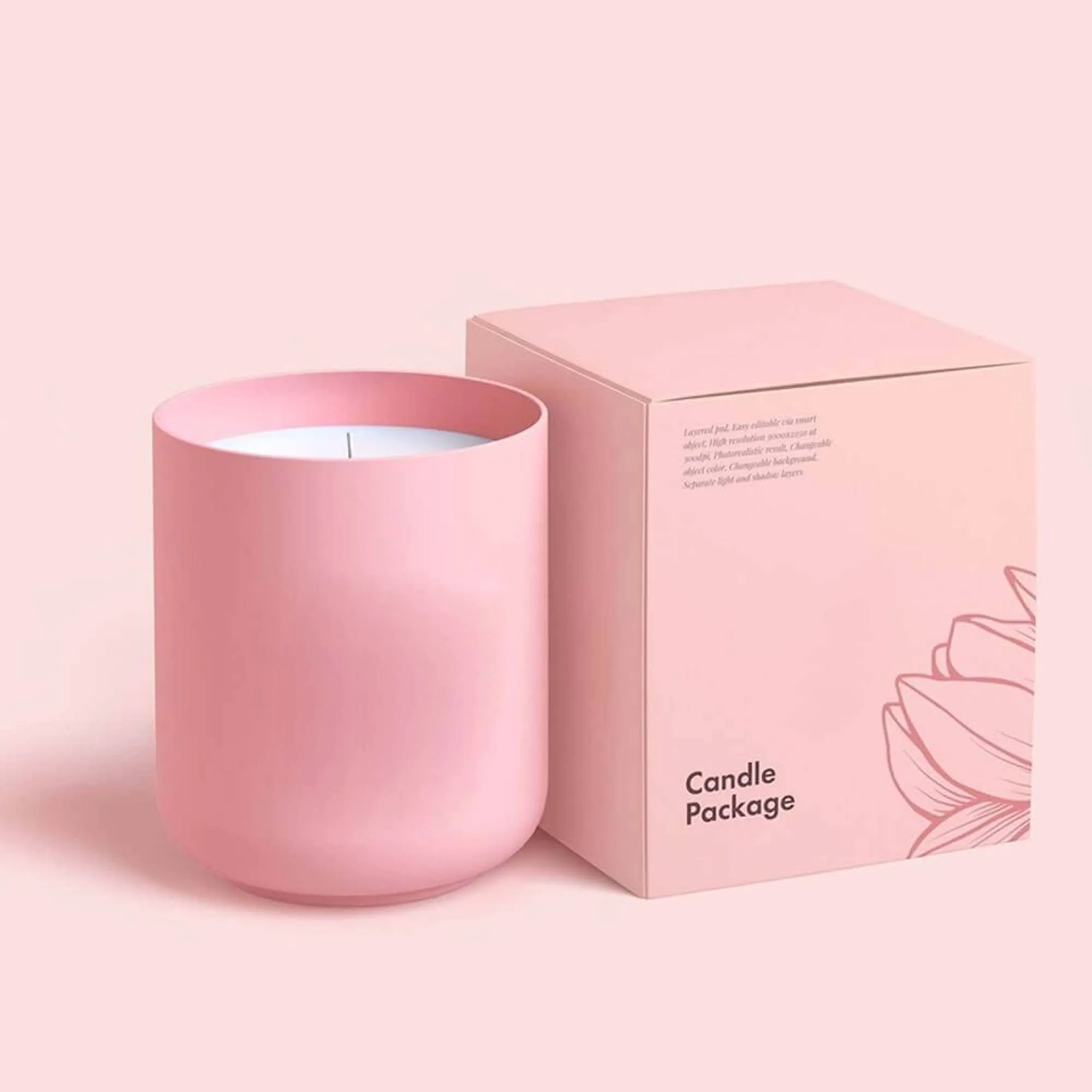 Custom Printed Candle Packaging Boxes
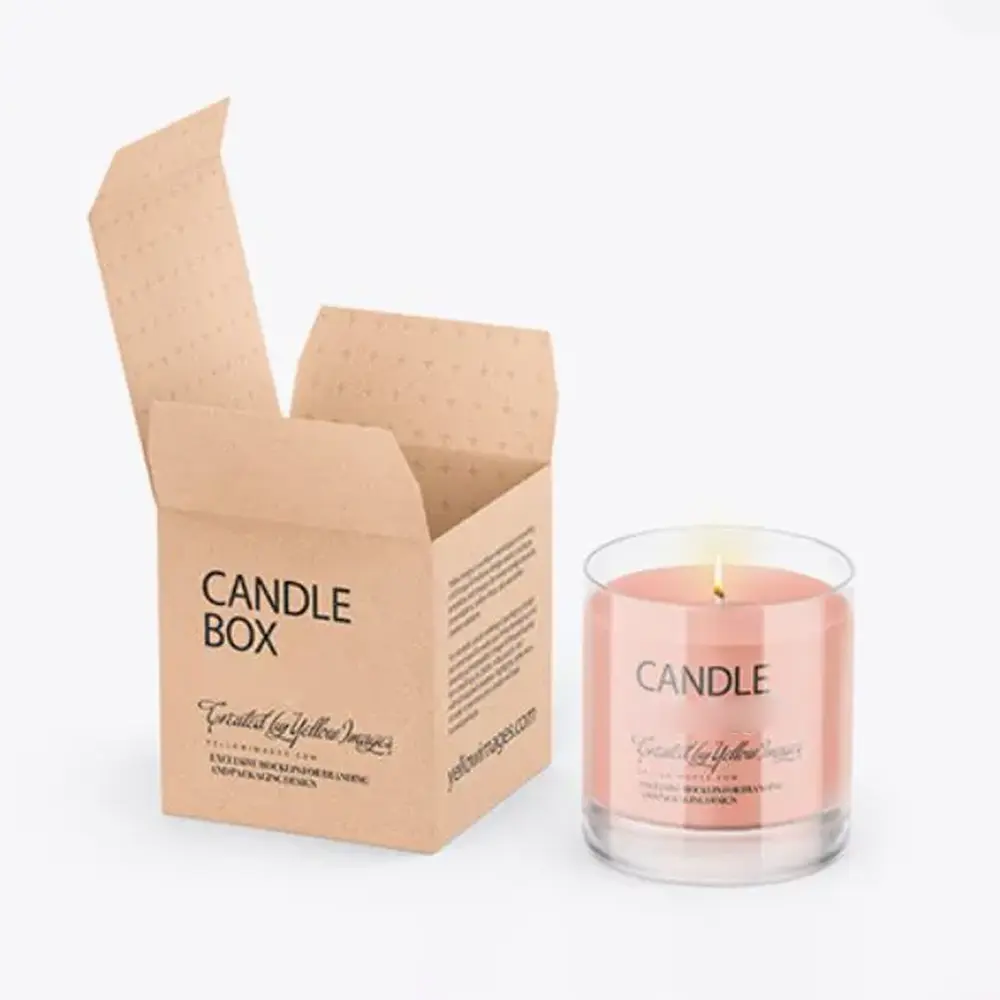 Eco-Friendly Candle Boxes
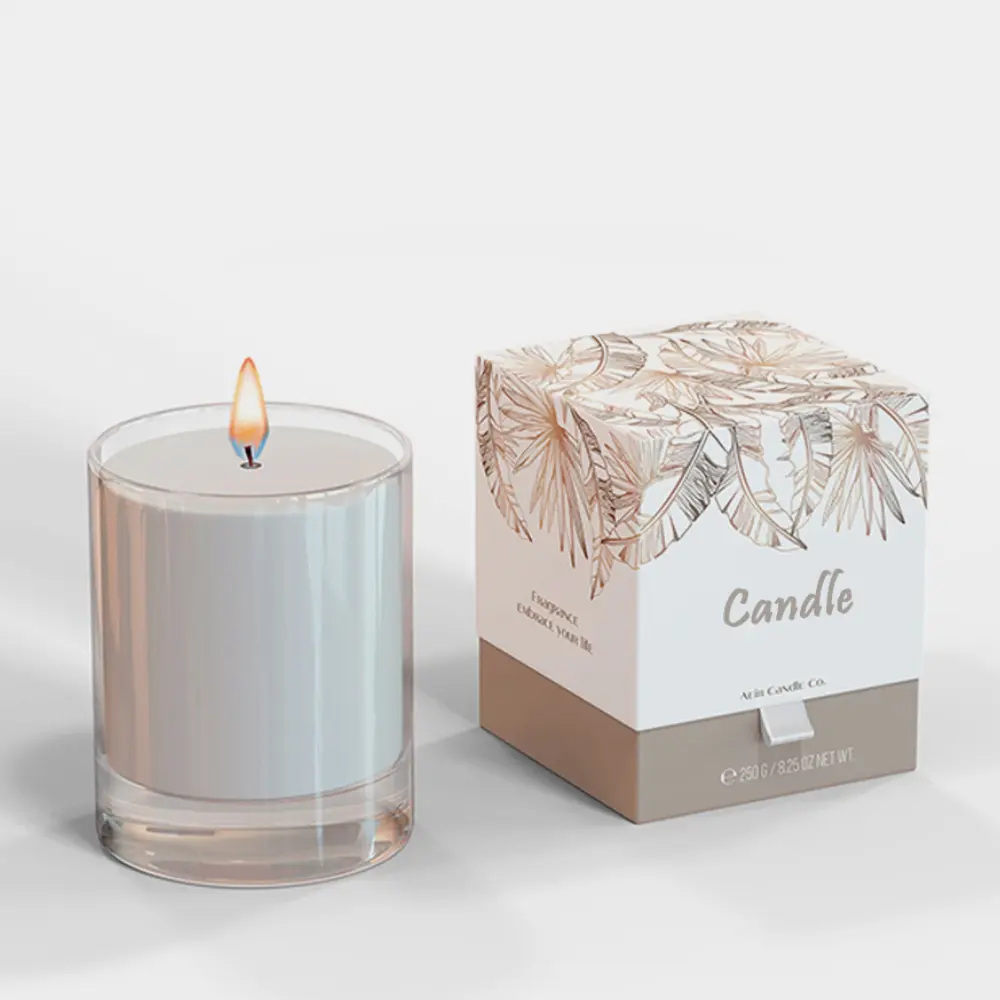 Luxury Candle Boxes
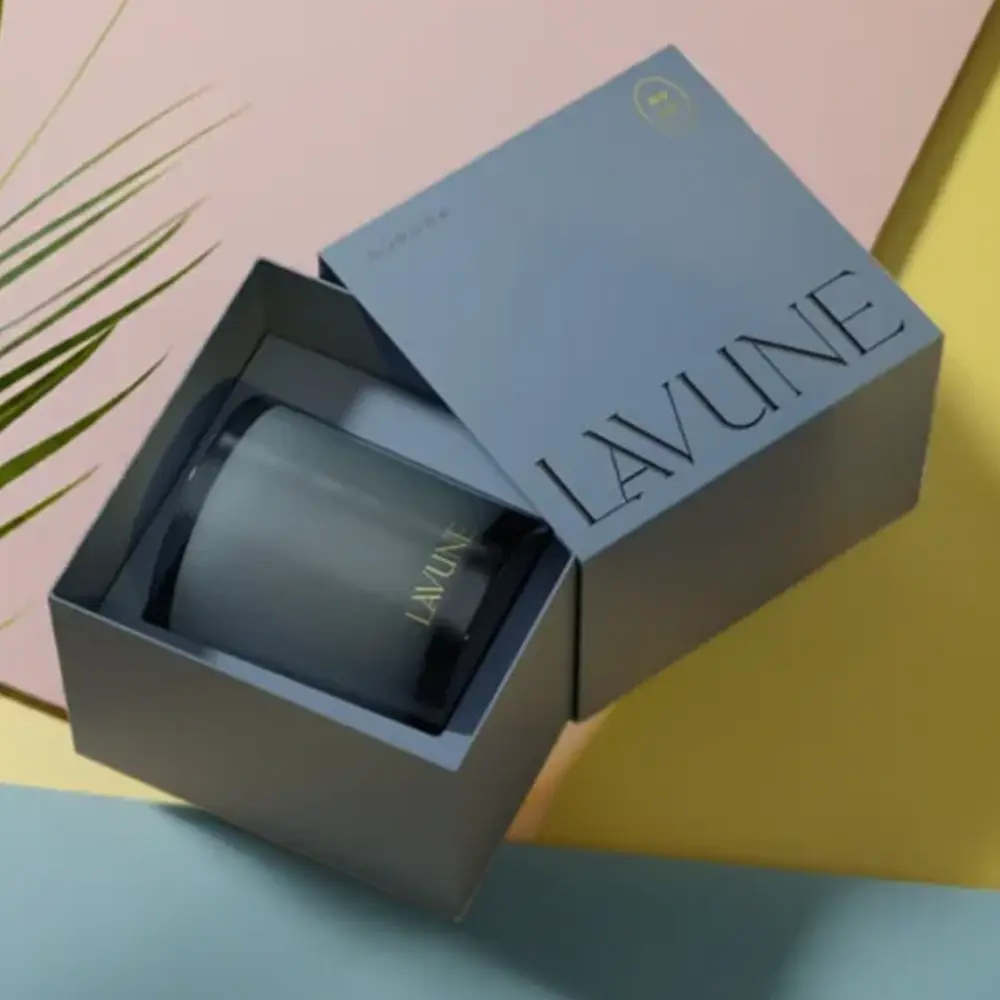 Rigid Candle Boxes
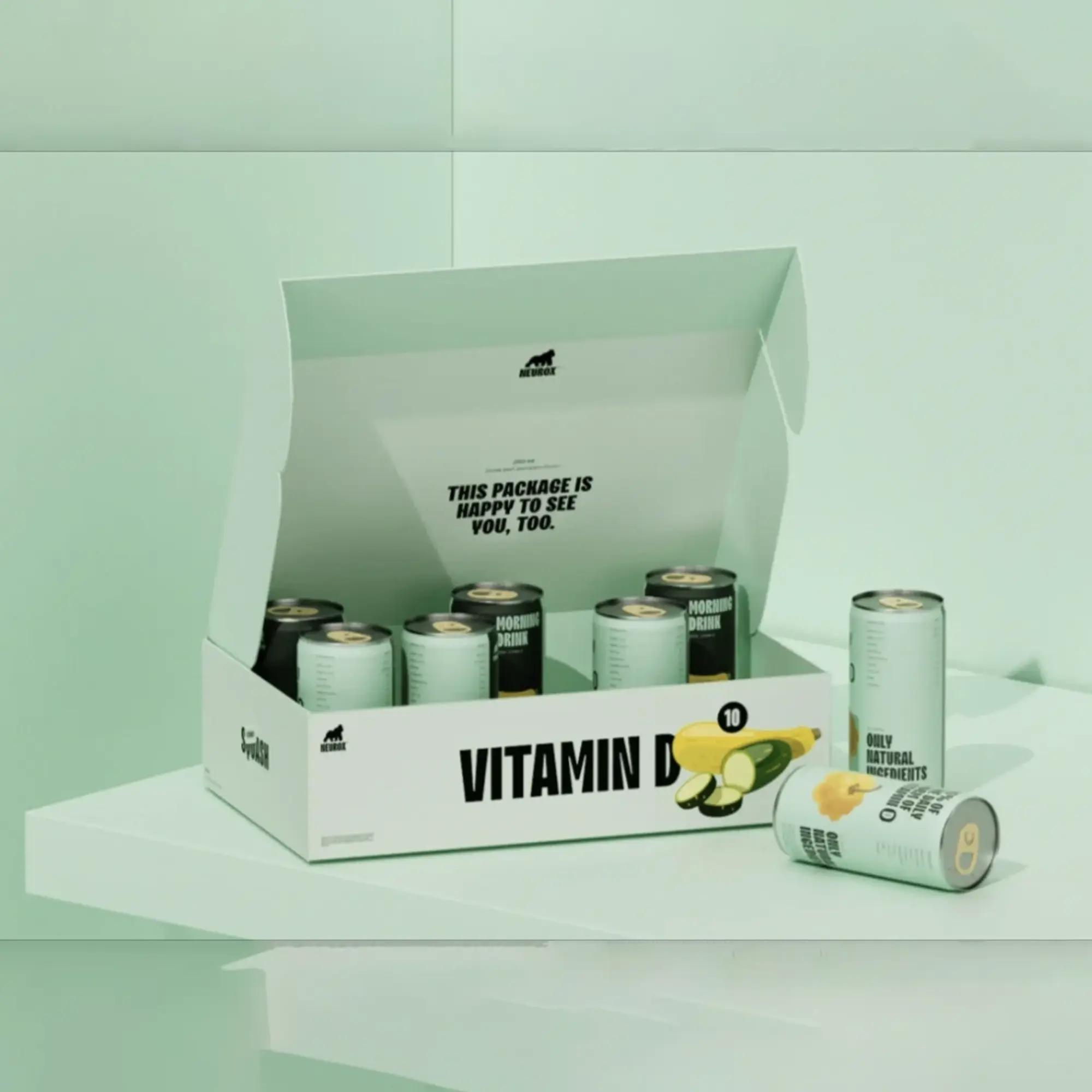 Beverage Boxes
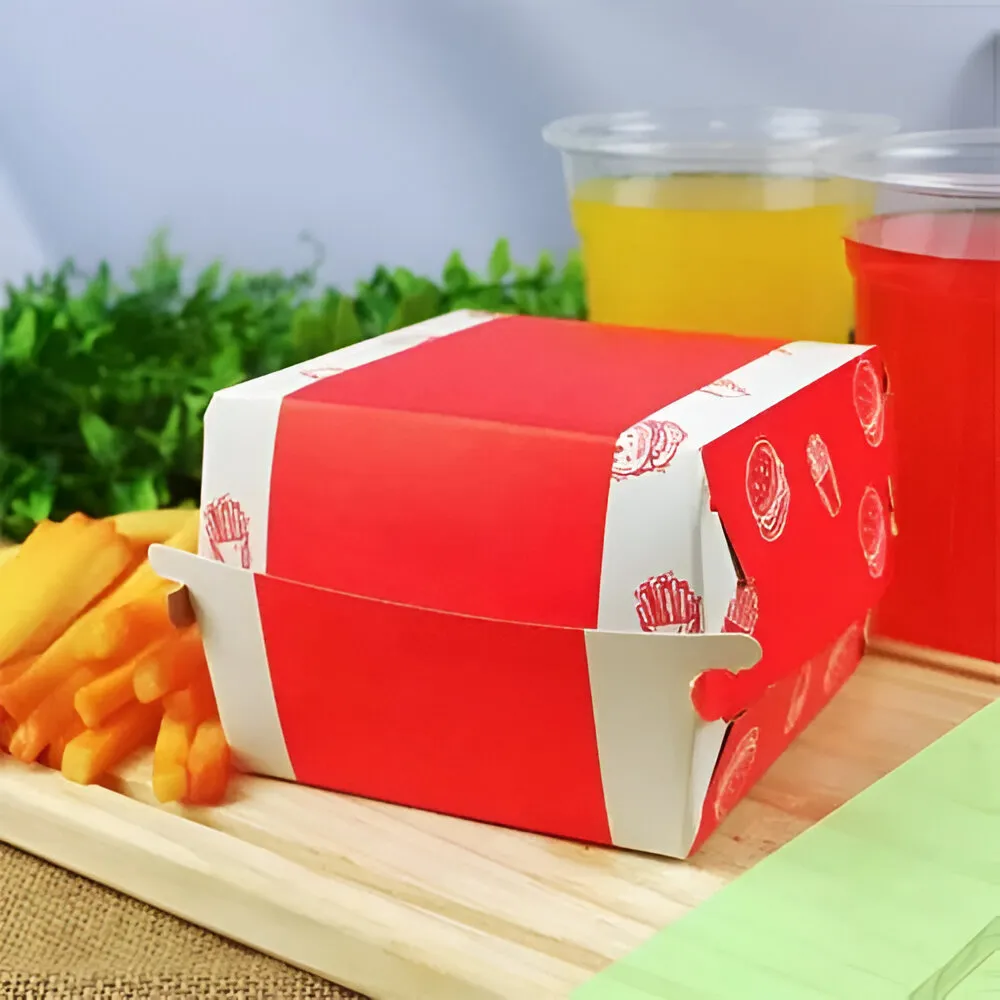 Custom Burger Boxes
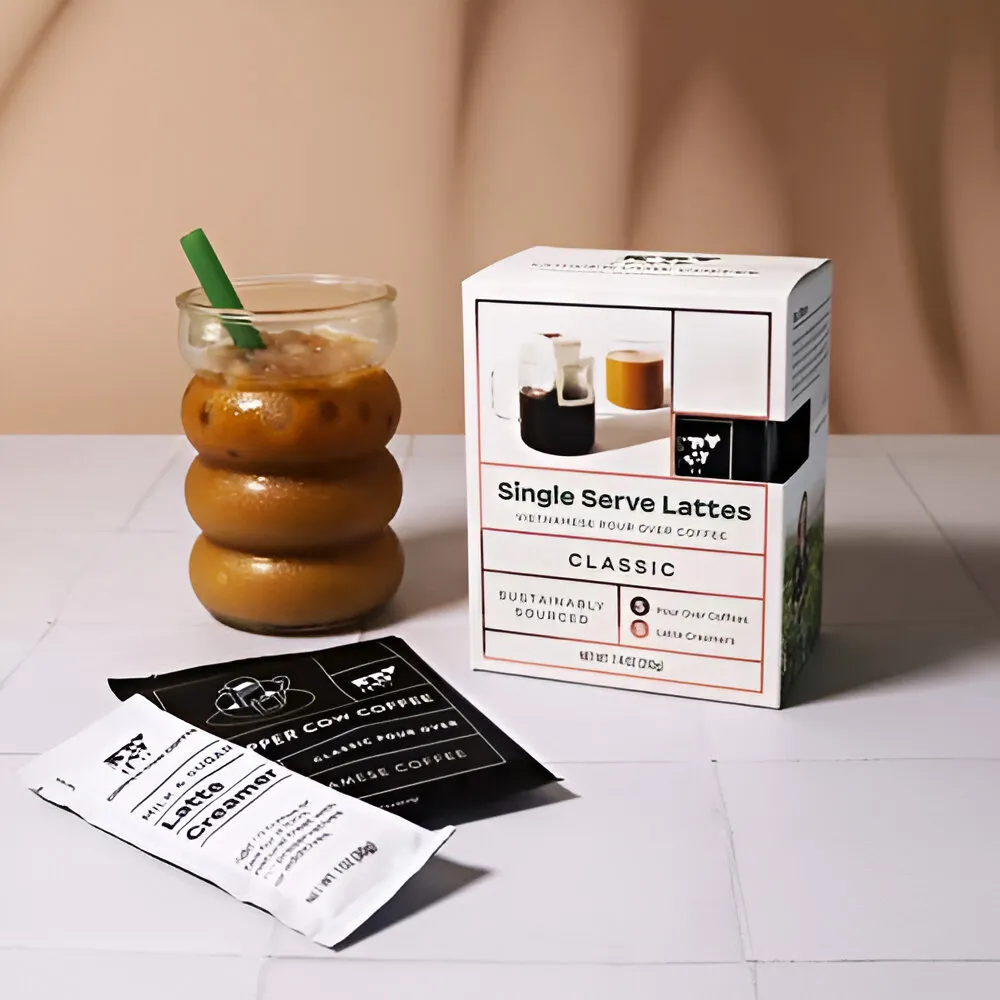 Custom Coffee Boxes
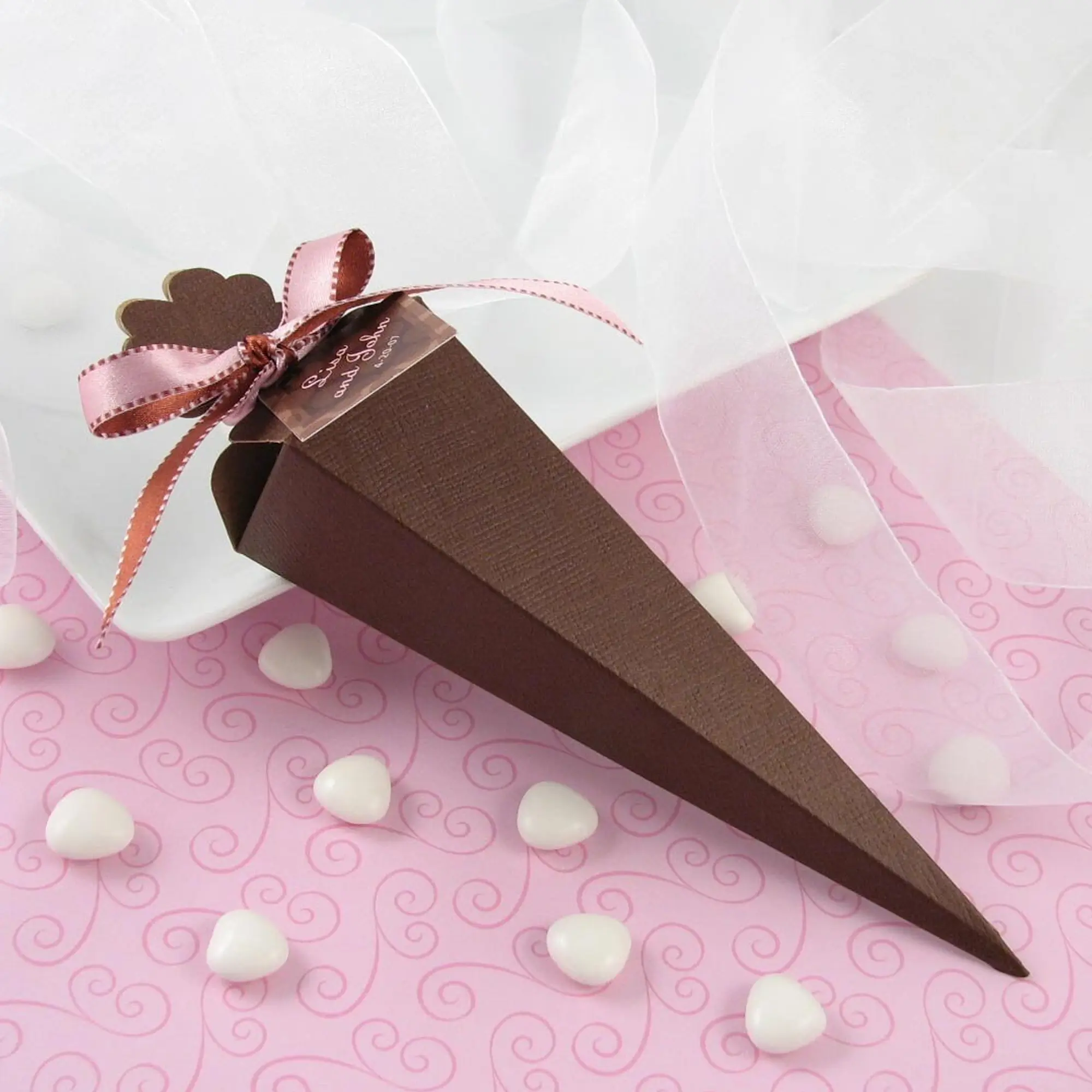 Custom Cone Boxes
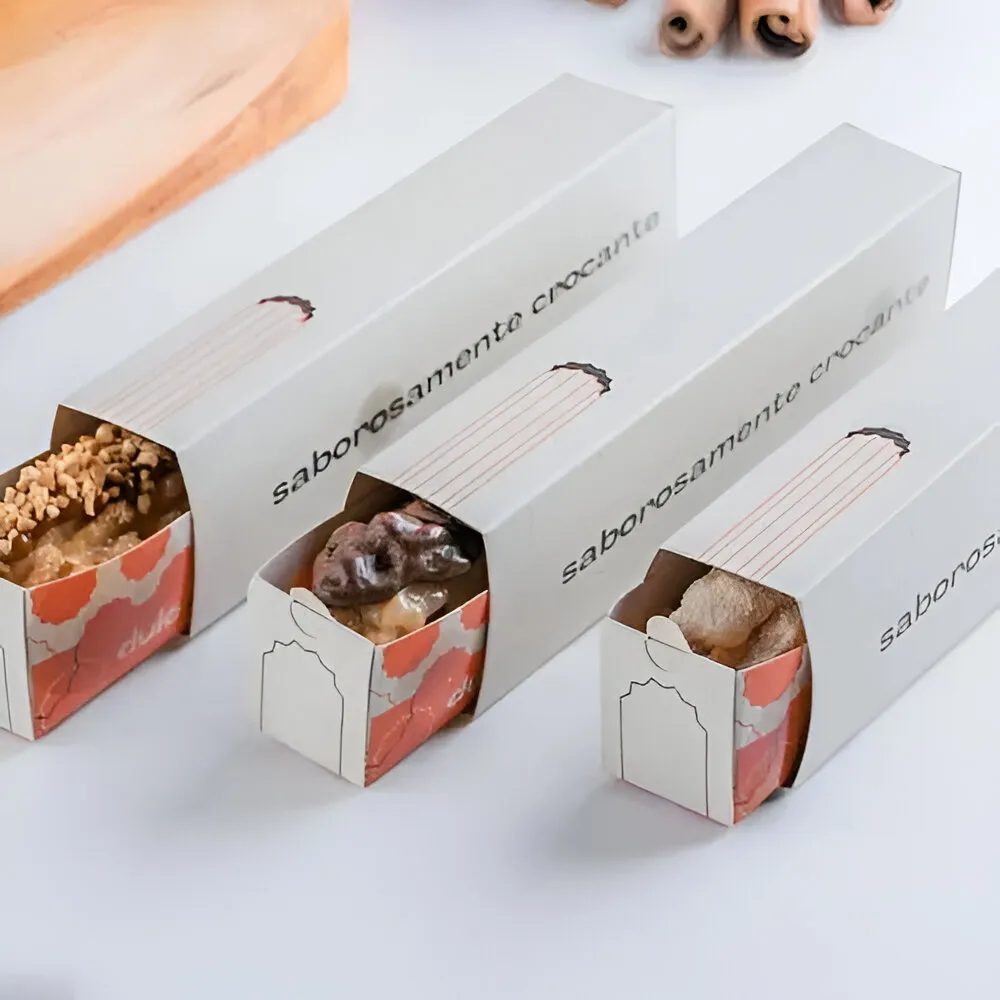 Custom Hot Dog Boxes
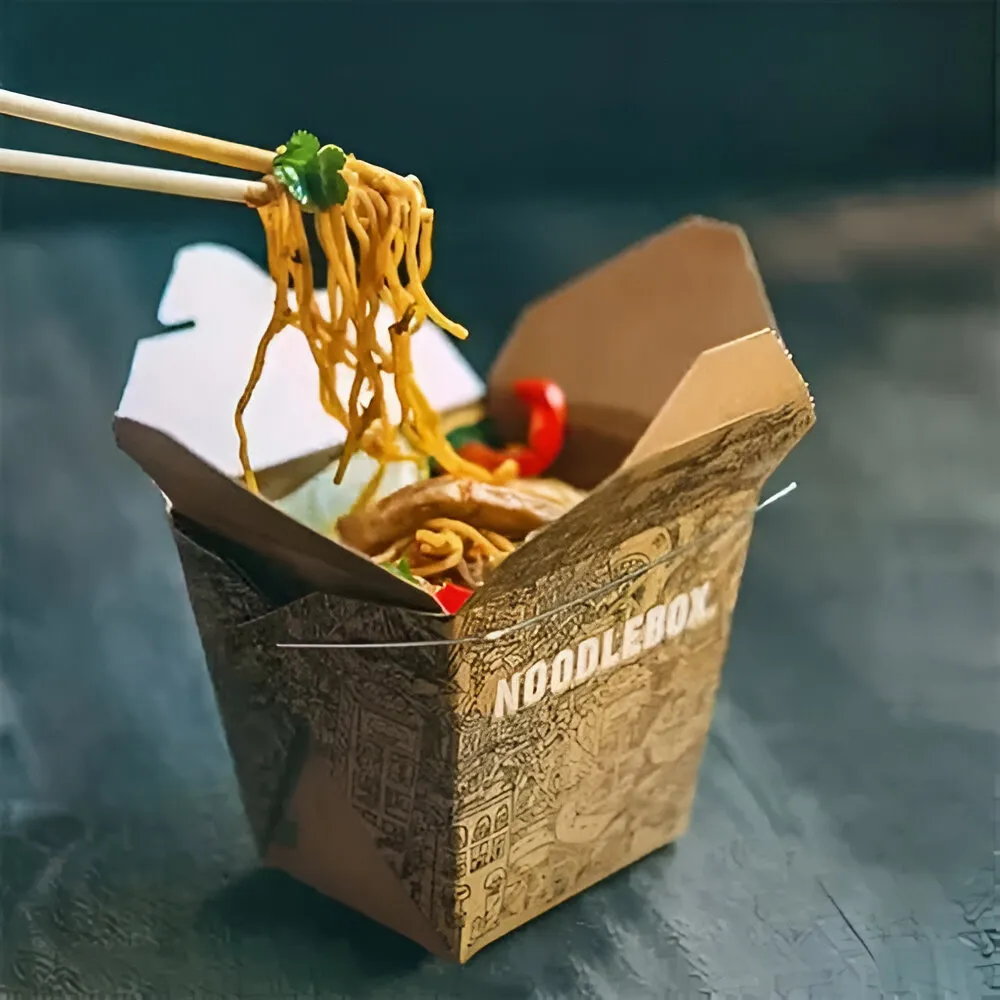 Custom Noodle Boxes
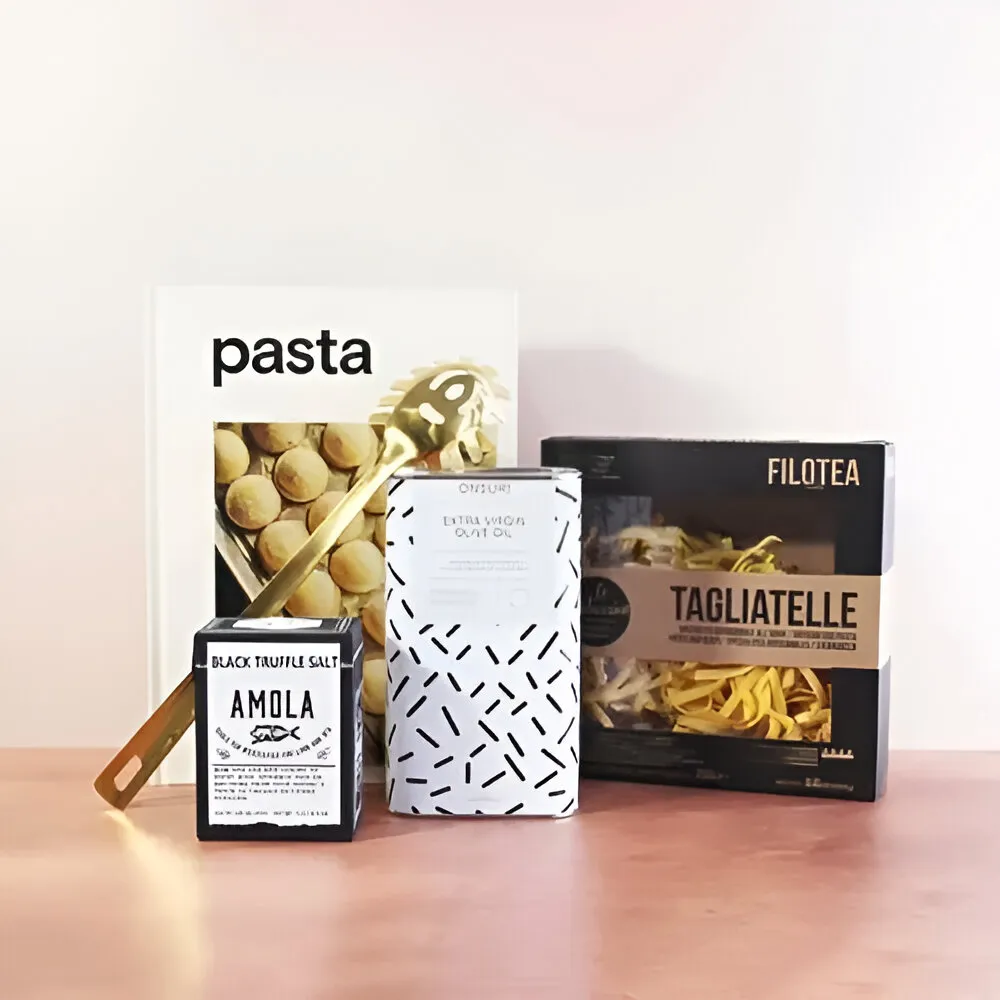 Custom Pasta Boxes
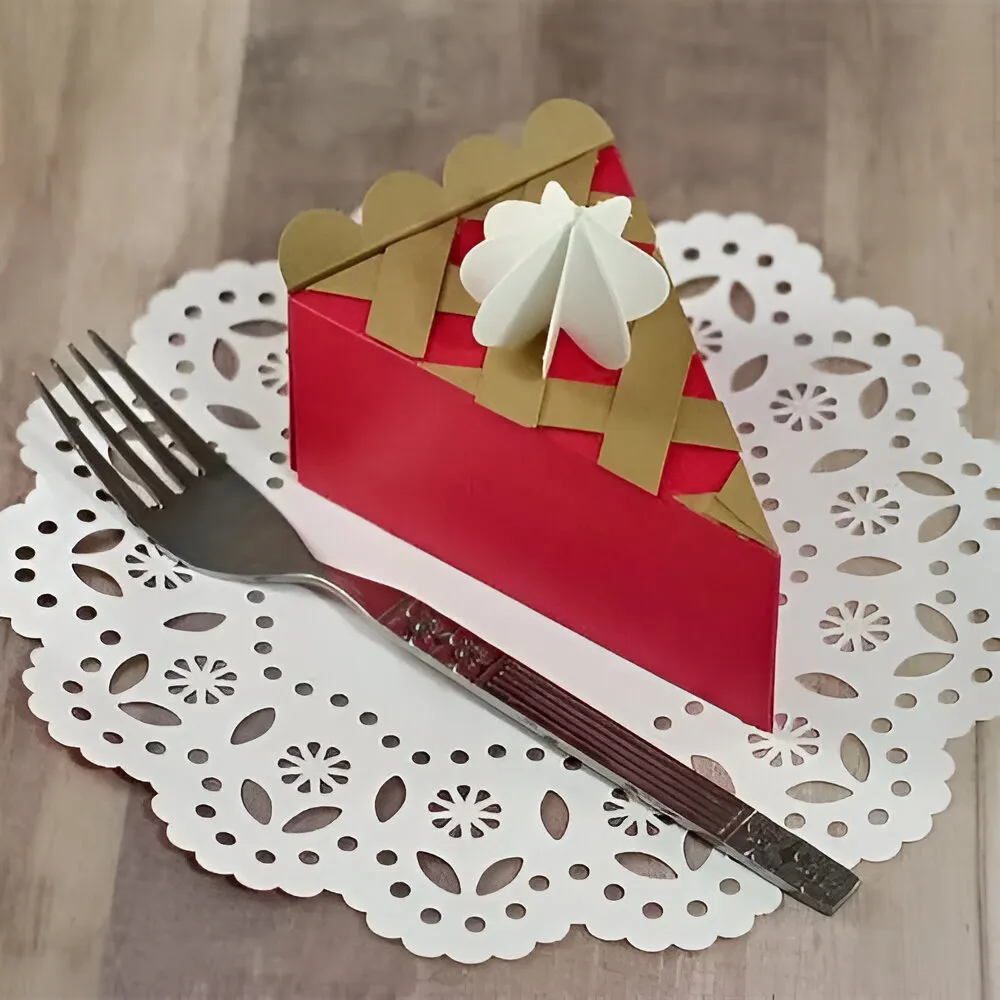 Custom Pie Boxes
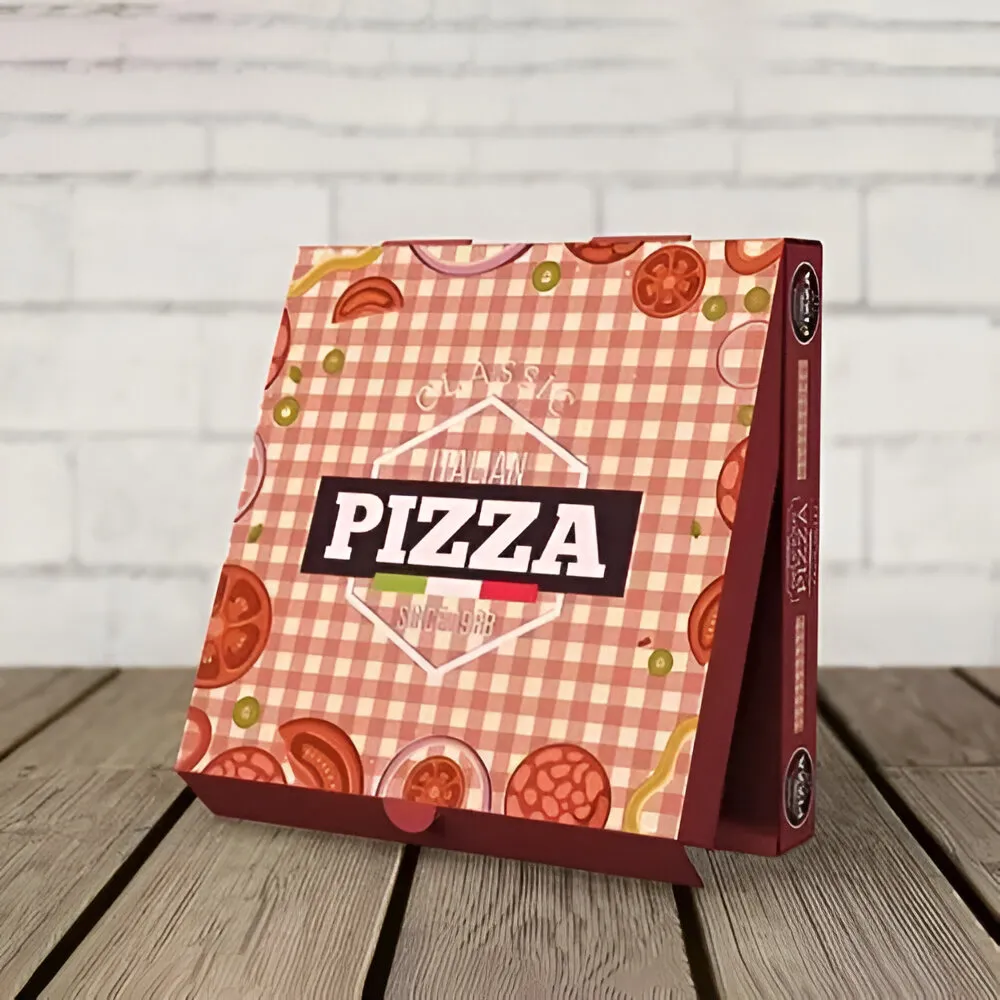 Custom Pizza Boxes
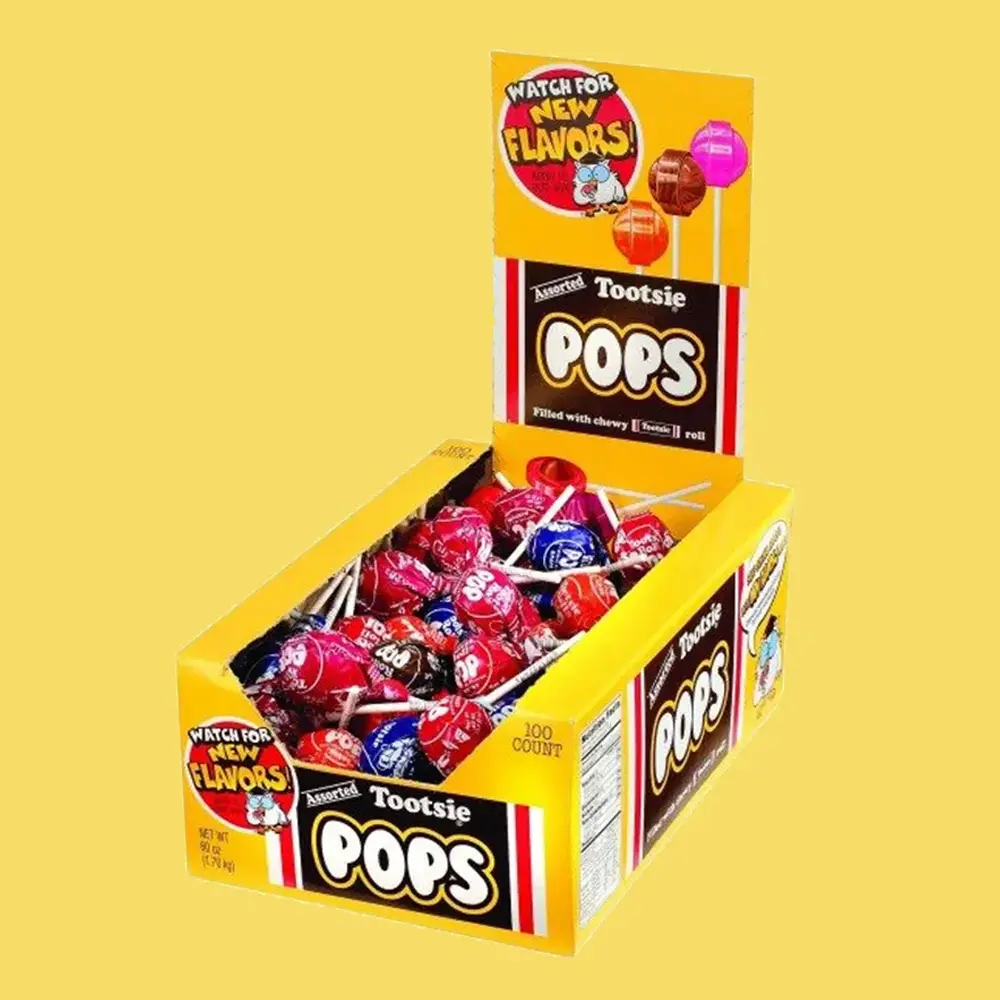 Candy Display Boxes
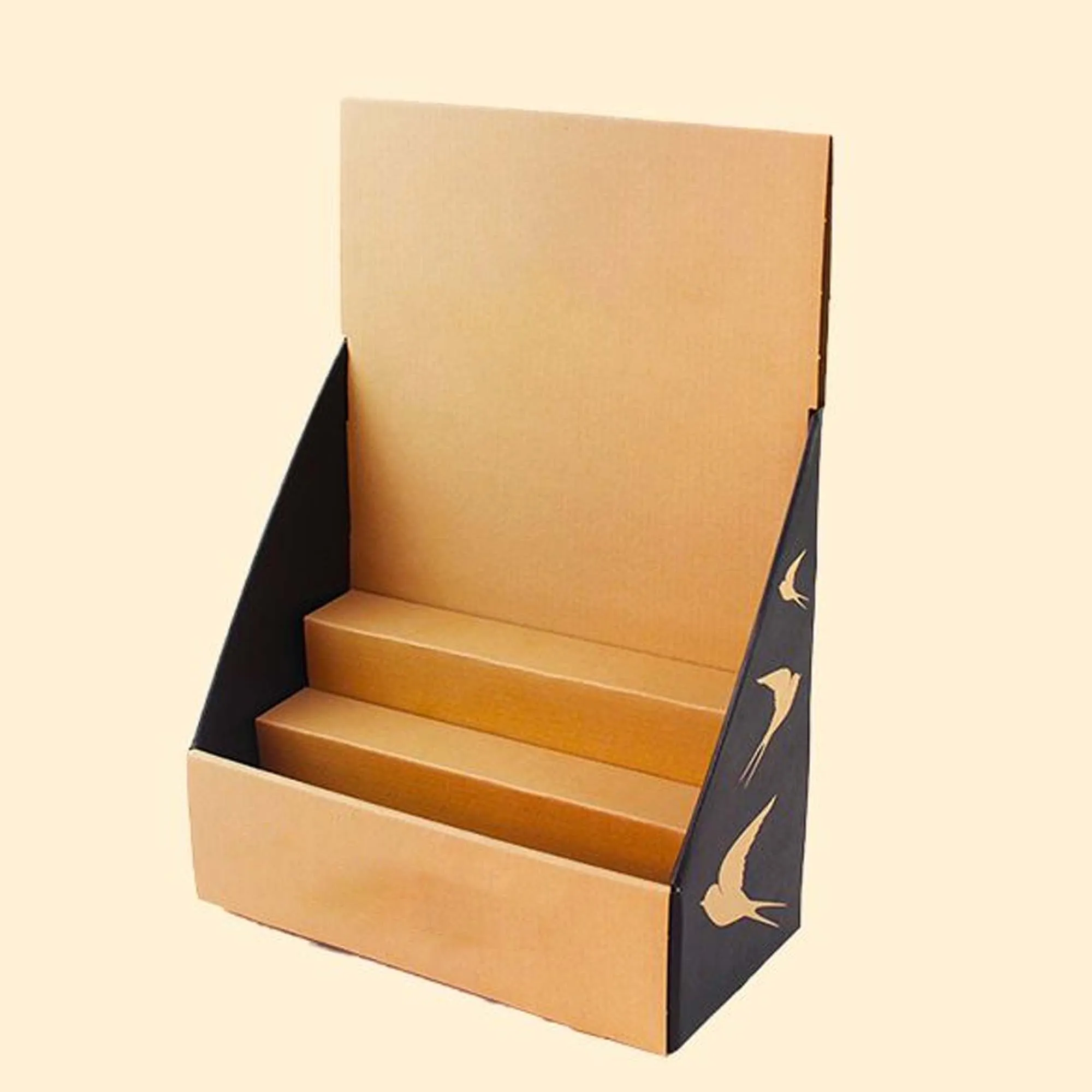 Cardboard Display Boxes
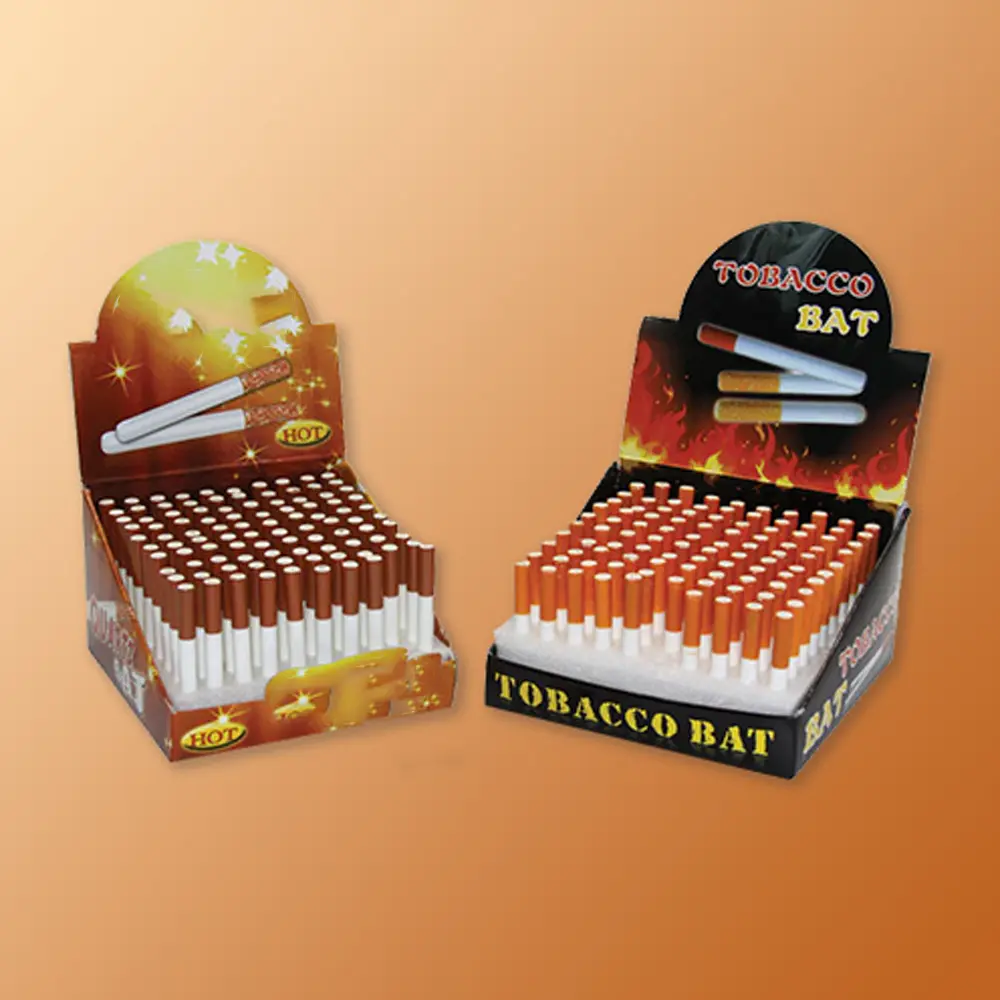 Cigarette Display Boxes
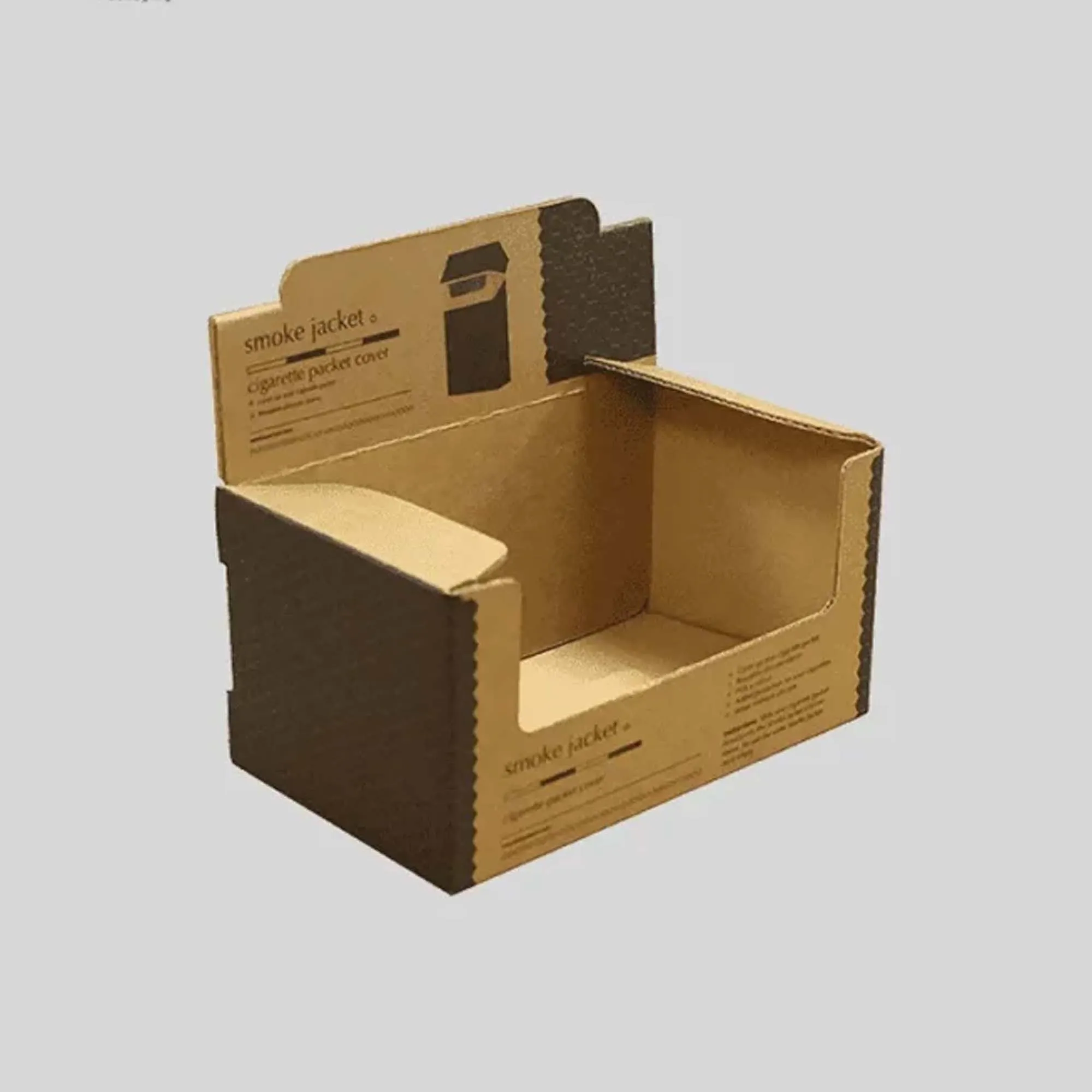 Corrugated Display Boxes
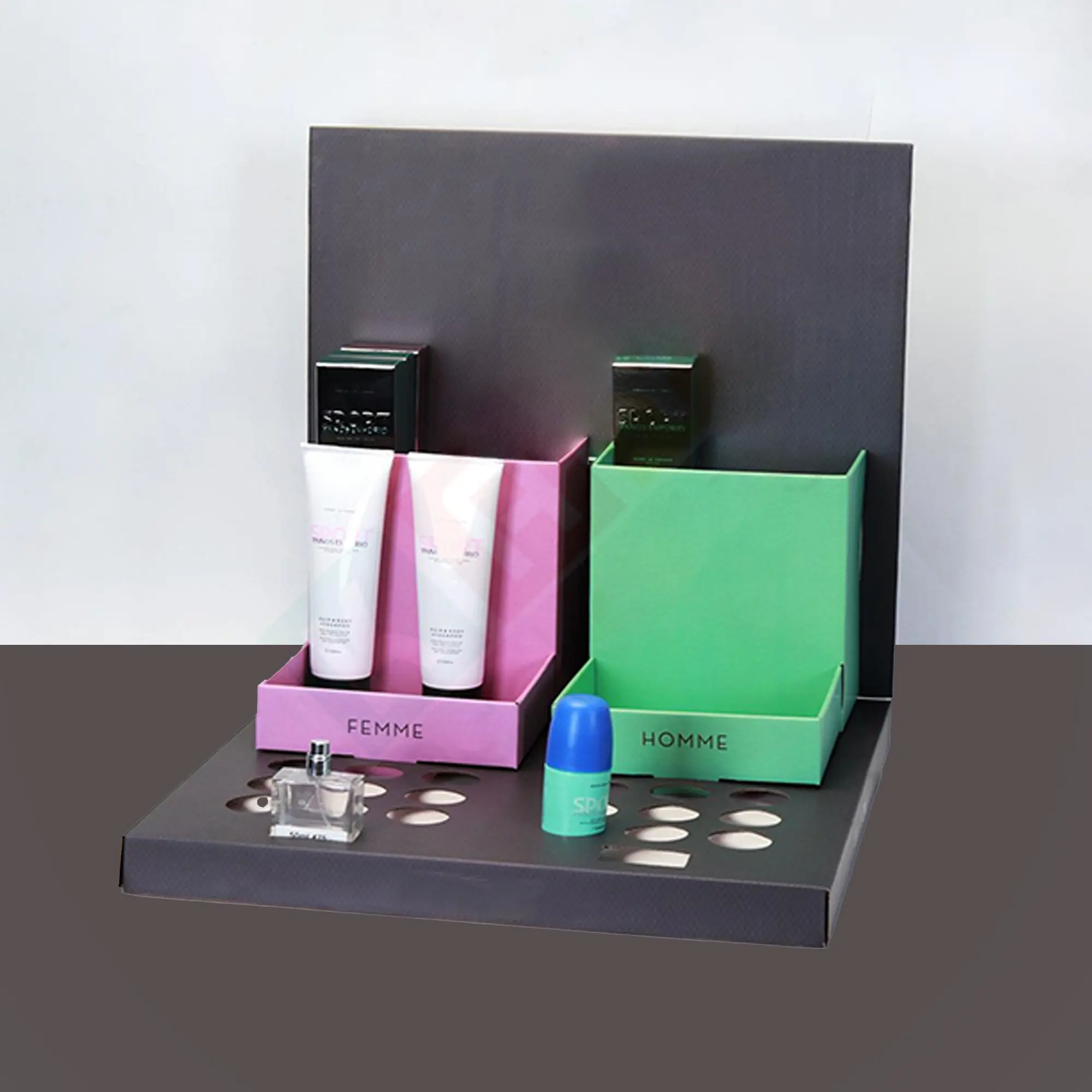 Cosmetic Display Boxes
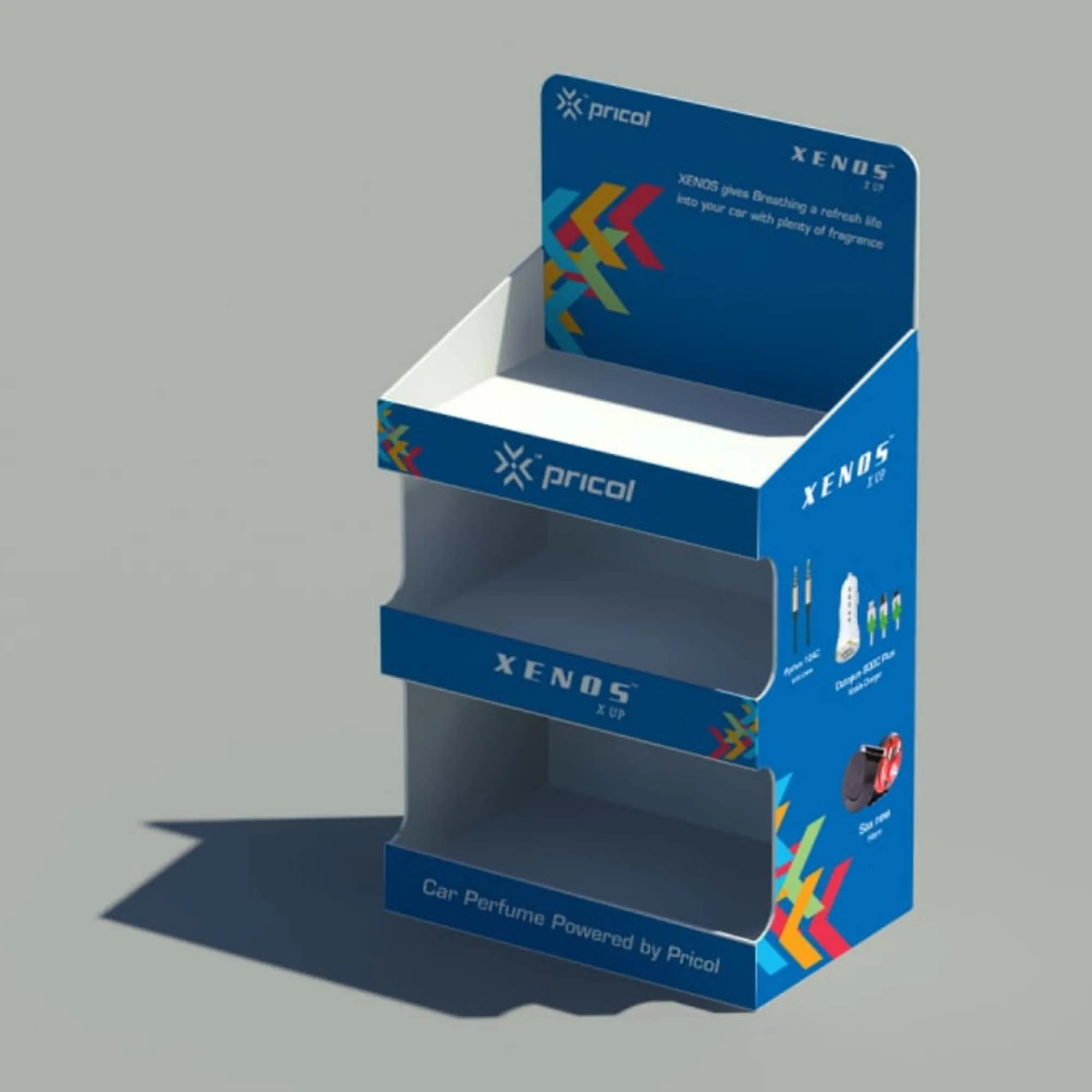 Counter Display Cases
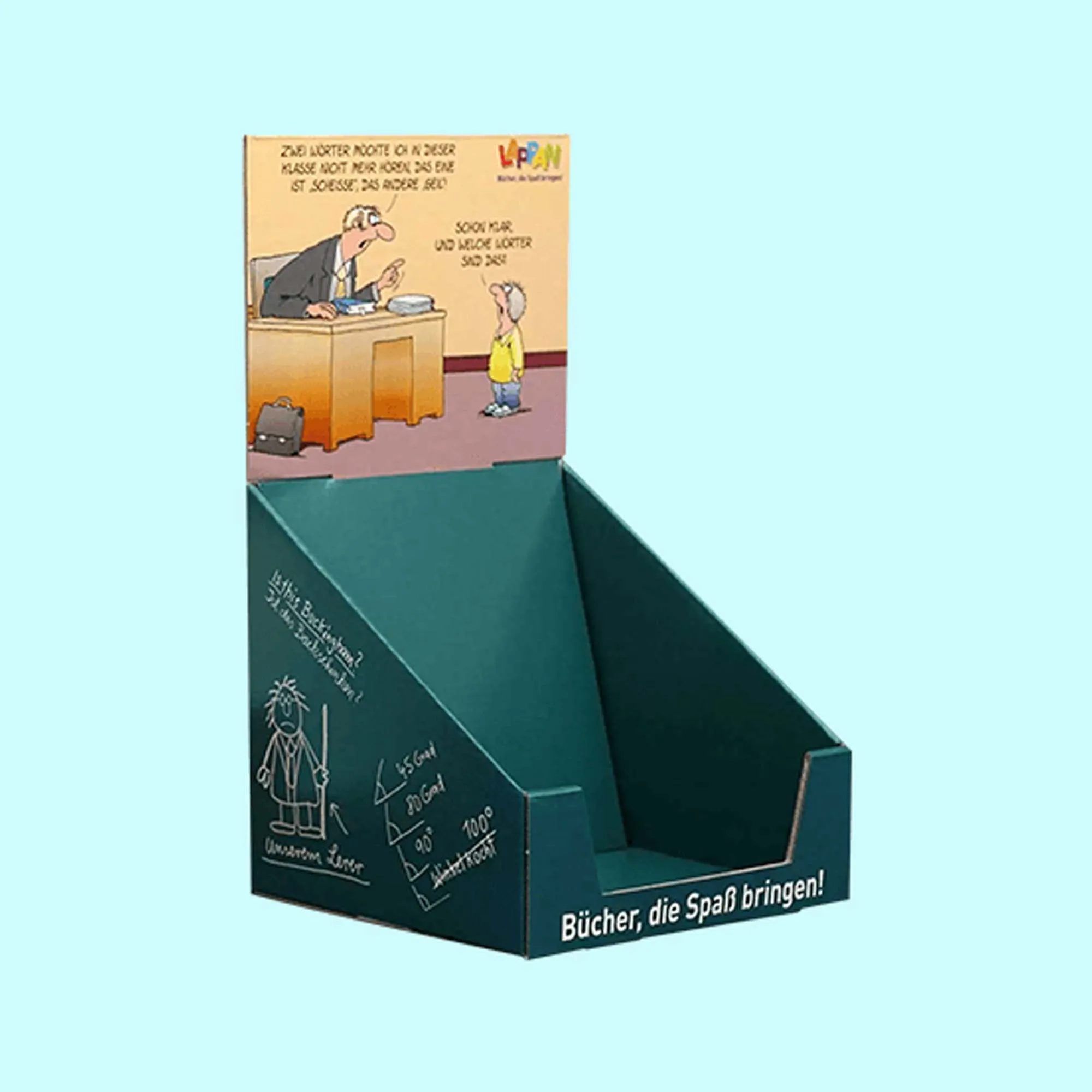 Custom Display Packaging Boxes
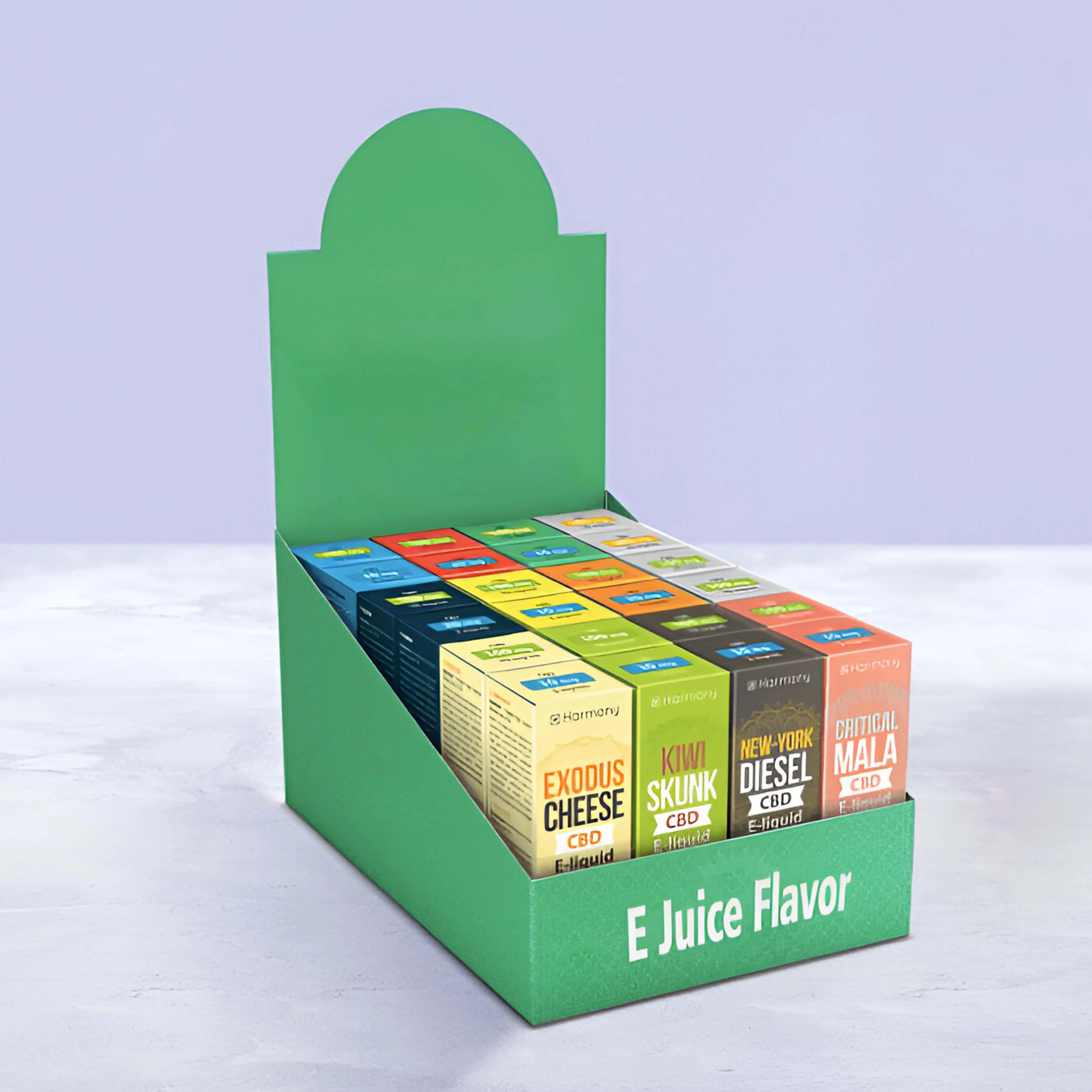 Custom E Juice Display Boxes
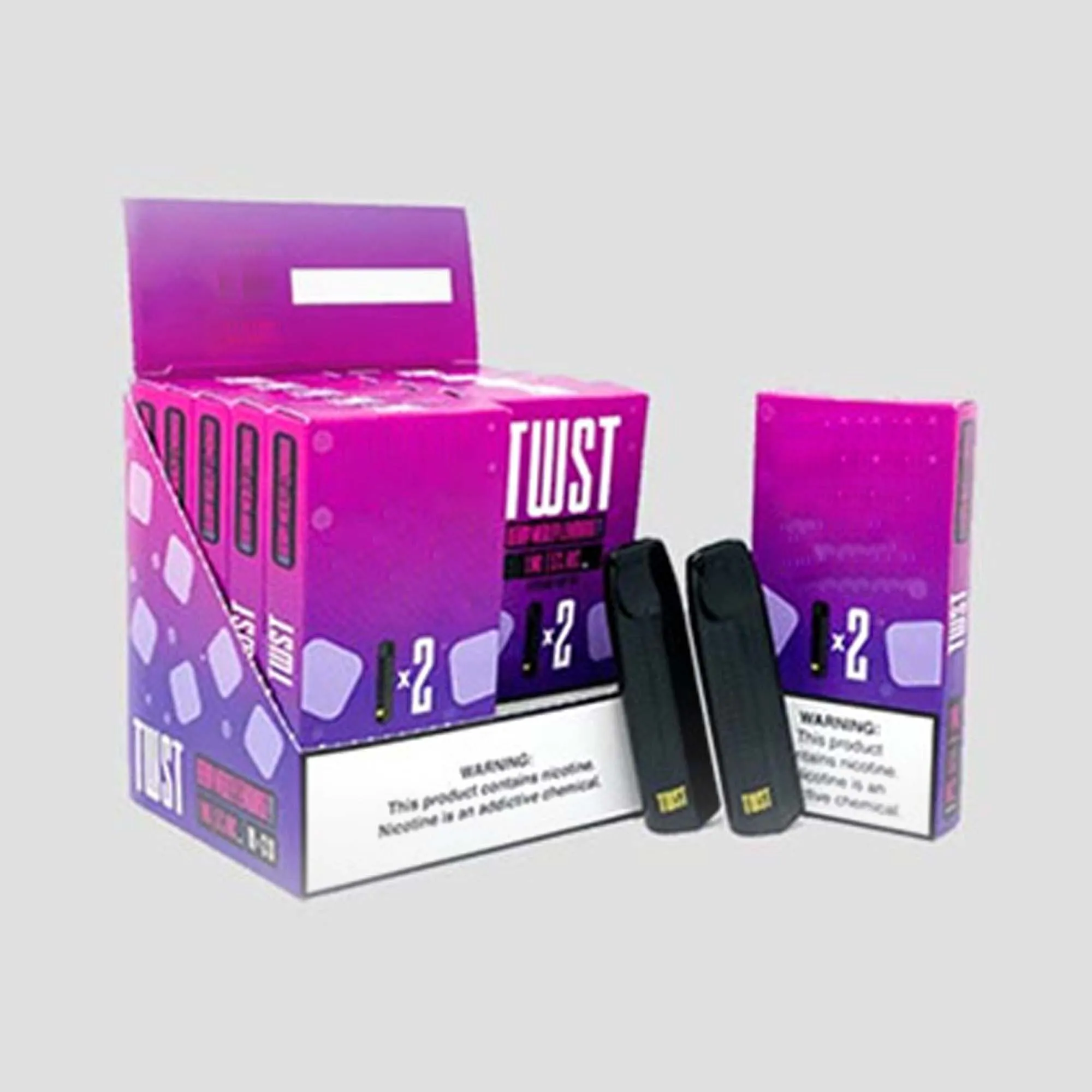 Custom Vape Display Boxes
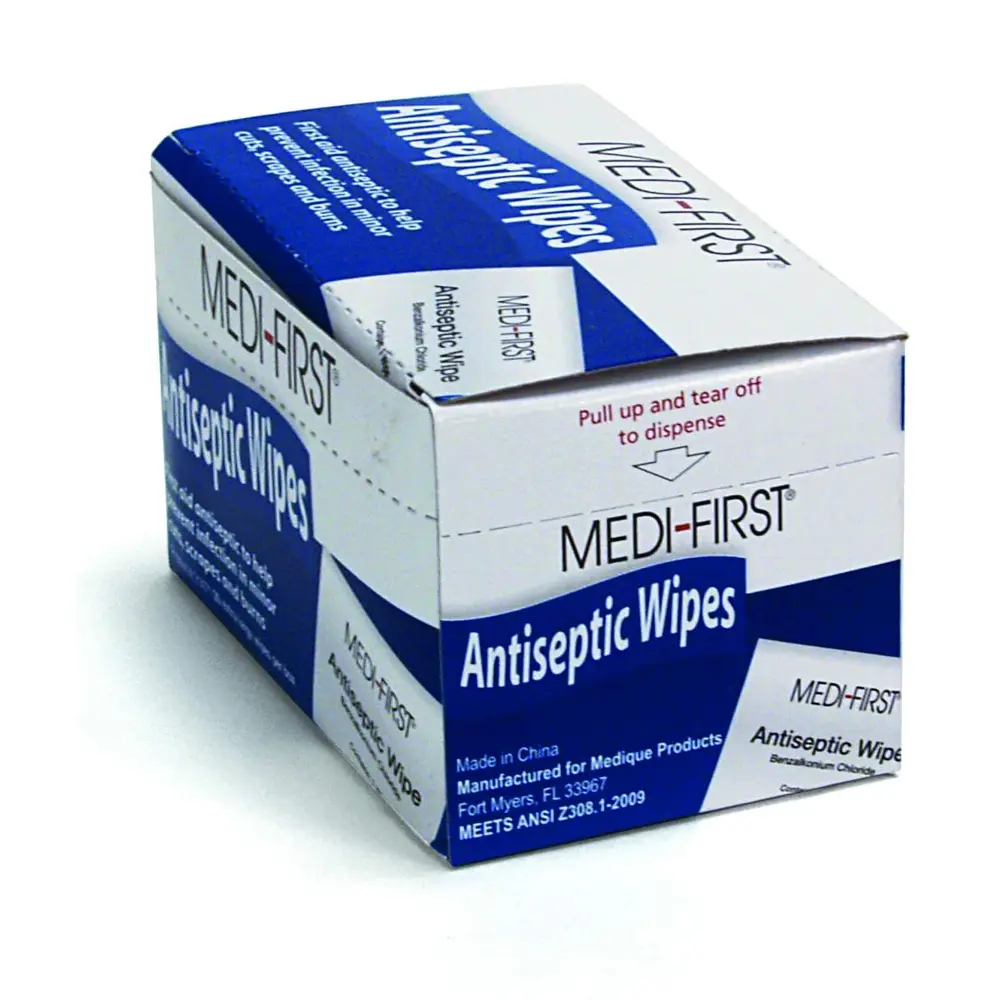 Antiseptic Boxes
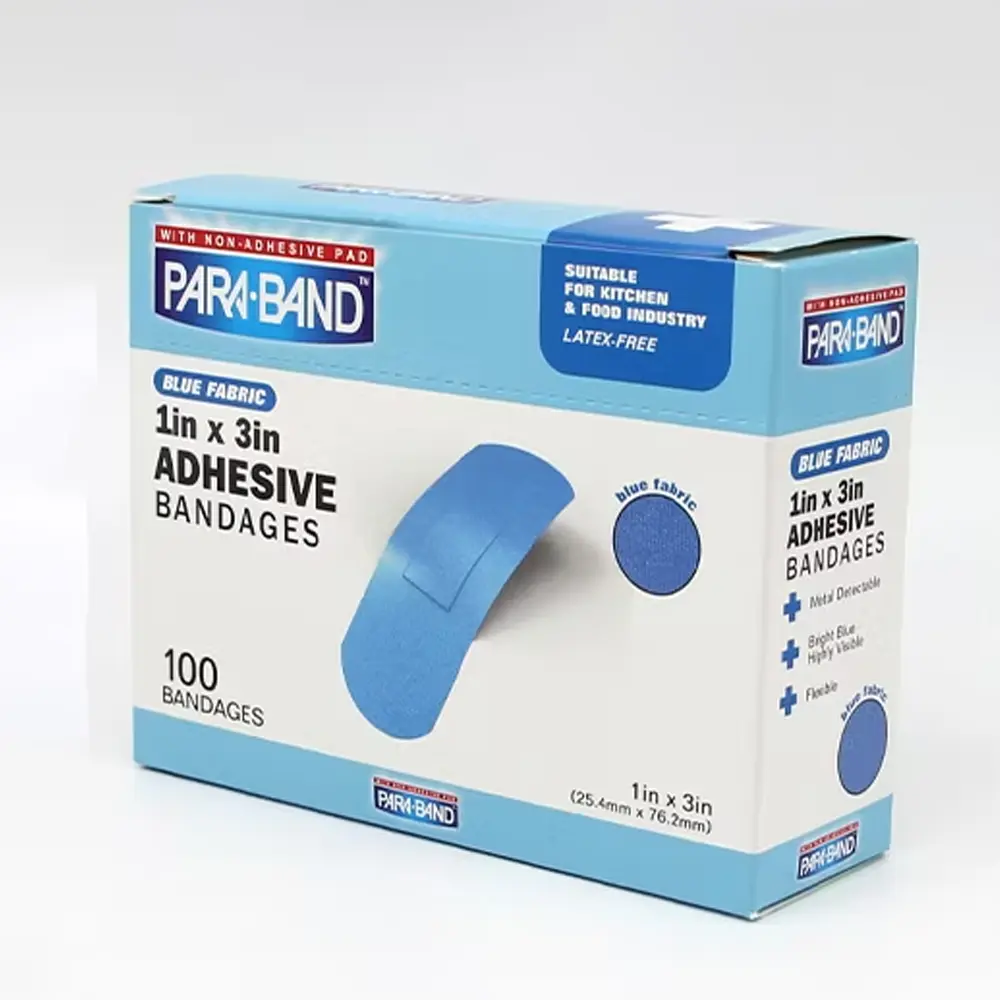 Bandage Boxes
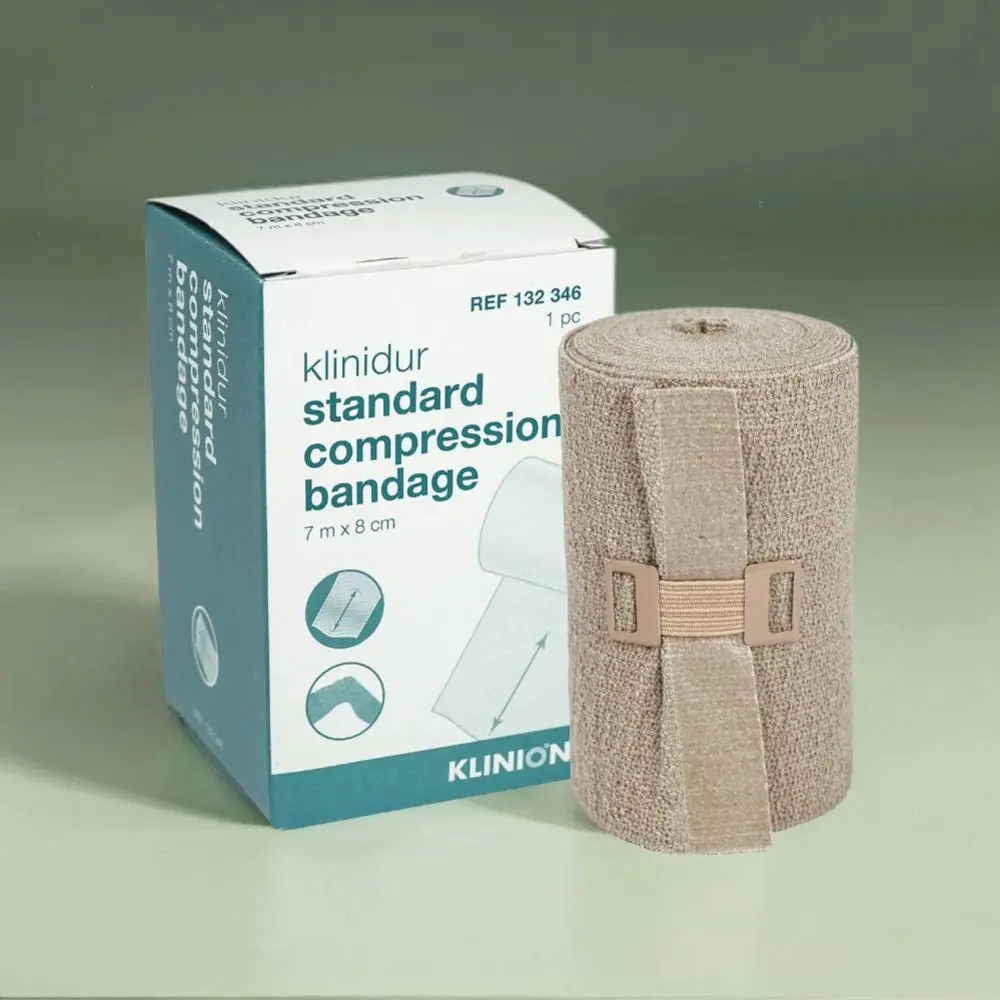 Compression Bandage Boxes
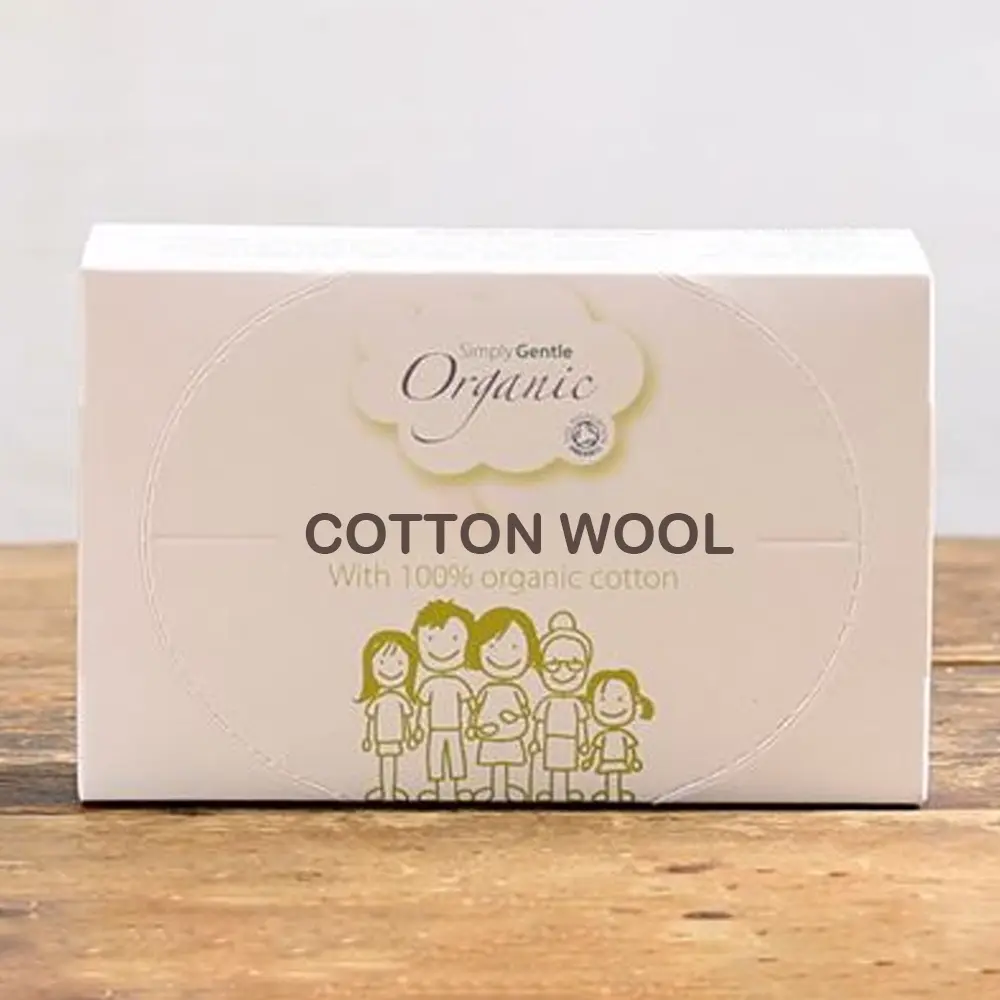 Cotton Wool Boxes
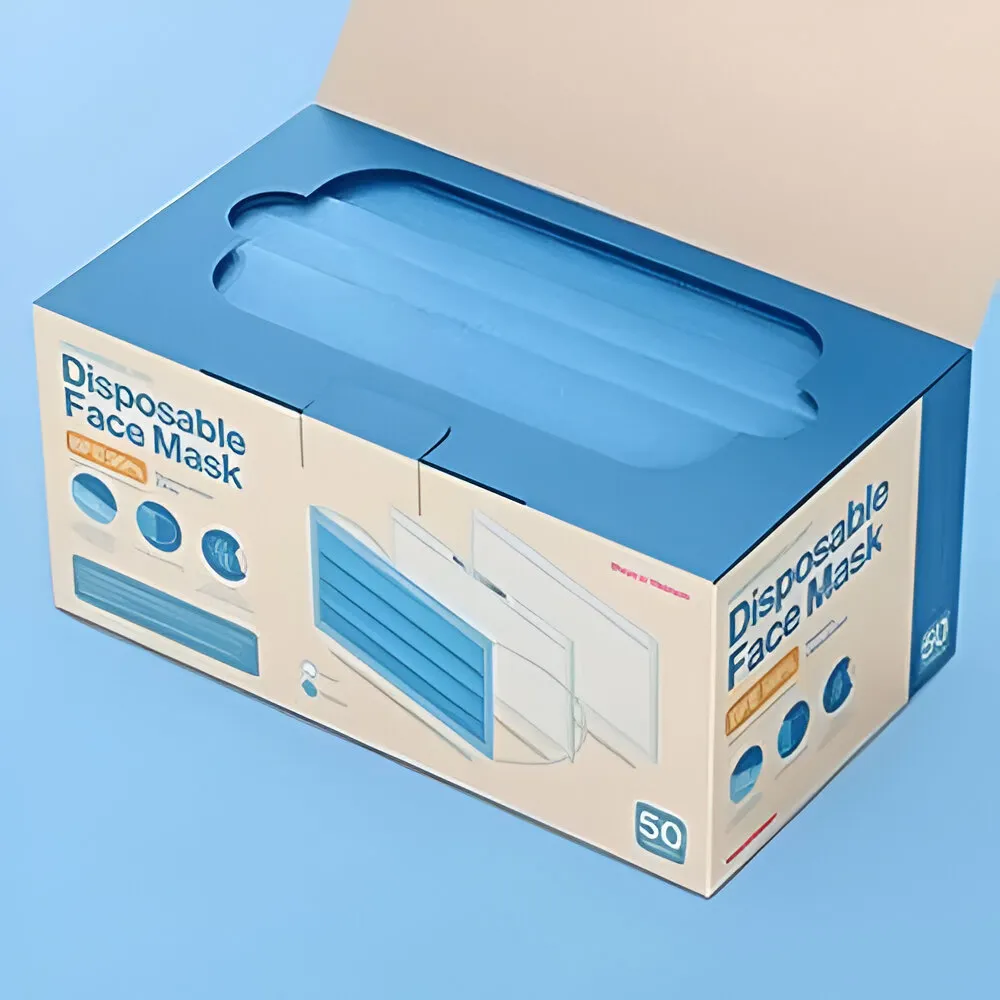 Custom Face Mask Boxes
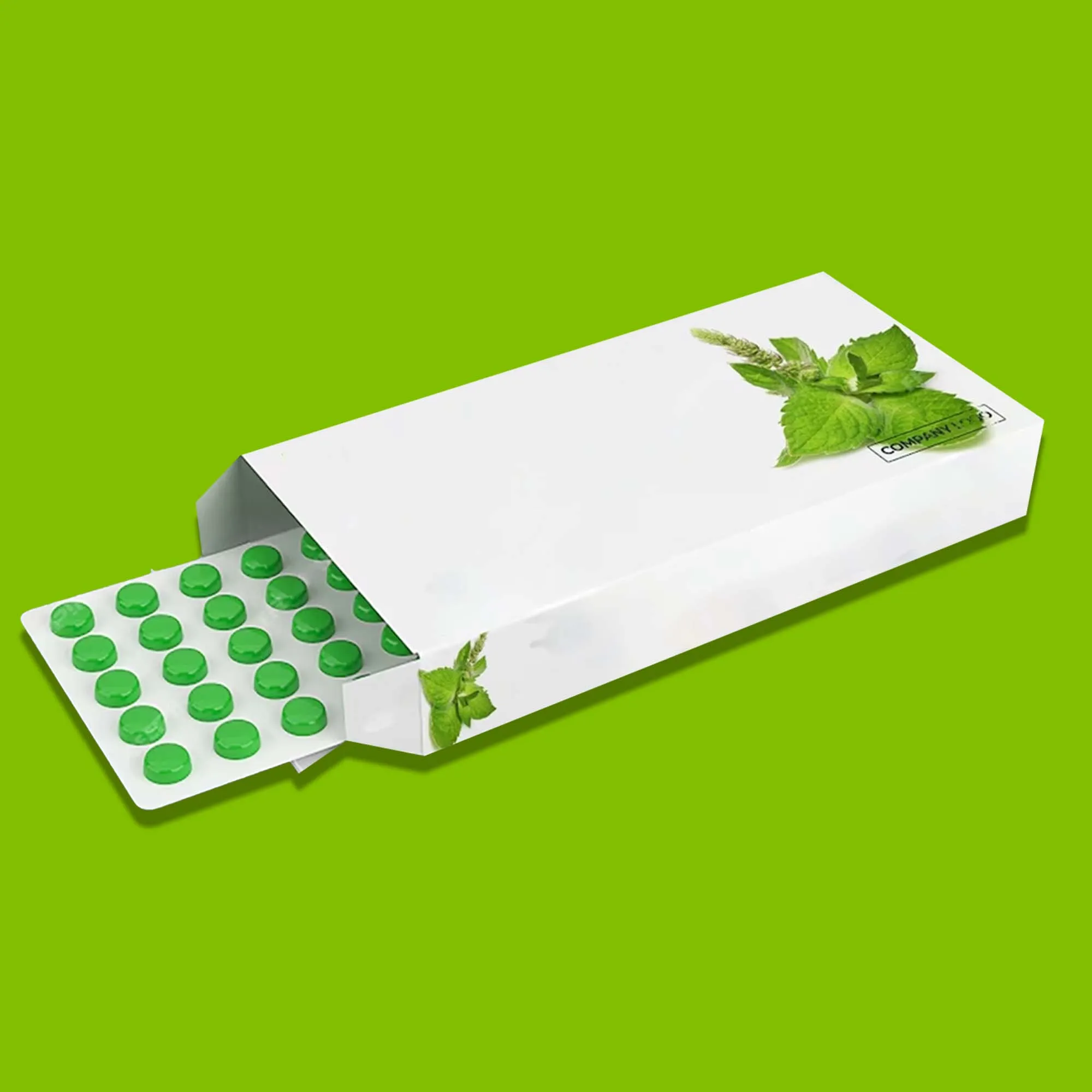 Custom Printed Medicine Packaging Boxes
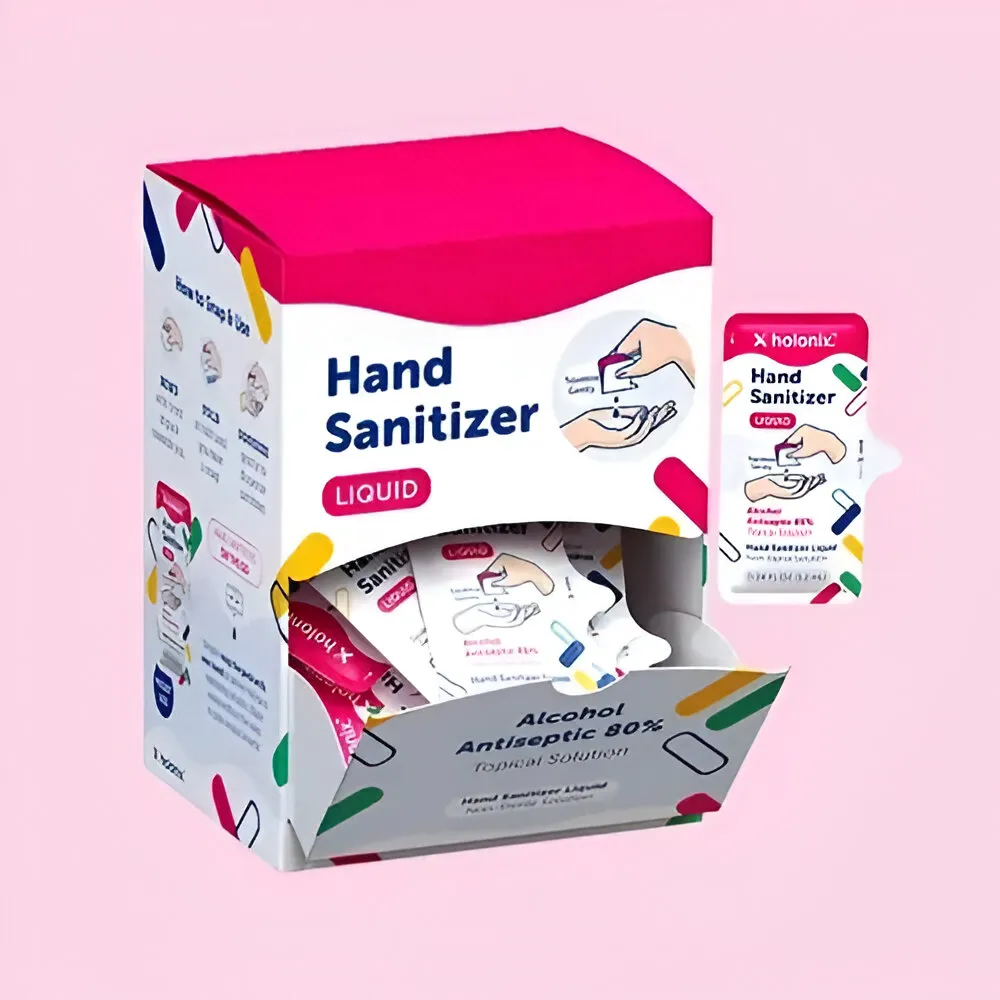 Custom Sanitizer Packaging Boxes
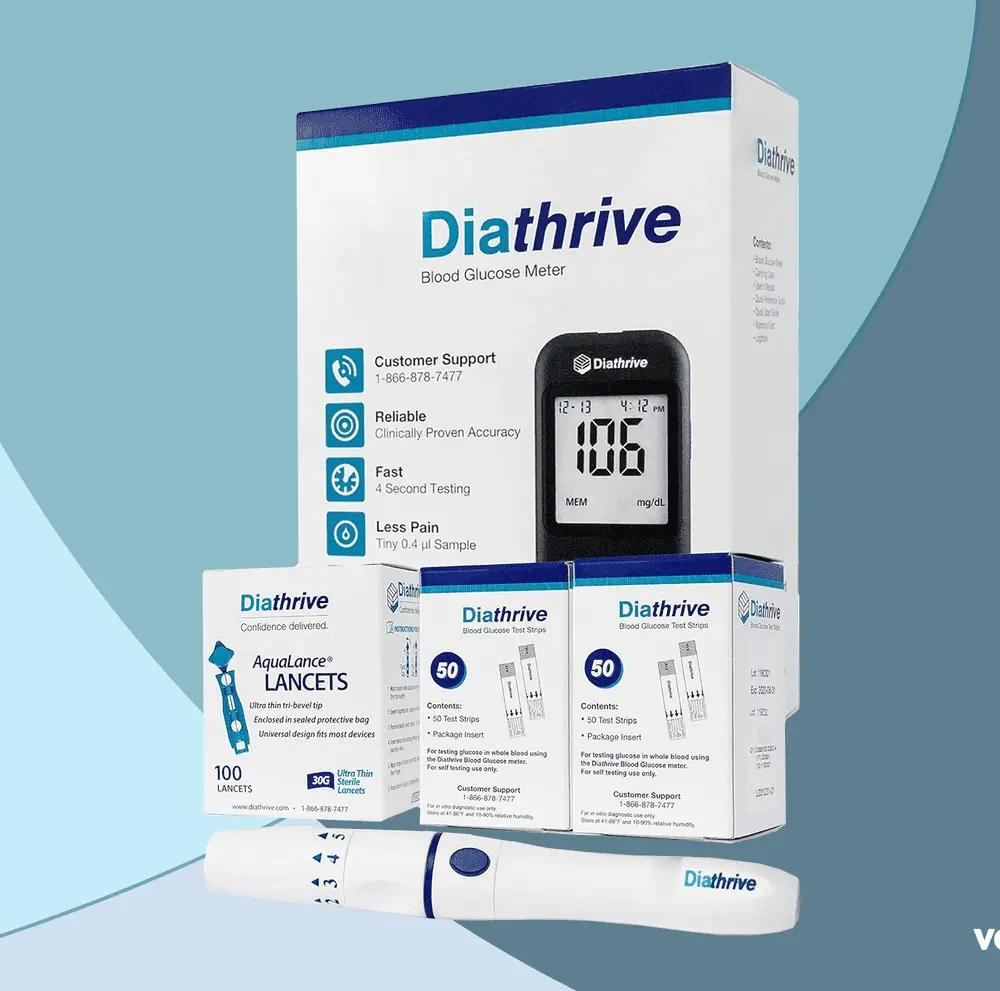 Glucometer Boxes
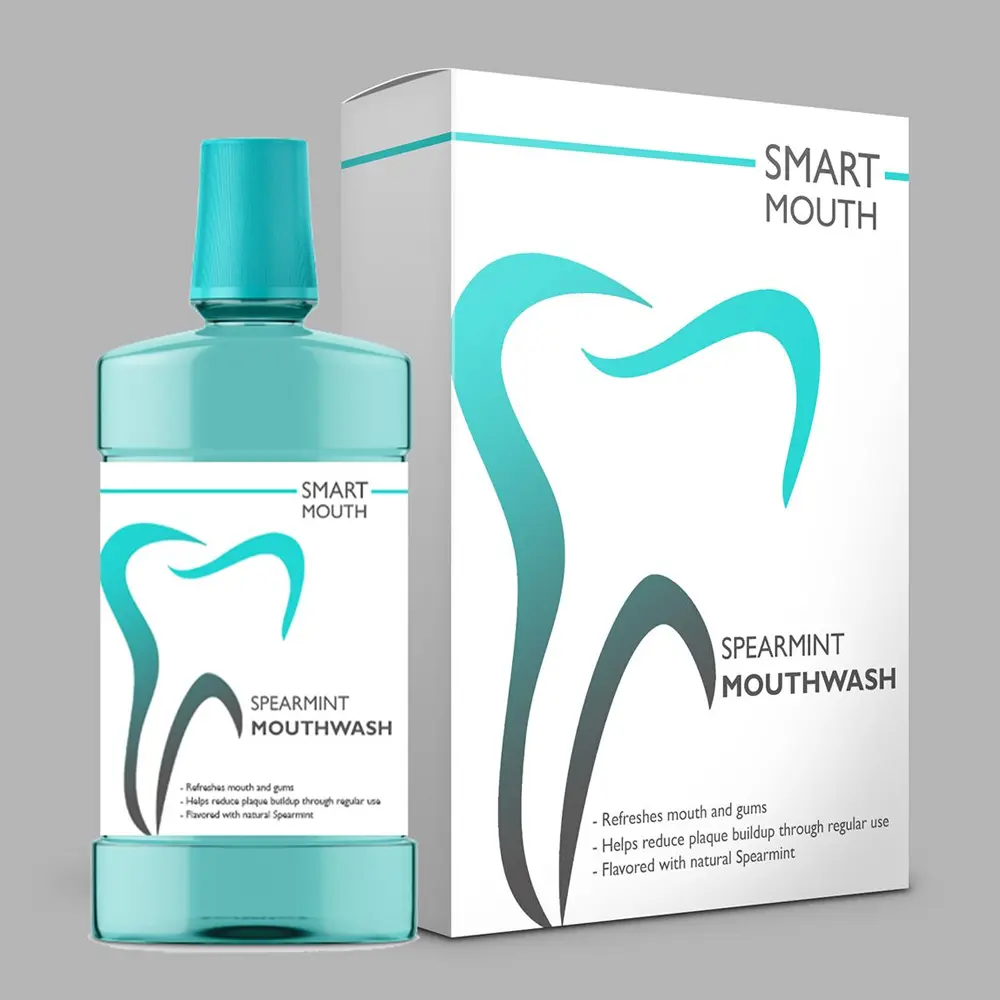 Mouthwash Boxes
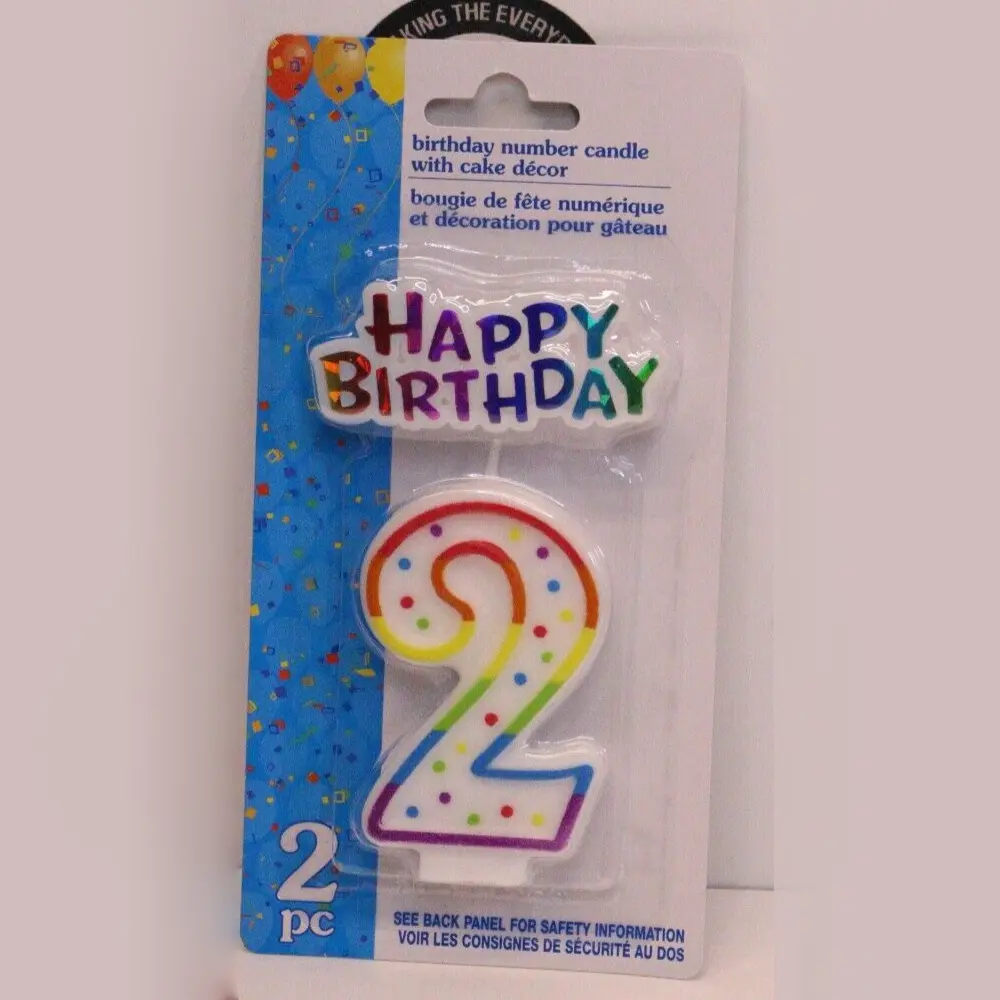 Blister Candle Packaging
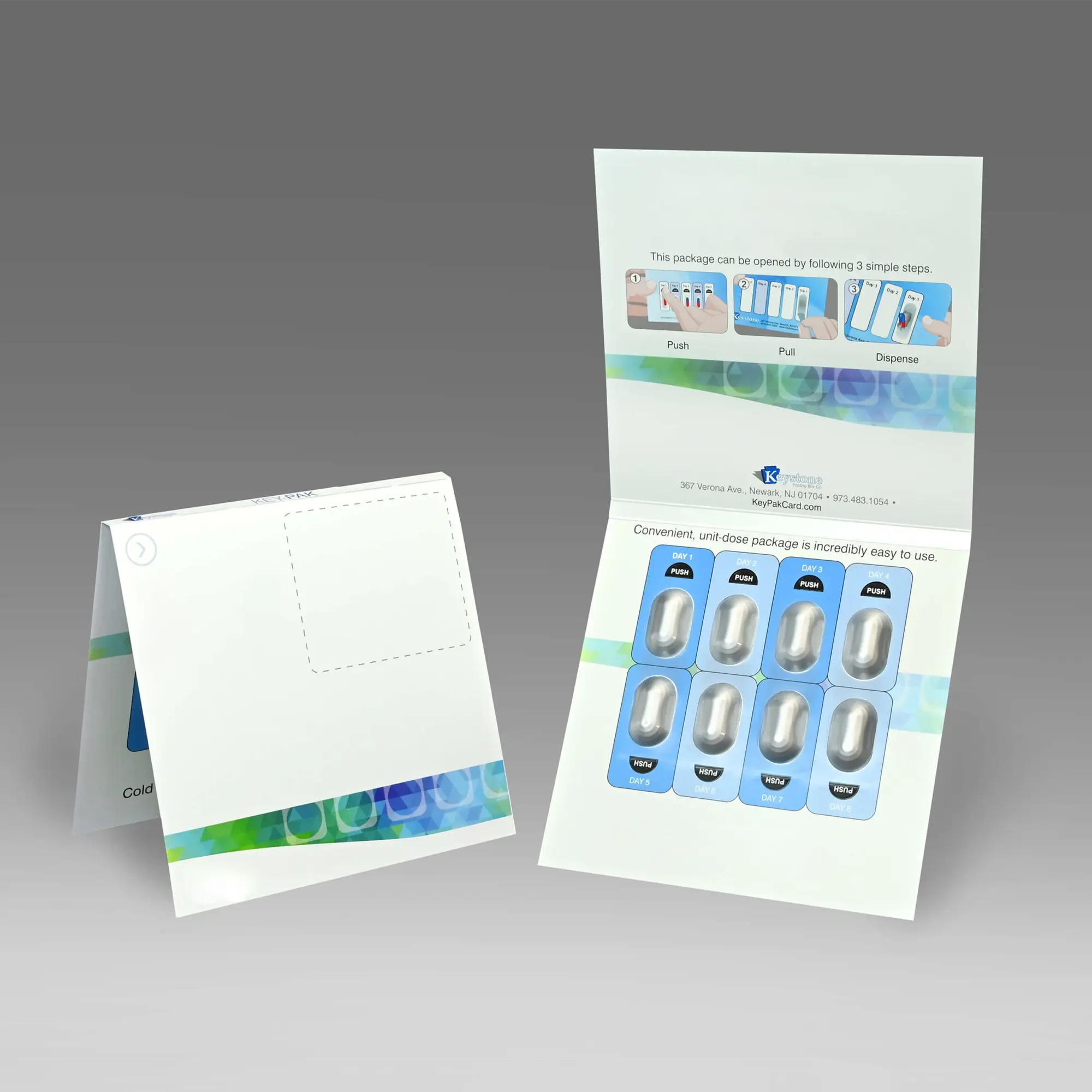 Blister Cards
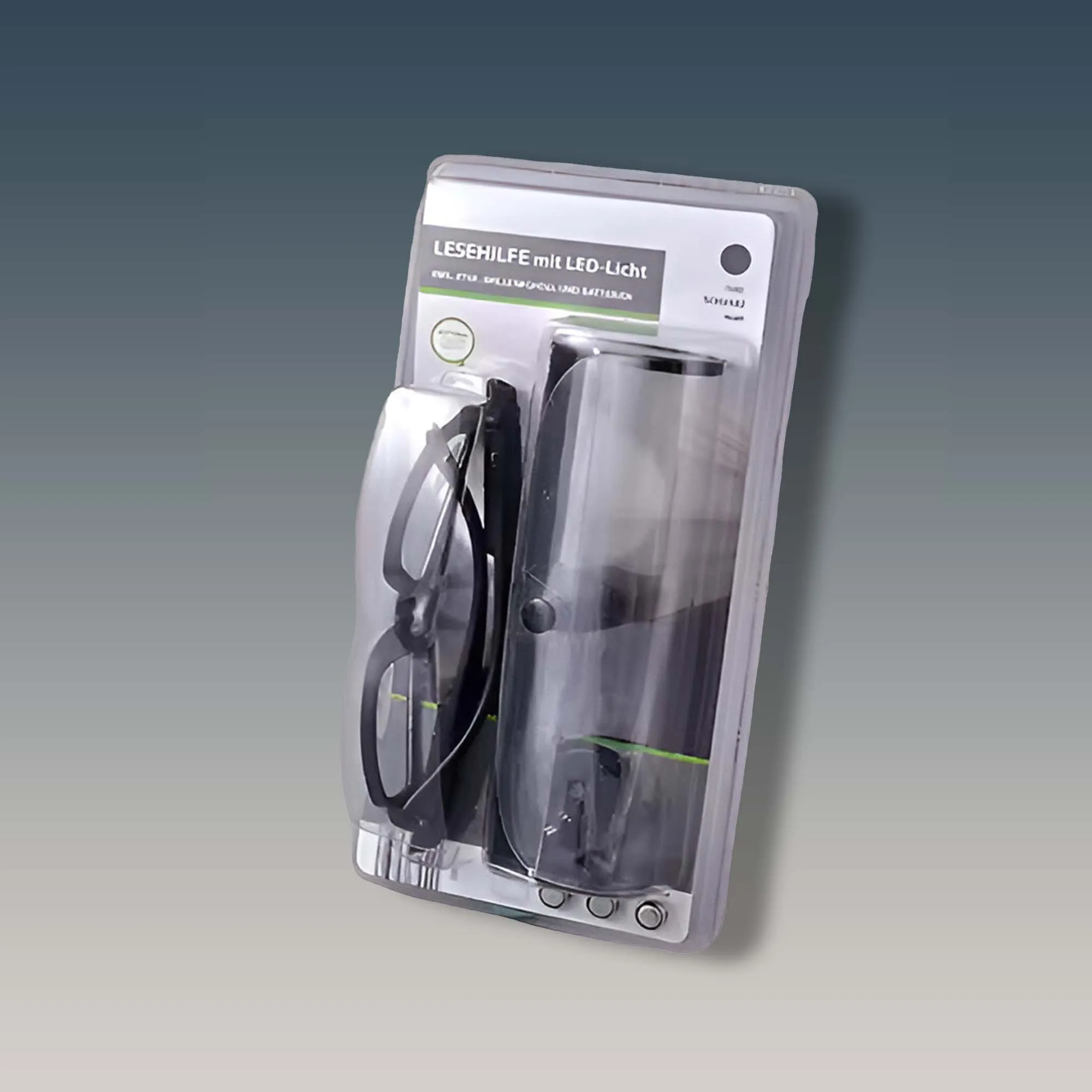 Blister Packaging
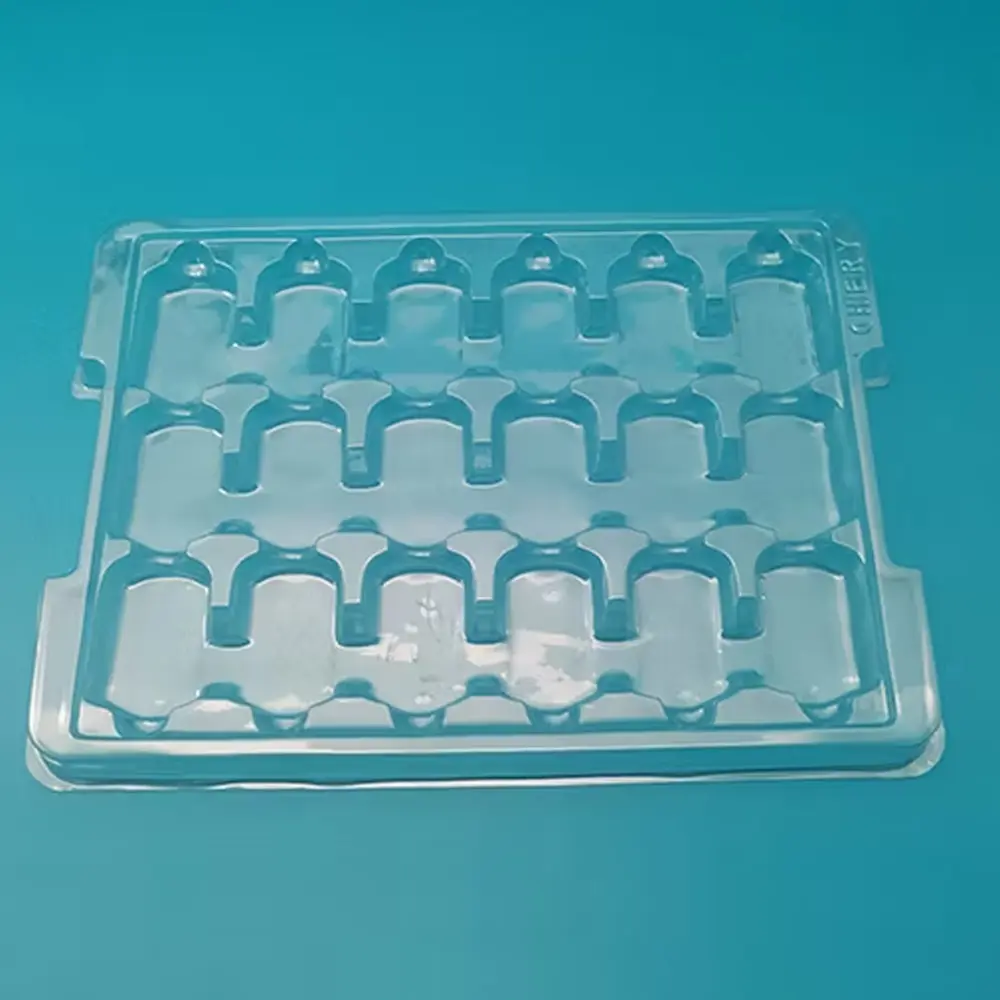 Blister Packaging Tray
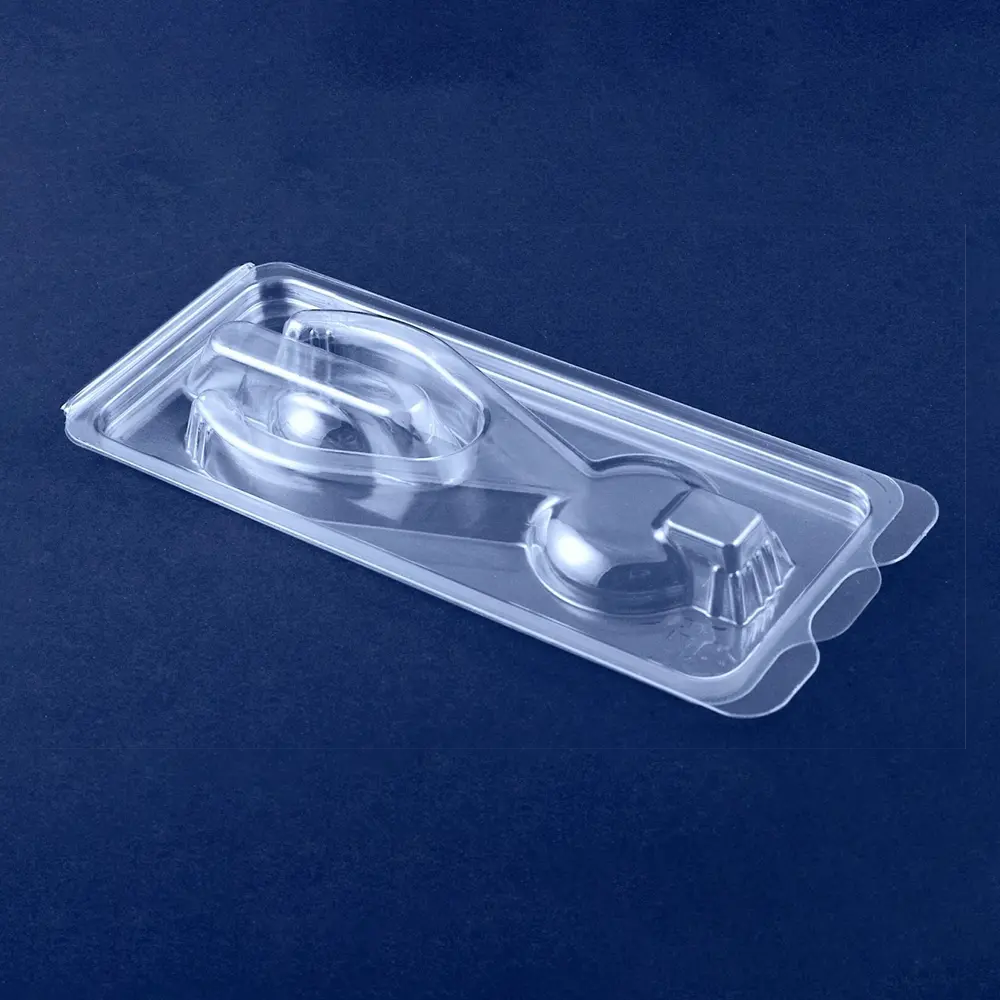 Clamshell Packaging
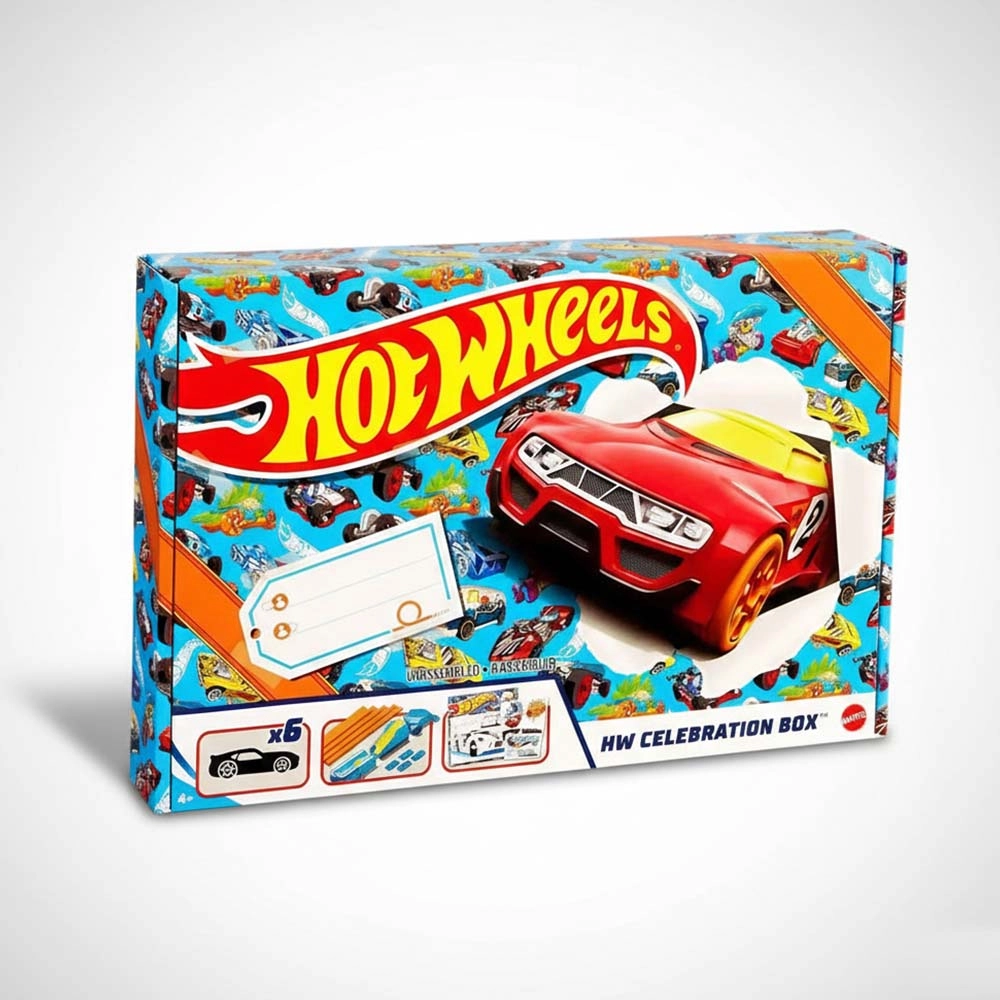 Custom Hot Wheels Packaging
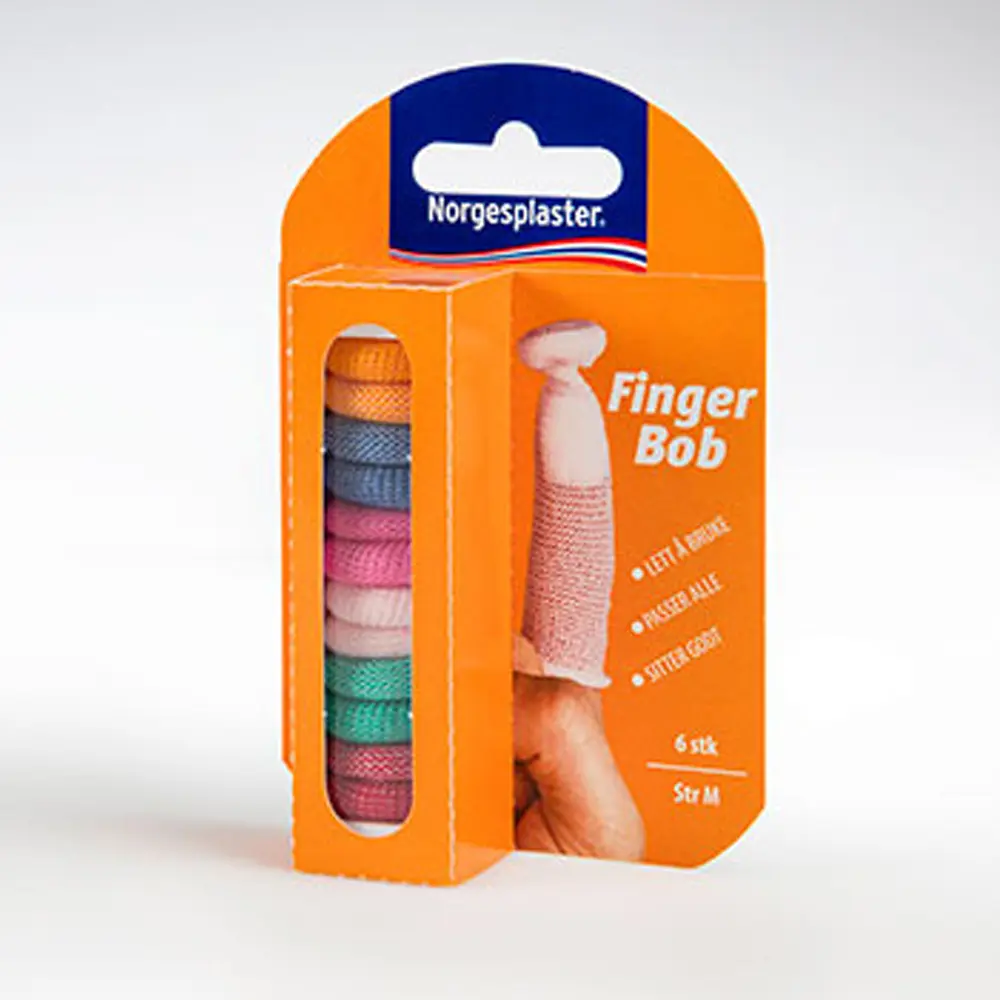 Display Blister Packaging
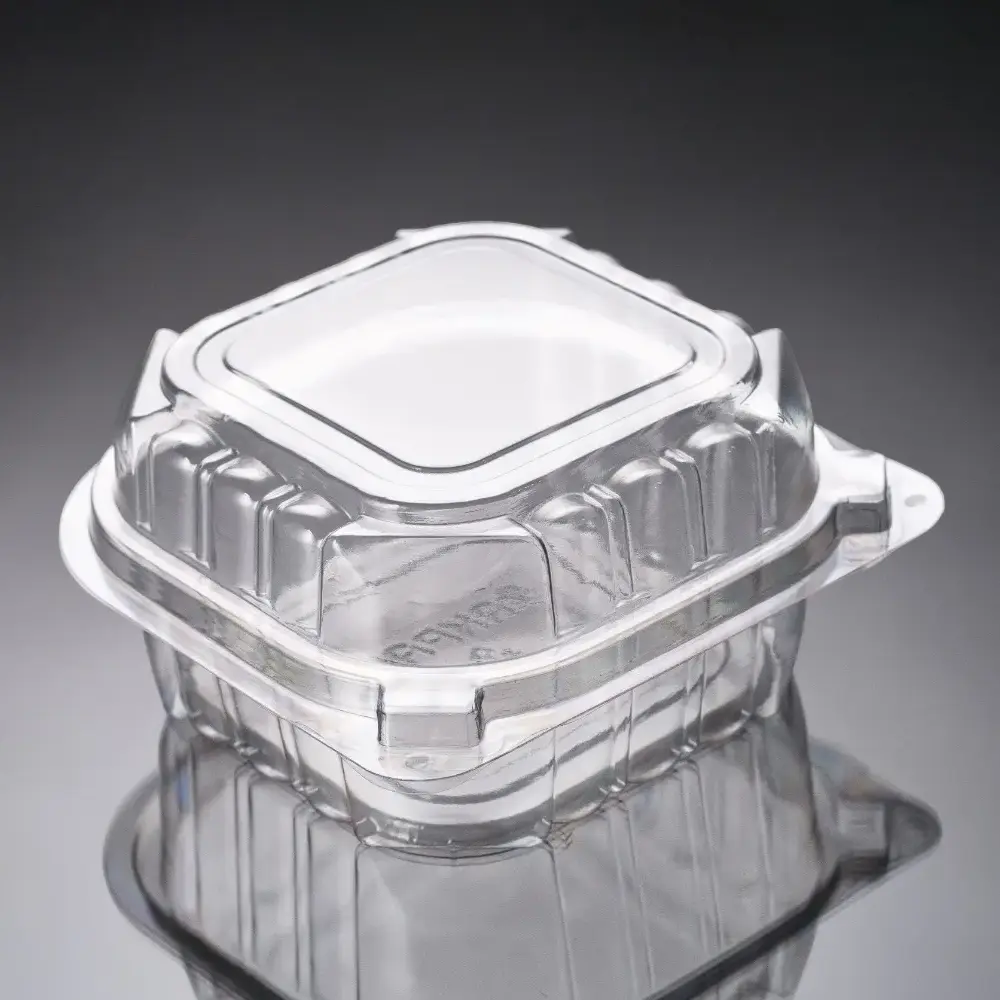 Hinged Packaging
 Pharma Blister Packaging
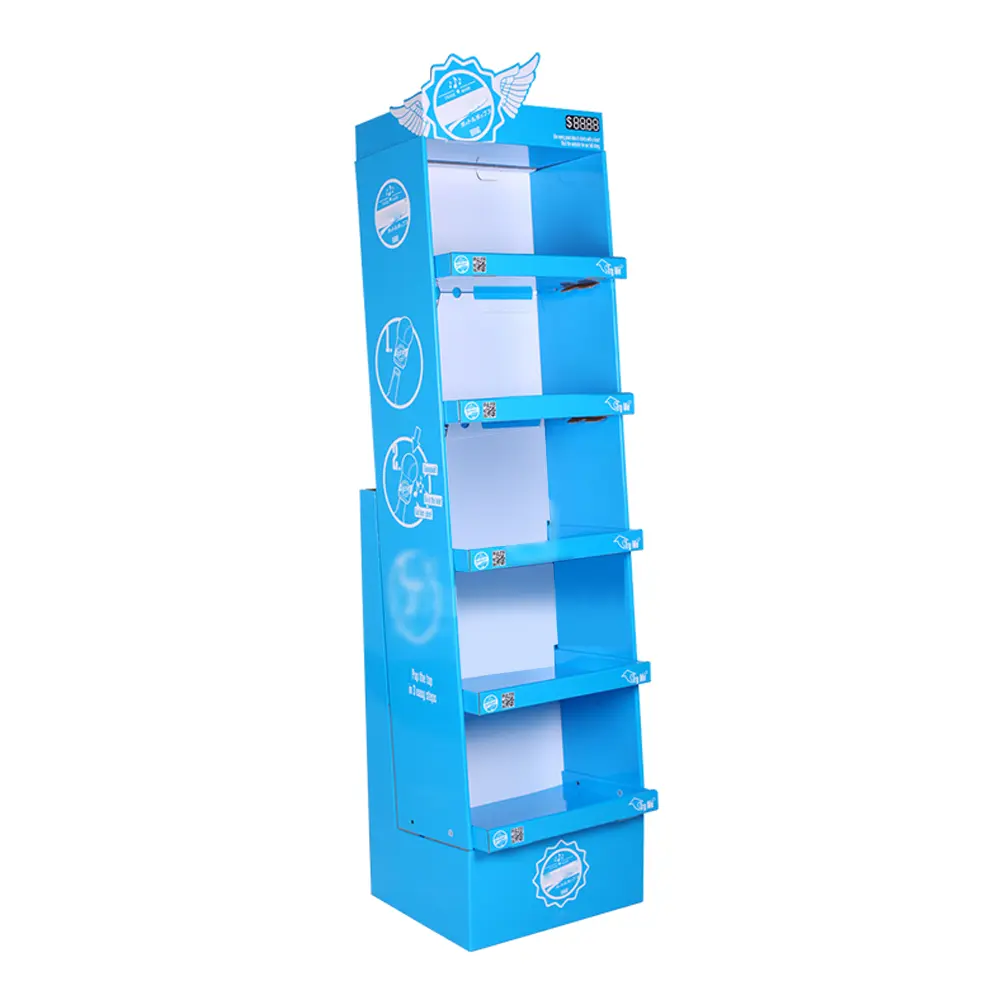
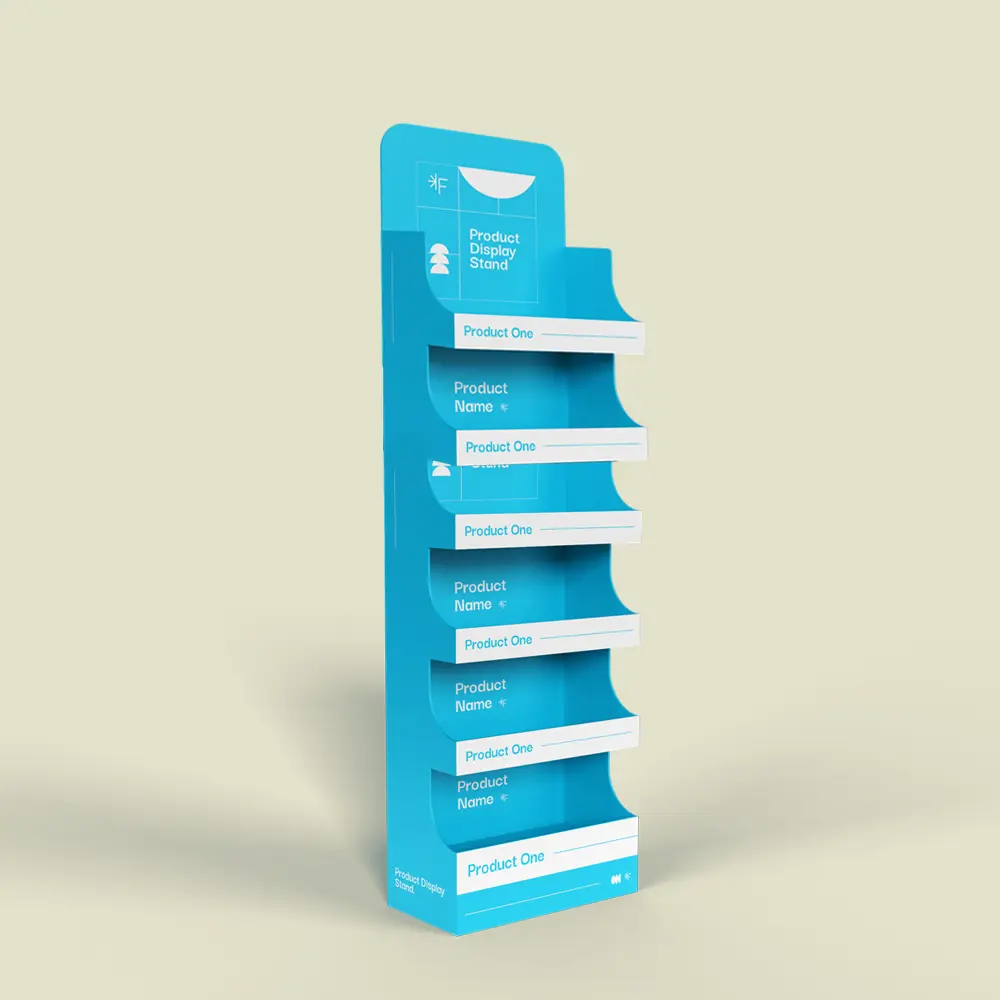 Blue & White Six Shelf Display
 72 Cells/pocket Floor Display
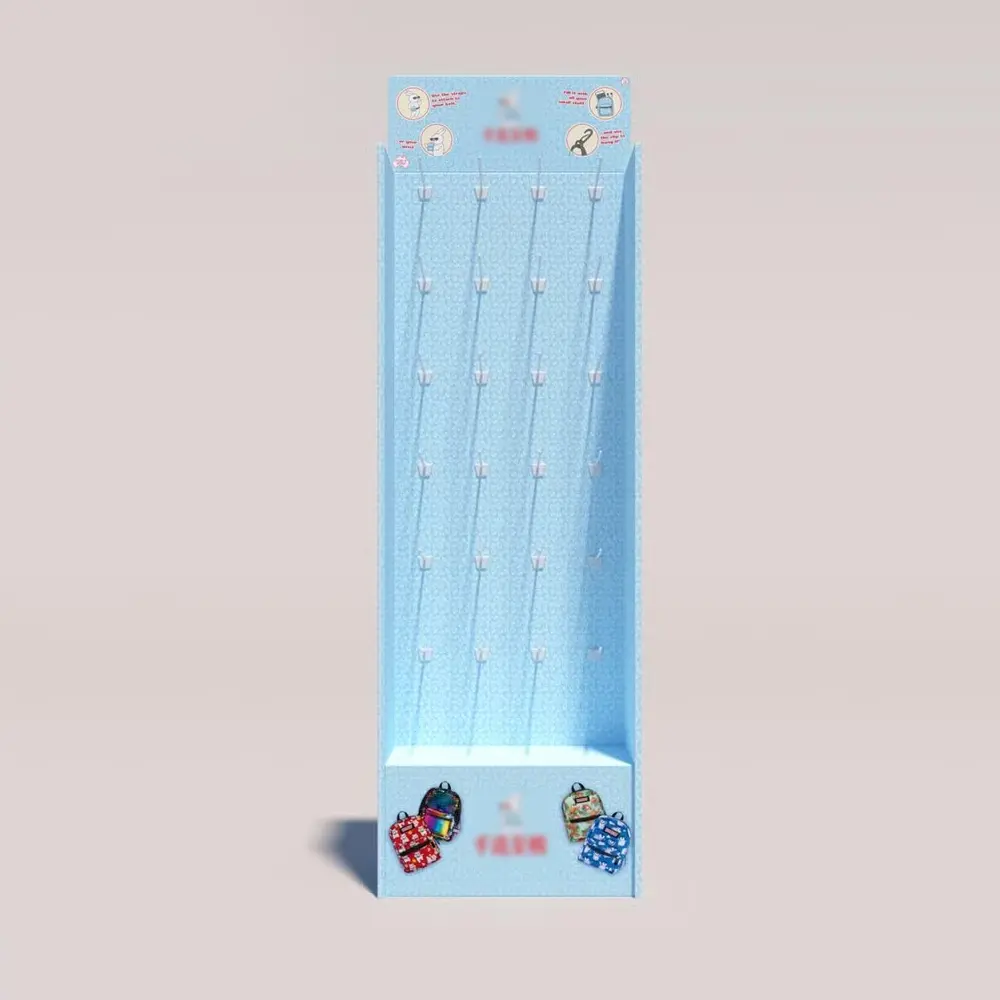 Hook/Peg Floor Display
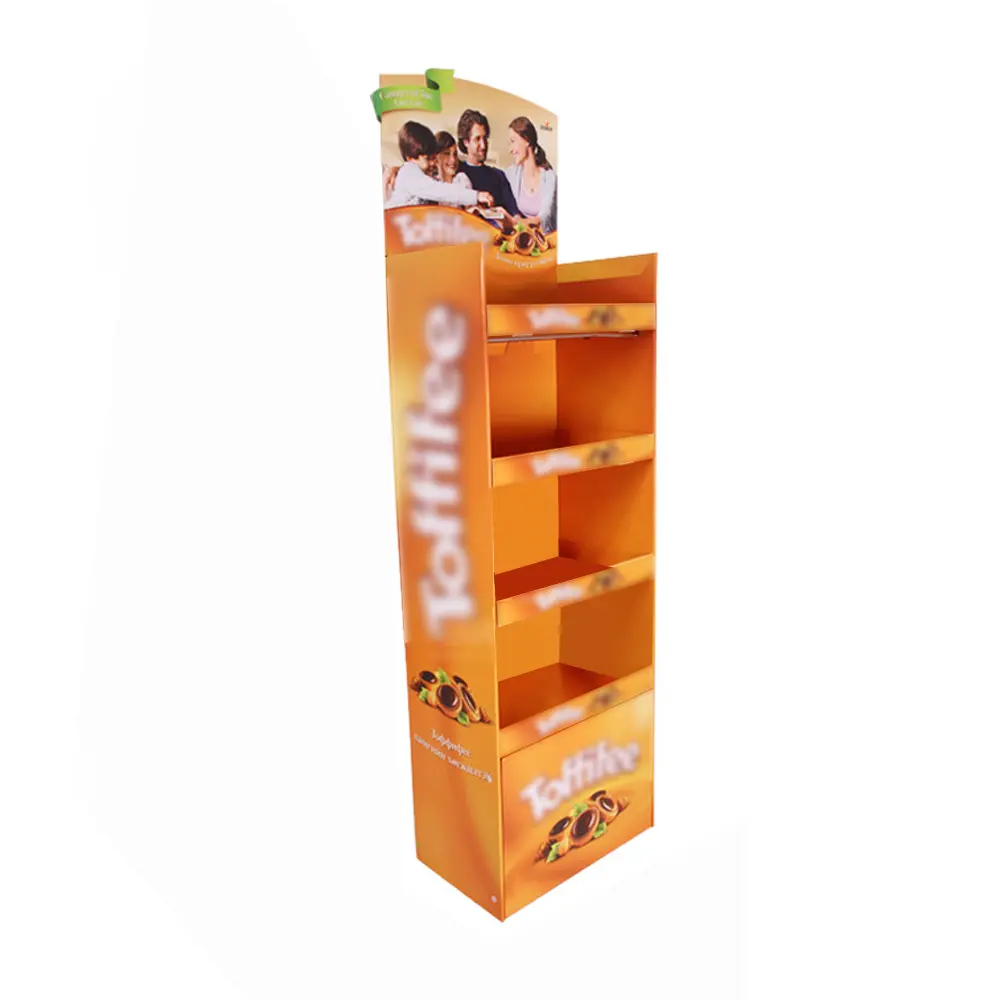 Orange Four Shelf Display
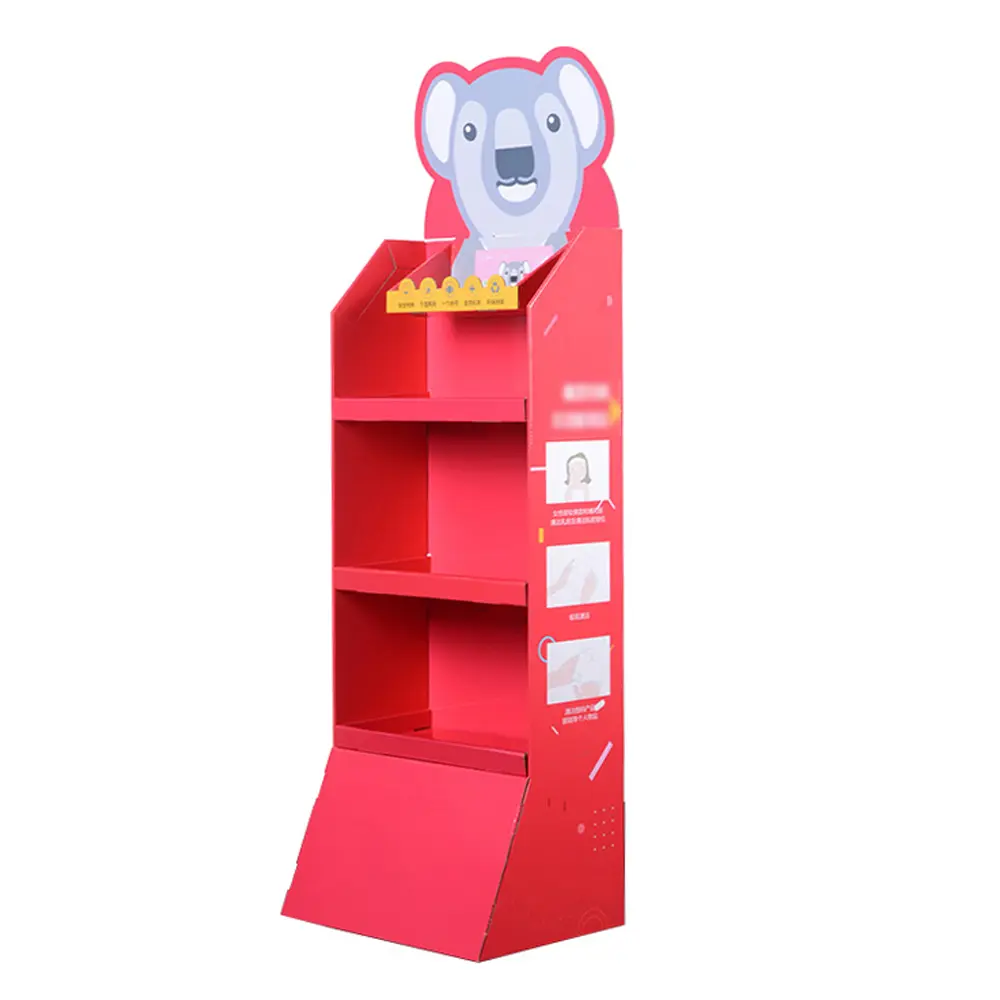 Three Tray Floor Display
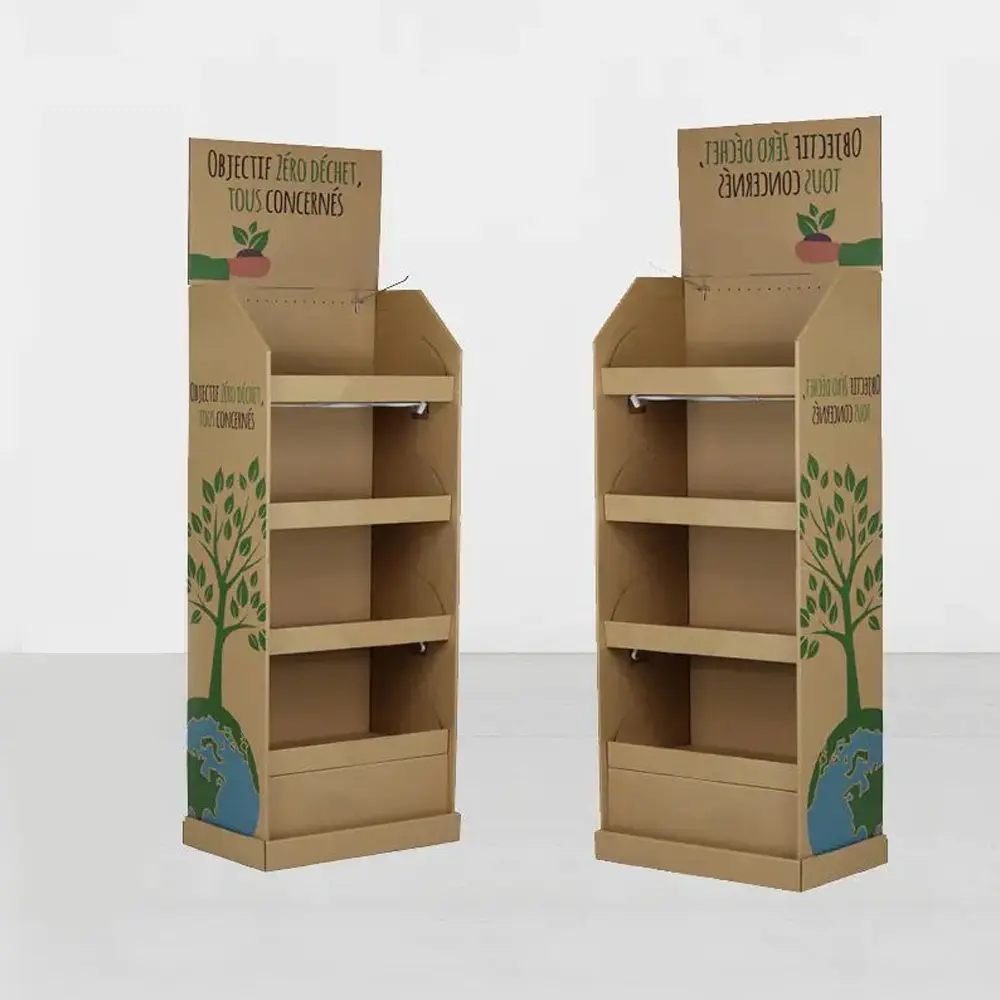 Tray Floor Display
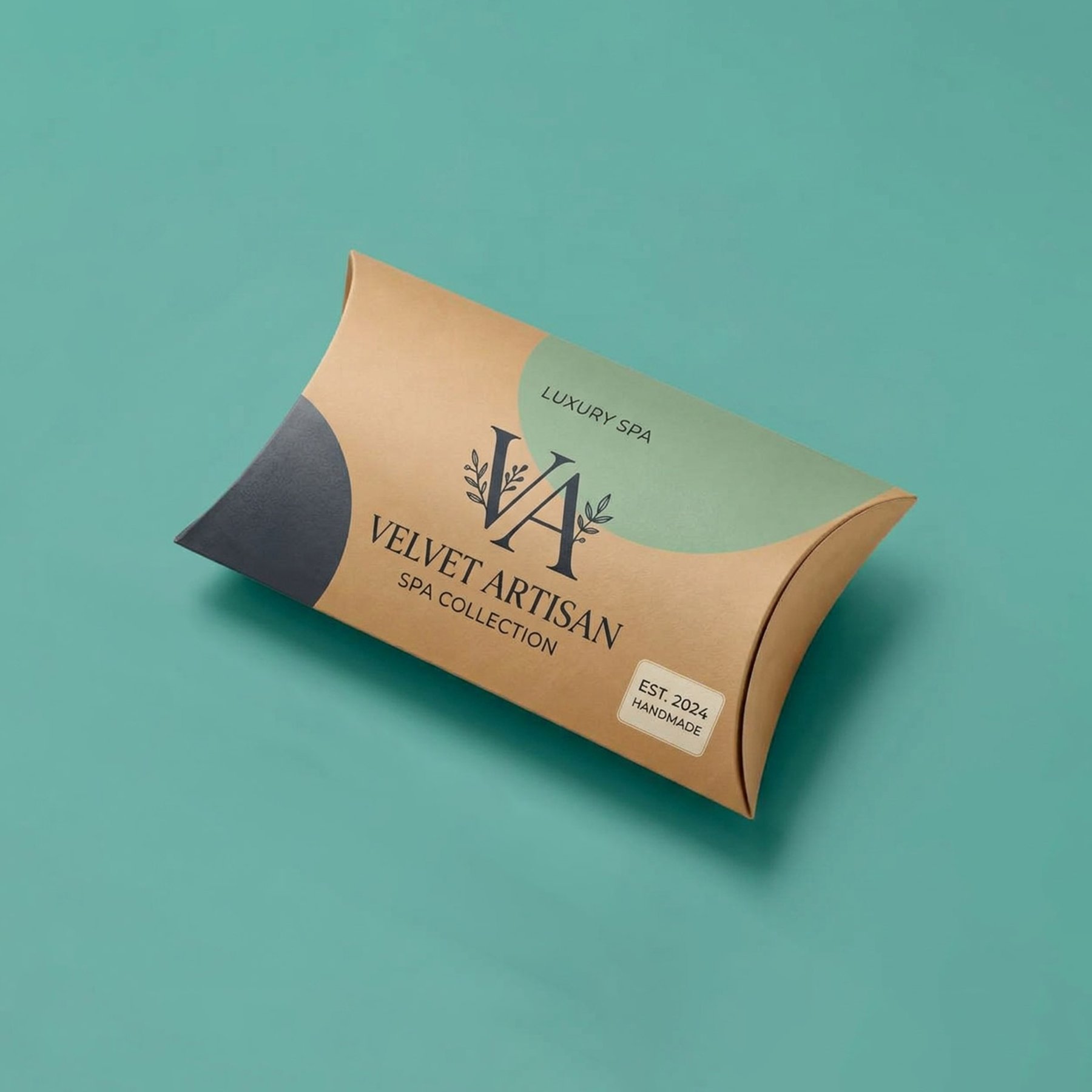 Custom Kraft Pillow Soap Boxes
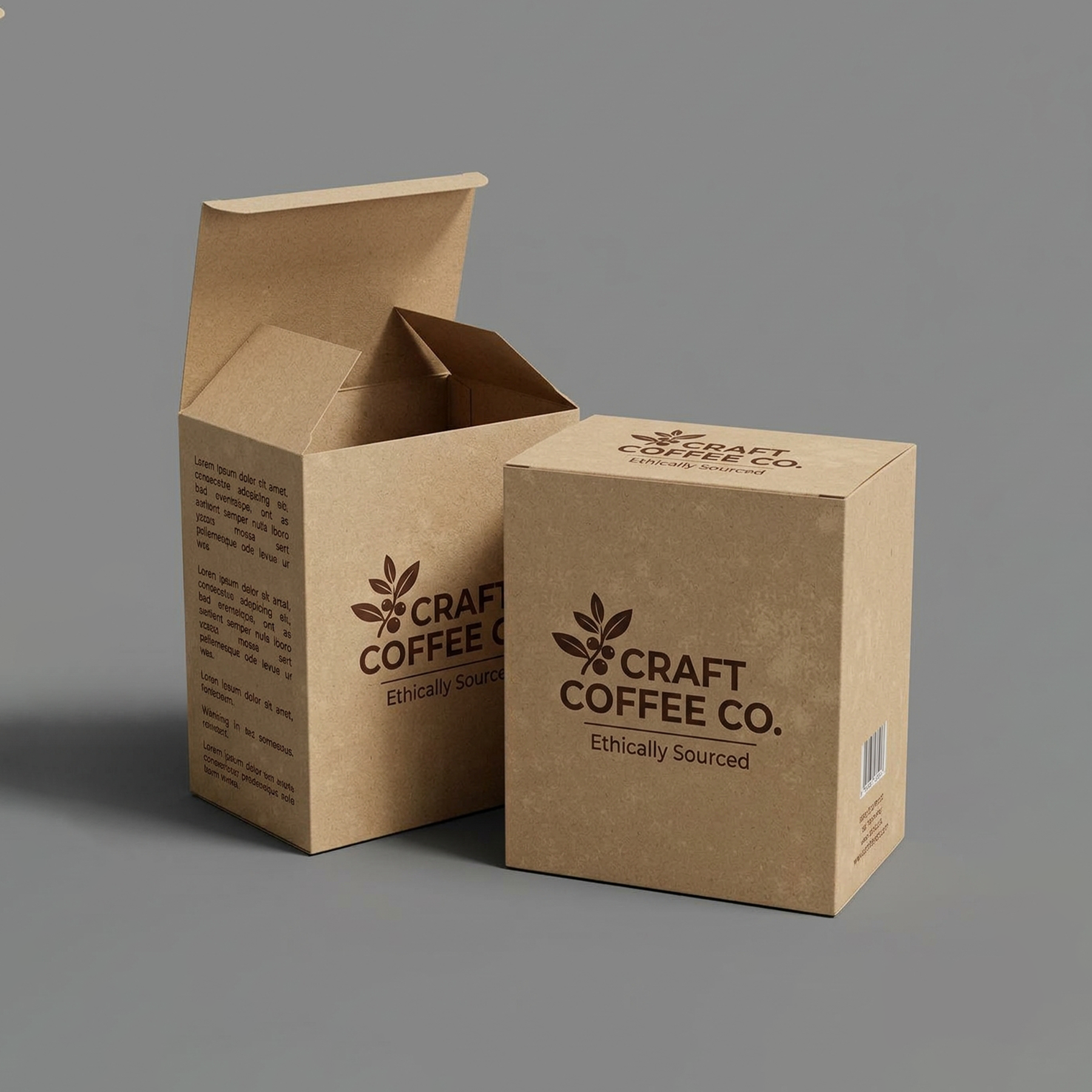 Custom Printed Kraft Packaging Boxes
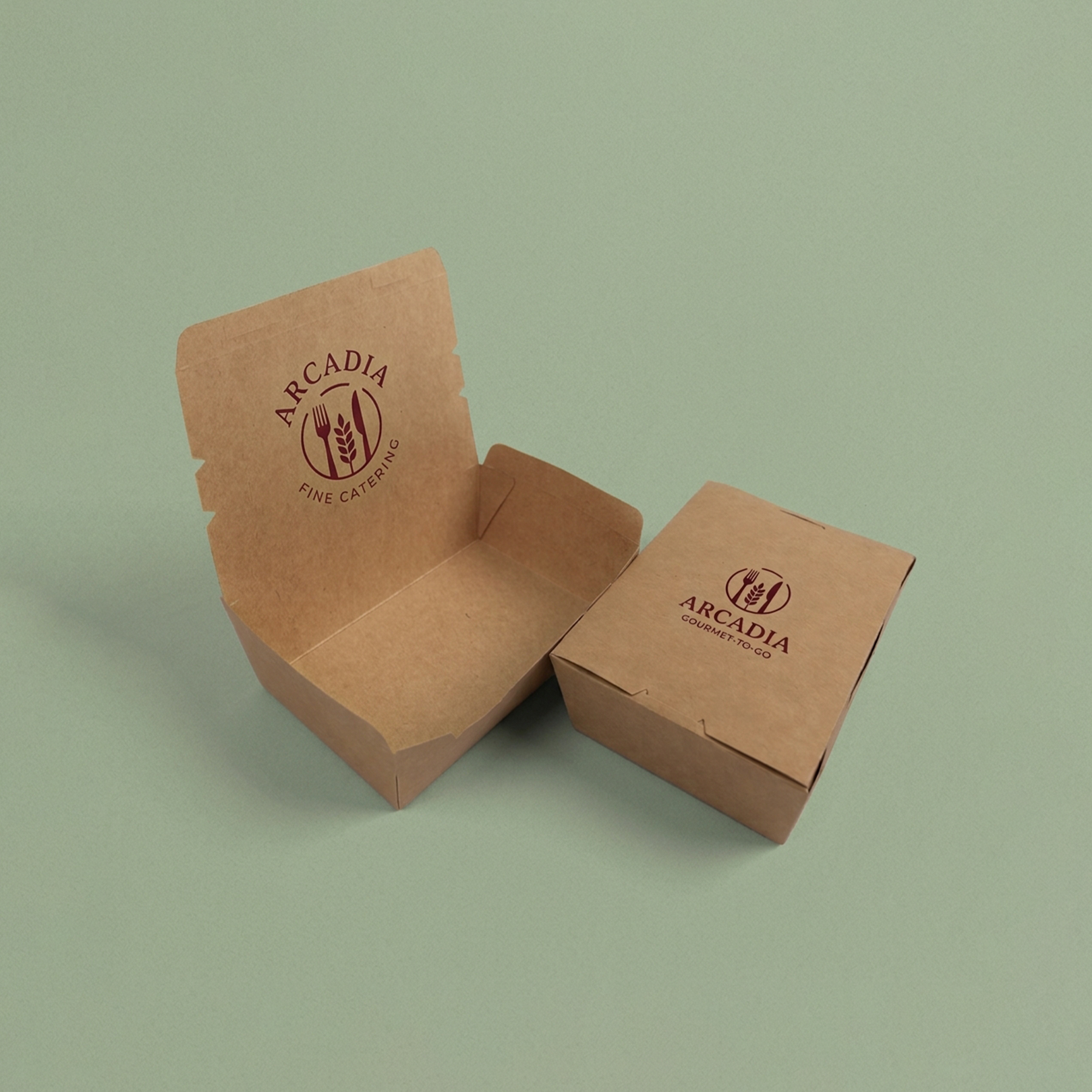 Disposable Kraft Paper Boxes
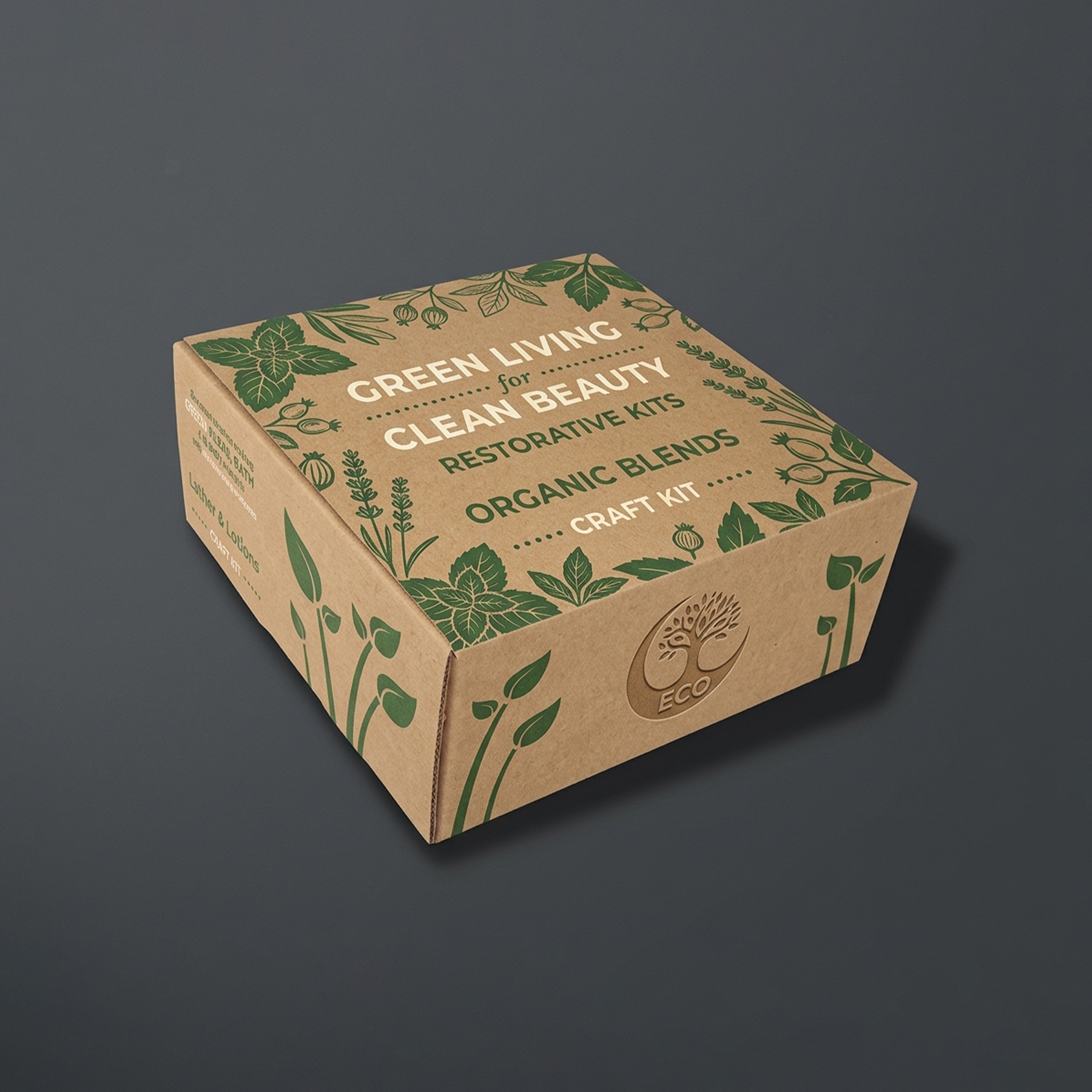 Eco-Friendly Kraft Boxes
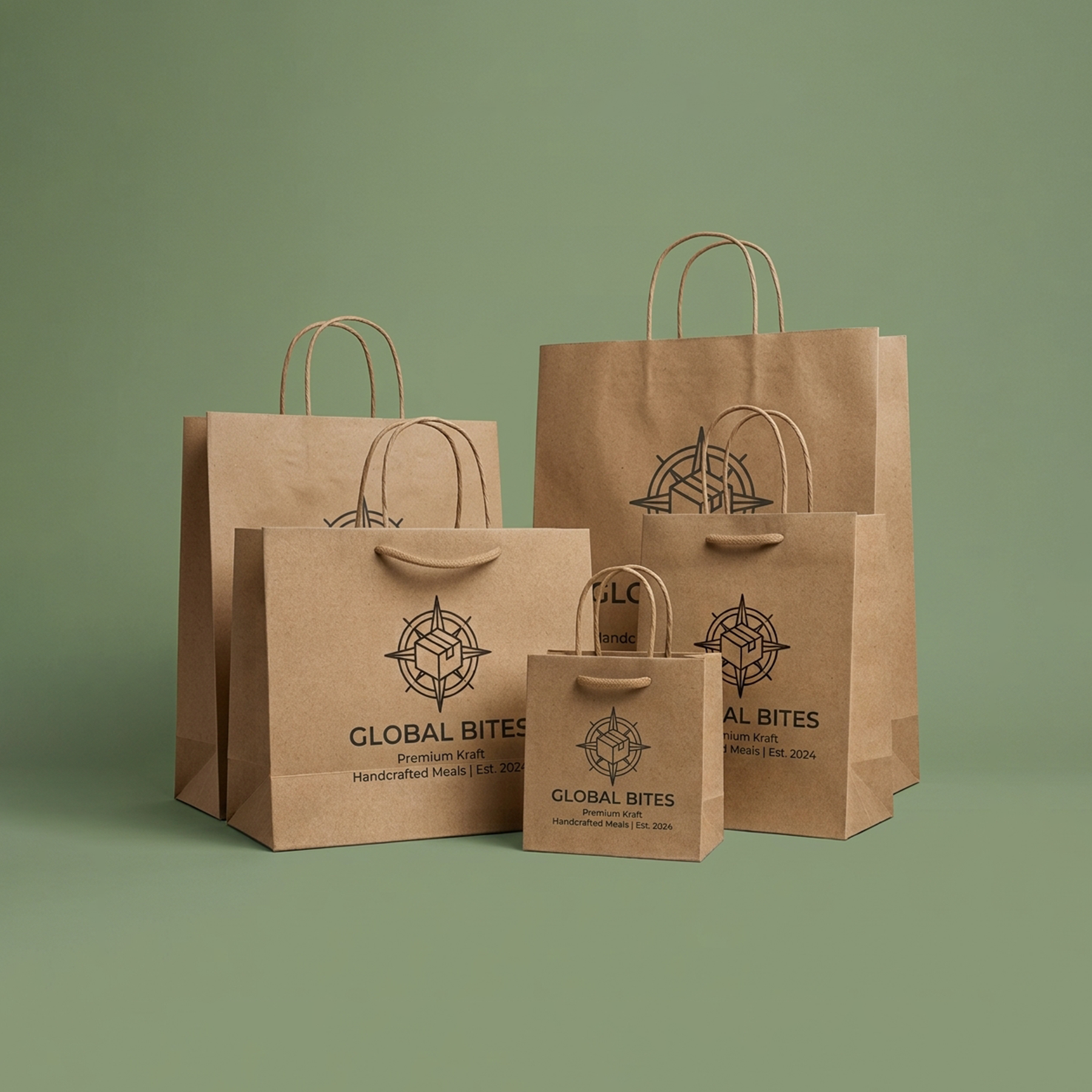 Kraft Paper Bags
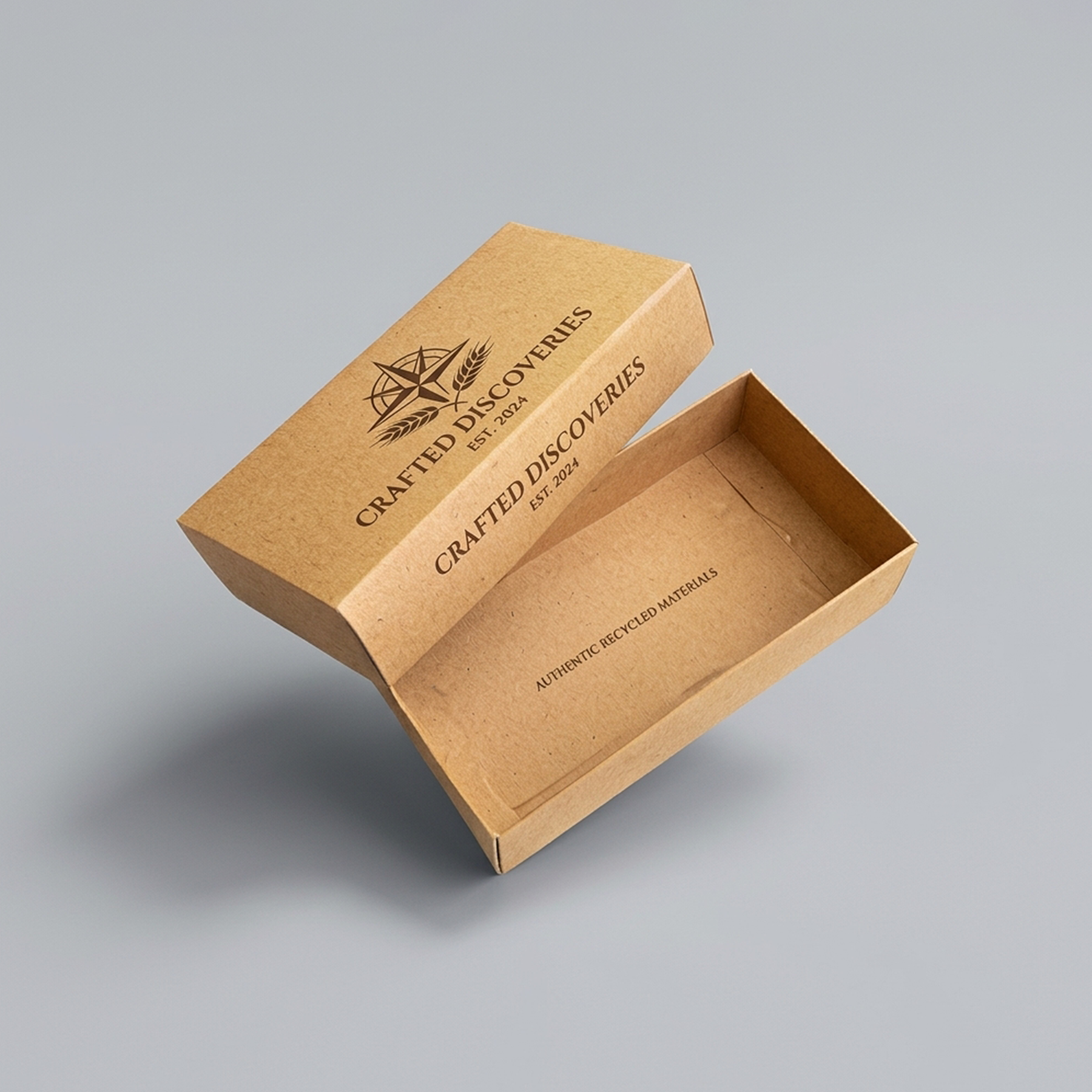 Kraft Boxes with Lids
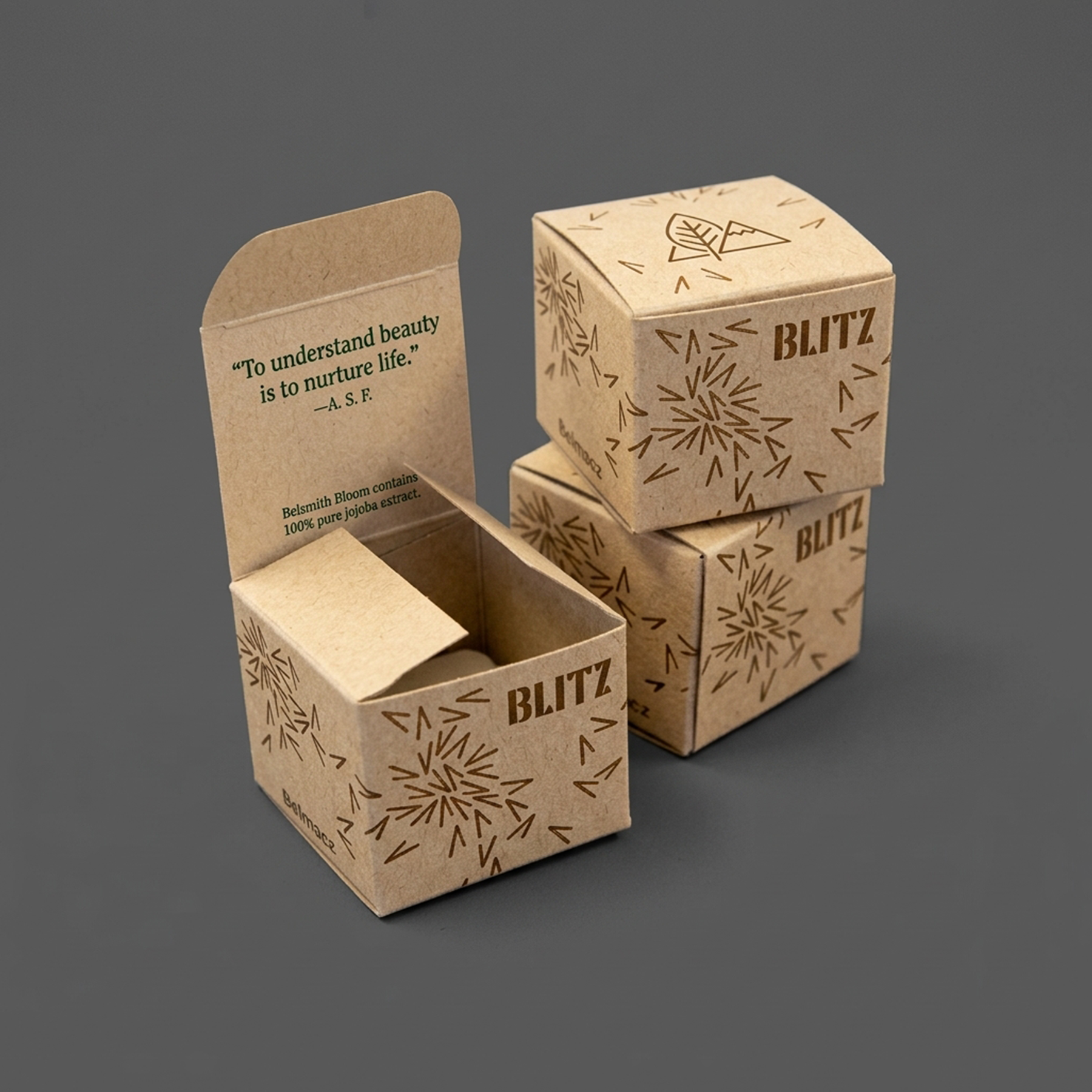 Kraft Cosmetic Boxes
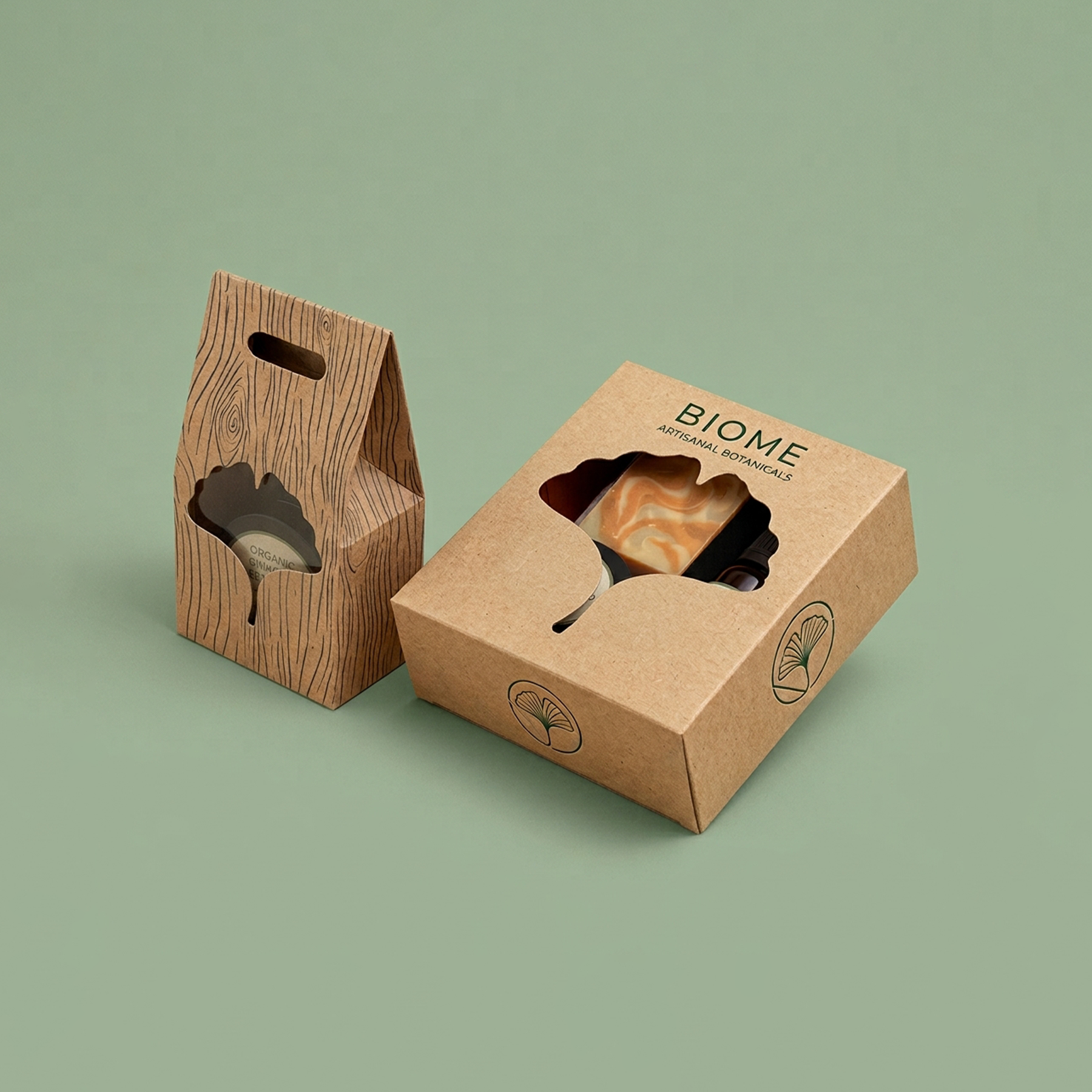 Kraft Die Cut Boxes
 1-2-3 Bottom Box
 Auto Bottom With Display Lid
 Seal End Auto Bottom
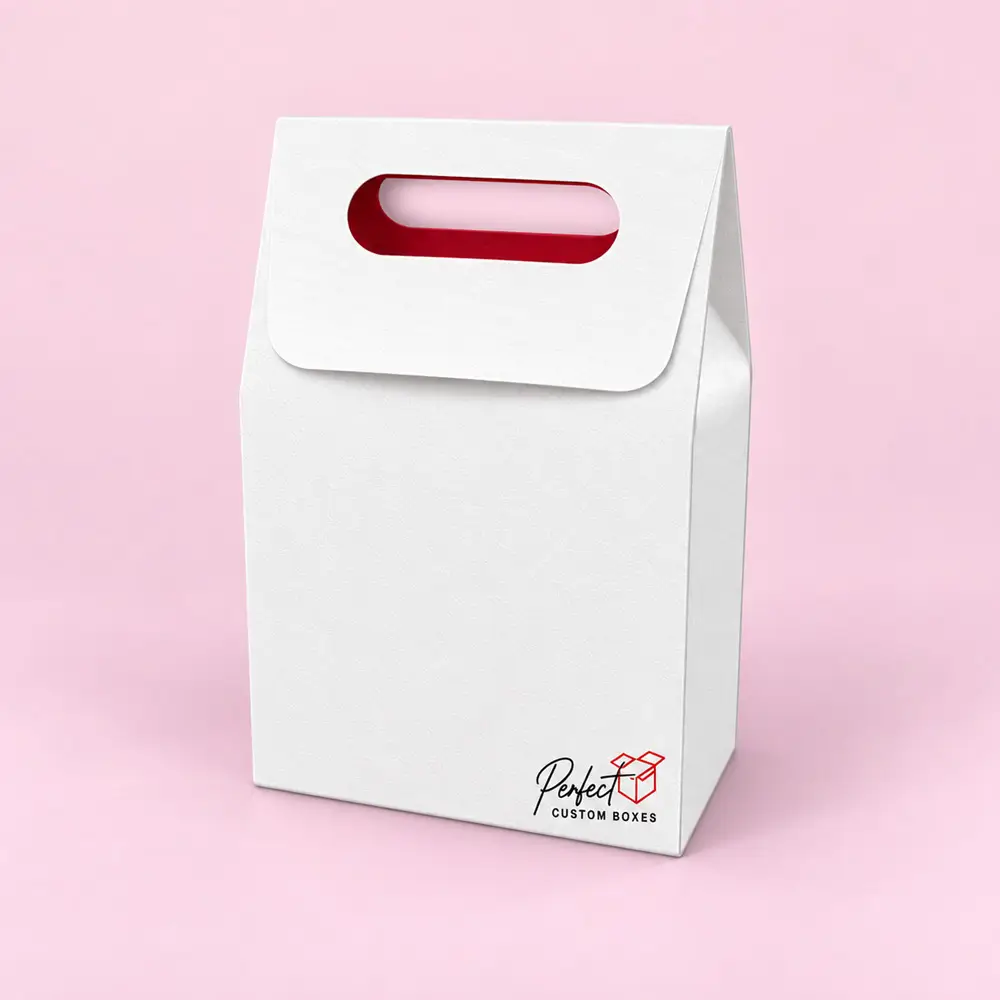 Gable Bags
 Six Corner
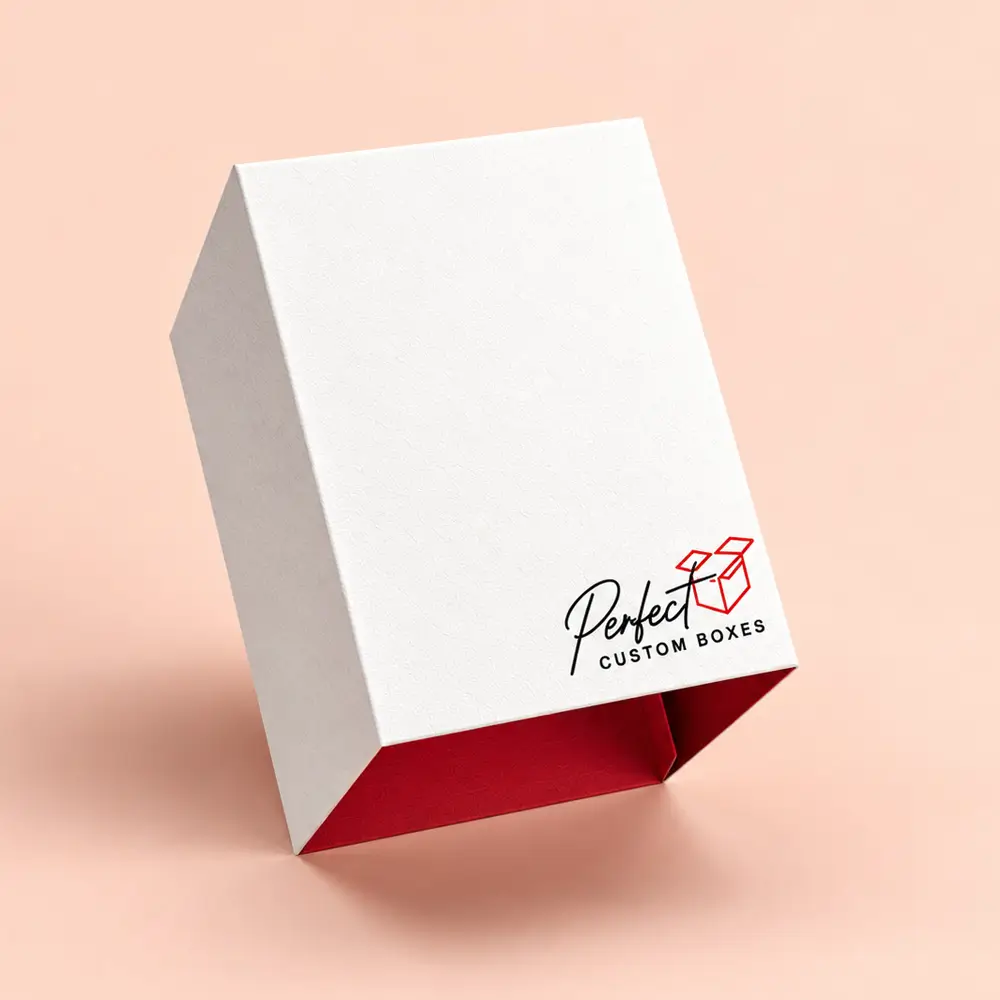 Sleeve
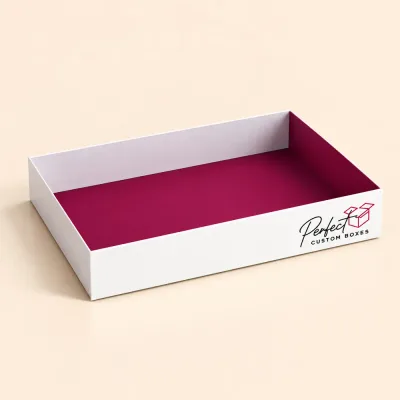 Tray
 Custom Sleeve Boxes
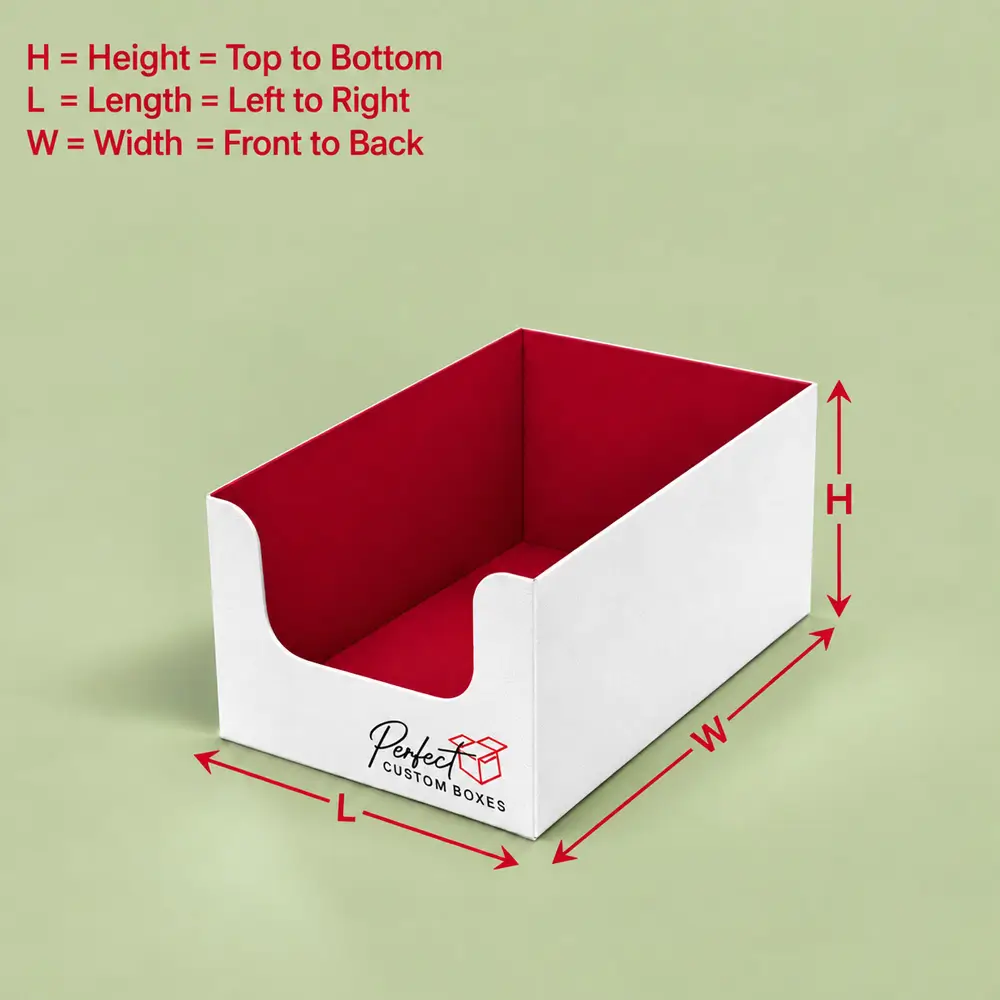 DIM
 Double Wall Tuck Front
 Gable Box Auto Bottom
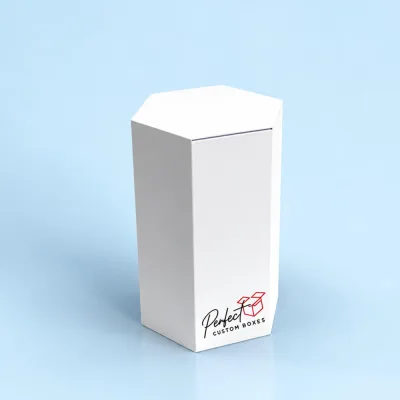 Hexagon Two Piece
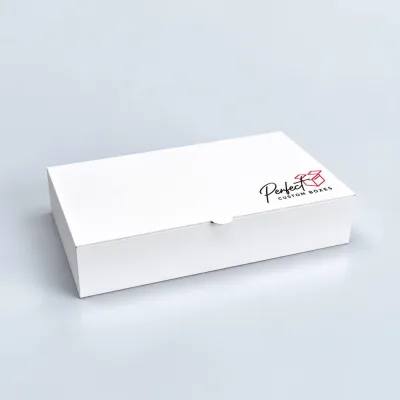 Regular Four Corner Box
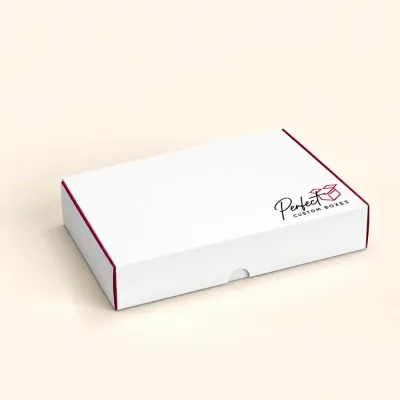 Two Piece
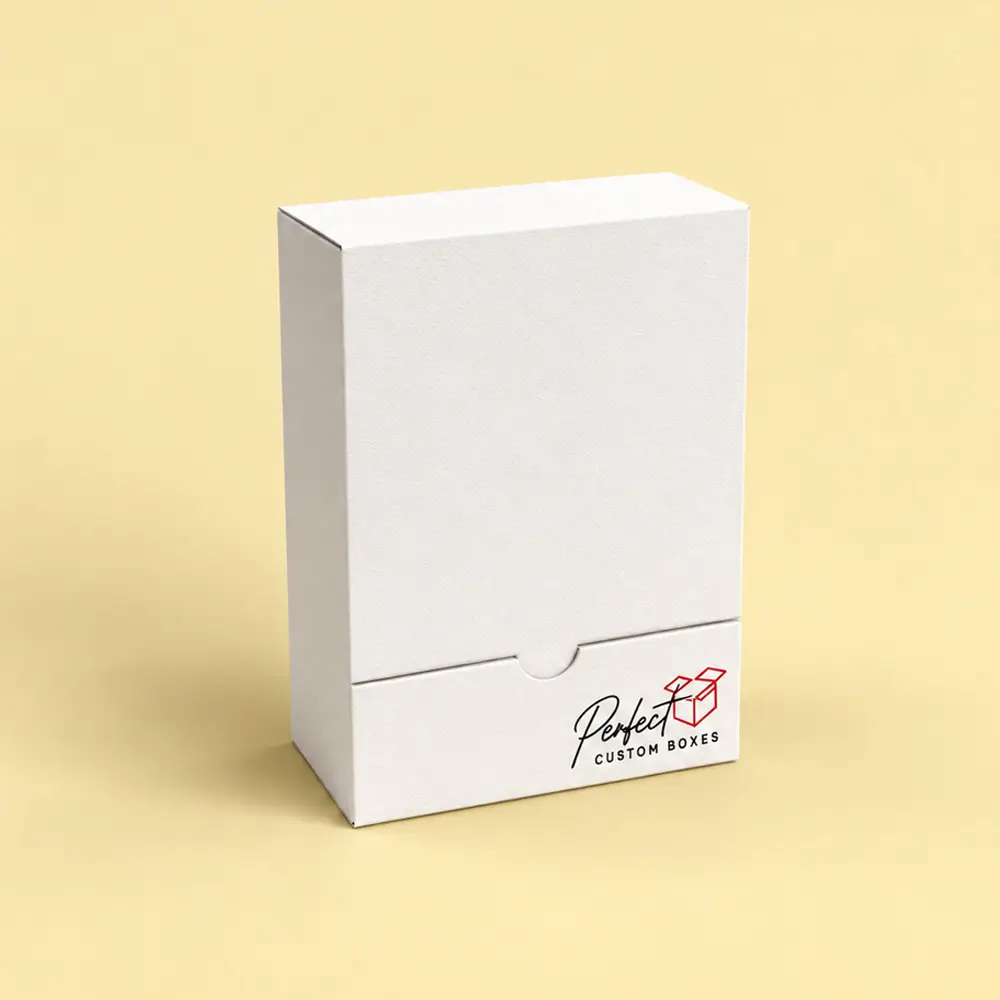 Dispenser Box
 Four Corner with Display Lid
 Pillow Box
 Reverse Tuck End
 Seal End
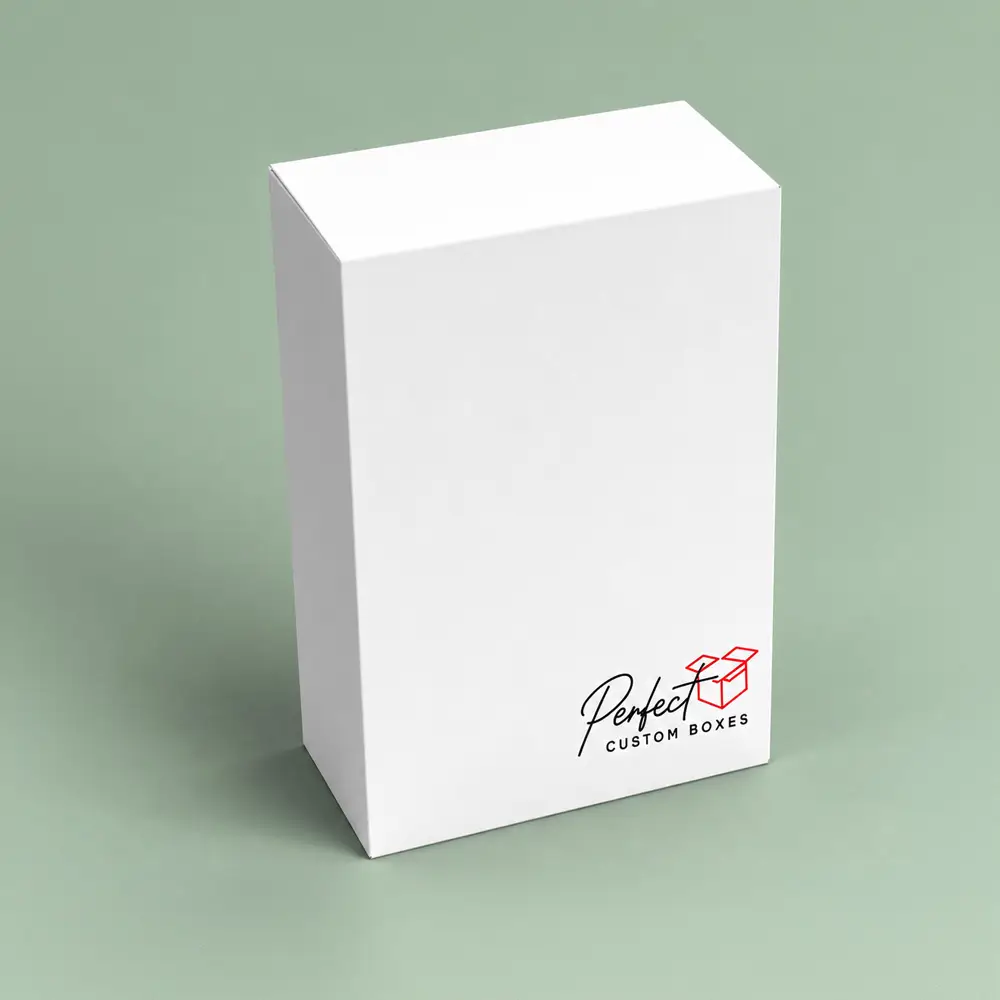 Straight Tuck End
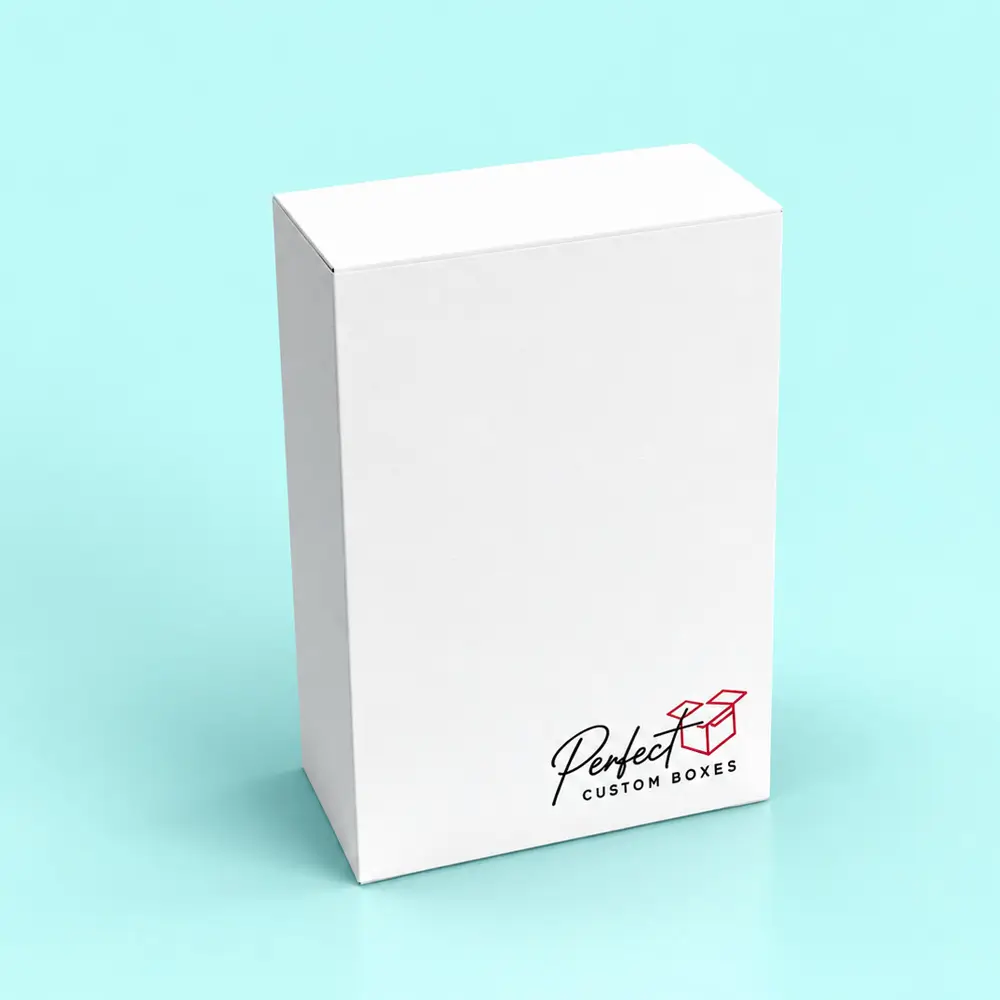 Tuck End Auto Bottom
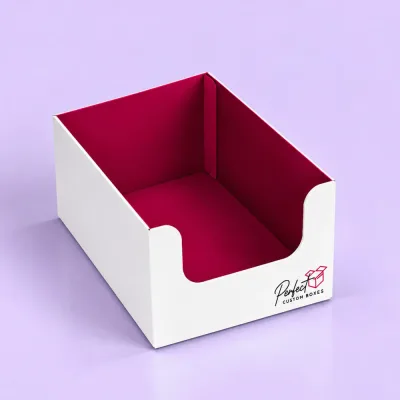 Bottom Tray
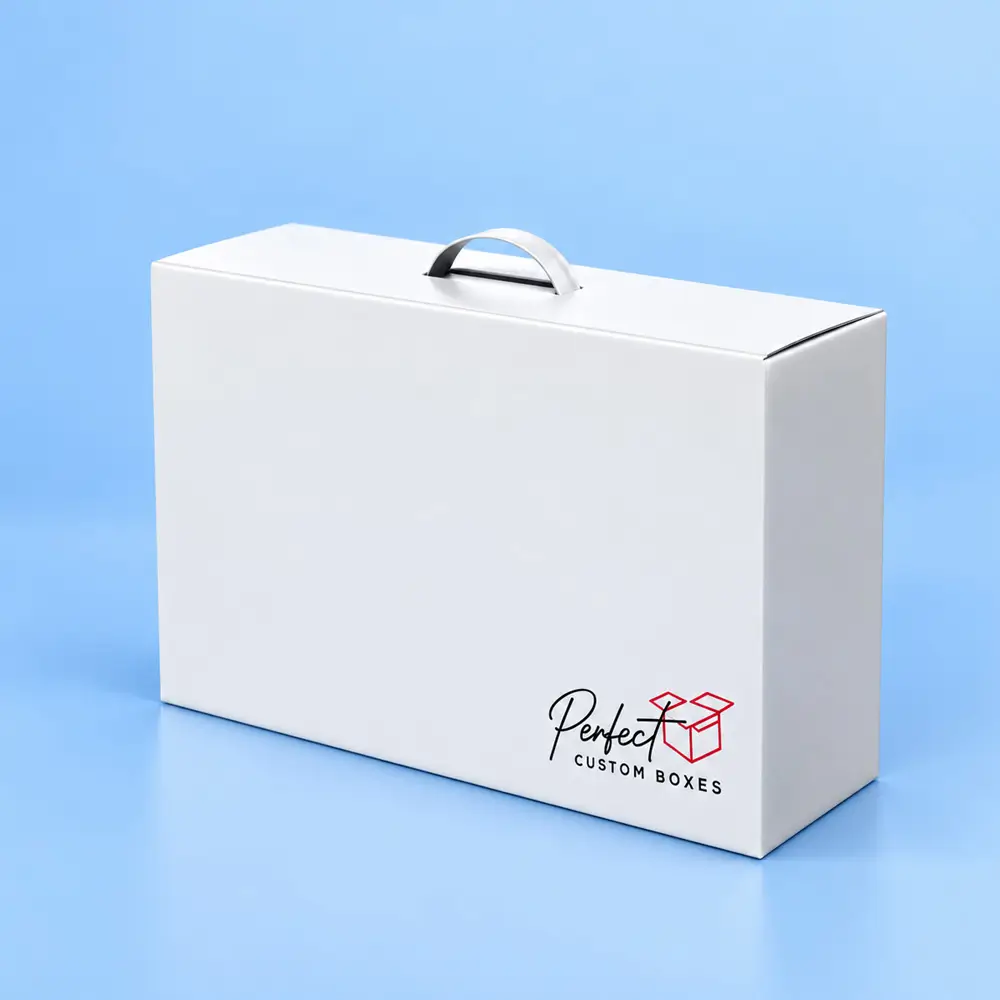 Brief Case Style
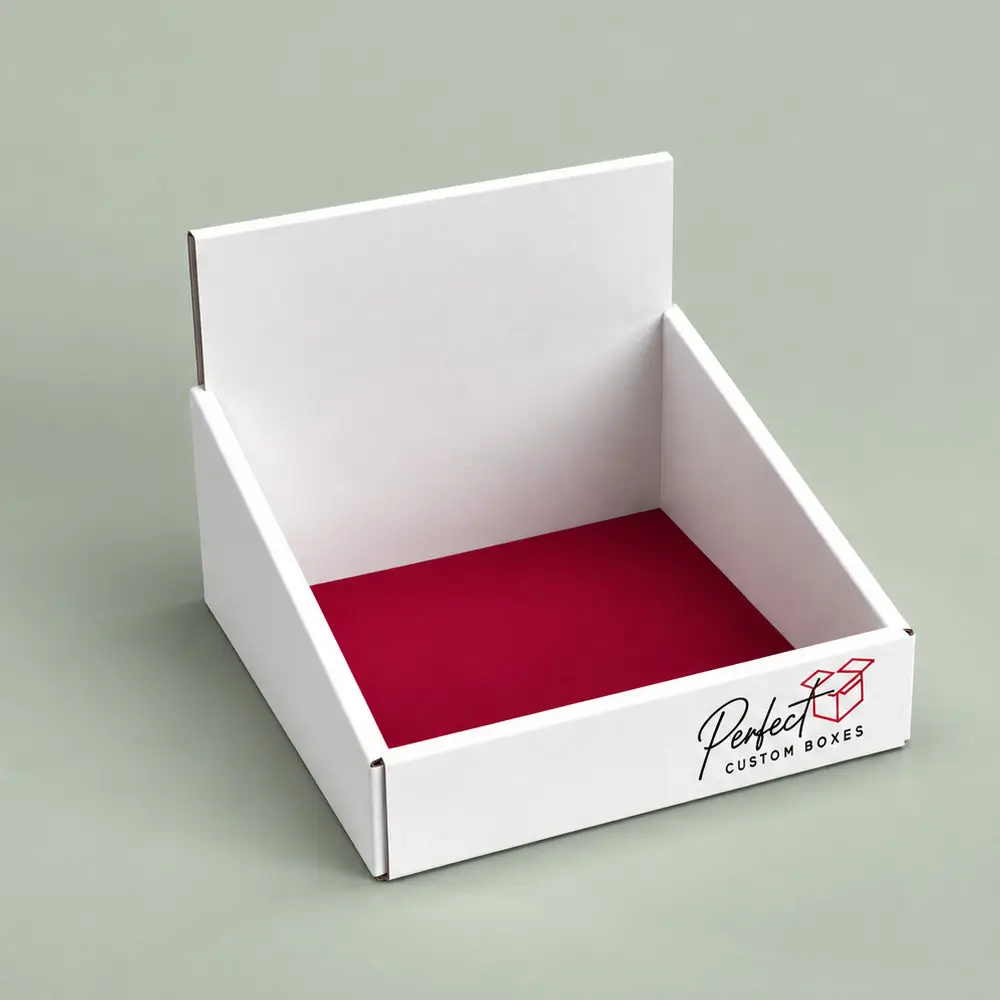 Display Box With Double Walls
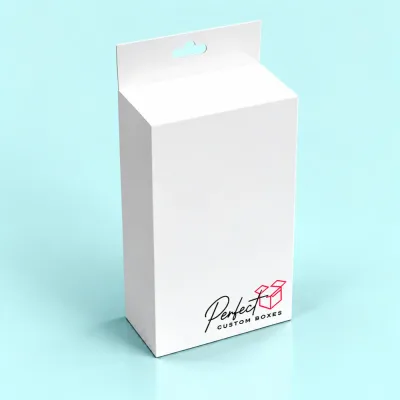 Tuck End With Hanging Tab
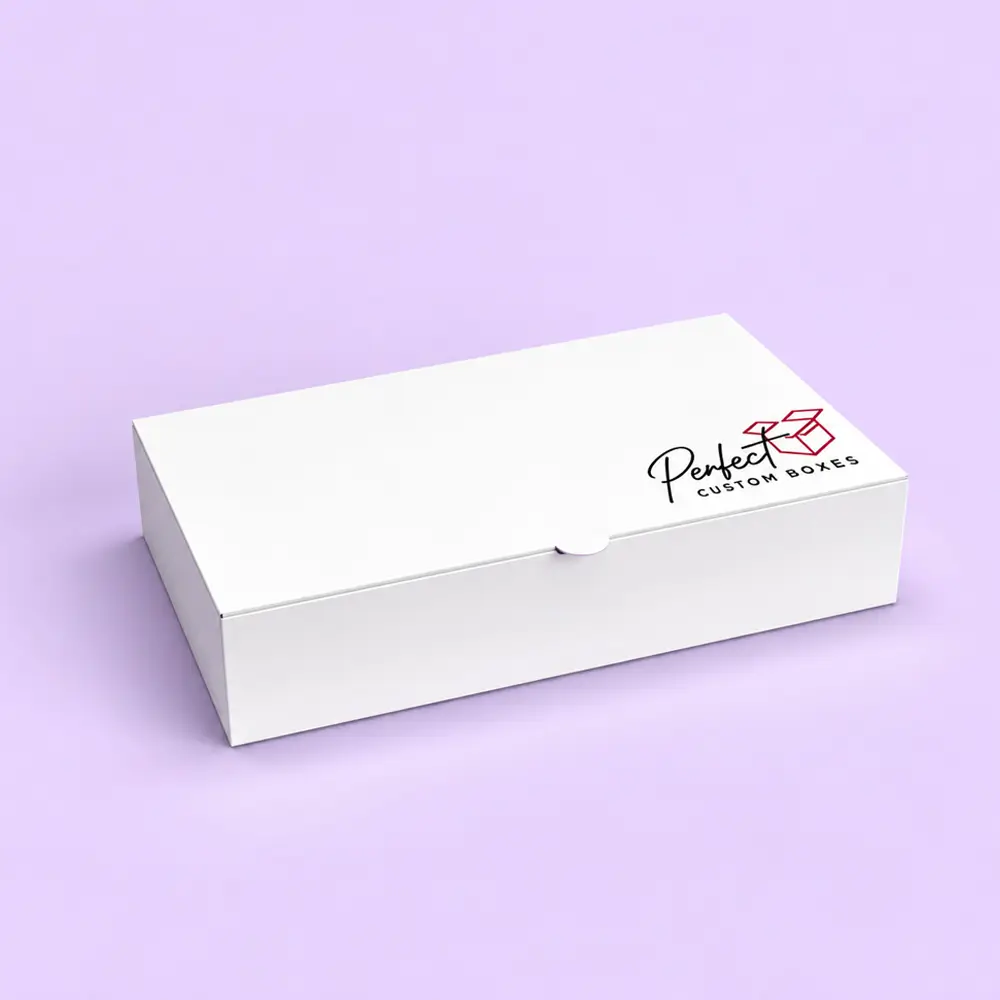 Double Locked Wall Lid
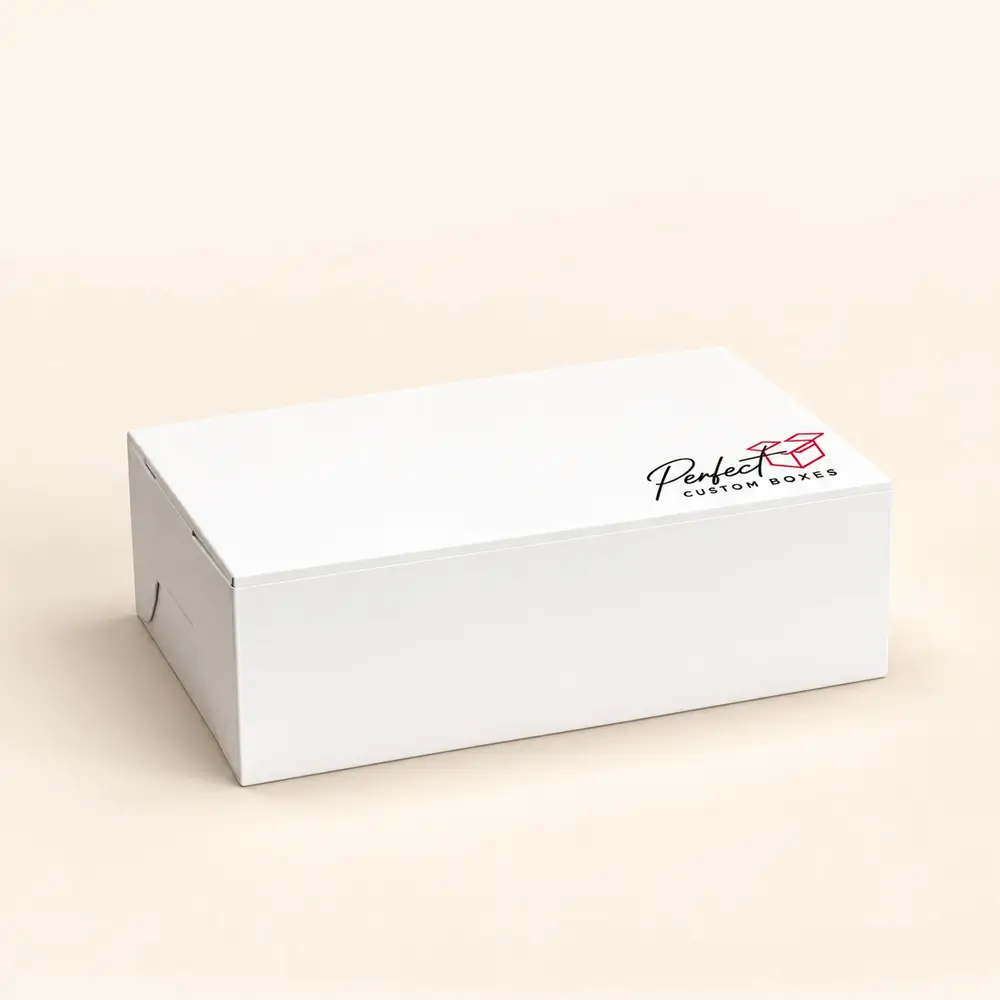 Self Lock Cake Box
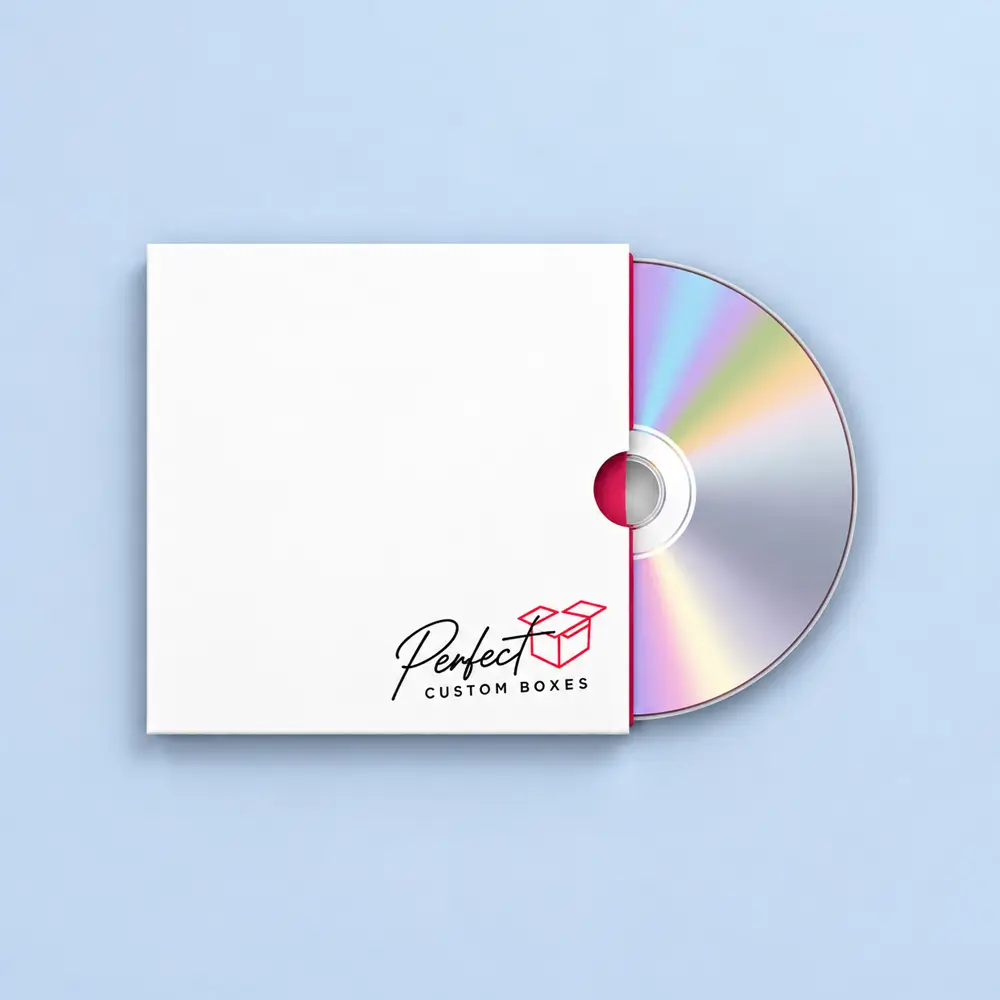 Cd Jacket
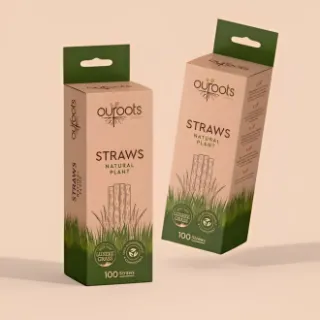 Kraft Boxes
 Corrugated Boxes
 Cardstock Boxes
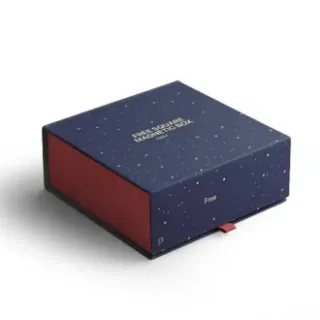 Rigid Boxes
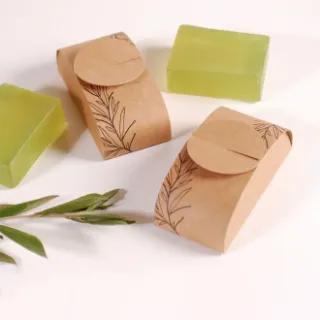 Eco Friendly Packaging
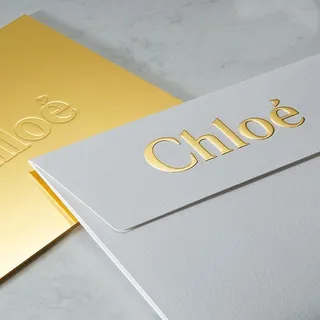 Foil Stamping
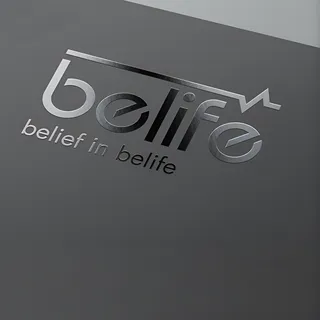 Spot UV
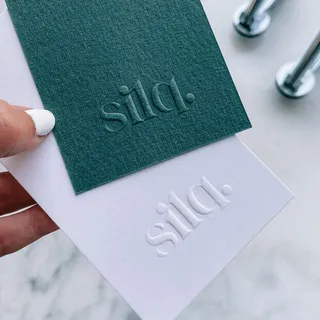 Embossing
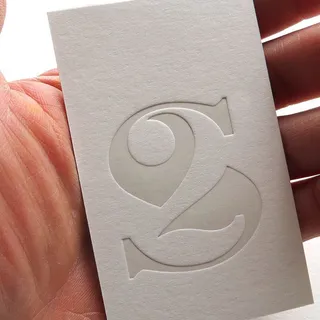 Debossing
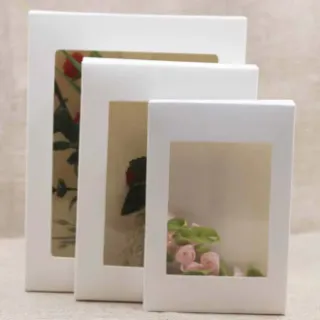 Window Cutouts
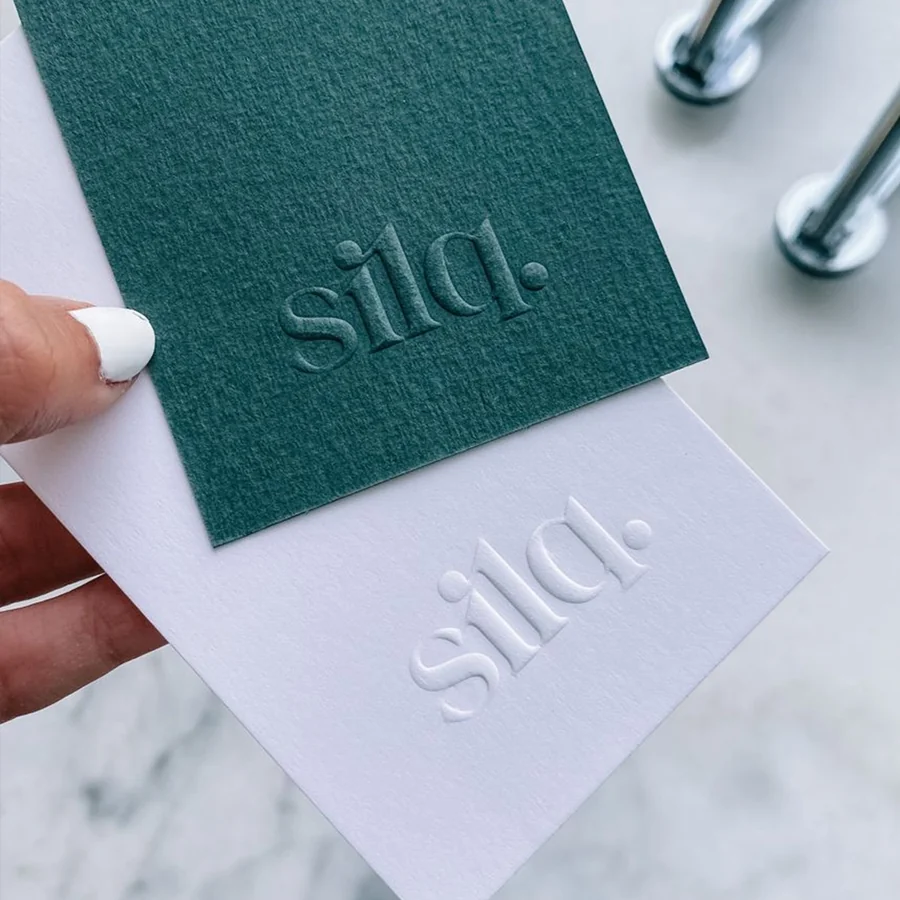
Embossing
Choose embossing when you want a raised logo or pattern that stands out from the box surface.
 CMYK Printing
 PMS Printing
 Matte Finish
 Gloss Finish
 Soft Touch
Choose between a raised embossed logo and a pressed-in debossed logo, then add it to custom boxes printed with your branding. Compare the two below, and we’ll handle the rest.
Embossing raises your logo or pattern above the surface of the box. Debossing presses it down into the surface. Both add texture to a logo, and both work especially well on kraft and rigid boxes. Perfect Custom Boxes adds either finish to custom boxes, with no die or plate charges, free design support and free shipping.
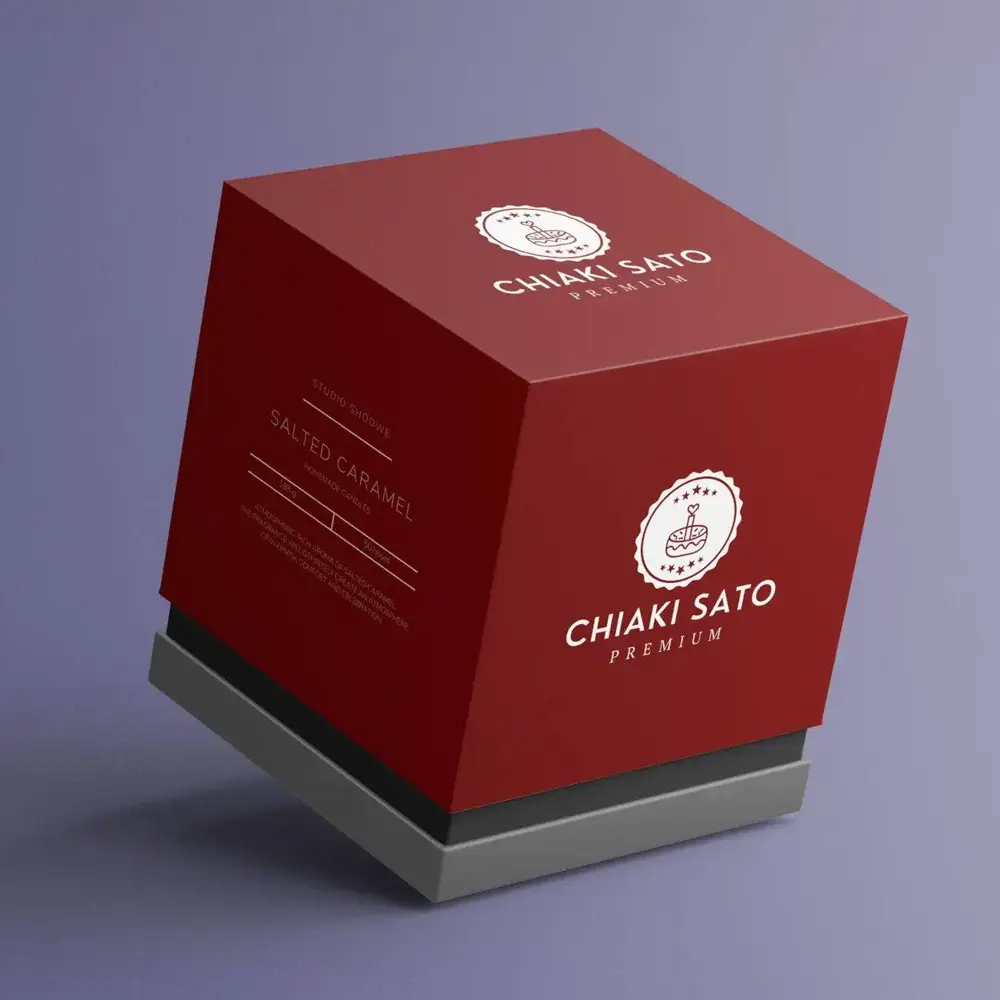
Choose embossing when you want a raised logo or pattern that stands out from the box surface.
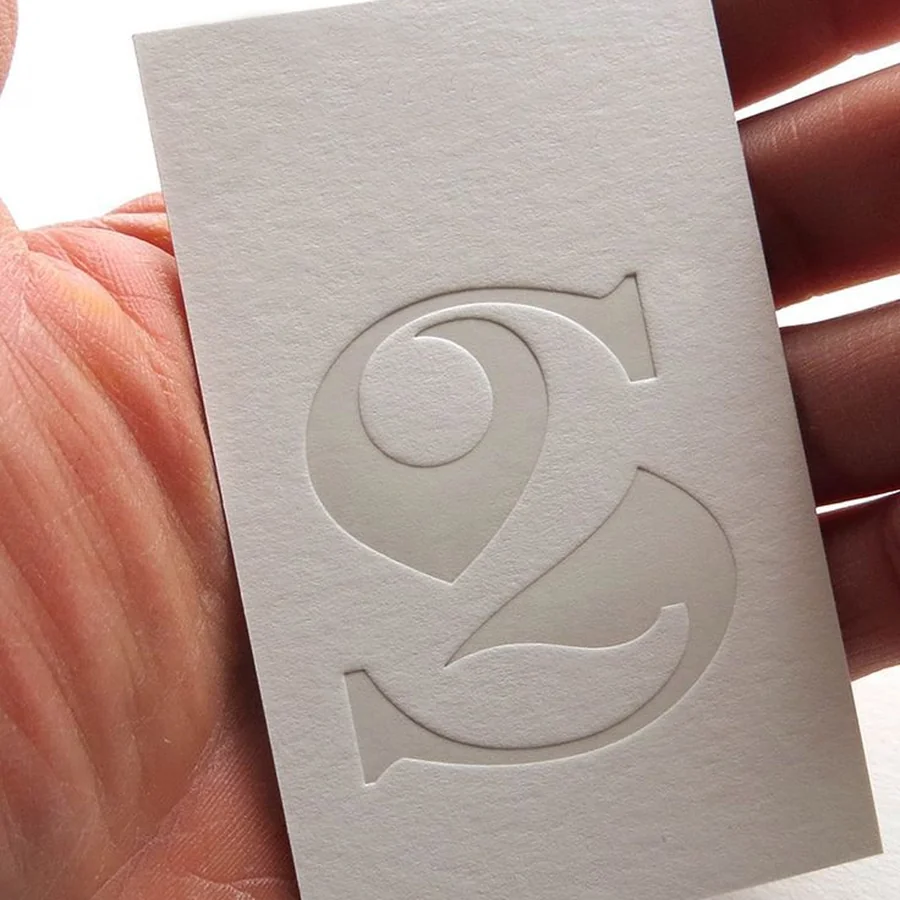
Choose debossing when you want a pressed-in mark for a subtle, recessed look.
Foil stamping, embossing and debossing work especially well on kraft. Black kraft boxes pair well with foil or embossed logos.
Gold and silver foil, embossing, debossing, spot UV and soft-touch lamination add the finishing details to rigid boxes.
Cardboard boxes can be finished with embossing alongside full-color CMYK, spot UV, metallic foil stamping and matte or gloss lamination.
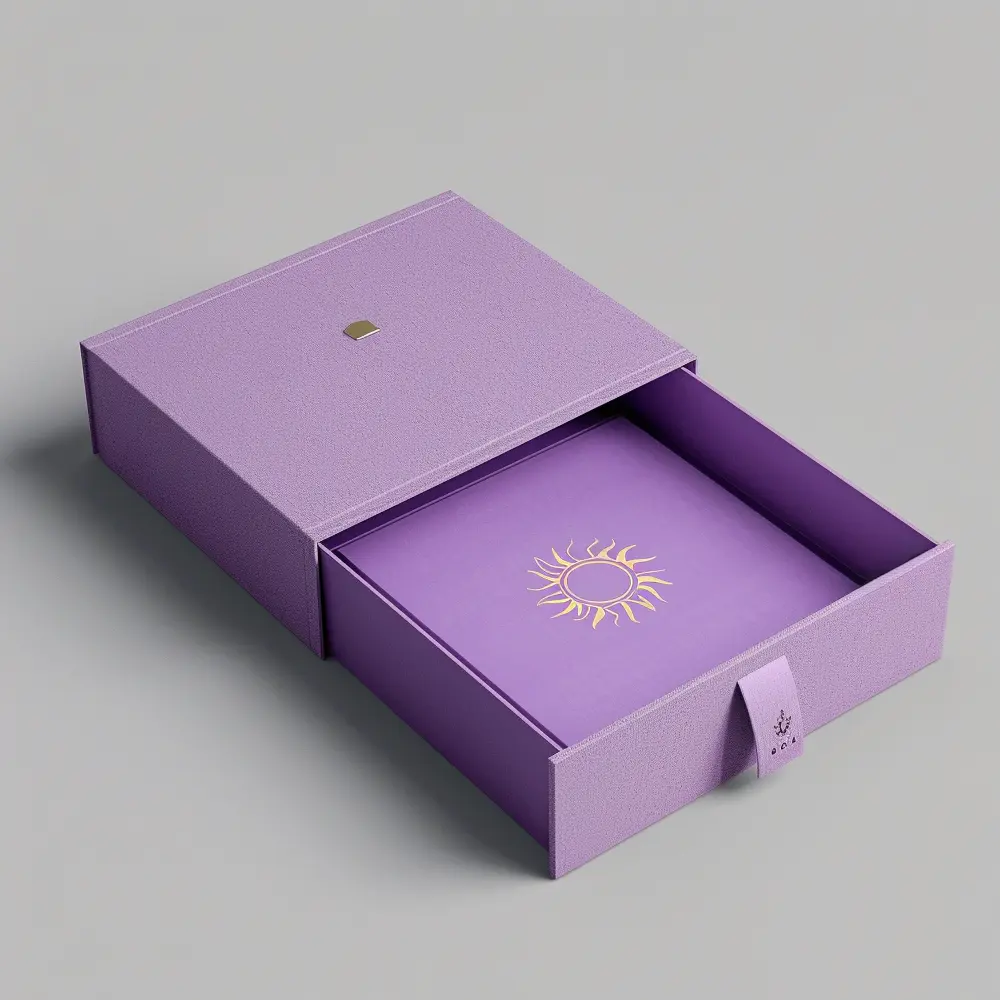
A spot UV, foil or embossed logo on a plain background gives understated luxury. On drawer and rigid boxes, embossing and debossing can highlight logos and specific product details.
Embossing and debossing work alongside printing and other finishes to build a premium look.
Use them on box lids, logos and product names, on rigid gift boxes, drawer boxes and kraft packaging. On drawer and rigid boxes, they can also highlight specific product details.
Share your box style, dimensions, quantity and finish on the quote form.
Upload AI, EPS, PSD or PDF files at 300 dpi or higher, with a separate layer showing the embossed or debossed area. No artwork yet? Our free design service builds it from your idea.
Review your 2D and 3D digital proof before production. Larger orders can get a physical sample box first.
Boxes are printed, finished and made in-house, ready in 8–10 business days after proof approval, or 6–8 with expedited service.
Free shipping to the US, Canada, the UK and Australia.
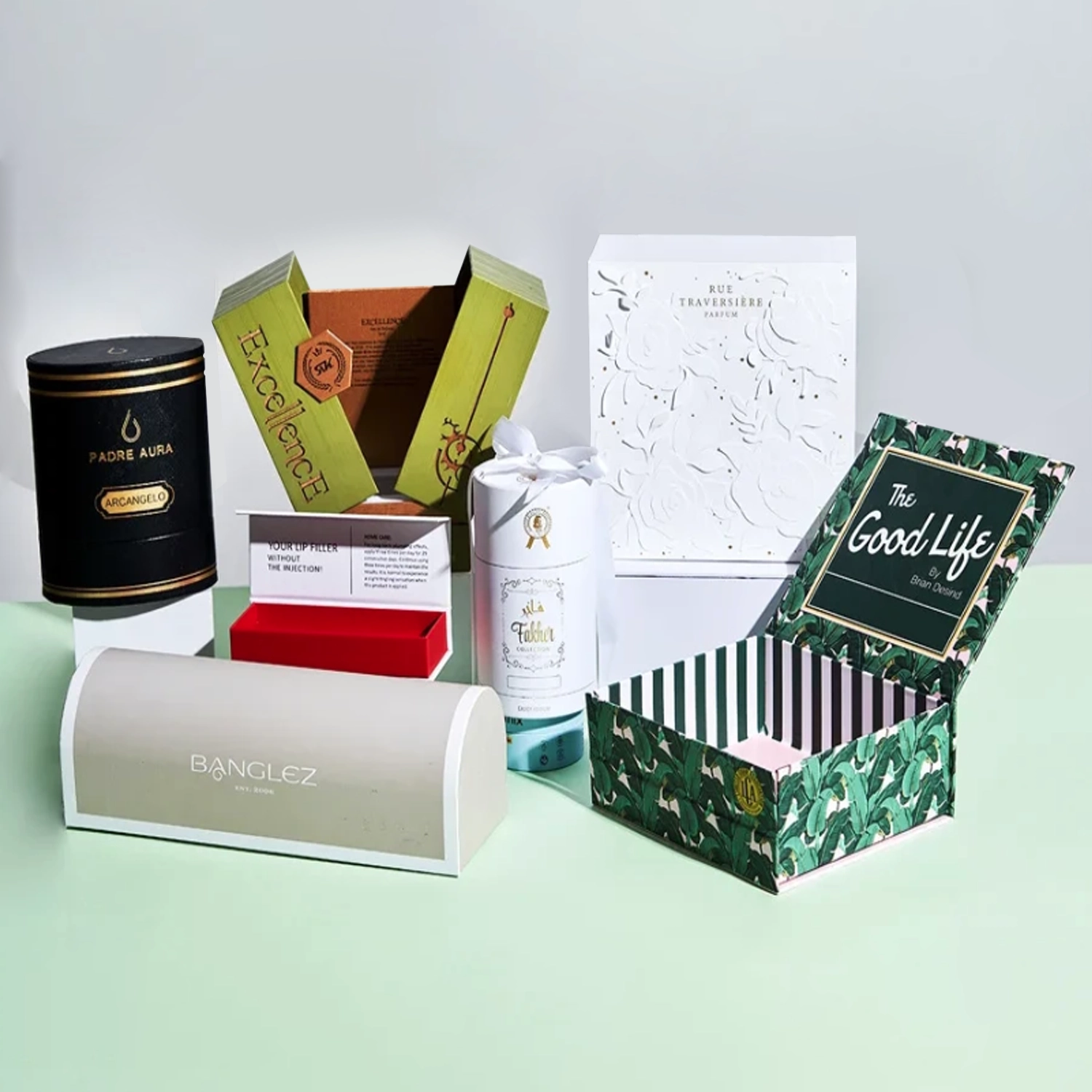
Premium boxes finished with foil, embossing and debossing.
Get Started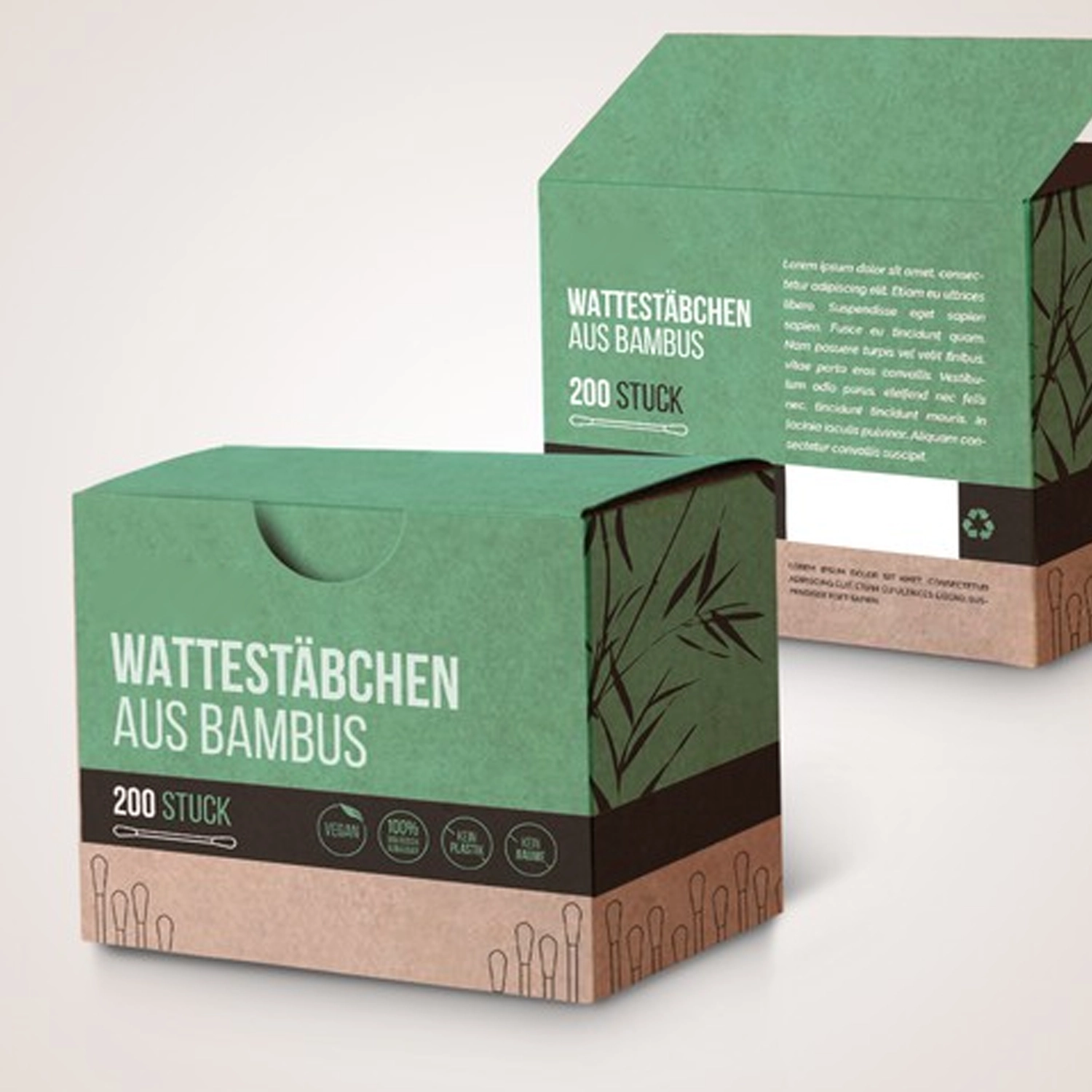
Natural board that takes embossing and debossing well.
Get Started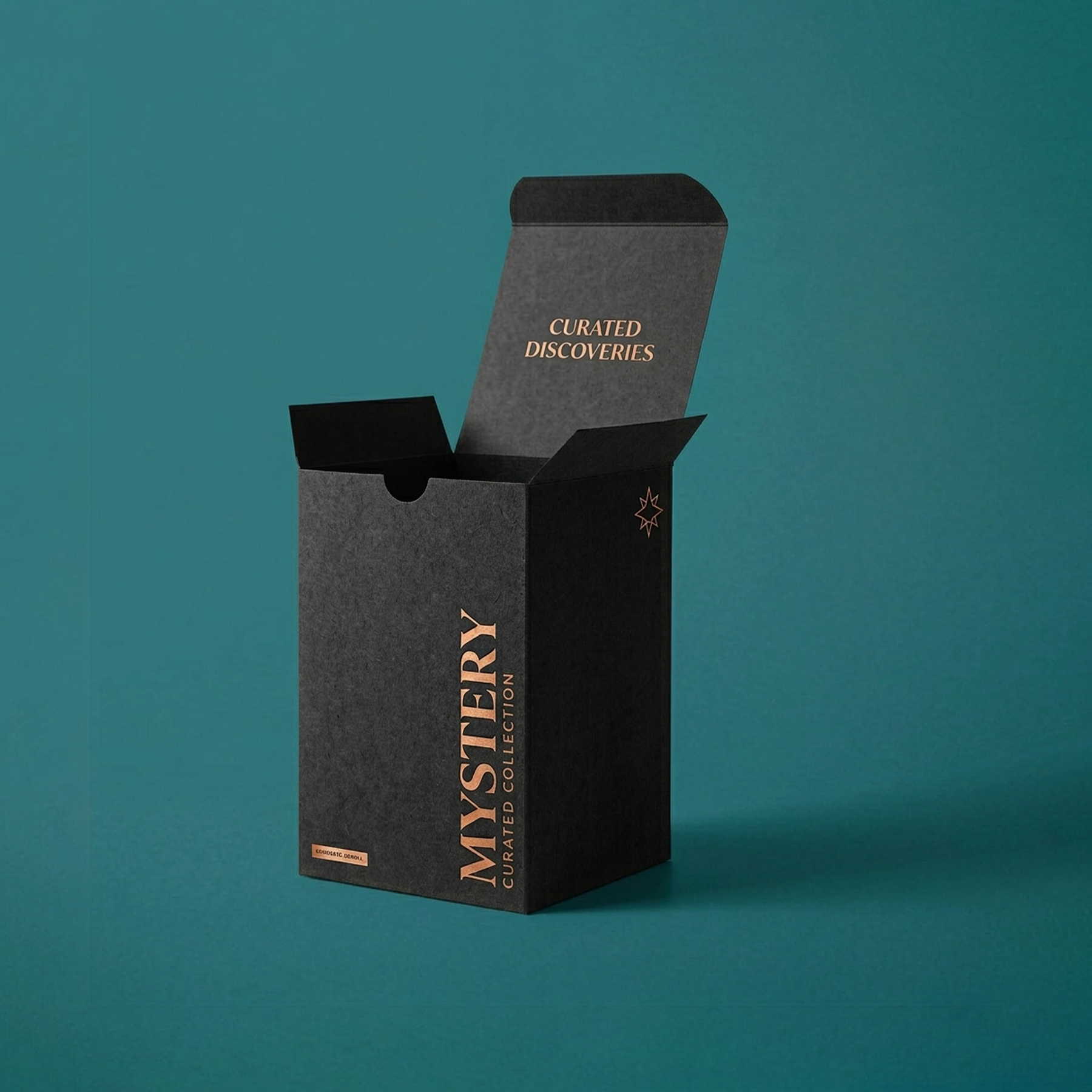
Bold black board with foil or embossed logos.
Get Started
Full-color cartons with embossing and foil options.
Get Started
Gold foil logos and details for a premium finish.
Get Started
Any size, style and material, finished your way.
Get StartedWant to see the finish before ordering? Physical samples are available for a fee.
Embossing raises the design above the surface. Debossing presses it into the surface.
Both work especially well on kraft and rigid boxes.
Yes. Foil and embossed logos are a popular pairing, especially on black kraft and rigid boxes.
No. There are no die or plate charges on any order.
Yes. Physical samples are available for a fee.
Orders start from 100 units.
Not on its own. A blind emboss or deboss has no ink or foil, so it shows through texture and shadow. You can also combine it with foil or printed artwork.
A raised design with no ink or foil on top, for a subtle, tactile look.
Very thin lines and small text can lose detail. Bold shapes and logos give the clearest result.
Supply a separate layer showing exactly where the effect goes, the same way you mark spot UV or foil.
Both read as premium. Embossing draws more attention, while debossing gives a quieter, understated finish.
Yes, each design needs its own die, but we do not charge die or plate fees.
Send us your logo and box details, and our designers will recommend the right finish, with free design support and free shipping.