 Serum Bottles
 Clear Glass Bottles
 Lotion Bottles
 Plastic Bottles
 Food Storage Containers
 Lip Balm Tubes
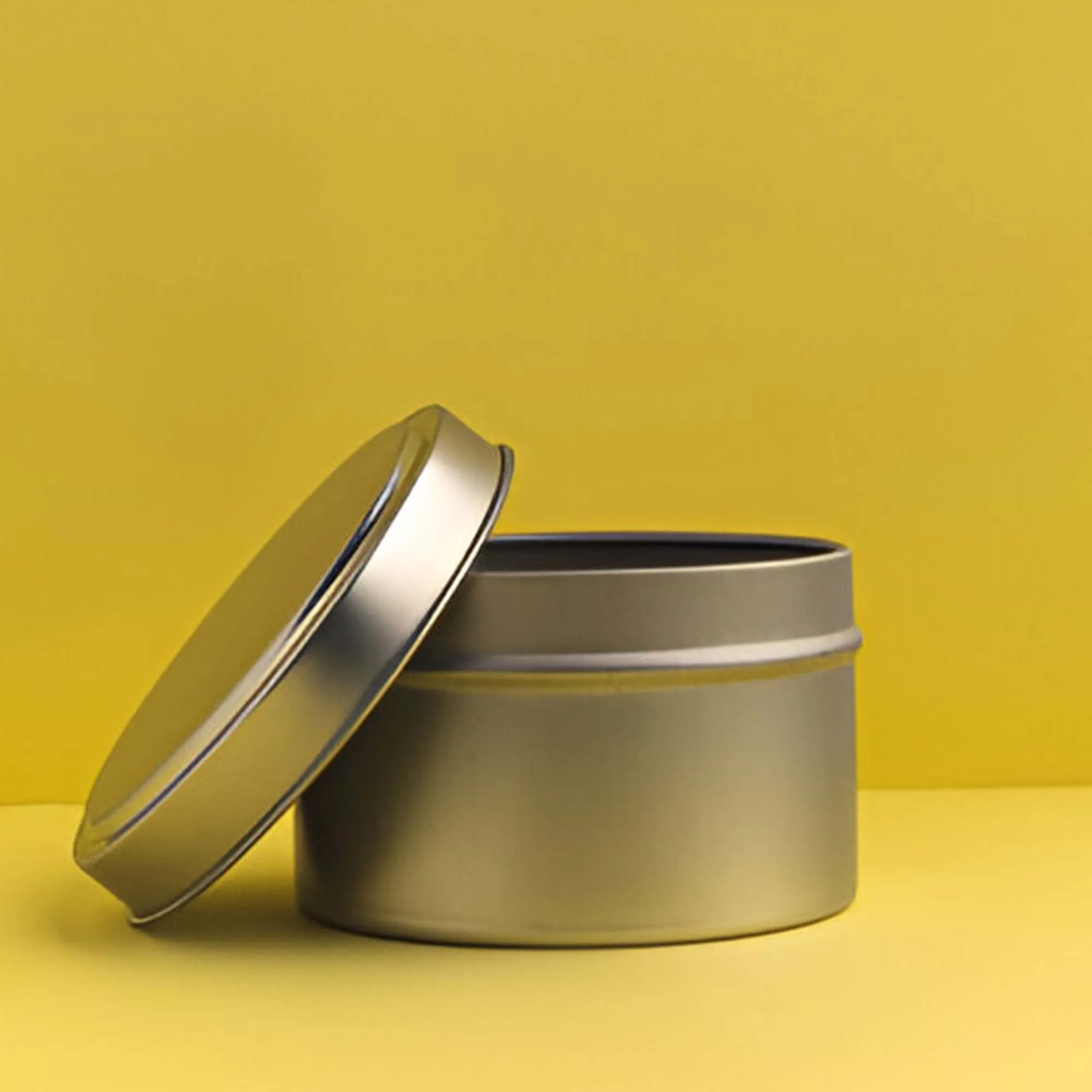 Metal Tins
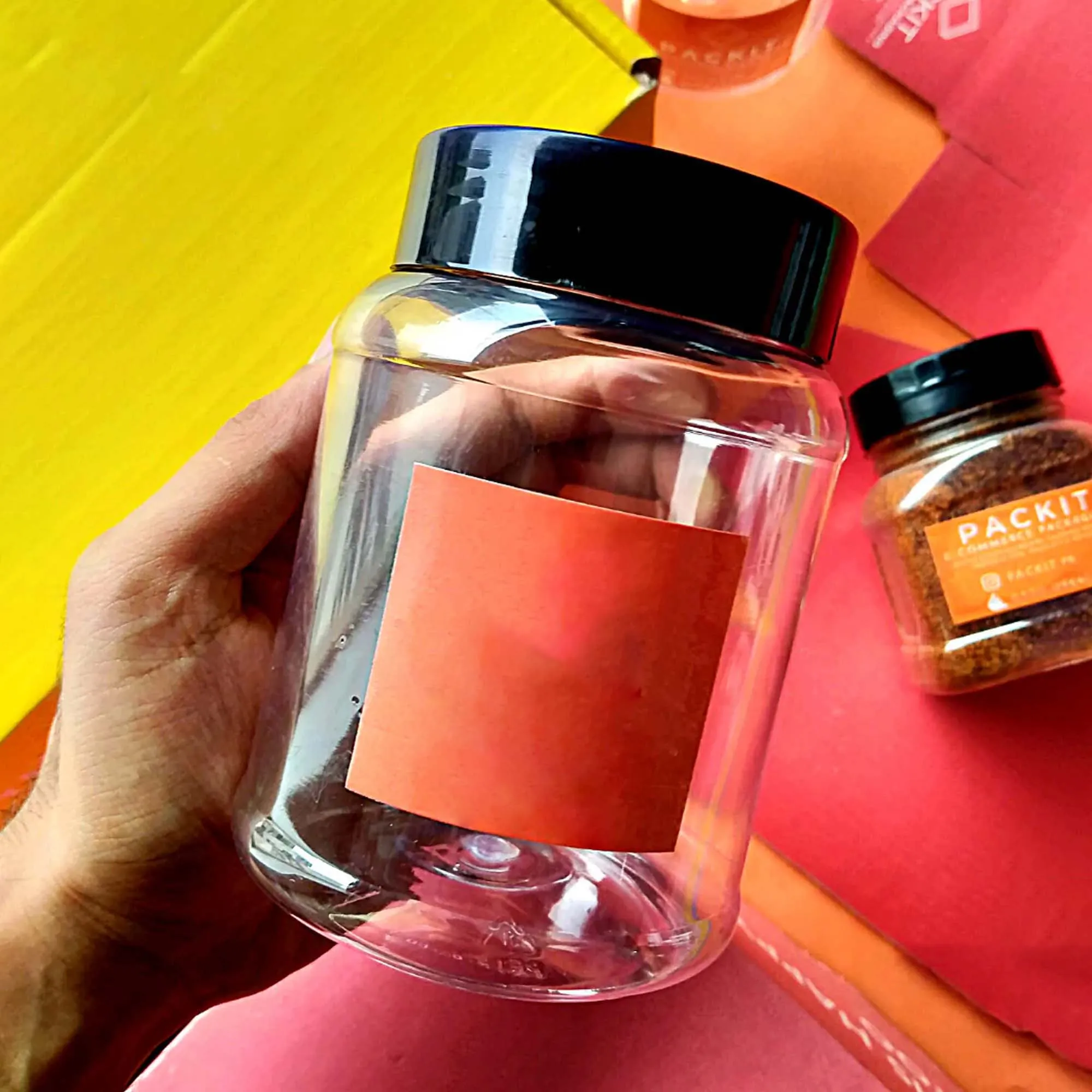 Plastic Jars
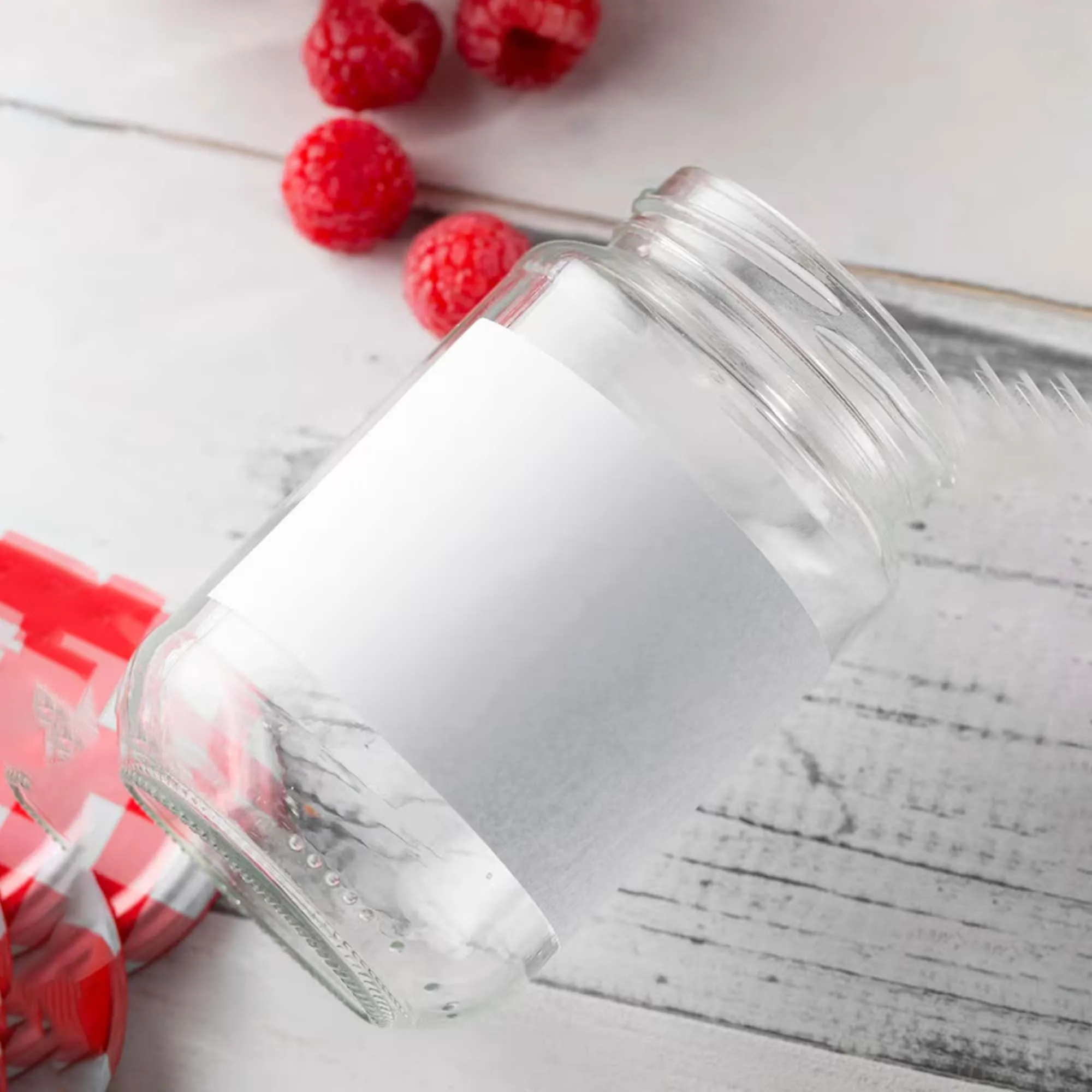 Glass Jars
 Cosmetic Containers
 Black Acrylic Signs
 Clear Acrylic Signs
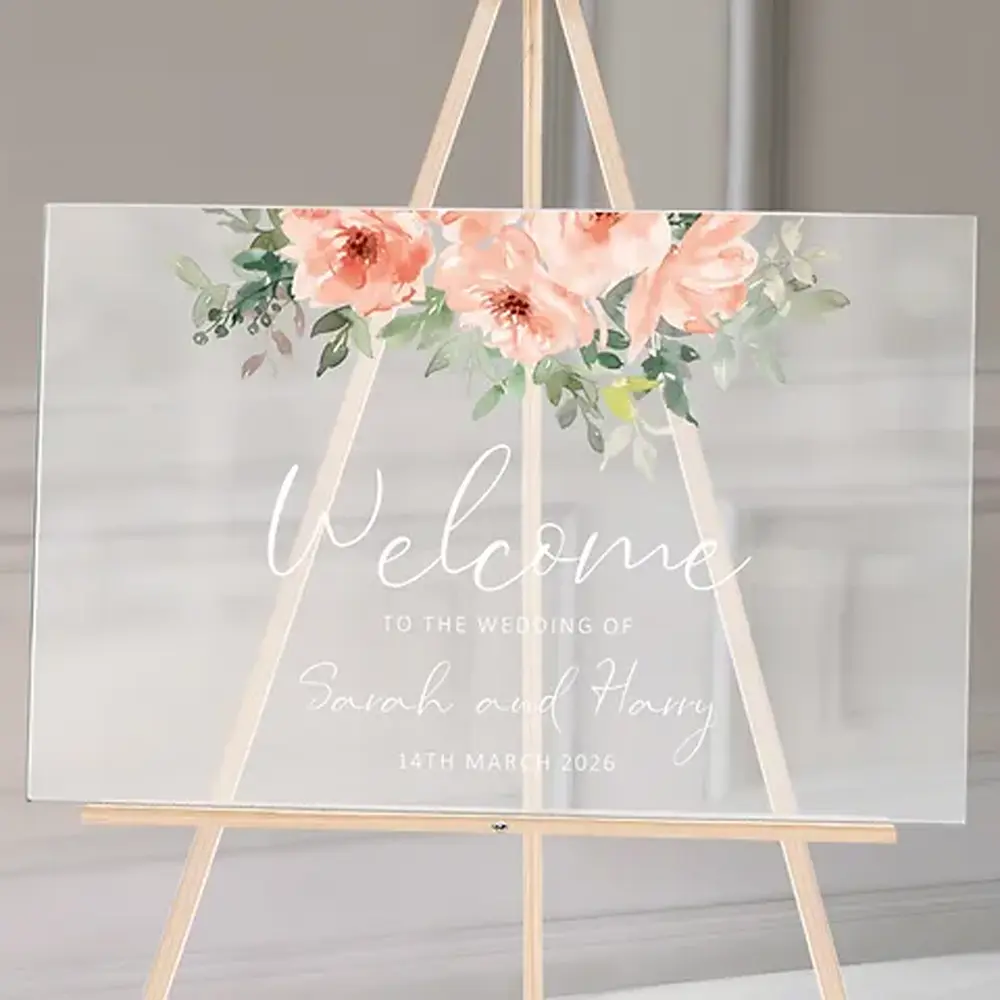 Frosted Acrylic Signs
 White Acrylic Signs
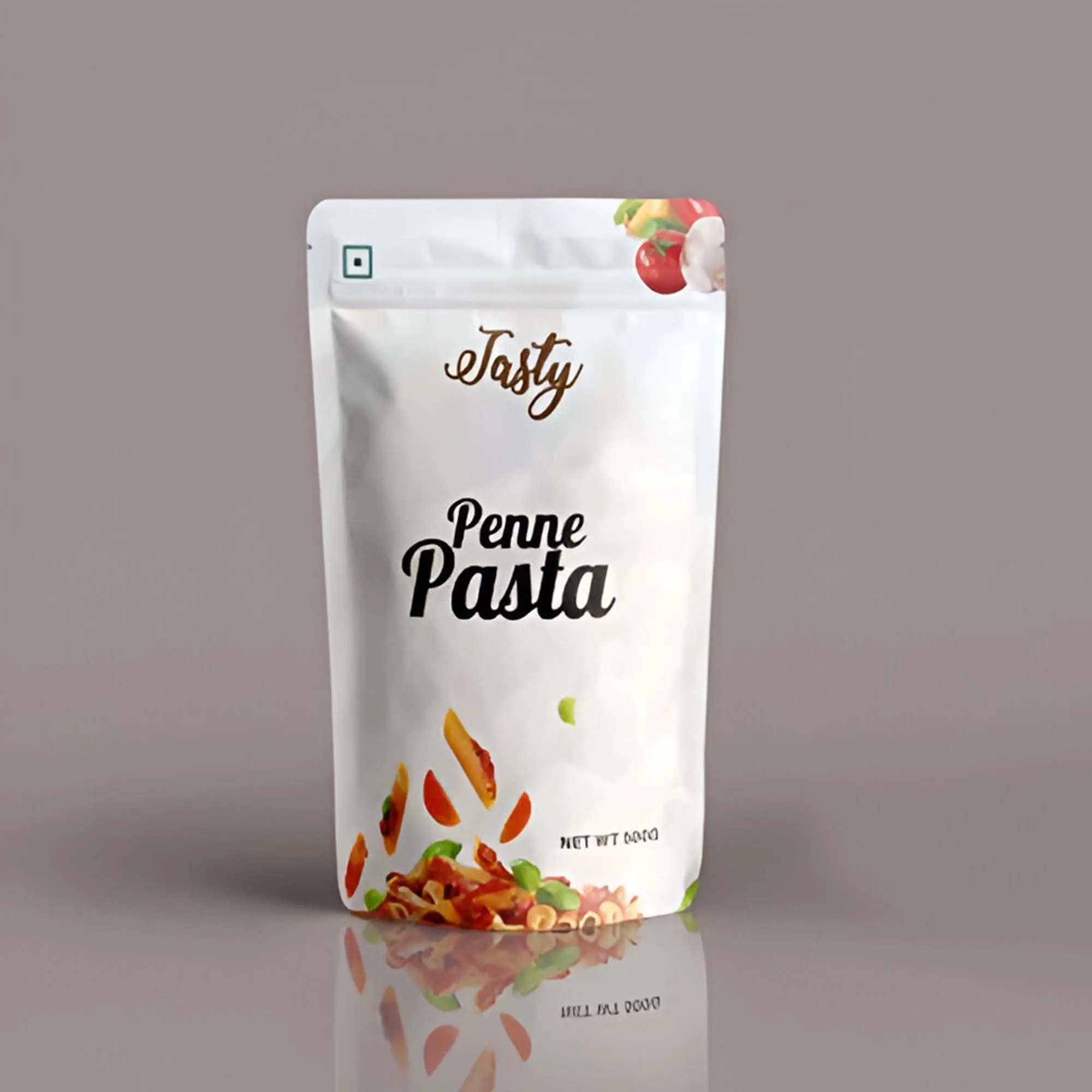 Aluminium Bags
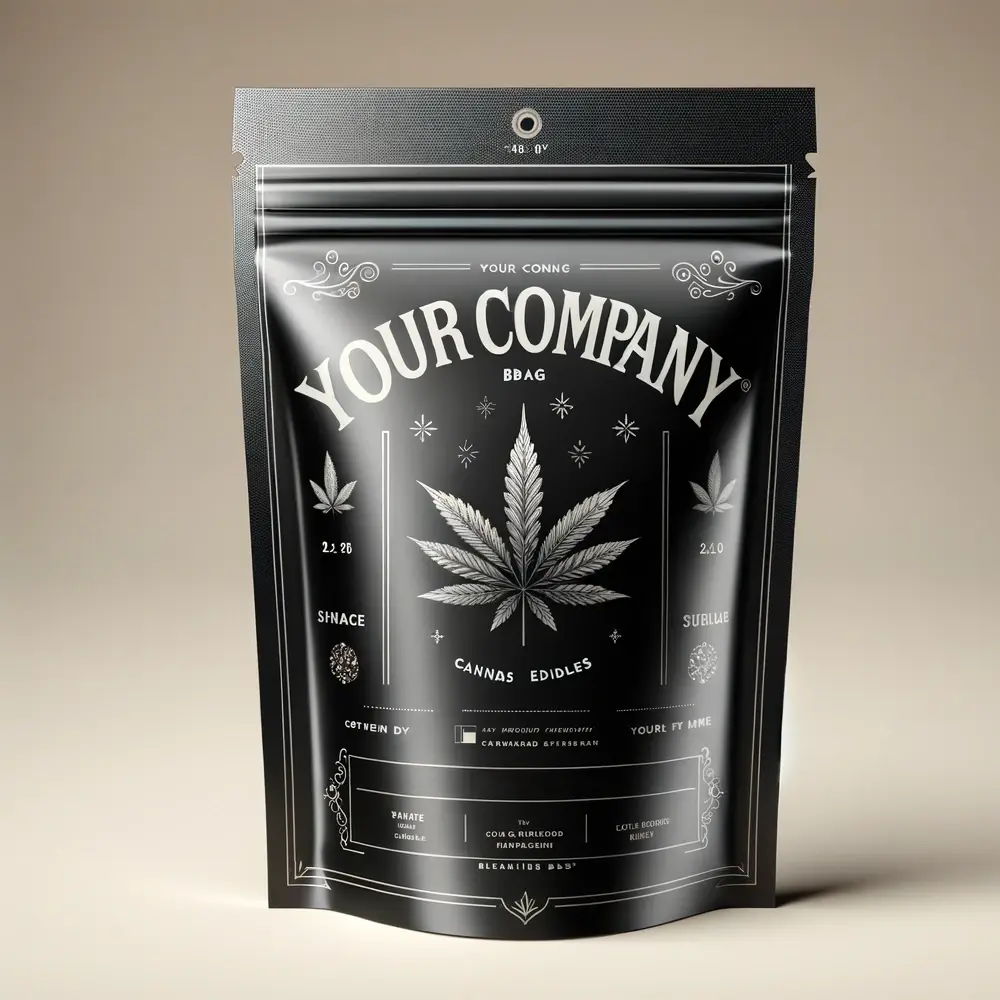 Black Mylar Bags
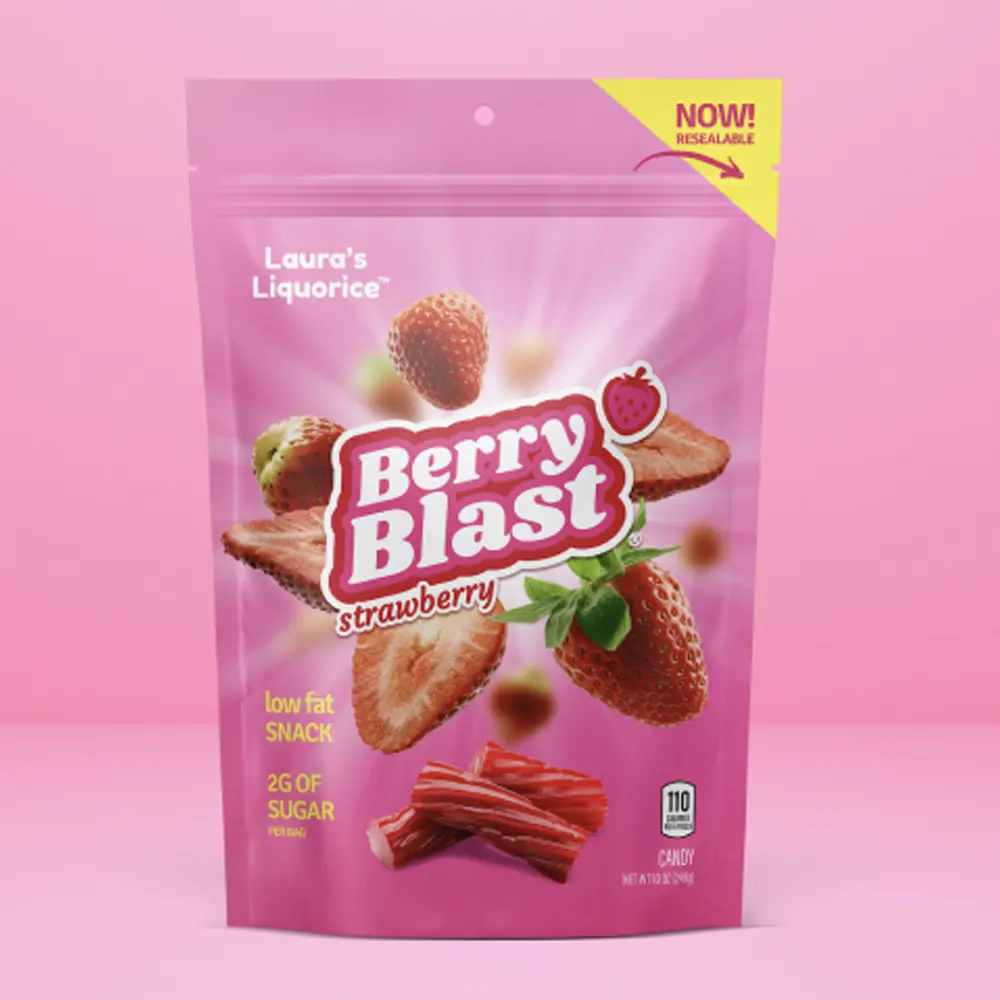 Candy Mylar Bags
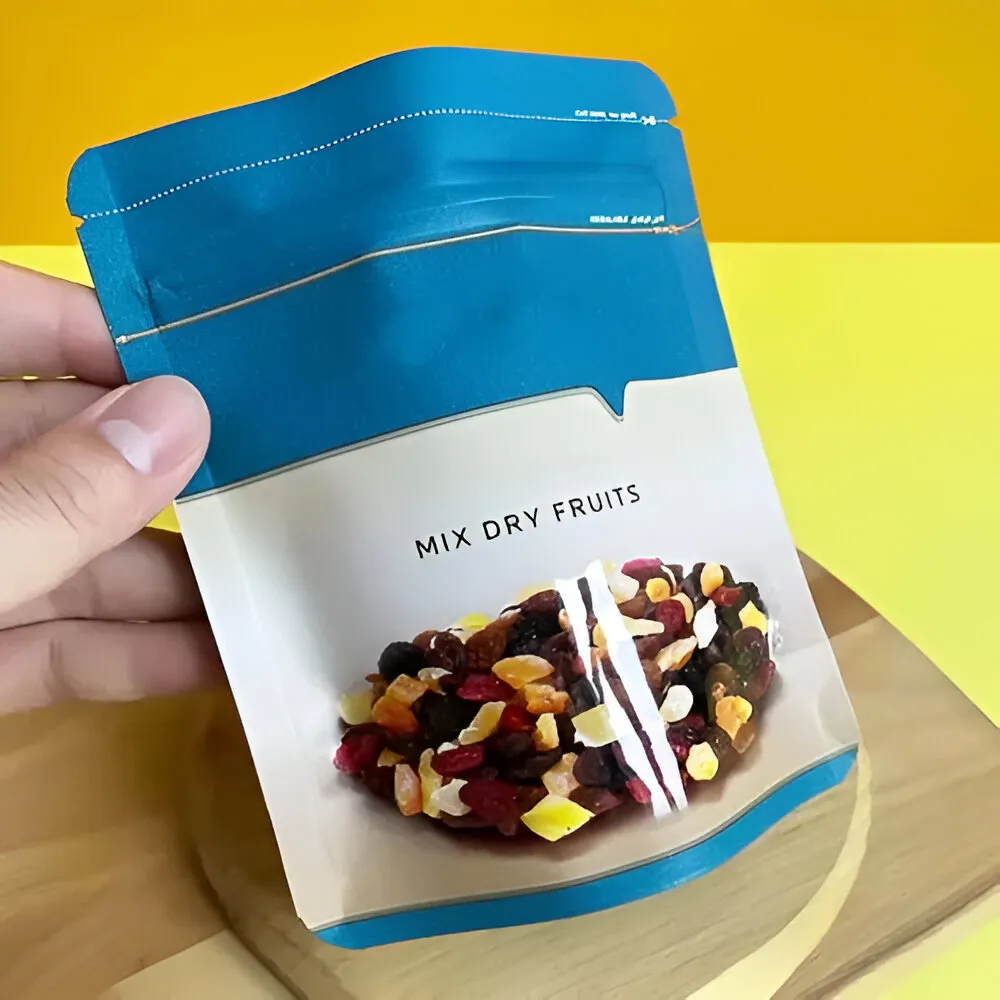 Child Resistant Mylar Bags
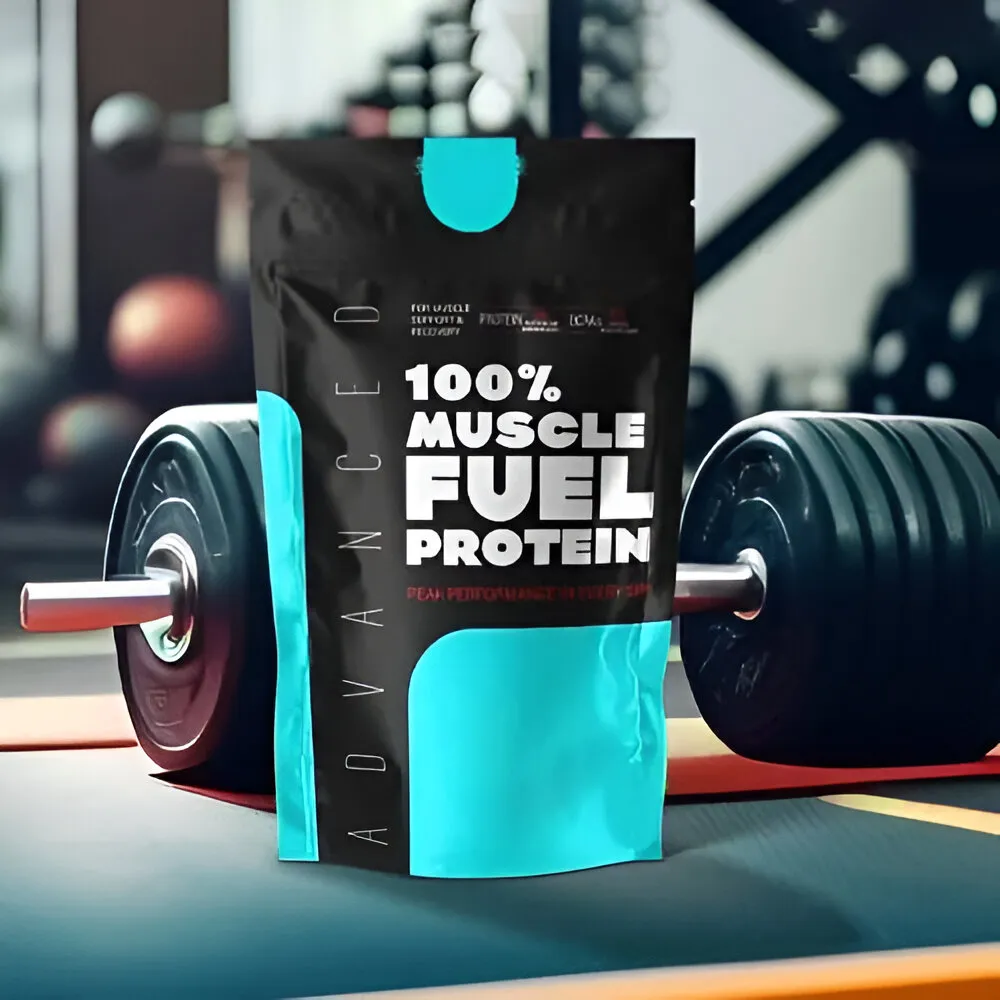 Custom Printed Mylar Bags
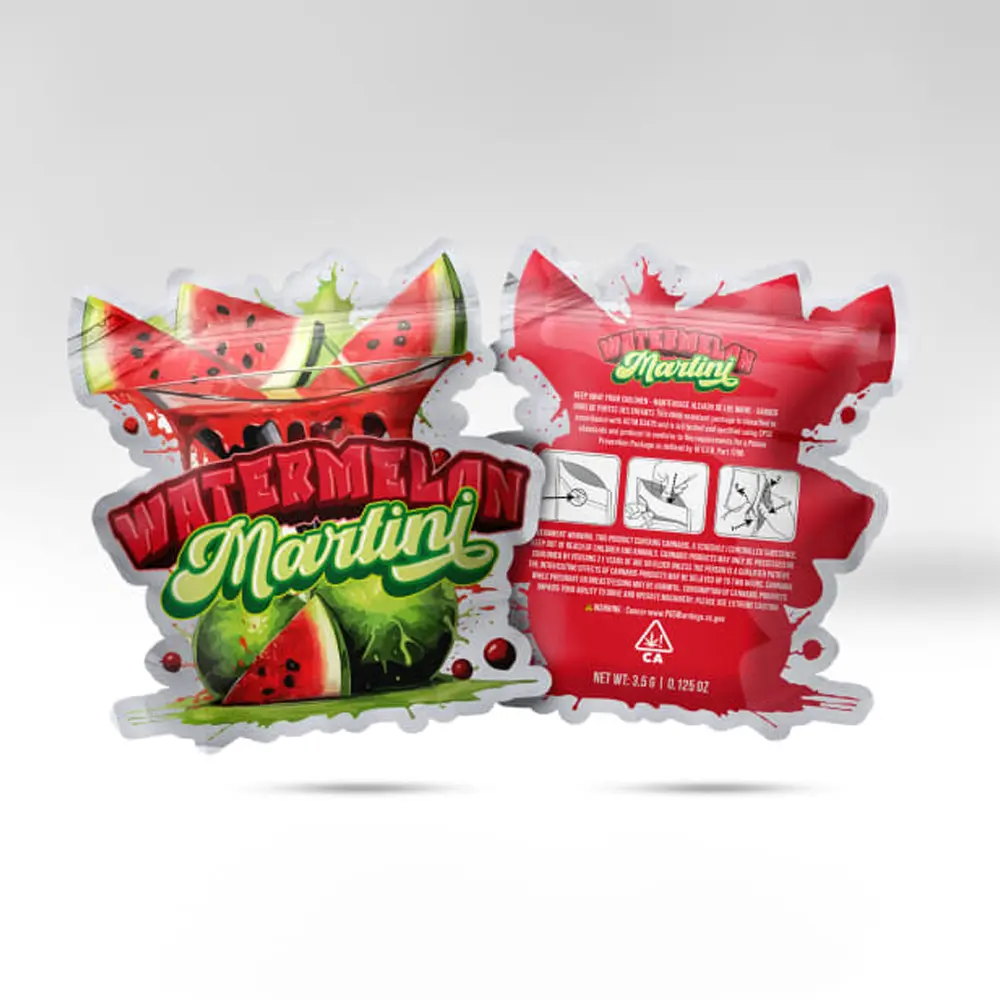 Die-Cut Mylar Bags
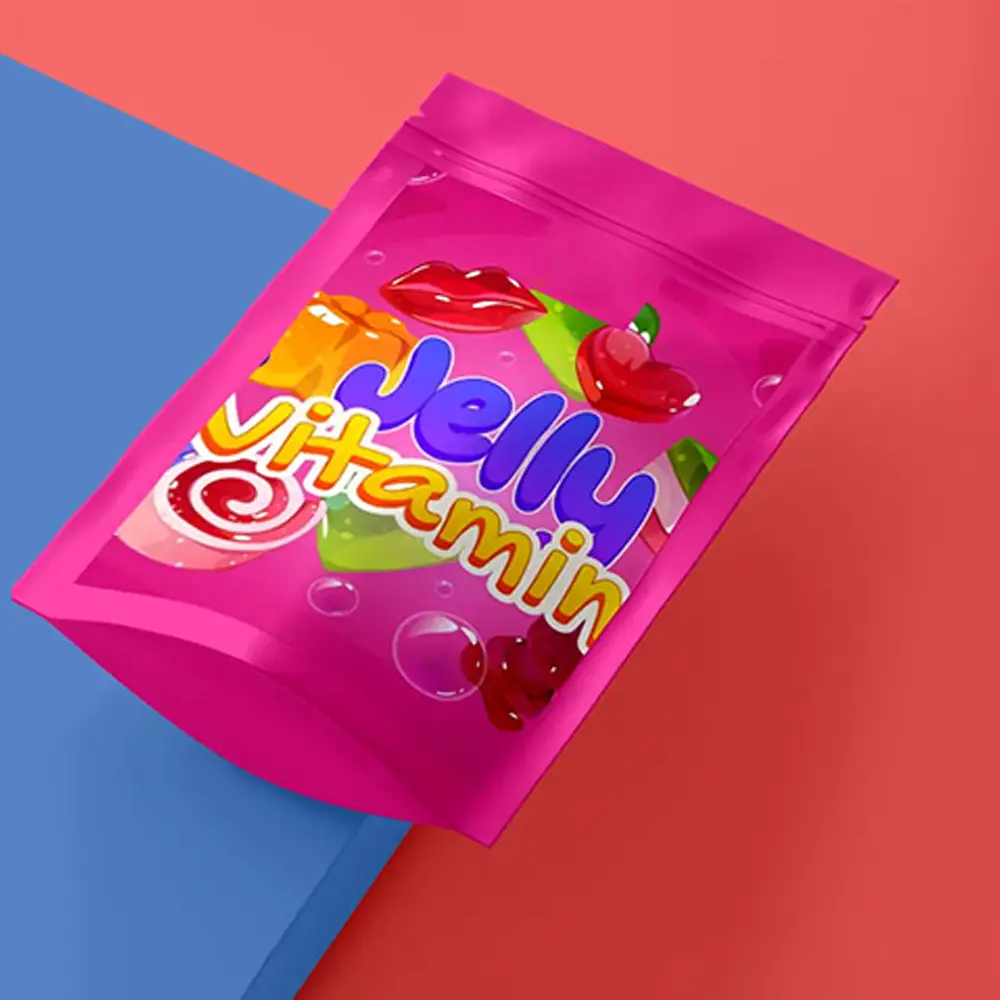 Edible Mylar Bags
 Food Pouches
 Frosted Bags
 Anti Aging Mask Boxes
 Bangle Boxes
 Concealer Boxes
 Contact Lens Boxes
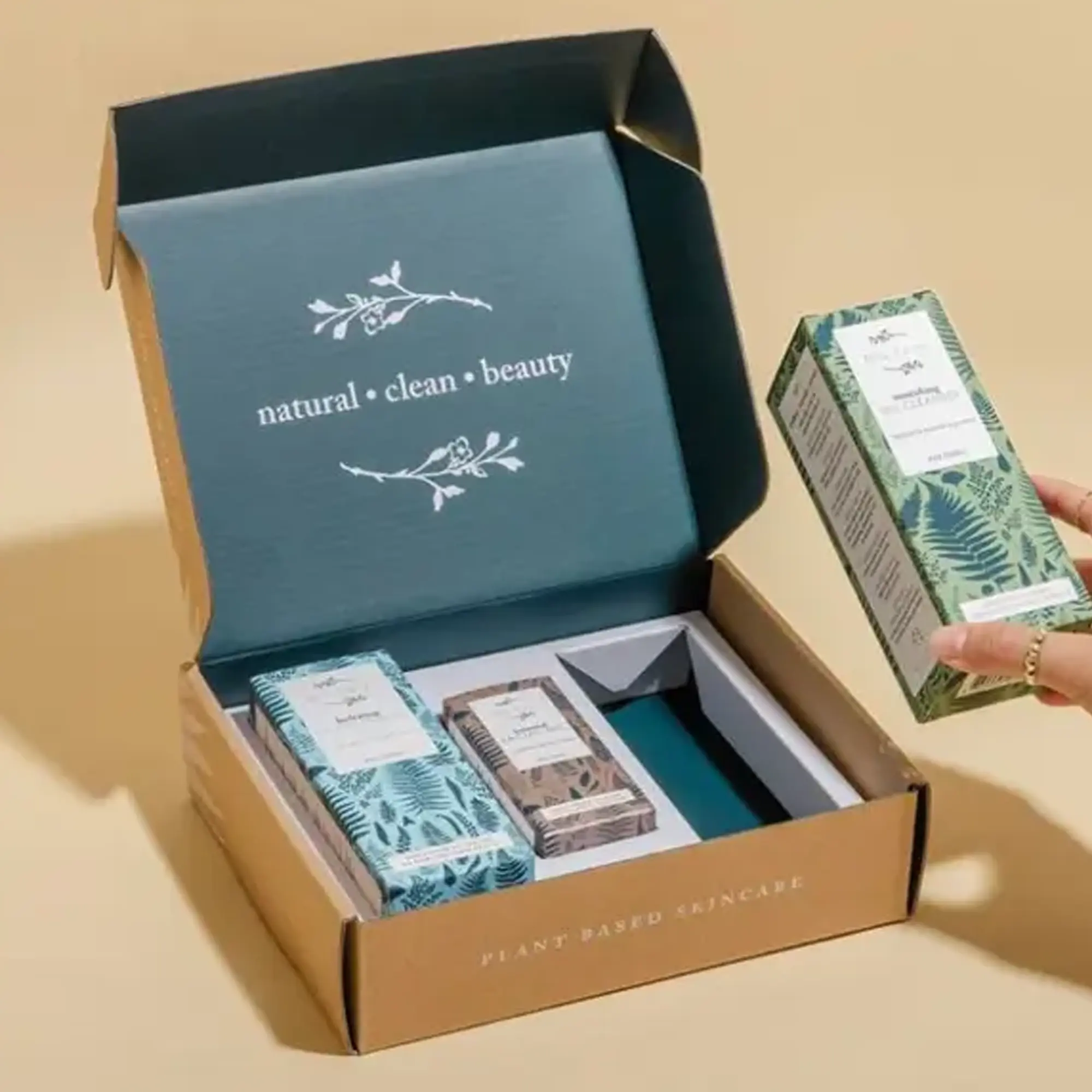 Cosmetic Cardboard Boxes
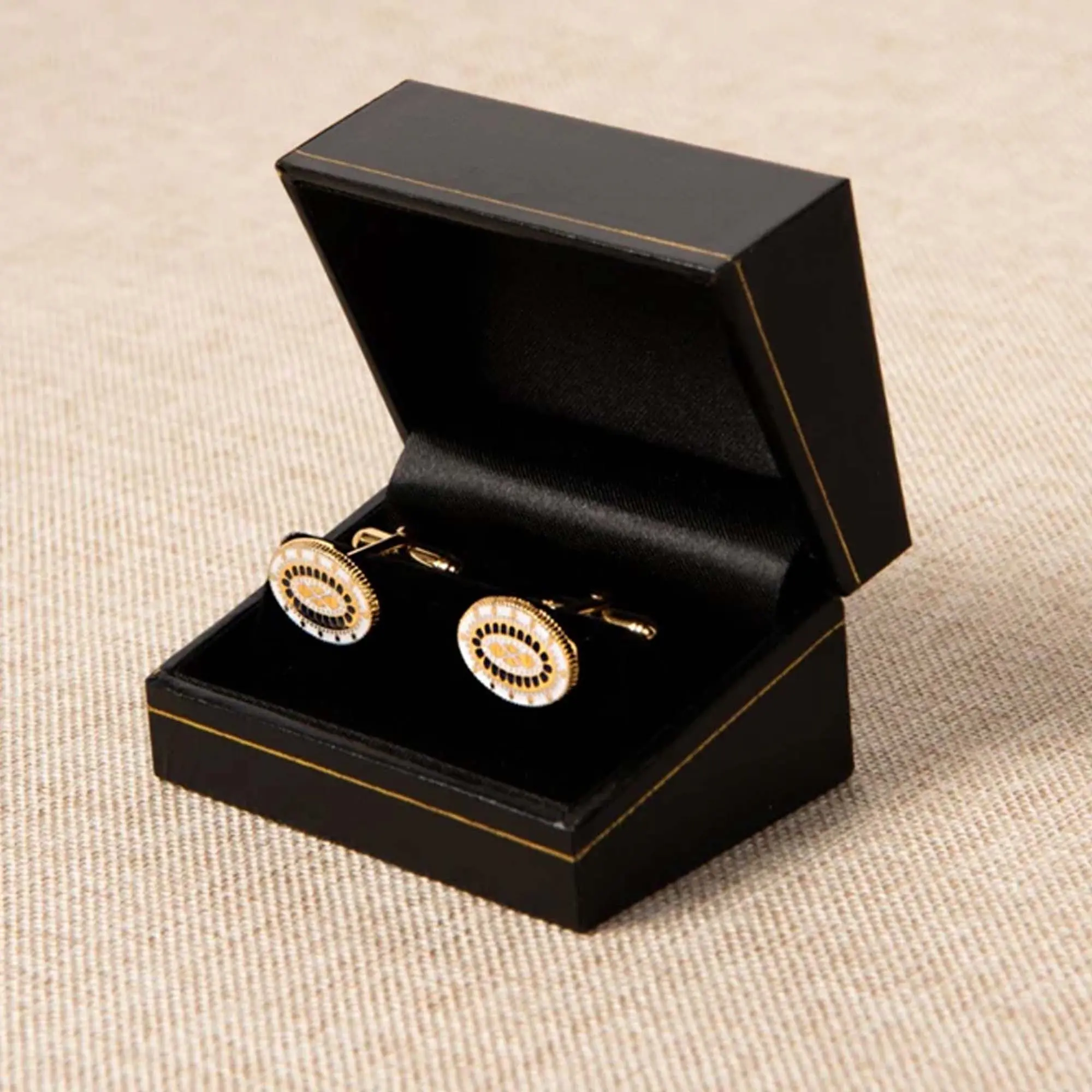 Cufflink Boxes
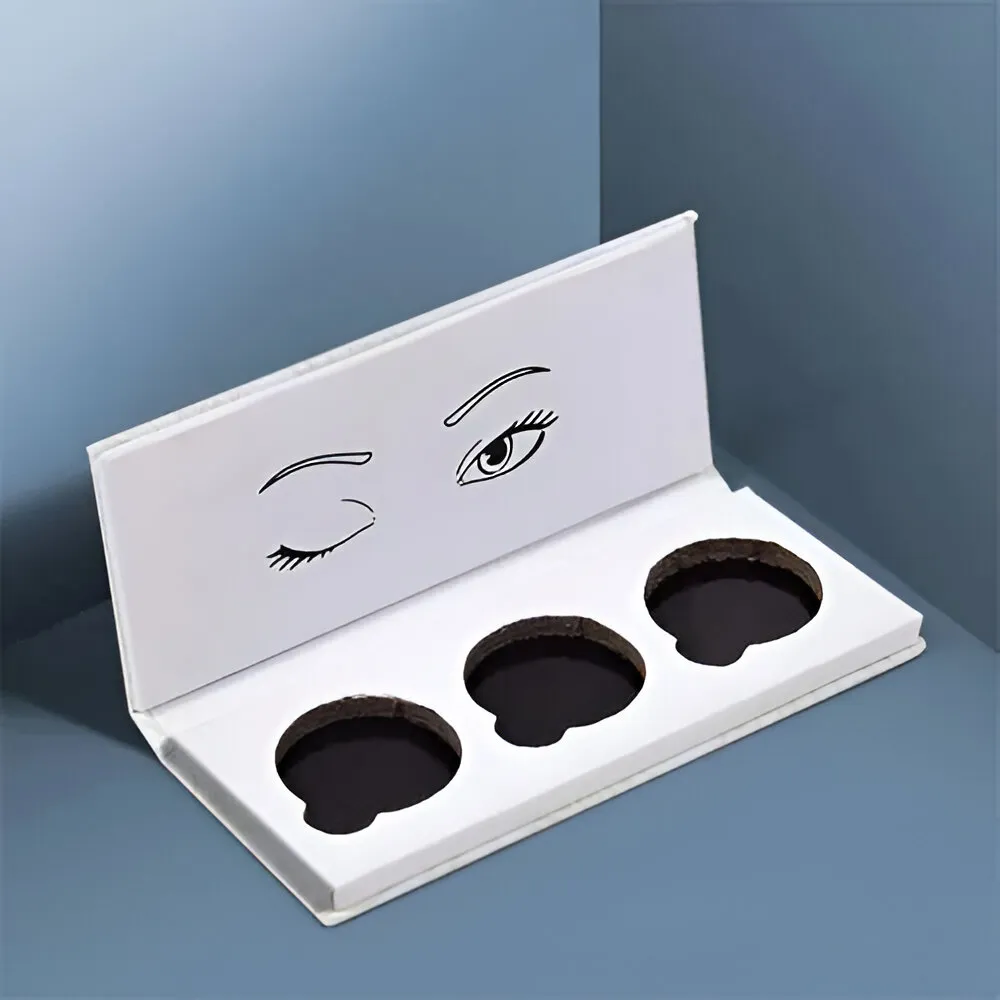 Custom Eye Shadow Packaging Boxes
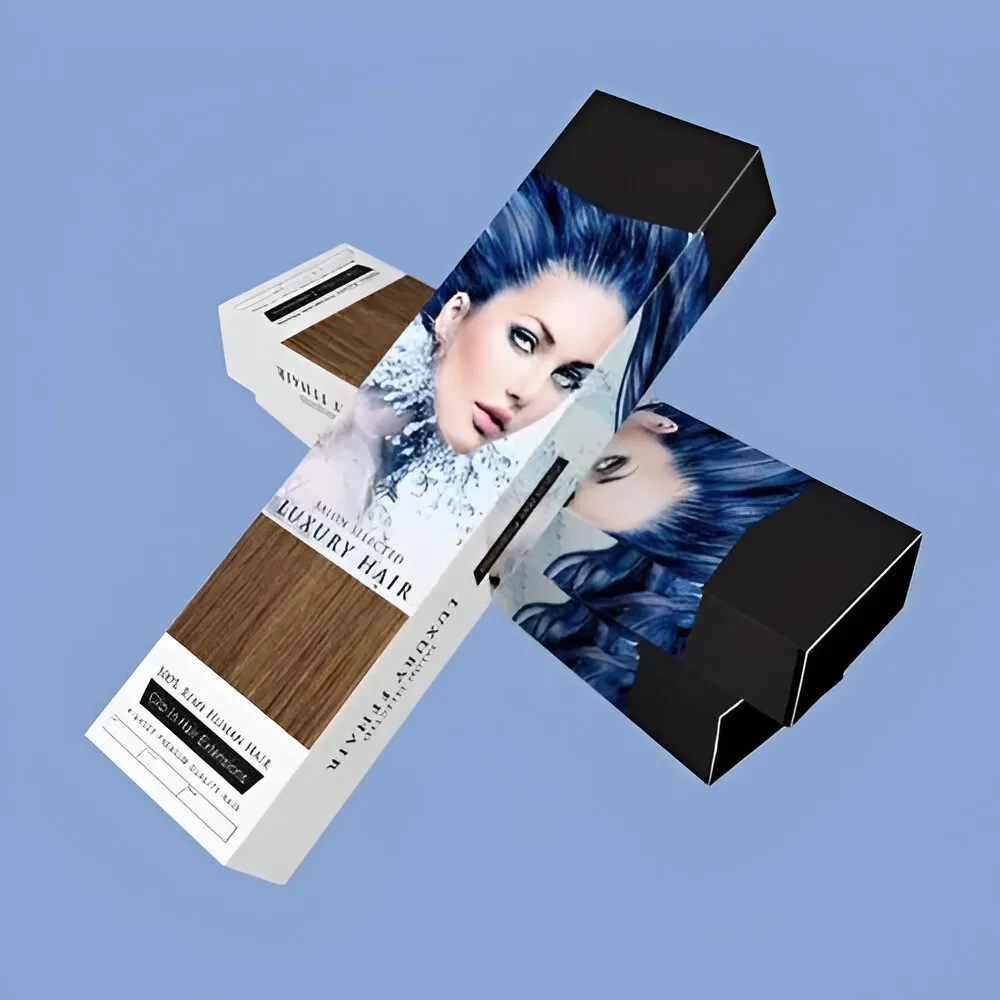 Custom Hair Color Boxes
 Custom Hair Spray Boxes
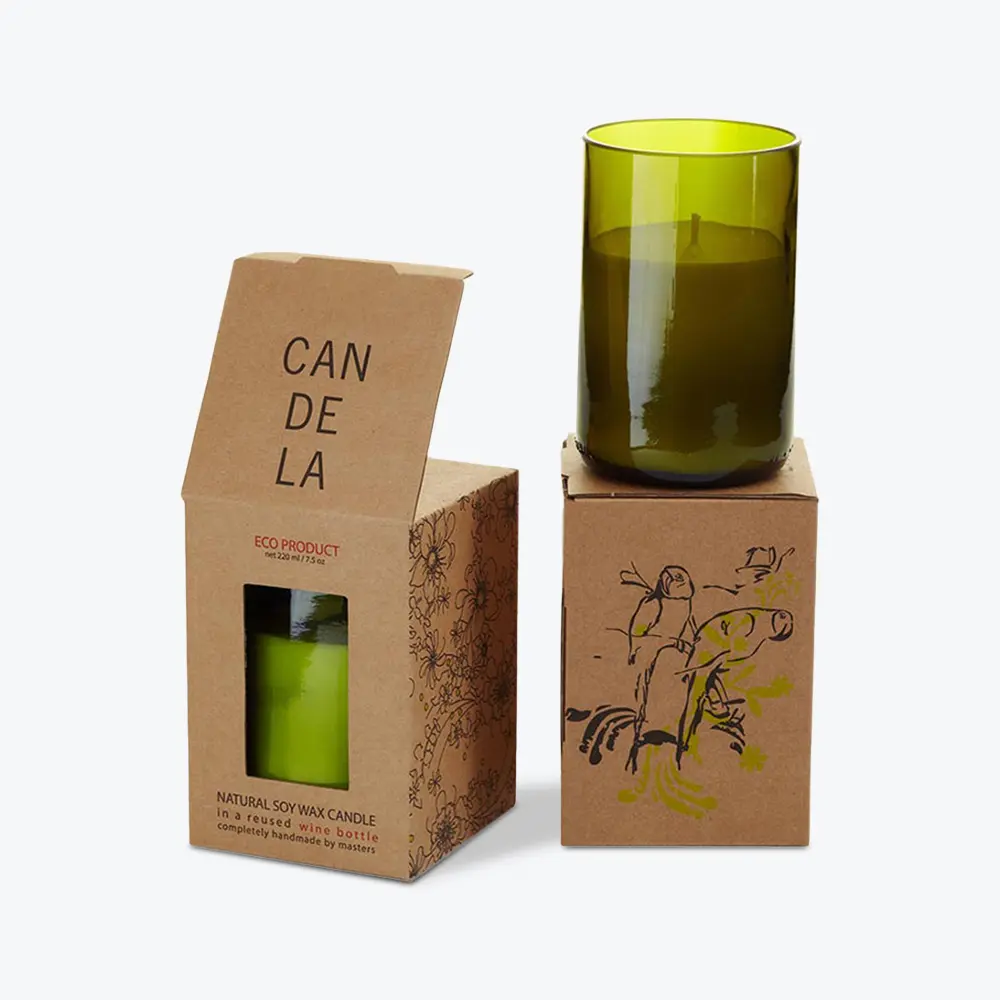 Candle Boxes with Window
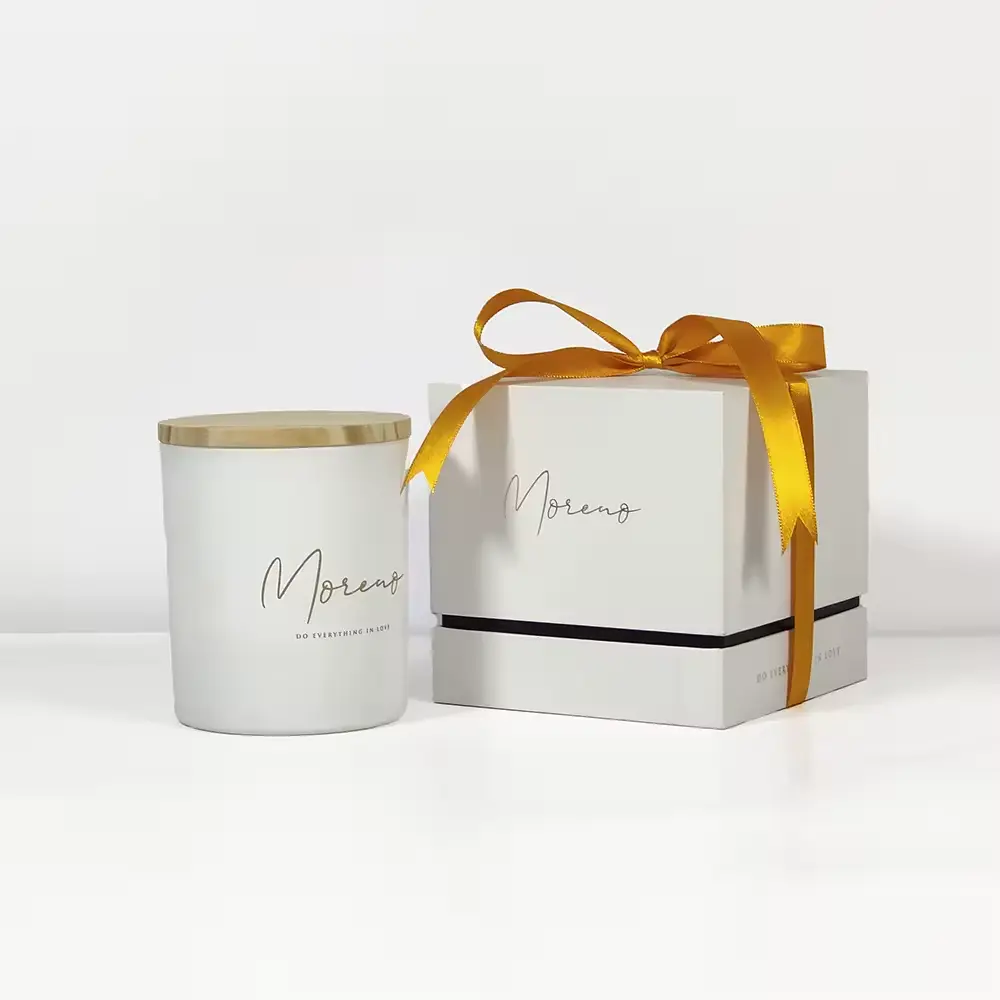 Candle Gift Boxes
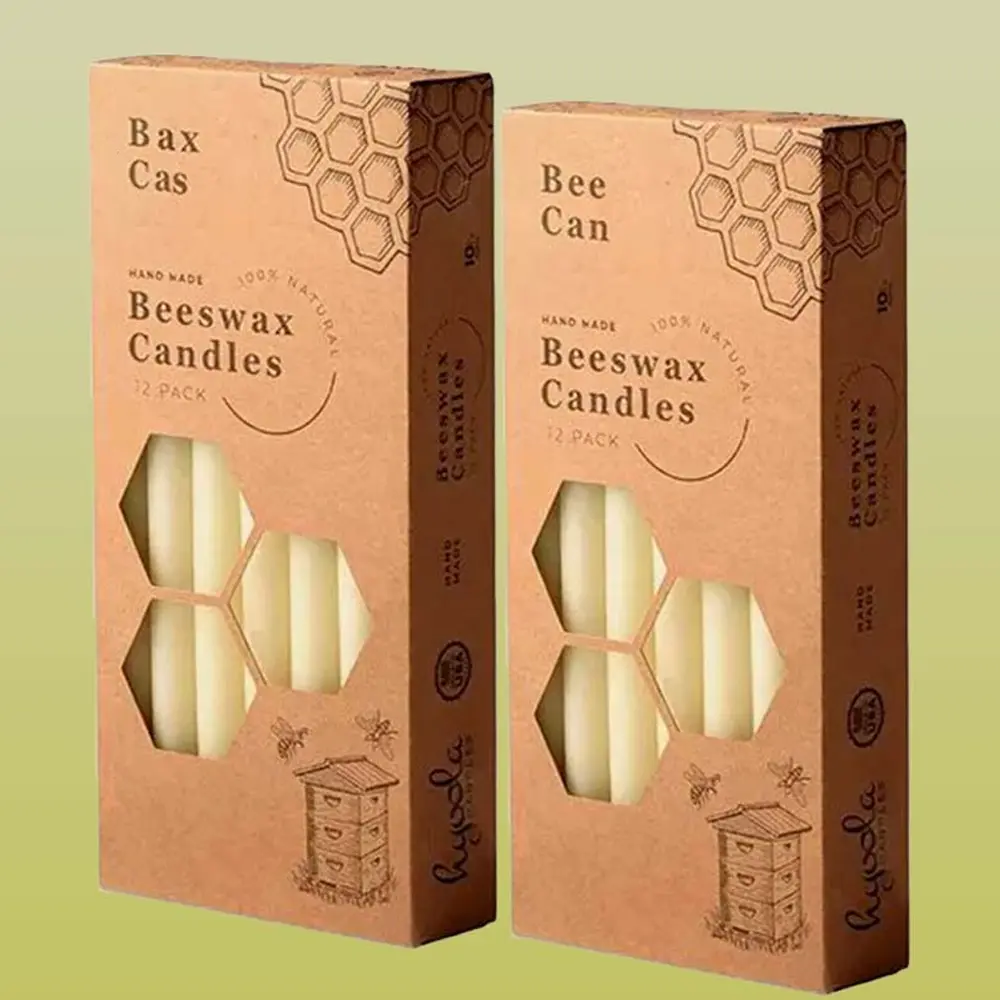 Candle Shipping Boxes
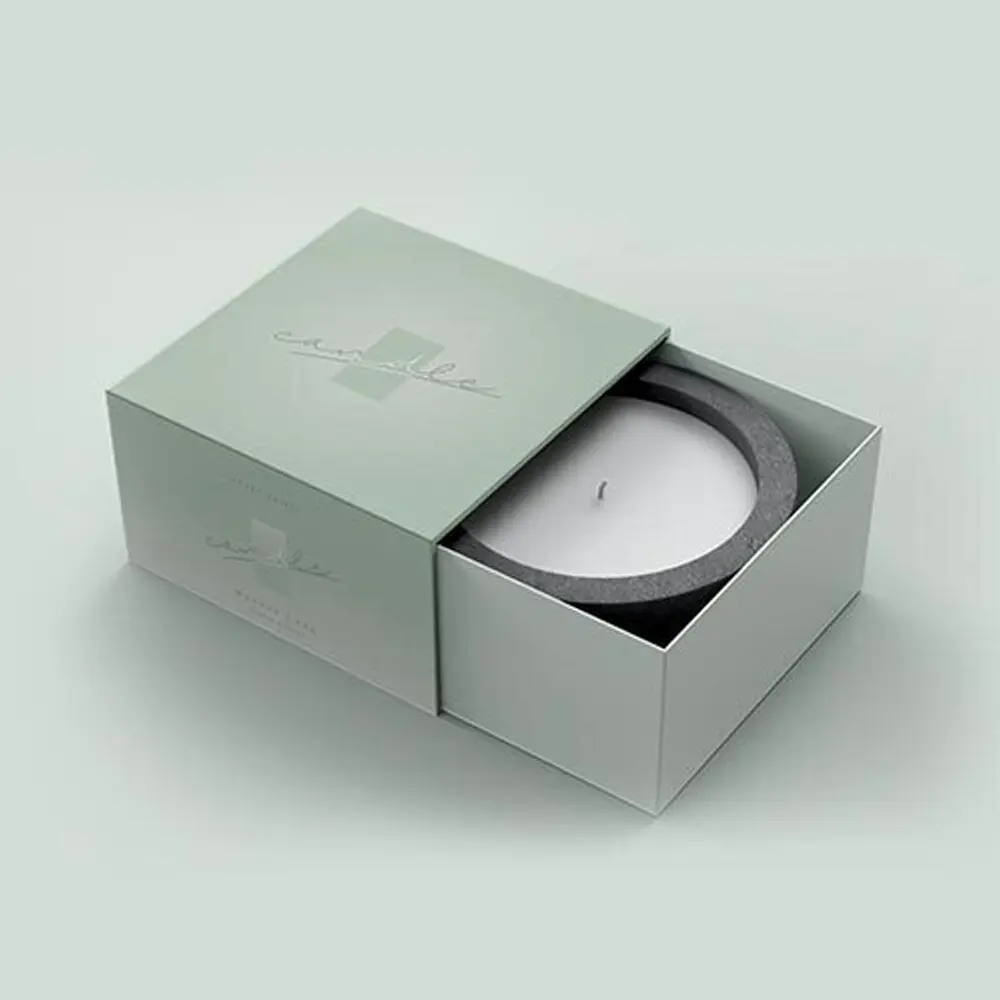 Candle Tray And Sleeve Boxes
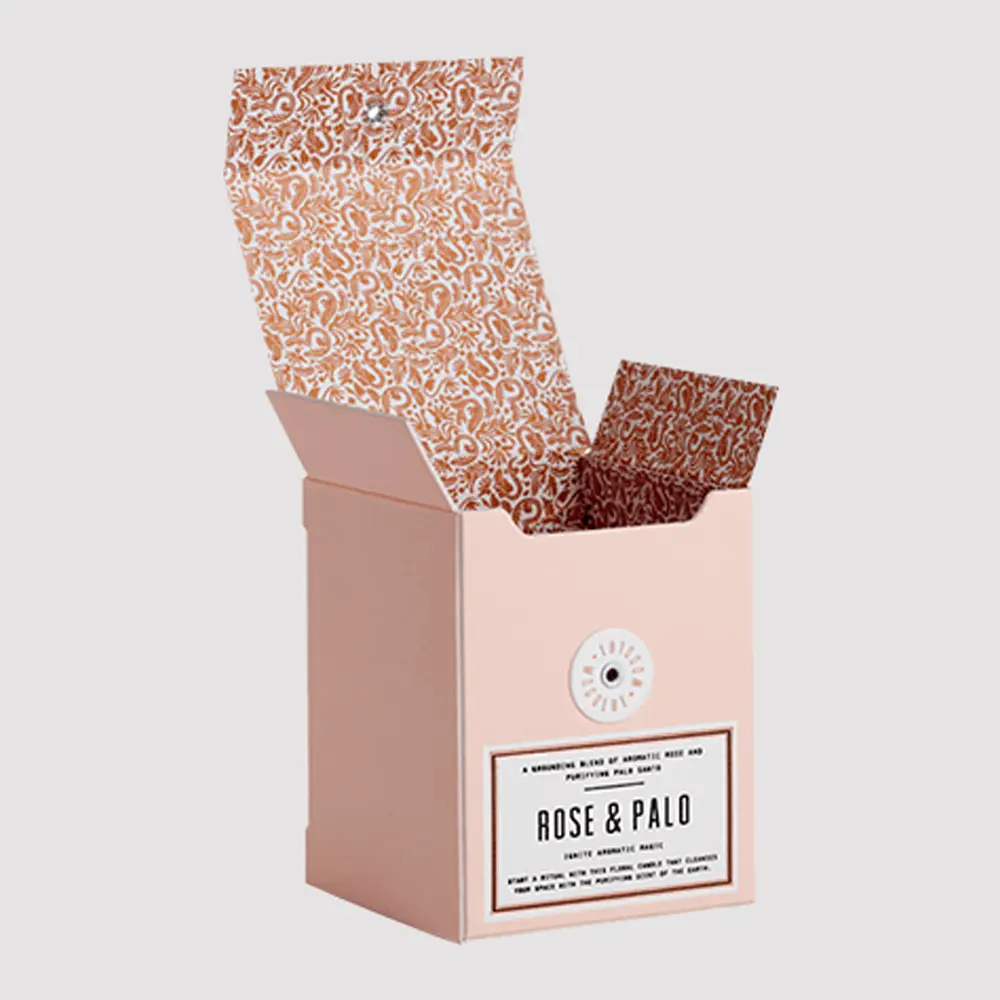 Cardboard Candle Boxes
 Custom Printed Candle Packaging Boxes
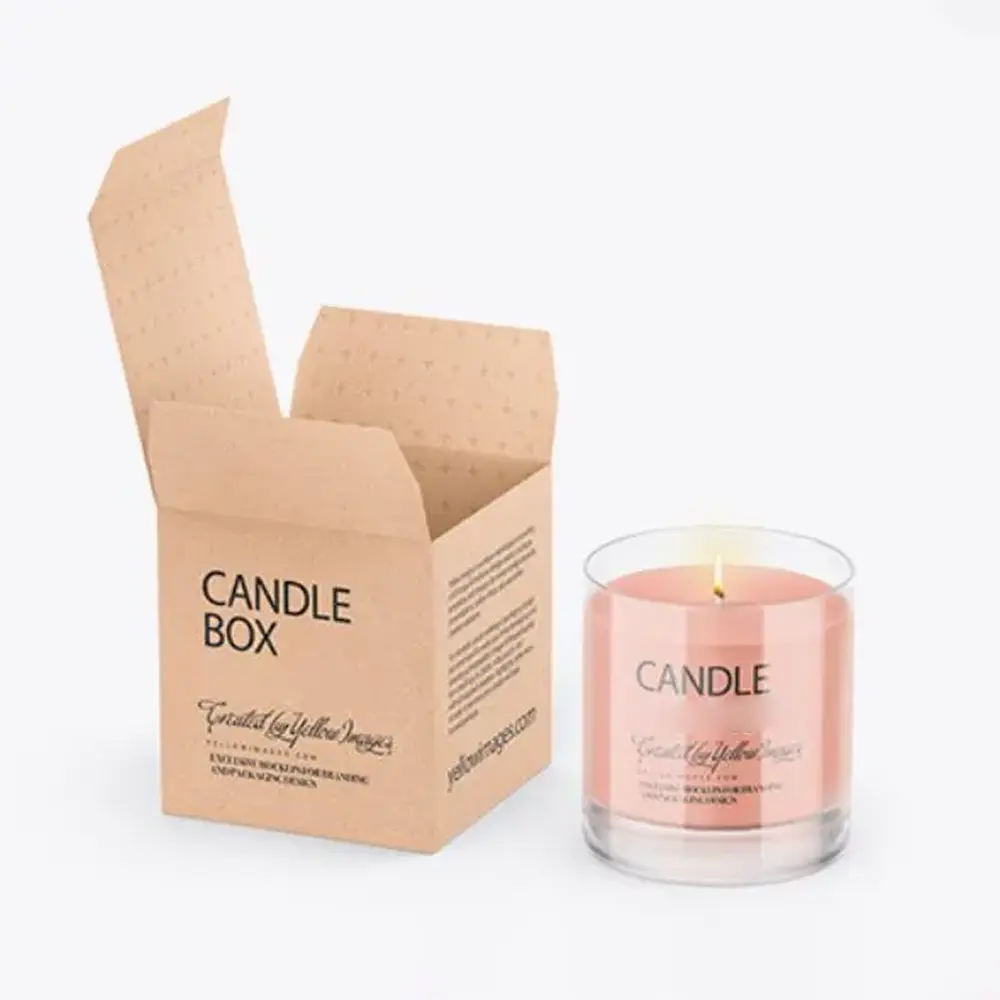 Eco-Friendly Candle Boxes
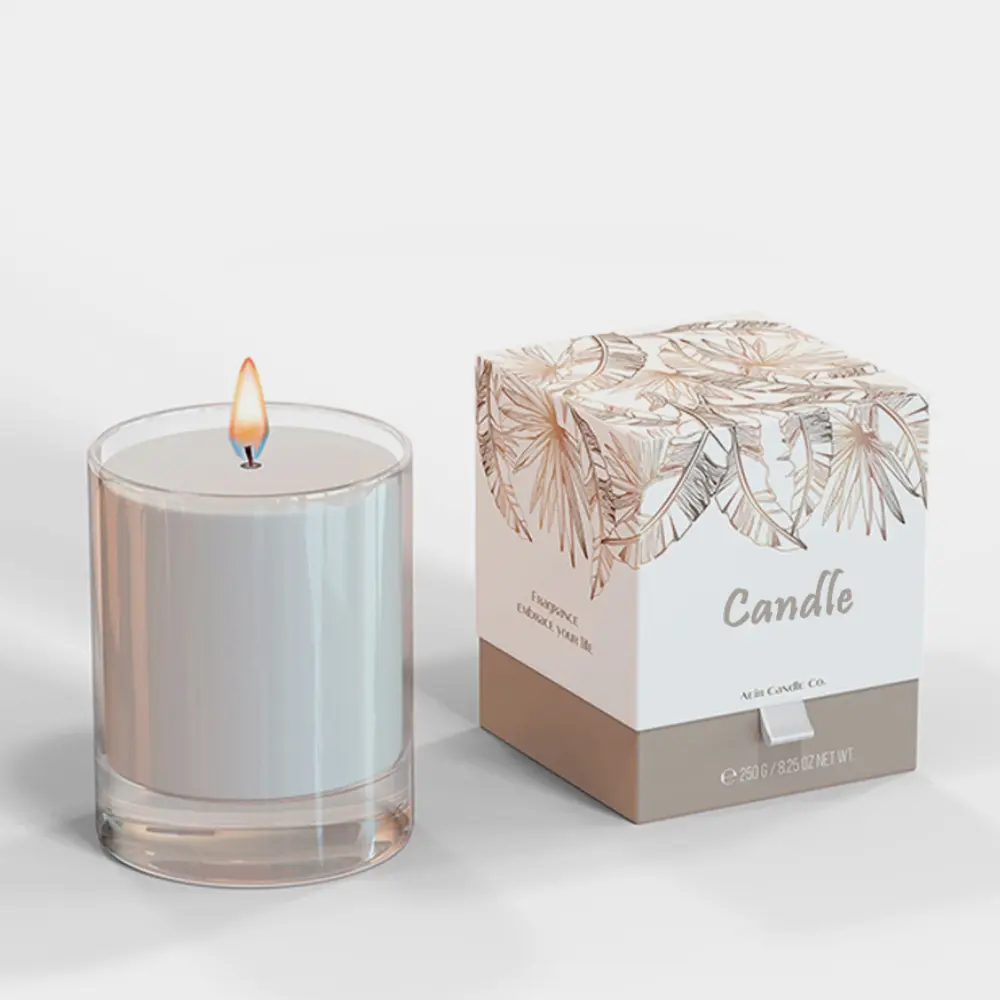 Luxury Candle Boxes
 Rigid Candle Boxes
 Beverage Boxes
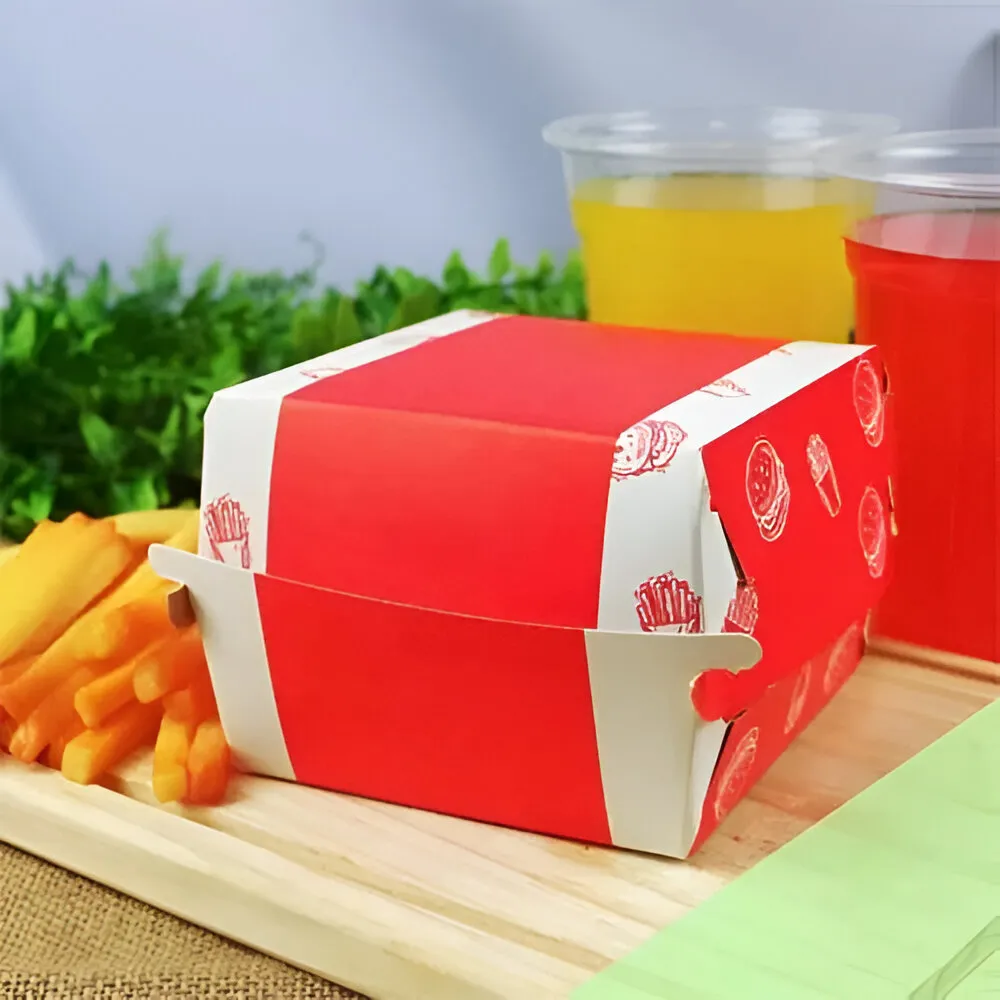 Custom Burger Boxes
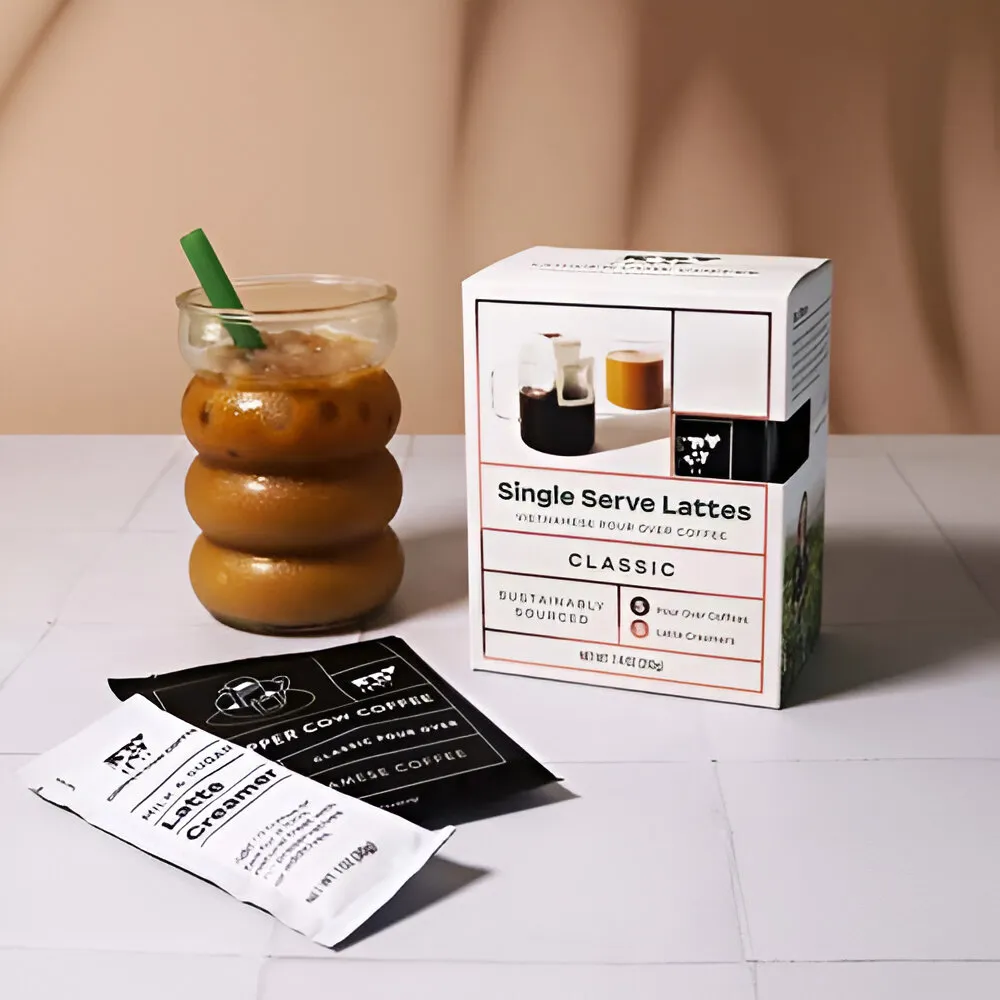 Custom Coffee Boxes
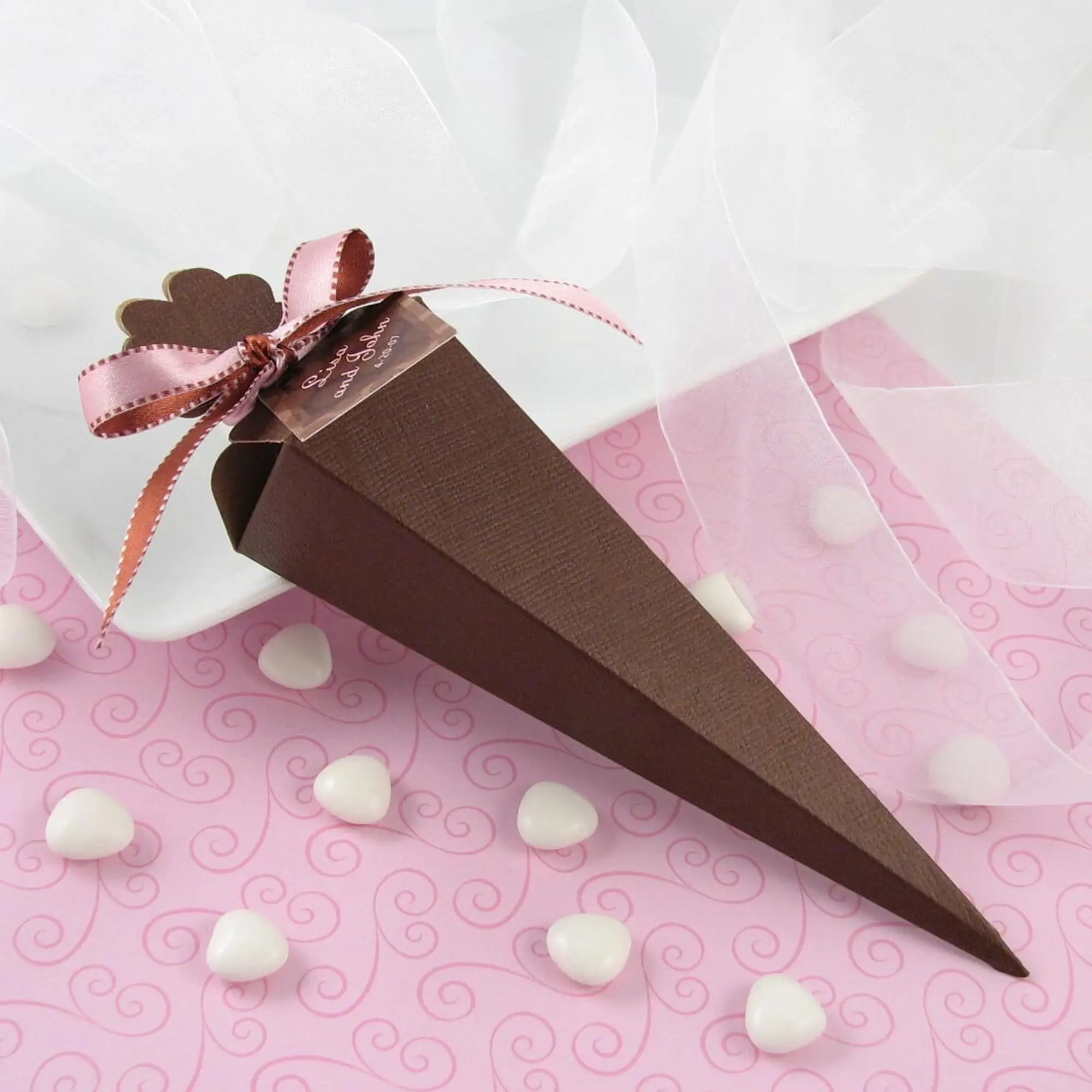 Custom Cone Boxes
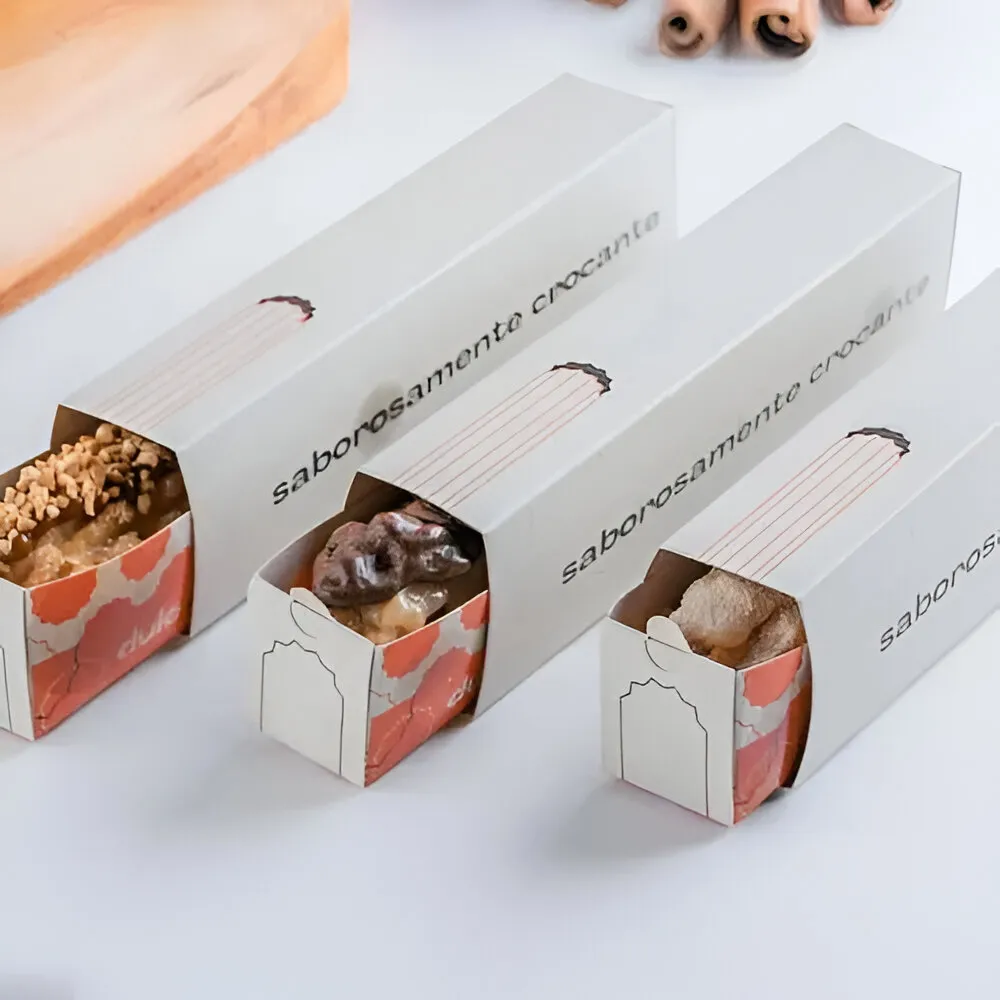 Custom Hot Dog Boxes
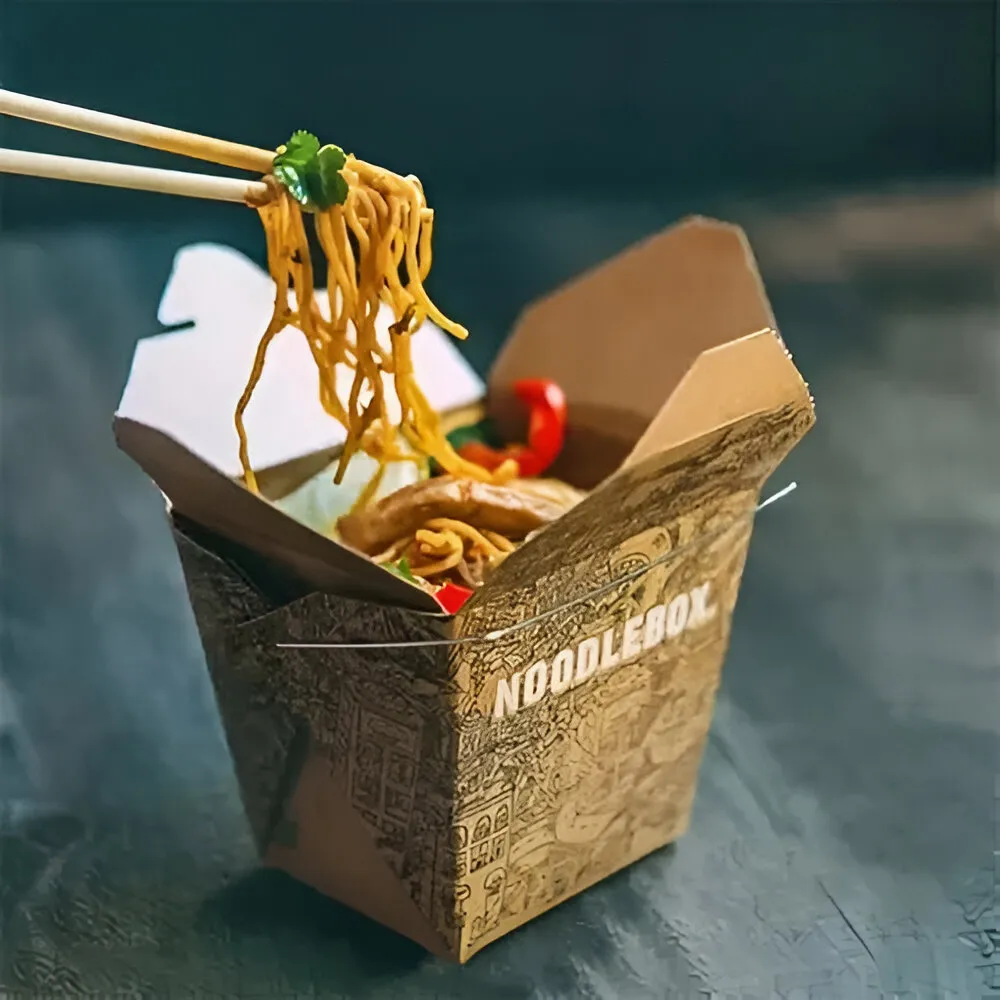 Custom Noodle Boxes
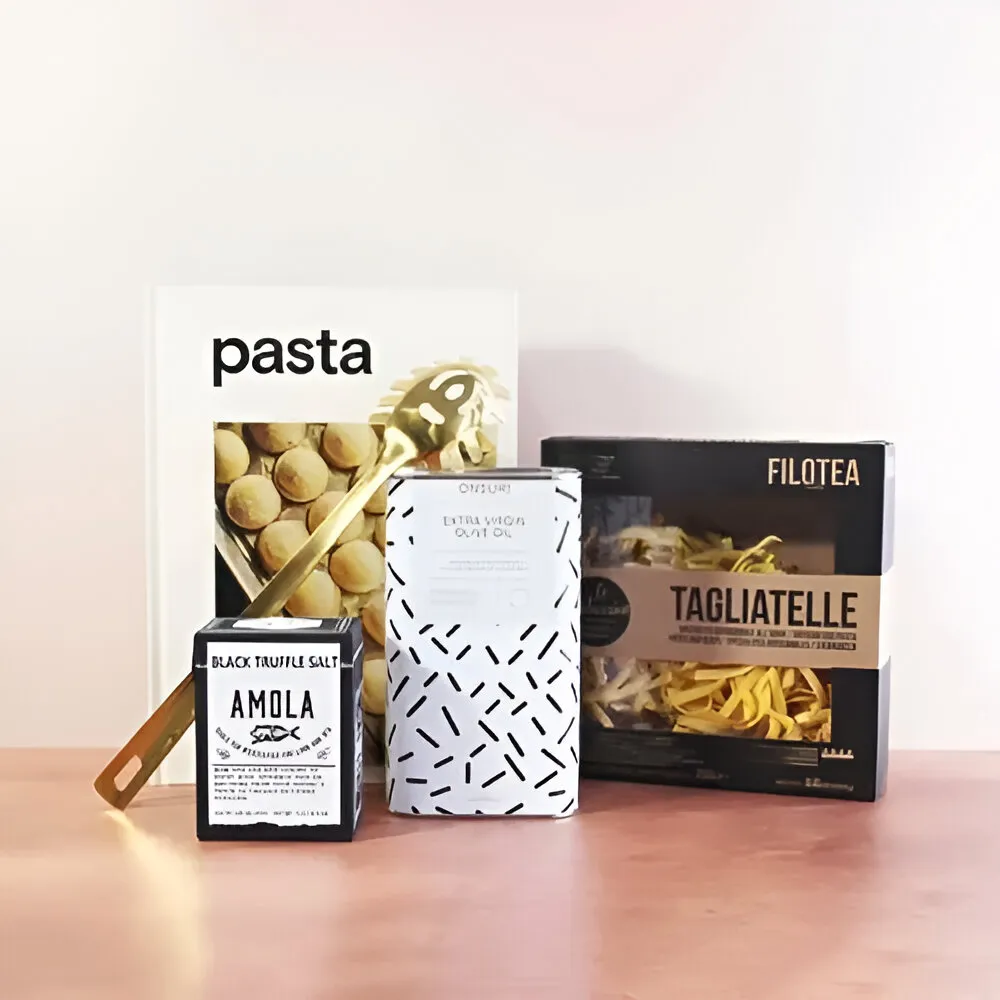 Custom Pasta Boxes
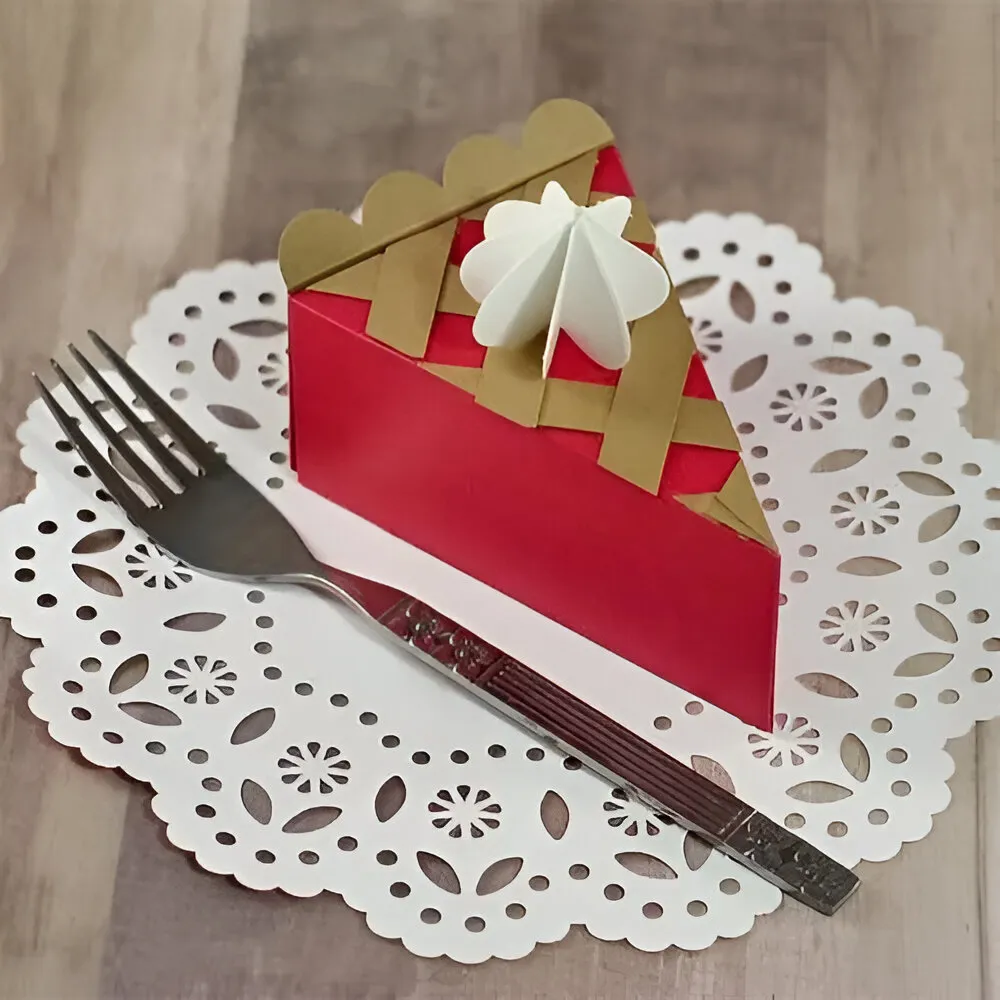 Custom Pie Boxes
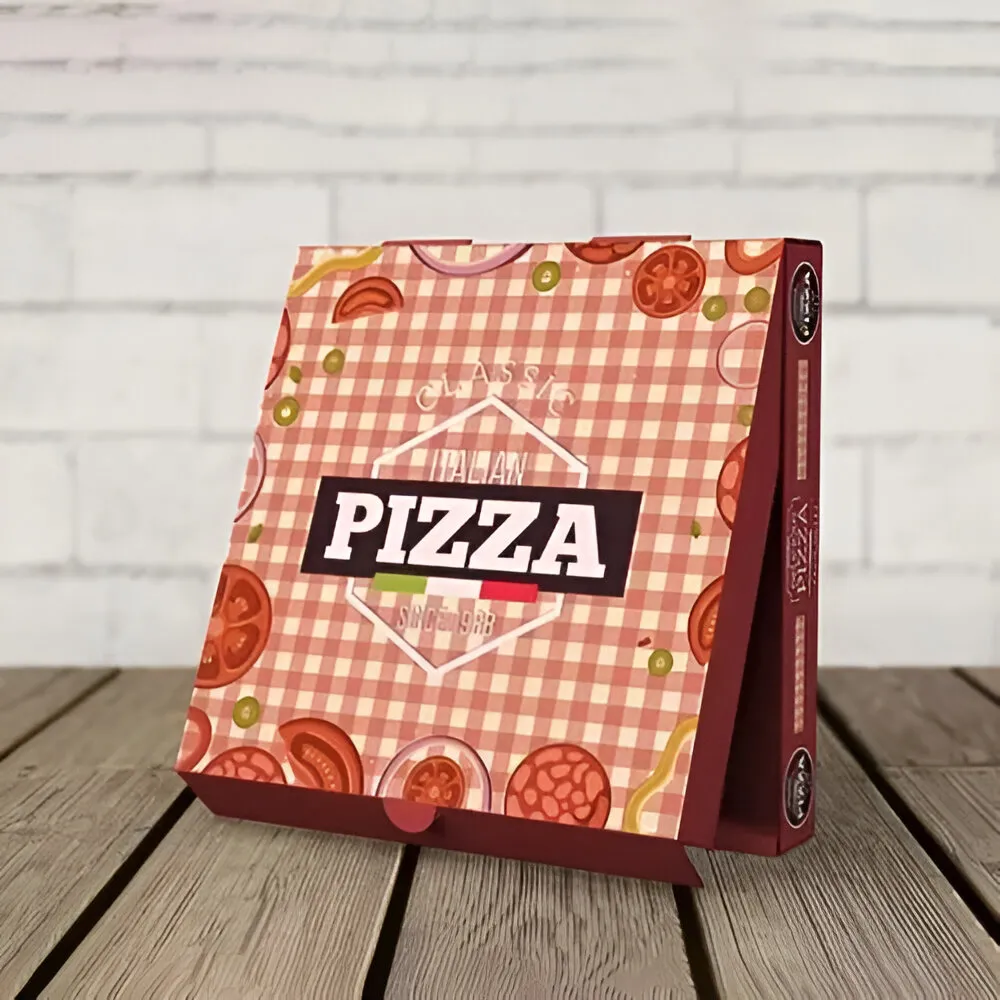 Custom Pizza Boxes
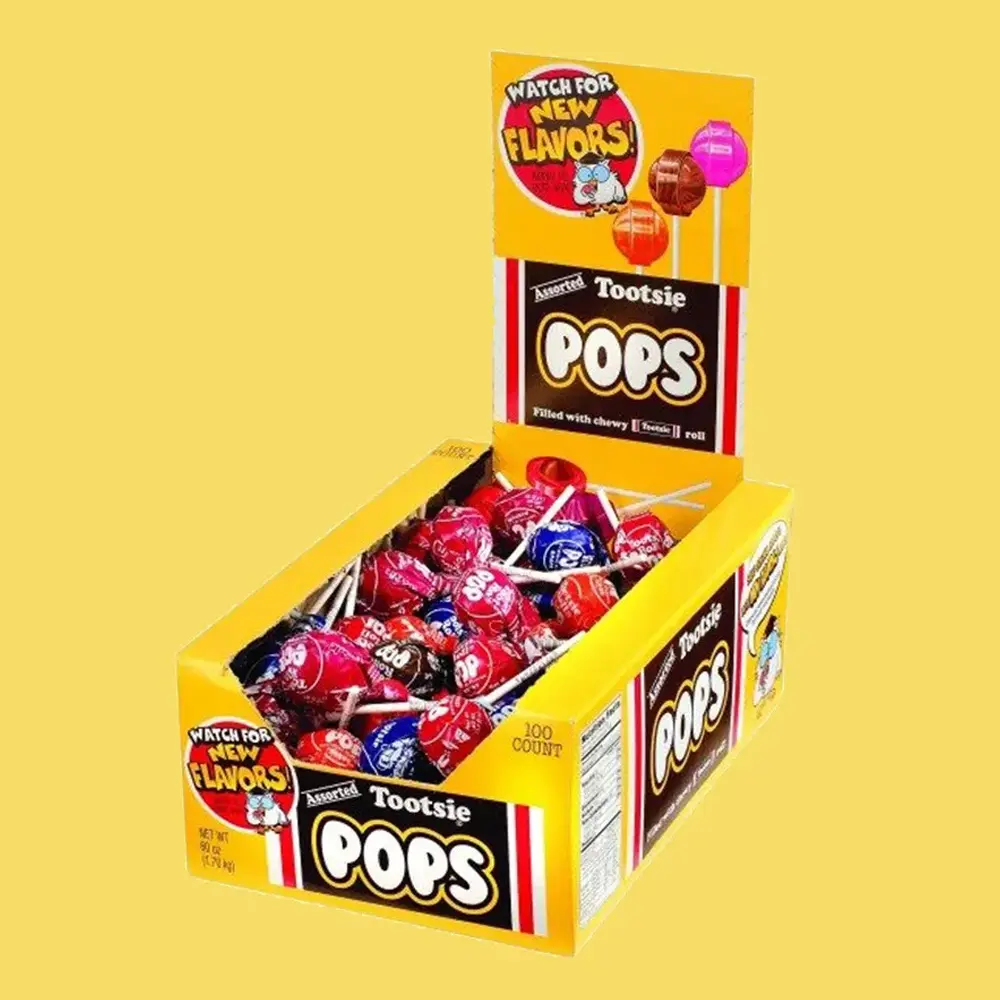 Candy Display Boxes
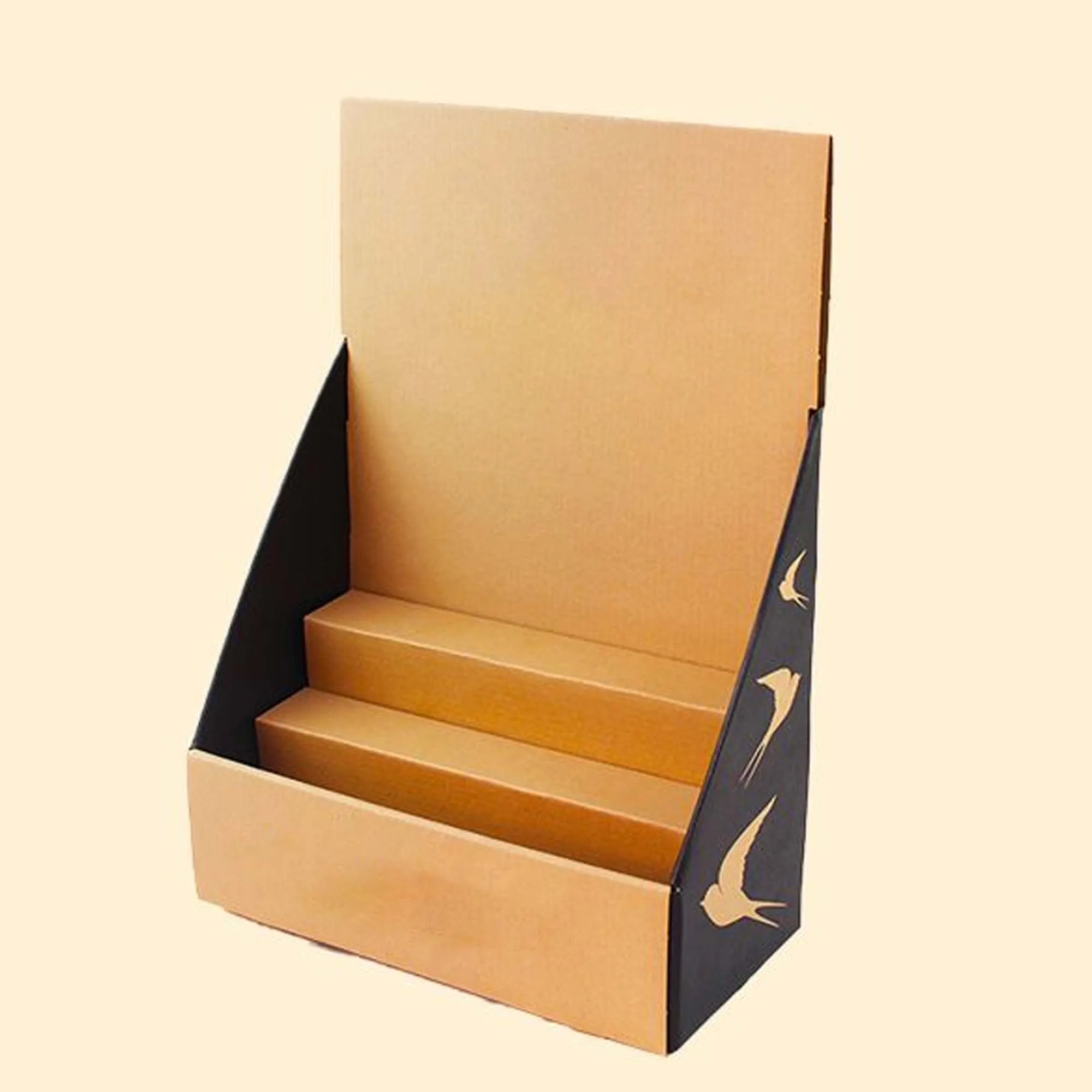 Cardboard Display Boxes
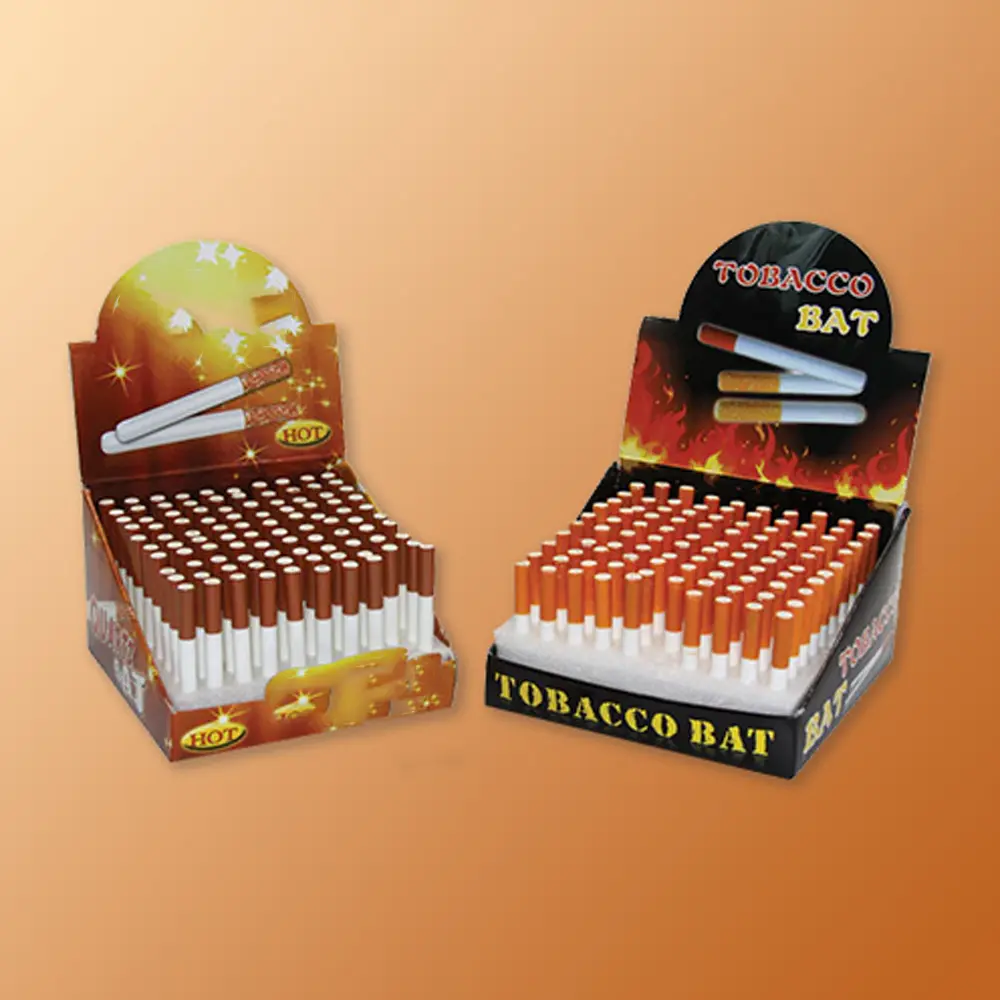 Cigarette Display Boxes
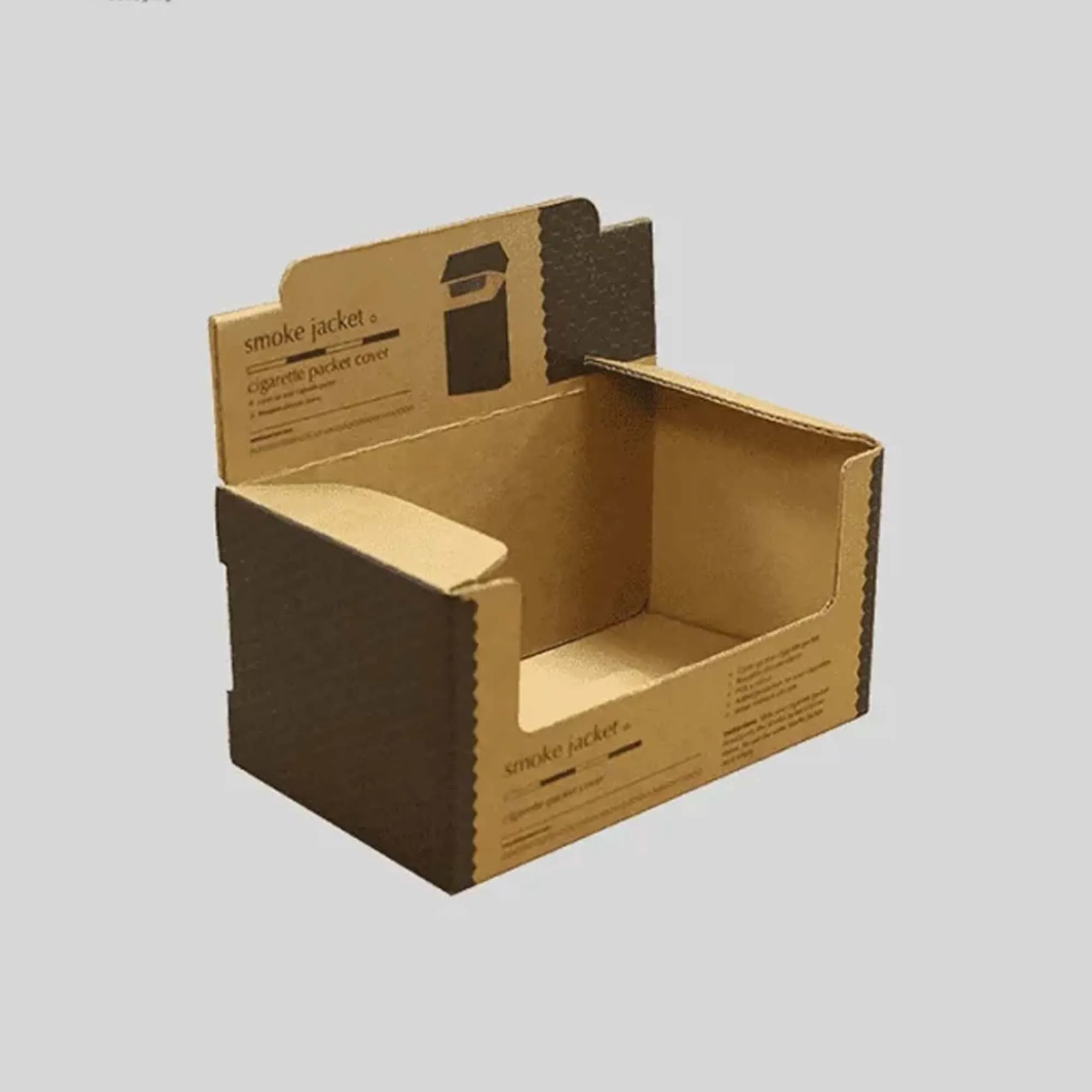 Corrugated Display Boxes
 Cosmetic Display Boxes
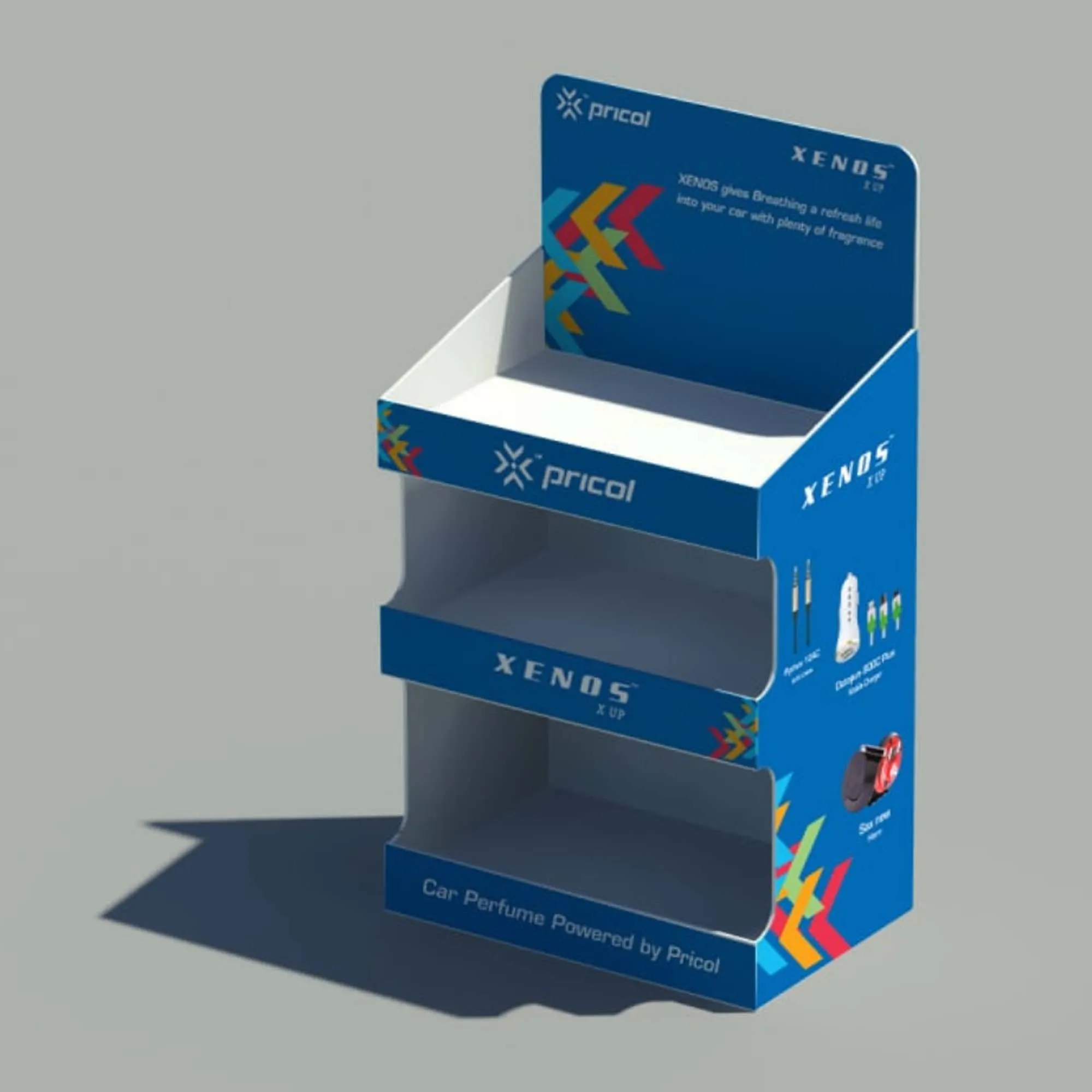 Counter Display Cases
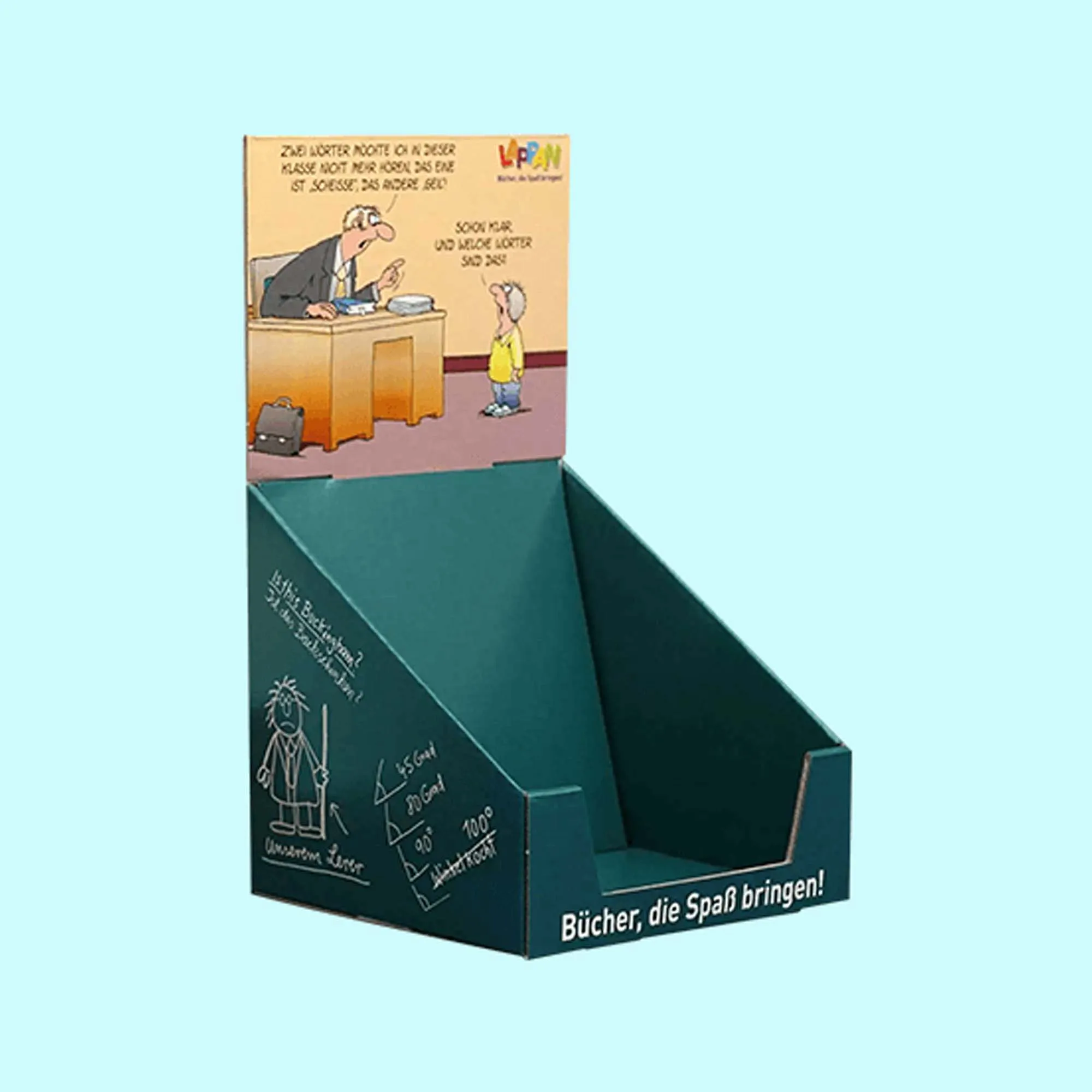 Custom Display Packaging Boxes
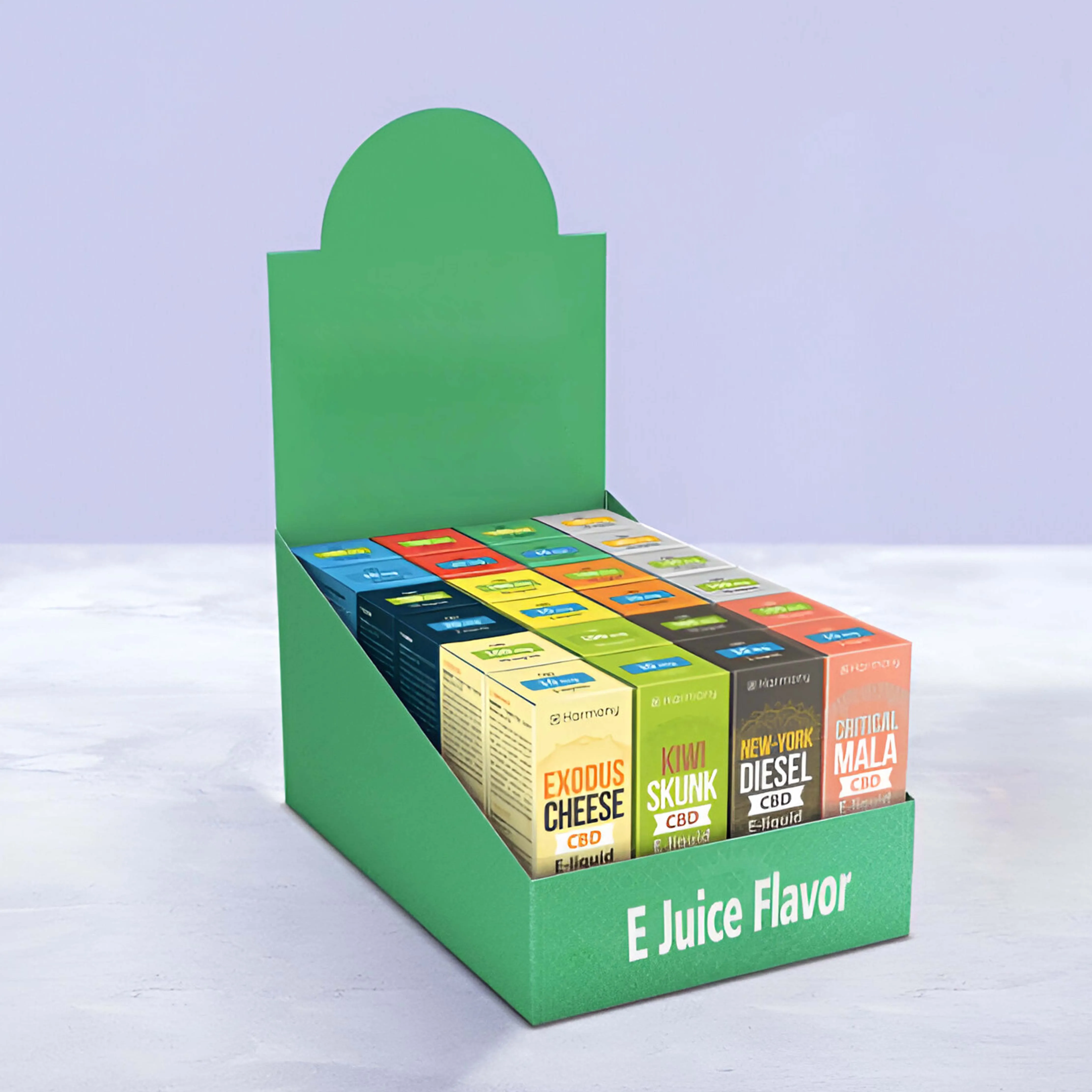 Custom E Juice Display Boxes
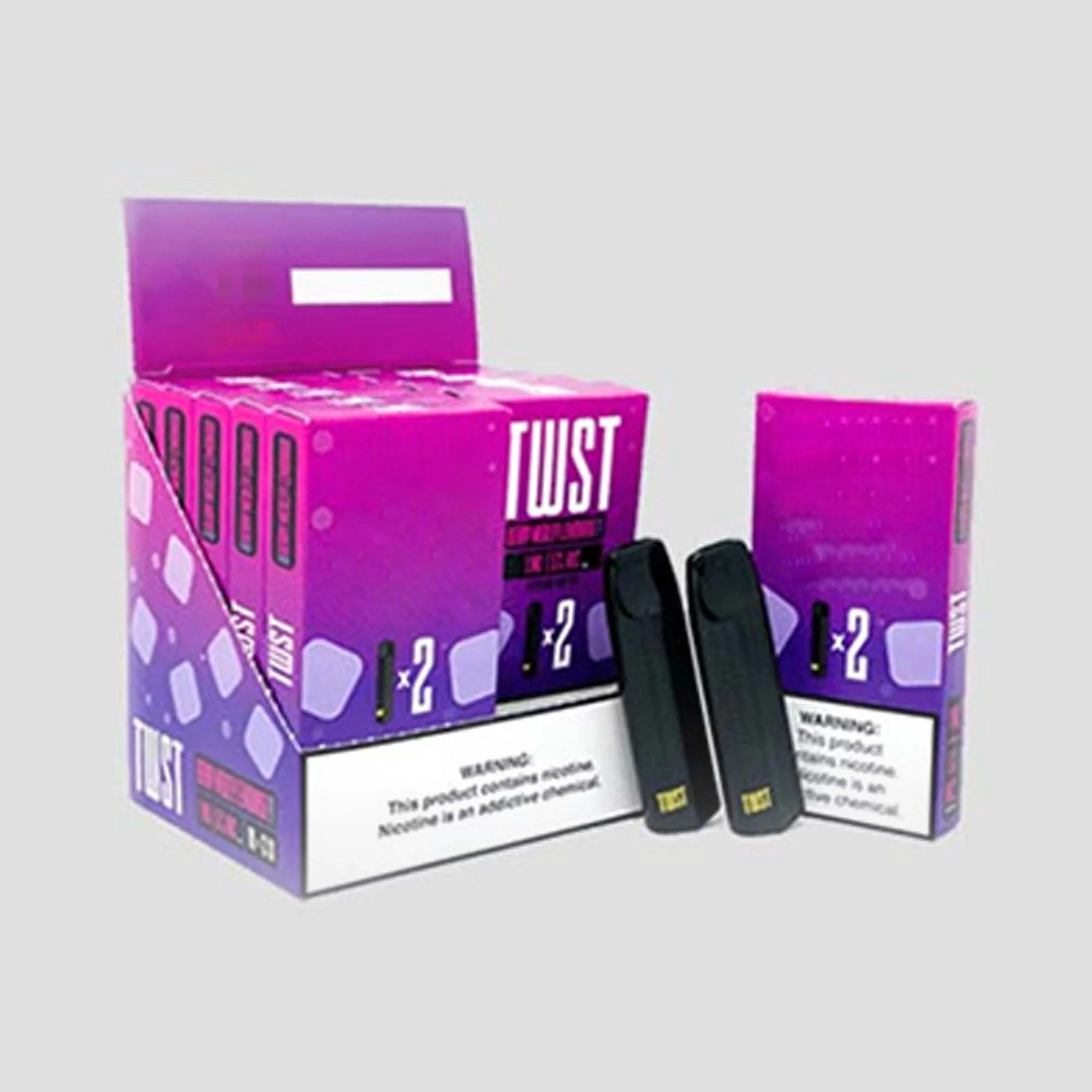 Custom Vape Display Boxes
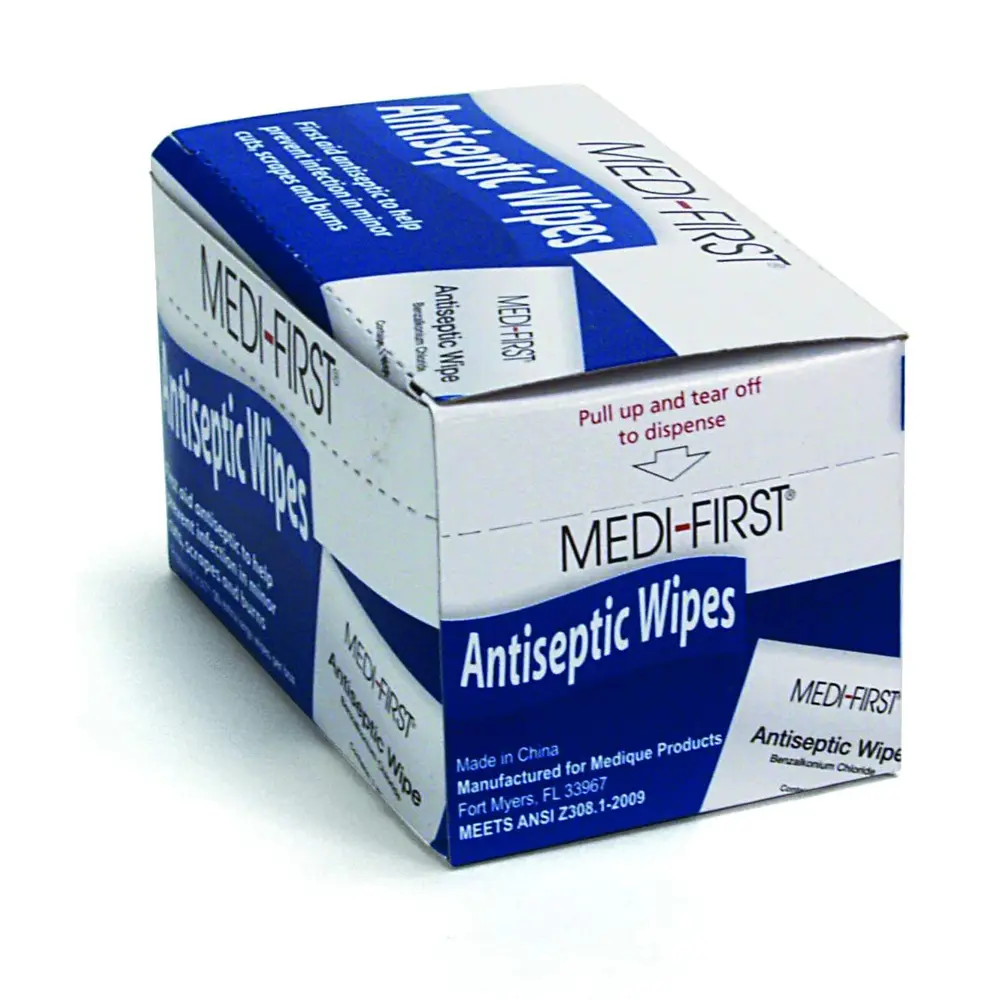 Antiseptic Boxes
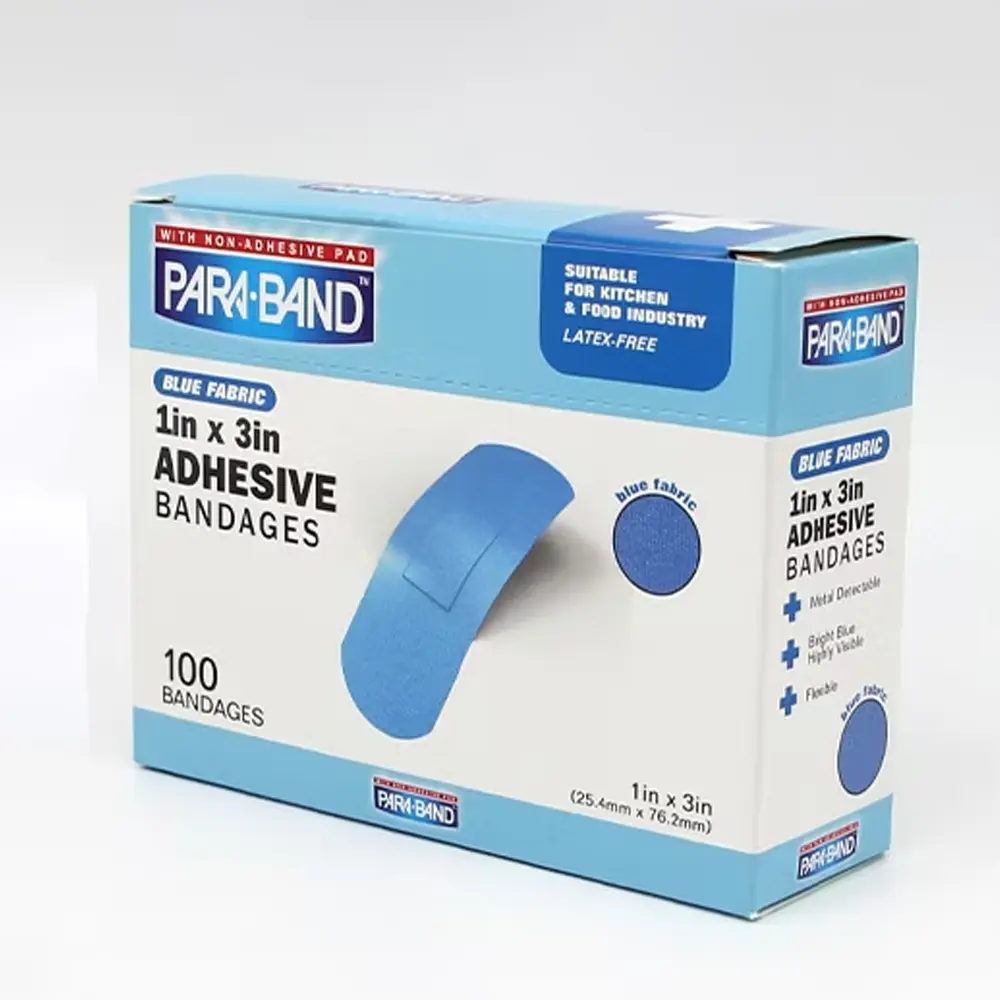 Bandage Boxes
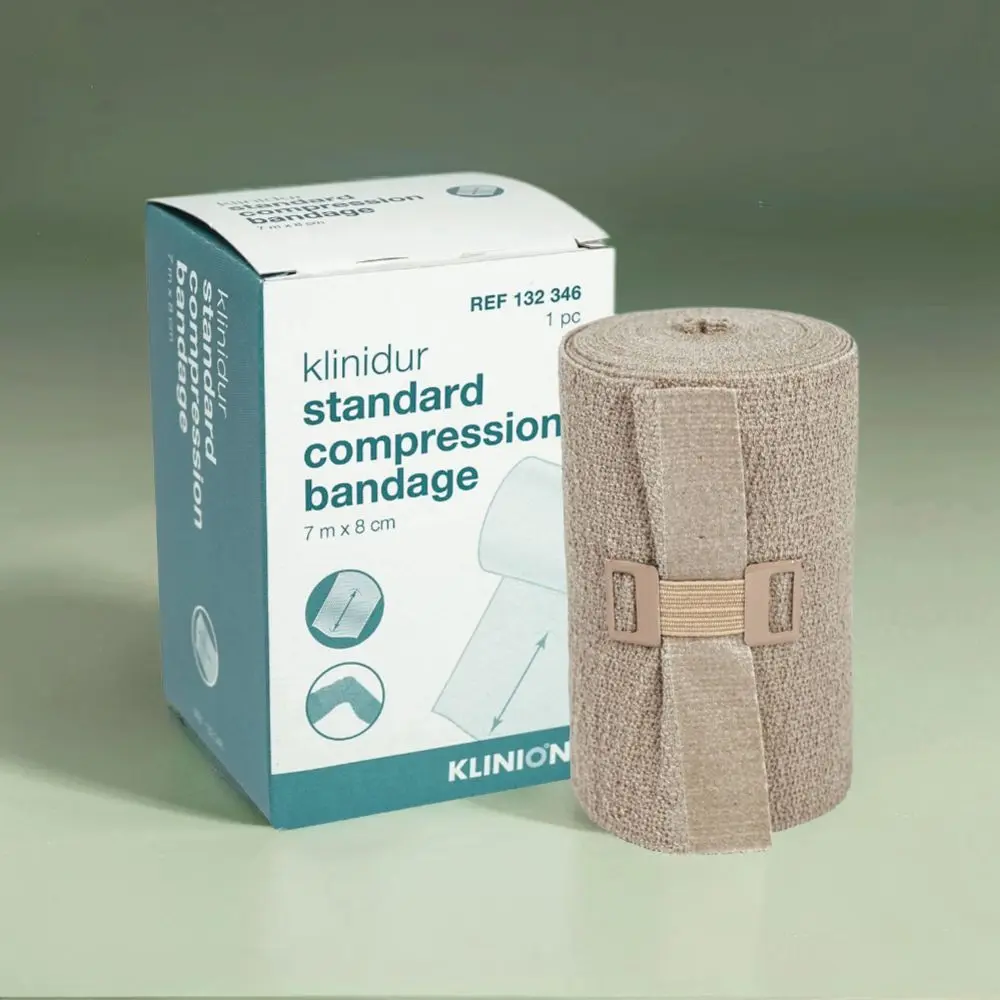 Compression Bandage Boxes
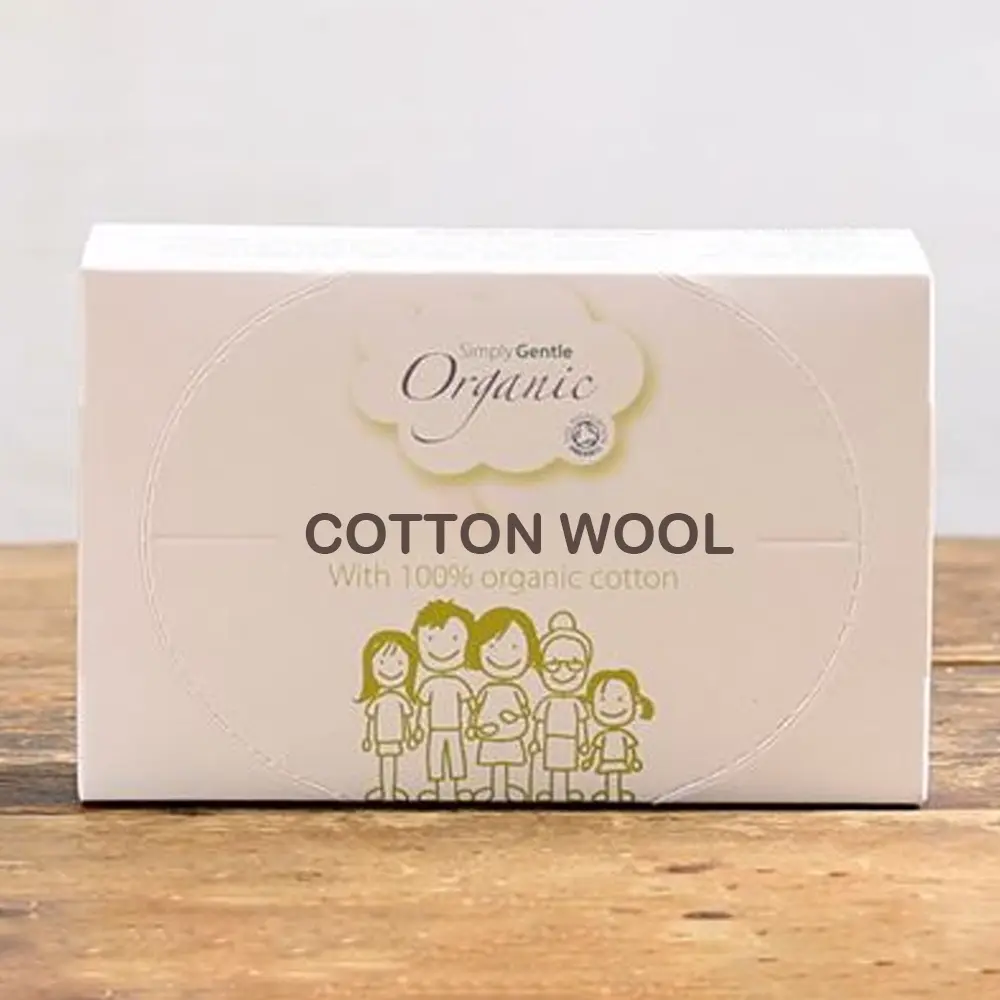 Cotton Wool Boxes
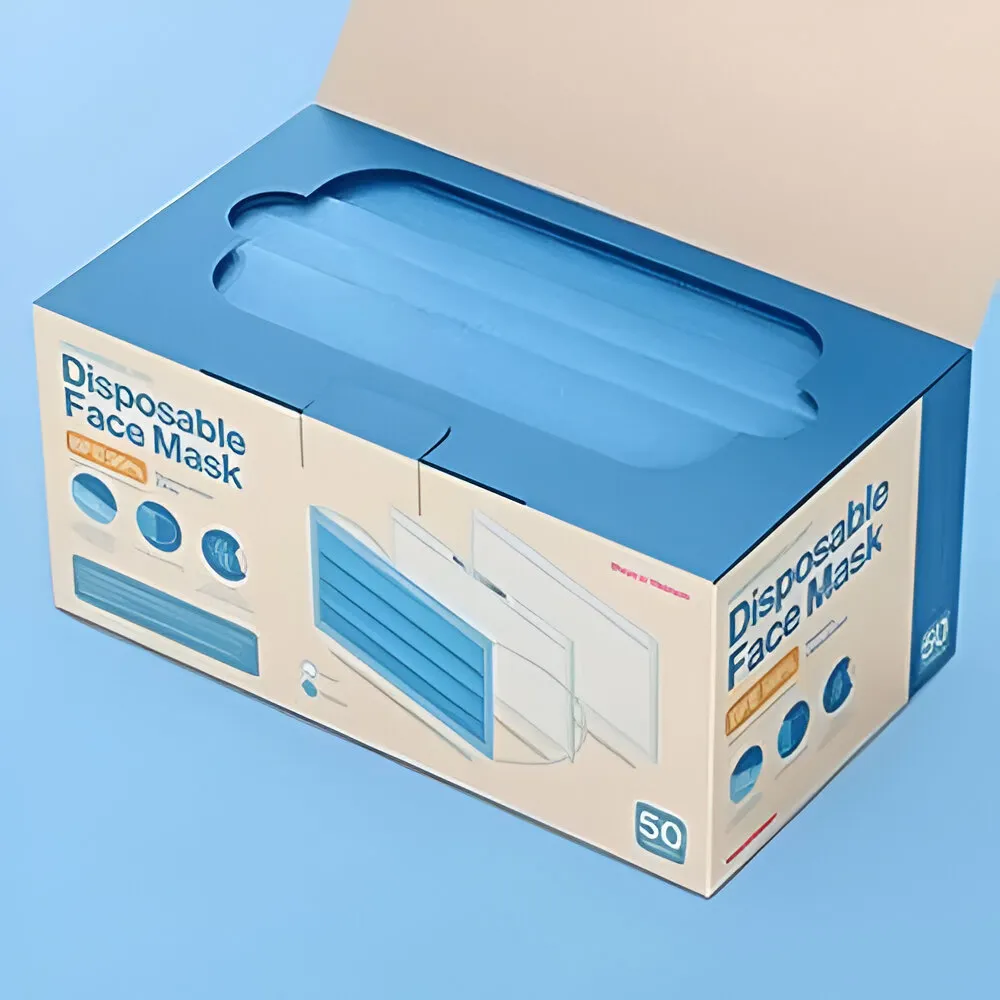 Custom Face Mask Boxes
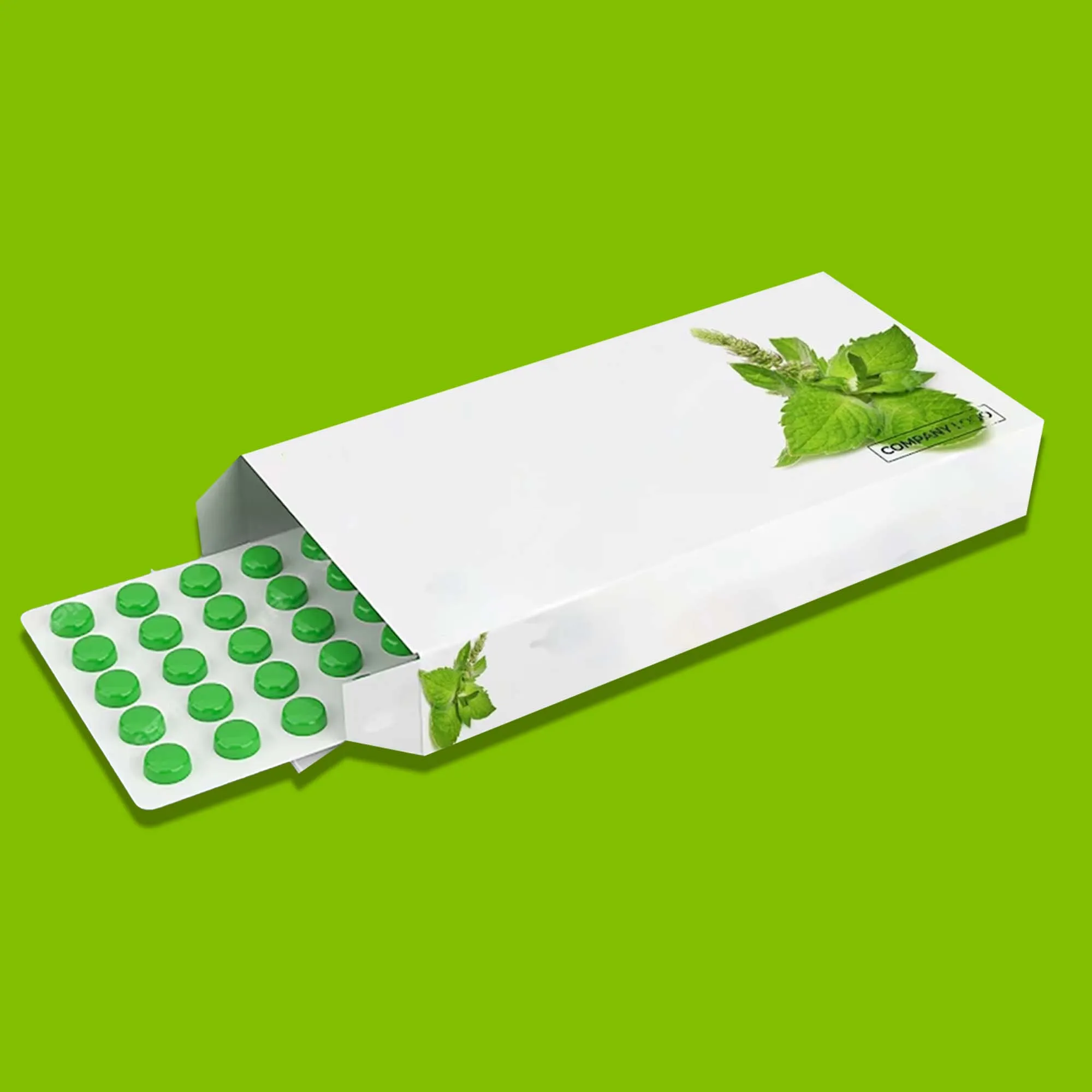 Custom Printed Medicine Packaging Boxes
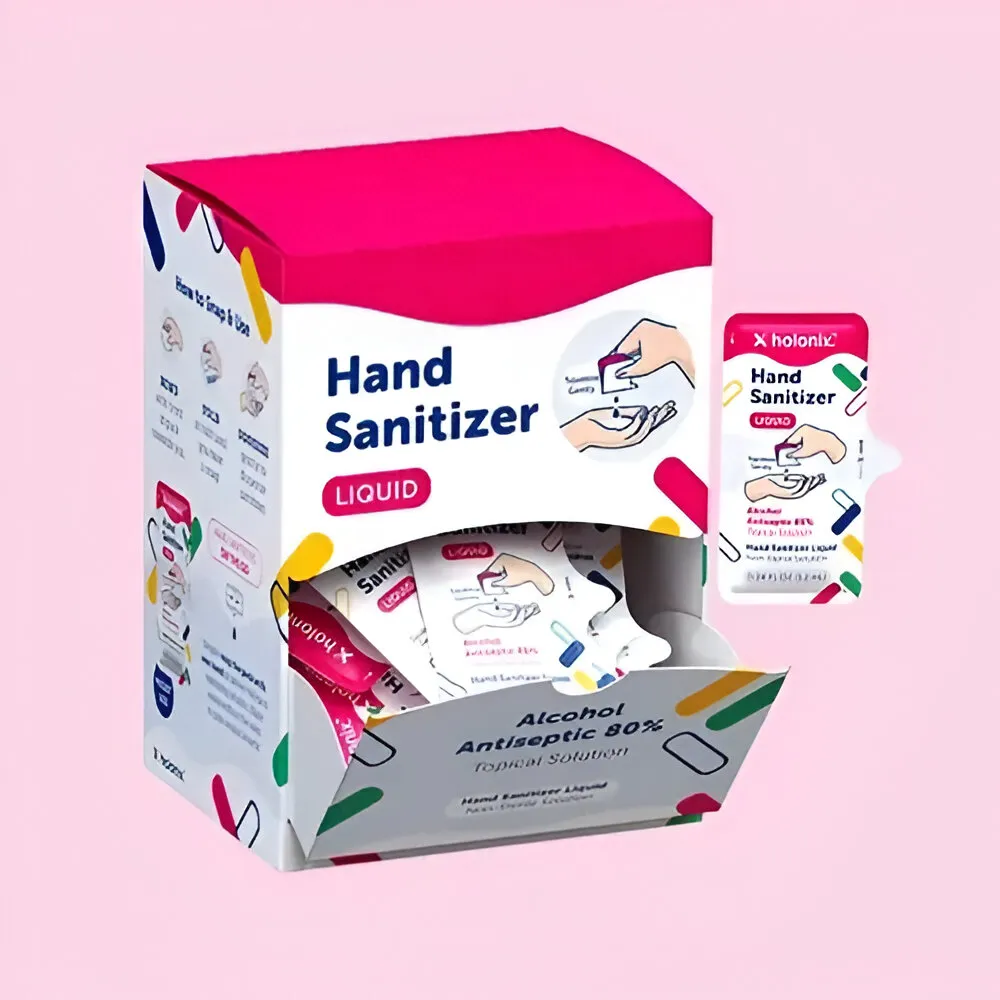 Custom Sanitizer Packaging Boxes
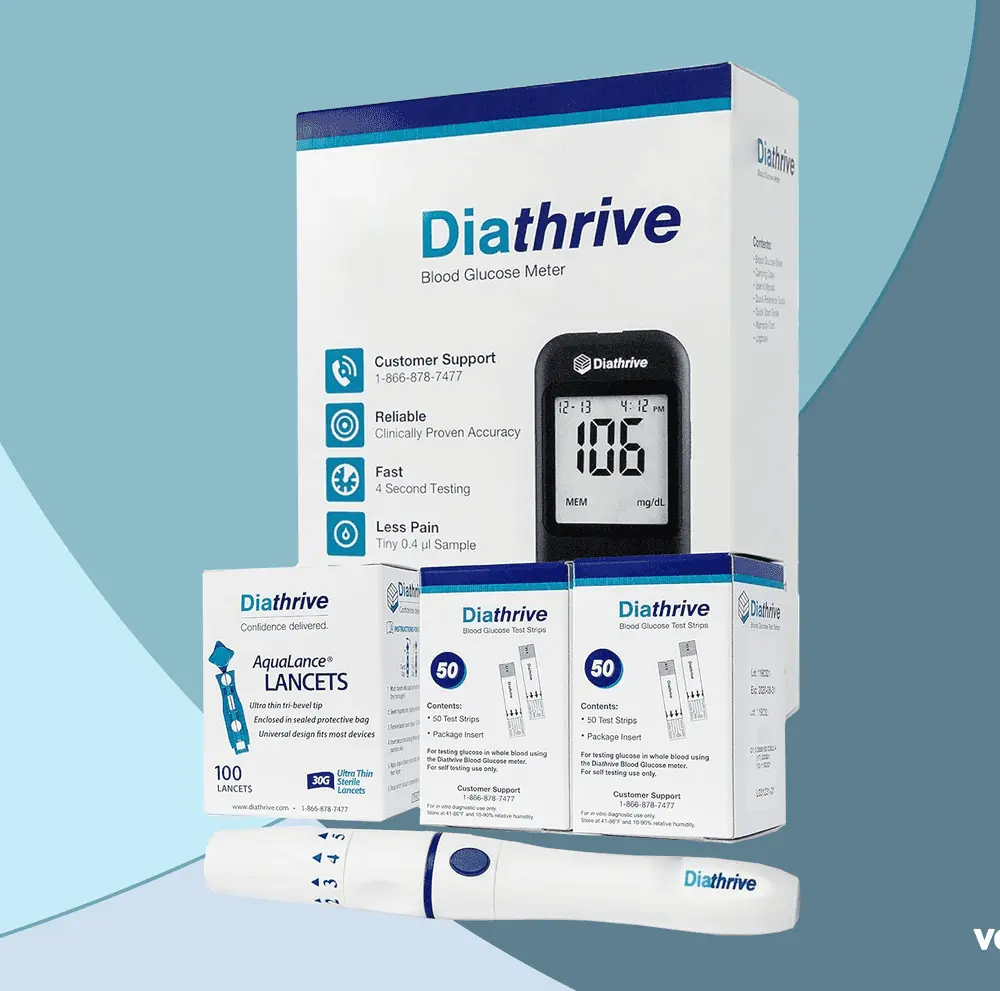 Glucometer Boxes
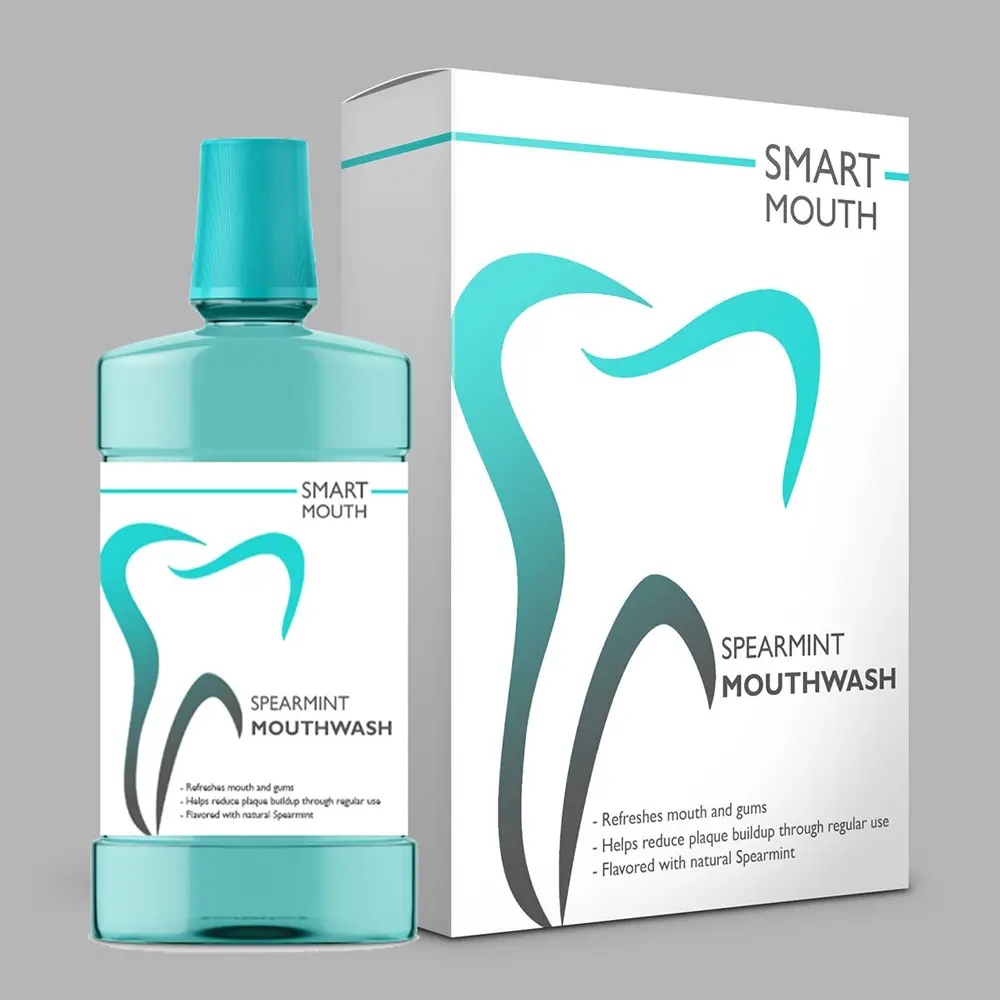 Mouthwash Boxes
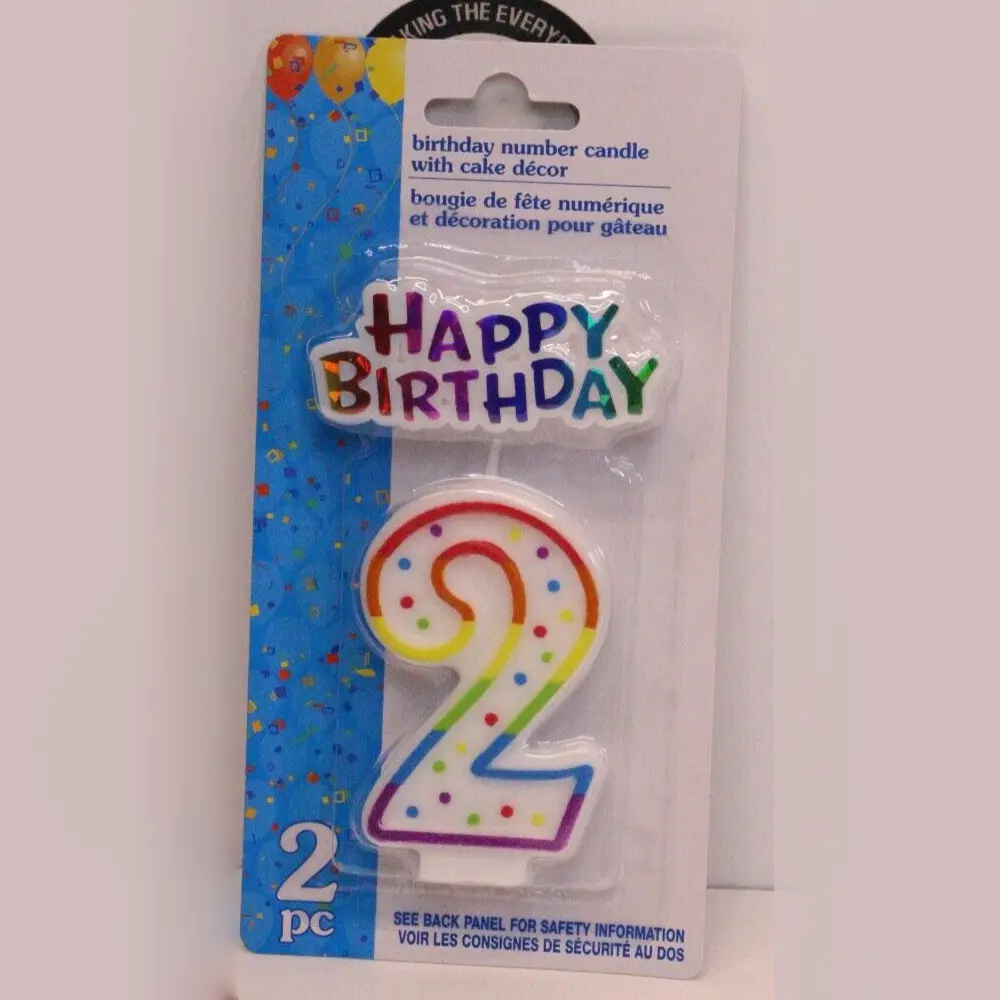 Blister Candle Packaging
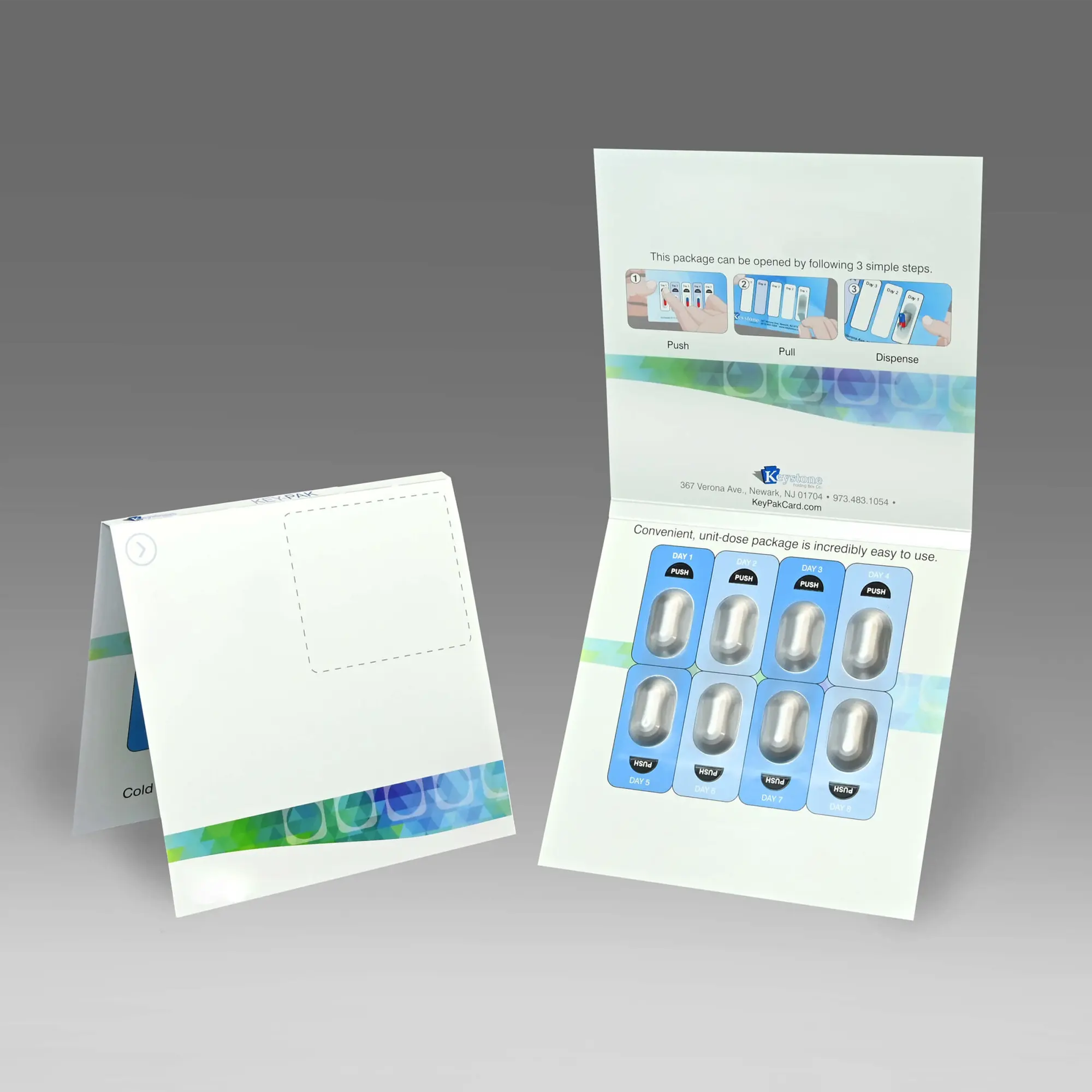 Blister Cards
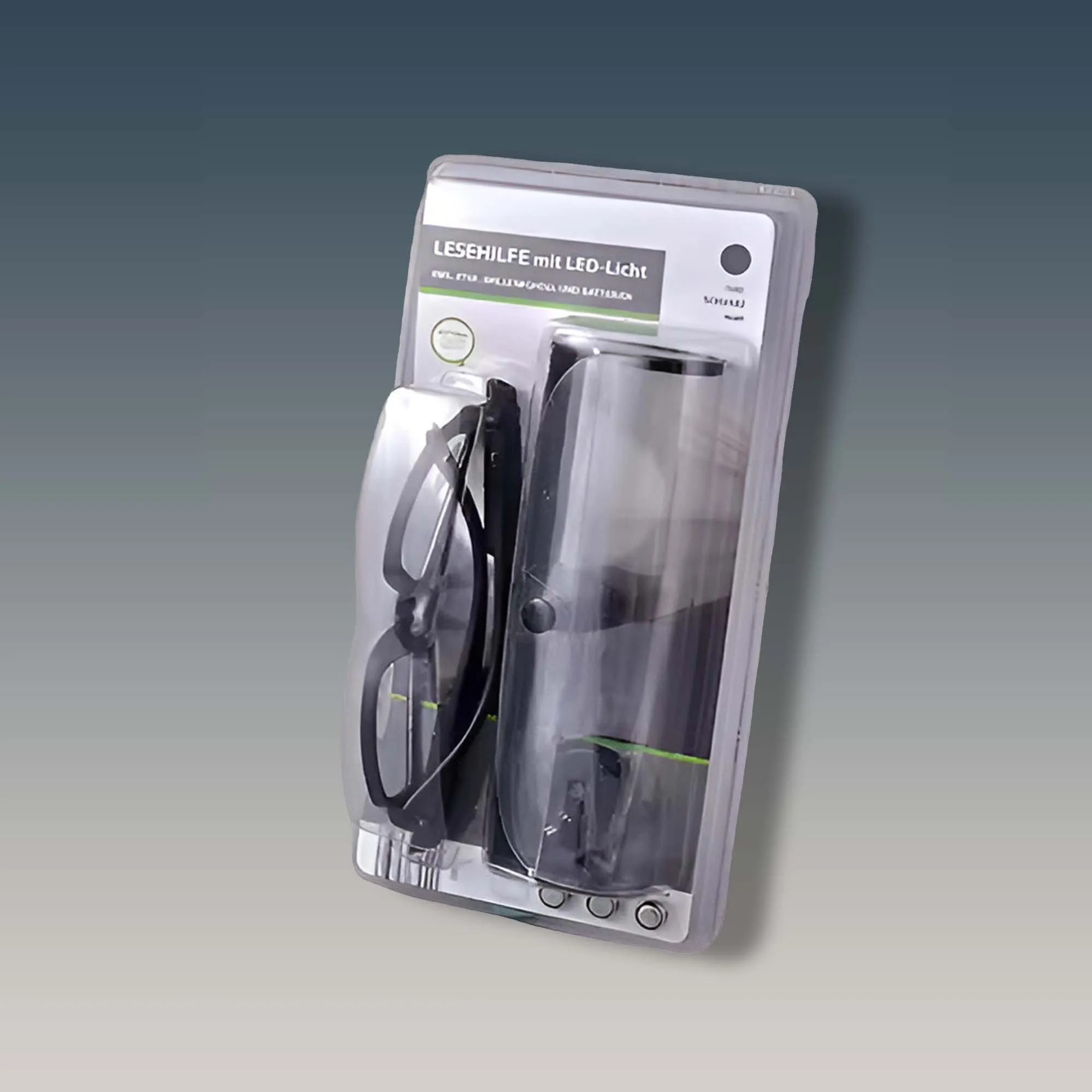 Blister Packaging
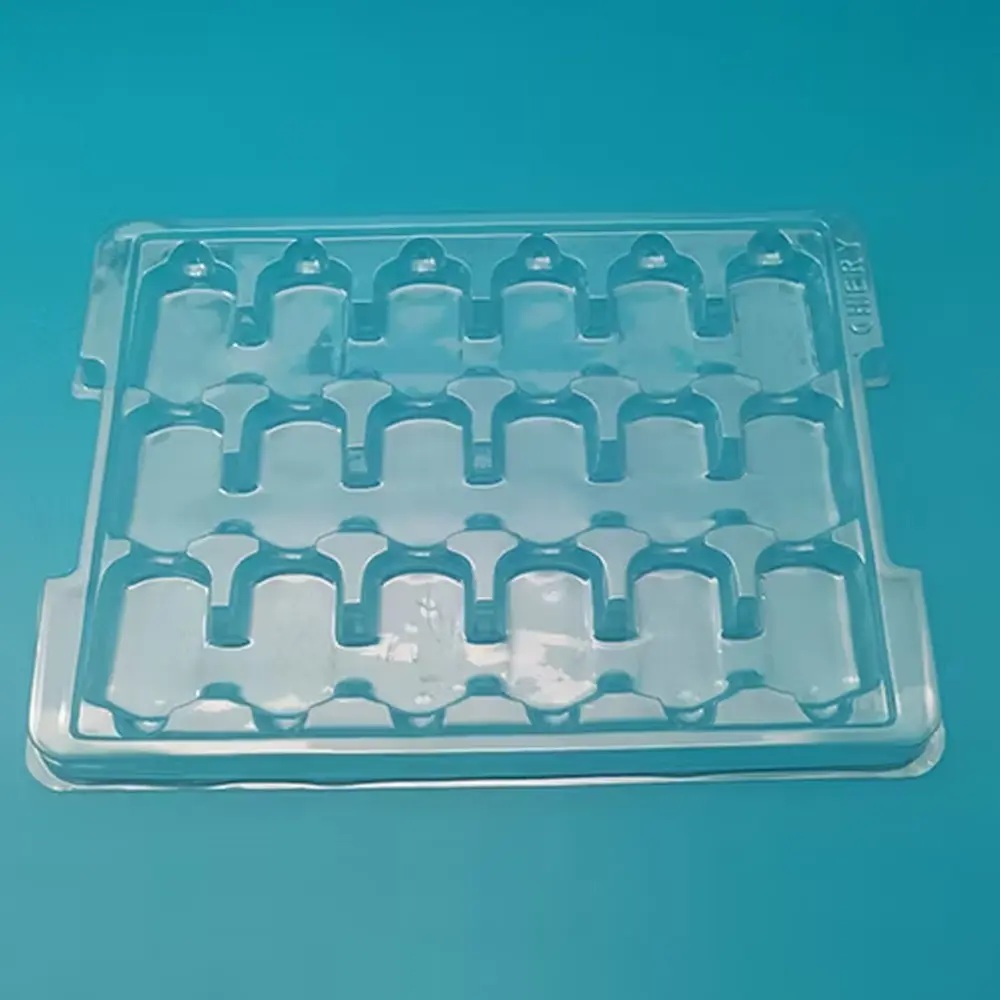 Blister Packaging Tray
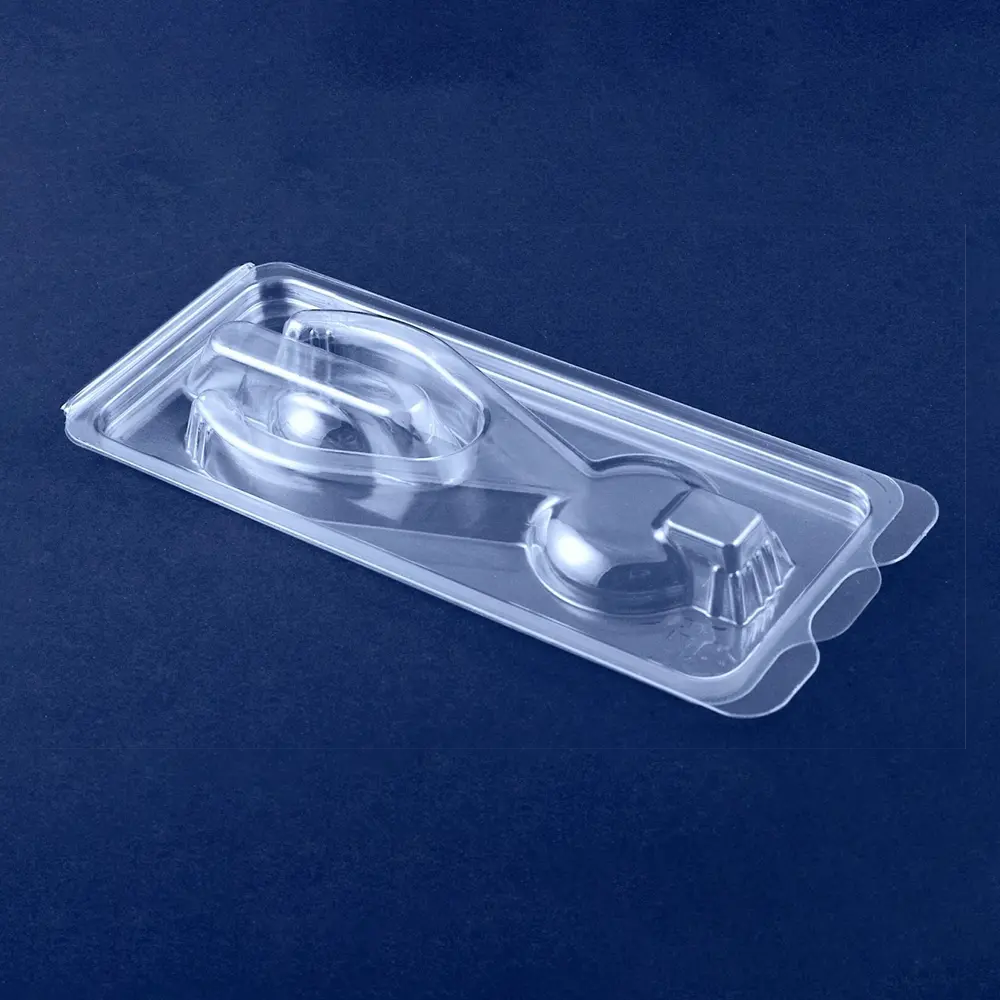 Clamshell Packaging
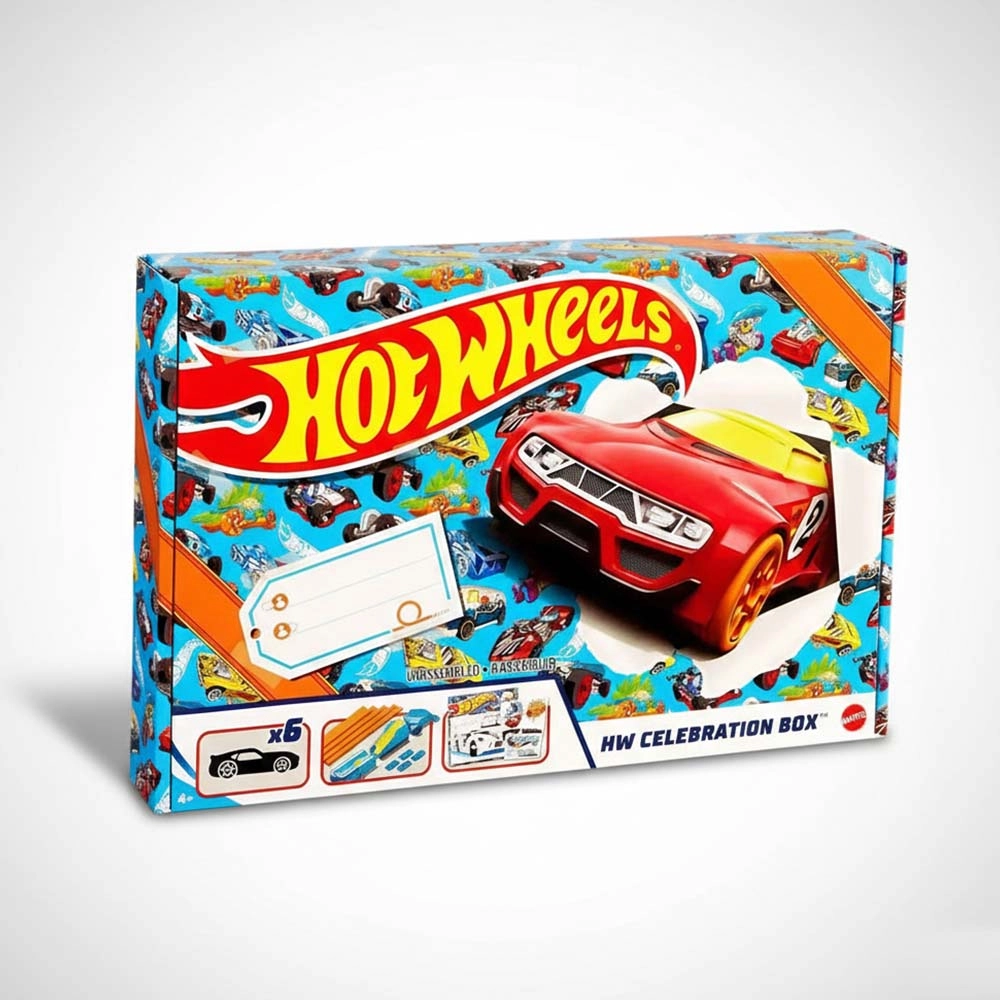 Custom Hot Wheels Packaging
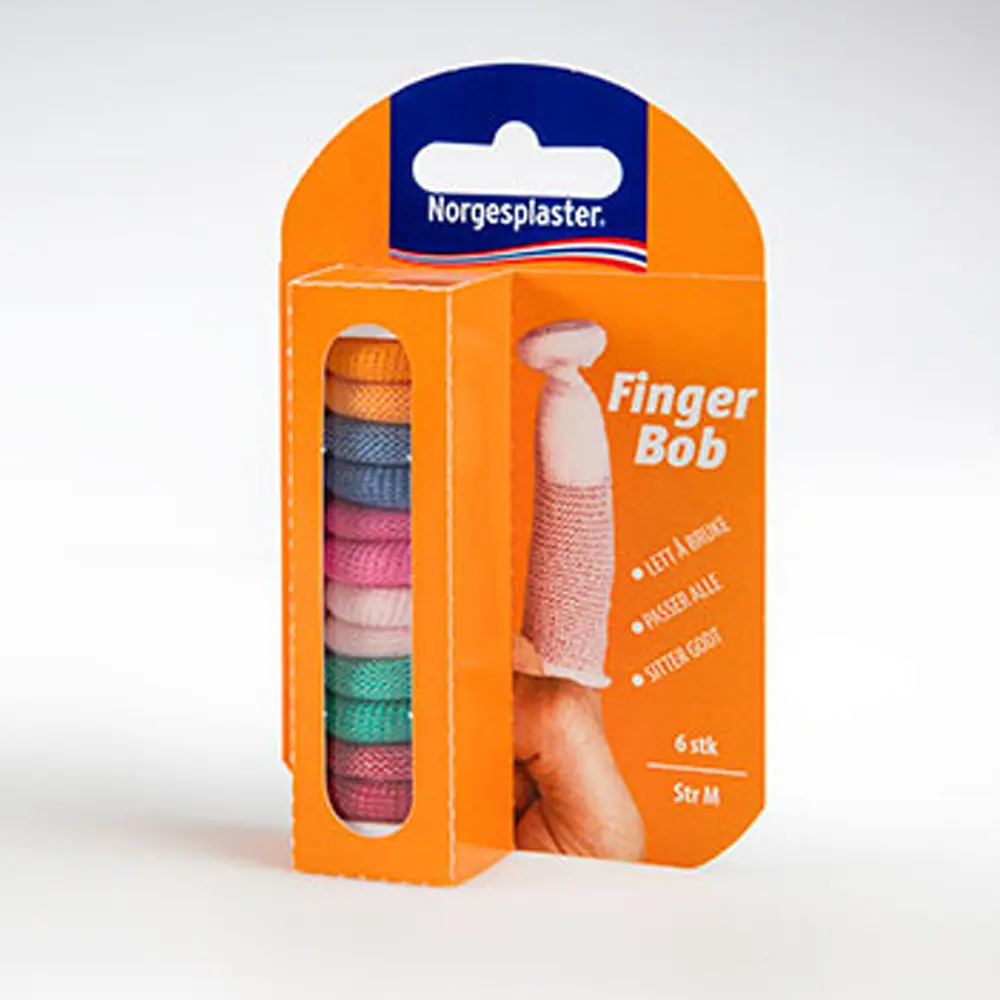 Display Blister Packaging
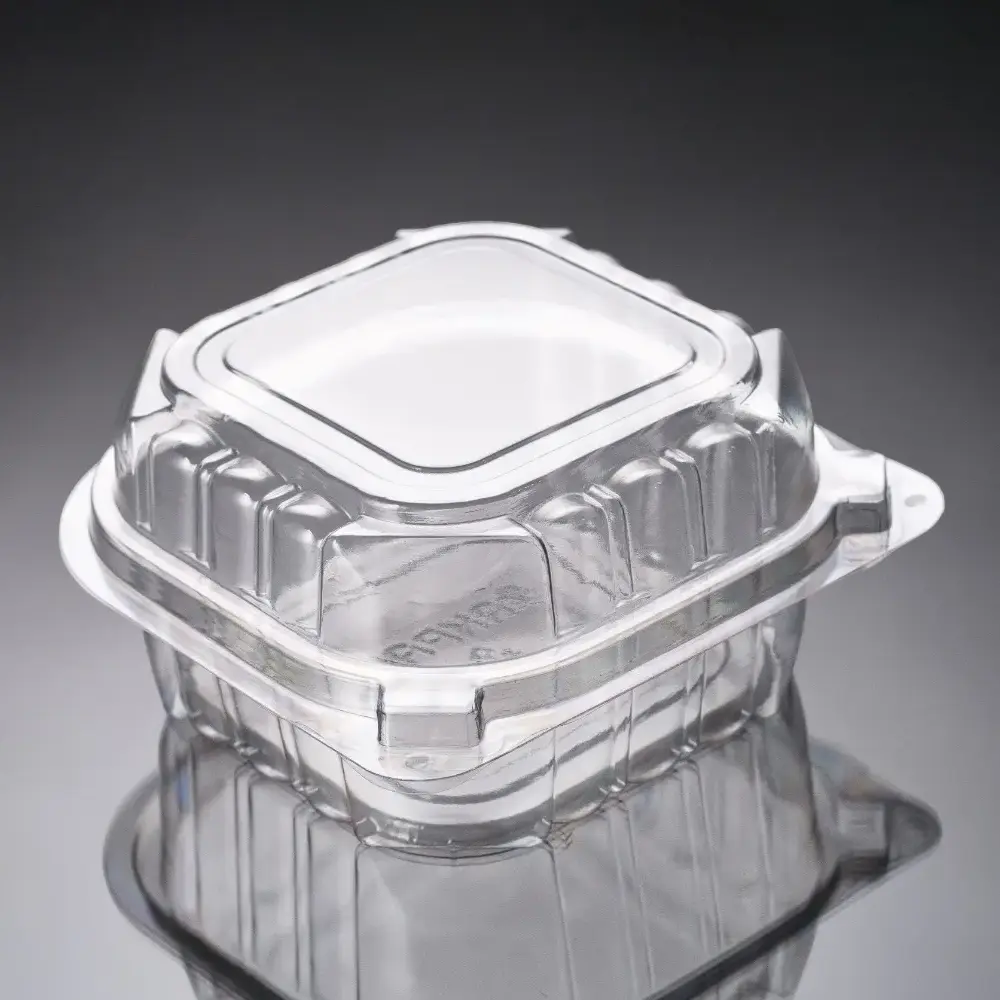 Hinged Packaging
 Pharma Blister Packaging
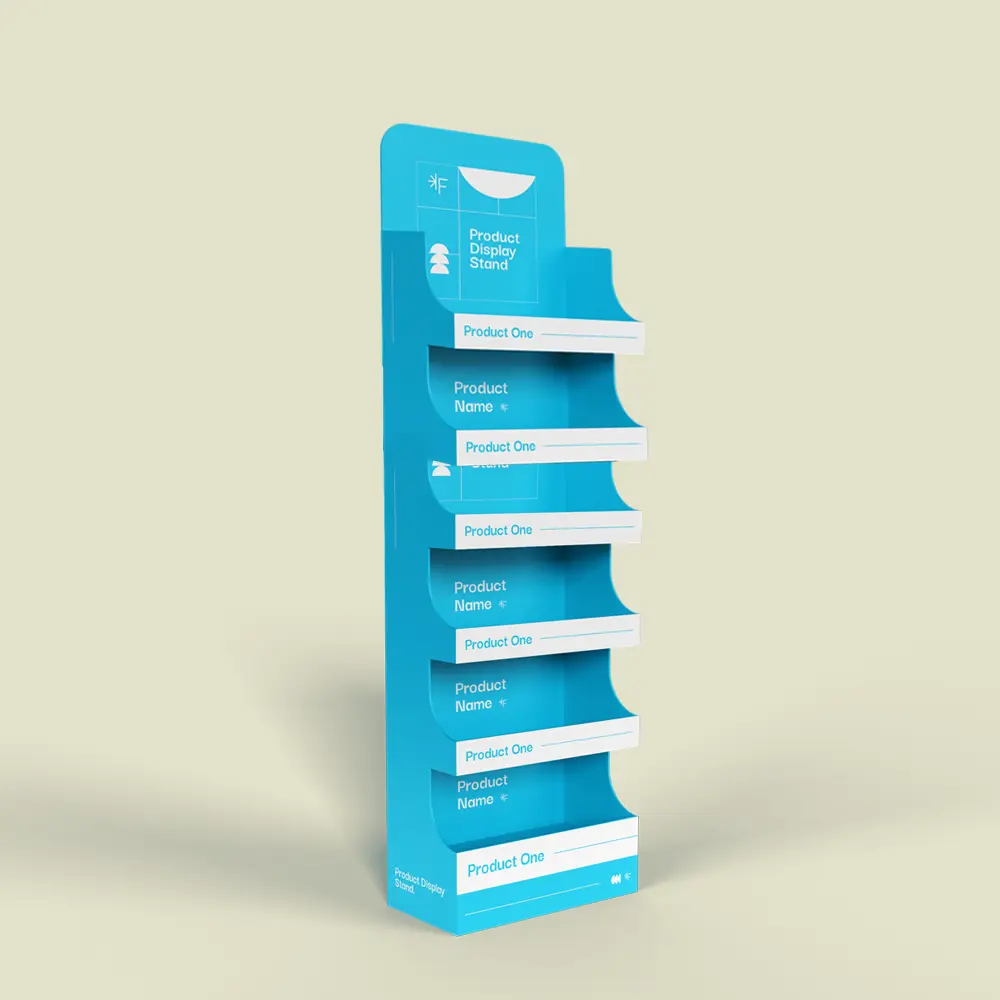 Blue & White Six Shelf Display
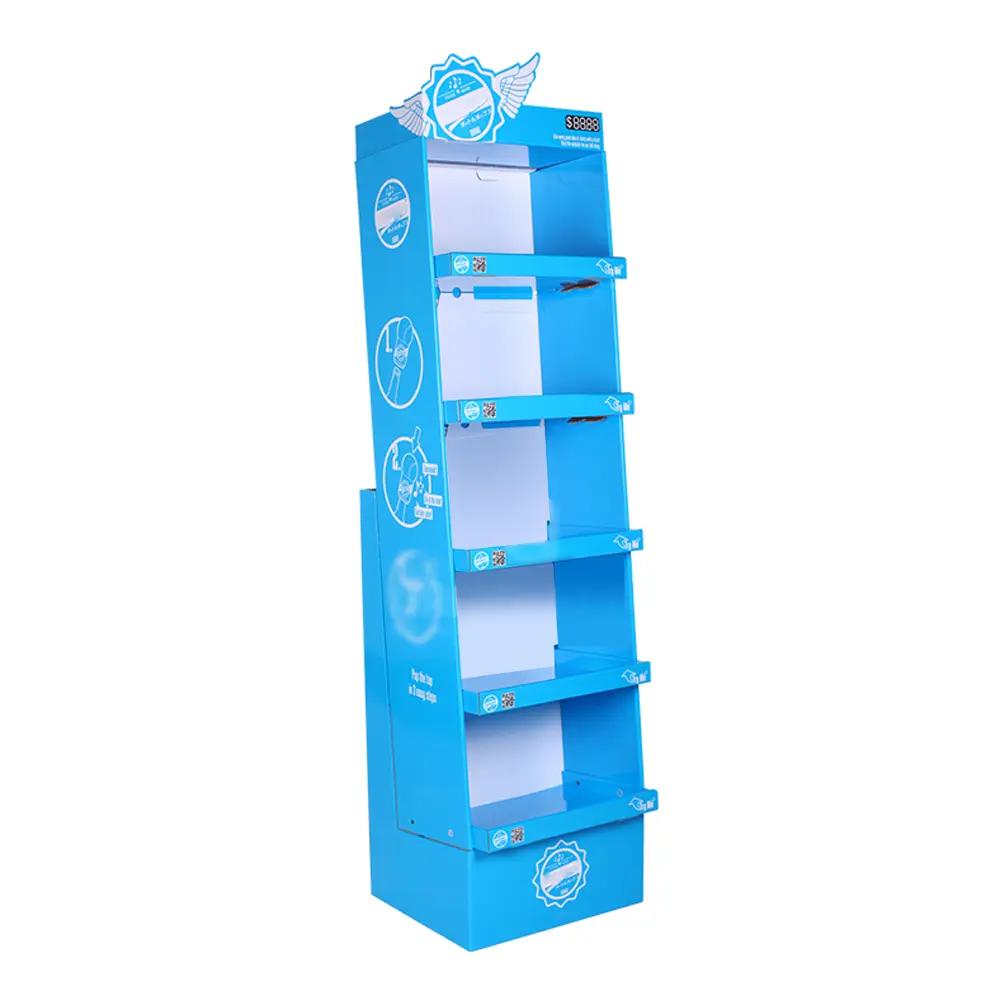 72 Cells/pocket Floor Display
 Hook/Peg Floor Display
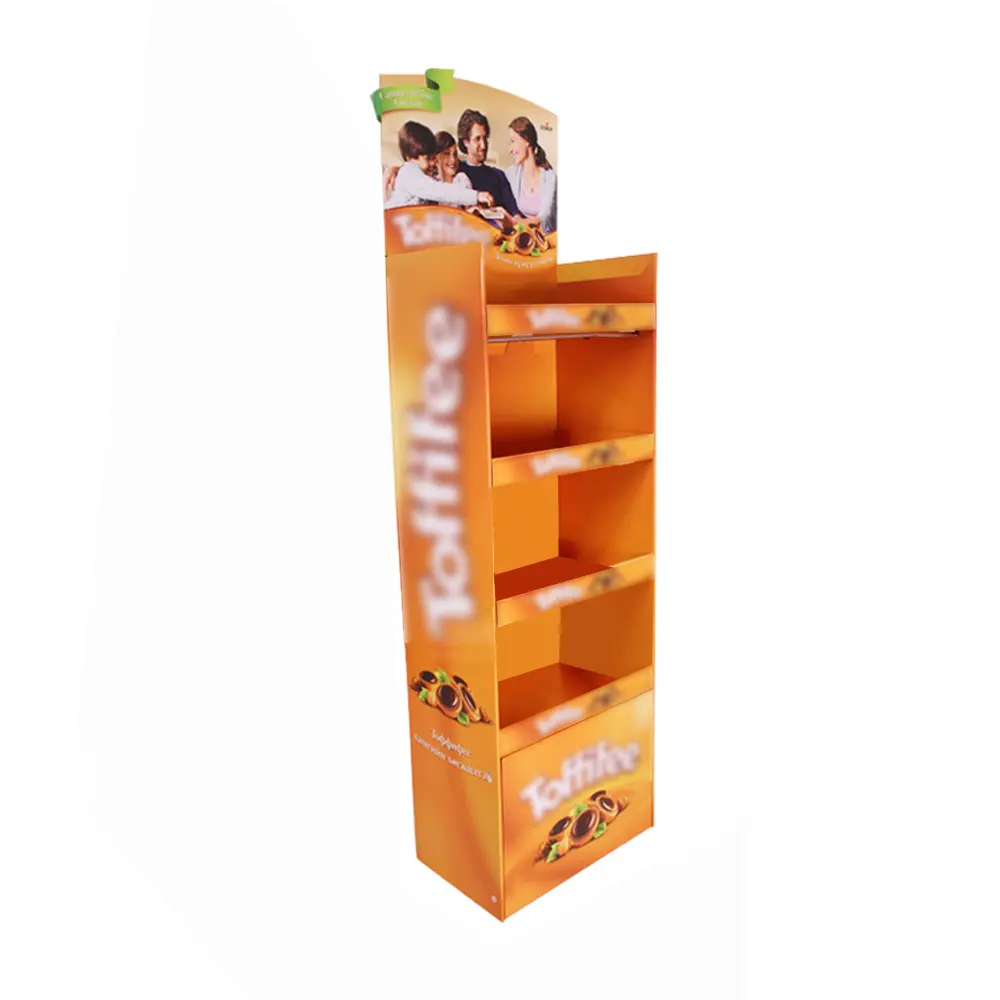 Orange Four Shelf Display
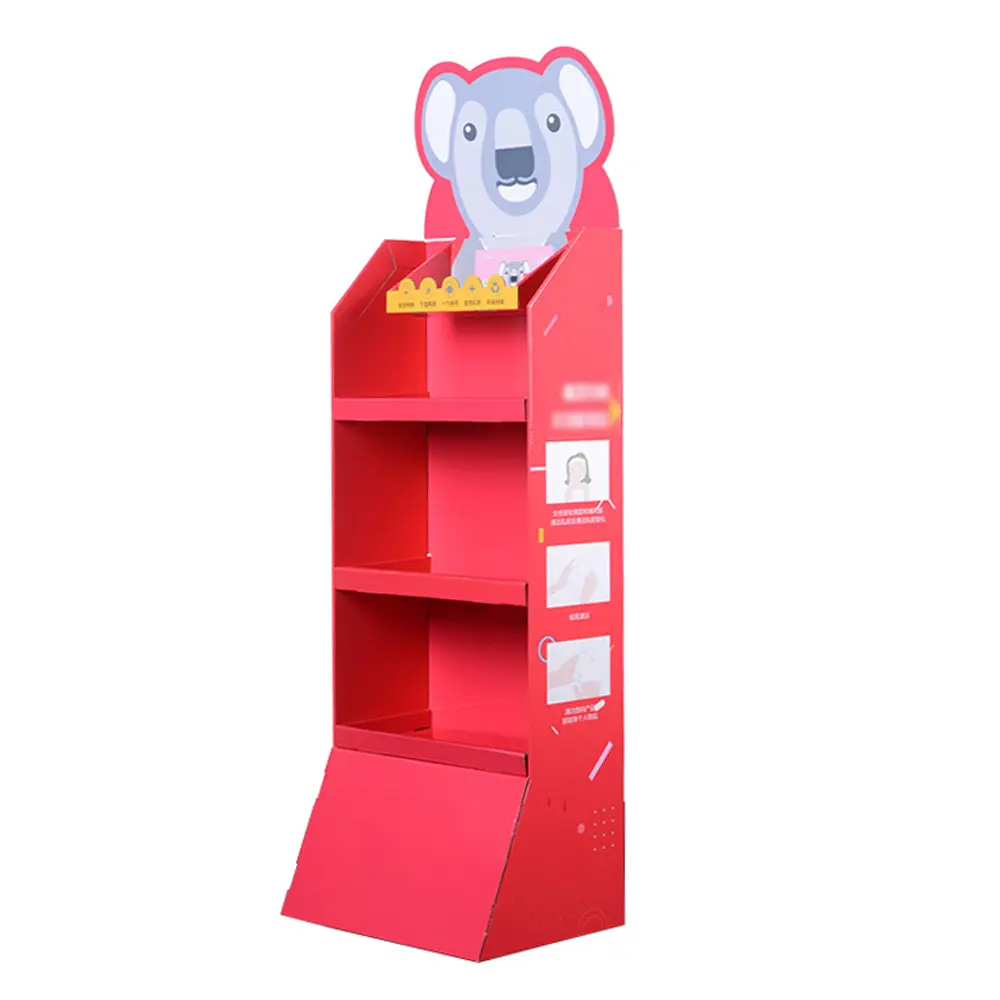 Three Tray Floor Display
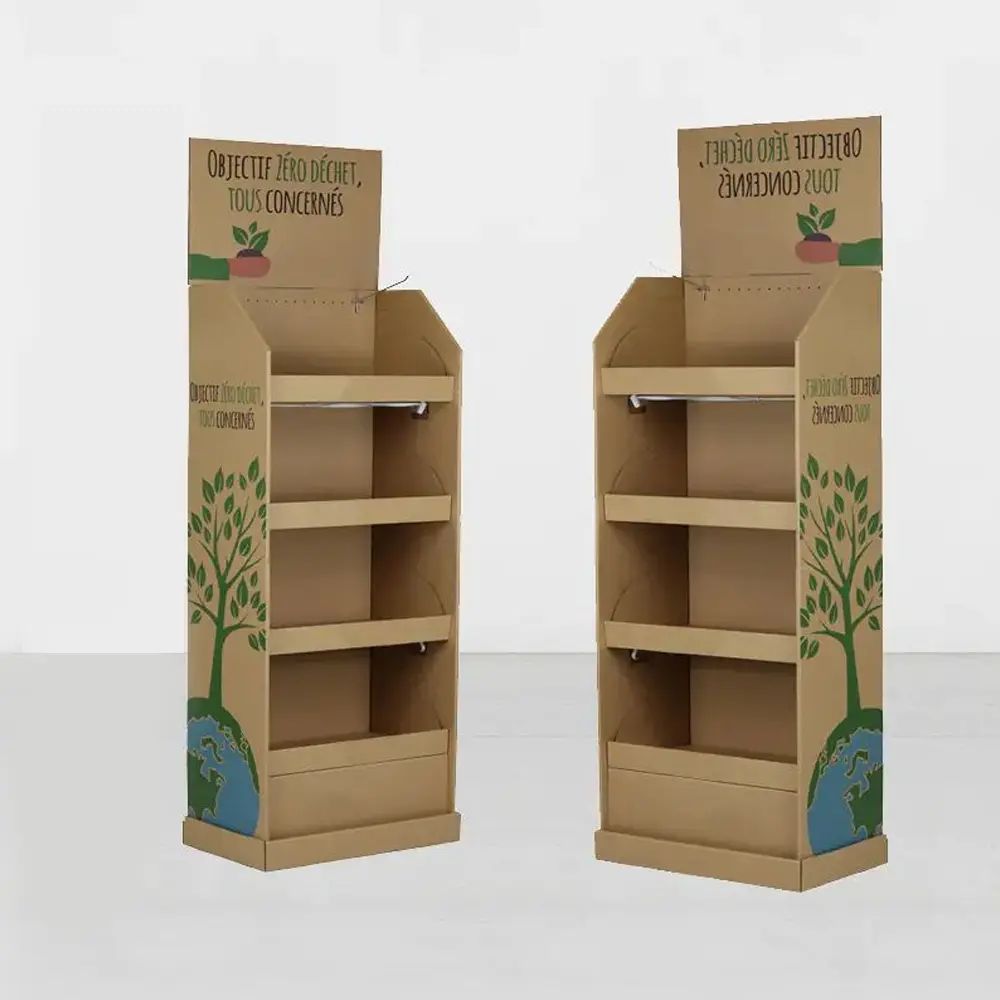 Tray Floor Display
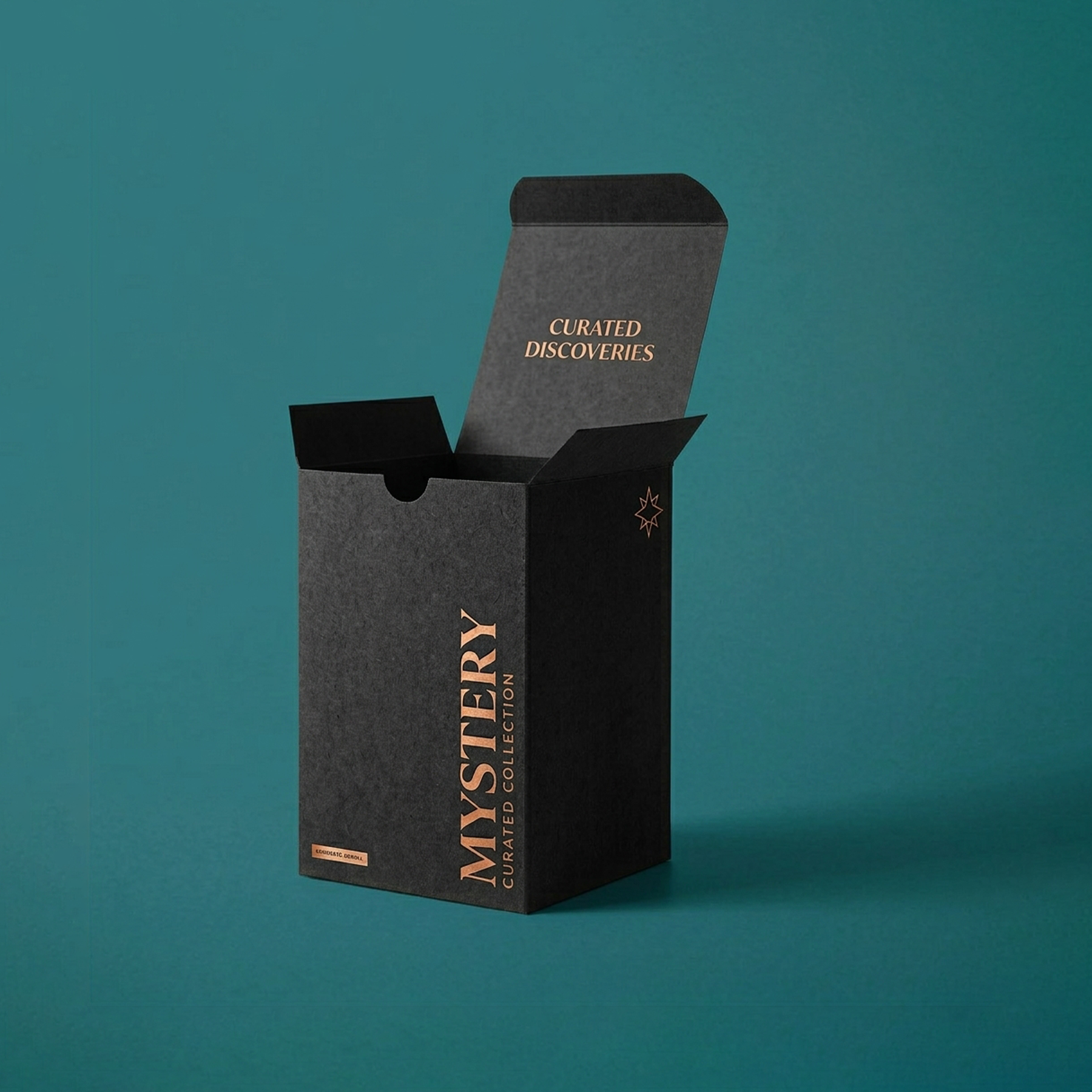 Black Kraft Boxes
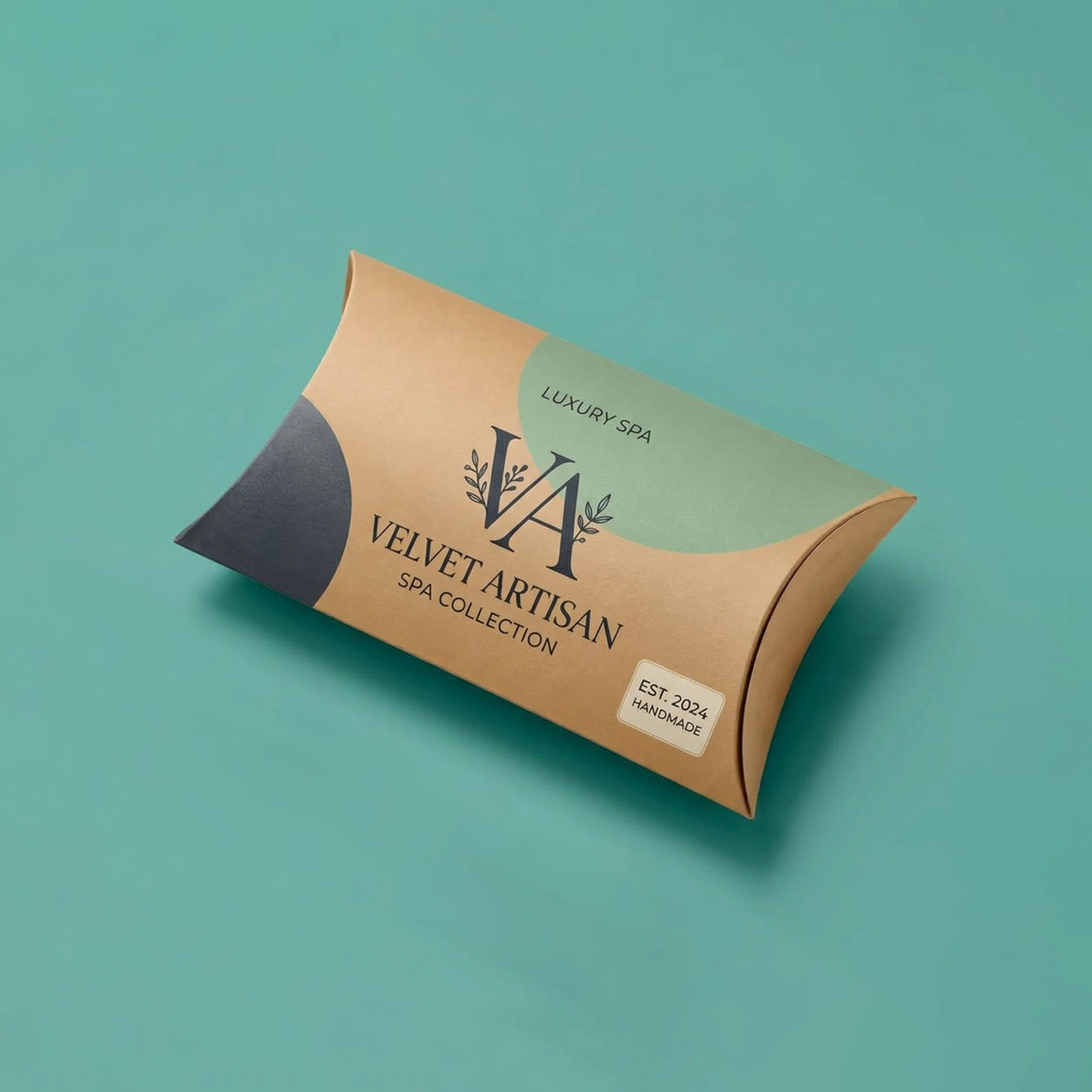 Custom Kraft Pillow Soap Boxes
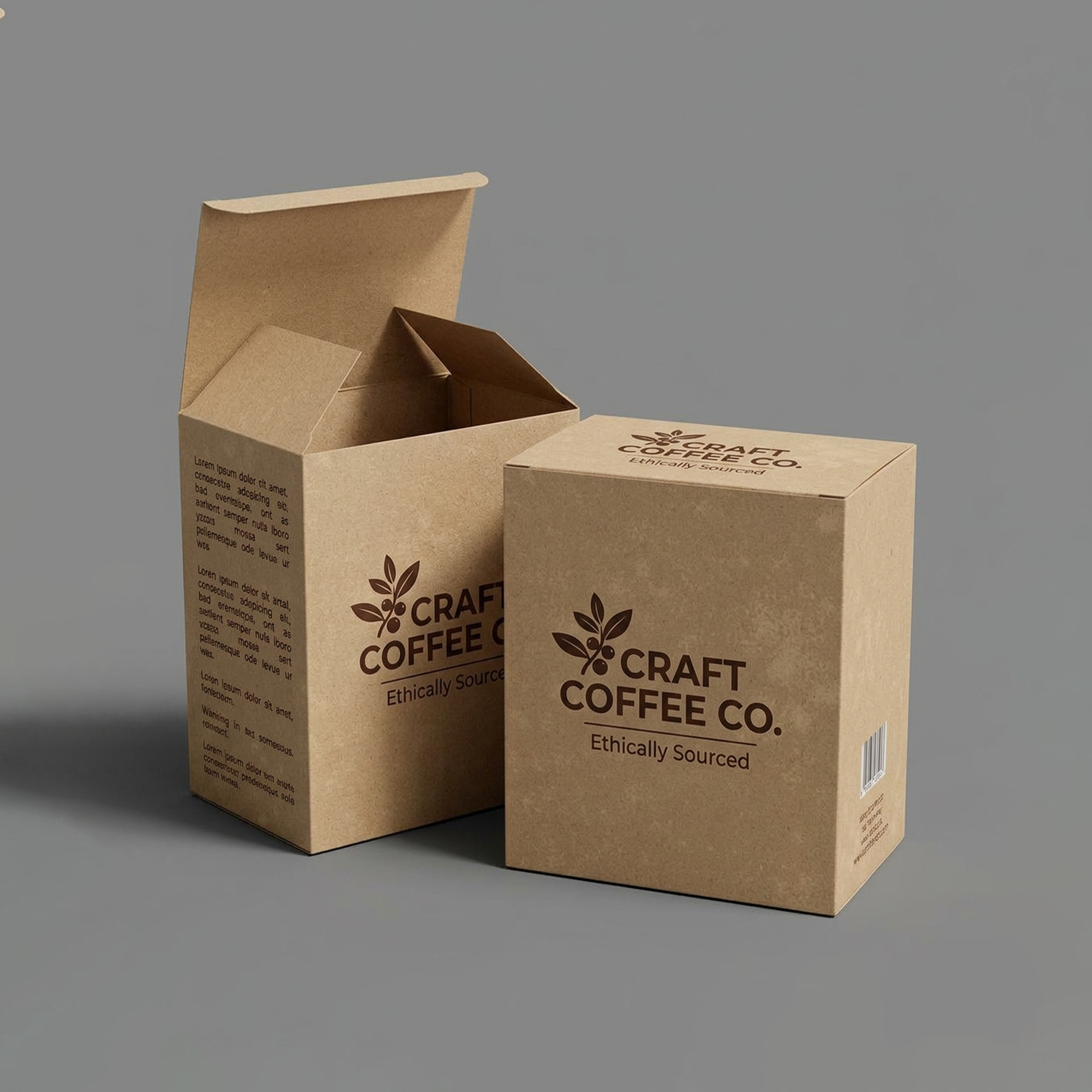 Custom Printed Kraft Packaging Boxes
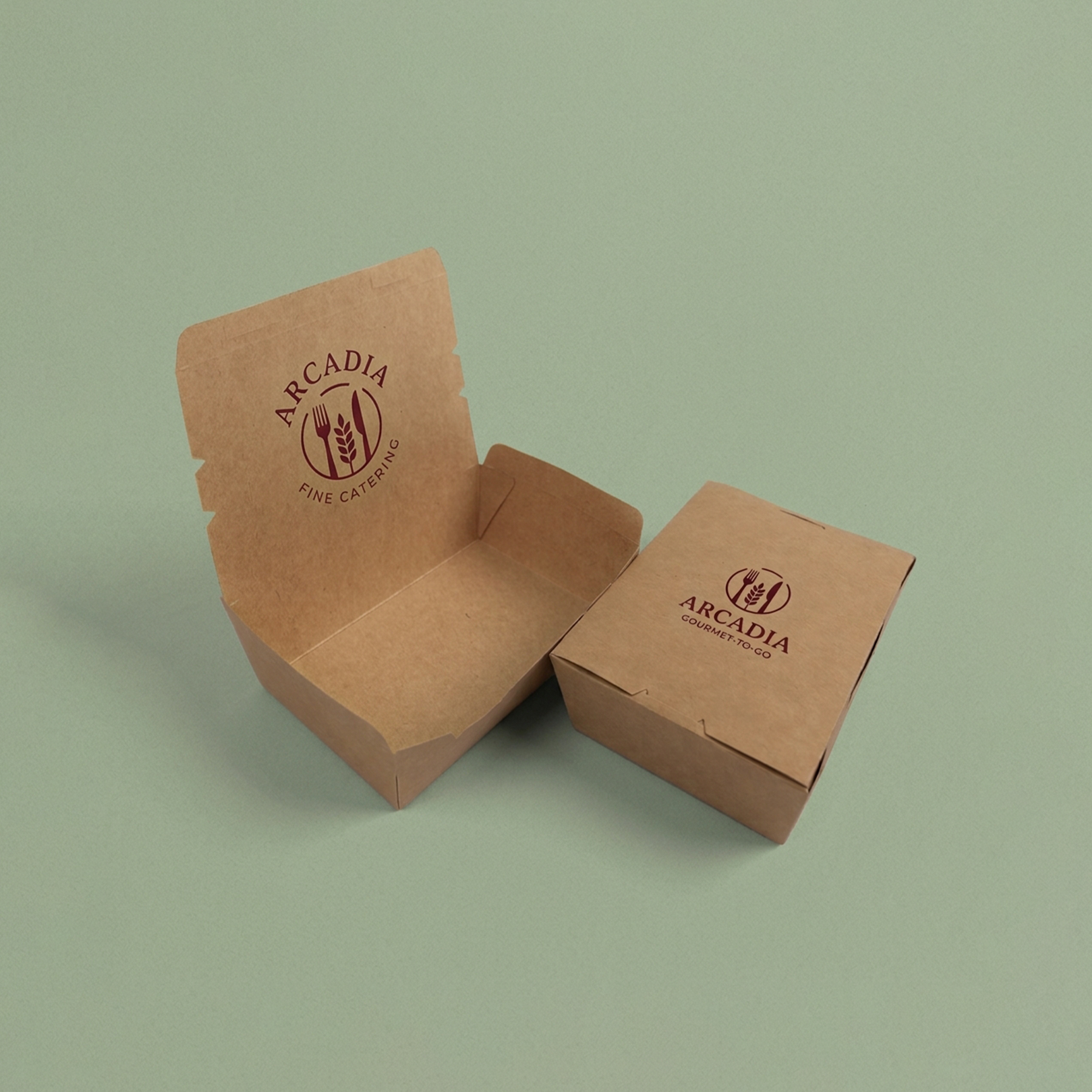 Disposable Kraft Paper Boxes
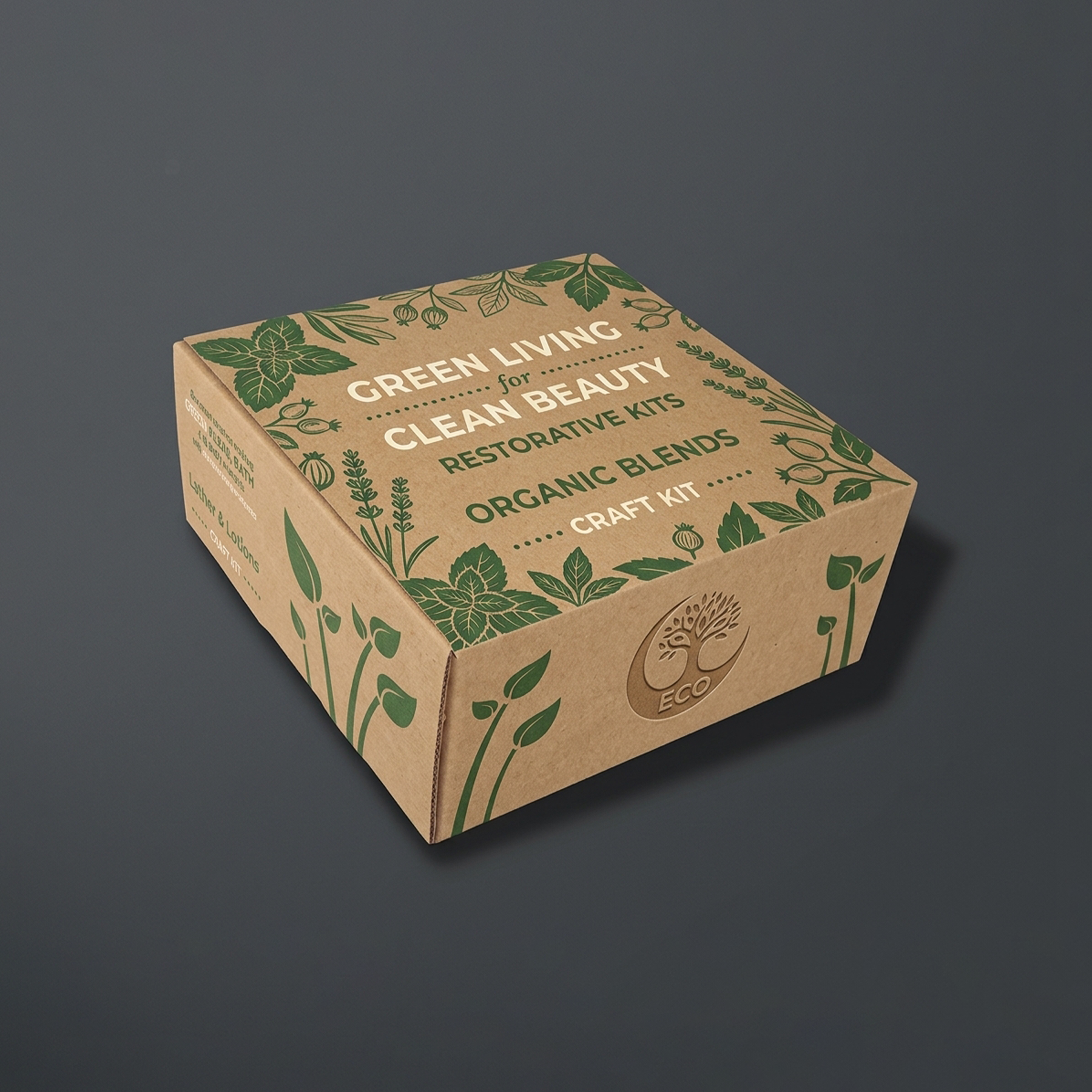 Eco-Friendly Kraft Boxes
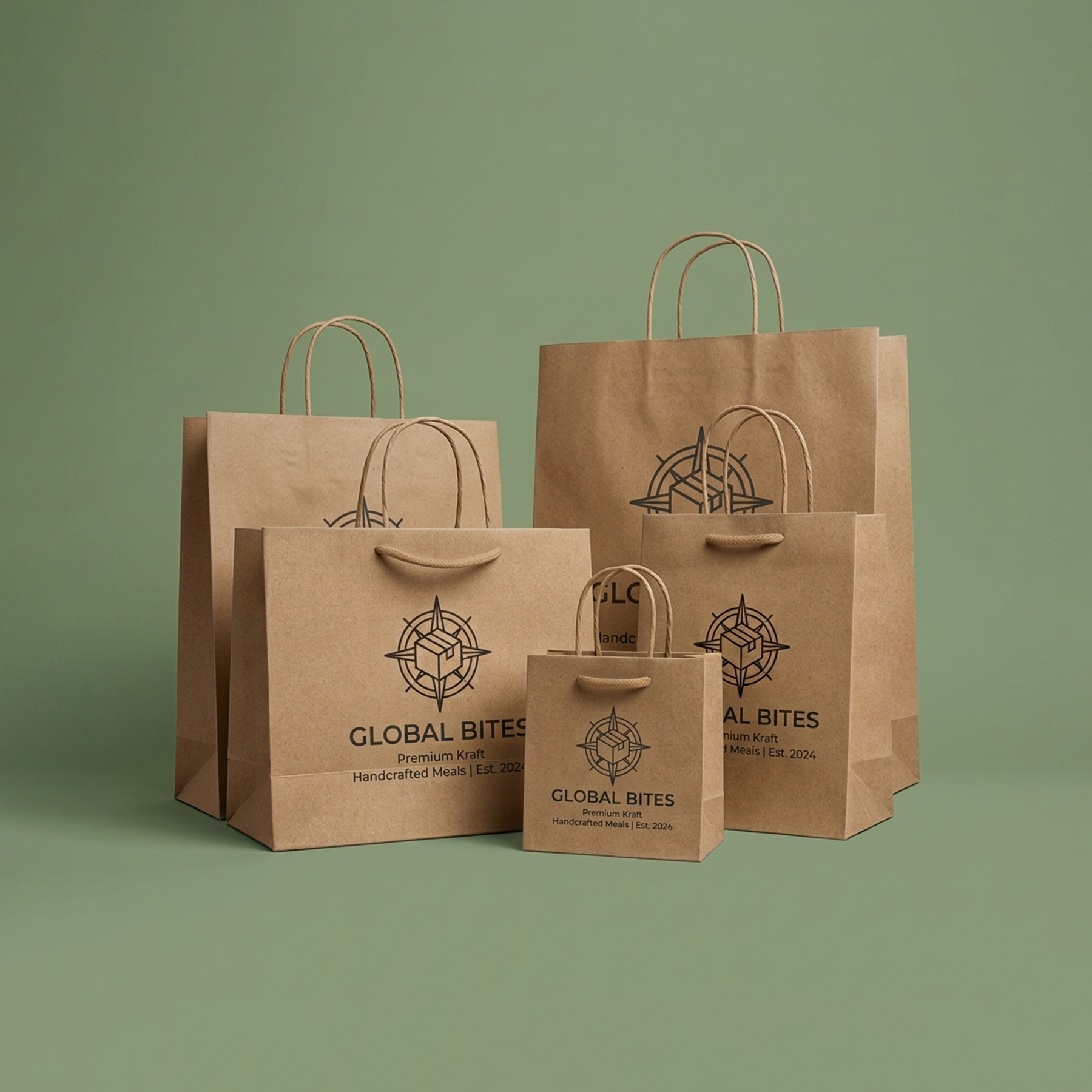 Kraft Paper Bags
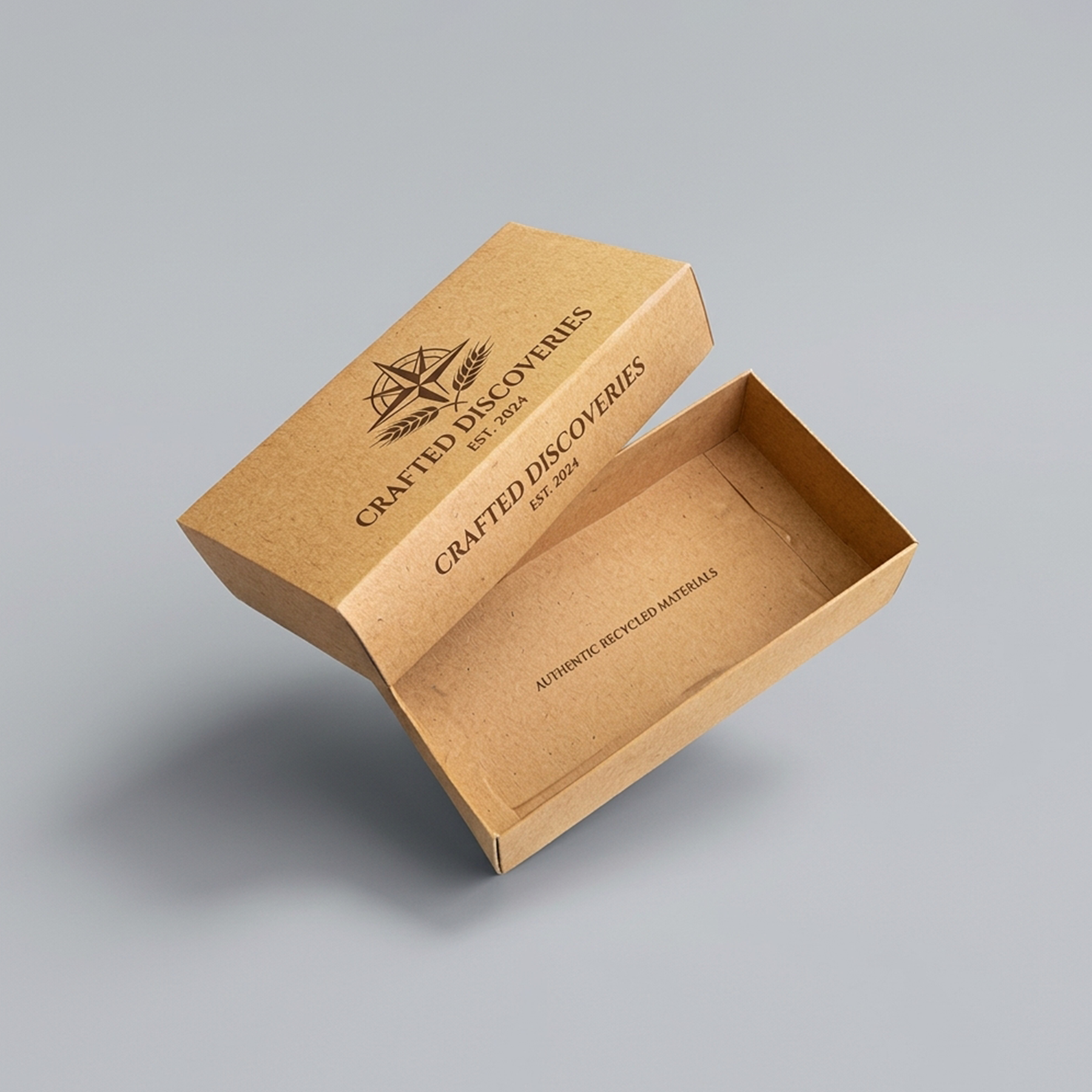 Kraft Boxes with Lids
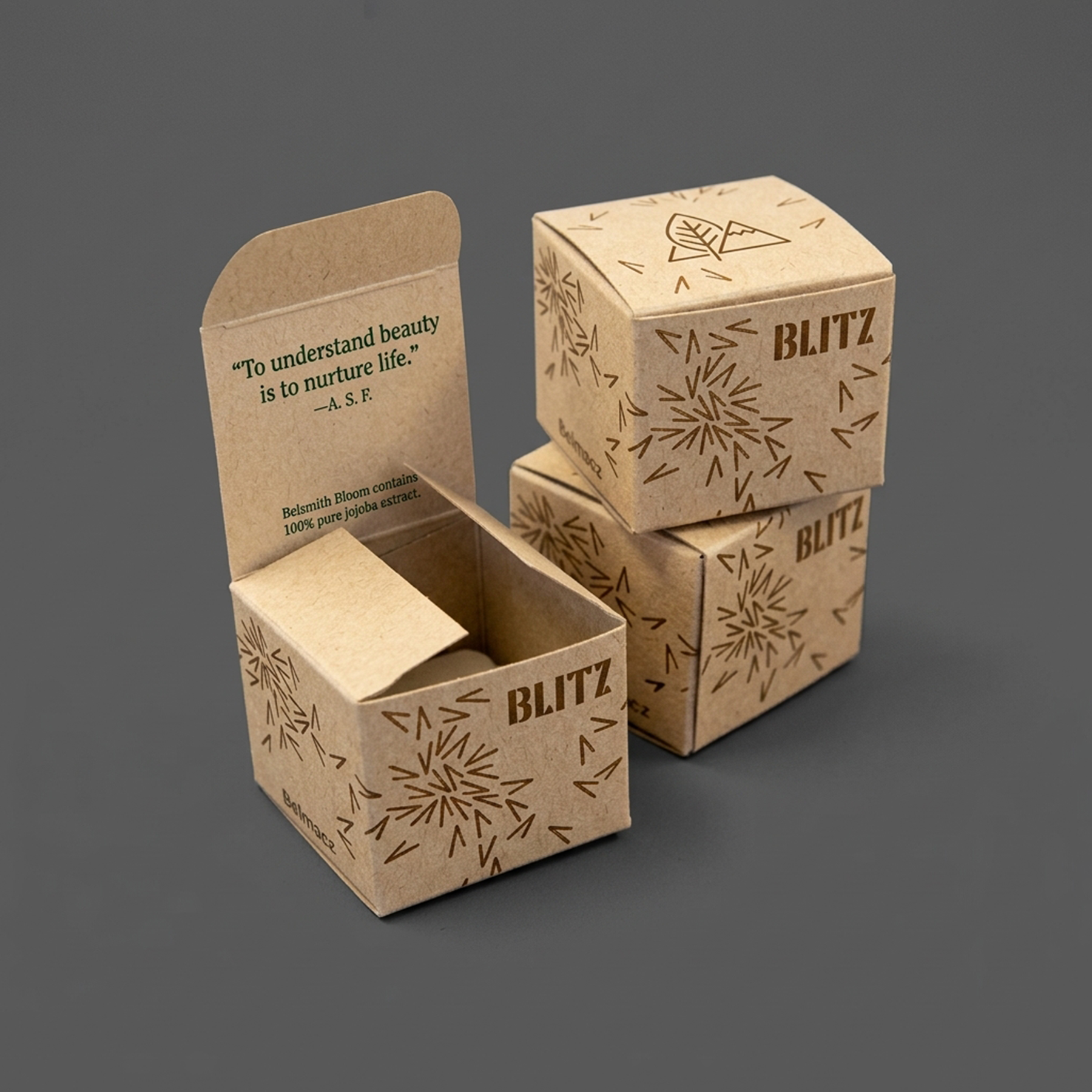 Kraft Cosmetic Boxes
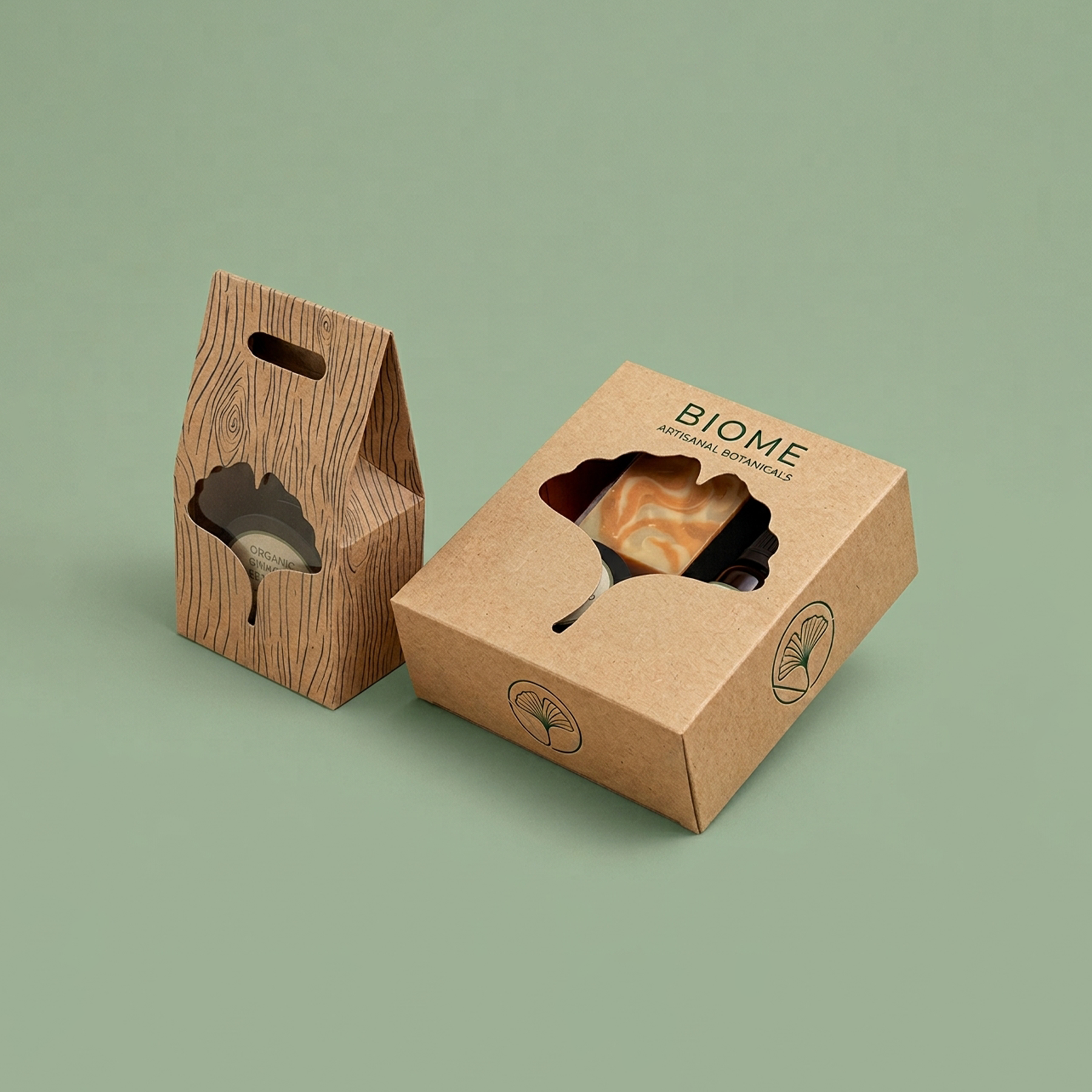 Kraft Die Cut Boxes
 1-2-3 Bottom Box
 Auto Bottom With Display Lid
 Seal End Auto Bottom
 Gable Bags
 Six Corner
 Sleeve
 Tray
Tray
 Custom Sleeve Boxes
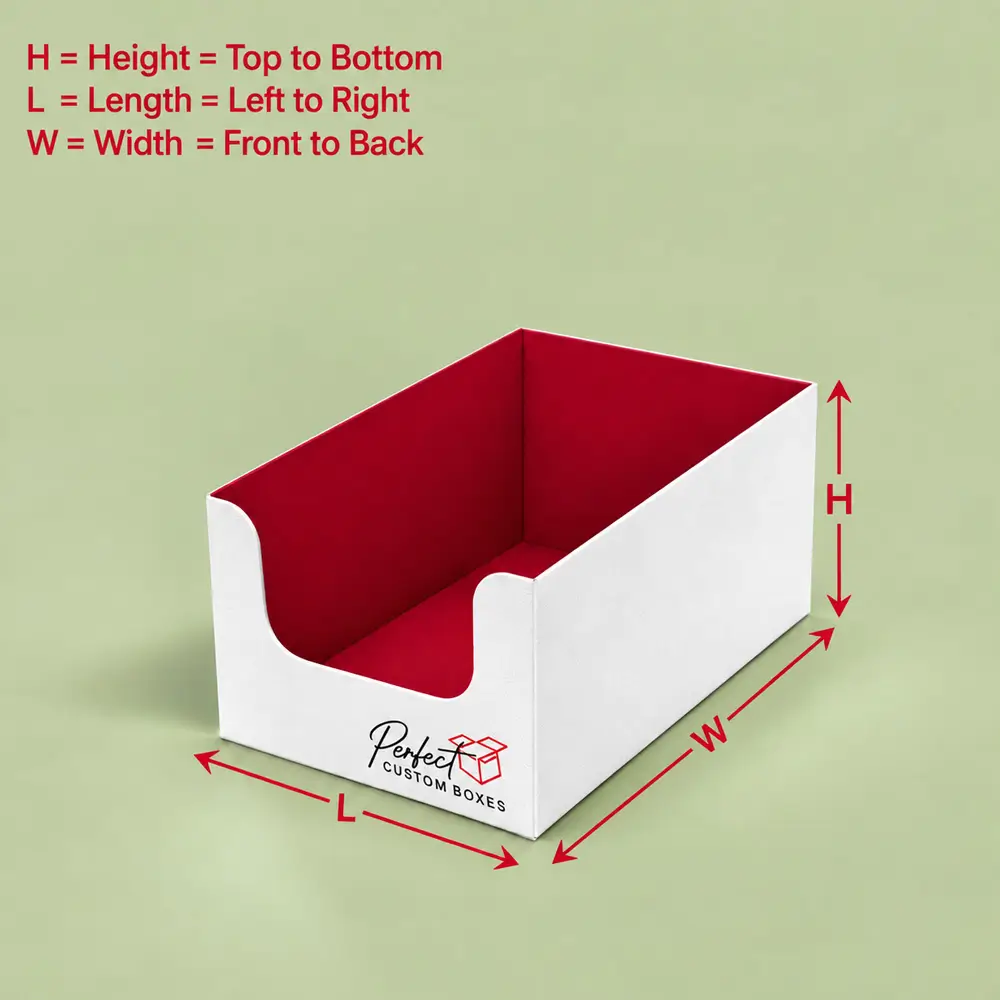 DIM
DIM
 Double Wall Tuck Front
 Gable Box Auto Bottom
 Hexagon Two Piece
 Regular Four Corner Box
 Two Piece
 Dispenser Box
 Four Corner with Display Lid
 Pillow Box
 Reverse Tuck End
 Seal End
 Straight Tuck End
 Tuck End Auto Bottom
 Bottom Tray
 Brief Case Style
 Display Box With Double Walls
 Tuck End With Hanging Tab
 Double Locked Wall Lid
 Self Lock Cake Box
 Cd Jacket
 Kraft Boxes
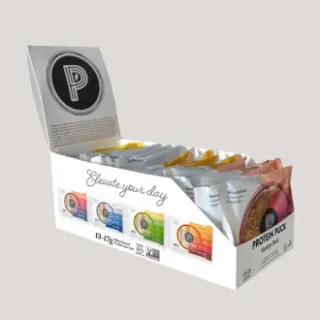 Corrugated Boxes
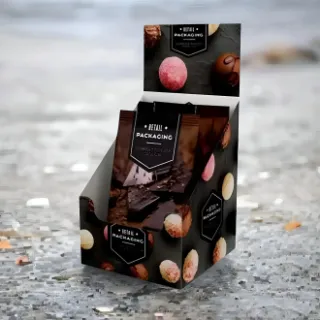 Cardstock Boxes
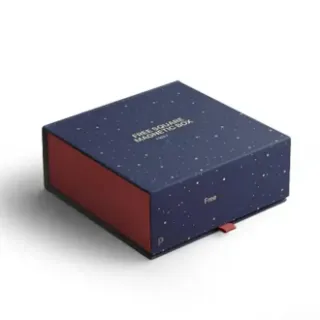 Rigid Boxes
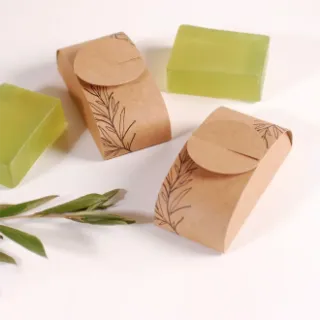 Eco Friendly Packaging
 CMYK Printing
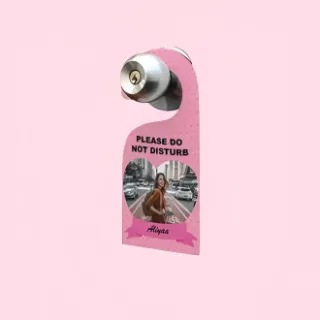 PMS Printing
 Matte Finish
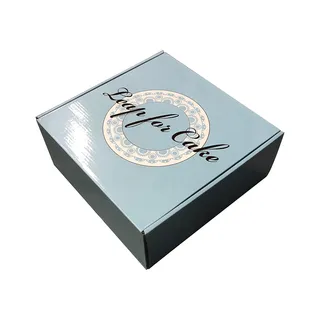 Gloss Finish
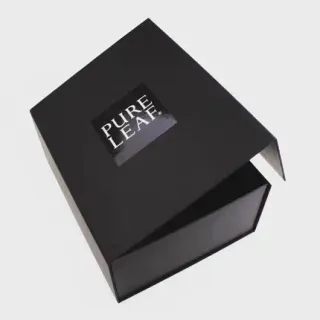 Soft Touch
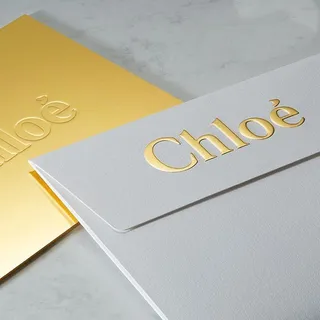 Foil Stamping
 Spot UV
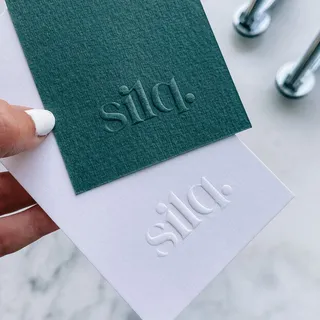 Embossing
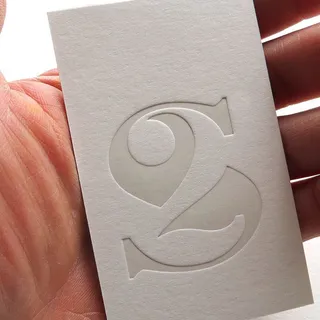 Debossing
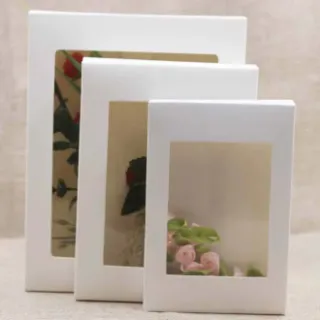 Window Cutouts
When it comes to cooking, baking, BBQ, and food preparation, choosing the right type of paper can make a big difference. Many people confuse butcher paper, parchment paper, wax paper, and baking paper because they may look similar, but each one is designed for a different purpose.
The debate around butcher paper vs parchment paper usually comes down to one simple question: which paper works best for your specific task?
Parchment paper is mainly known for its non-stick surface and ability to handle oven temperatures, making it a popular choice for baking and cooking. On the other hand, butcher paper is valued for its strength, breathability, and ability to wrap and protect food, especially in BBQ and restaurant applications.
Understanding the differences between these papers also helps businesses make better packaging decisions. Food brands, bakeries, restaurants, and retailers often combine paper materials with professional custom food packaging, bakery boxes, and custom printed boxes to improve product presentation and customer experience.
Quick Answer: Butcher Paper vs Parchment Paper
The main difference between butcher paper and parchment paper is their coating, purpose, and performance.
Parchment paper is a treated paper with a non-stick surface, making it ideal for baking, roasting, and cooking in the oven. It prevents food from sticking and helps create easier cleanup.
Butcher paper is a strong, food-grade paper commonly used for wrapping meat, BBQ smoking, sandwiches, and food presentation. It allows some airflow, which helps maintain texture in certain cooking methods.
| Feature | Butcher Paper | Parchment Paper |
|---|---|---|
| Main purpose | Wrapping and food preparation | Baking and cooking |
| Surface | Usually uncoated and breathable | Non-stick coated surface |
| Heat use | Common in BBQ and smoking | Designed for oven use |
| Grease resistance | Moderate | High |
| Best for | Meat, BBQ, food wrapping | Cookies, pastries, roasting |
| Non-stick ability | Limited | Excellent |
For baking and oven cooking, parchment paper is usually the better option. For smoking meat or wrapping food while maintaining airflow, butcher paper is often preferred.
What Is Parchment Paper?
Parchment paper is a specially treated cooking paper designed to provide a non-stick surface and heat resistance. It is commonly used in kitchens because food can be placed directly on it without sticking to trays, pans, or baking sheets.
The main feature that makes parchment paper different from regular paper is its coating. Most modern parchment papers are treated with silicone, which creates a smooth, grease-resistant, and non-stick surface.
Common uses of parchment paper include:
- Baking cookies
- Making cakes and pastries
- Roasting vegetables
- Cooking fish and meat
- Lining baking trays
- Preparing desserts
Is Parchment Paper Oven Safe?
Many people search is parchment paper oven safe because they want to know whether it can be used during baking and cooking.
In general, quality parchment paper is made for oven use when used according to the manufacturer's instructions.
When using parchment paper in the oven:
- Avoid direct contact with open flames
- Do not exceed the recommended temperature
- Follow the product instructions
- Use the correct size for your baking tray
What Is Butcher Paper?
Butcher paper is a strong, food-grade paper traditionally used by butchers for wrapping meat and protecting food products. Unlike parchment paper, butcher paper is generally uncoated, which allows it to absorb moisture while still providing a protective layer around food.
The main reason butcher paper remains popular is its balance of strength and breathability. It can protect food while allowing airflow, which is especially useful when preparing smoked meats.
Common uses of butcher paper include:
- Wrapping brisket and smoked meats
- Packaging sandwiches and burgers
- Covering food during preparation
- Restaurant food presentation
- BBQ smoking applications
- Serving takeaway food
For food businesses, butcher paper can also be part of a larger packaging strategy. Many restaurants combine food-grade paper wraps with custom food packaging, branded boxes, and retail packaging solutions to create a consistent customer experience.